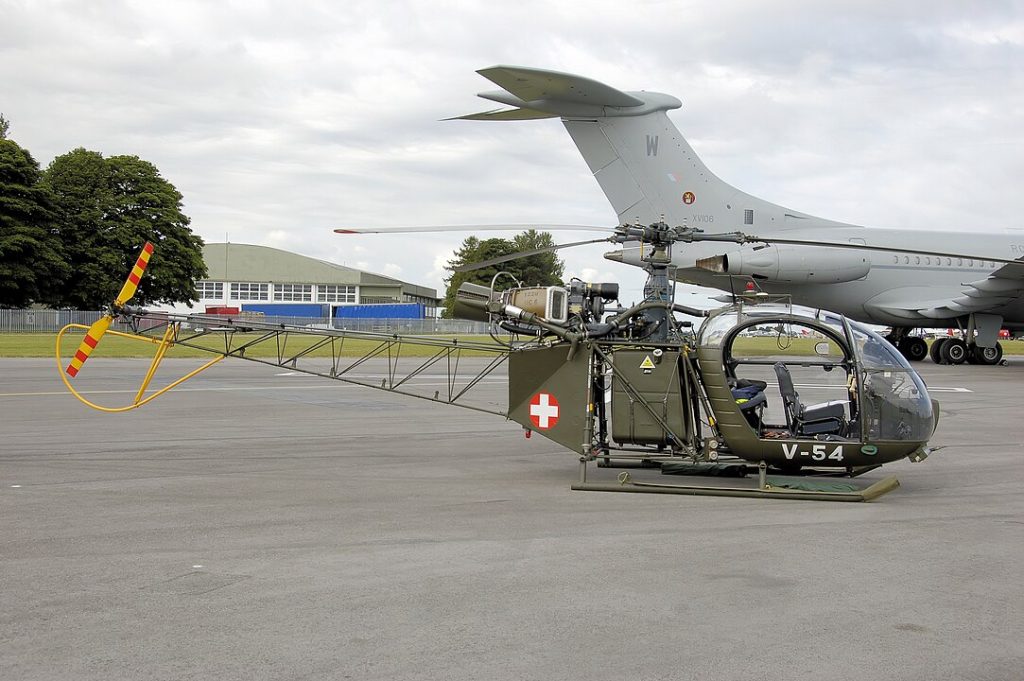

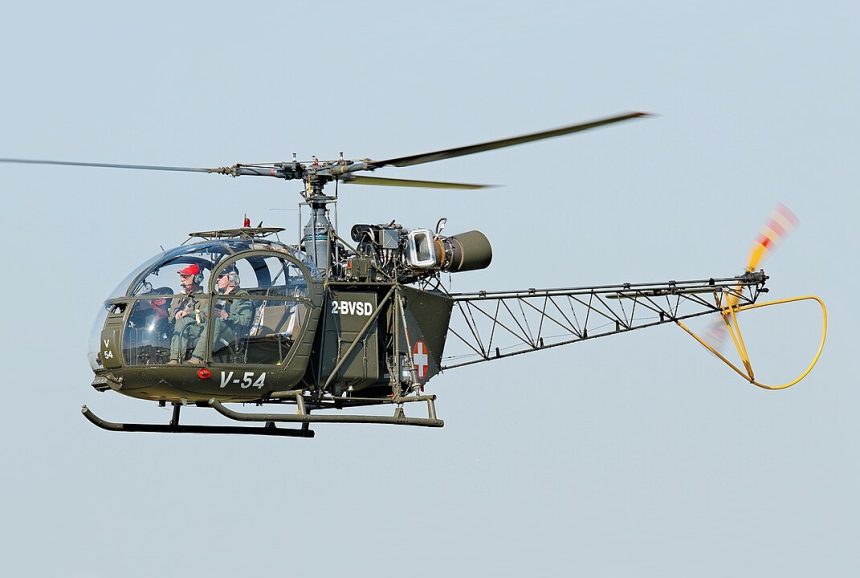

On this day in aviation history, March 12, 1955, the Aérospatiale Alouette II took to the skies for the first time. Designed by the French aerospace firm Aérospatiale, the SE 313/318 Alouette II made history as the world’s first helicopter powered by a gas turbine engine rather than a conventional piston powerplant. Though classified as a light helicopter, its impact in both military and civilian aviation has been anything but small.
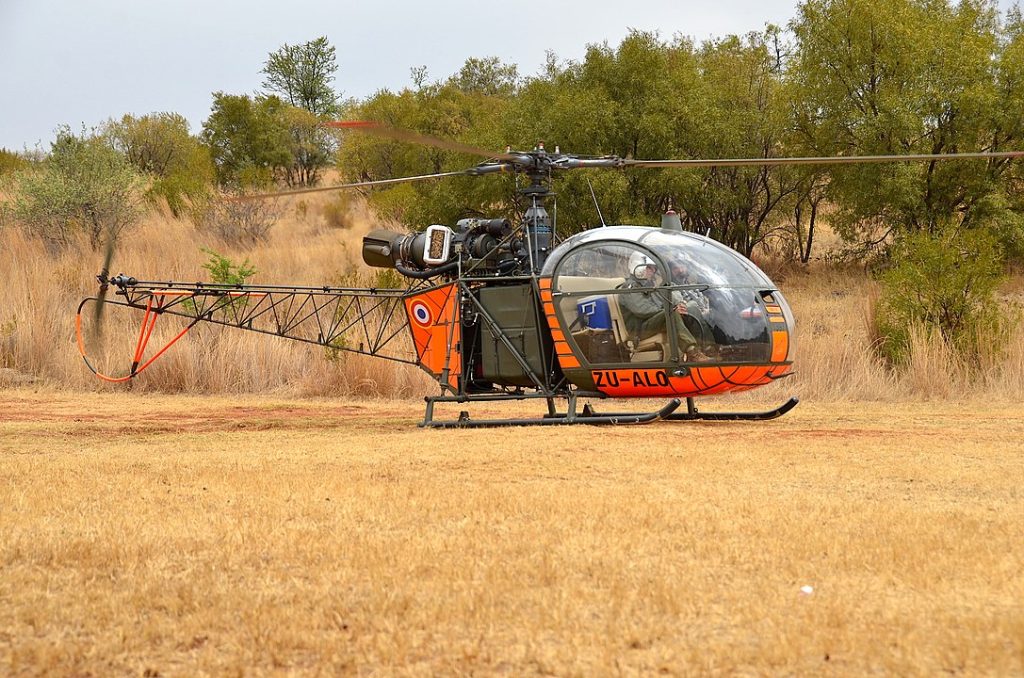
Originally developed for military applications, the Alouette II was designed for roles such as observation, reconnaissance, liaison, search and rescue, and pilot training. While the aircraft was capable of carrying anti-tank missiles and homing torpedoes, it was never used in a dedicated attack role. In civilian aviation, the Alouette II proved highly versatile, excelling in medical evacuation missions by transporting patients on externally mounted stretchers. It also became a mainstay in agricultural aviation as an effective crop duster and demonstrated impressive capability as a flying crane, able to lift up to 1,100 pounds in an underslung load.
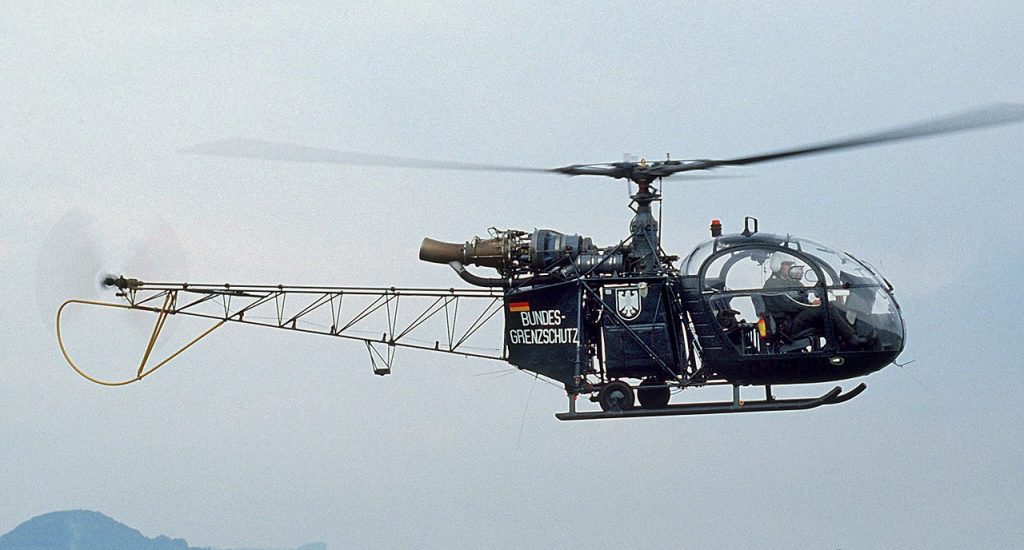
The SE 313/318 is crewed by a single pilot and can carry up to four passengers. It is powered by a Turbomeca Artouste IIC6 turboshaft engine, producing 530 shaft horsepower. With a maximum speed of 115 mph and a range of 351 miles, the helicopter can remain airborne for approximately 4.1 hours before requiring refueling. Produced between 1956 and 1975, the Alouette II remains in operation today. Both the Turkish and Tunisian Air Forces continue to employ the type, while numerous examples remain in civilian hands, serving in roles ranging from sightseeing and personal transport to construction and aerial work.
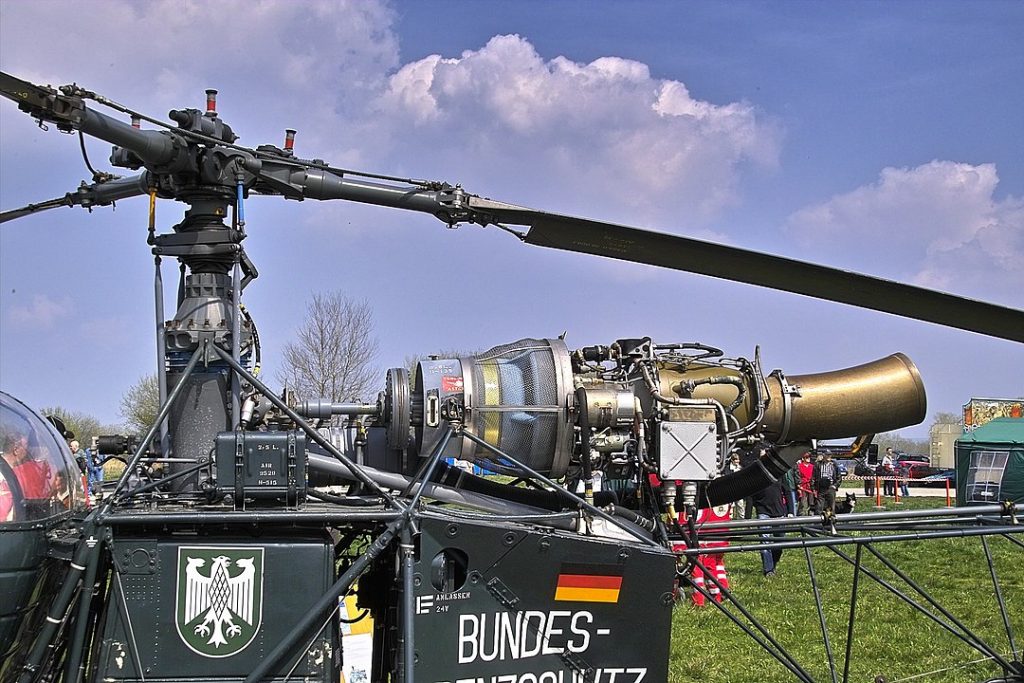
More than six decades after its first flight, the Alouette II endures as a testament to French aeronautical innovation, proving that a well-designed aircraft can transcend generations and continue to serve in diverse roles across the globe.