




By Randy Malmstrom
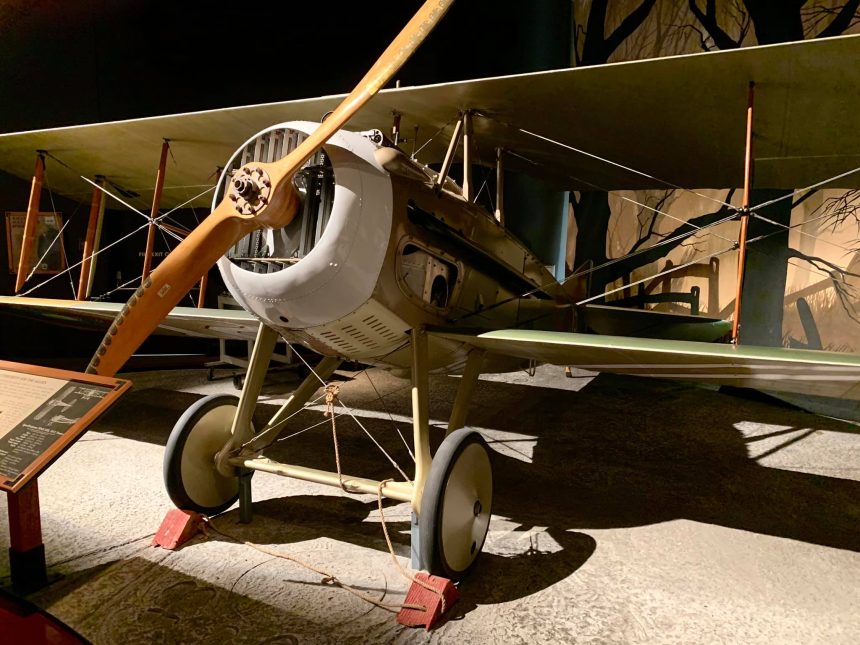
Since his childhood, Randy Malmstrom has had a passion for aviation history and historic military aircraft in particular. He has a particular penchant for documenting specific airframes with a highly detailed series of walk-around images and an in-depth exploration of their history, which have proved to be popular with many of those who have seen them, and we thought our readers would be equally fascinated too. This installment of Randy’s Warbird Profiles takes a look at the Seattle Museum of Flight’s SPAD S.XIII C.1.
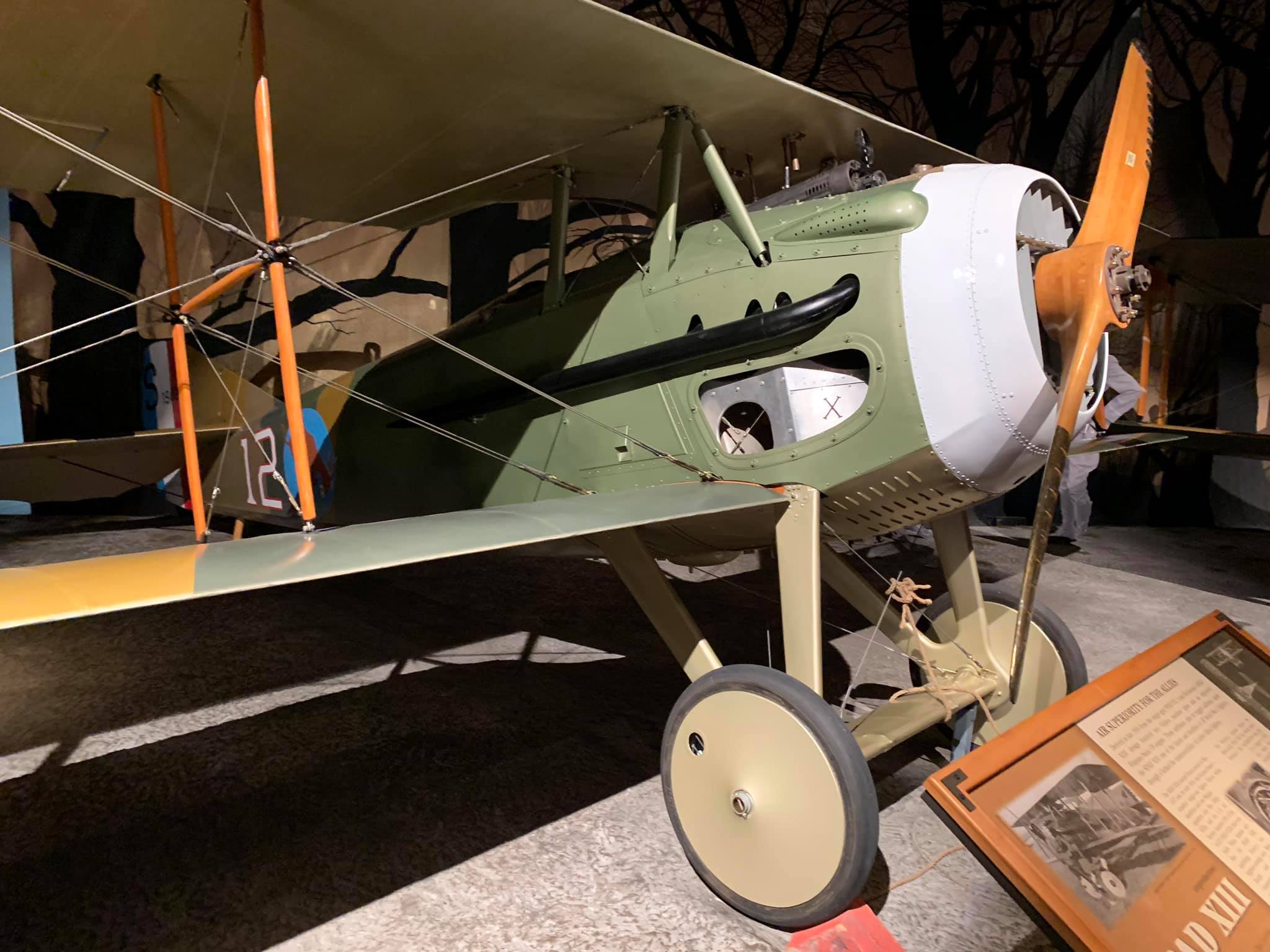
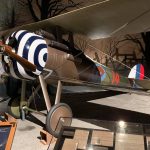
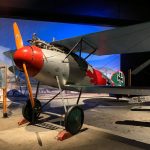
This is a reproduction at Museum of Flight in Seattle (MOF). World War I biplane fighter, developed in 1916 by Société Pour L’Aviation et ses Dérivés (SPAD). This particular aircraft was created by Richard Day of Colonia, New Jersey, who was responsible for building aircraft for the Champlin Fighter Museum. It is powered by a Hispano-Suiza, 200- to 235-horsepower in-line engine and fitted with two .303-inch Vickers machine guns. Because the original SPAD drawings were destroyed during World War II, Day used existing original examples located at the National Air & Space Museum and the Cole Palen collection to build this plane.
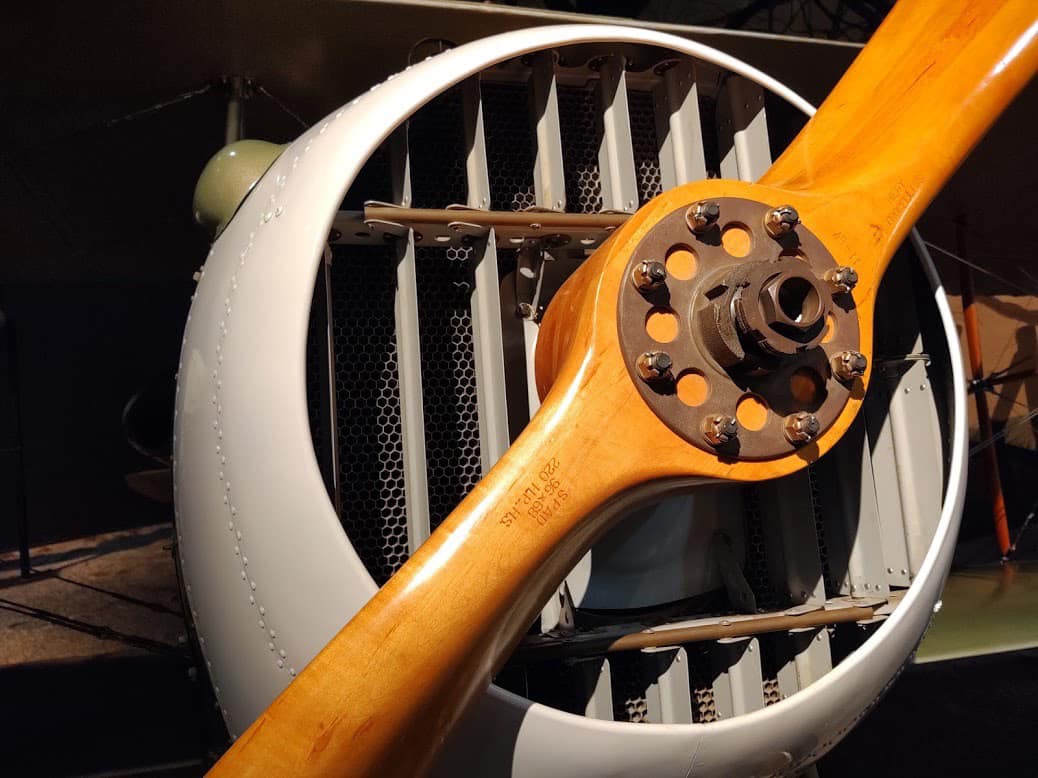
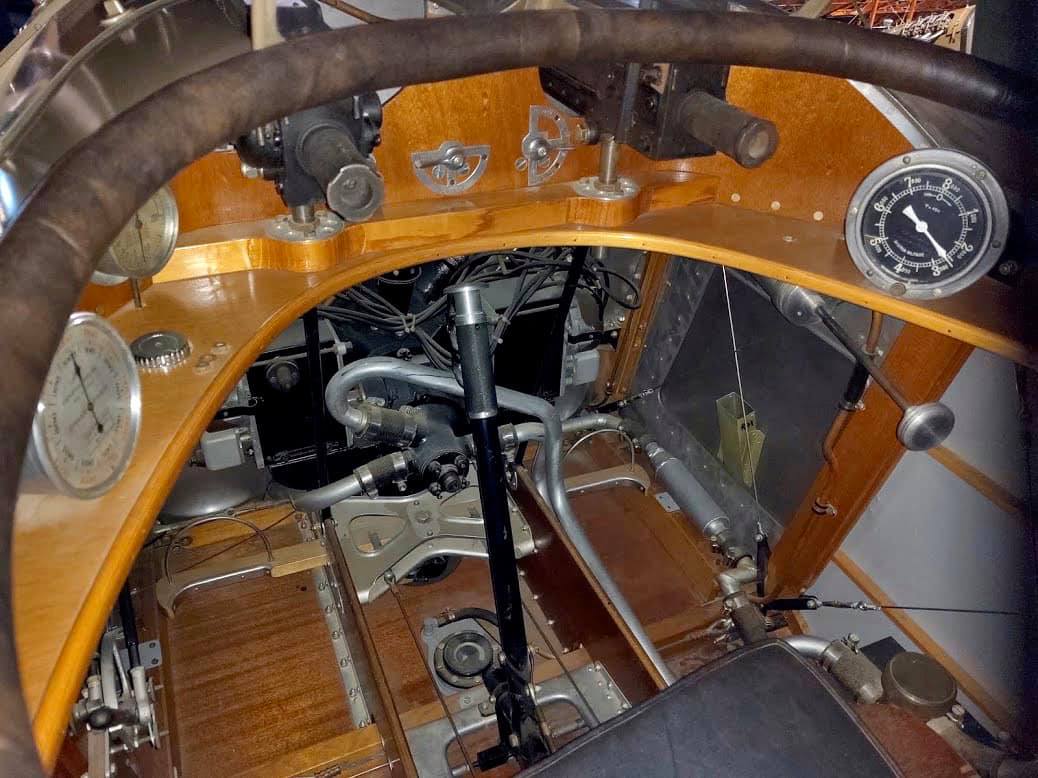
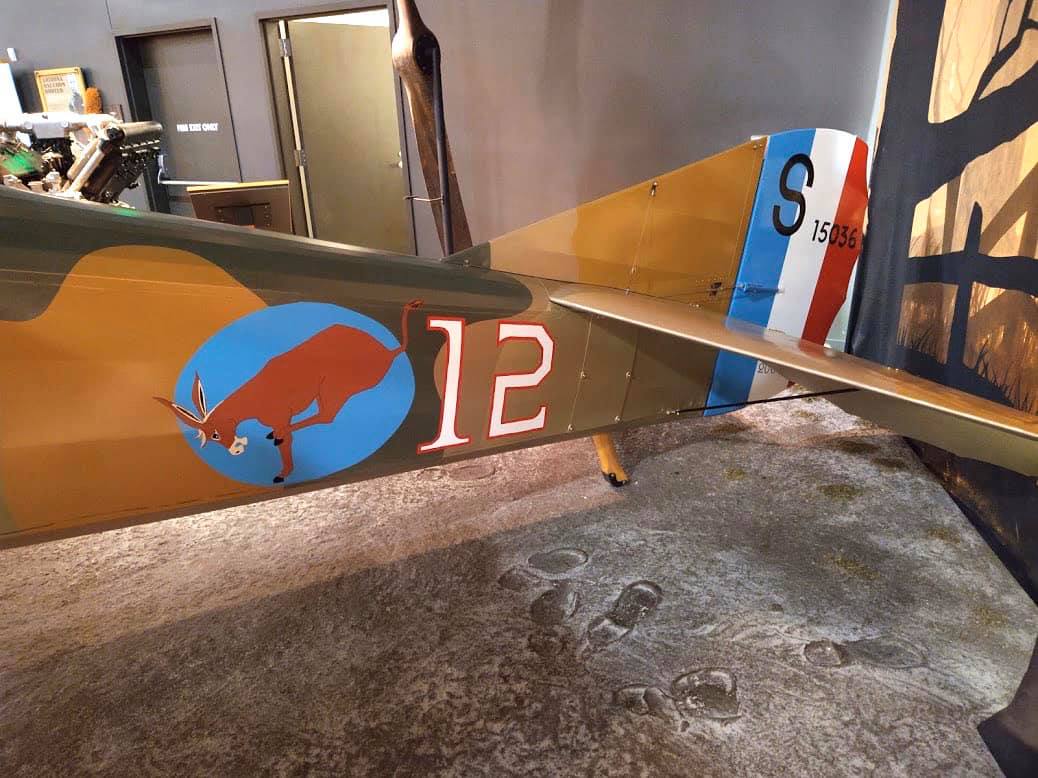
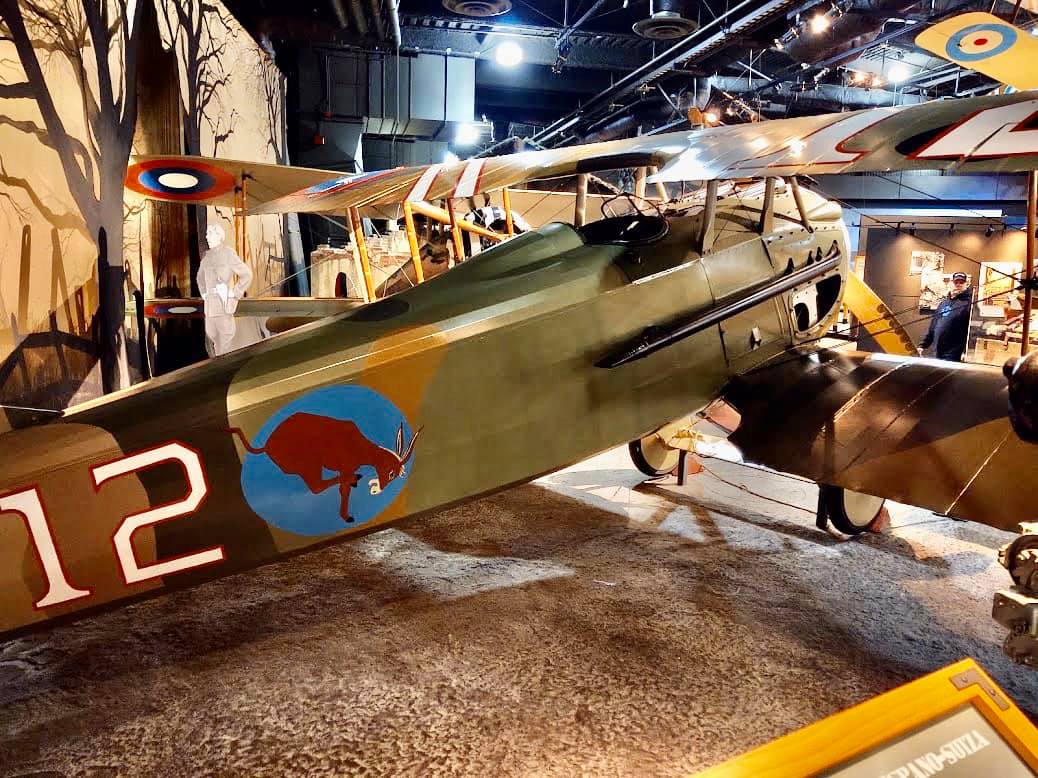
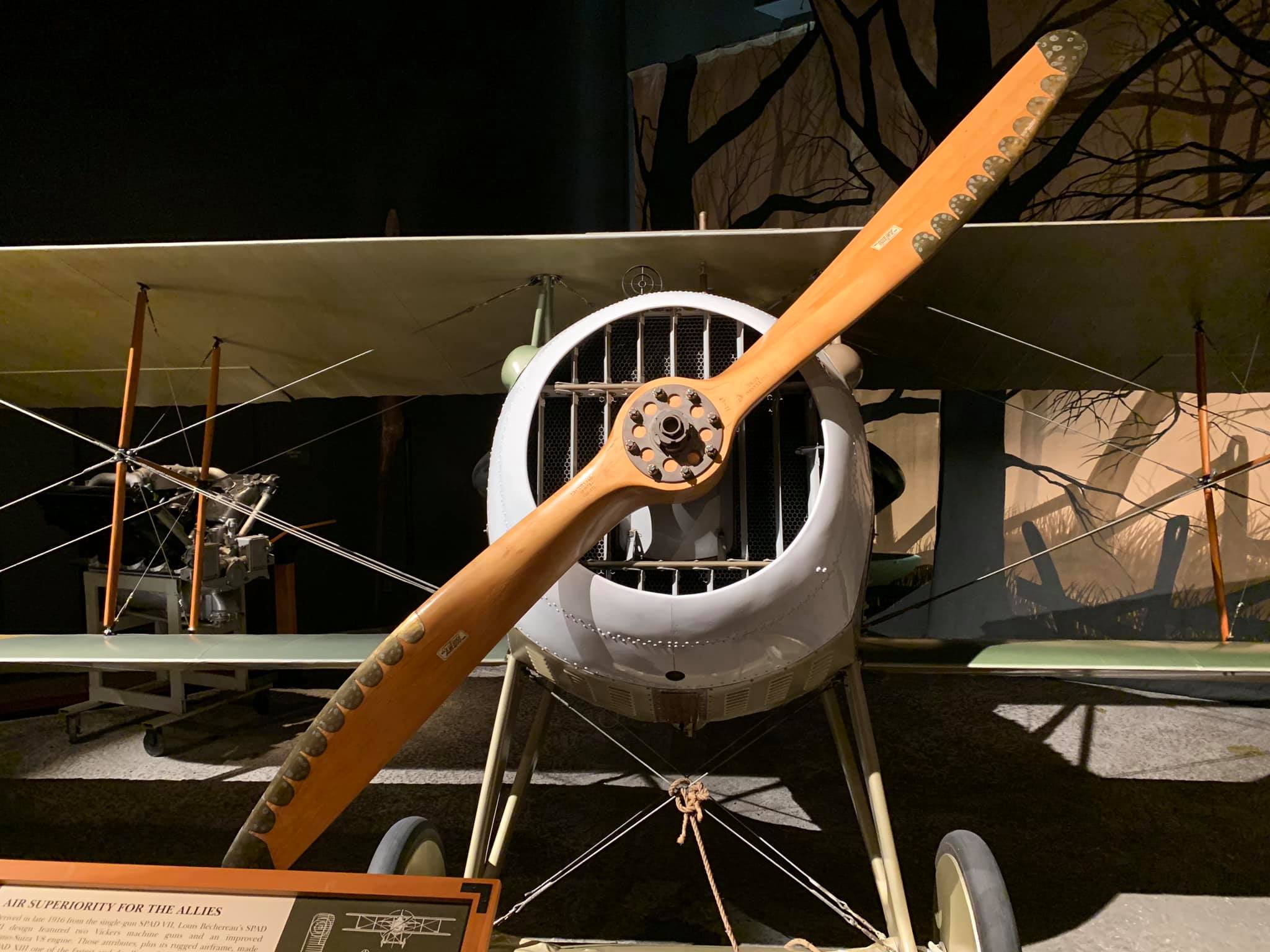
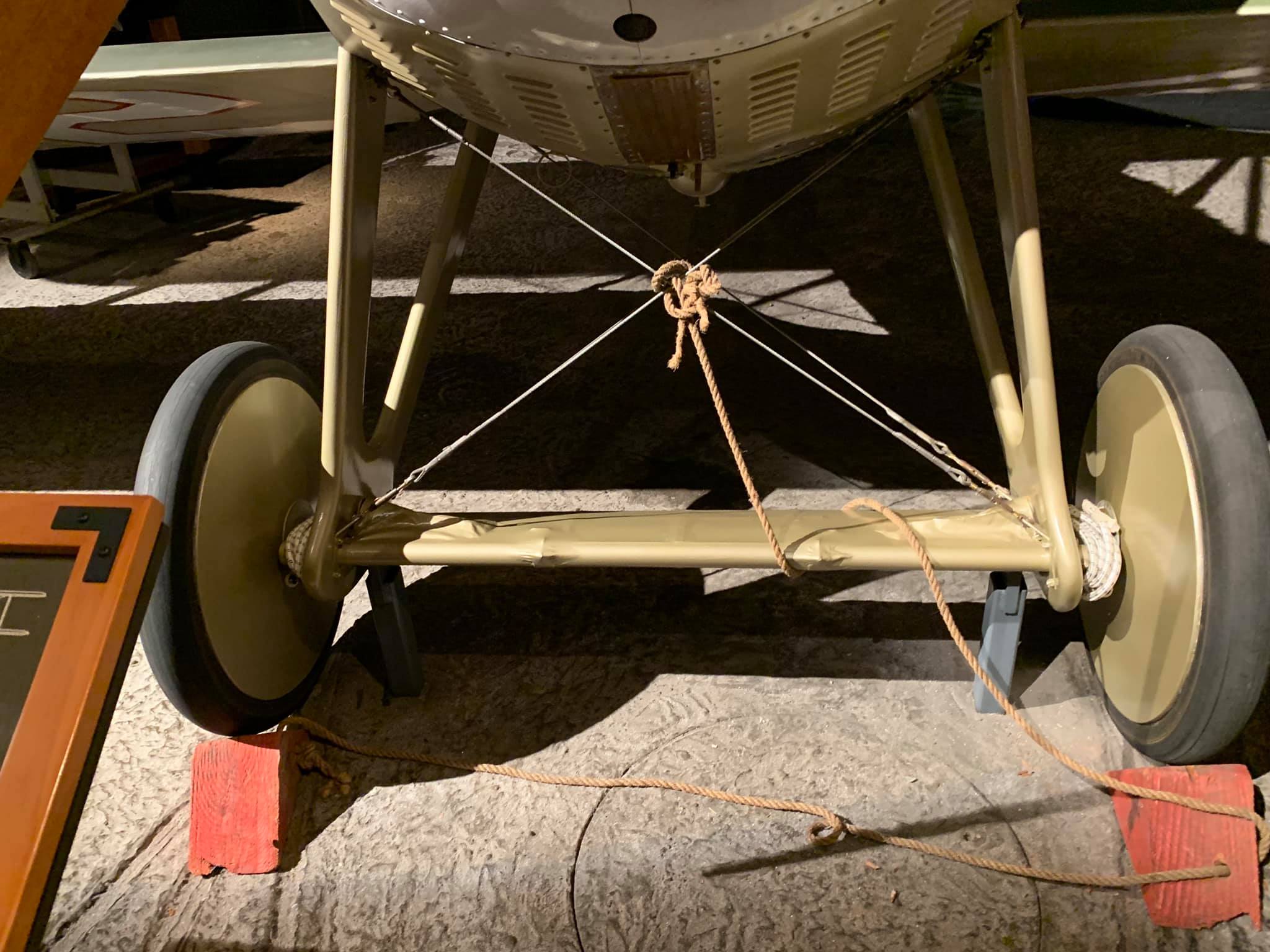
It depicts the Blériot-built SPAD XIII that was assigned to 1st Lieutenant Norman S. “Jim” Archibald, Air Service, United States Army, 1st Pursuit Group, 95th Aero Squadron (a fighter unit) in France. A native of Seattle, Archibald flew his first SPAD XIII only from June 19, 1918, when it was brand new, until August 10, 1918, when it was destroyed in a takeoff crash at Coulommiers, France. Archibald flew two other SPAD XIIIs before being shot down by ground fire and taken prisoner by the Germans on September 8, 1918. In 1935, Archibald recounted his World War I experiences in a best-selling memoir, Heaven High, Hell Deep. Lt. Quentin Roosevelt, the youngest son of President Theodore Roosevelt, was also assigned to the 95th until his death in combat on July 14, 1918.
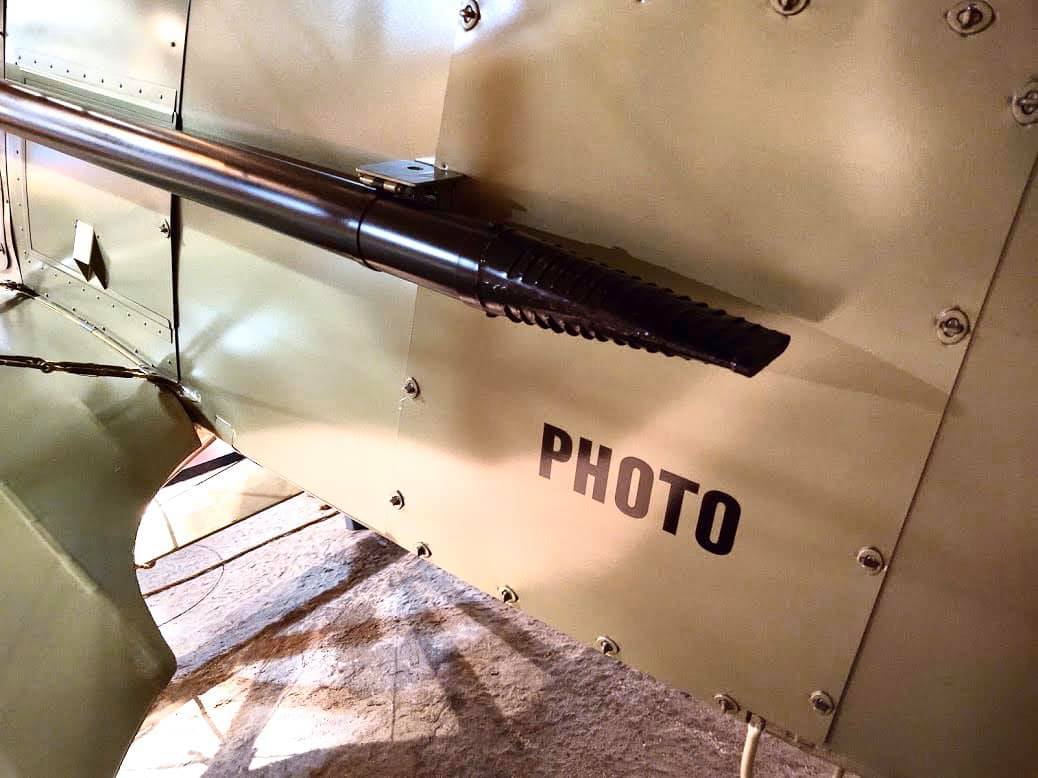
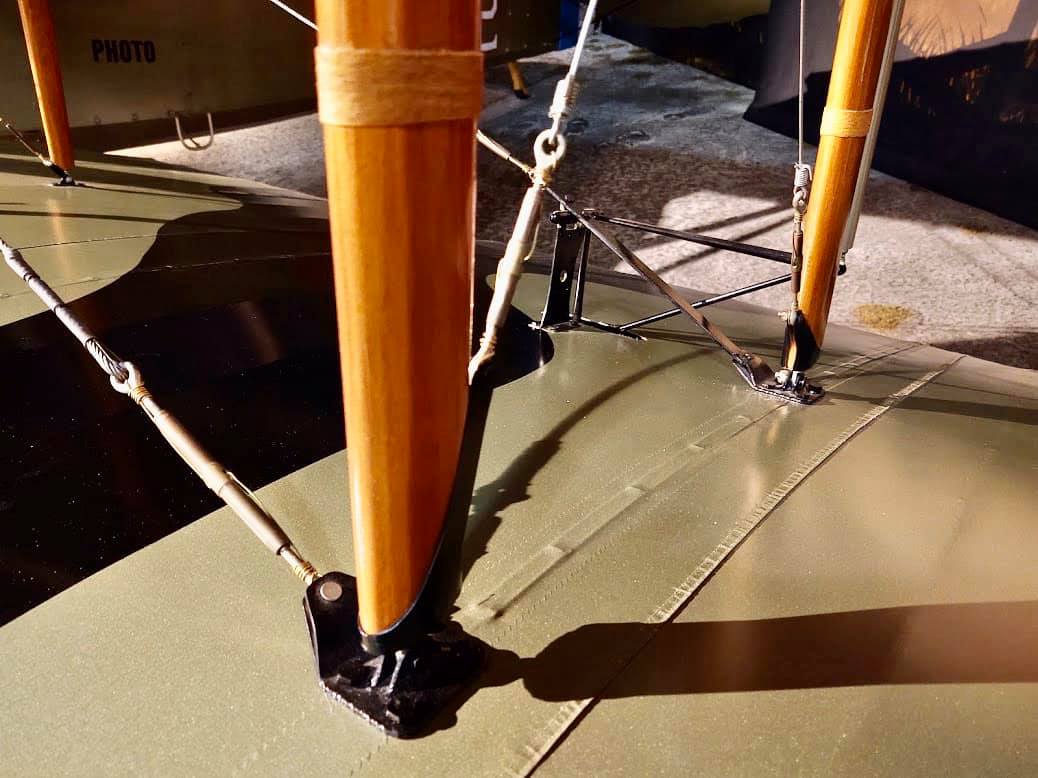
Over 8,400 of these aircraft were built, and it was operated by many of the Allied forces in WWI, including 843 by the United States Army Air Service alone. Powered by a Hispano-Suiza 8-be 8-cylinder engine. Armed with two Vickers .303 caliber machine guns (400 rounds each) mounted on the cowling and firing through the propeller, and could be fired separately or together via a synchronization (or interrupter) gear, first put into use with some success in 1915 on the German Eindecker monoplane (Fokker worked on these). Initially firing mechanically, then hydraulically, and finally electrically using a solenoid. Before that, there was some limited use of steel deflector plates on the back of the propeller blades to deflect bullets.
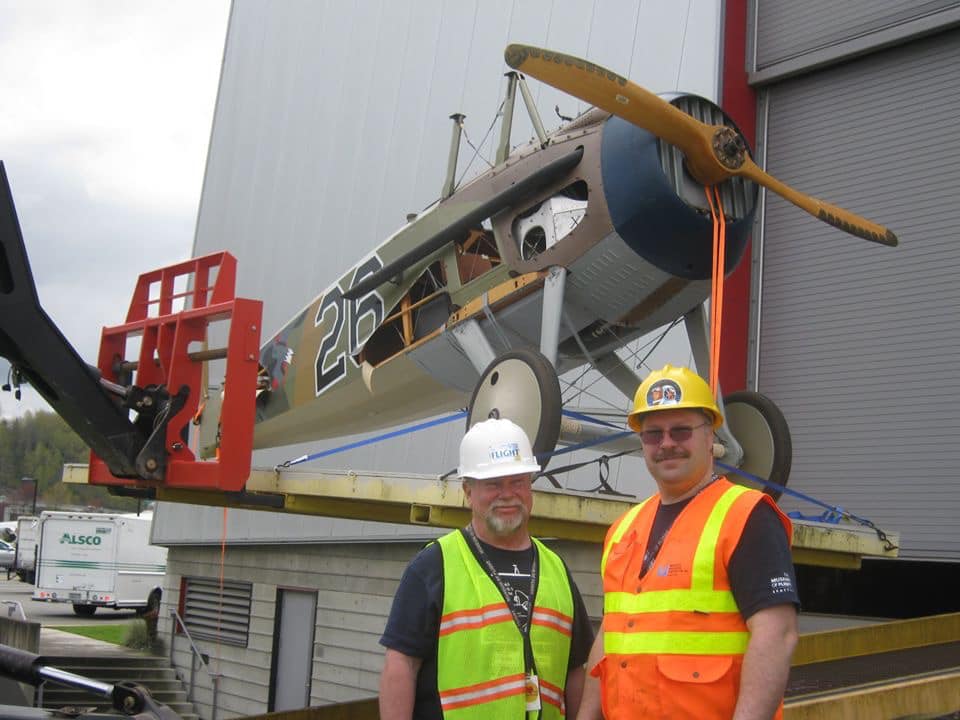
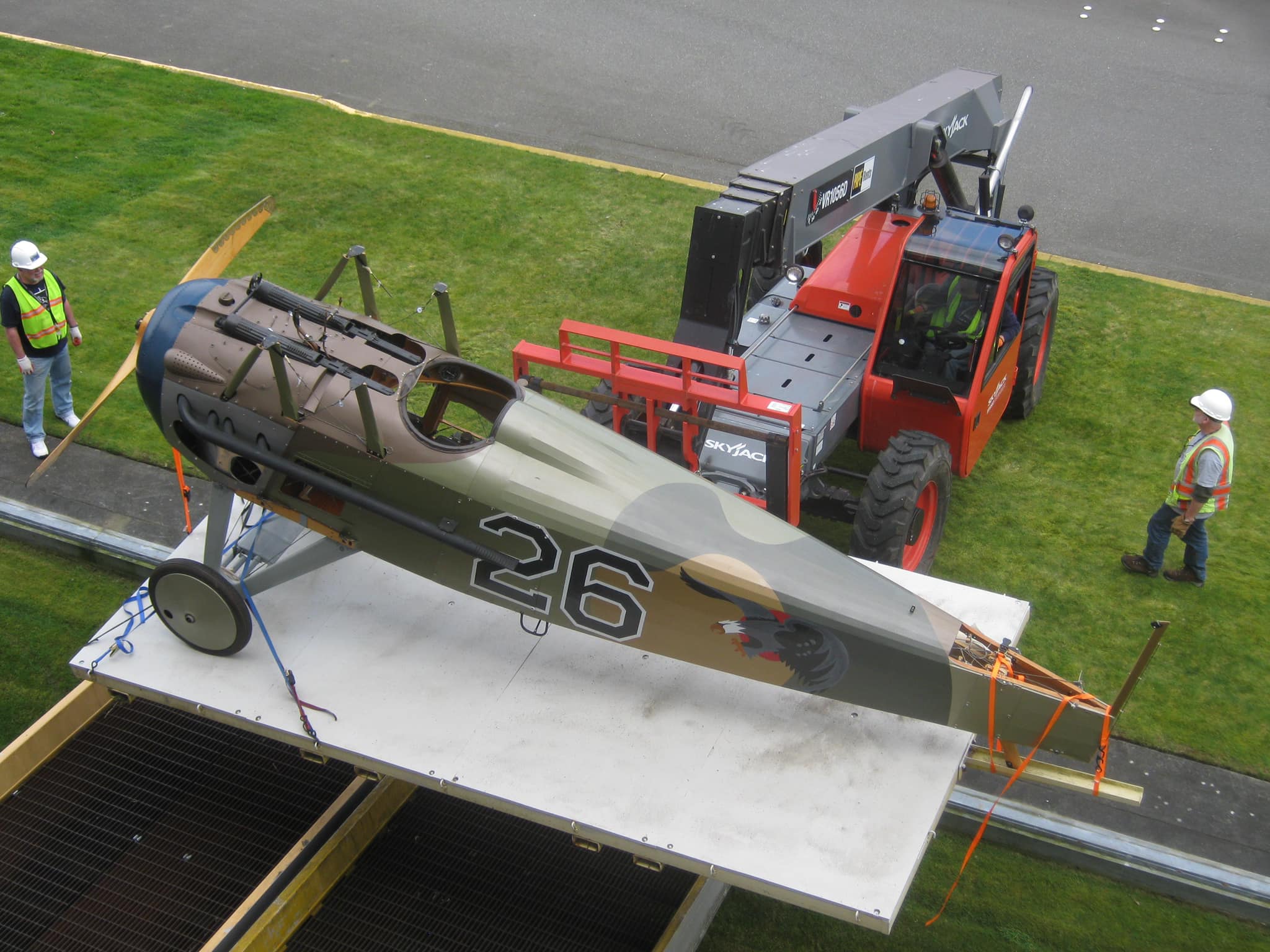
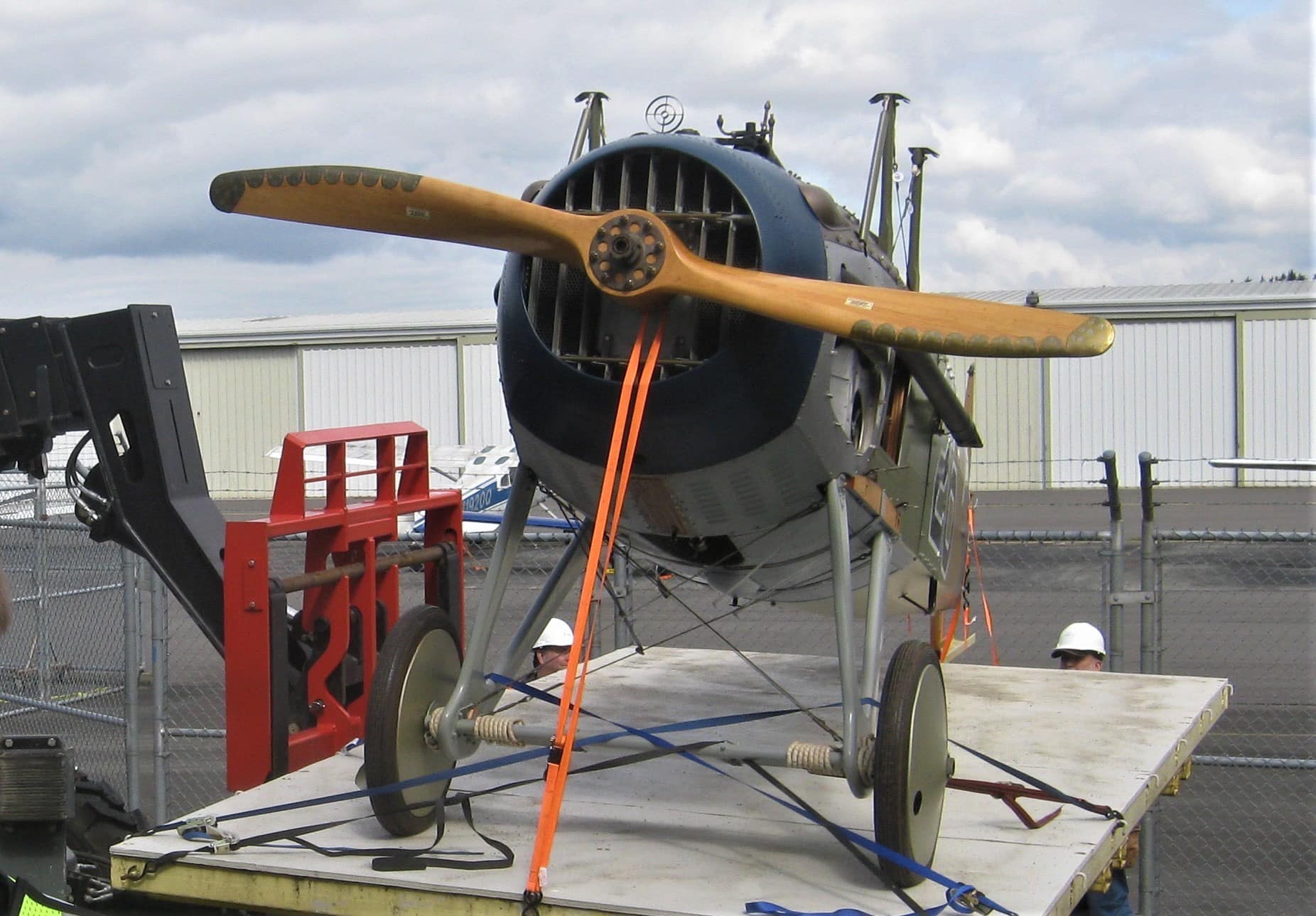
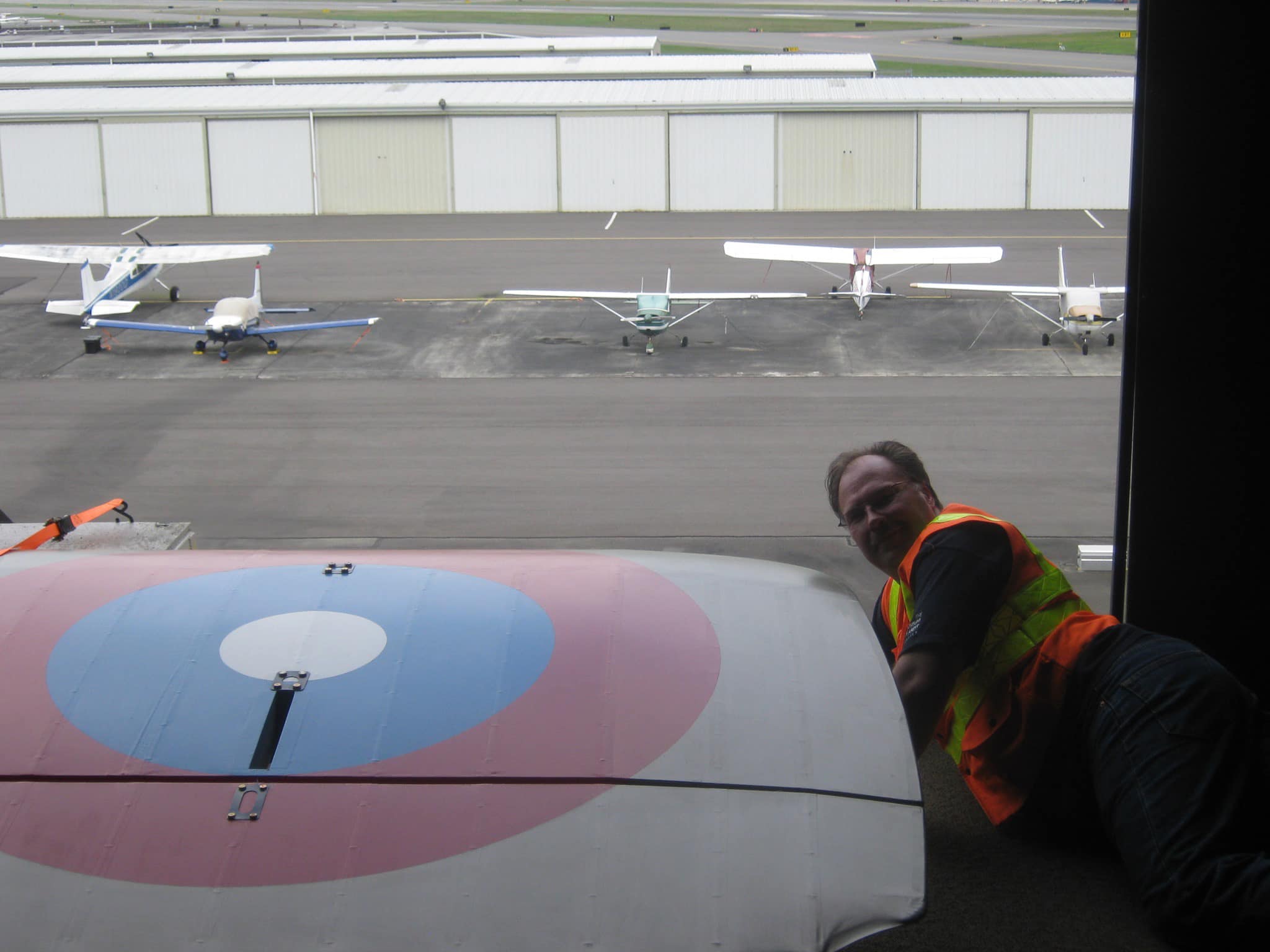
Photos were taken by Don England and me at MOF.
About the author
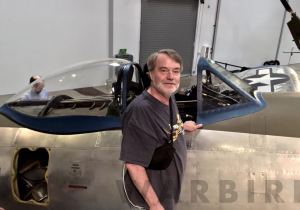 Randy Malmstrom grew up in a family steeped in aviation culture. His father, Bob, was still a cadet in training with the USAAF at the end of WWII, but did serve in Germany during the U.S. occupation in the immediate post-war period, where he had the opportunity to fly in a wide variety of types which flew in WWII. After returning to the States, Bob became a multi-engine aircraft sales manager and as such flew a wide variety of aircraft; Randy frequently accompanied him on these flights. Furthermore, Randy’s cousin, Einar Axel Malmstrom, flew P-47 Thunderbolts with the 356th FG from RAF Martlesham Heath. He was commanding this unit at the time he was shot down over France on April 24th, 1944, spending the rest of the war as a prisoner of war. Following his repatriation at war’s end, Einar continued his military service, attaining the rank of Colonel. He was serving as Deputy Wing Commander of the 407th Strategic Fighter Wing at Great Falls AFB, MT at the time of his death in a T-33 training accident on August 21, 1954. The base was renamed in his honor in October 1955 and continues to serve in the present USAF as home to the 341st Missile Wing. Randy’s innate interest in history in general, and aviation history in particular, plus his educational background and passion for WWII warbirds, led him down his current path of capturing detailed aircraft walk-around photos and in-depth airframe histories, recording a precise description of a particular aircraft in all aspects.