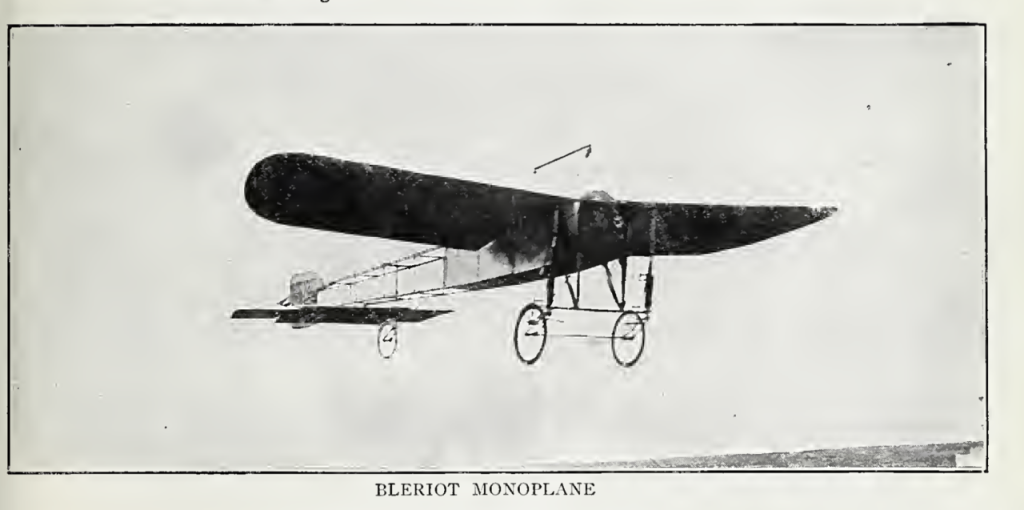



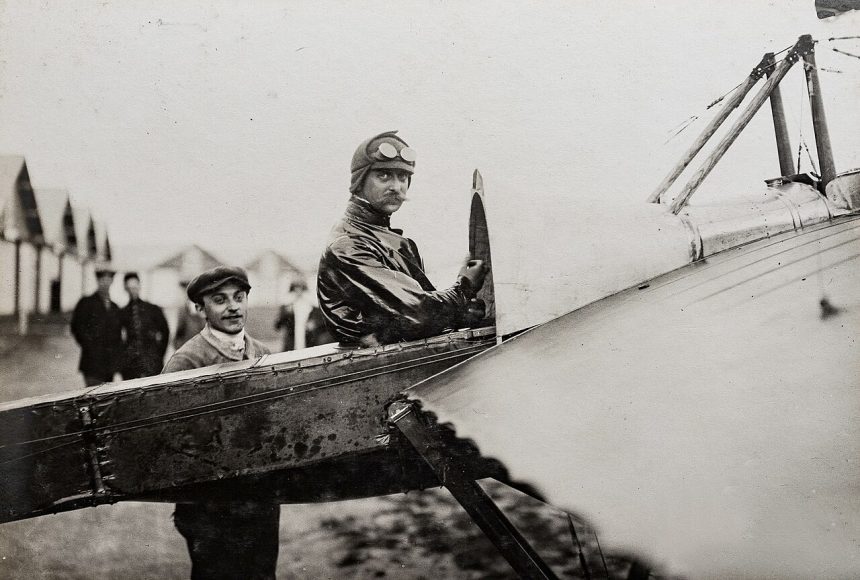


On this day in aviation history, 116 years ago (March 10, 1910), the first night flight was achieved. This history-making flight took place in Villalugano, Argentina. French aviator Émile Aubrun was the pilot at the controls of the Blériot XI used to “slip the surly bonds of earth,” under cover of darkness. The premier night flight covered a distance of 12 miles in total.

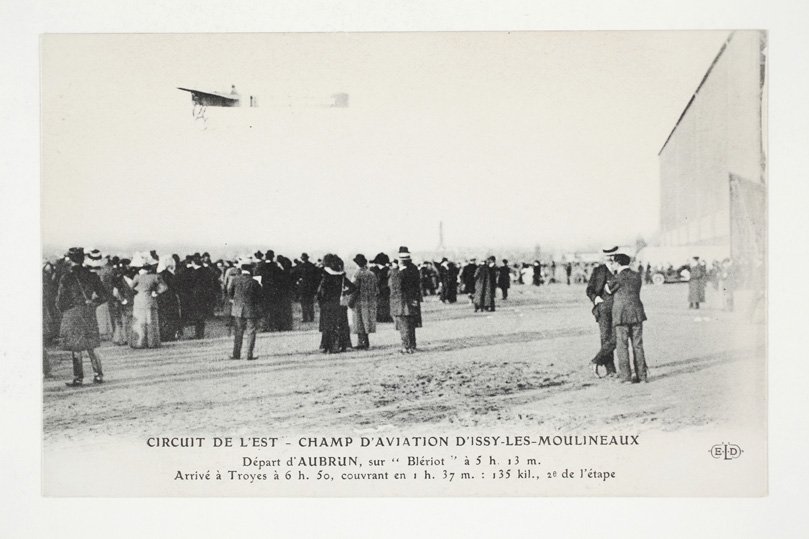
Émile Eugène Aubrun was born on August 25, 1881, in Brunoy, France. He served as an aviator apprentice in 1909, while also a student of the Blériot school in Pau. Aubrun graduated with a degree in engineering and a growing interest in aviation. On January 6, 1910, Aubrun earned his pilot’s license from the Aéro-Club de France. His aviation career would be largely tied to the Blériot XI, participating in various races and record-seeking flights. He would finish second in the 1910 Circuit de l’Est, one of only two pilots to complete the race out of thirty-five competitors. Later on that year, Aubrun was reported to have broken a record for flying 55.5 mph for 180 miles. He finished the flight in 3 hours, 33 minutes, and 7 seconds.
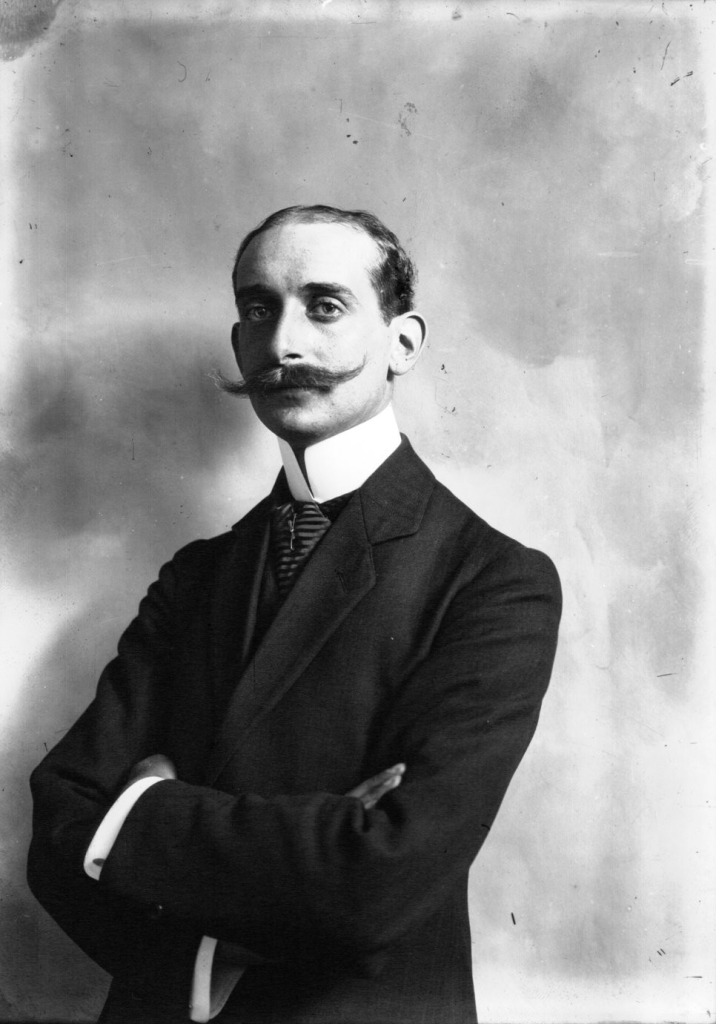
In 1911, Émile Aubrun served as director of a flying school in Reims. When the First World War emerged, he worked in aeronautical construction. After the Great War’s conclusion, Aubrun served in the aircraft control office. While working in this role, Aubrun developed a method to use airplanes to reveal underwater submarines, in addition to the rescue of submarine crews. In 1912, his work expanded to using airplanes to explore the sea.
The Blériot XI was powered by an Anzani 3-cylinder air-cooled fan-style radial piston engine, which produced 25 horsepower. The aircraft could attain a maximum airspeed of 47 mph and a service ceiling of 3,300 feet. A total of 103 Blériot XIs were ultimately built, and some originals still survive today in museums. Many additional replicas have been manufactured over the years, as well. The Old Rhinebeck Aerodrome in Red Hook, New York, flies Blériot XI 56, whose front and back thirds of the fuselage are original.