


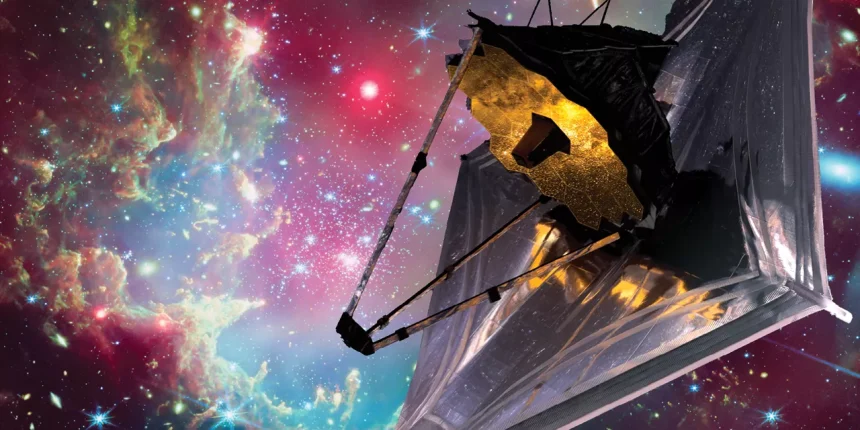

The Museum of Flight in Seattle will host University of Washington astronomer Megan Gialluca on Sept. 20 for Crash Course in Astrobiology, a program that offers a close look at Earth-sized exoplanets and the search for life beyond our solar system. The event will highlight recent discoveries of planets orbiting the red dwarf star TRAPPIST-1 and explore how the James Webb Space Telescope is being used to study their atmospheres for signs of habitability.
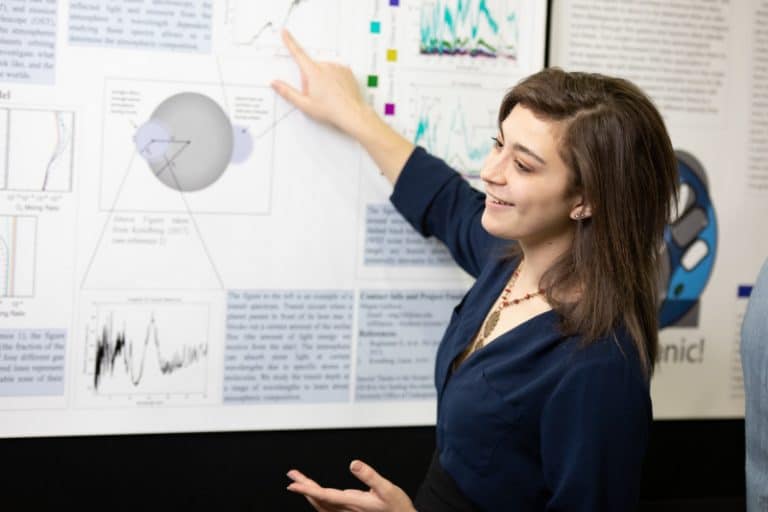
Gialluca, a PhD candidate in astronomy and astrobiology at the University of Washington, is an expert on the TRAPPIST-1 system. Her research focuses on modeling the atmospheres of these distant worlds and analyzing how water has evolved on them — a key factor in determining their potential to support life. In addition to her research, Gialluca is committed to public outreach. She regularly speaks at Astronomy on Tap Seattle, a monthly event at Bickersons Brewhouse featuring talks by UW astronomers and astro-trivia, sharing the latest in space science with the wider community. Crash Course in Astrobiology provides a rare opportunity to learn how astronomers study exoplanets and hunt for the conditions that could support life, bringing the wonders of the cosmos closer to the public. For more information, visit www.museumofflight.org.