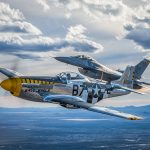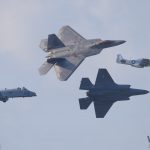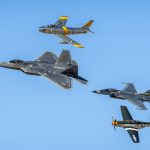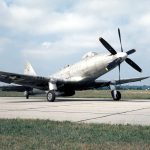

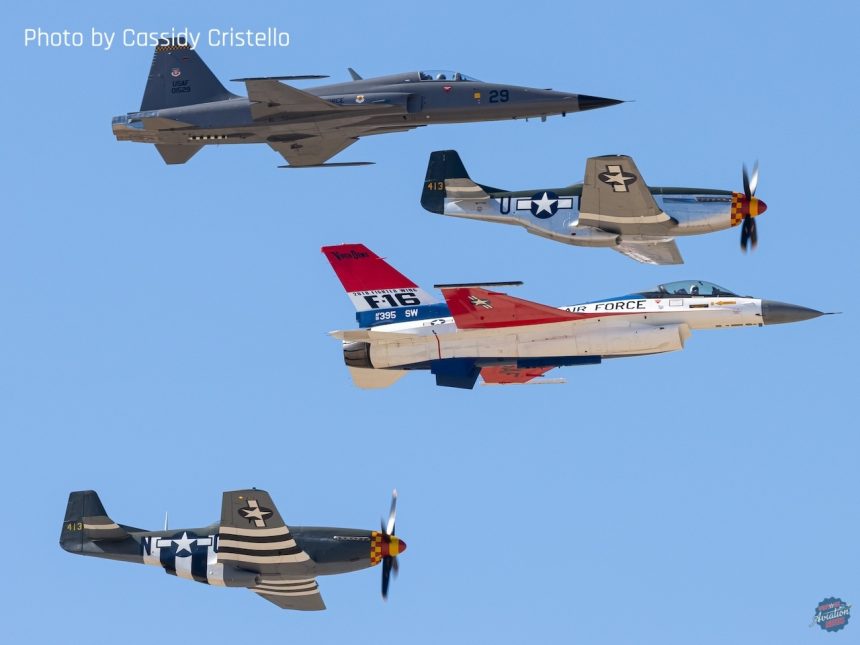

The Air Force Heritage Flight has become a unique and beloved staple of the American airshow circuit. The formation brings the storied past of the United States Air Force into the present day by pairing historic warbirds with one, two, or sometimes three modern fighter aircraft. The goal is to showcase the evolution of the USAF and aviation as a whole, allowing a living witness to history to fly alongside some of the most technologically advanced machines ever built. Behind the elegant formations seen by airshow crowds lies a tremendous amount of precision and practice. Each year, pilots from the USAF and the civilian warbird community gather at Davis–Monthan Air Force Base in Tucson, Arizona, to rehearse the routines that will be performed throughout the upcoming airshow season. In 2026, the USAF Heritage Flight Training and Certification Course marked its 25th anniversary. The annual conference trains active-duty USAF demonstration pilots alongside their civilian warbird counterparts, ensuring that the demanding formation can be performed safely while presenting a spectacular display of skill and discipline.
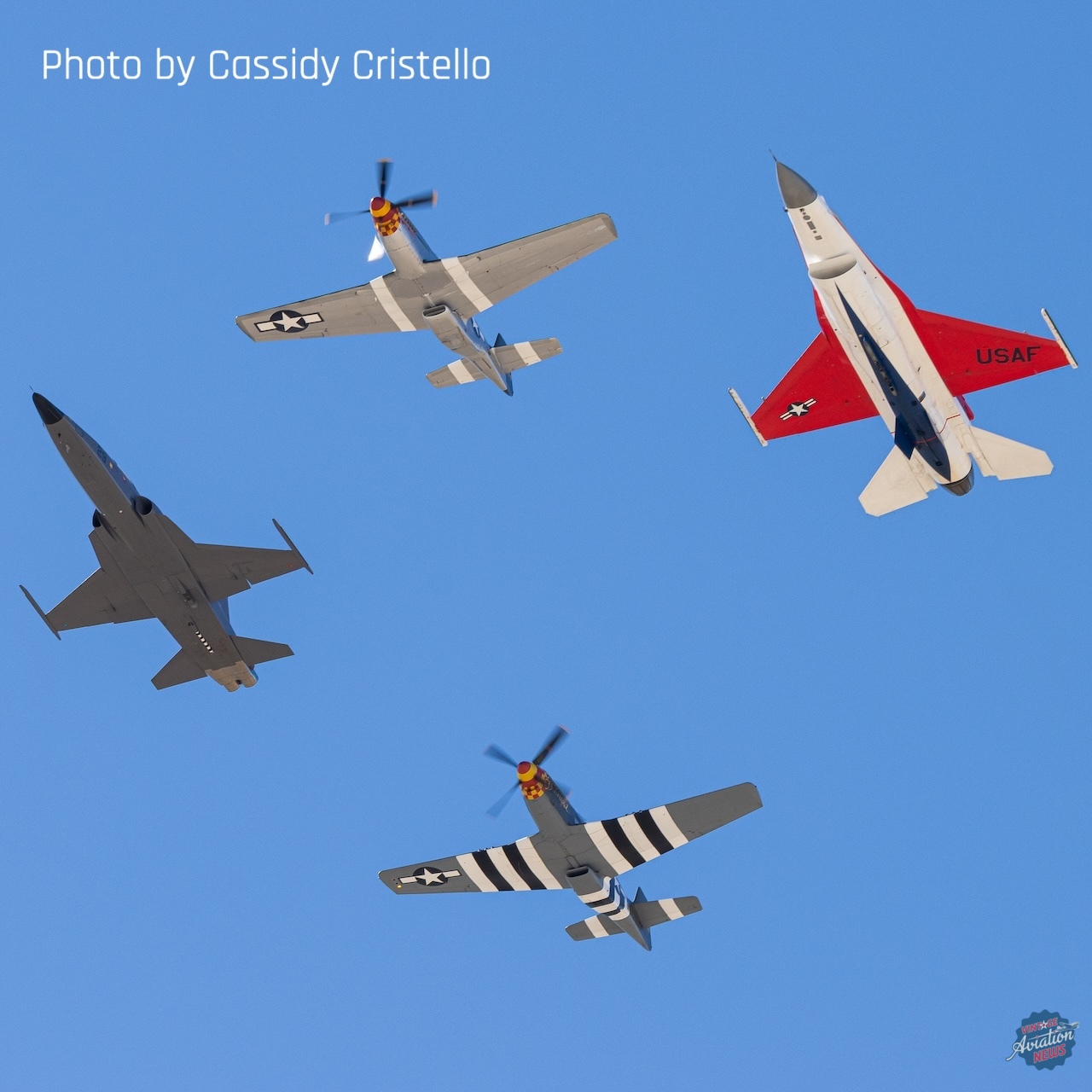
Over time, the conference has become something of a mini airshow for Arizona aviation enthusiasts. Each February, base personnel and local aircraft fans gather at Davis–Monthan to watch formations of Mustangs, Raptors, Vipers, and Freedom Fighters take to the skies. This year’s conference ran from Thursday, February 26 through Sunday, March 1, and included roughly thirty sorties featuring six different aircraft types. The returning USAF demonstration teams included the F-22 Raptor, F-35A Lightning II, and F-16 Fighting Falcon, led respectively by Captain Nicholas “LaZ” Letourneau, Major Melanie “Mach” Kluesner, and Major Taylor “FEMA” Hiester. Each formation typically included one of these modern fighters accompanied by up to three historic warbirds. The 2026 event was also notable as Major Kluesner’s final appearance as the F-35A Demonstration Team pilot. Leadership of the team for the 2026–2027 airshow season will pass to Major Sean “Rambo” Laughlin. A total of eight warbirds attended the conference this year, representing several prominent operators. One aircraft came from the Planes of Fame Air Museum, three from Comanche Maverick Air, one from the National WWII Aviation Museum, one from the Air Force Heritage Flight Museum, and two from Comanche Warbirds.
The lineup included:
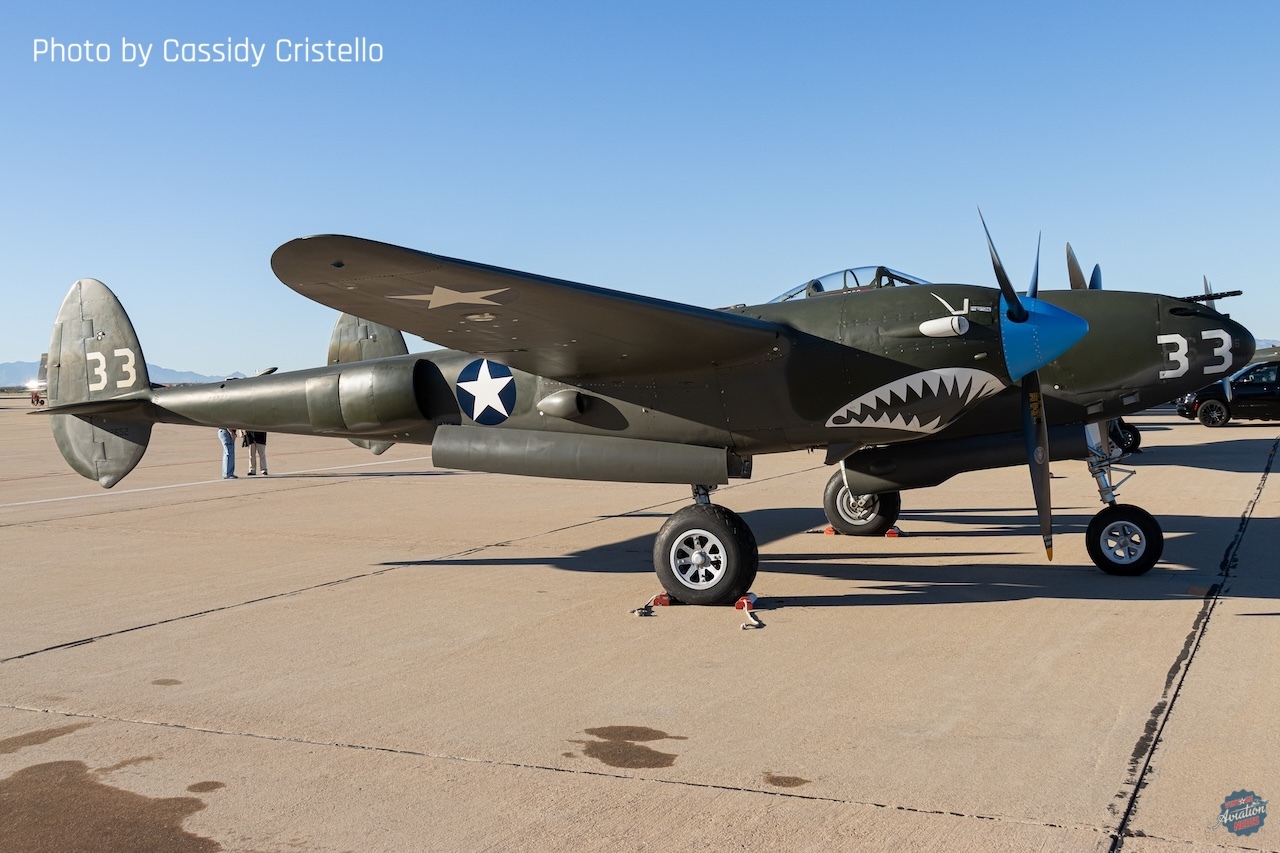
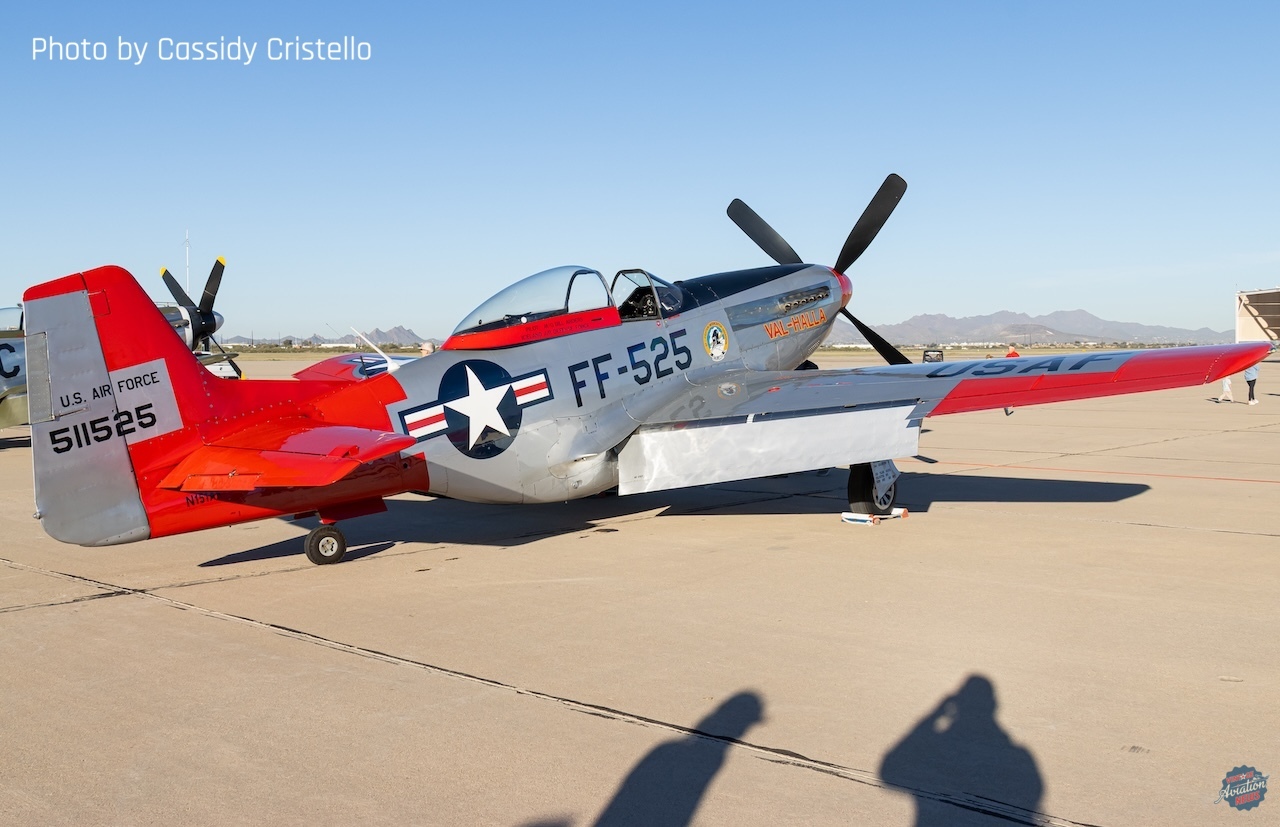
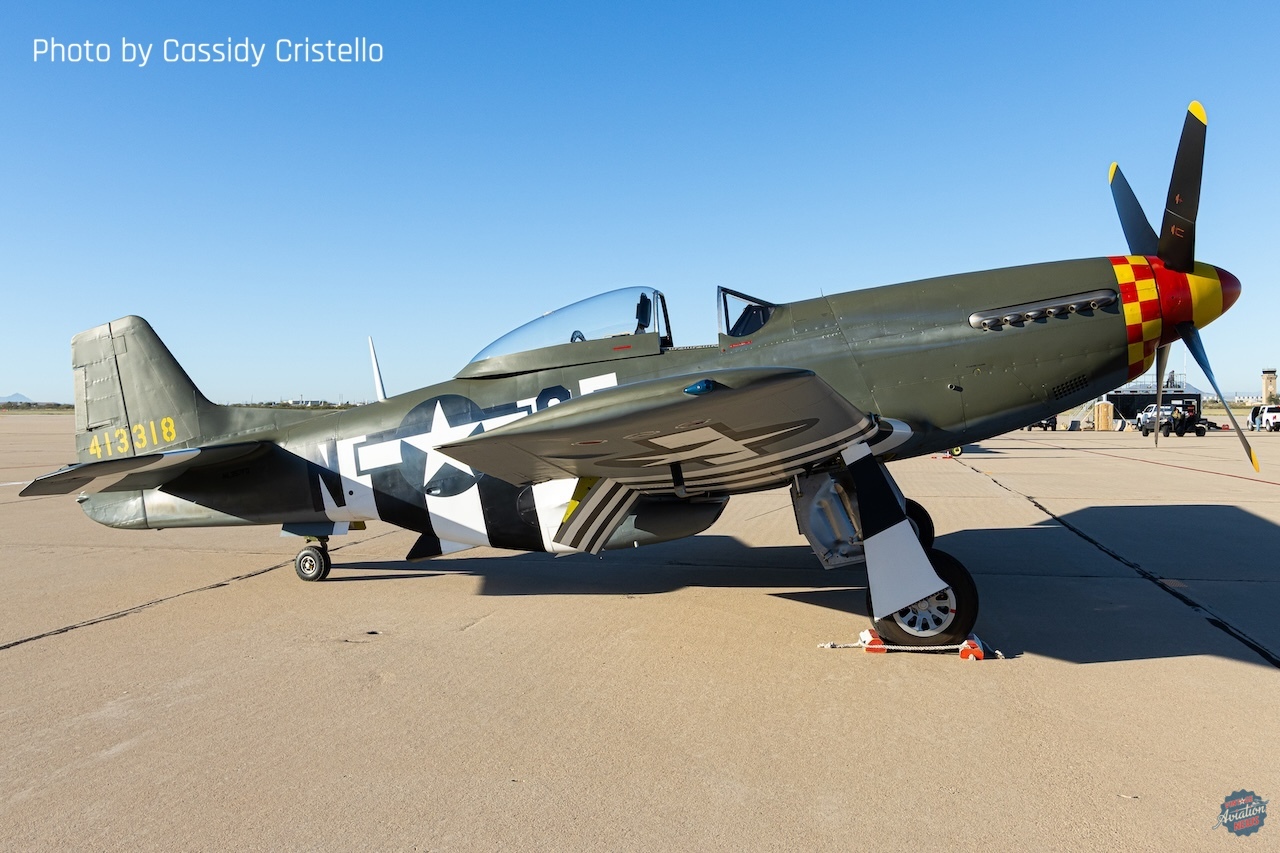
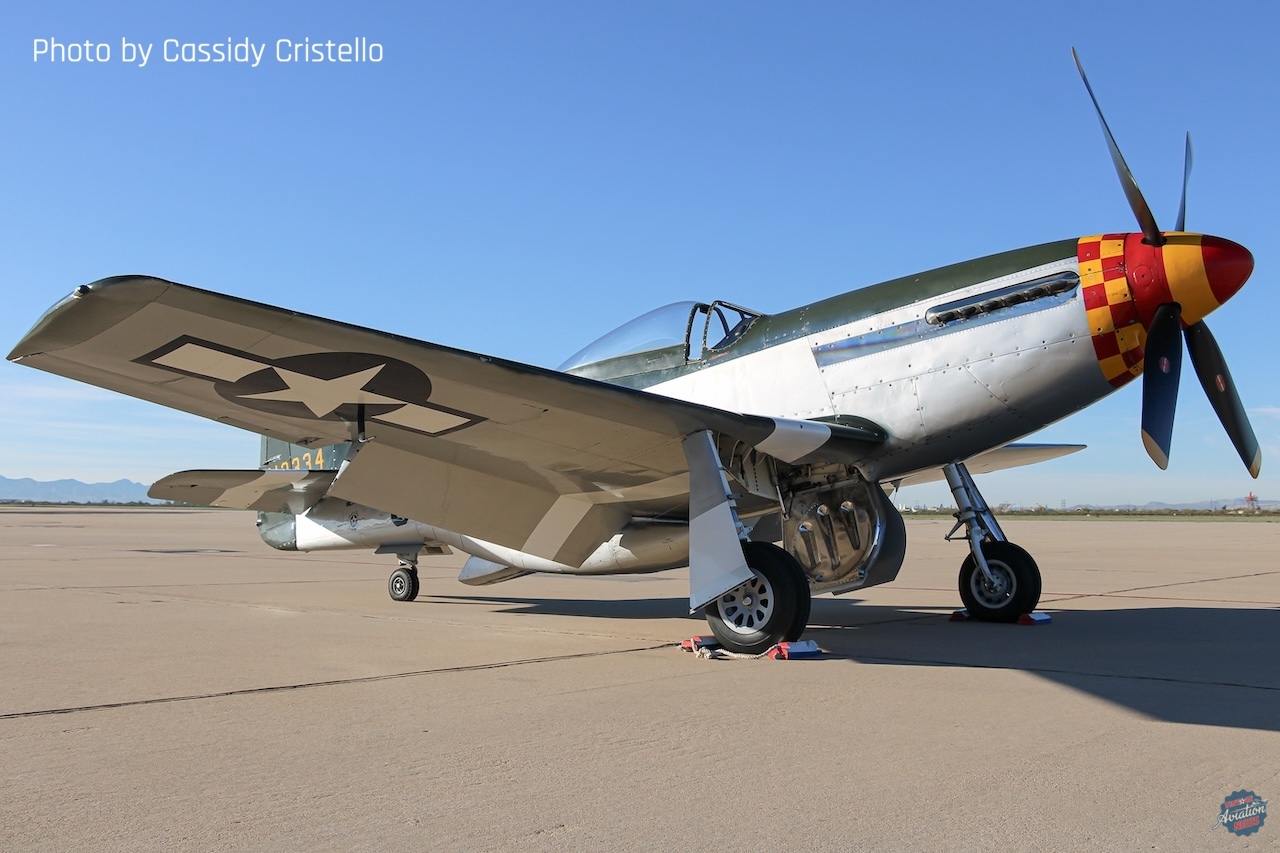
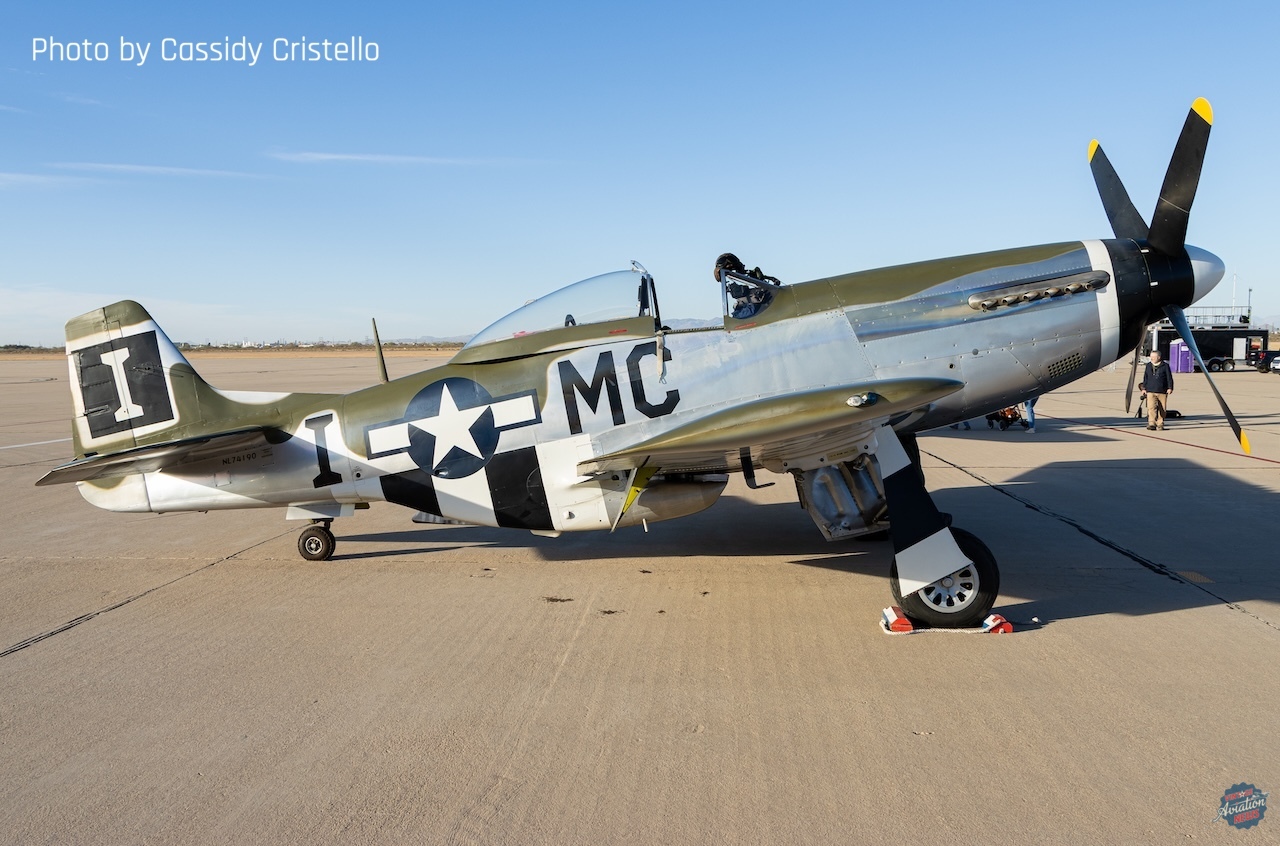
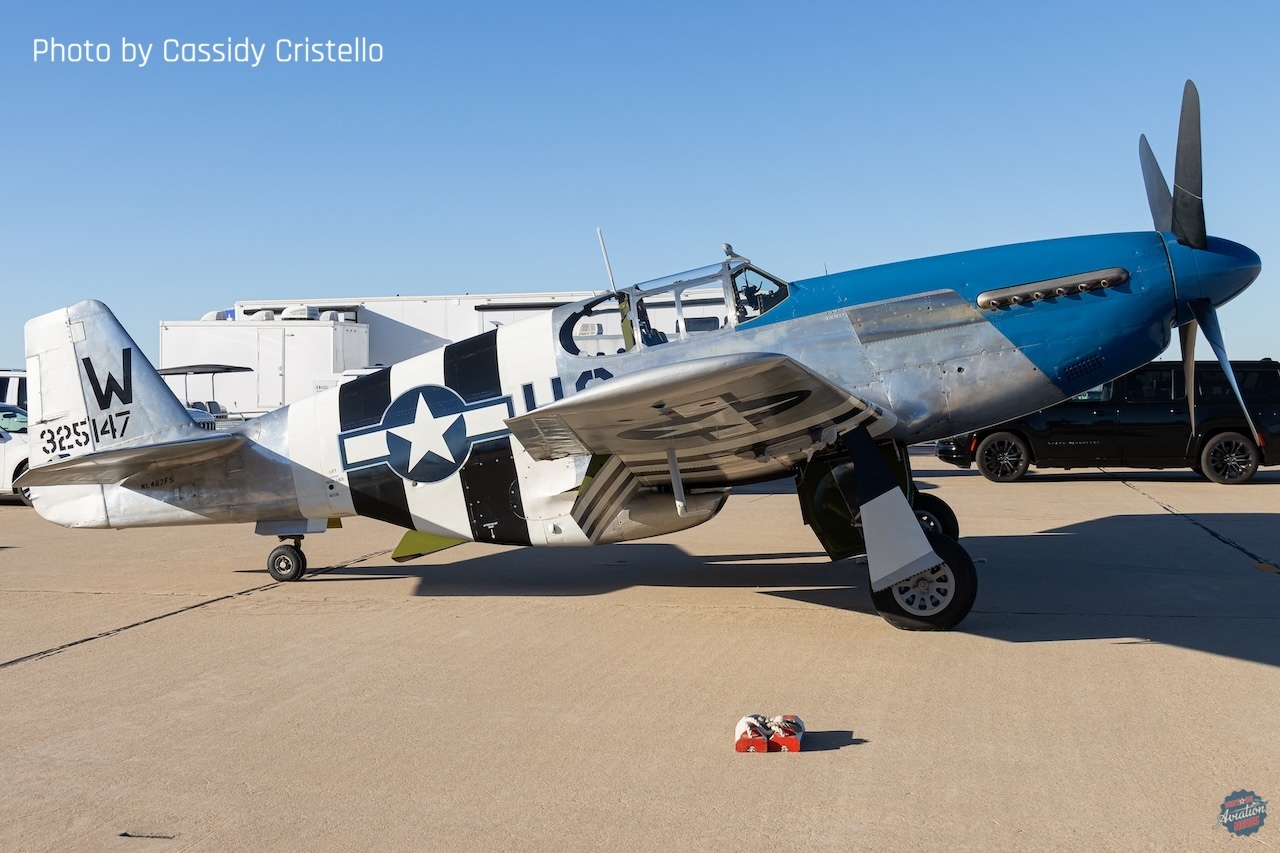
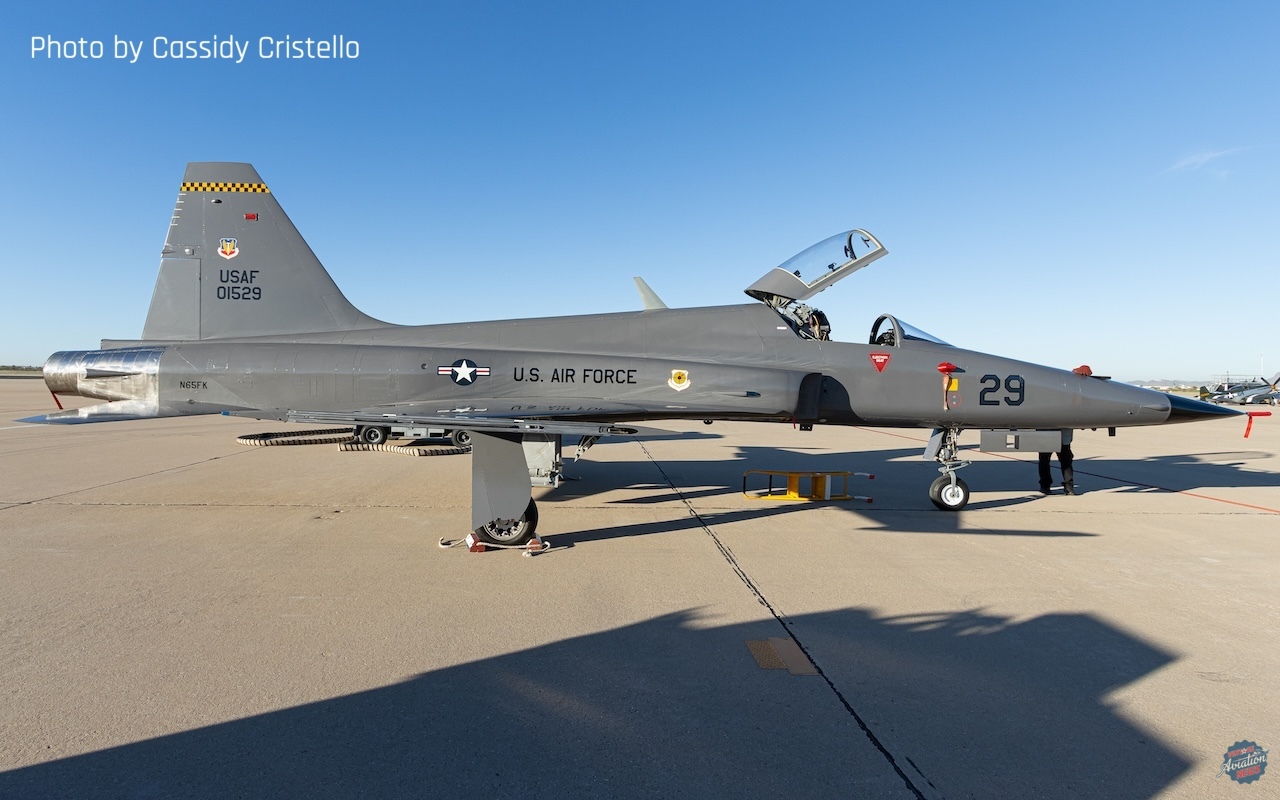
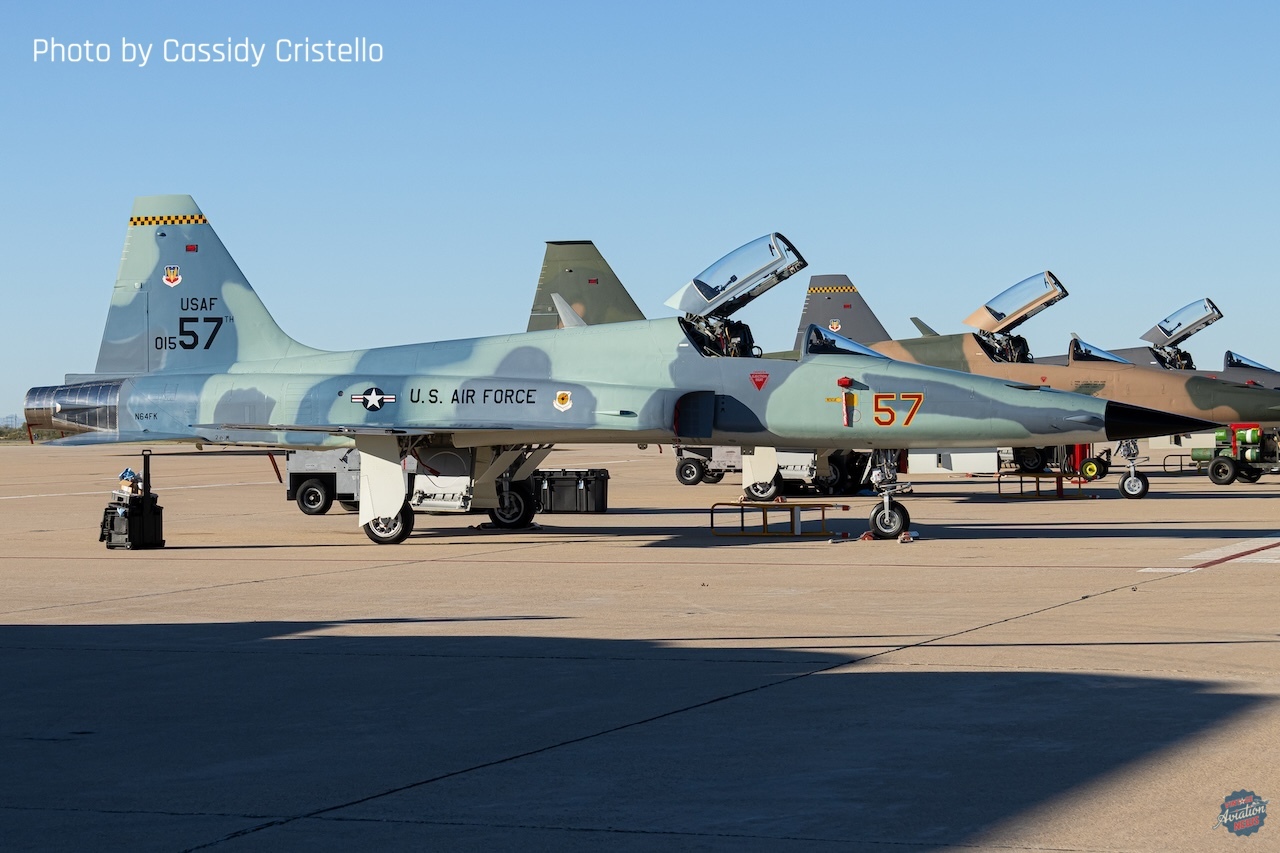
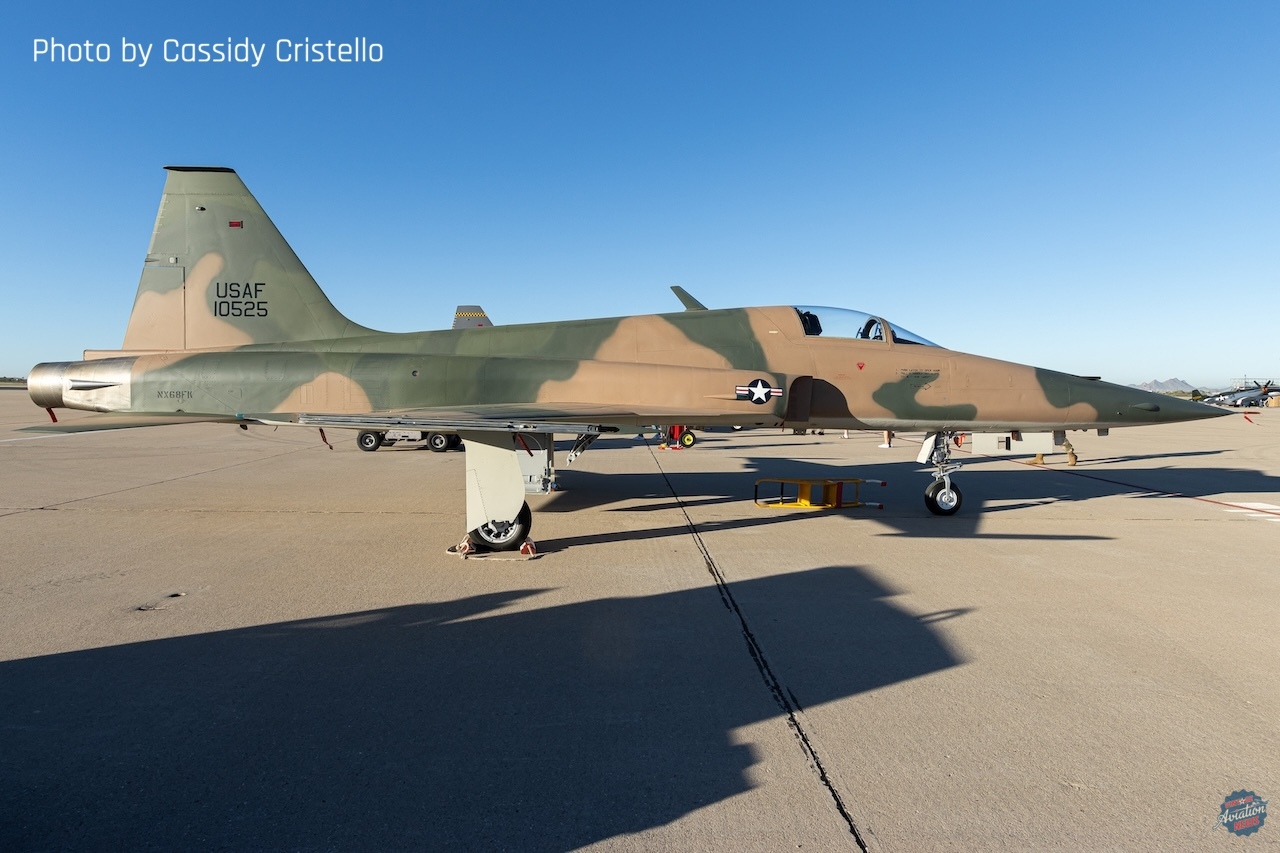
The two F-5E Tigers formerly served with the Swiss Air Force, while N68FK may share the same origins as N64FK and N65FK, although this has not been confirmed. All three aircraft are painted to represent U.S. Air Force aggressor aircraft. Another interesting detail is that P-51K “Frenesi” was originally built as an F-6K photo-reconnaissance Mustang before later being sold to the Dominican Air Force. I attended the conference from its opening on Thursday through midday Saturday, which allowed me to photograph several excellent formations and explore the static displays before flight operations began. Prior to flying each day, the participating aircraft were positioned on the ramp for visitors to walk around, and in some cases speak with the pilots. Planes of Fame had originally planned to bring its F-86 Sabre, P-38 Lightning, and P-47 Thunderbolt to the event, but these aircraft were apparently withdrawn at the last minute. Even so, the final lineup still included fourteen aircraft, and the flying program proceeded smoothly.
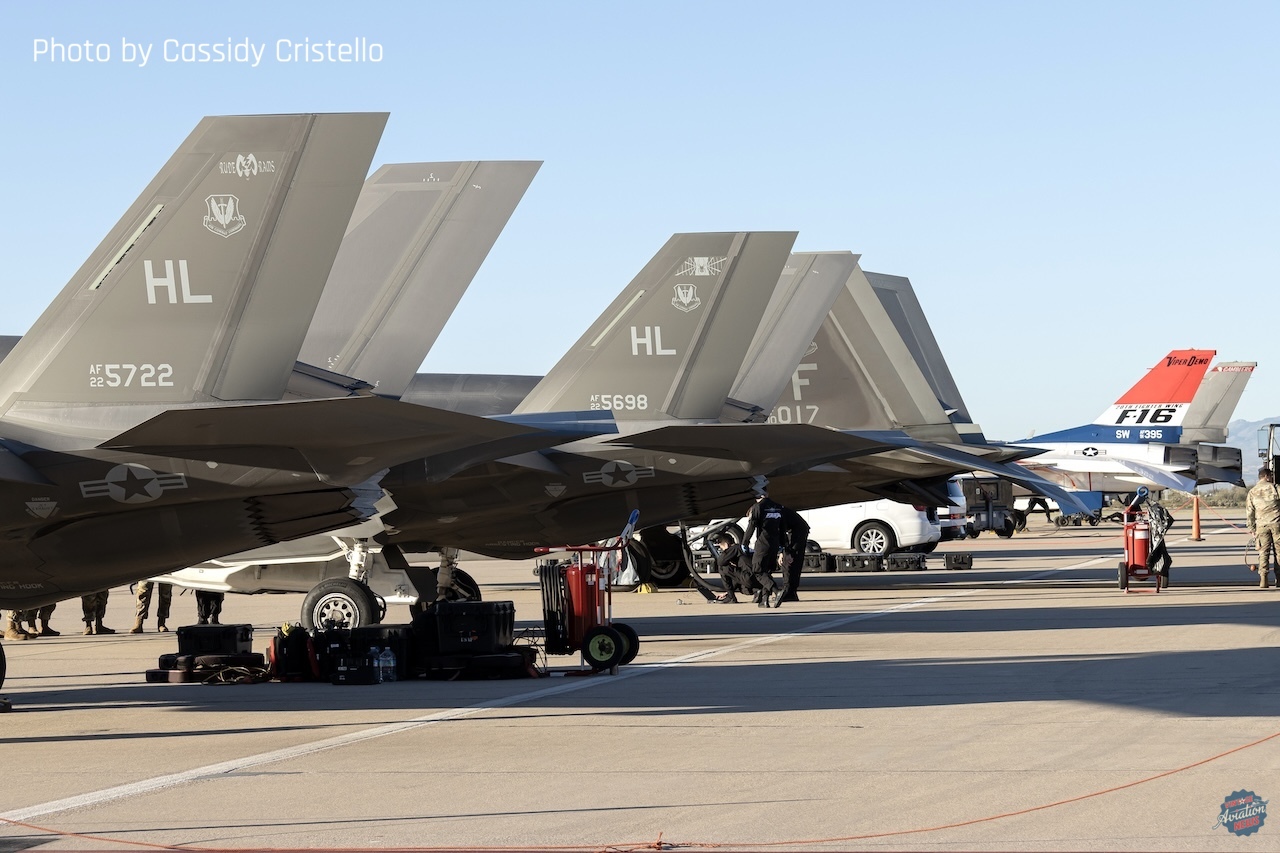
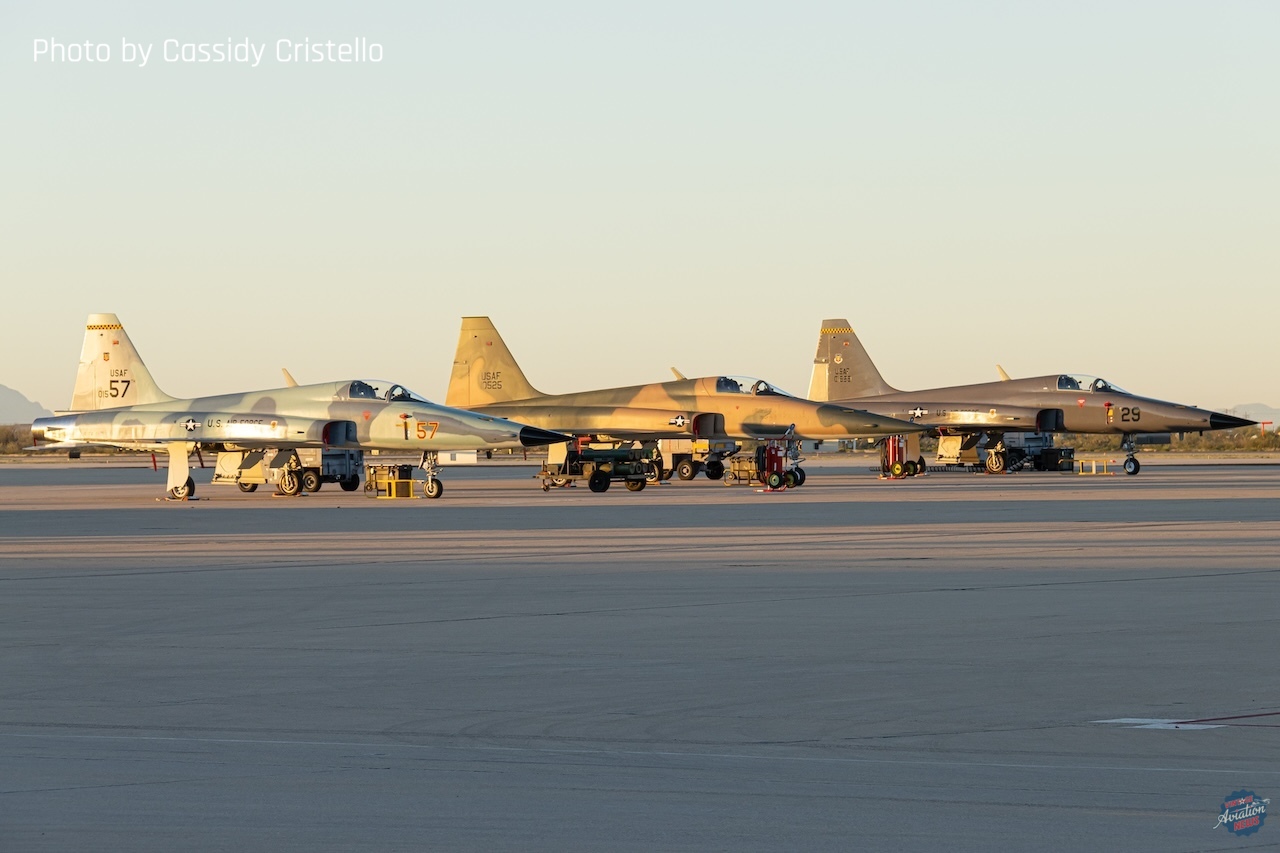
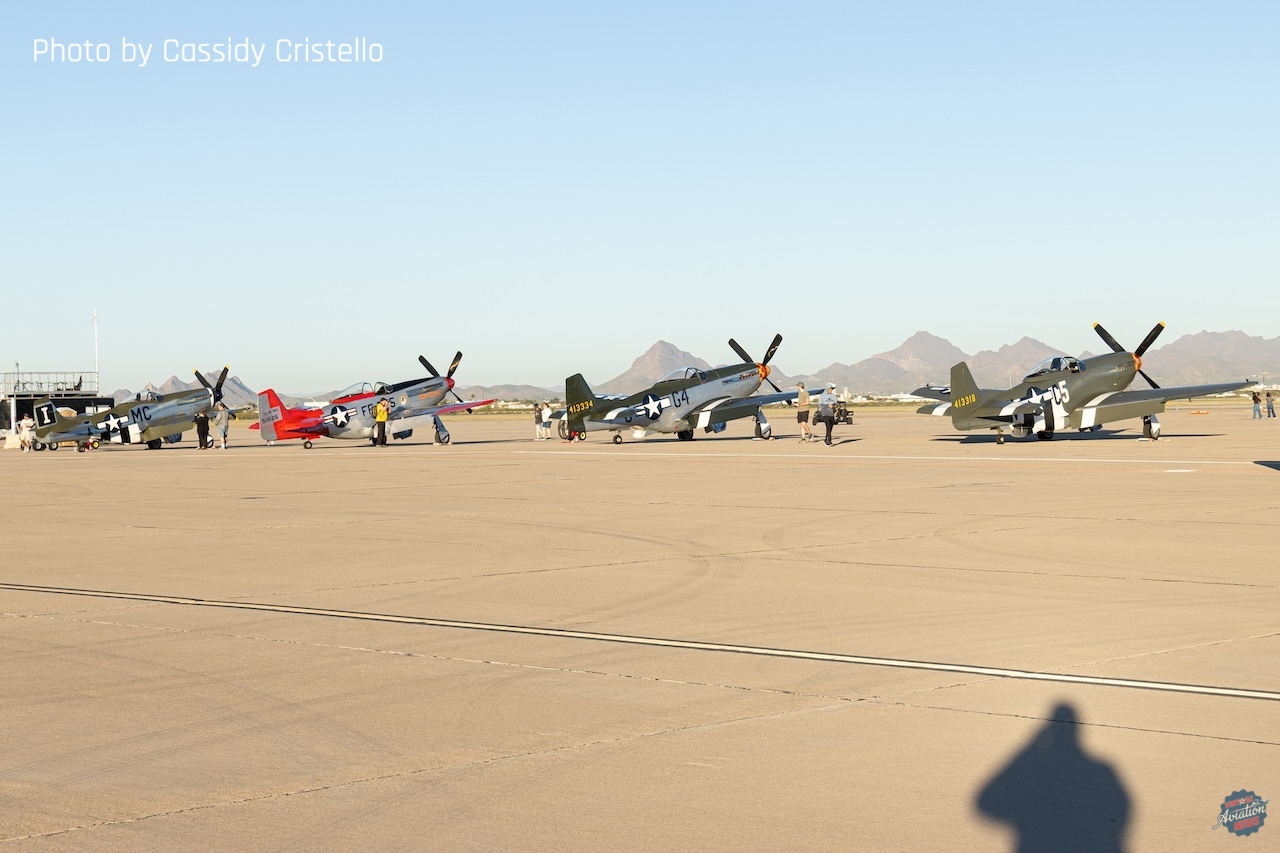
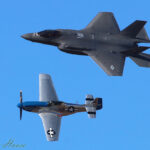
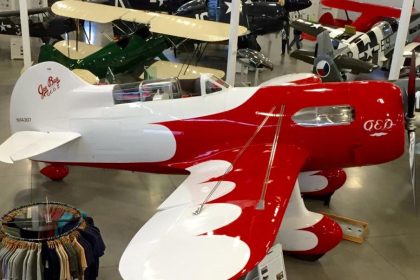
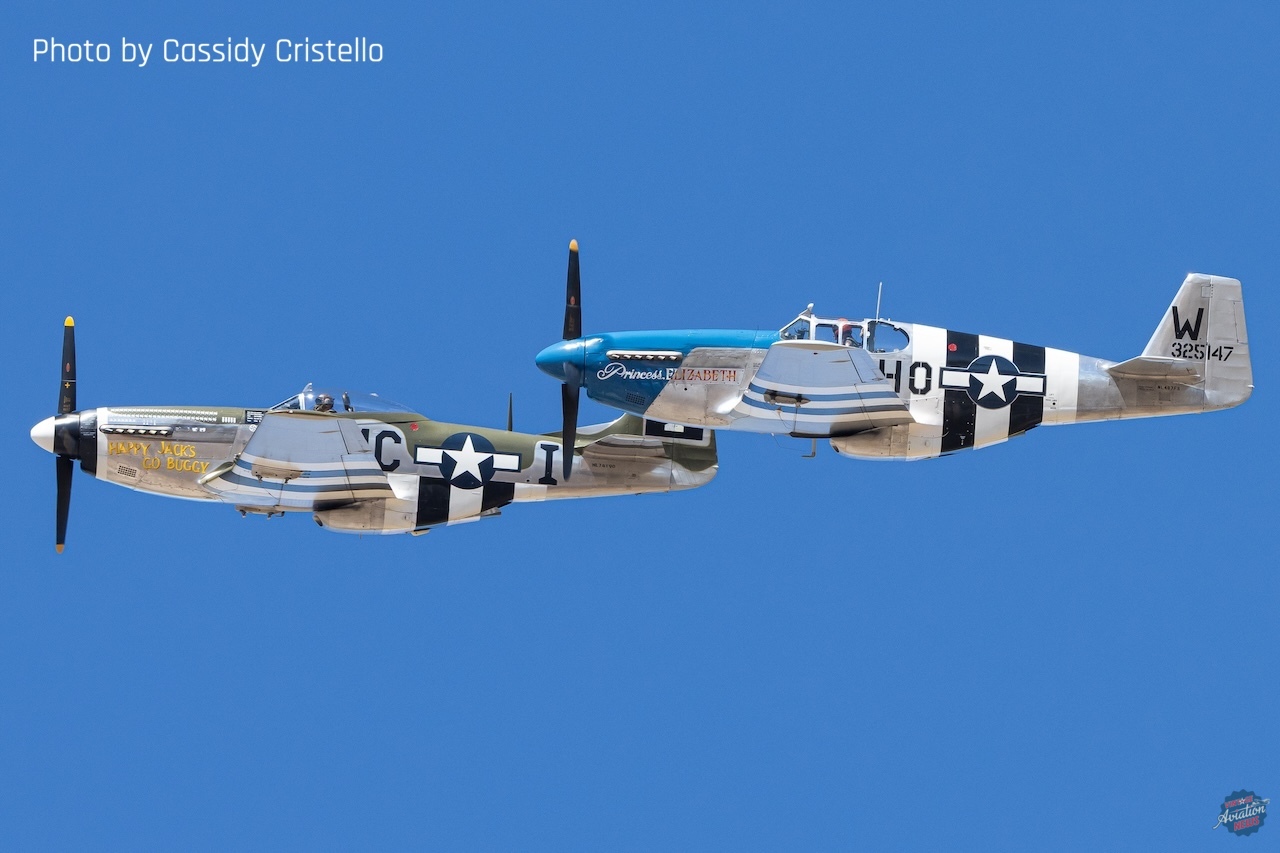
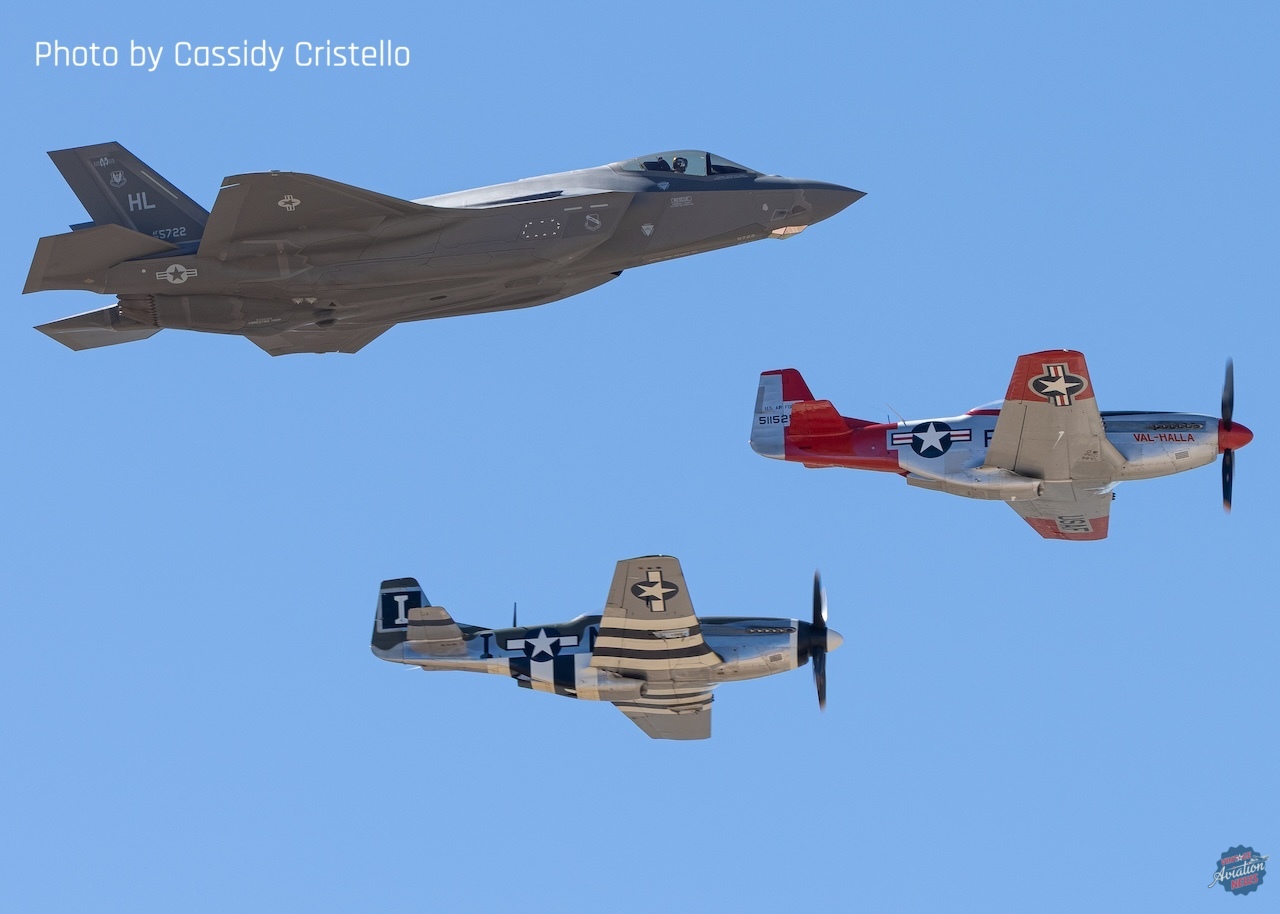
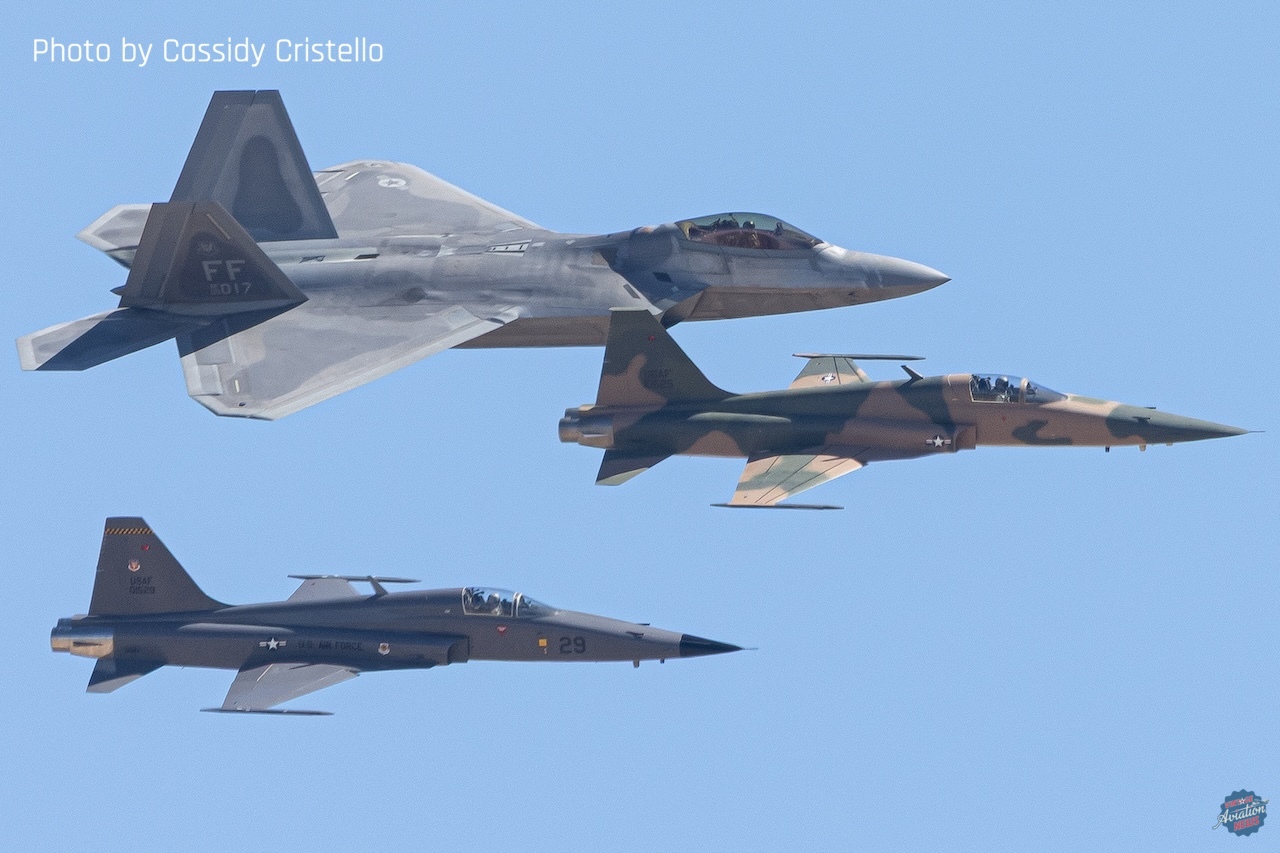
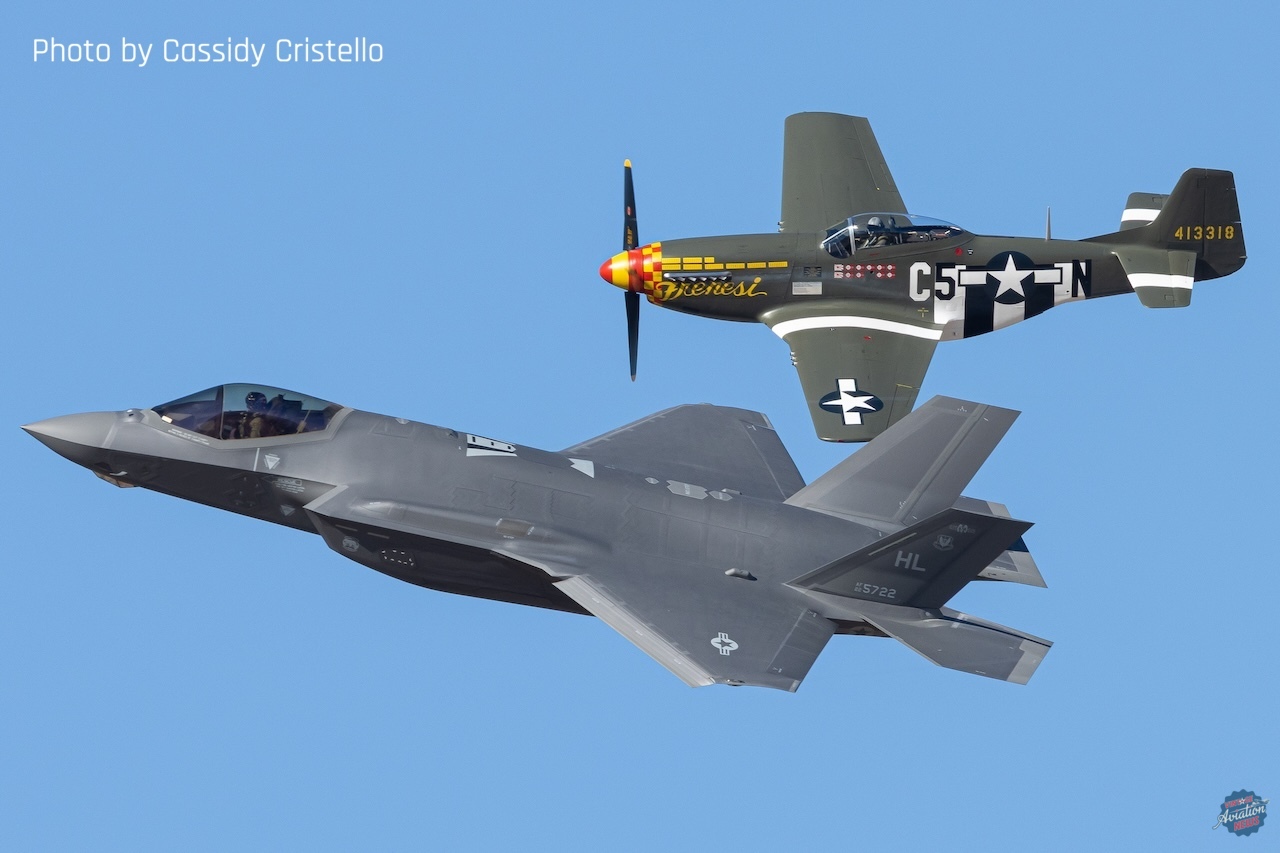
Thursday’s flying consisted primarily of two- and three-ship practice formations, with an entertaining midday interlude provided by P-51s Princess Elizabeth and Happy Jack’s Go Buggy. The first Heritage Flight of the day featured Major Kluesner in the F-35A alongside P-51D Val-Halla, creating a striking visual contrast between the fighter’s gray camouflage and the Mustang’s bright red markings. Captain Letourneau followed with a pure jet formation consisting of two F-5E Tigers, N64FK and N65FK. The jet demonstration teams flew abbreviated versions of their airshow routines, with a personal highlight being the F-22’s dramatic pull into the vertical immediately after takeoff. Once the formation separated, the F-5s made several extremely low, high-speed passes along Runway 12/30, seemingly approaching the speed of sound. From a spectator’s perspective, the aircraft could be heard before they were seen, a result of the F-5’s small size and sleek profile compared with modern fighters.
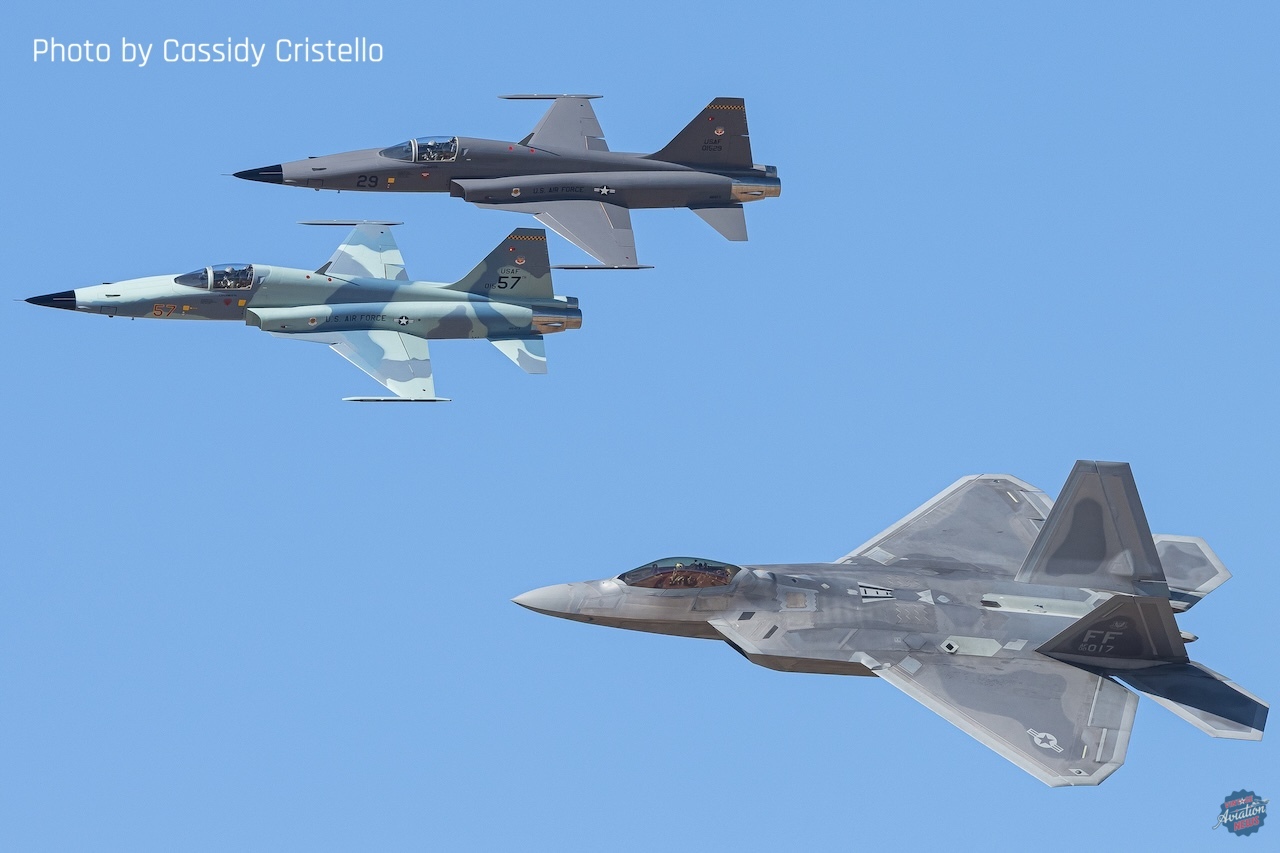
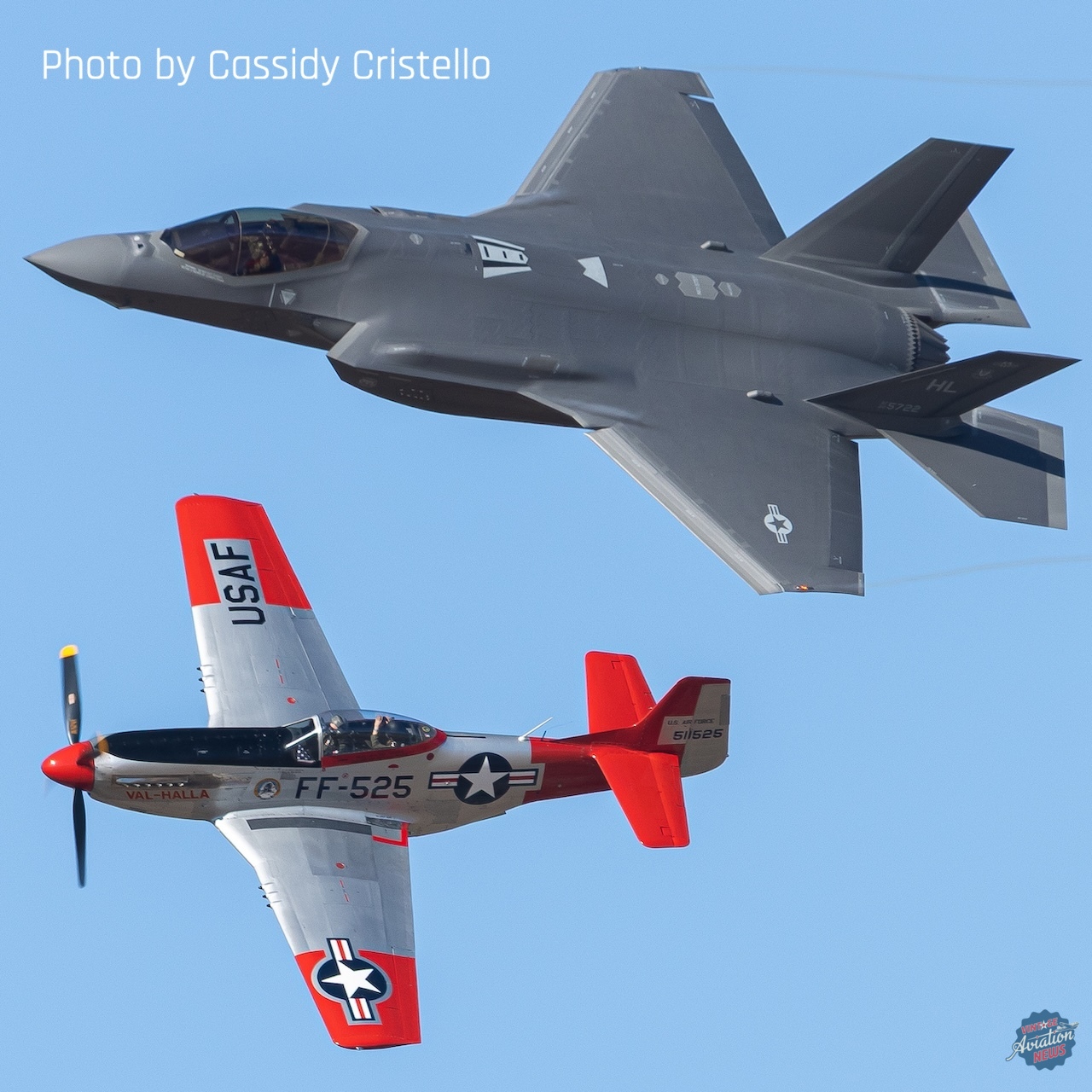
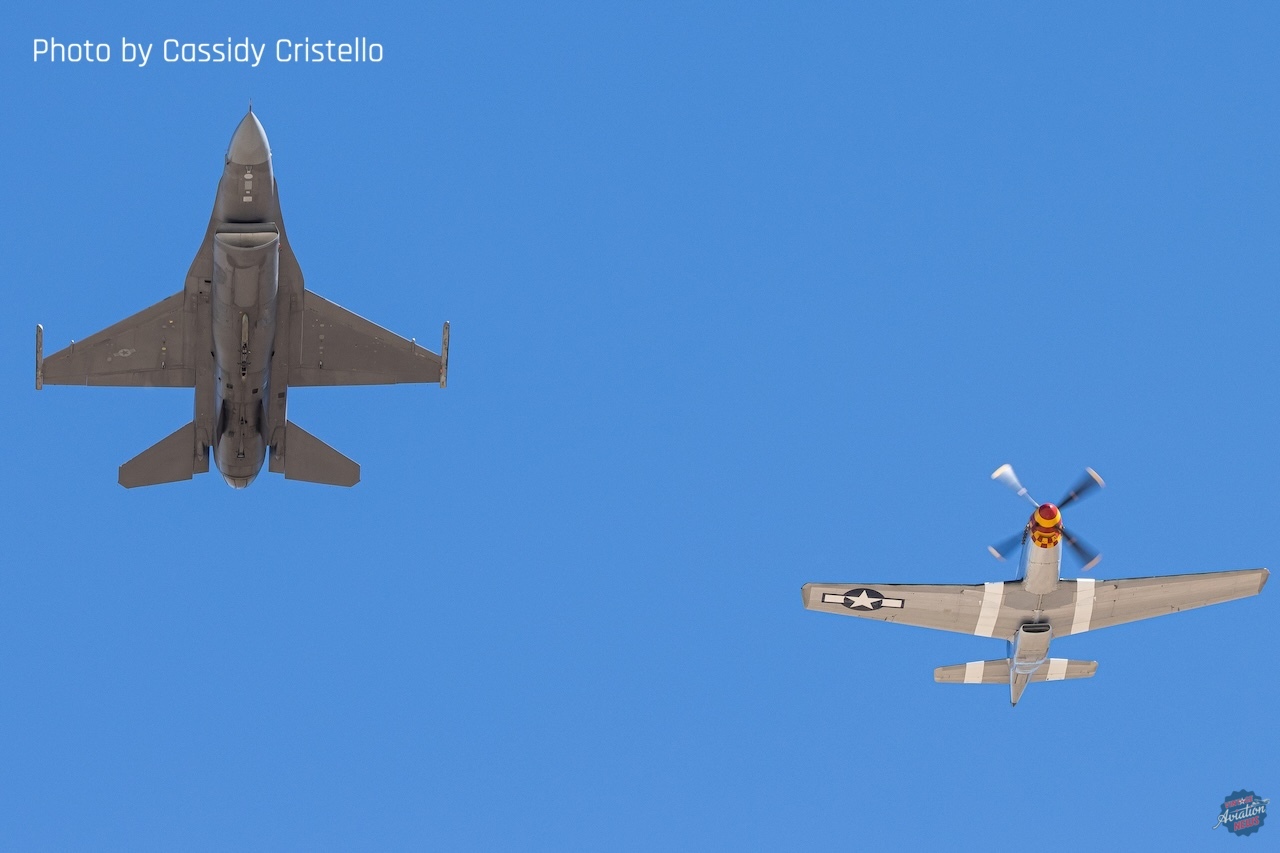
Major Hiester and the Viper Demonstration Team flew next using their backup F-16, which lacks the distinctive “Falcon 50” commemorative paint scheme celebrating the 50th anniversary of the F-16’s first flight. In this formation, the Viper flew alongside the Mustang Frenesi. Following the morning sorties, the teams paused for a lunch break, though the two-ship Mustang performance once again provided entertainment for those watching from the ramp. Later that afternoon, F-5E N68FK flew for the first time that week alongside Hiester and “Red 57.” By that point I had moved off base to a nearby scrapyard outside Davis–Monthan, where the lighting conditions were more favorable for photography. Kluesner returned to the air shortly afterward with Happy Jack’s Go Buggy. After that formation landed, another Mustang duo—Val-Halla and Princess Elizabeth—performed a brief but memorable mini-routine.
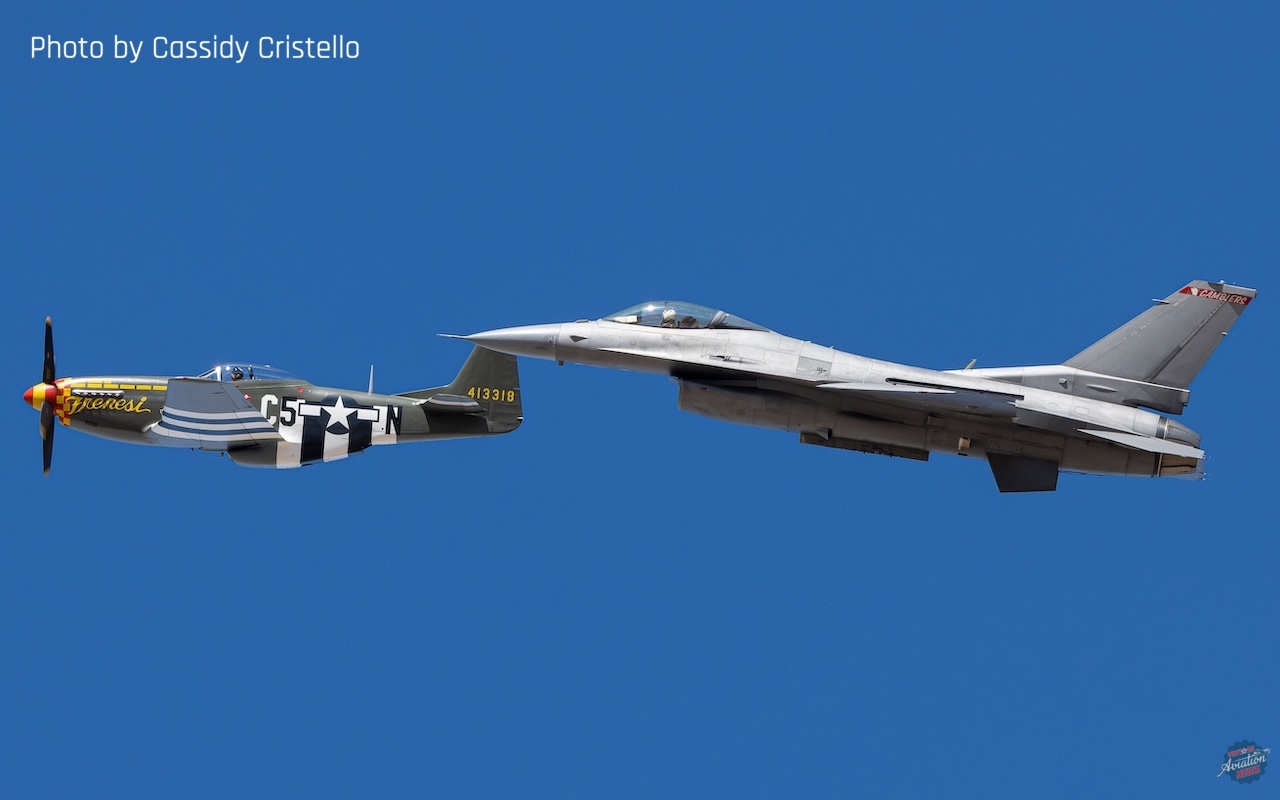
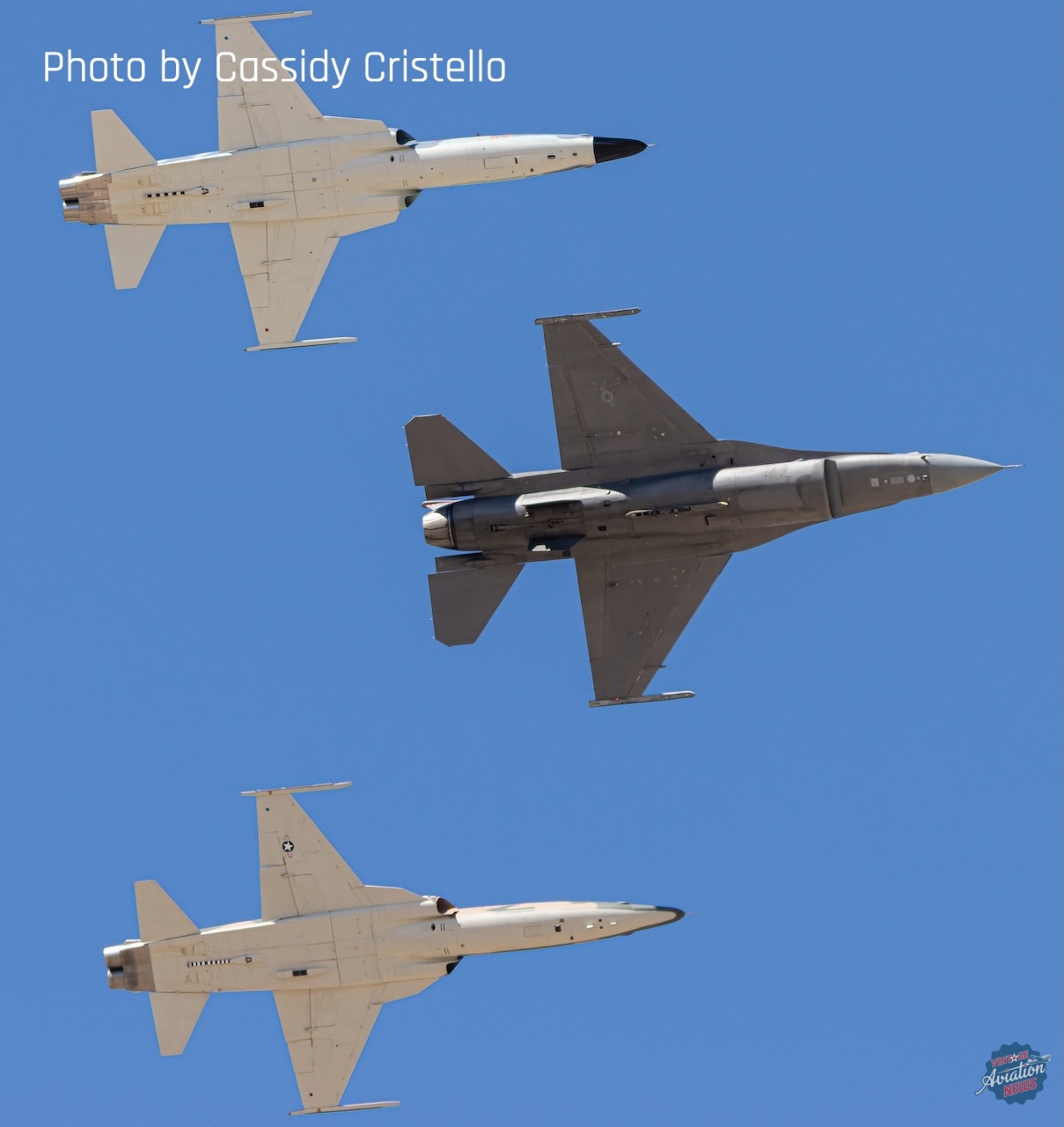
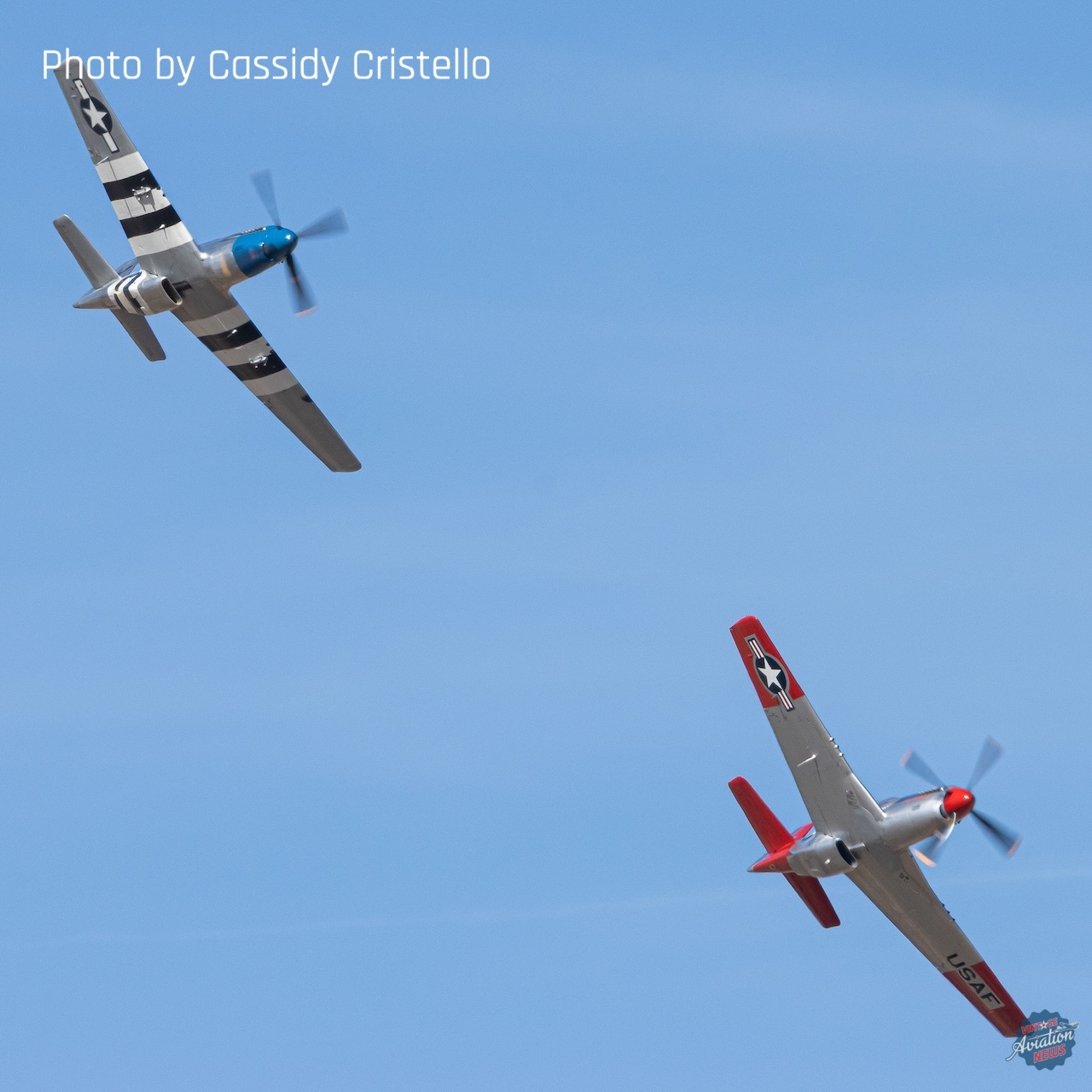
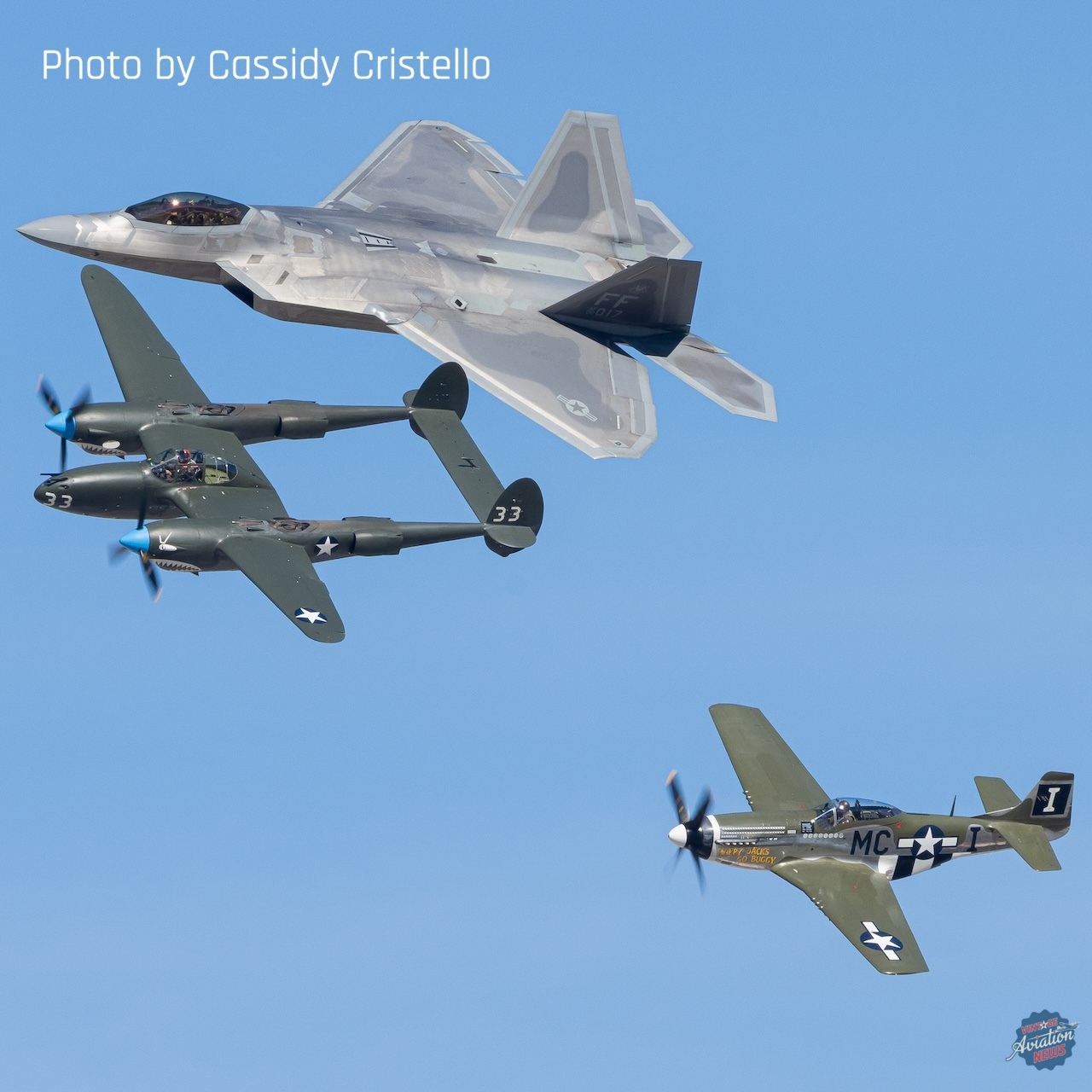
I headed home shortly afterward to prepare for an early start the following morning, hoping to photograph aircraft on the ramp before flight operations resumed. Friday began slightly differently from the previous day, with the F-35 Demonstration Team performing a solo tactical demonstration before joining the Heritage Flight schedule. Later, the F-22 flew in formation with three Mustangs—Val-Halla, Princess Elizabeth, and Happy Jack’s Go Buggy. For me, this was the highlight of the entire conference, as it is rare to see three Mustangs flying together with an F-22 outside the Heritage Flight Training Conference itself. The specially painted “Falcon 50” F-16 also flew on Friday for the first time during the event, accompanied by an F-5 and two Mustangs. I left briefly for lunch just as the pilots and support crews paused their operations to enjoy some of Tucson’s excellent local cuisine. Flying resumed around 12:30 p.m. This time Major Laughlin flew the F-35 alongside Val-Halla and Happy Jack’s Go Buggy. Shortly afterward, the P-38F Lightning made its first appearance of the conference, flying with Captain Letourneau and P-51D Wee Willy II, which had arrived earlier that day. I departed after this formation to meet a friend for dinner, returning the following morning for my final day at the conference.
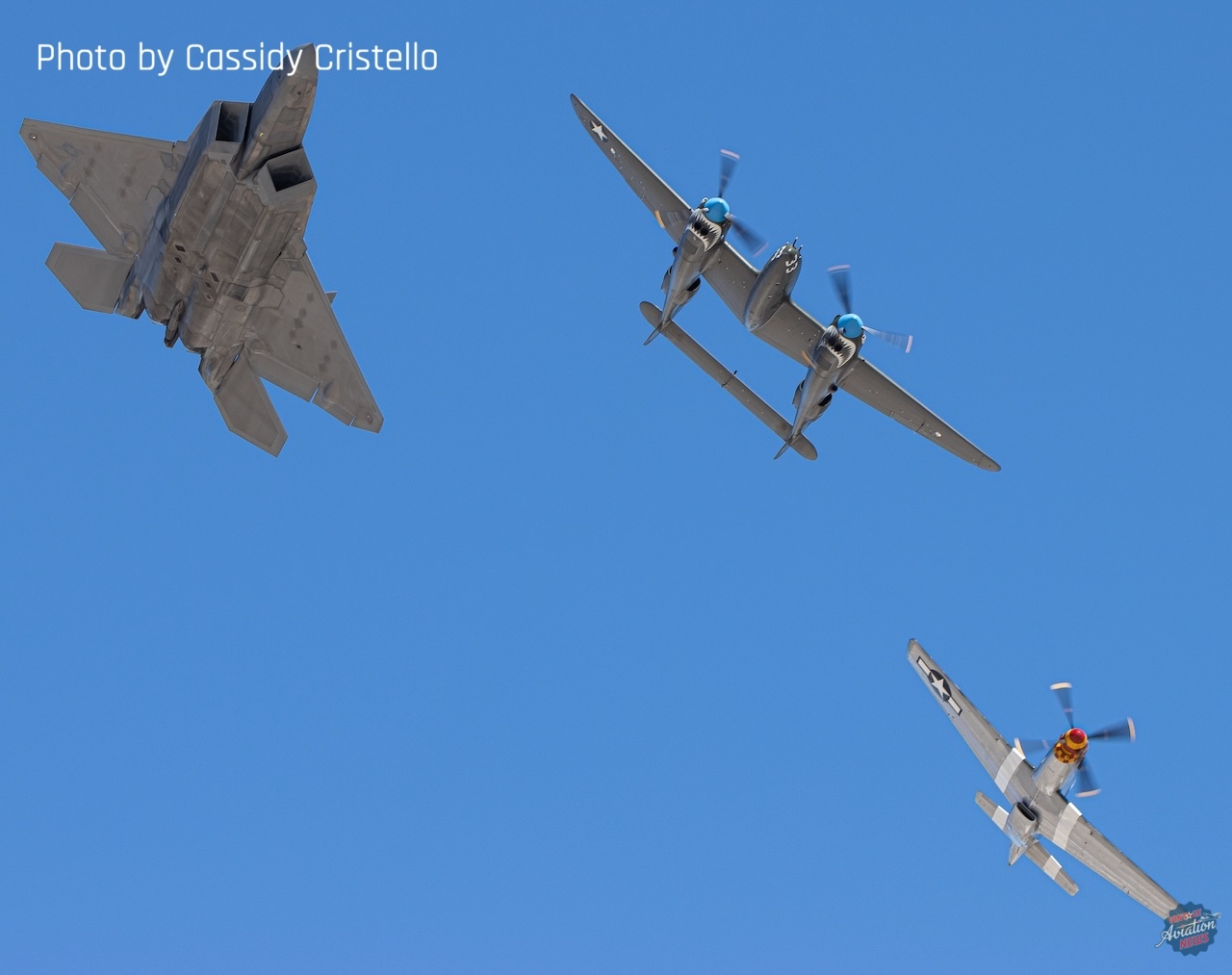
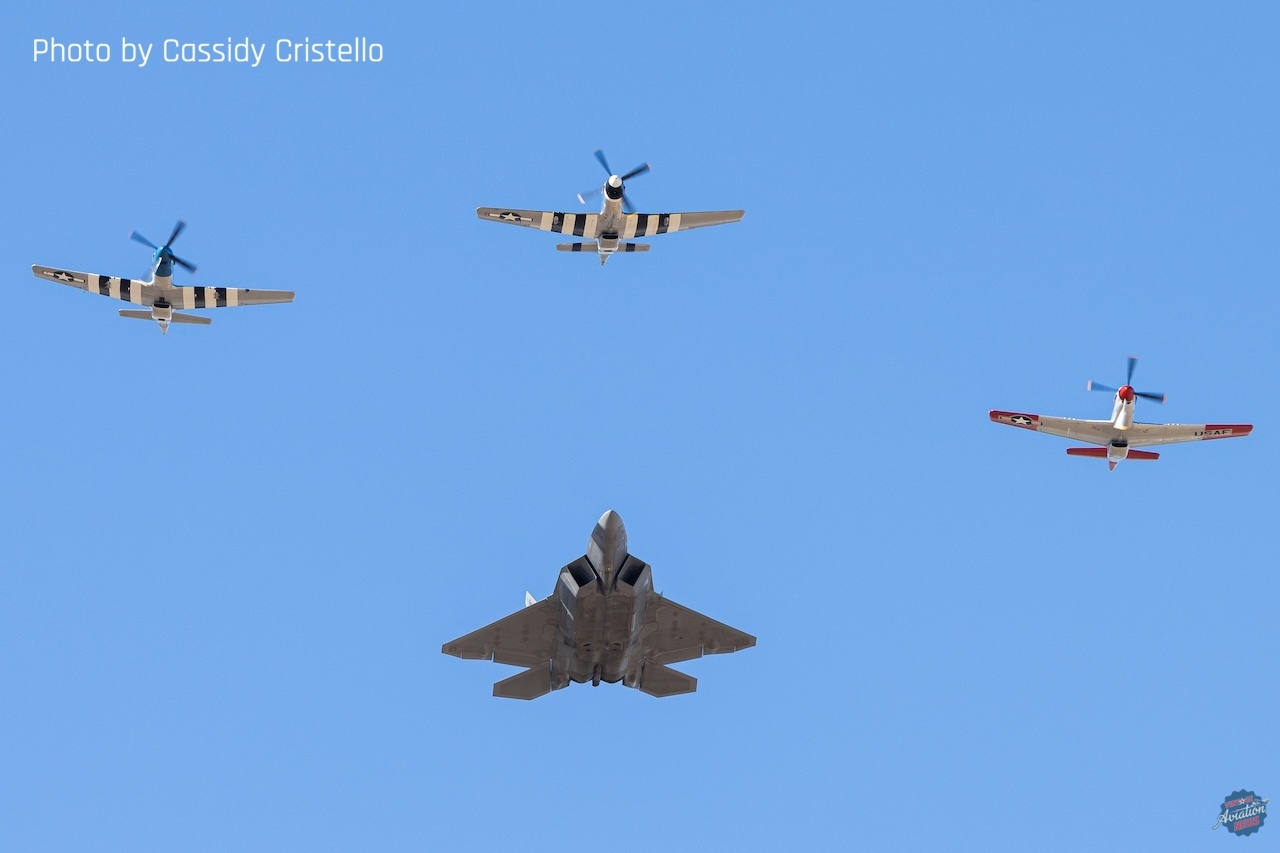
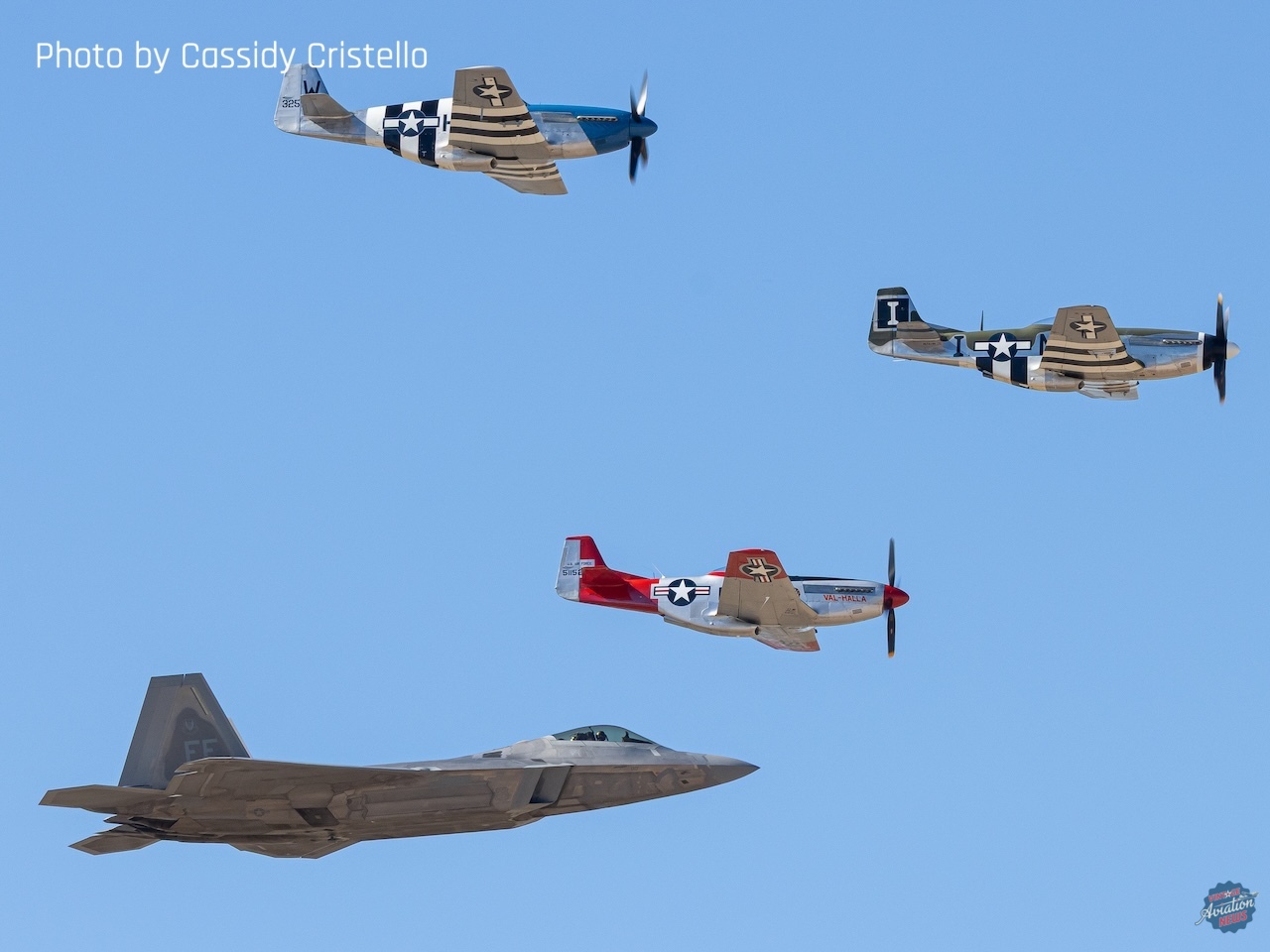
Before the temporary flight restriction goes into effect each morning, normal Davis–Monthan operations continue. During my visit I observed the arrival of an A-10 Thunderbolt II on Friday and the departure of an EA-37B Compass Call electronic warfare aircraft on Saturday. Another noticeable pattern was the order of the demonstration teams. Throughout my visit the sequence remained consistent: F-35 first, followed by the F-22, and finally the F-16. Saturday’s flying began with Kluesner joining Frenesi for a two-ship Heritage Flight practice. One of my favorite formations followed shortly afterward: an F-22 flying alongside the P-38 and Happy Jack’s Go Buggy. Hiester took to the air next with Wee Willy II, followed by another lunch break. As I prepared to leave, Captain Letourneau launched with F-5s N68FK and N65FK in formation—an opportunity I couldn’t pass up photographing before heading home to review the thousands of images I had captured over the course of the event.
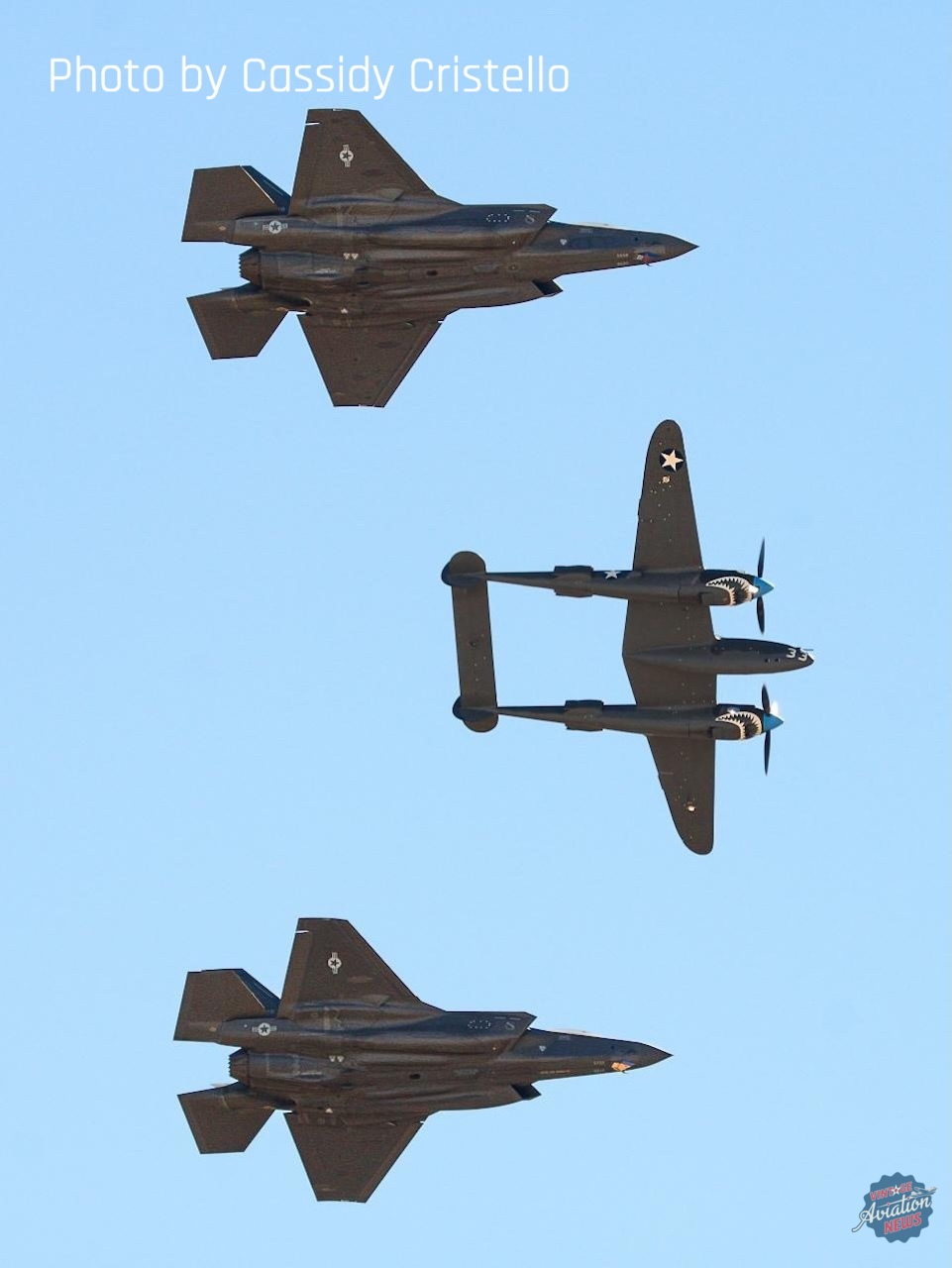
Sunday featured several familiar formations but also included one that had not been seen in two years. Kluesner and Laughlin flew together in the two F-35s brought from Hill AFB, joined by P-38F “White 33” in a striking Lightning heritage formation. The flight also marked Kluesner’s final demonstration with the team before passing leadership to Laughlin later that day—a fitting finale as she flew alongside the pilot who will now lead one of the most technologically advanced fighter demonstration teams in the world. The 2026 Heritage Flight Training Conference concluded Sunday with all participating airshow performers certified to fly the demanding formation during events across North America and beyond. The Heritage Flight is far more than a simple maneuver performed at airshows. It represents a living bridge between generations of aviators and aircraft, celebrating the legacy of the United States Air Force while demonstrating the discipline and skill required to safely operate such diverse machines in close formation. With certification complete for the 2026 season, these aircraft will soon appear at airshows across the country—particularly meaningful as the United States approaches its 250th anniversary. For more information about the Air Force Heritage Flight program and the 2026 performance schedule, visit https://www.airforceheritageflight.org