



By Randy Malmstrom
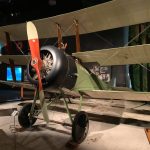
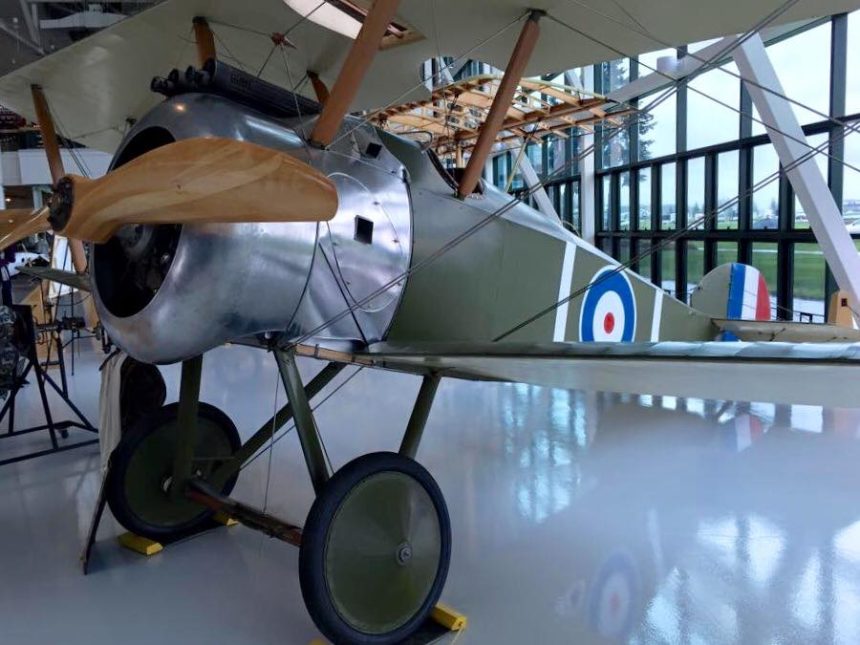
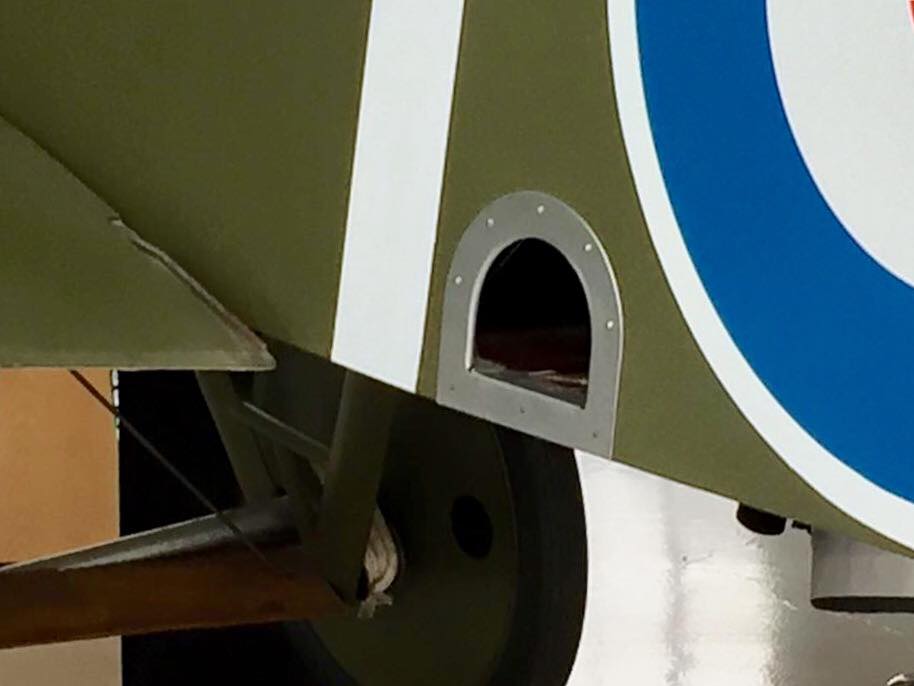
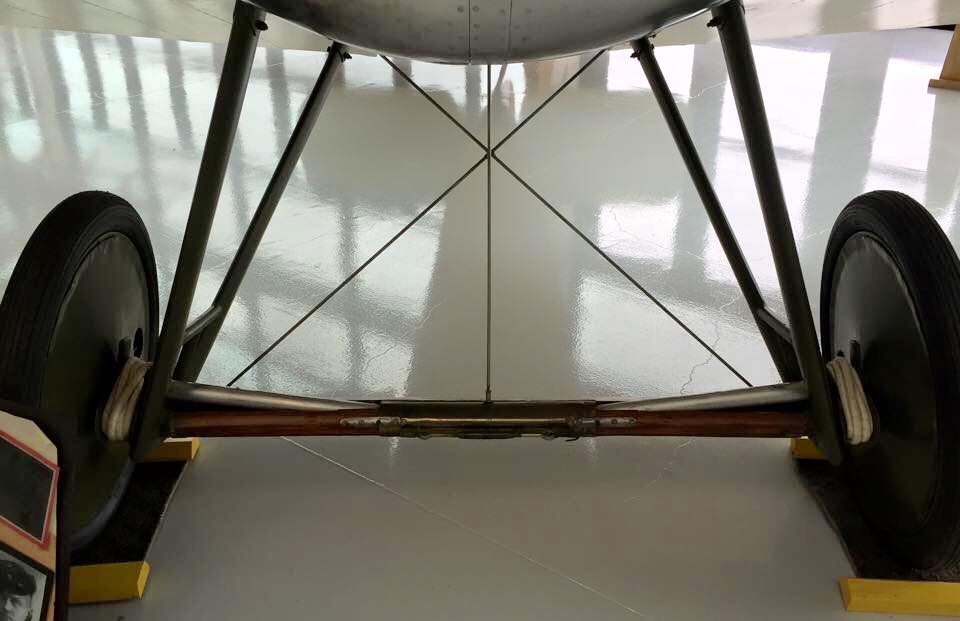
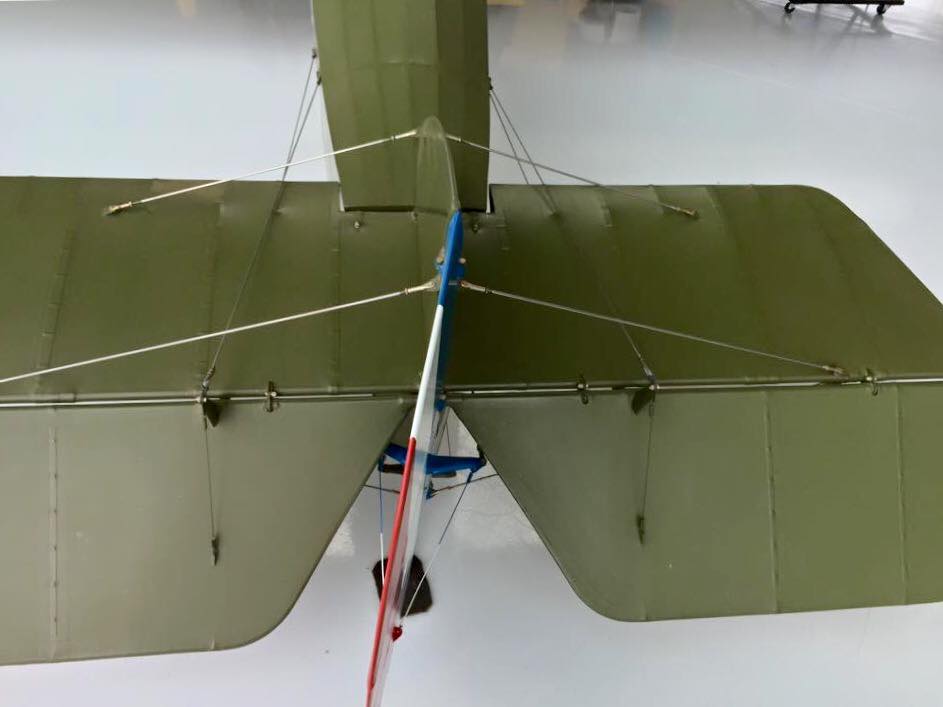
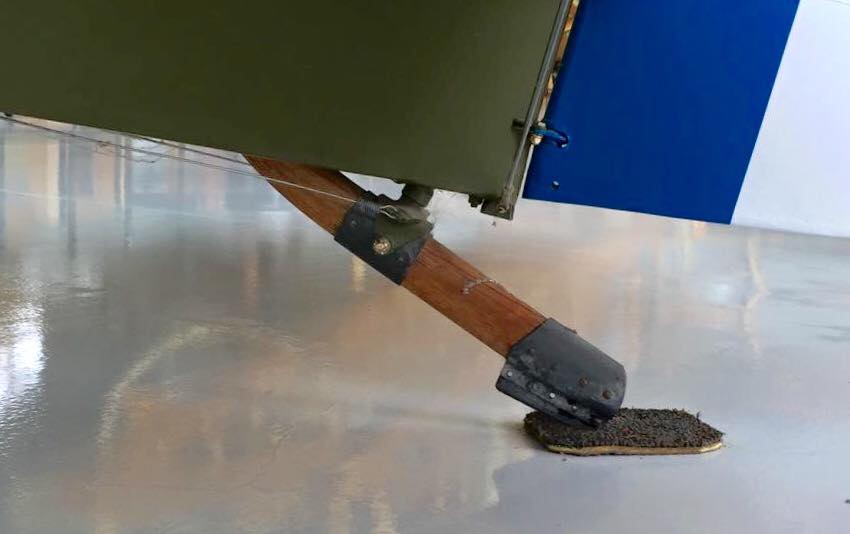
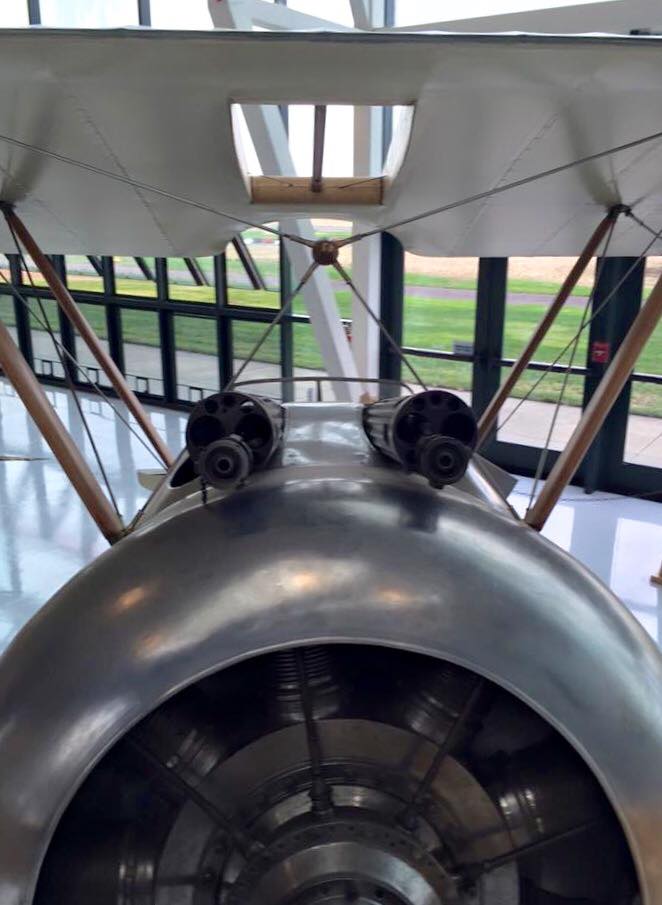
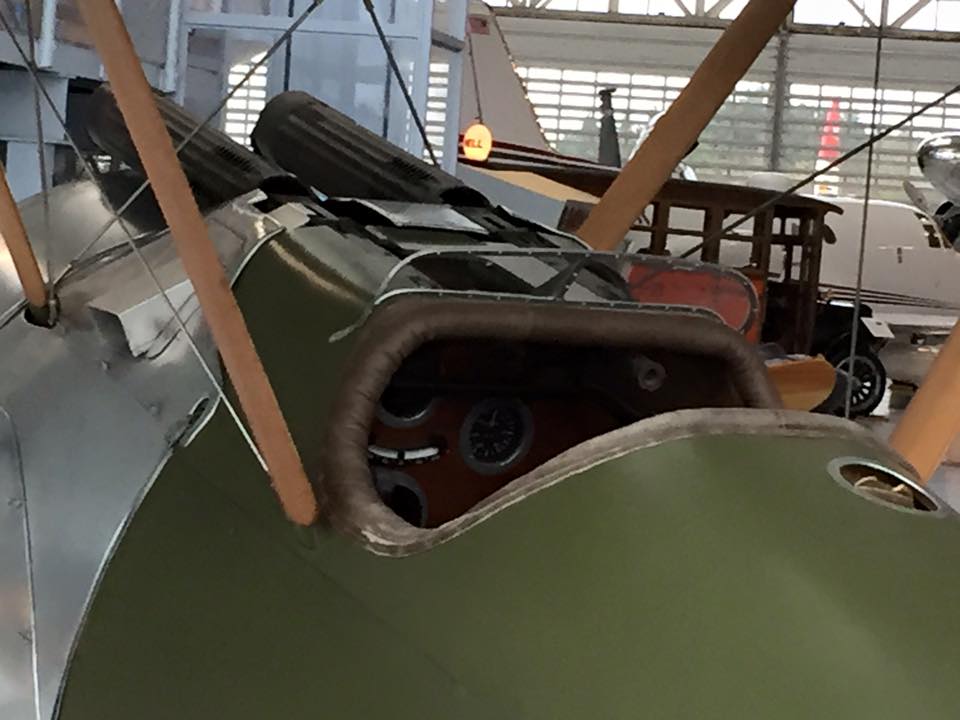
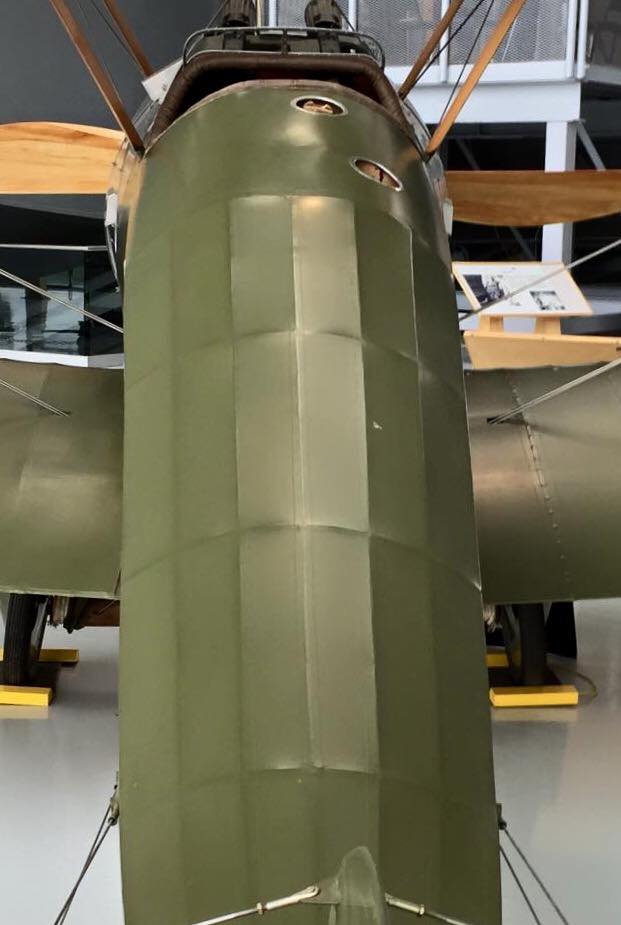
Sopwith Camel F.1. This is a replica at Evergreen Aviation & Space Museum in McMinnville, Oregon. It is fitted with a Gnome 9N engine. My photos.
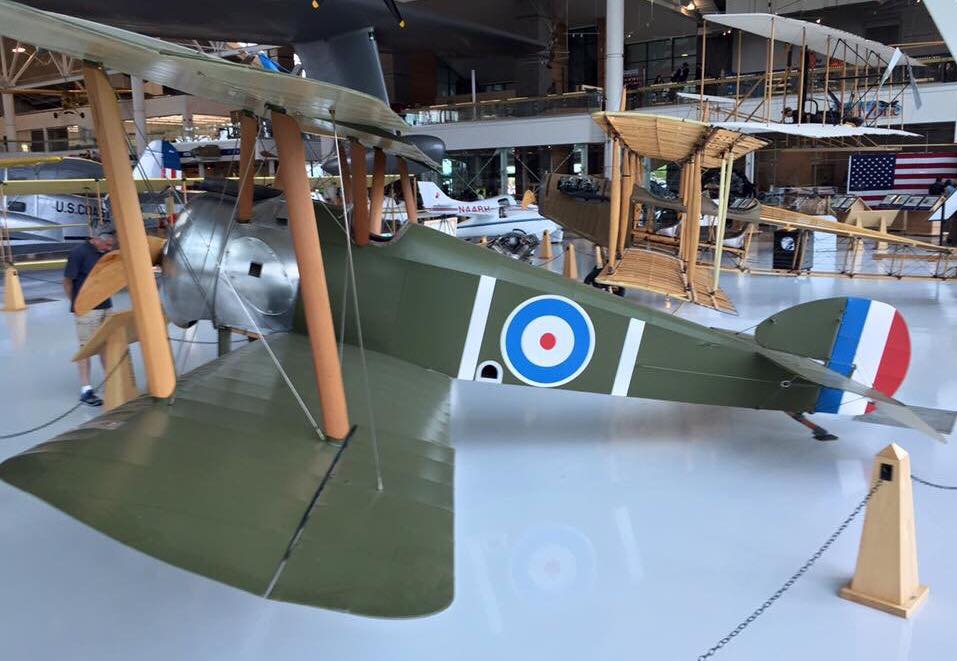
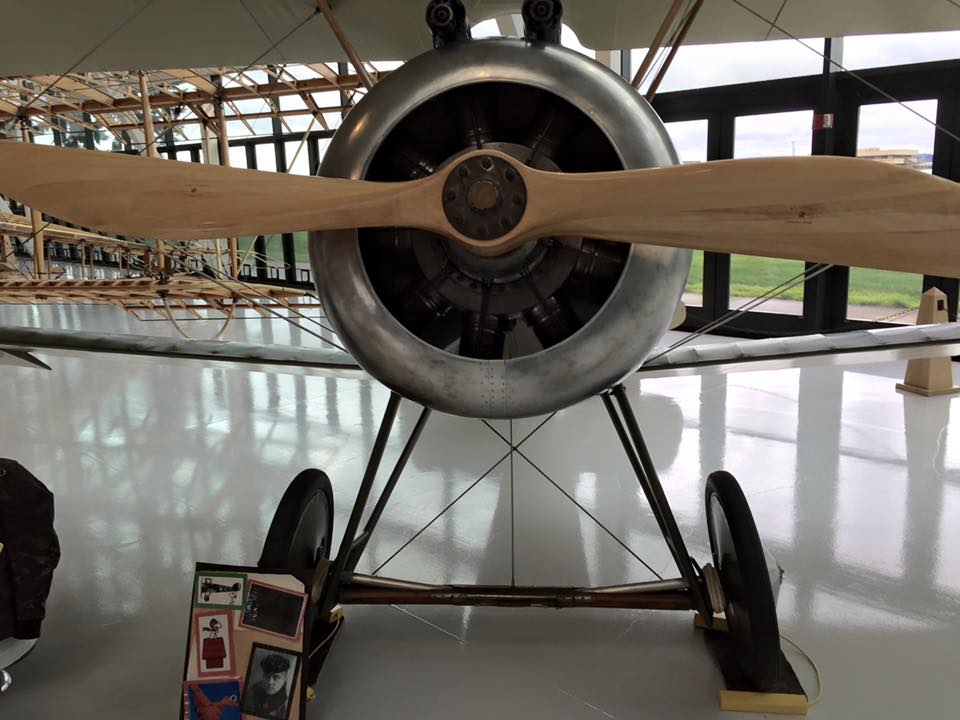
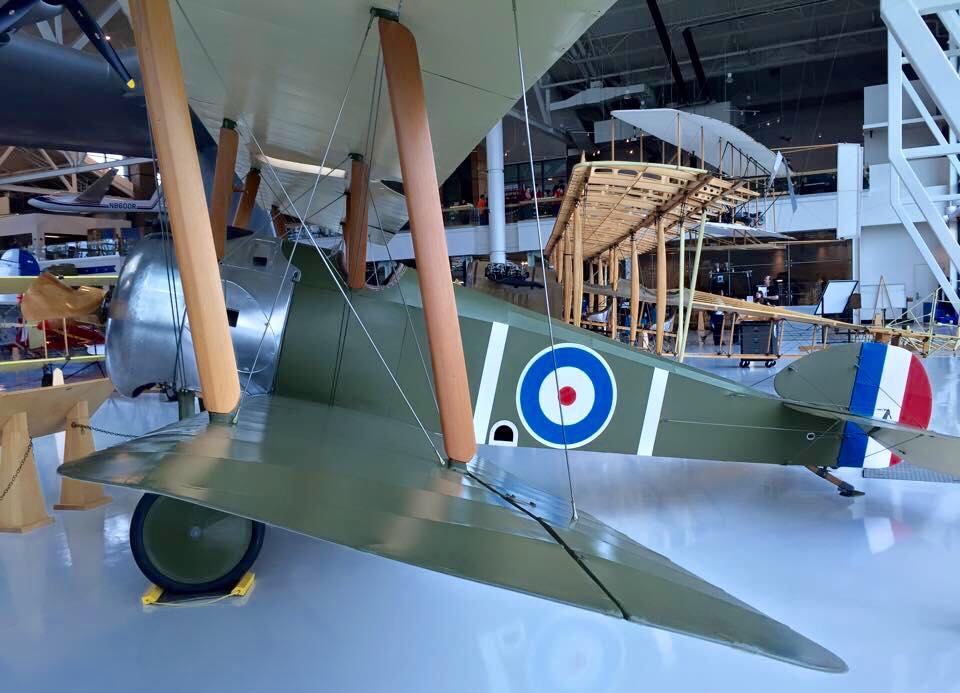
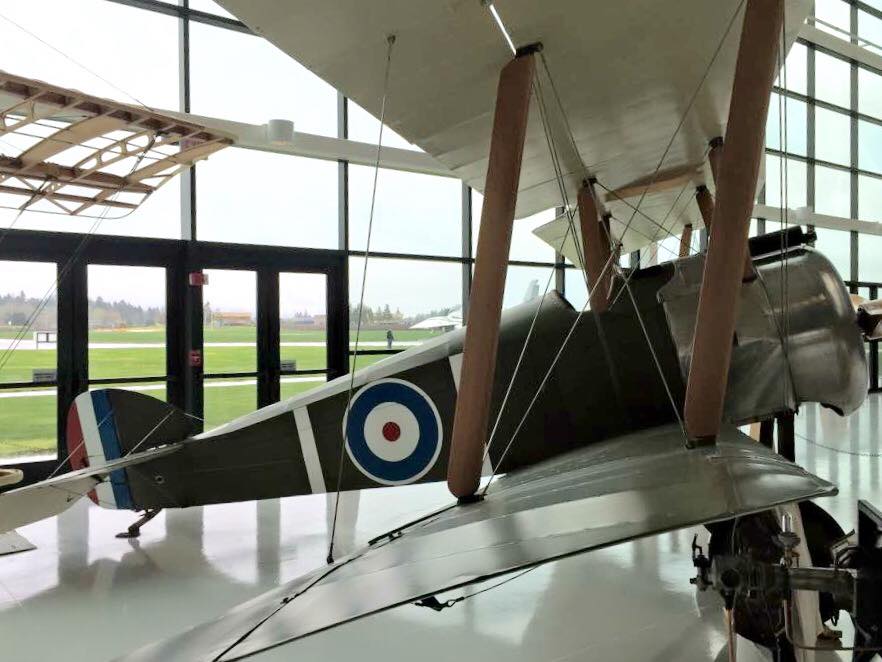
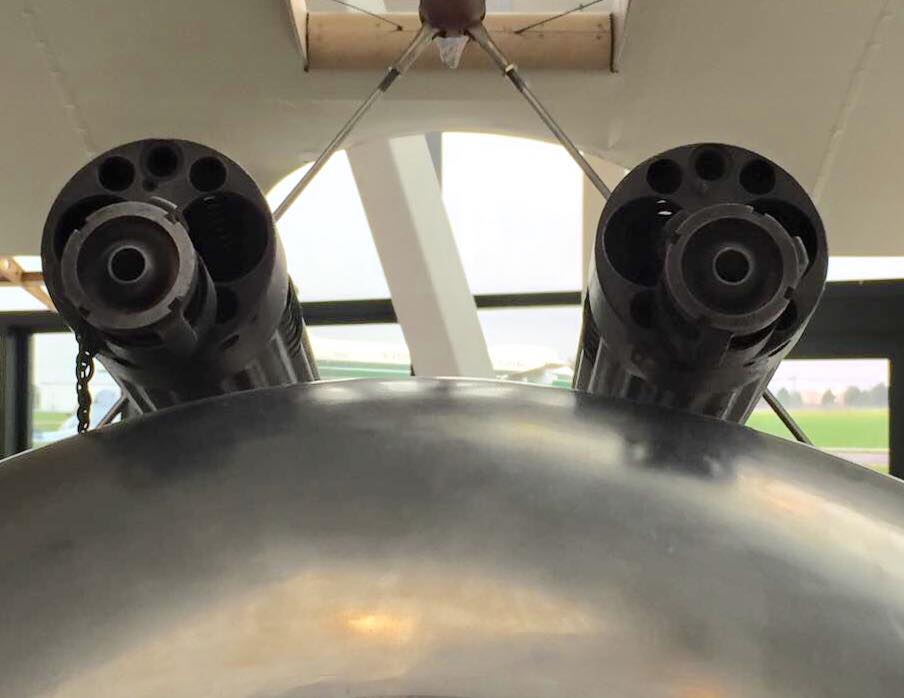
Editor’s notes: This replica was constructed by John Rinaldi and his son Ron. John D. Rinaldi, a machine shop operator and lifelong World War I aviation enthusiast from Springfield, Oregon, began work on this Sopwith Camel F.1 replica in 1989, with the intent of doing all of the work on the aircraft by hand with as many original drawings and components. A pair of Vickers .303 machine guns and a Gnome Monosoupape 9N nine-cylinder rotary engine. In 1999, the project came to a halt when John D. Rinaldi died. In an effort to honor his father, his son Ron Rinaldi resumed the project in 2001 and completed it on September 3, 2004. Since then, the aircraft has been on long-term loan from the Rinaldi family to the Evergreen Aviation and Space Museum. A link to Ron Rinaldi’s website with photos of the replica’s construction can be found here: Sopwith Camel Replica at Evergreen Aviation Museum – rrinaldi.com (linode)
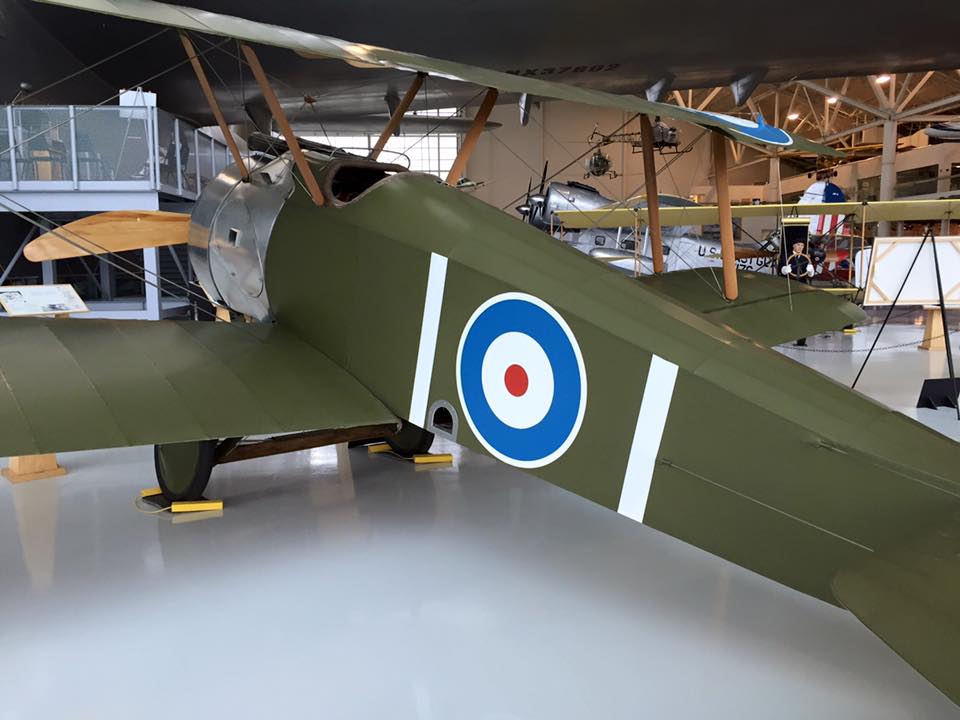
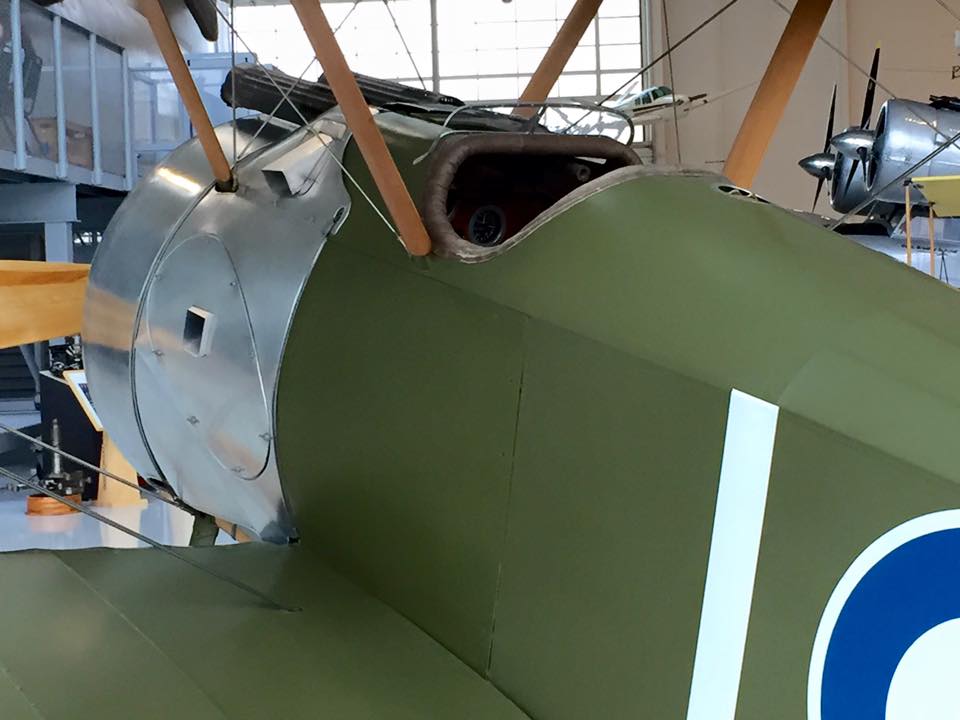
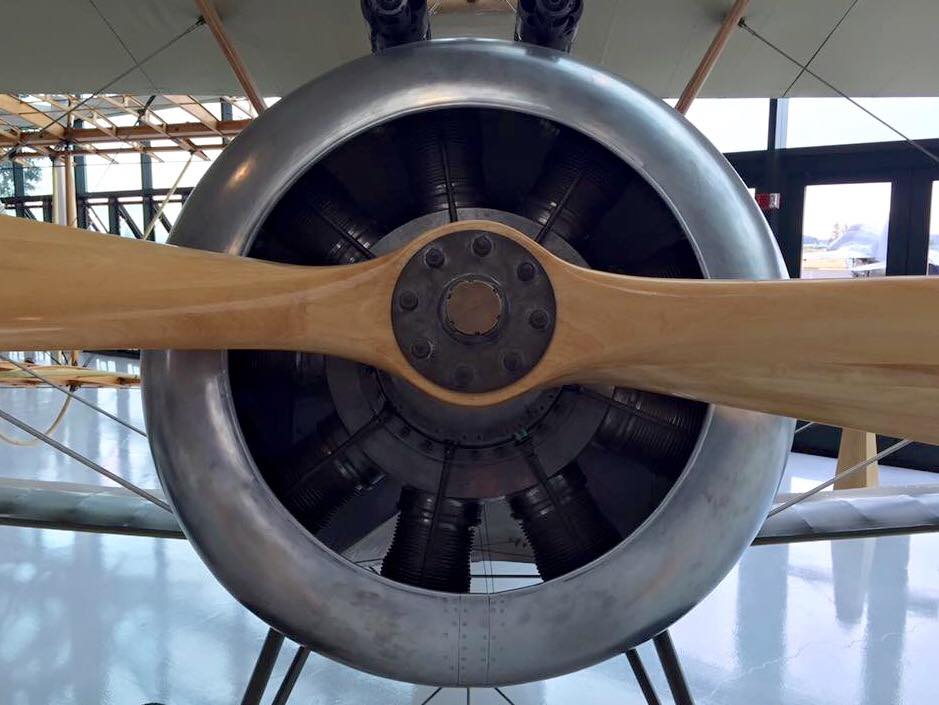
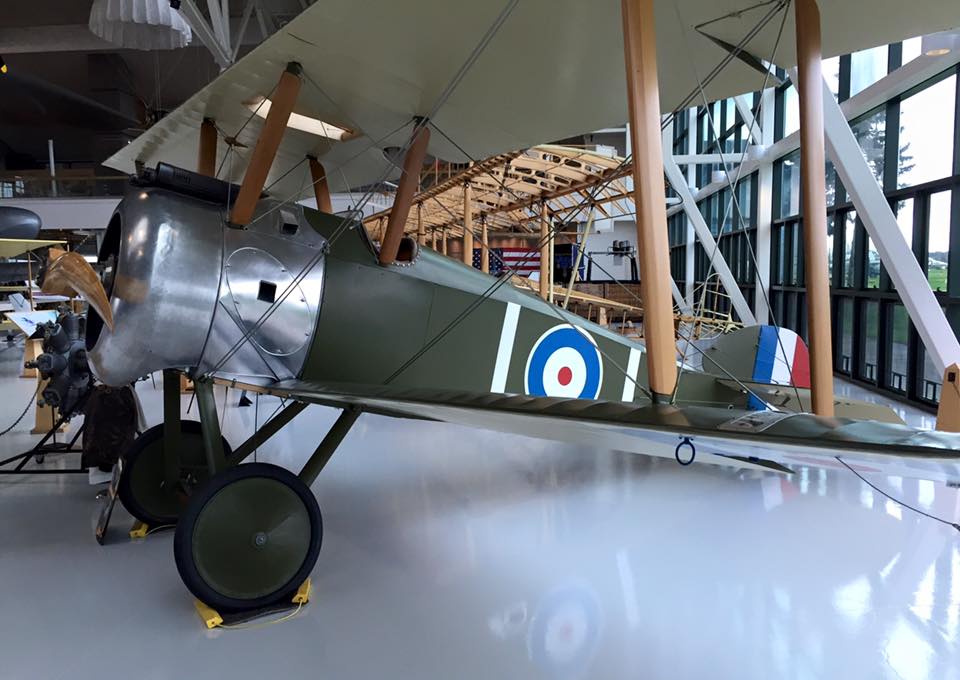
Though the Sopwith Camel is perhaps the most famous British fighter aircraft of WWI, it was a development of the earlier Sopwith Pup, which was much loved by the pilots who flew it, but was falling behind the capabilities of new German aircraft such as the Albatros D.III in terms of speed and armament, the Sopwith Aviation Company developed a new aircraft with a pair of Vickers .303 in (7.7mm) machine guns and a Clerget nine cylinder rotary engine. The camel earned its nickname from the distinctive metal fairing over the gun breech, designed to prevent freezing at high altitude, which was a common cause for gun stoppage. While the name “Camel” was not officially adopted by the upper echelons of the Royal Flying Corps (later reformed into the Royal Air Force), the name became commonplace among pilots and ground crews.
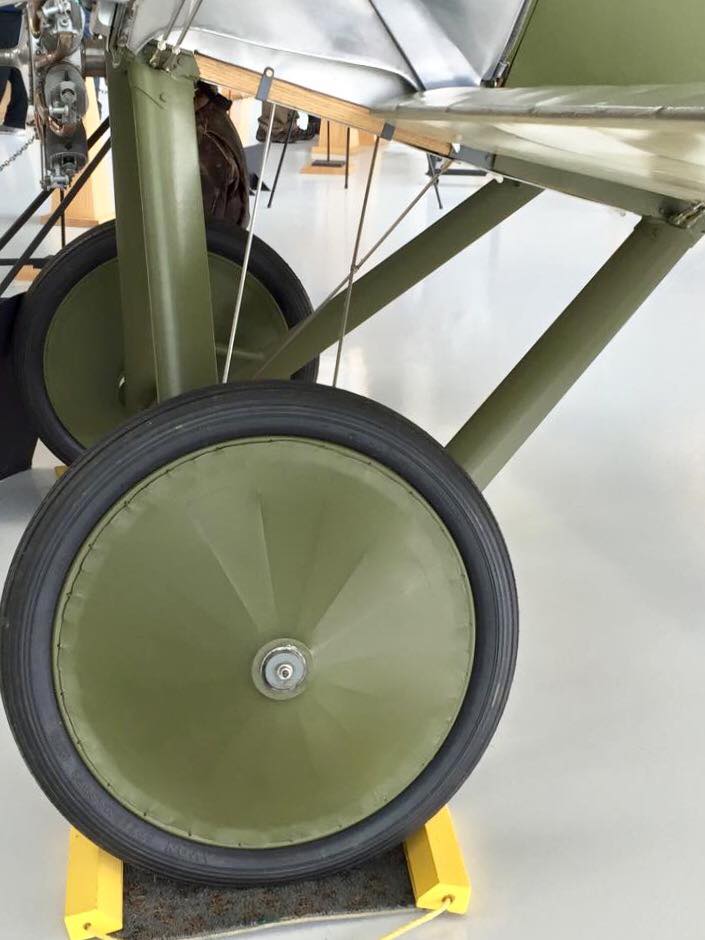
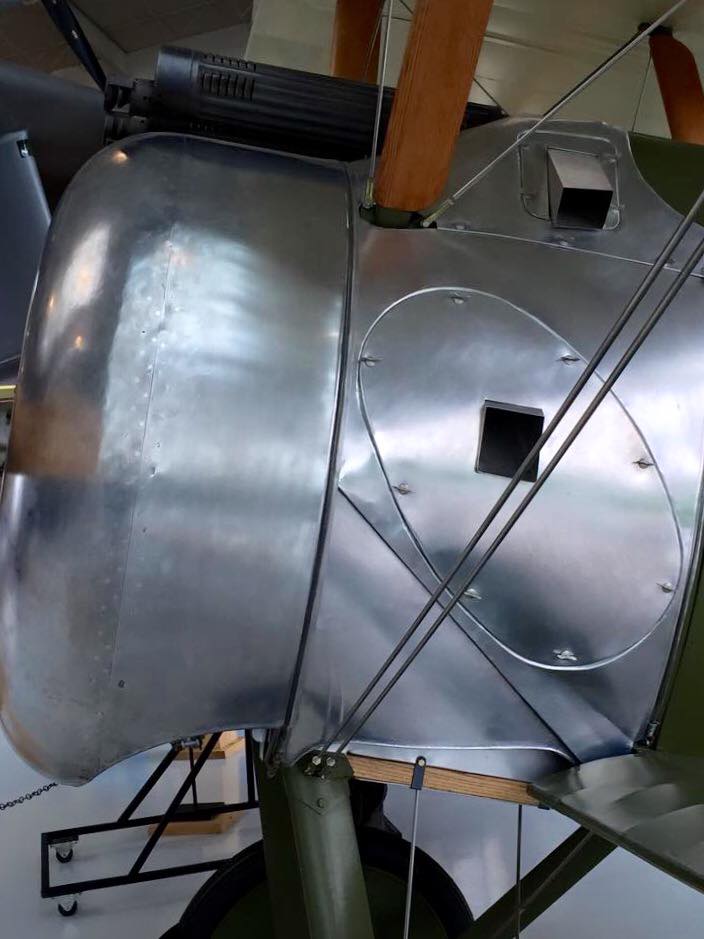
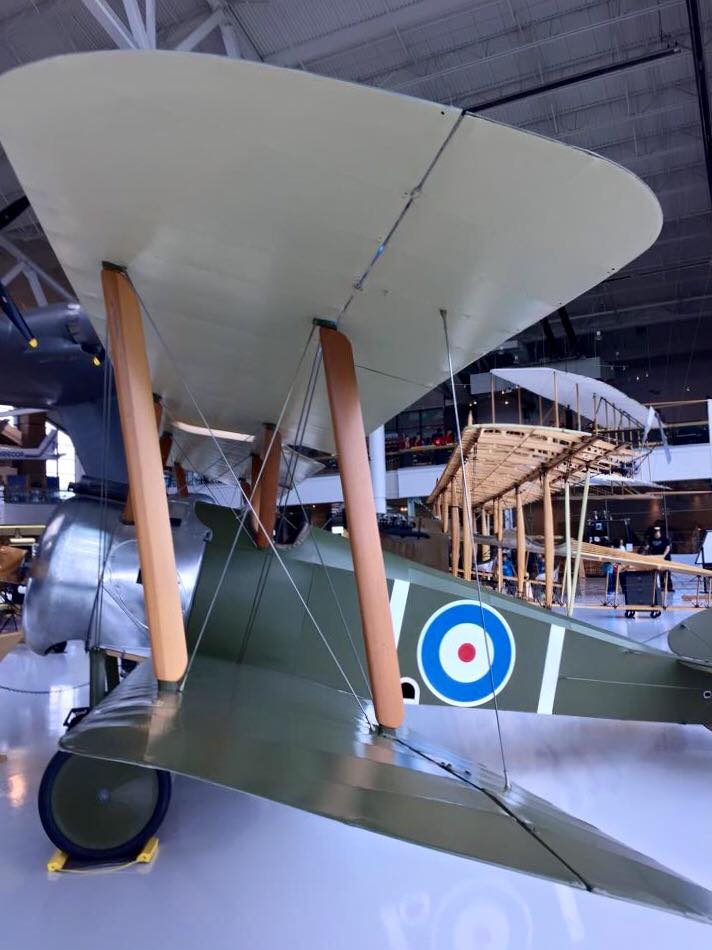
After its first flight on December 22, 1916, with Sopwith’s chief test pilot Harry Hawker at the controls, the Sopwith Camel F.1 was introduced into operational service by June 1917. Unlike the preceding Pup design, the Camel proved difficult to control, especially for novice pilots. The engine, pilot, armament and fuel tank were all located at the front of the aircraft, causing issues with the Camel’s center of gravity, which, combined with the strong torque from its engine, was the doom of many inexperienced pilots. However, more experienced pilots found the Camel’s inherent instability to be an asset when properly managed, as the Camel also proved to be an agile design.
From June 1917 to the armistice on November 11, 1918, thousands of Sopwith Camels participated in thousands of sorties over the Western Front, and before the Royal Flying Corps and the Royal Naval Air Service were combined to become the Royal Air Force on April 1, 1918, both branches flew the aircraft in France, with the Camel also being used for ground attack missions. The Sopwith Camel was also used as a Home Defense fighter, protecting the British Isles from German Zeppelins and Gotha bombers.
The Sopwith Camel was also used in ship-borne operations during the last half of WWI. On July 19, 1918, seven Camels took off from the converted battlecruiser HMS Furious and attacked the German Navy airship hangars at Tønder, Denmark (then part of Germany and named Todern). While three aircraft landed in neutral Denmark, and the rest ditched in the North Sea, the raid saw the destruction of two airships (L.54 and L.60) and a static balloon, as well as damaging the hangars housing the two airships.
After the war, Sopwith Camels were also involved in the Allied Intervention of the Russian Civil War, in which counterrevolutionary forces (the White Russians) were equipped with these and other Allied aircraft. A number of Sopwith Camels were also captured by the Bolsheviks during and after the civil war and flown in the Soviet Air Force.
Besides being flown by the RFC/RAF, the Sopwith Camel was also flown by the armed forces of Australia, Belgium, Canada, Estonia, France, Georgia, Greece, Latvia, the Netherlands, Poland (one aircraft postwar), Russia, the Soviet Union, and the United States. Today, only eight original examples have been preserved around the world and can be found in museums in Belgium, Canada, New Zealand, Poland, the United Kingdom, and the United States. One of these original aircraft, registered as ZK-SDL, is maintained in airworthy condition by The Vintage Aviator Limited at Hood Aerodrome in Masterton, New Zealand. Numerous replicas around the world, such as the aircraft at the Evergreen Aviation and Space Museum, are both static displays and in airworthy condition.
About the author:  Randy Malmstrom grew up in a family steeped in aviation culture. His father, Bob, was still a cadet in training with the USAAF at the end of WWII, but did serve in Germany during the U.S. occupation in the immediate post-war period, where he had the opportunity to fly in a wide variety of types which flew in WWII. After returning to the States, Bob became a multi-engine aircraft sales manager and, as such, flew a wide variety of aircraft; Randy frequently accompanied him on these flights. Furthermore, Randy’s cousin, Einar Axel Malmstrom, flew P-47 Thunderbolts with the 356th FG from RAF Martlesham Heath. He was commanding this unit at the time he was shot down over France on April 24th, 1944, and spent the rest of the war as a prisoner of war. Following his repatriation at war’s end, Einar continued his military service, attaining the rank of Colonel. He was serving as Deputy Wing Commander of the 407th Strategic Fighter Wing at Great Falls AFB, MT, at the time of his death in a T-33 training accident on August 21, 1954. The base was renamed in his honor in October 1955 and continues to serve in the present USAF as home to the 341st Missile Wing. Randy’s innate interest in history in general, and aviation history in particular, plus his educational background and passion for WWII warbirds, led him down his current path of capturing detailed aircraft walk-around photos and in-depth airframe histories, recording a precise description of a particular aircraft in all aspects.