




Although initially hindered by structural issues and a temperamental powerplant, the Hawker Typhoon, once it matured, became one of the most effective low-level interceptors and ground attack aircraft of WWII. More than three thousand of them served in the RAF, and the type was legendary in its time, which makes it all the more shocking that just one complete example remains today; Typhoon Mk.IB MN235 at the Royal Air Force Museum – and even this aircraft’s survival is simply due to its wartime testing in the USA and the Smithsonian’s Paul Garber having earmarked it for preservation in January, 1949.
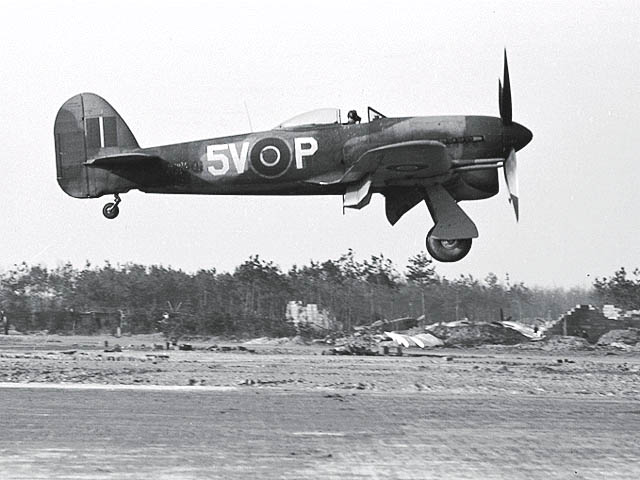
However, there are currently two active projects which are mounting serious efforts to restore a Typhoon to flying condition. Each of these is based around identified partial airframes, with a collection of parts gathered over many years to support them. While the efforts in Canada surrounding the restoration of Mk.IB JP843 have been quiet for some time now, there has been significant progress with the restoration of Mk.IB RB396 in the United Kingdom. And it is this latter aircraft which we wish to draw attention too.

Hawker Typhoon Mk.IB RB396 rolled off Gloster’s production line at Hucclecote in late 1944. Interestingly, Gloster, a subsidiary of what was then the Hawker-Siddeley Group, manufactured the entire production run, other than the prototypes.
F/L Laurence ‘Pinkie’ Stark took up RB396 on her acceptance flight on November 16th, 1944. Soon after, 51 Maintenance Unit received the Typhoon, likely at RAF Lichfield in Staffordshire (ironically the same unit responsible for scrapping 900 or so Typhoons after the war. Following modifications for service, Anna Leska-Daab, a female Polish pilot in the Air Transport Auxiliary, flew RB396 on December 9th, 1944 to RAF Westhampnett where the ‘Typhie’ joined 83 Group Support Unit, one of the primary feeders for the RAF’s 2nd Tactical Air Force (where most RAF Typhoons served). After a short period with 83GSU, RB396 was ferried to the continent in early January 1945 as a replacement aircraft for RAF No.174 ‘Mauritius’ Squadron.
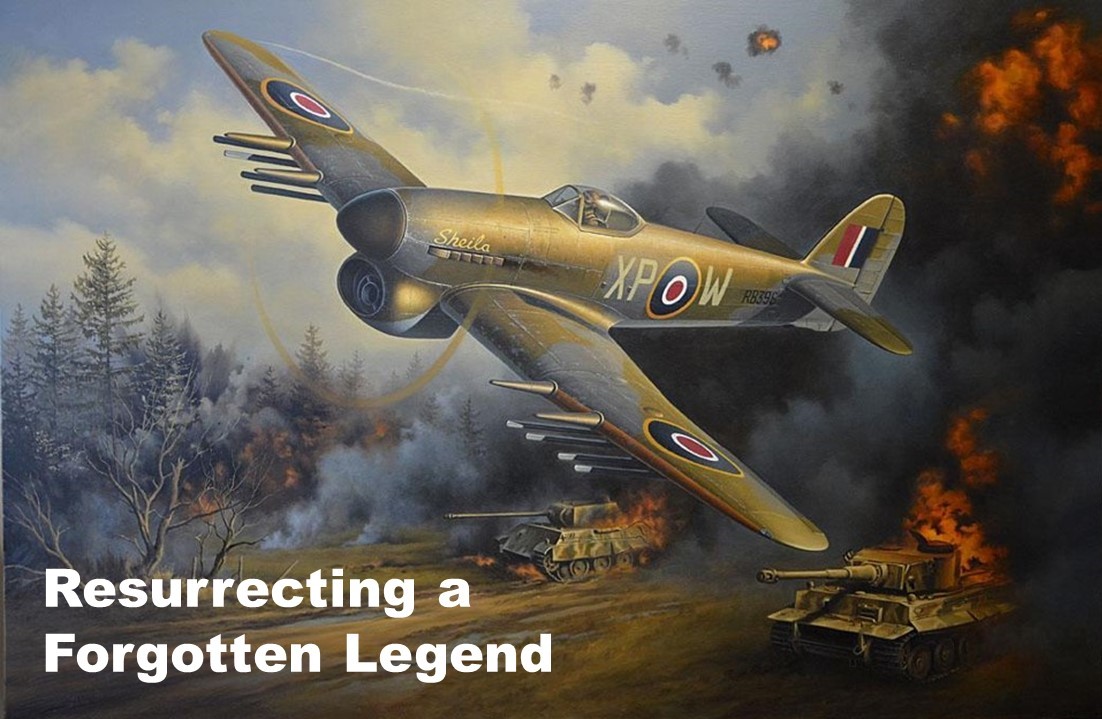
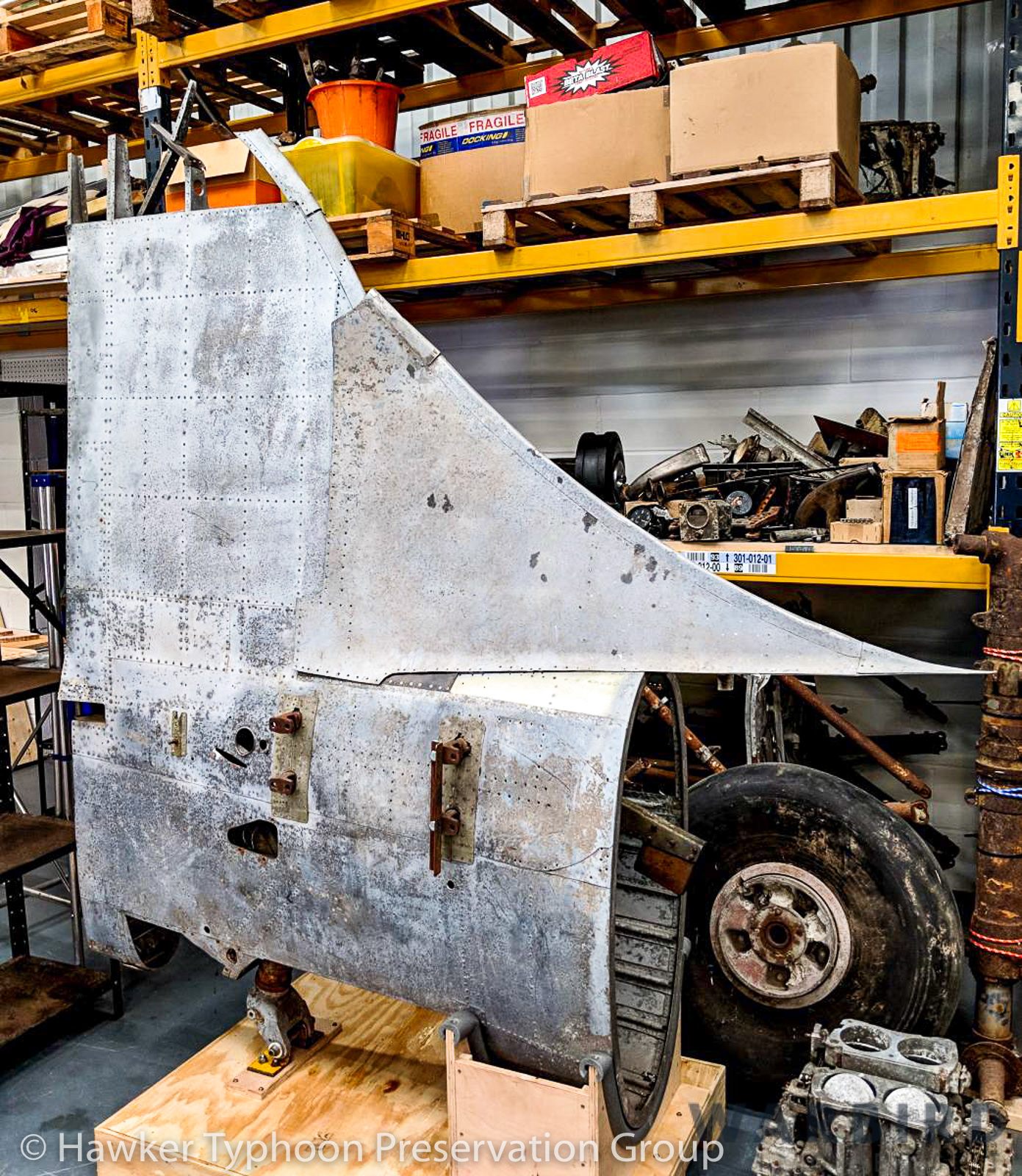
A Canadian named Frank Johnson became RB396’s regular pilot, having his wife’s name ‘Sheila’ painted on the engine cowling. He flew the aircraft over thirty times between mid-January 1945 and the end of March, logging almost 30 hours of combat time in RB396. The ‘Typhie’ was holed and patched on 18 occasions during this period, but her luck finally ran out on April 1st, 1945. Her pilot that day was F/L Chris House, a veteran of the North Africa campaign where he flew Hawker Hurricanes. House was in RB396 on only his sixth day of combat ops in Typhoons. As he made a rocket attack near Lingen in Lower Saxony, Germany, his Typhoon received damage from enemy flak. F/L House managed to safely flop the crippled Typhoon down into a field near Denekamp in Holland, and made his exit on foot, safely evading capture with the help of a Dutch family (who later paid with their lives sadly) and members of the local Resistance. While F/L House made it back to his squadron, and survived the war, RB396 languished where she fell until sometime after the war, when she was cut up and hauled off to a scrap yard. Somehow her rear monocoque fuselage survived long enough to make it into preservation, and she was on display in Holland until 2016 when long-time Typhoon enthusiast, David Robinson acquired her. He formed the Hawker Typhoon Preservation Group with Sam Worthington-Leese to organize and fund her restoration.
The Hawker Typhoon Preservation Group, a registered British charity, is currently in the middle of a month-long CrowdFunder campaign to raise the first £50,000 of an estimated £200,000 needed to restore RB396’s rear fuselage. Just half way through this effort, they have already received pledges for £36,000 from over 260 supporters… Be sure to add your name to this list of contributors to this important project!
Click HERE to Support the resurrection of Hawker Typhoon RB396
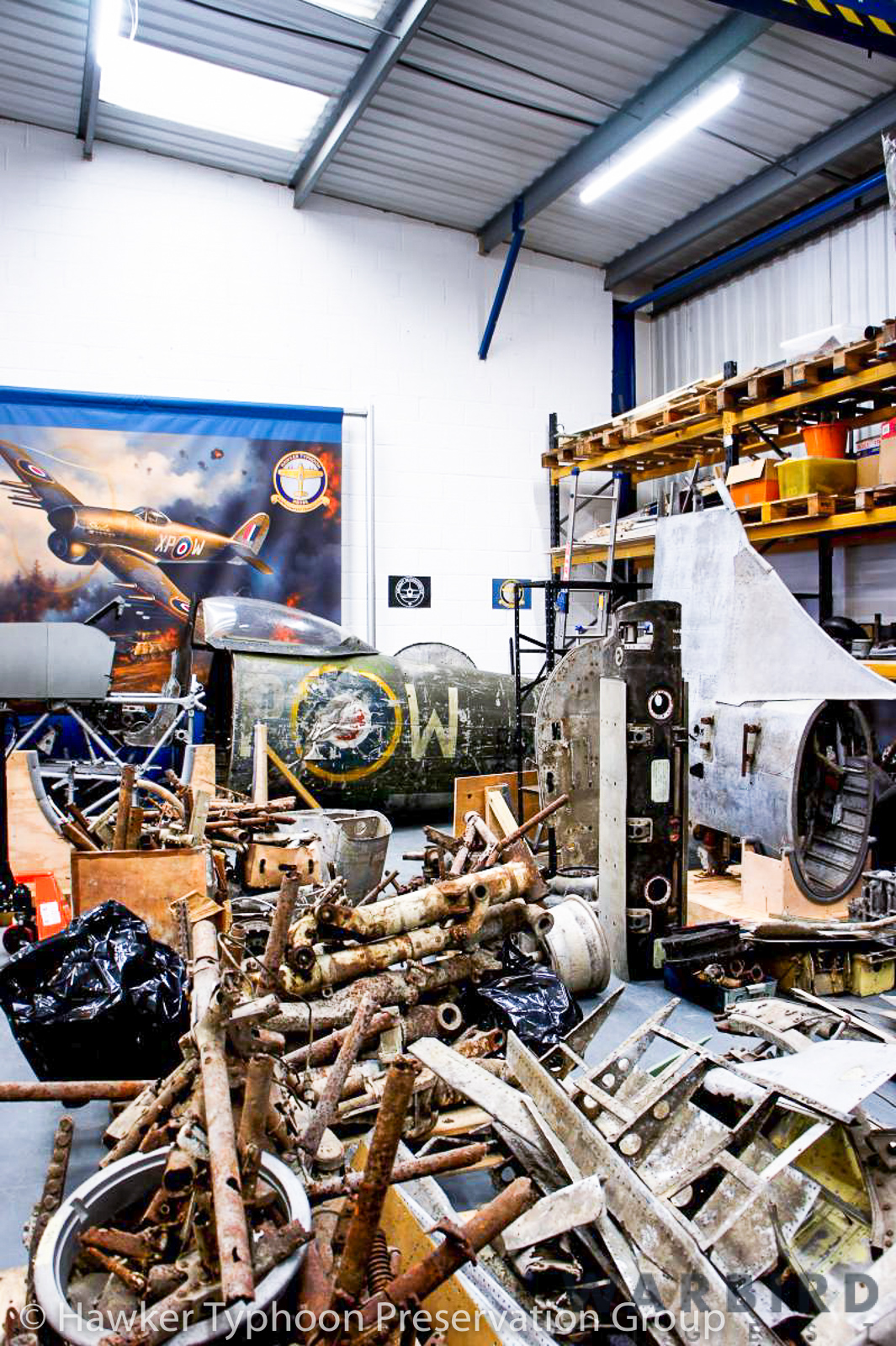
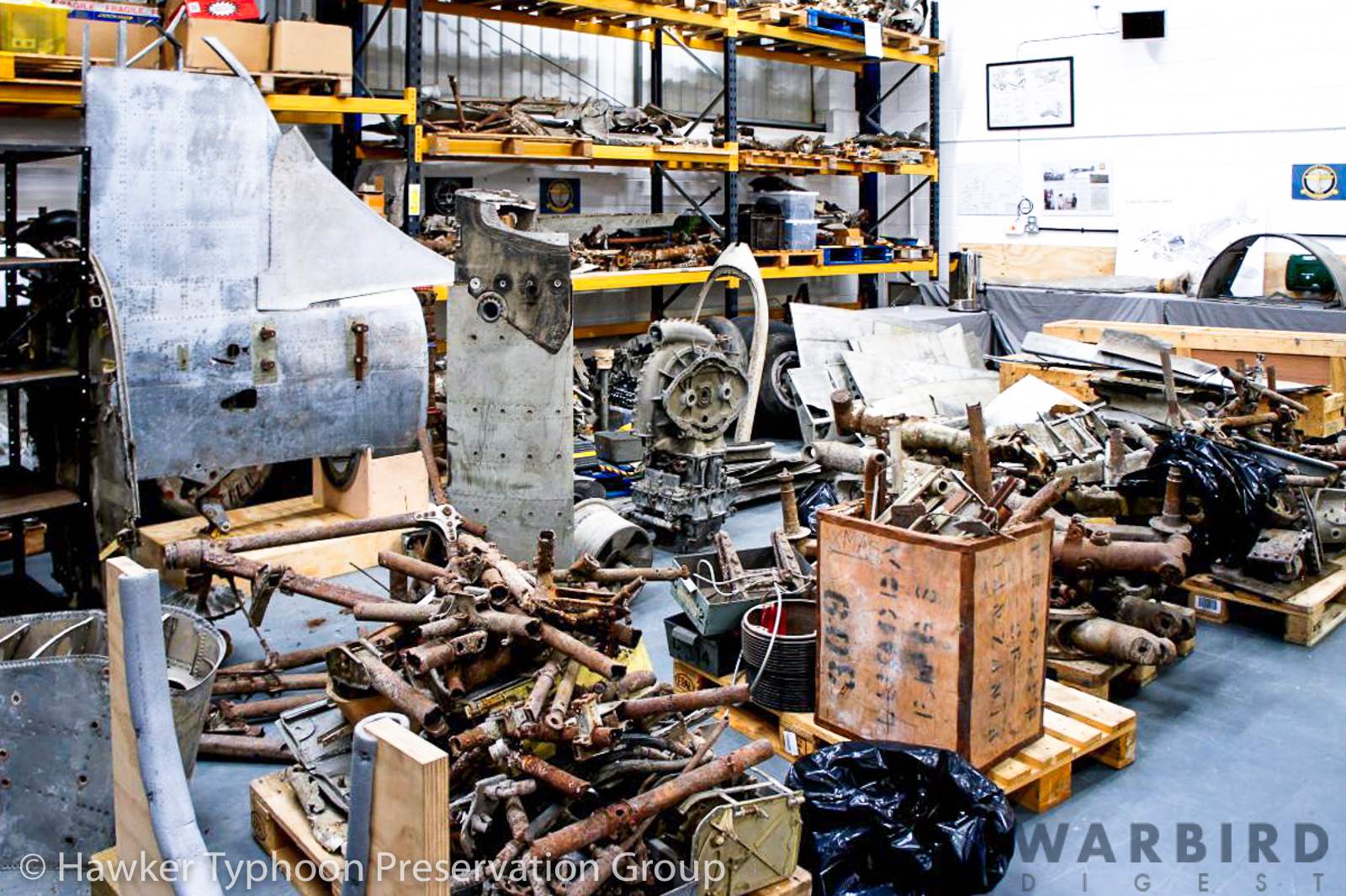
The team has already gathered together a significant cache of parts, design drawings, a fuselage and center section jig, not to mention the gift from Cranfield Technical College of a rebuildable Napier Sabre Mk.IIa engine, a powerplant nearly as rare as the Typhoon itself.
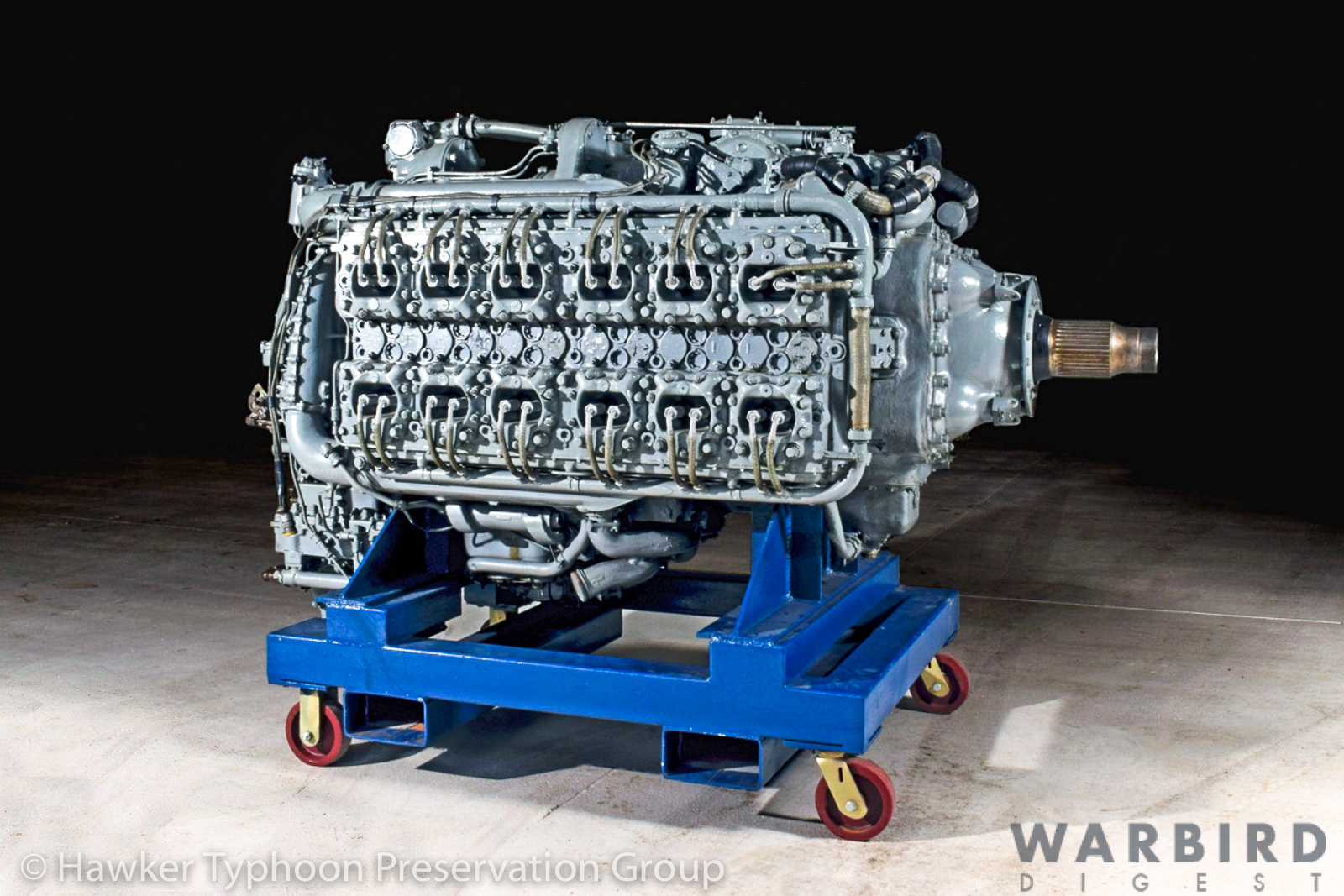
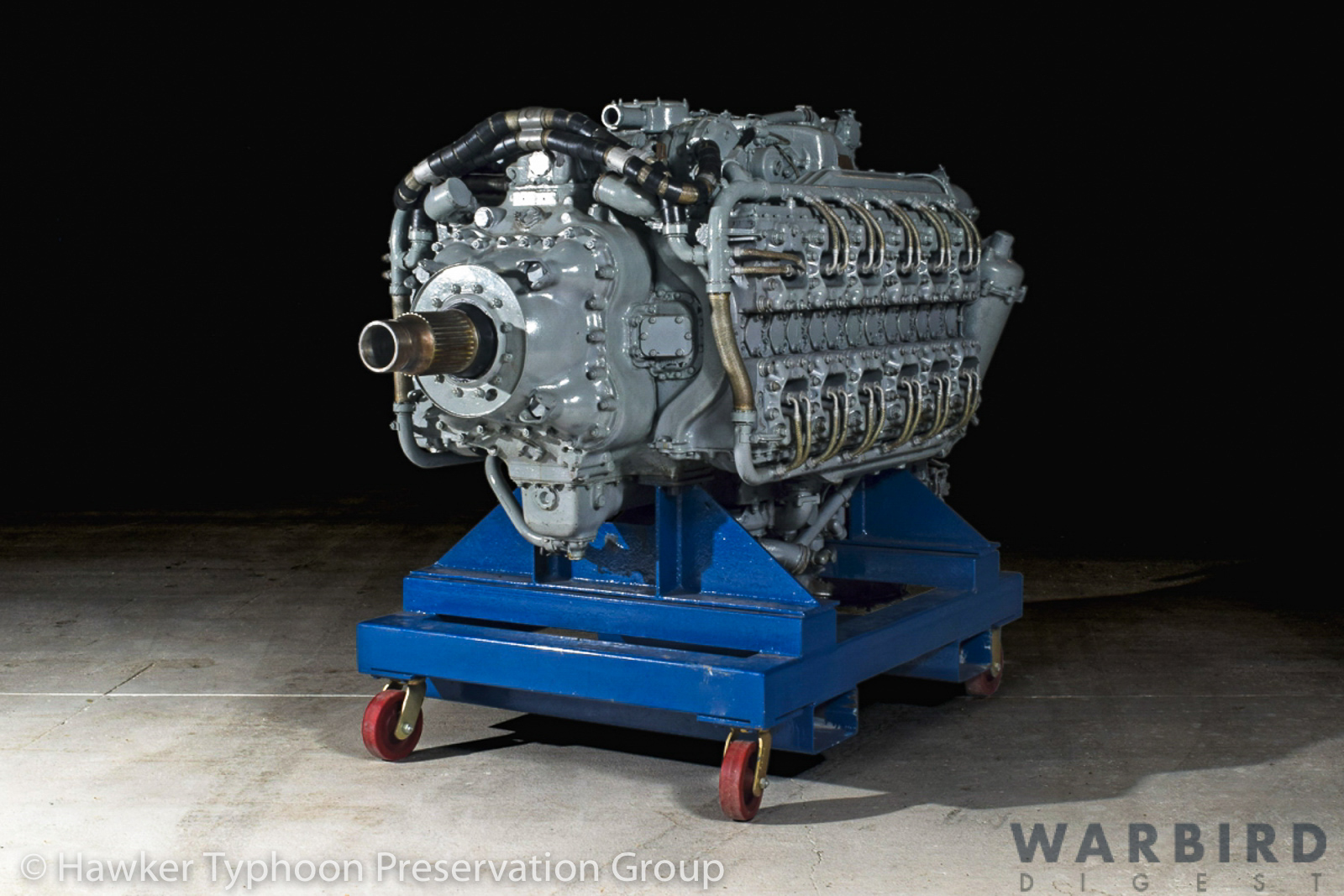
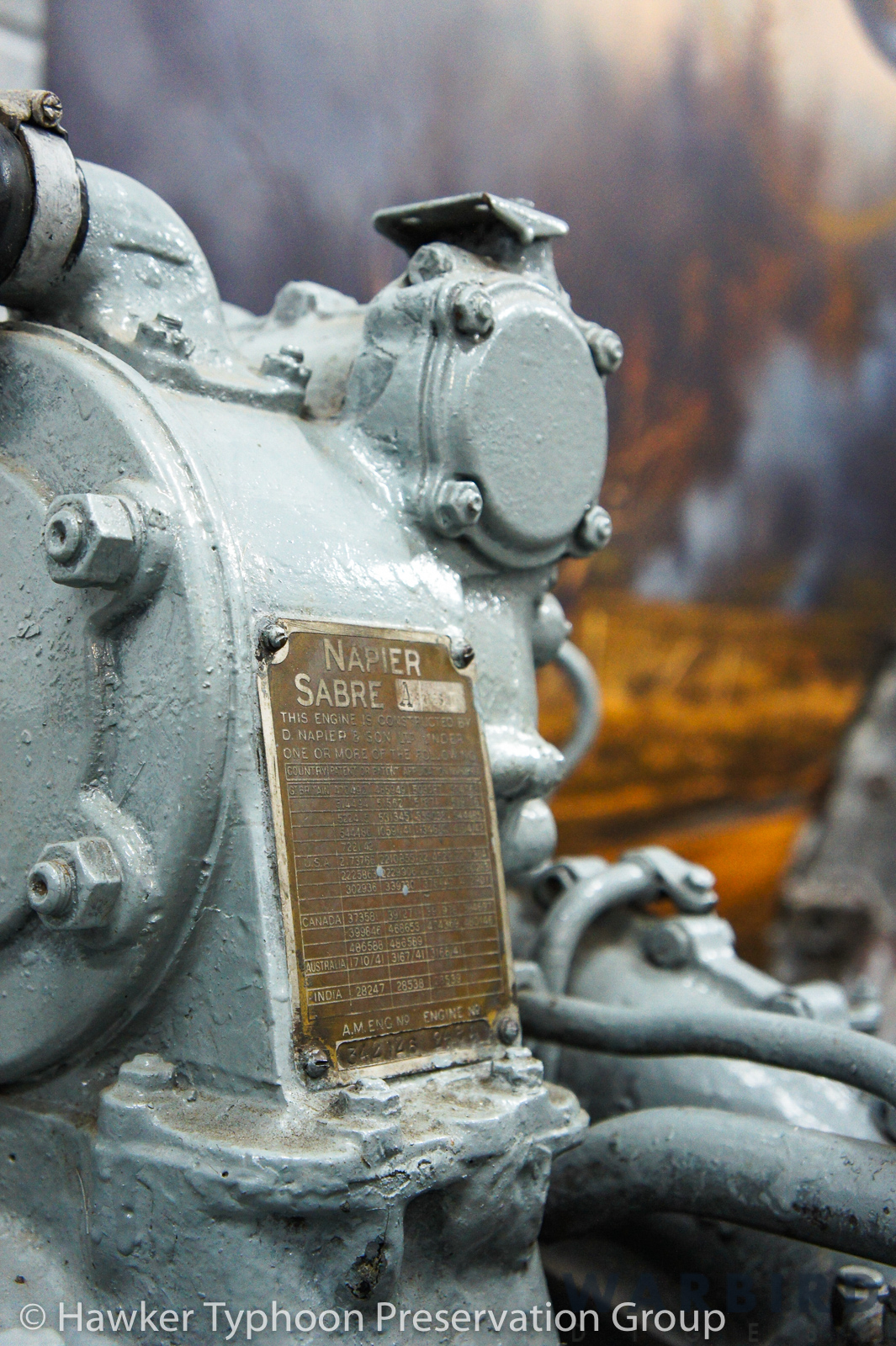
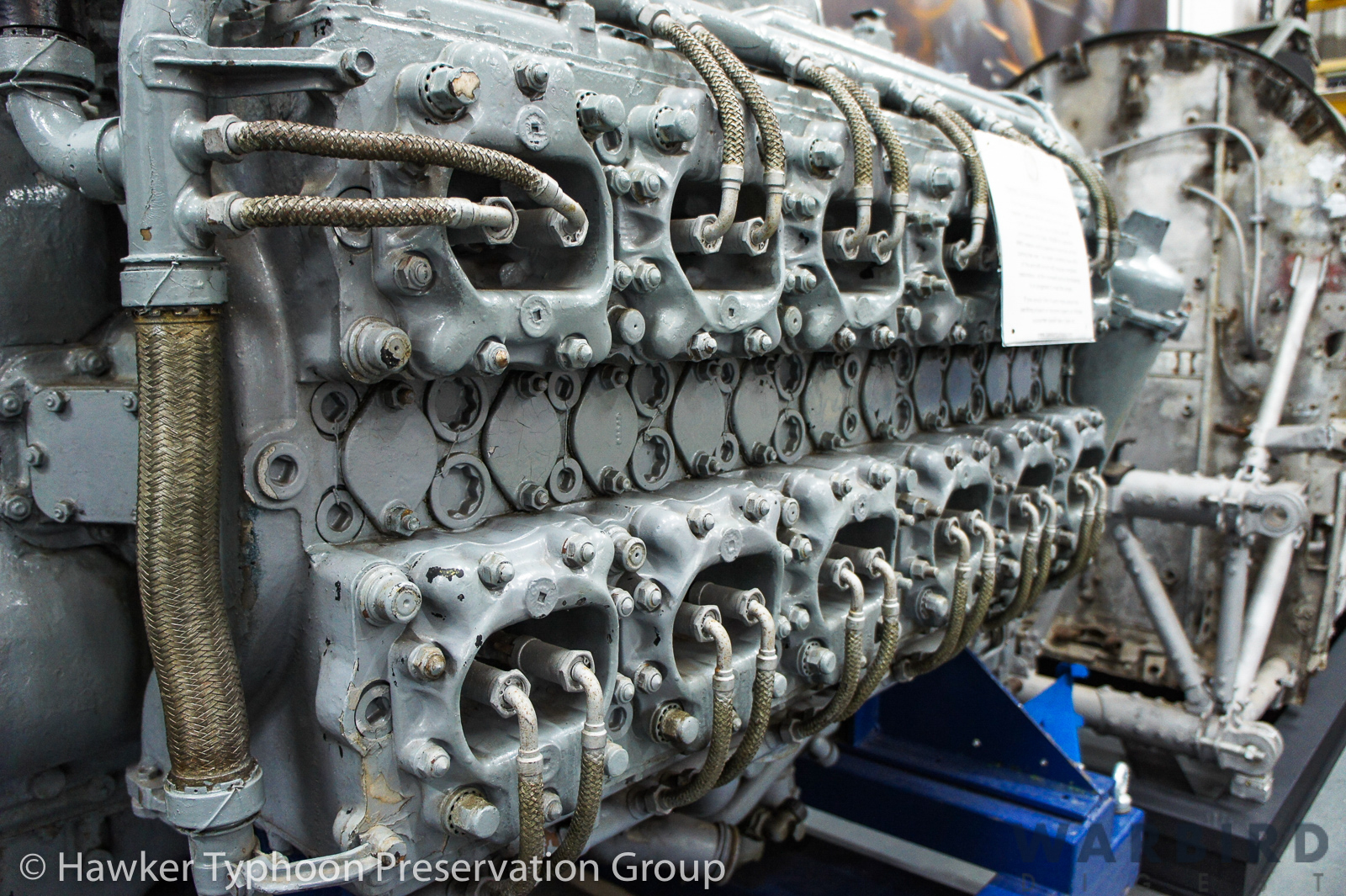
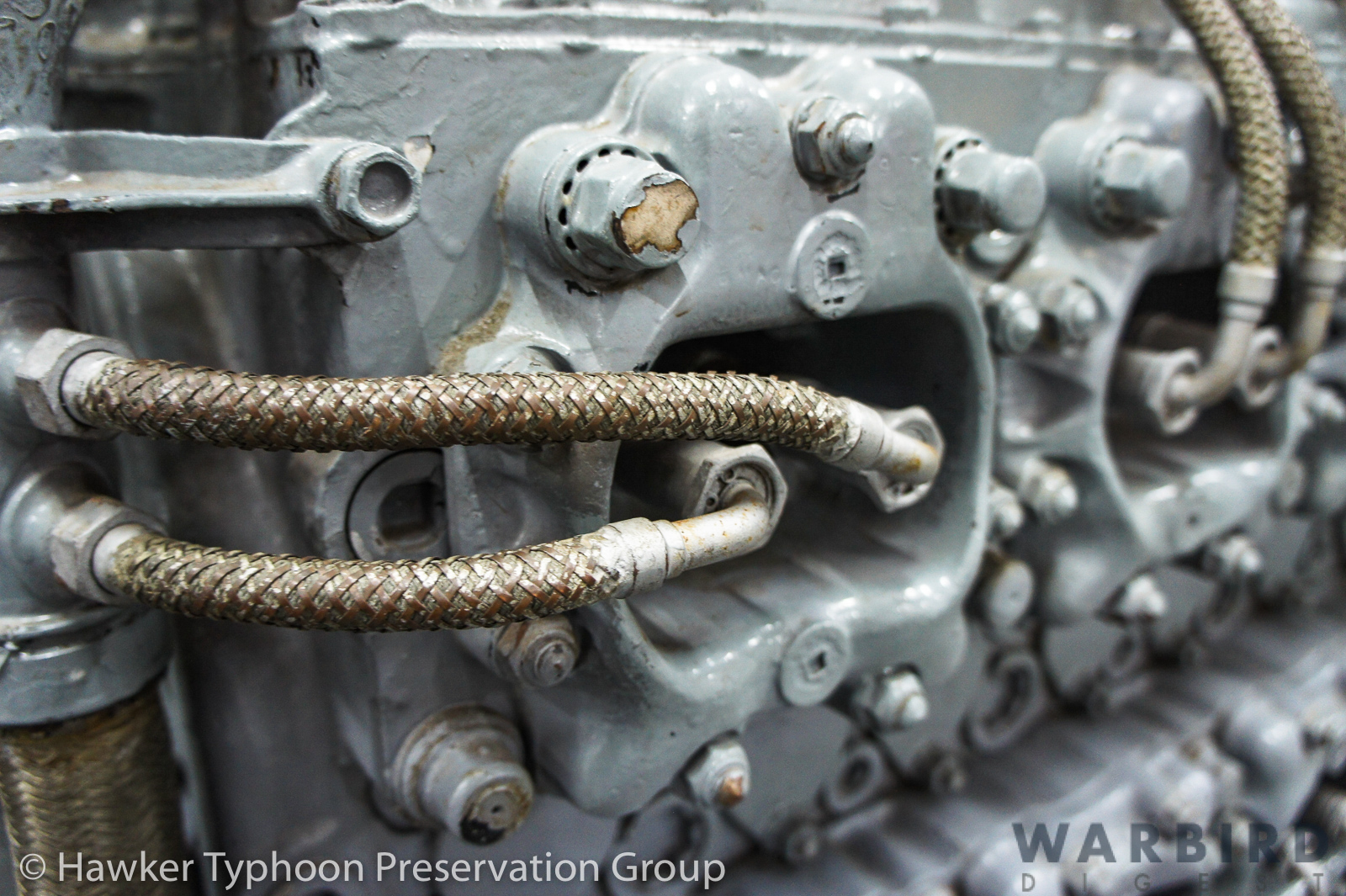
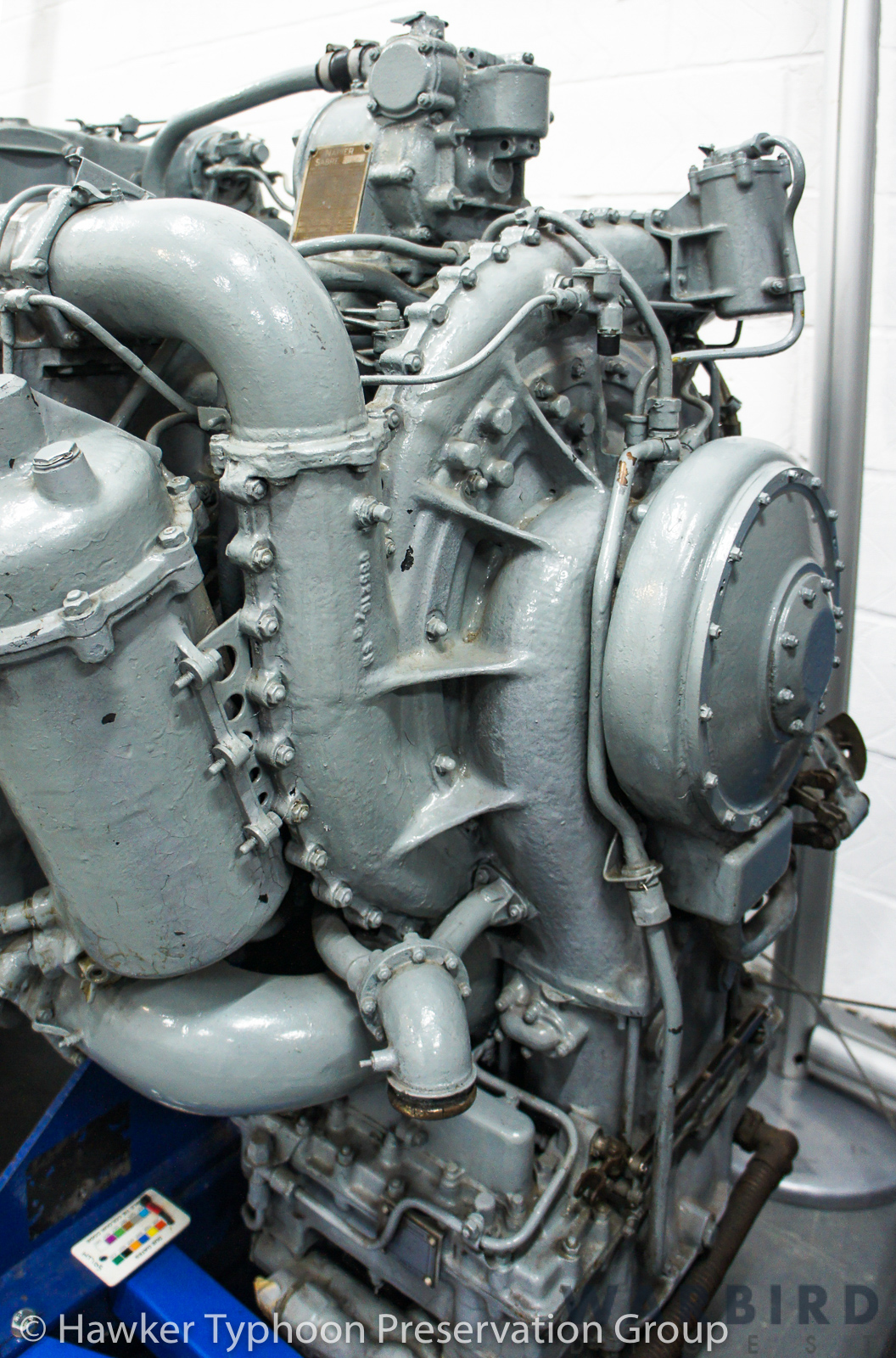
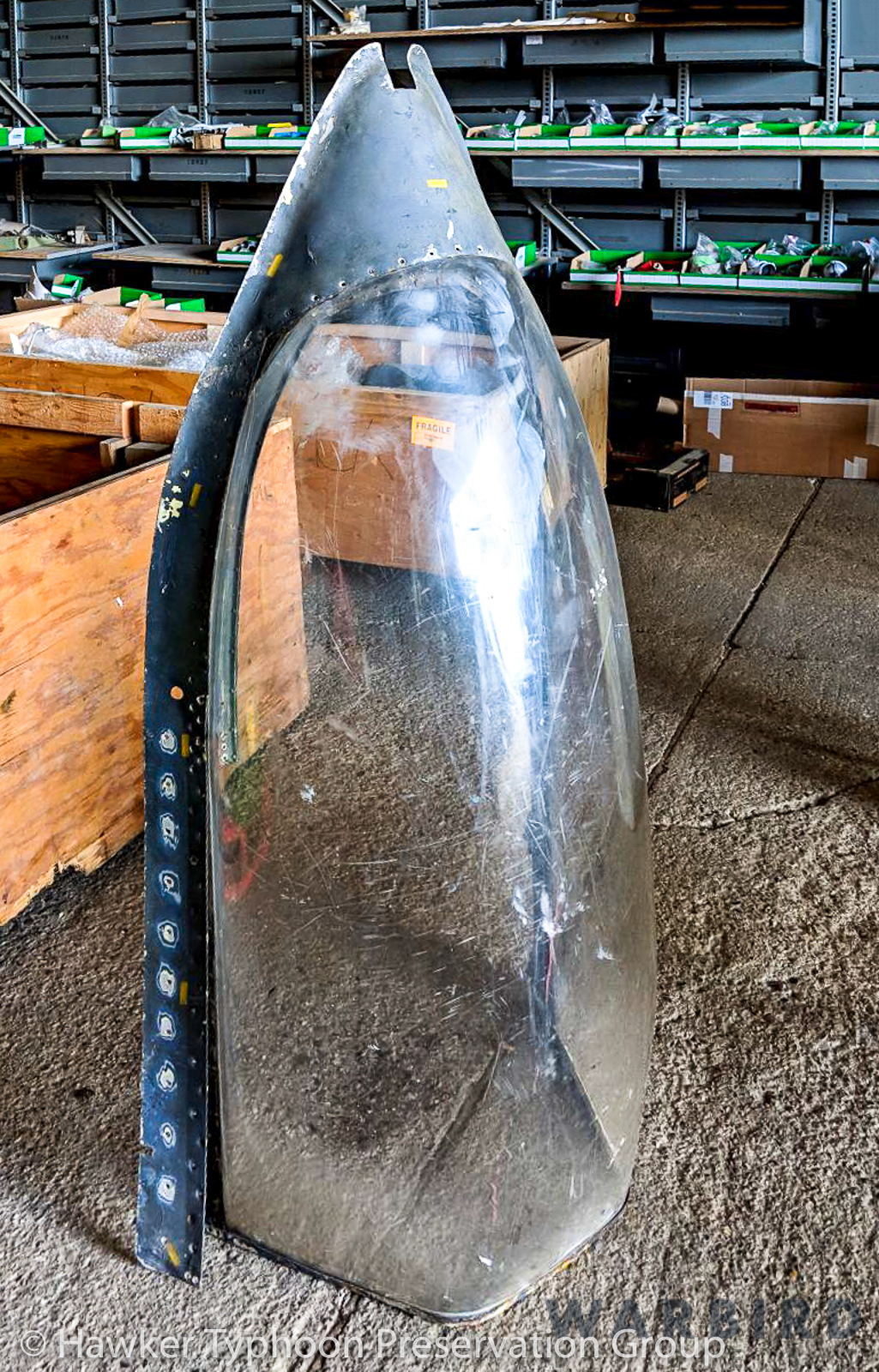
The Hawker Typhoon Preservation Group also has the cockpit and forward fuselage, comprising parts from several other Typhoons, gathered and restored over many years by David Robinson, so there really is a significant amount of original material to work with. Also, the team recently acquired the substantial remains of Hawker Tempest Mk.V JN768, as well as the use of a fuselage jig prepared for this aircraft’s restoration (which had until recently been mooted by Richard Grace’s company).
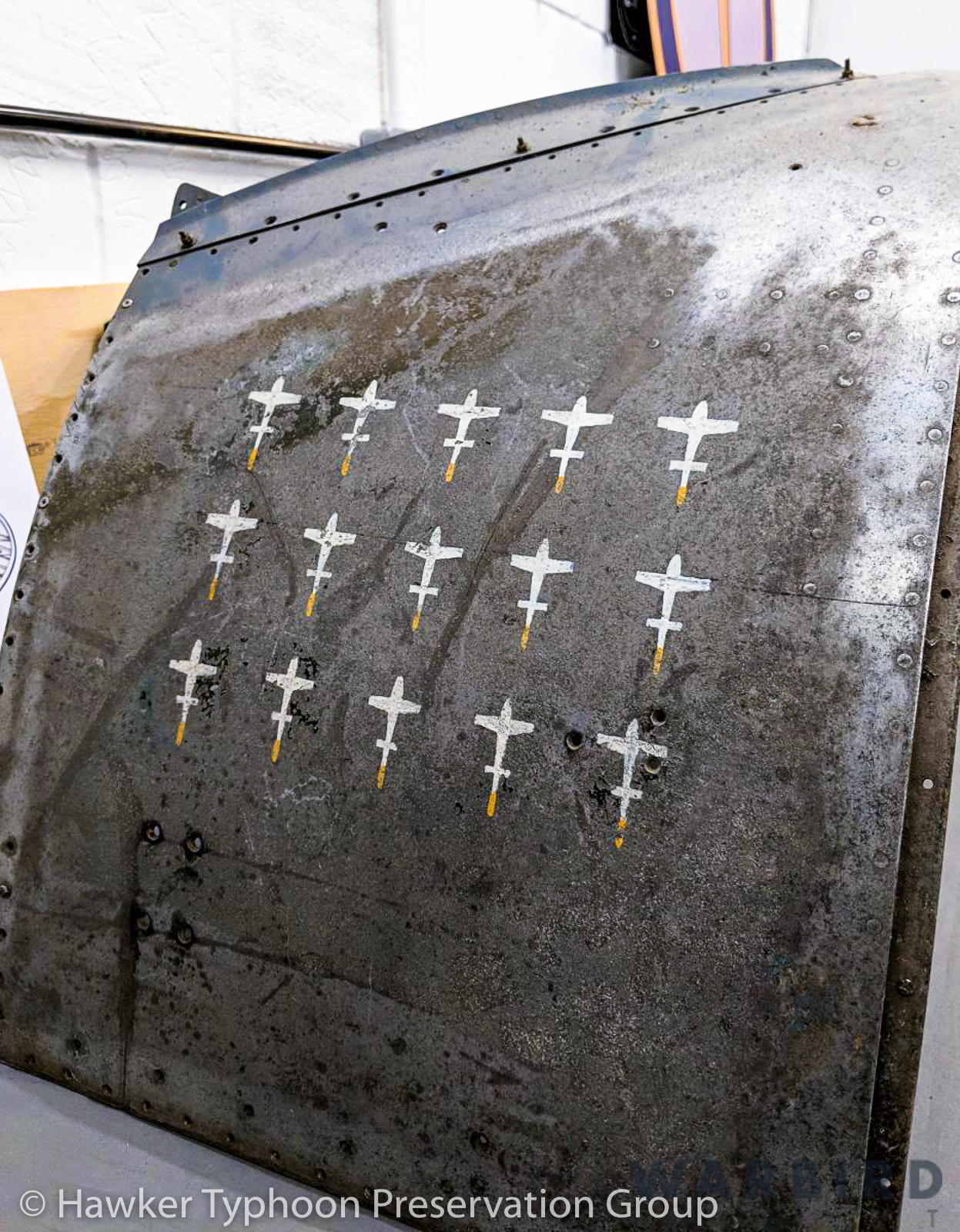
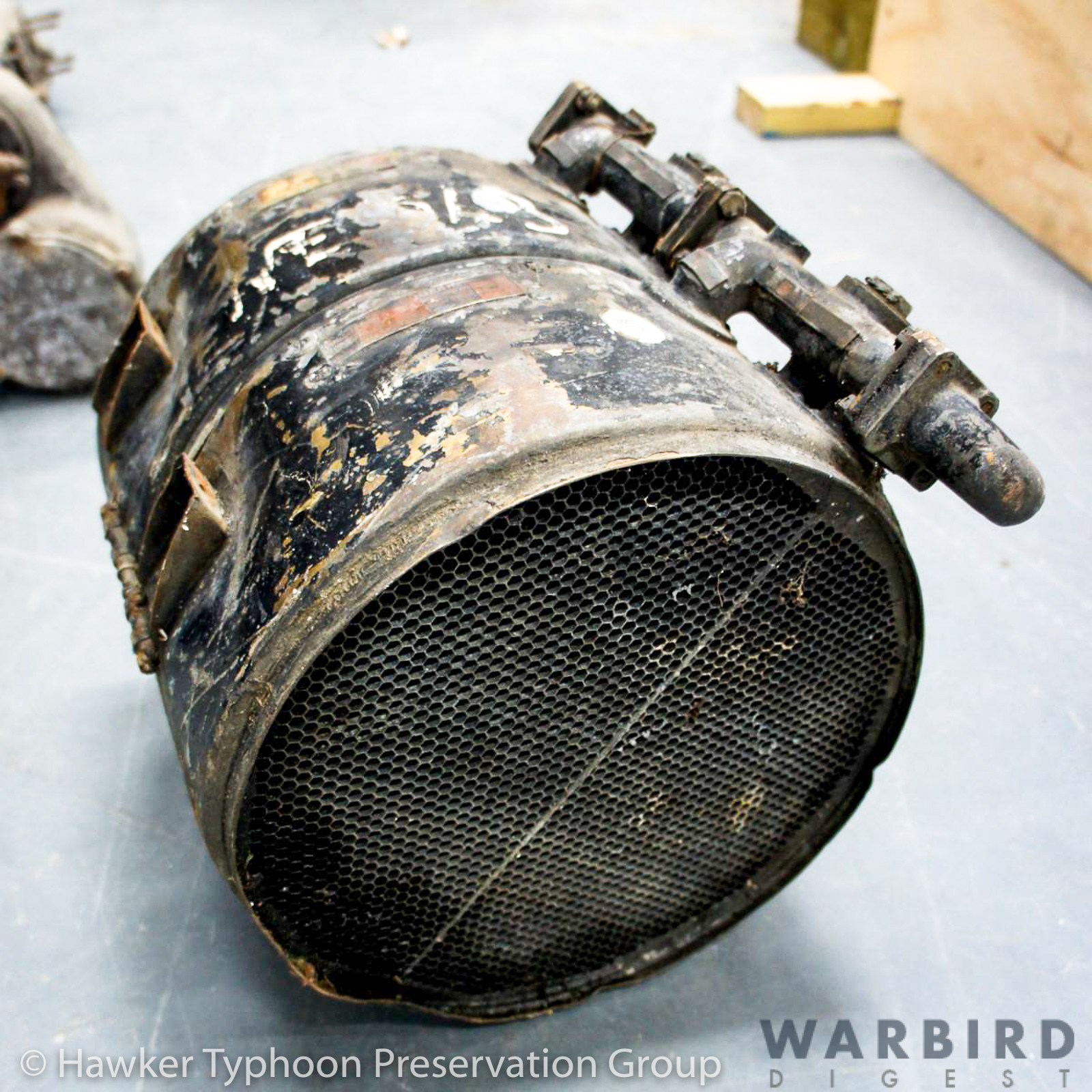
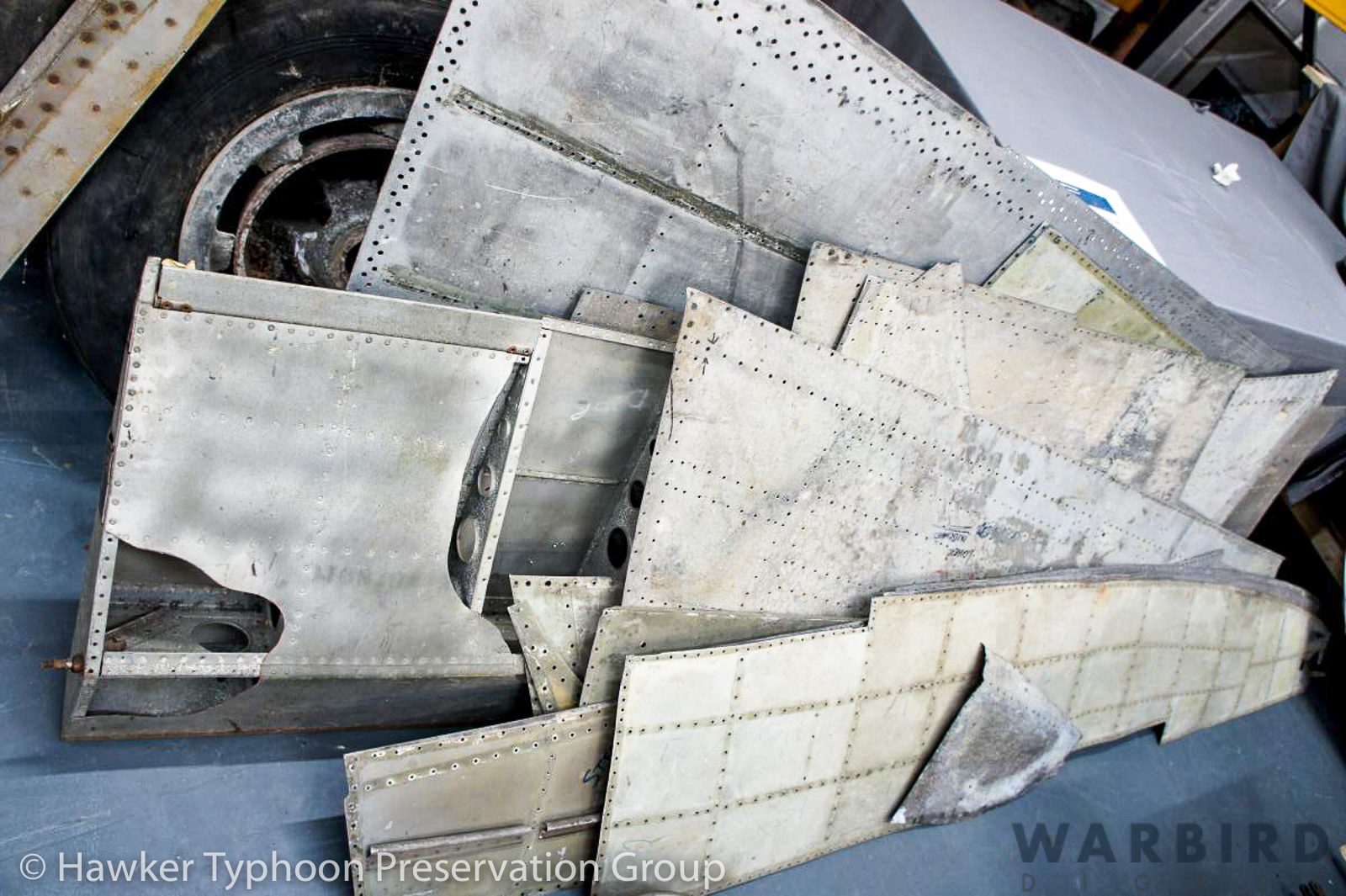
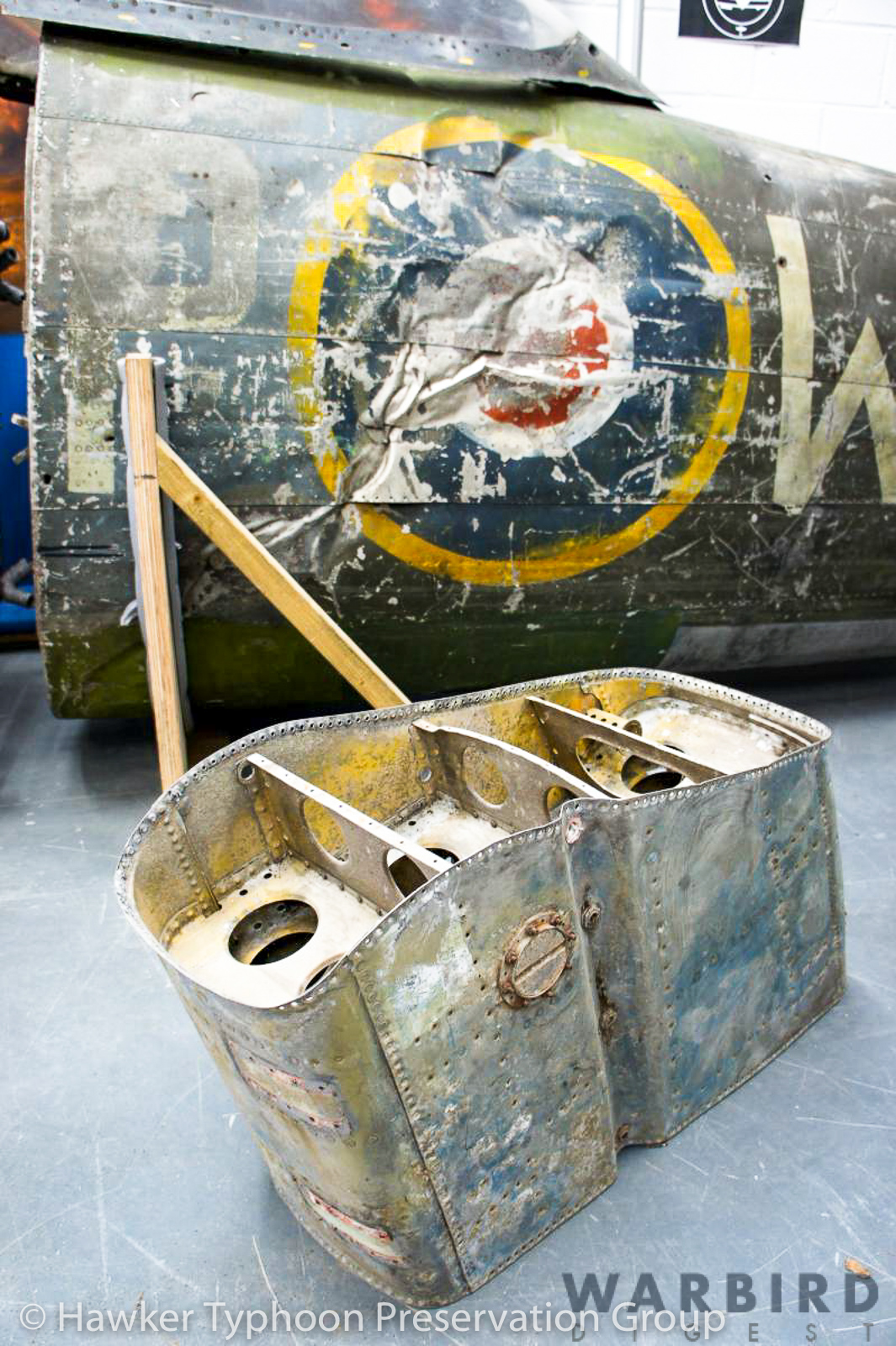
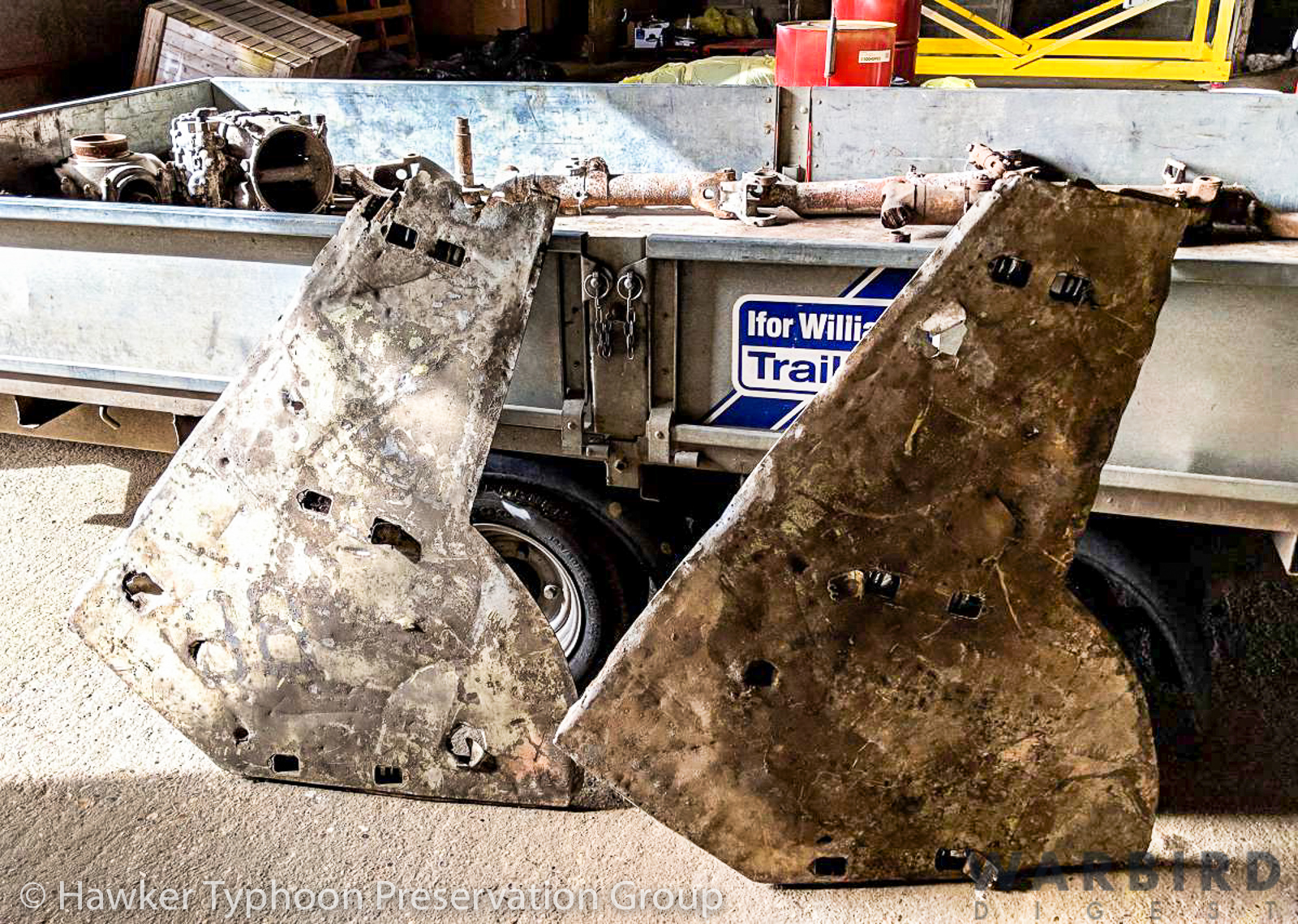
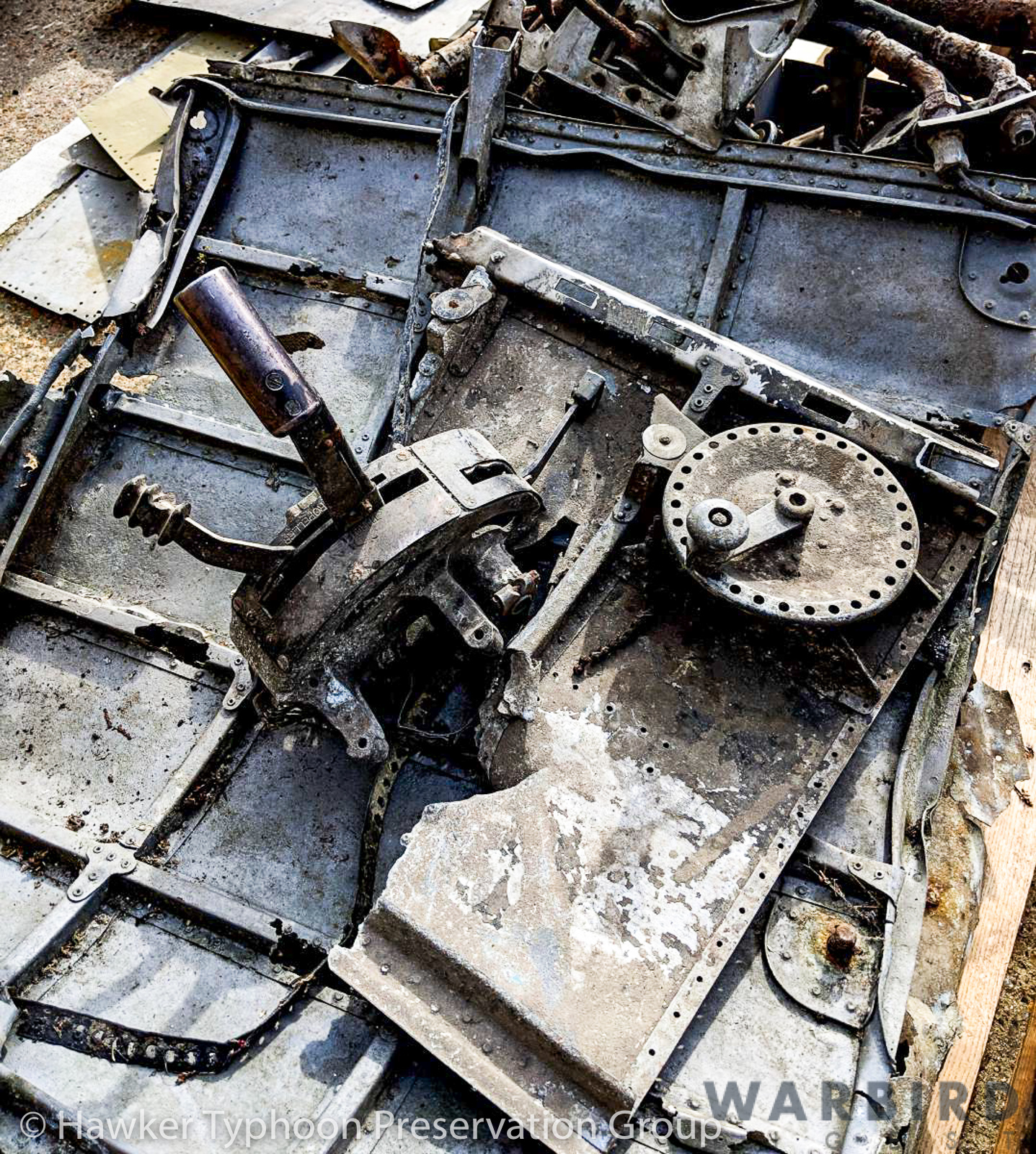
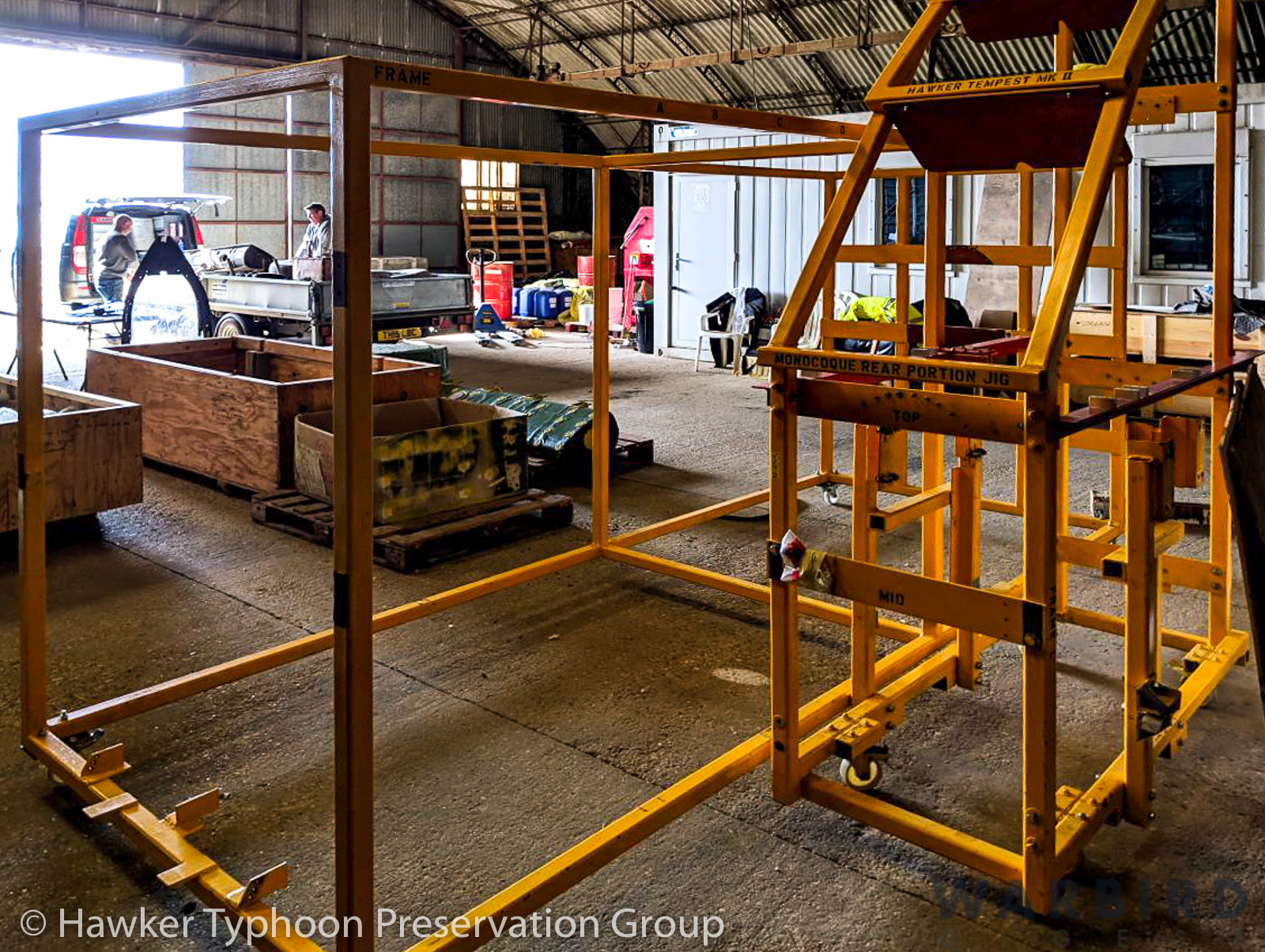
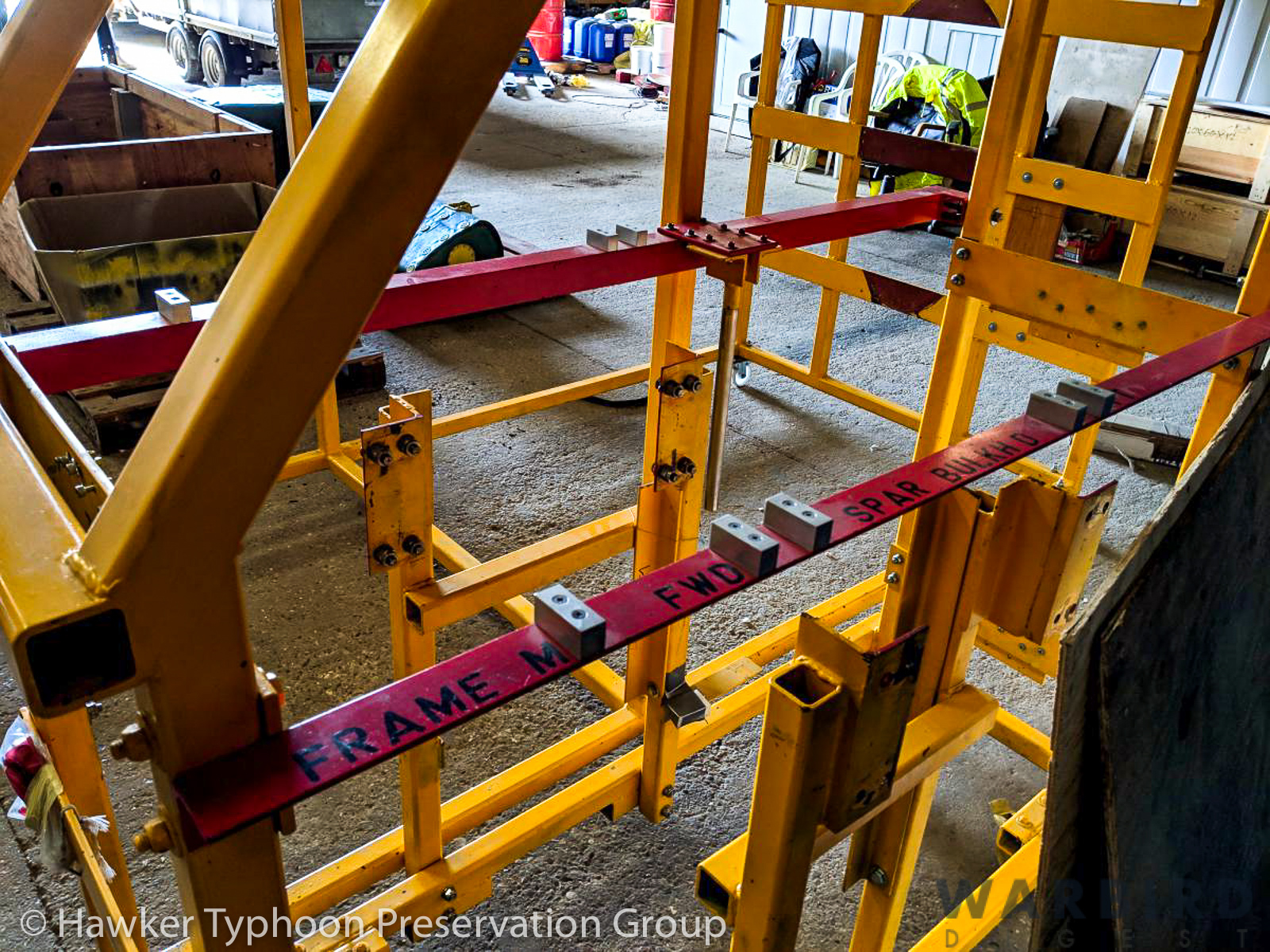
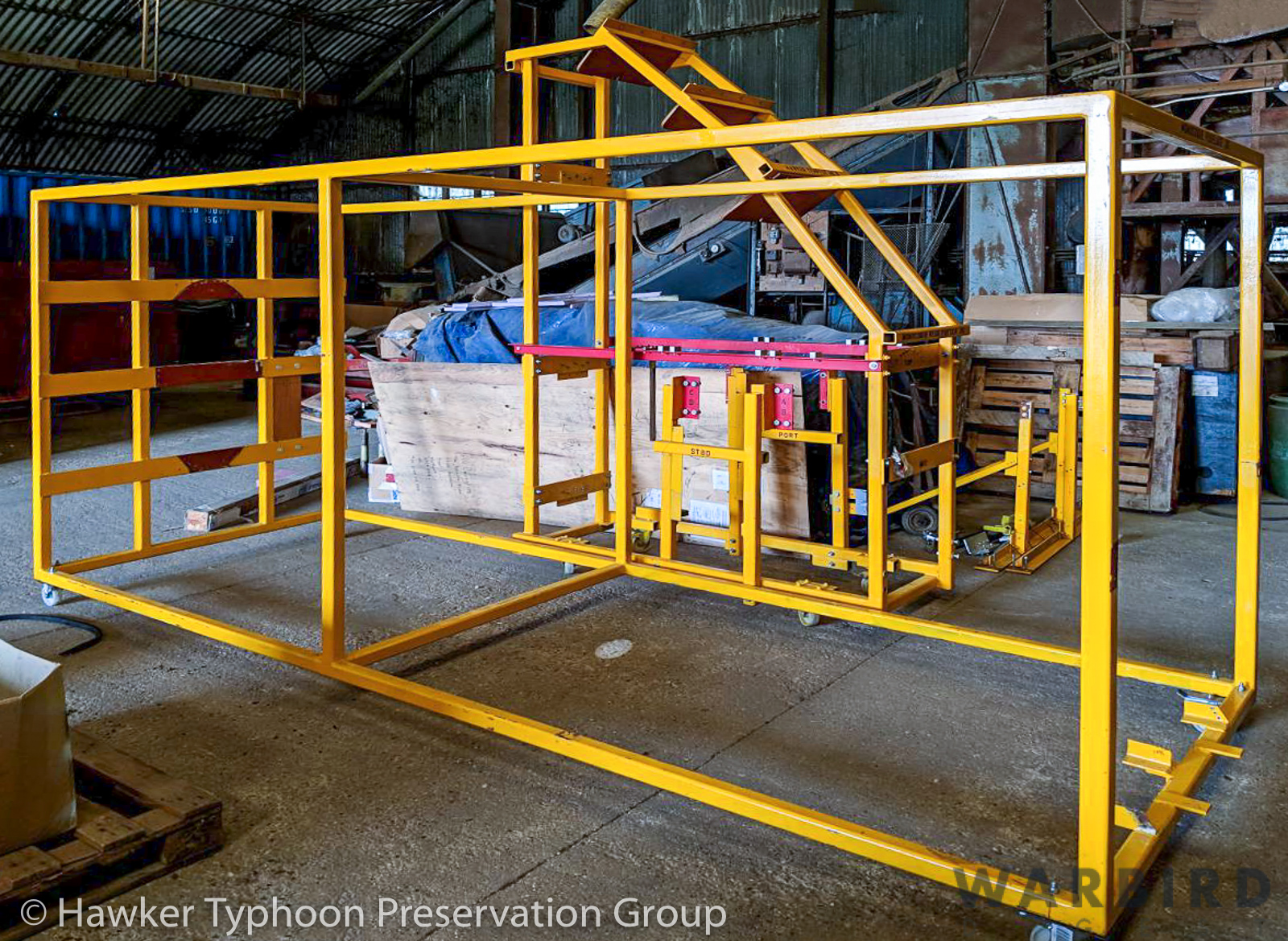
The Hawker Typhoon Restoration Group’s director of special projects, Matt Bone described the acquisition of JN768, and its critical part in the Typhoon’s restoration as follows:
“The JN768 project was acquired primarily for access to the jigs that were built for JN768. We do not own the jigs, but this purchase allows access to them. The jigs are compatible with RB396 as the Tempest and Typhoon fuselage structures are very similar. It was a Tommy Sopwith maxim, followed by Sydney Camm [Ed. Hawker’s chief designer], to carry forward as much as possible. This speeds production and, in Sopwith’s case, makes it cheaper to introduce and produce a new aircraft… which also meant there was more money for America’s Cup yachts [Ed. something for which Sopwith became famous]. Sopwith digression aside (an incredible man who needs more championing), having access to these jigs represents a considerable cost saving to the project and less lead time for the rebuild, as the jigs are ready for RB396.
Click HERE to help get the world’s only combat veteran Hawker Typhoon back in the sky!





 Vintage Aviation News