


By Randy Malmstrom
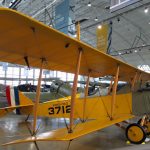
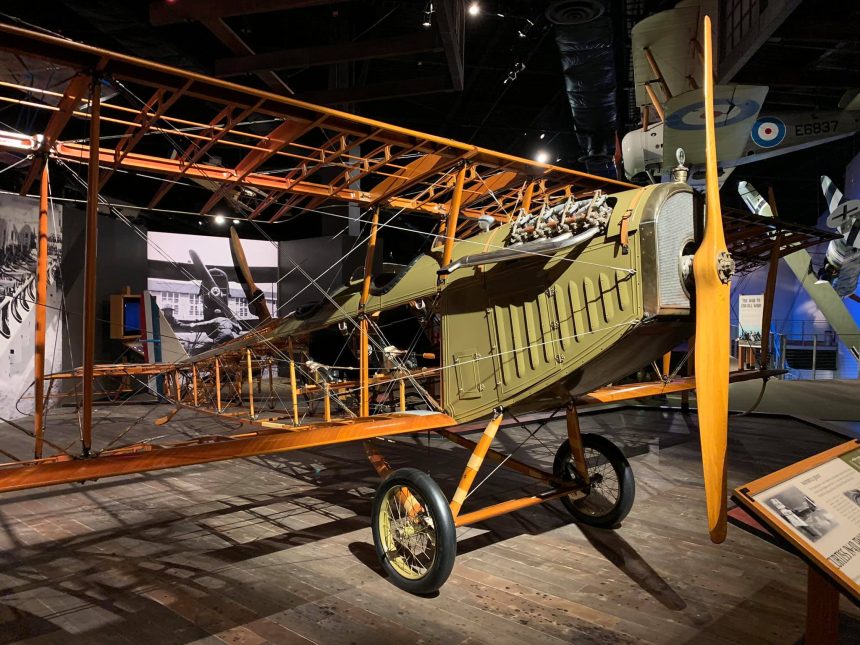
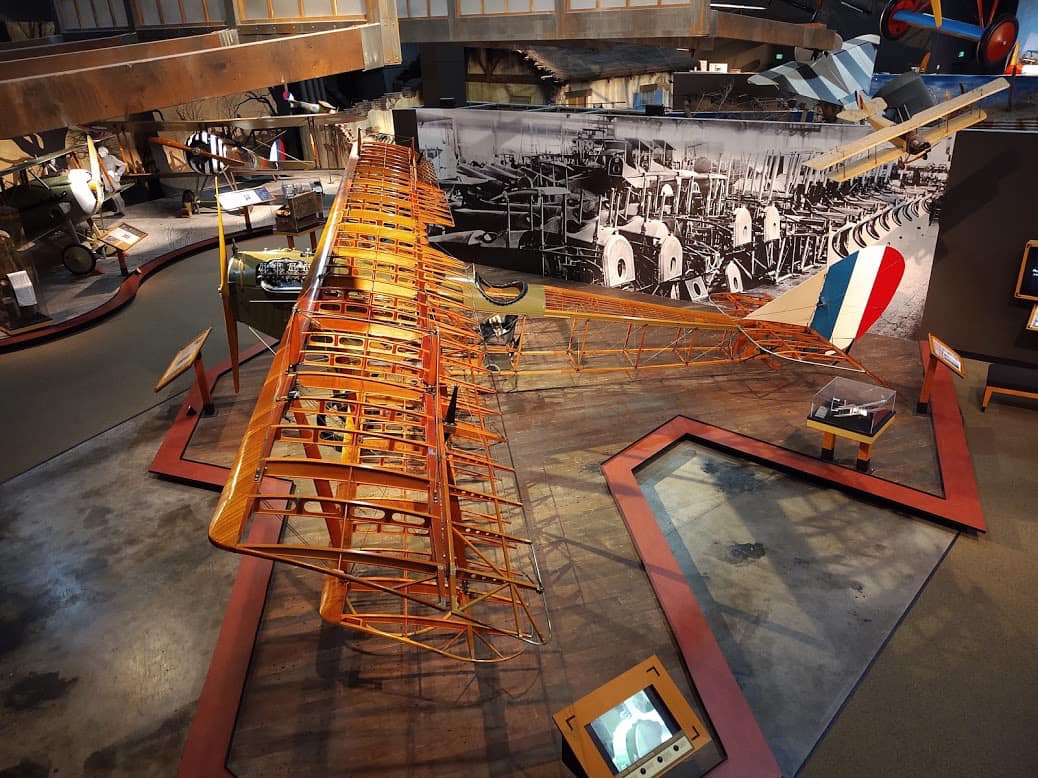
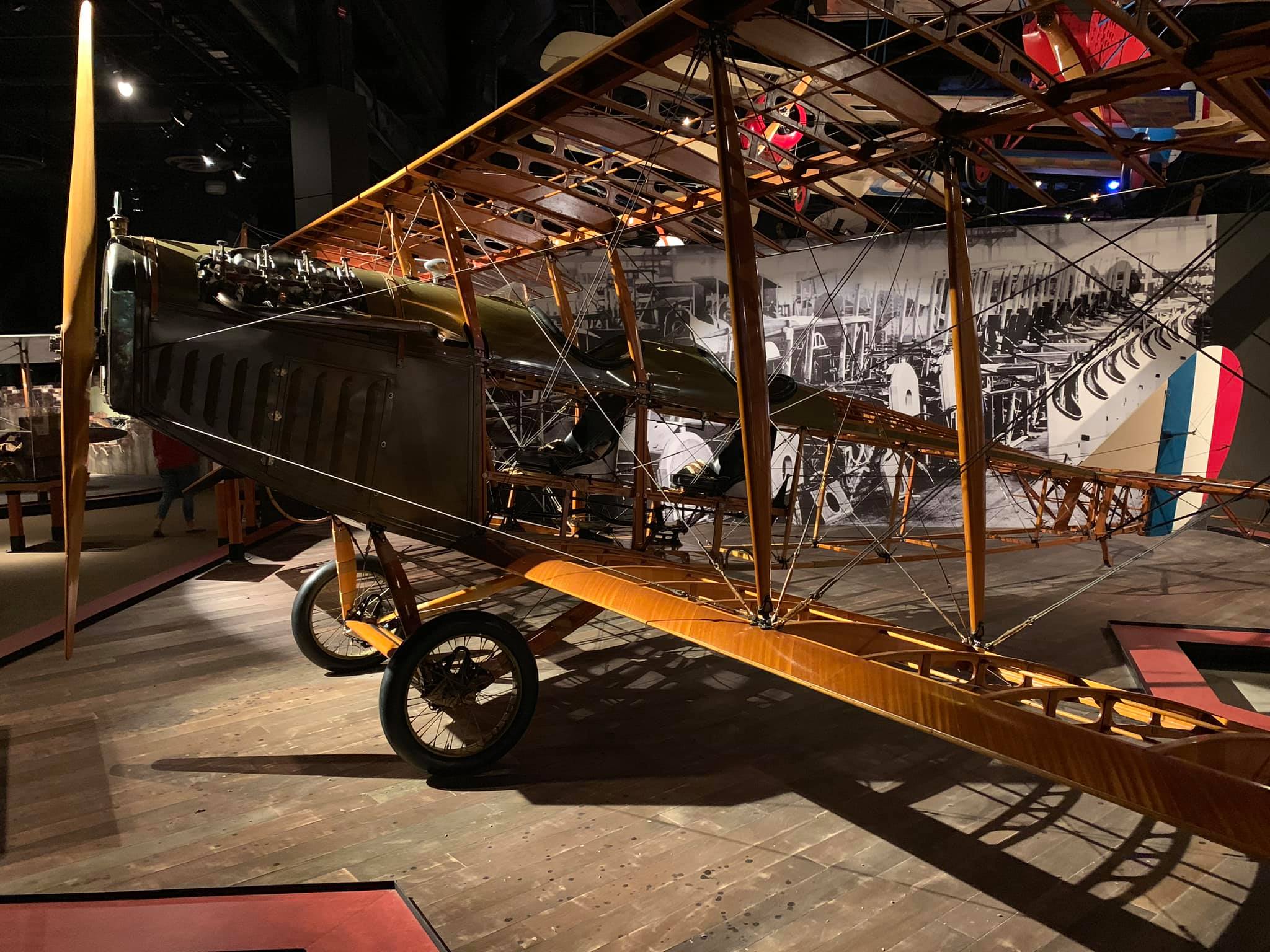
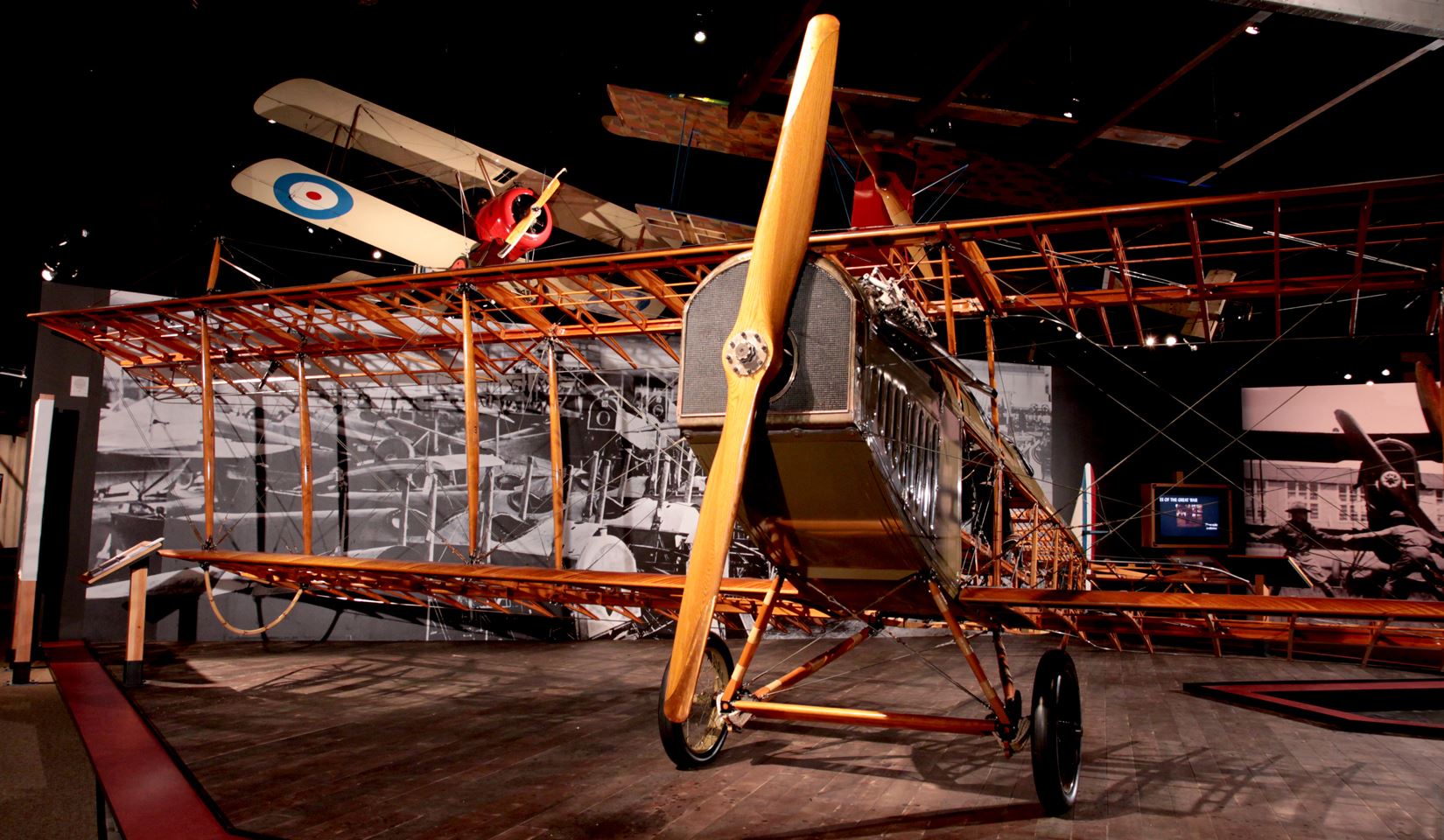
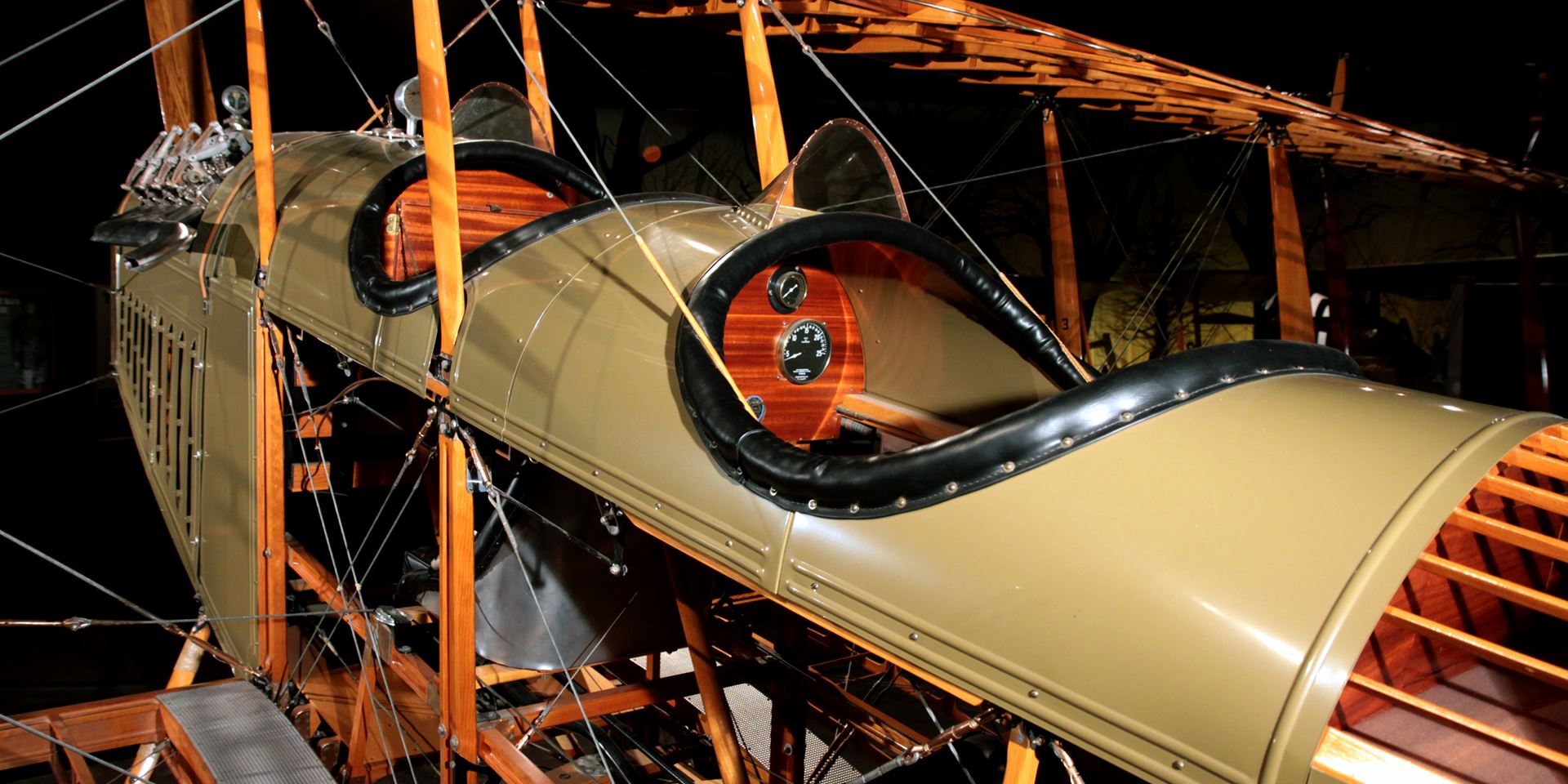
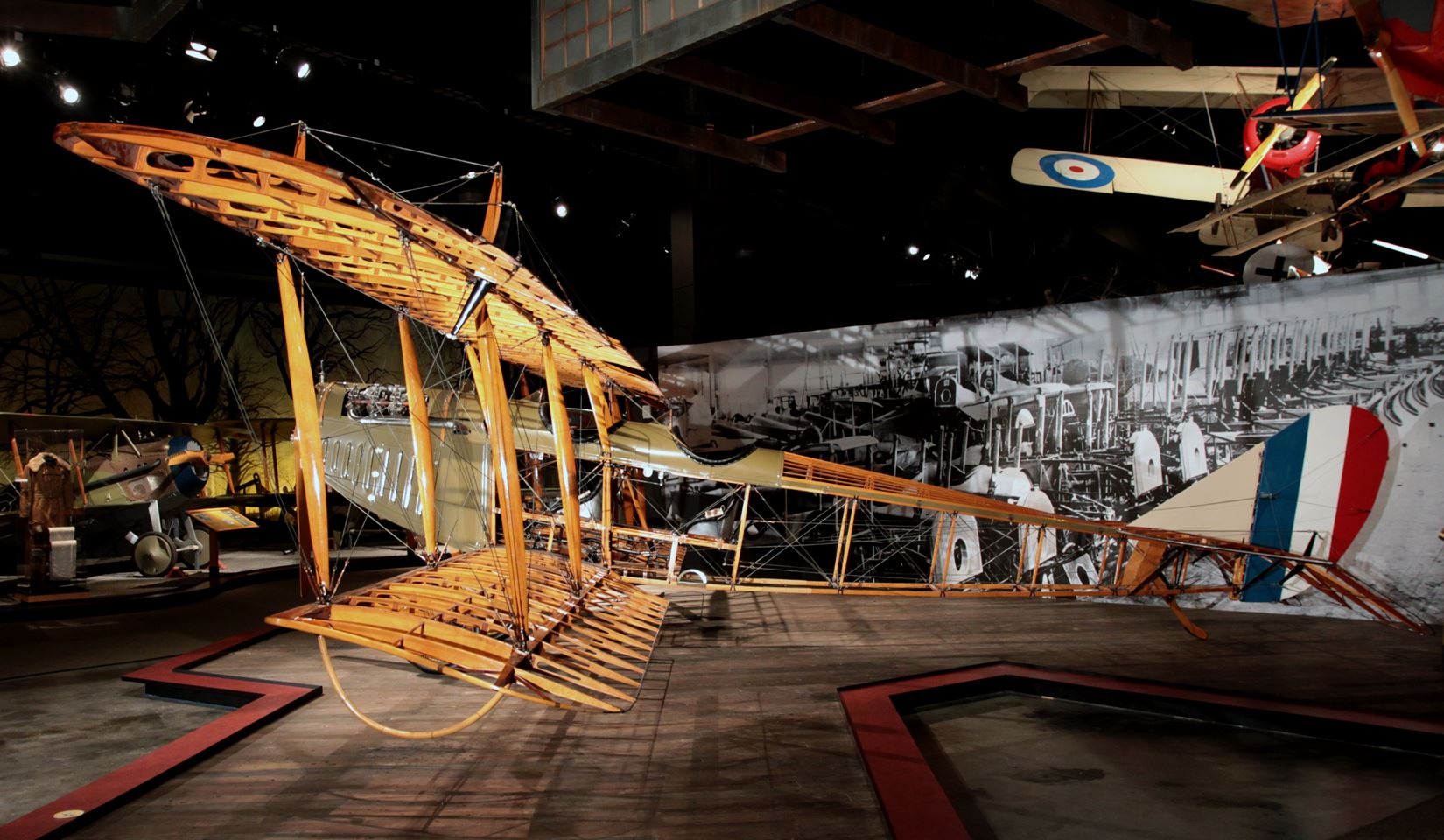
Curtiss JN-4D Jenny at the Museum of Flight in Seattle (MOF). My photos, except as indicated.
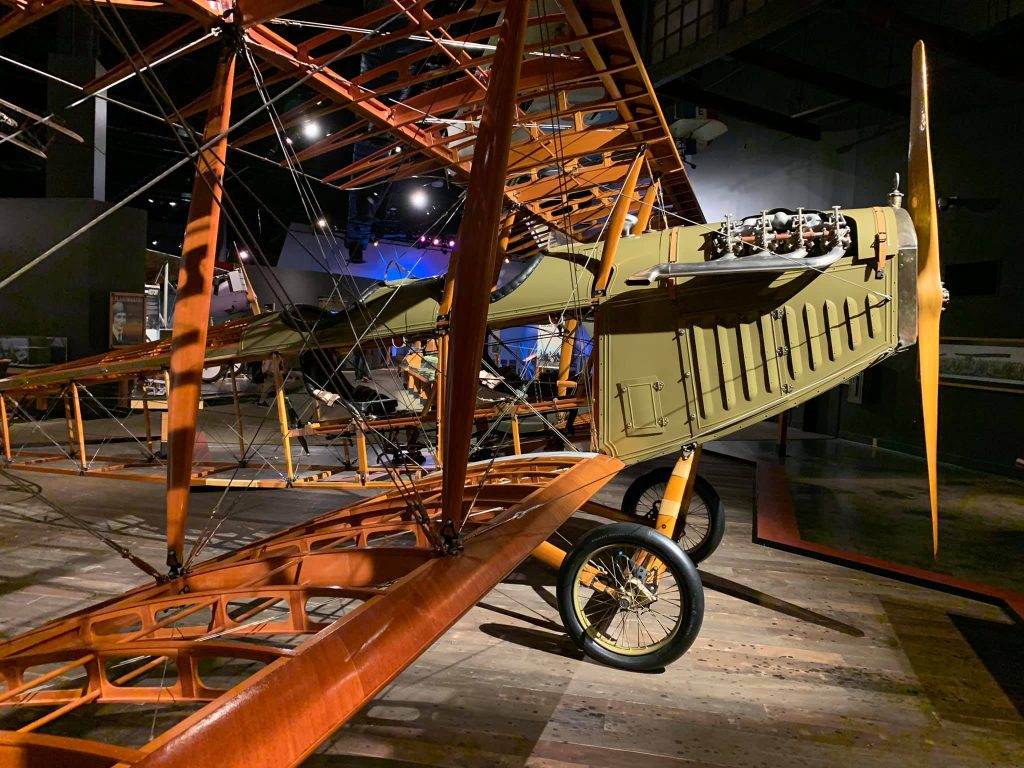
The Jenny design was commissioned by Glenn Curtiss, who hired experienced European designer Benjamin Douglas Thomas, and was built by Curtiss Aeroplane Company as part of the company’s “JN” series of biplanes — the “Jenny” nickname derived from the “JN” series. It was the first mass-produced American aircraft, with over 6,000 built. The ailerons were originally controlled by a shoulder yoke (with the pilot leaning left and right) in the aft cockpit, but were replaced by a wheel, stick, or yoke by this D model. While generally not armed, some advanced trainers had machine guns and bombs.
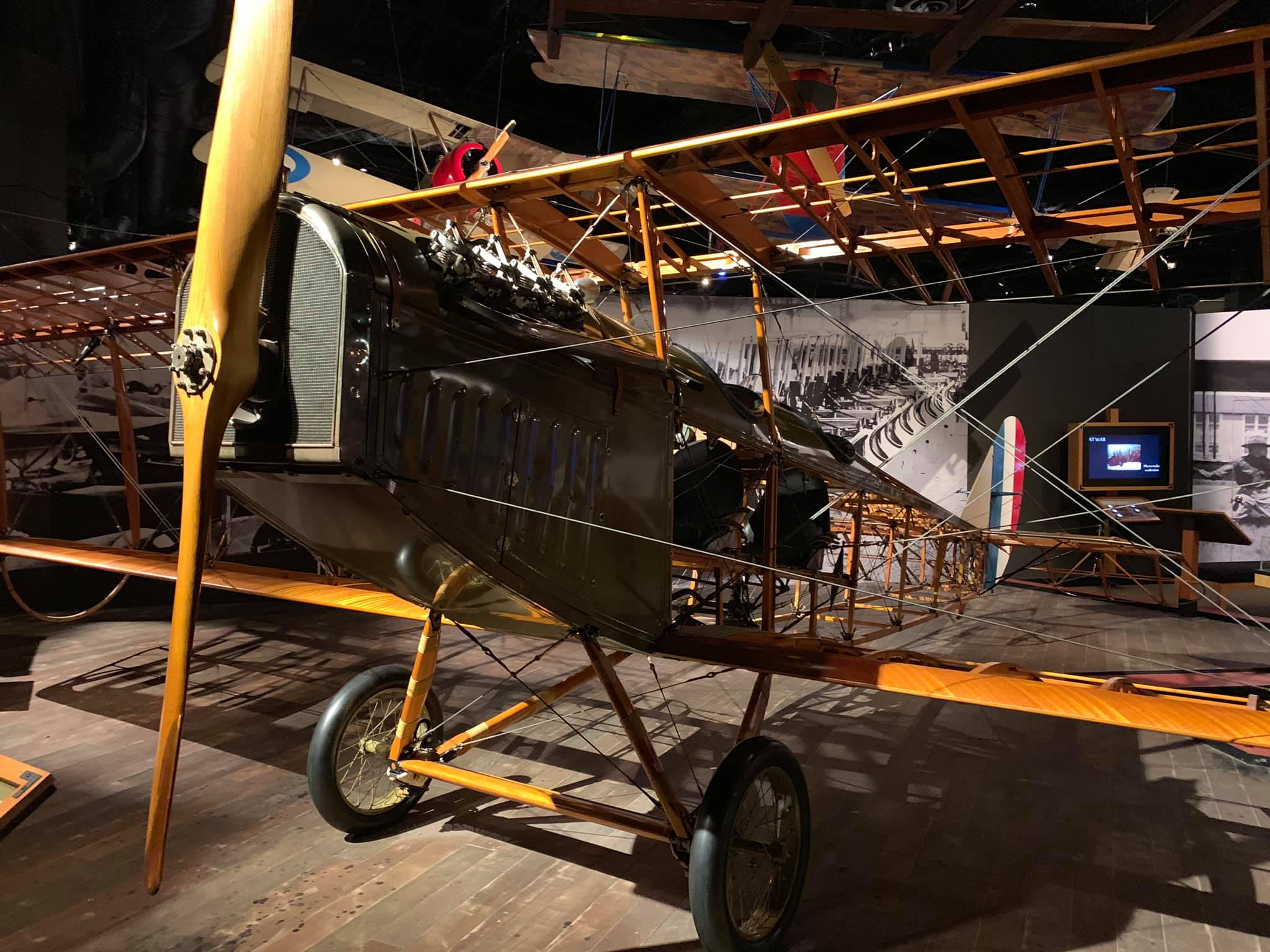
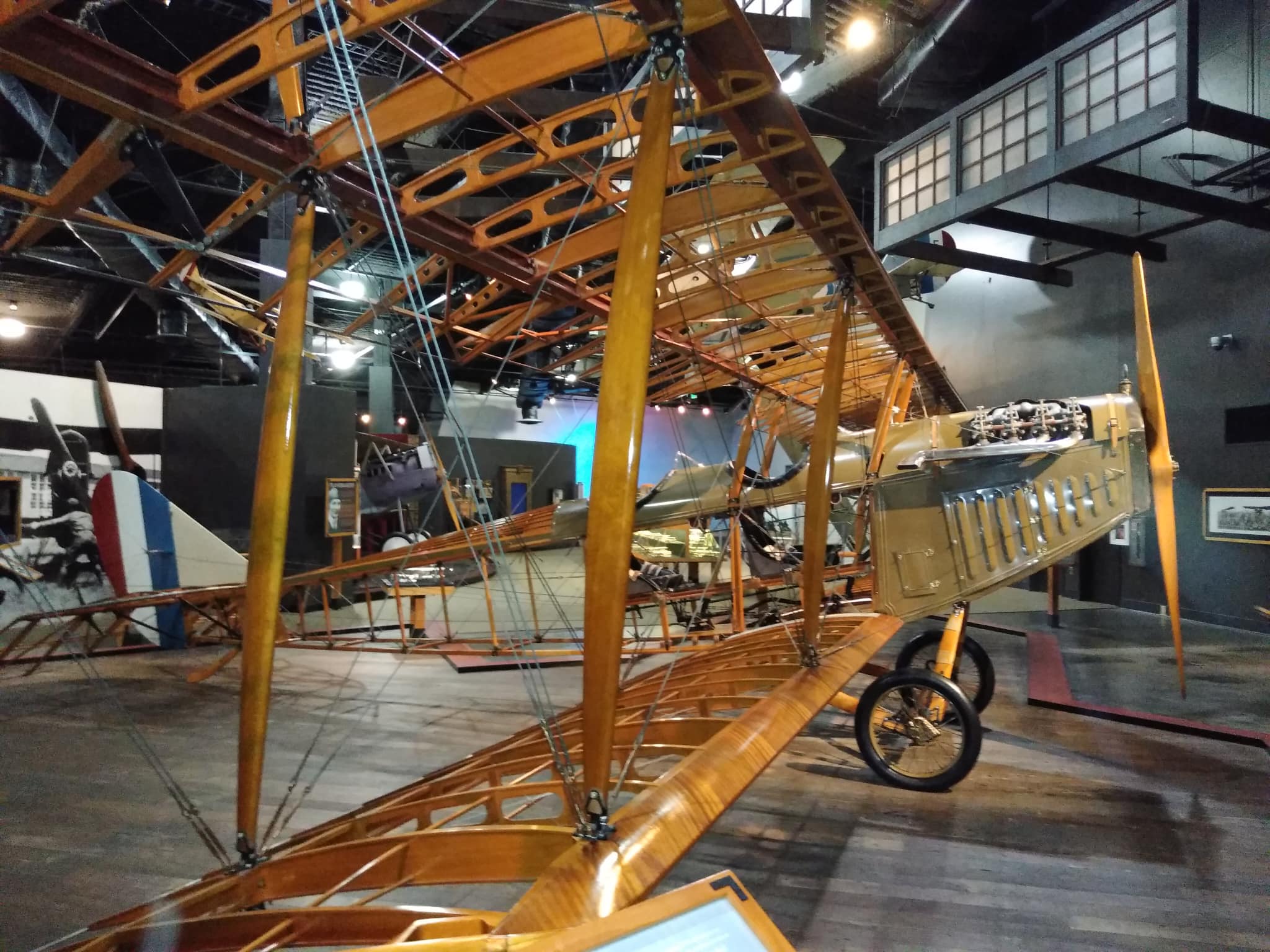
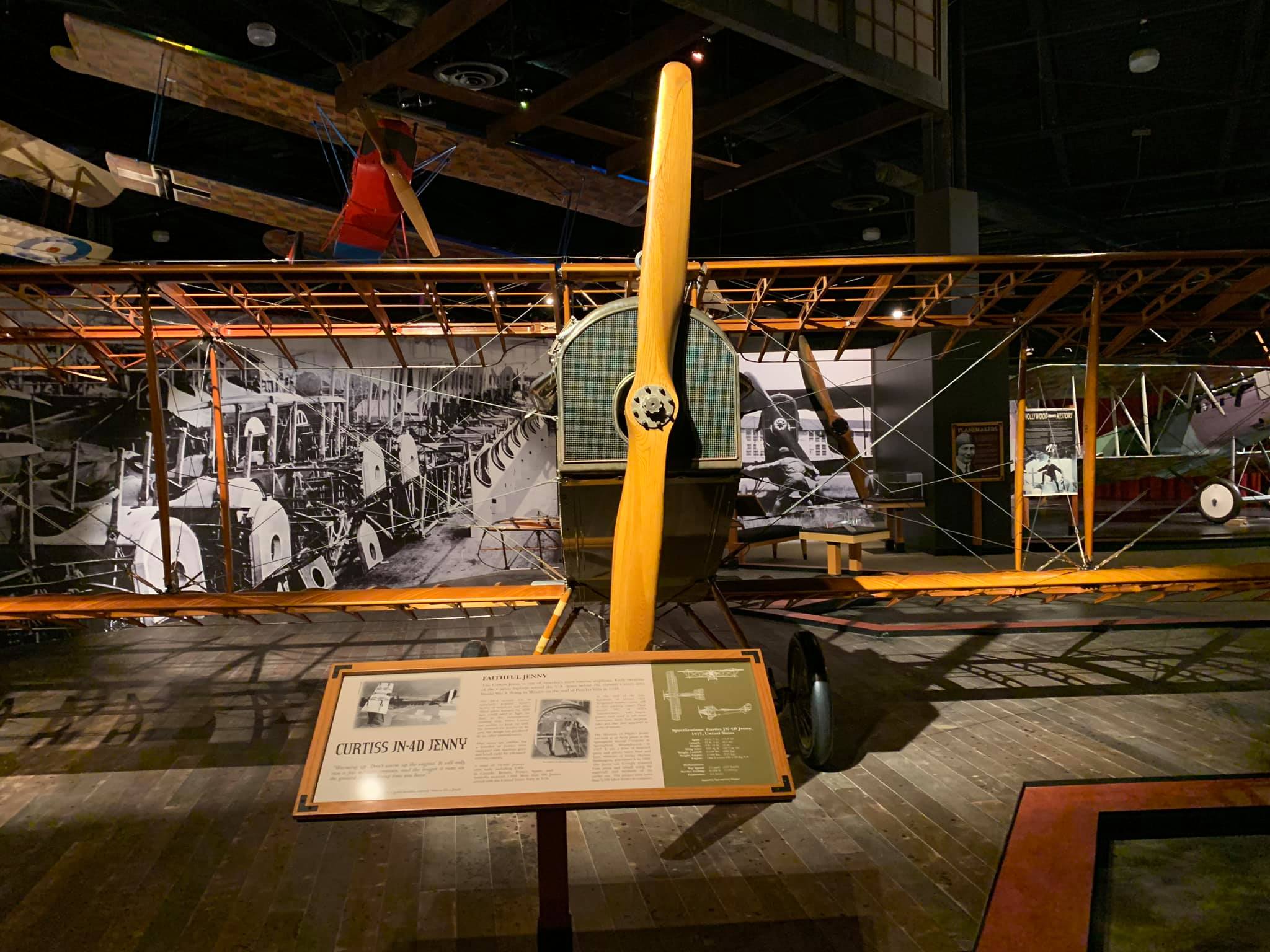
Powered by a Curtiss OX-5 engine. The main undercarriage was the V-configuration common at the time, which had bungee cord (shock cord) suspension – “bungee” or “bungie” is thought to be British slang for India-produced rubber. Skis could be fitted for year-round operations, particularly in Canada. It could be fitted with a turtle-deck behind the cockpits to serve as an air ambulance. An estimated 95% of U.S. WWI pilots trained in a Jenny, and most Canadian pilots flew the JN-4 “Canuck” variant, which was also flown by the British Royal Flying Corps.
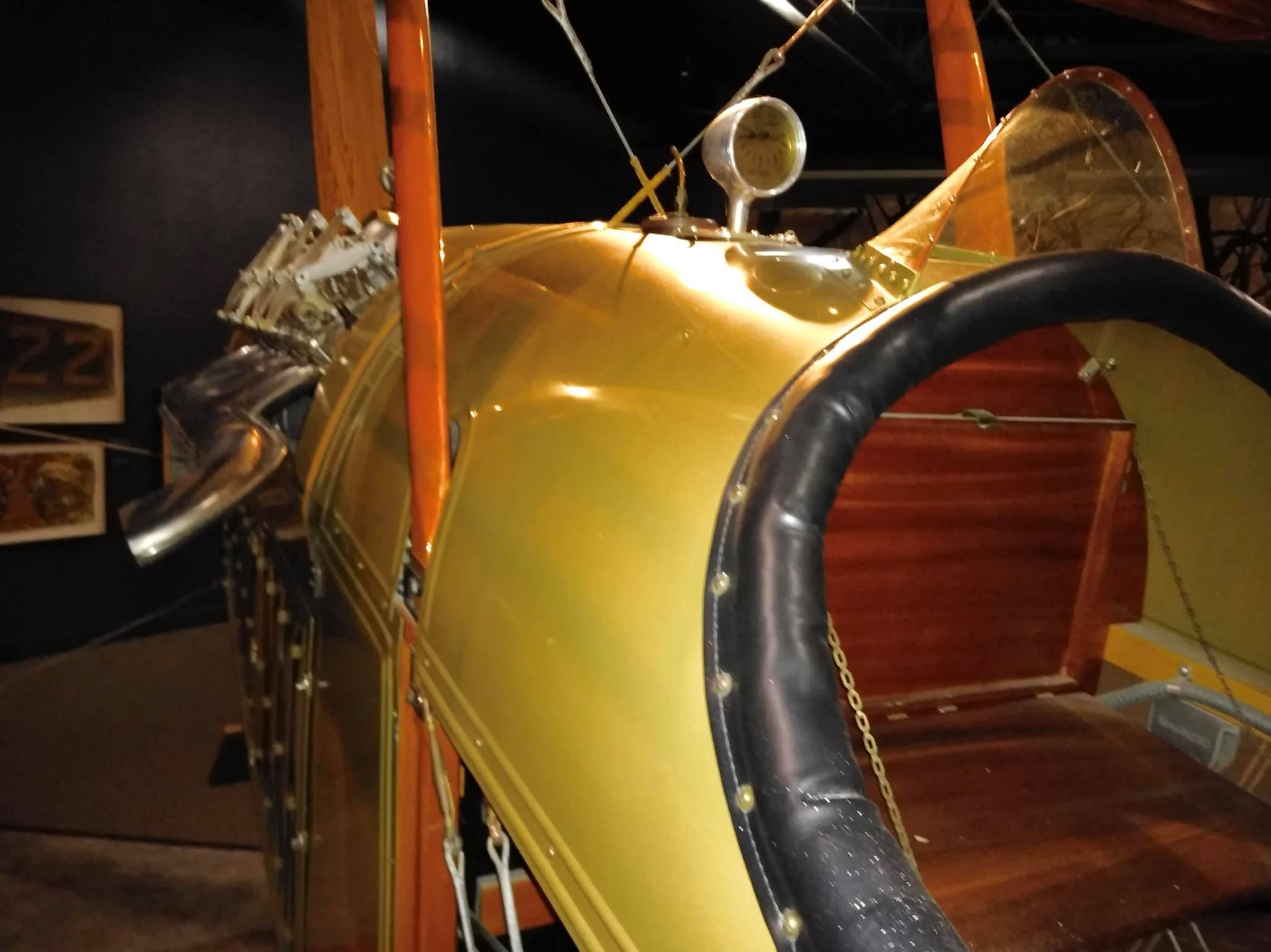
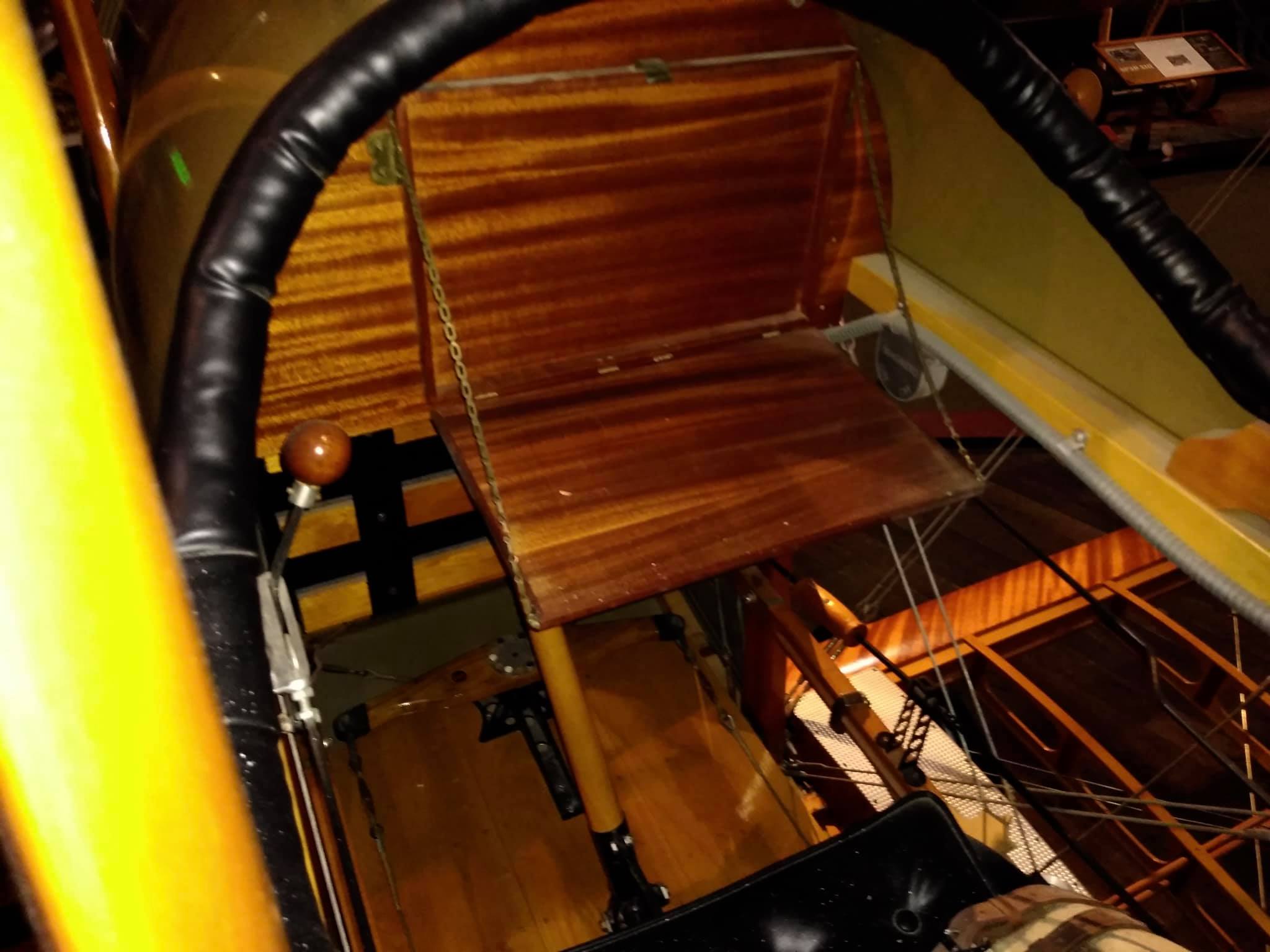
A JN-4 is credited with the first true dive-bombing attack, although dive-bombing was tried by Commonwealth pilots in World War I, but in a horizontal flight path. In early 1919, U.S. Marine Corps pilot Lt. Lawson H. “Sandy” Sanderson was stationed with VF-4M in Haiti during the U.S. occupation of Haiti campaign. He mounted a carbine barrel in front of the windshield of his JN-4 as an improvised bombsight and loaded a bomb in a canvas mail bag that was attached to the belly of his Jenny. In support of USMC troops trapped by Haitian “Cacos” rebels, he made a single-aircraft attack of at least 45 degrees (considered steep at the time), dropping his bomb at about 250 feet. While his nearly vertical pull-up maneuver almost tore the aircraft apart, the attack was a success and led to Lt. Sanderson developing further dive-bombing techniques beginning in 1920. In 1925, “Sandy” became the first squadron commander to lead VF-9M (which later became VMF-1).
Amelia Earhart, Charles Lindbergh, and Bessie Coleman, the first African American female aviator, trained in the Jenny. In 1927, new regulations for airworthiness, maintenance, and pilot licensing requirements came into effect, and the Jenny was not able to meet the new directives, so by 1930, the Jenny was illegal to operate in most parts of the United States until the 1950s, when Jennys came back into acceptance with the Vintage Airplane Movement.
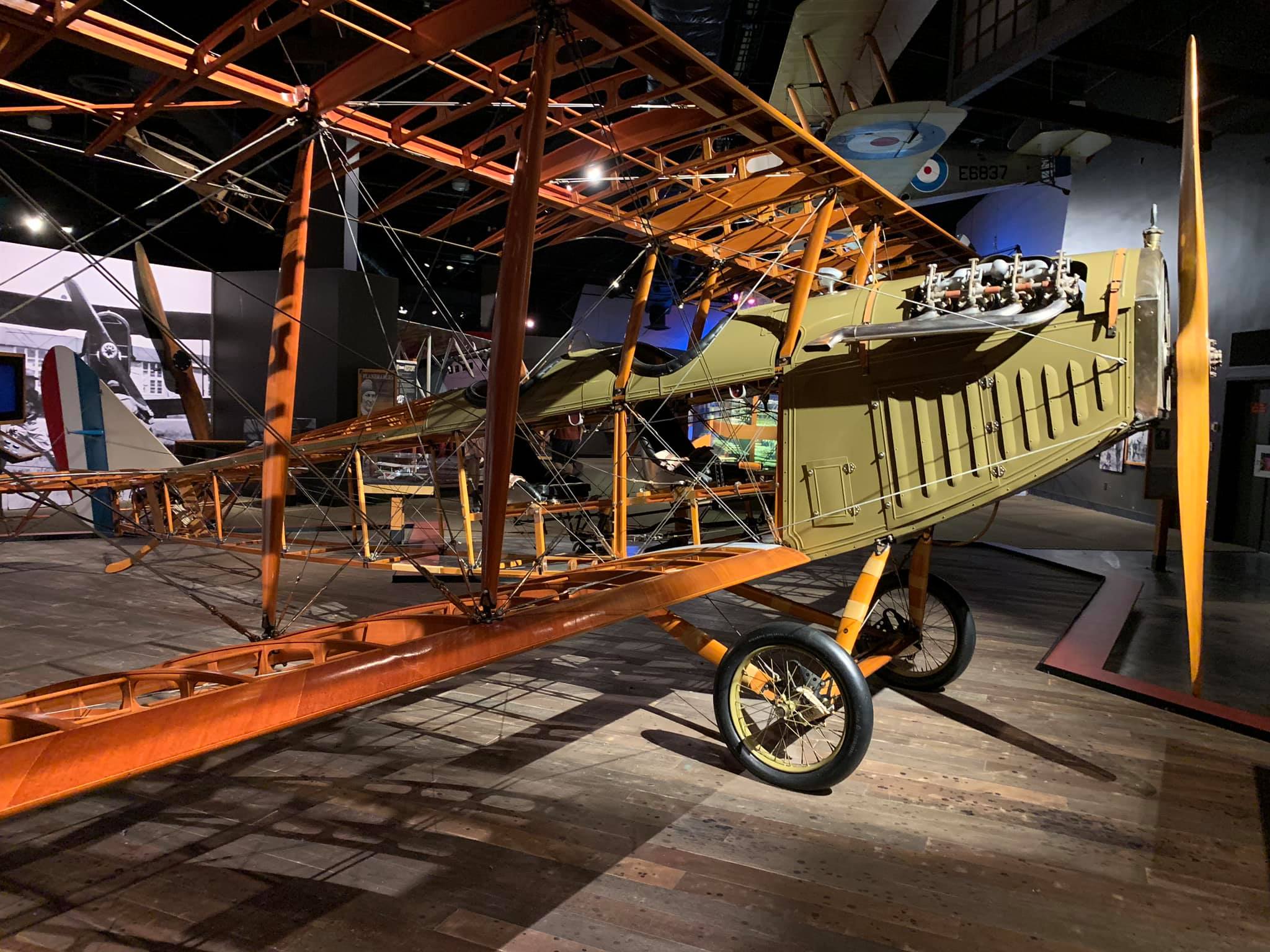
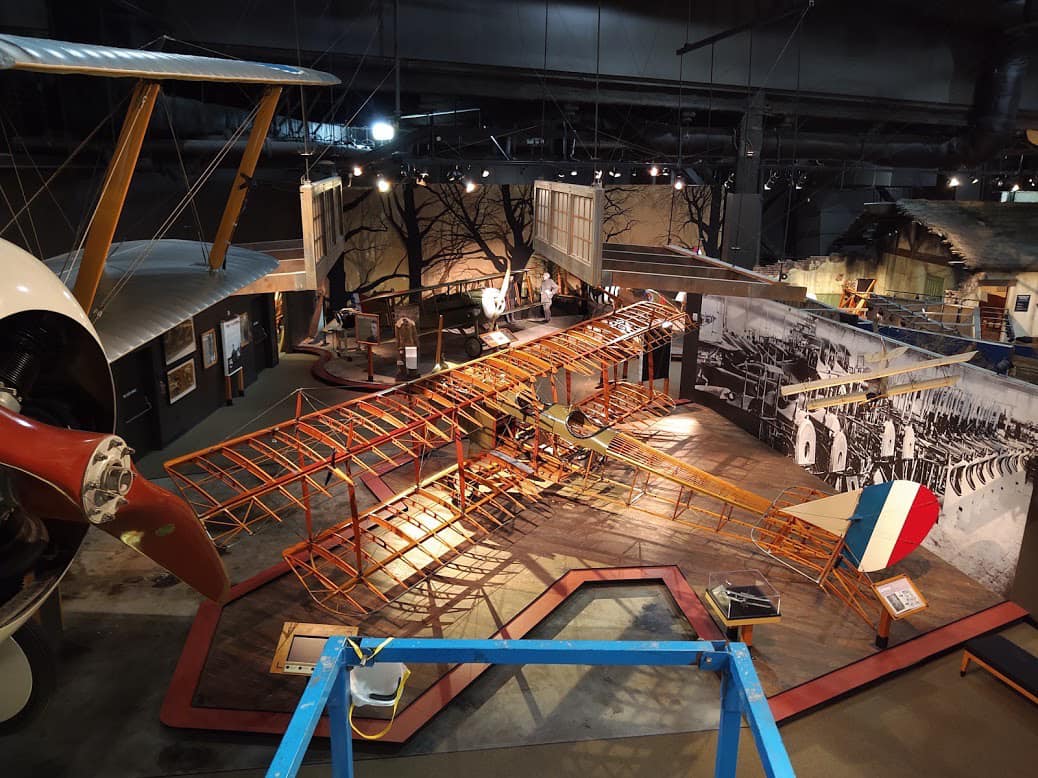
Editor’s notes: The Curtiss JN-4D Jenny on display at the Museum of Flight in Seattle is reported to have been constructed under license from the Curtiss Aeroplane and Motor Company by the Springfield Aircraft Company in Springfield, Massachusetts, around 1917. In 1982, this aircraft was acquired in the form of a bunch of parts and pieces as a true “basket-case” project by Paul and Lucy Whittier of Friday Harbor, Washington 1982 from a private owner in Warrenton, Virginia. The Whittiers spent 9,500 man-hours restoring the Jenny using original WWI-era plans and original methods and materials from WWI to rebuild the Curtiss JN-4D. In 1985, Paul and Lucy Whittier donated their Curtiss JN-4D Jenny to the Museum of Flight in Seattle, and one year later, in 1986, Arnold Cassidy donated a Curtiss X-5 90 hp V8 engine to complete the aircraft. Today, it is on display in the museum’s Personal Courage Wing and is left uncovered to provide visitors a view of the internal framework of a World War I era airplane.
About the author 
Randy Malmstrom grew up in a family steeped in aviation culture. His father, Bob, was still a cadet in training with the USAAF at the end of WWII, but did serve in Germany during the U.S. occupation in the immediate post-war period, where he had the opportunity to fly in a wide variety of types that flew in WWII. After returning to the States, Bob became a multi-engine aircraft sales manager and, as such, flew a wide variety of aircraft; Randy frequently accompanied him on these flights. Furthermore, Randy’s cousin, Einar Axel Malmstrom, flew P-47 Thunderbolts with the 356th FG from RAF Martlesham Heath. He was commanding this unit at the time he was shot down over France on April 24th, 1944, and spent the rest of the war as a prisoner of war. Following his repatriation at war’s end, Einar continued his military service, attaining the rank of Colonel. He was serving as Deputy Wing Commander of the 407th Strategic Fighter Wing at Great Falls AFB, MT, at the time of his death in a T-33 training accident on August 21, 1954. The base was renamed in his honor in October 1955 and continues to serve in the present USAF as home to the 341st Missile Wing. Randy’s innate interest in history in general, and aviation history in particular, plus his educational background and passion for WWII warbirds, led him down his current path of capturing detailed aircraft walk-around photos and in-depth airframe histories, recording a precise description of a particular aircraft in all aspects.