


By Randy Malmstrom
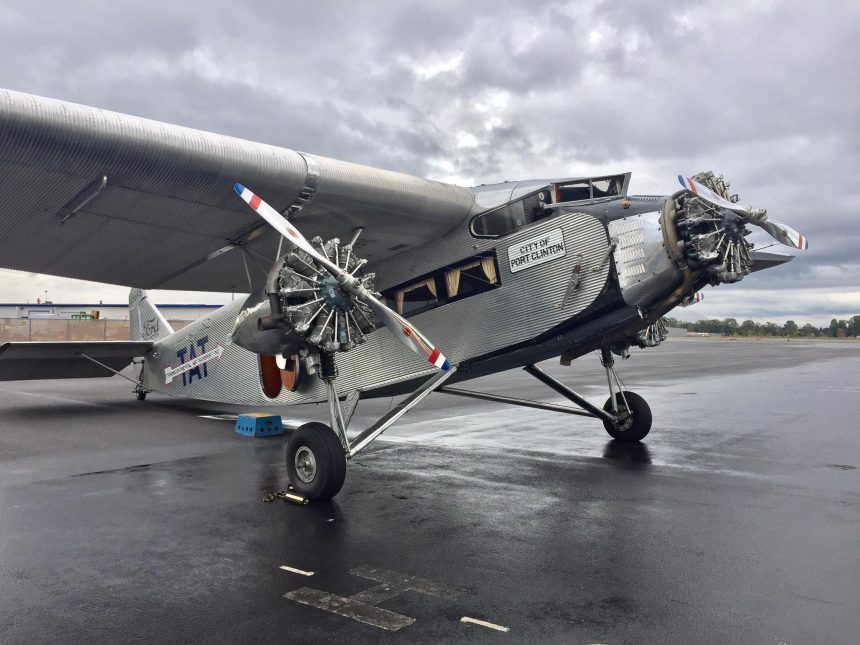
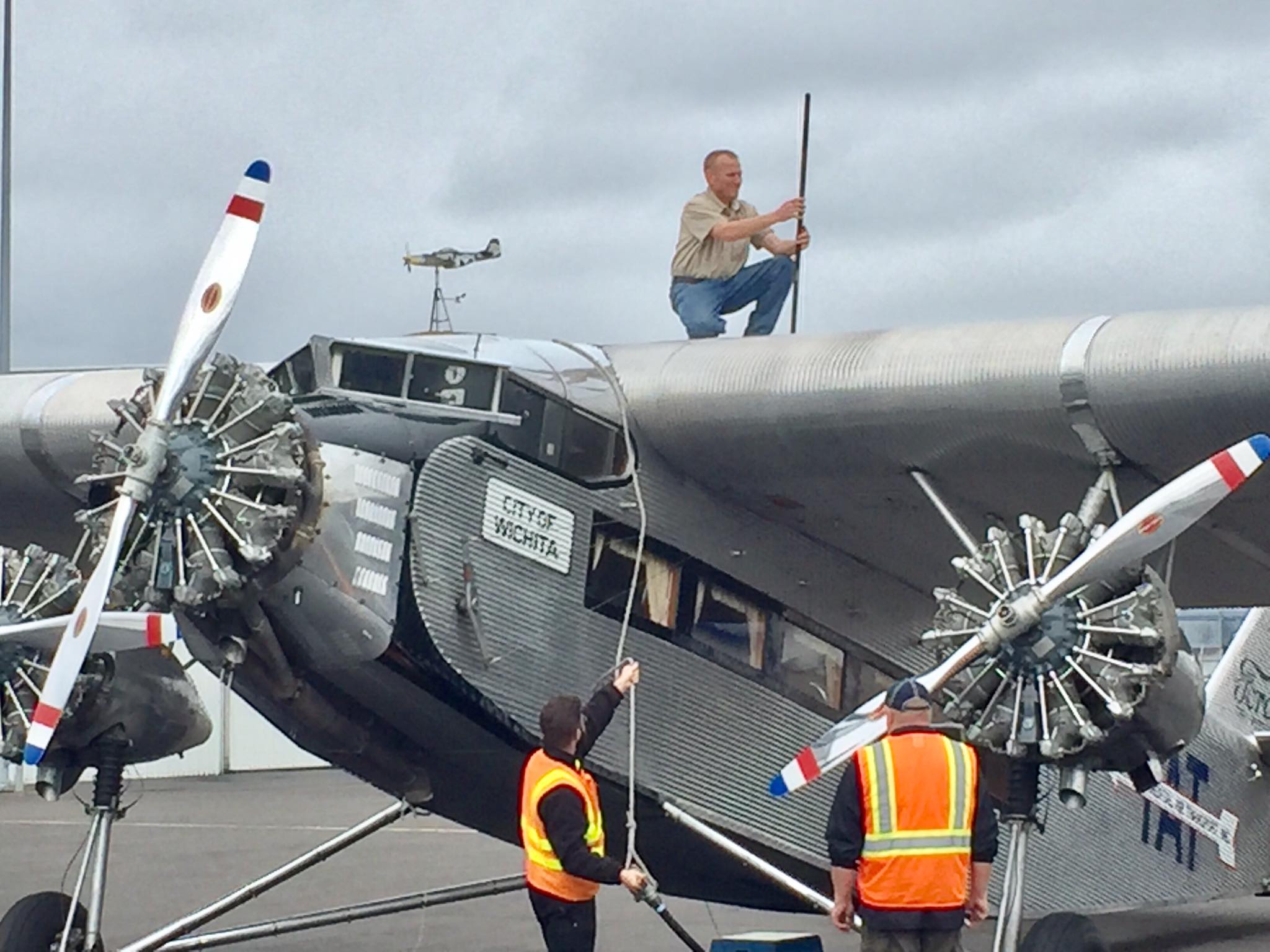
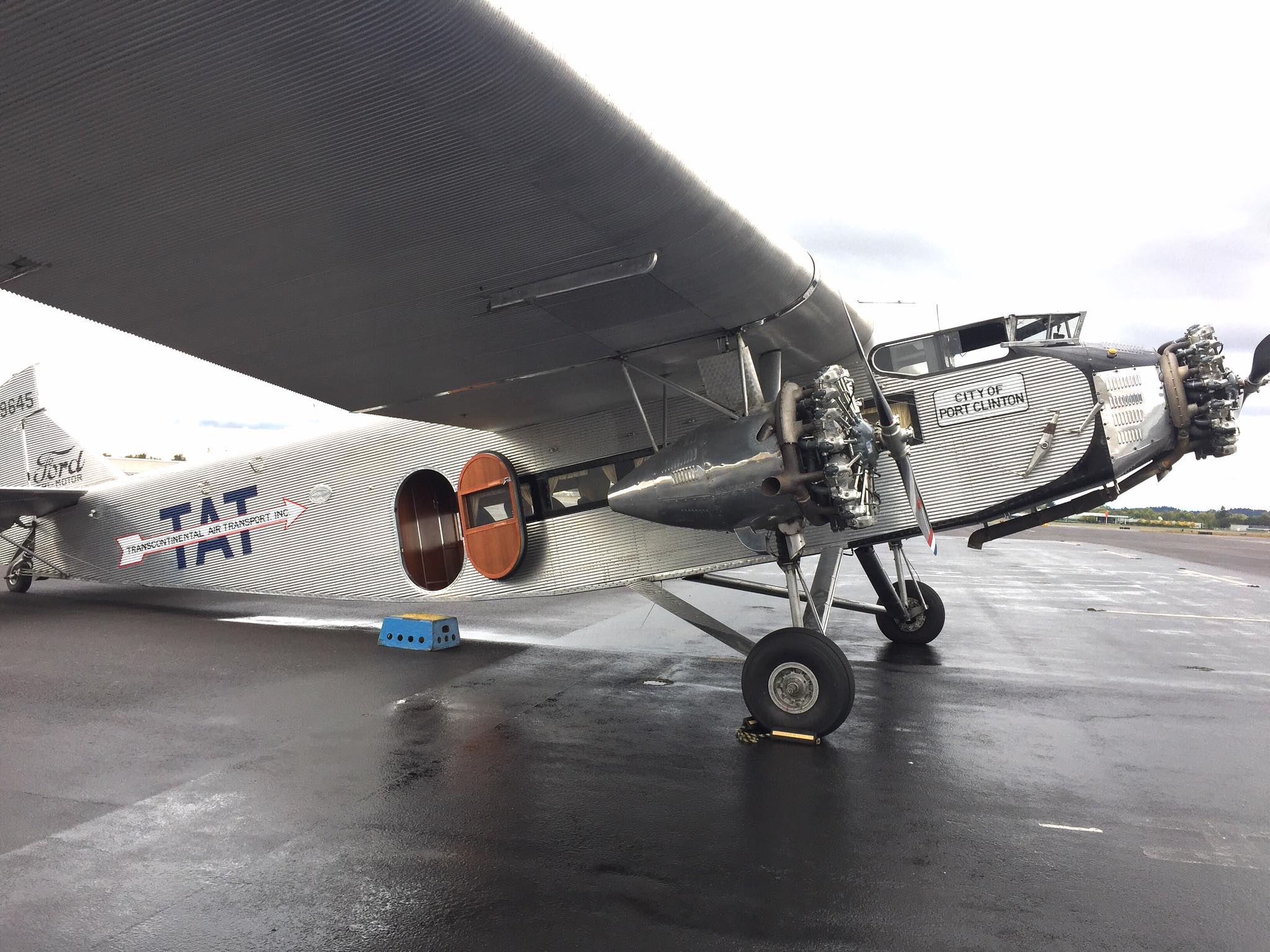
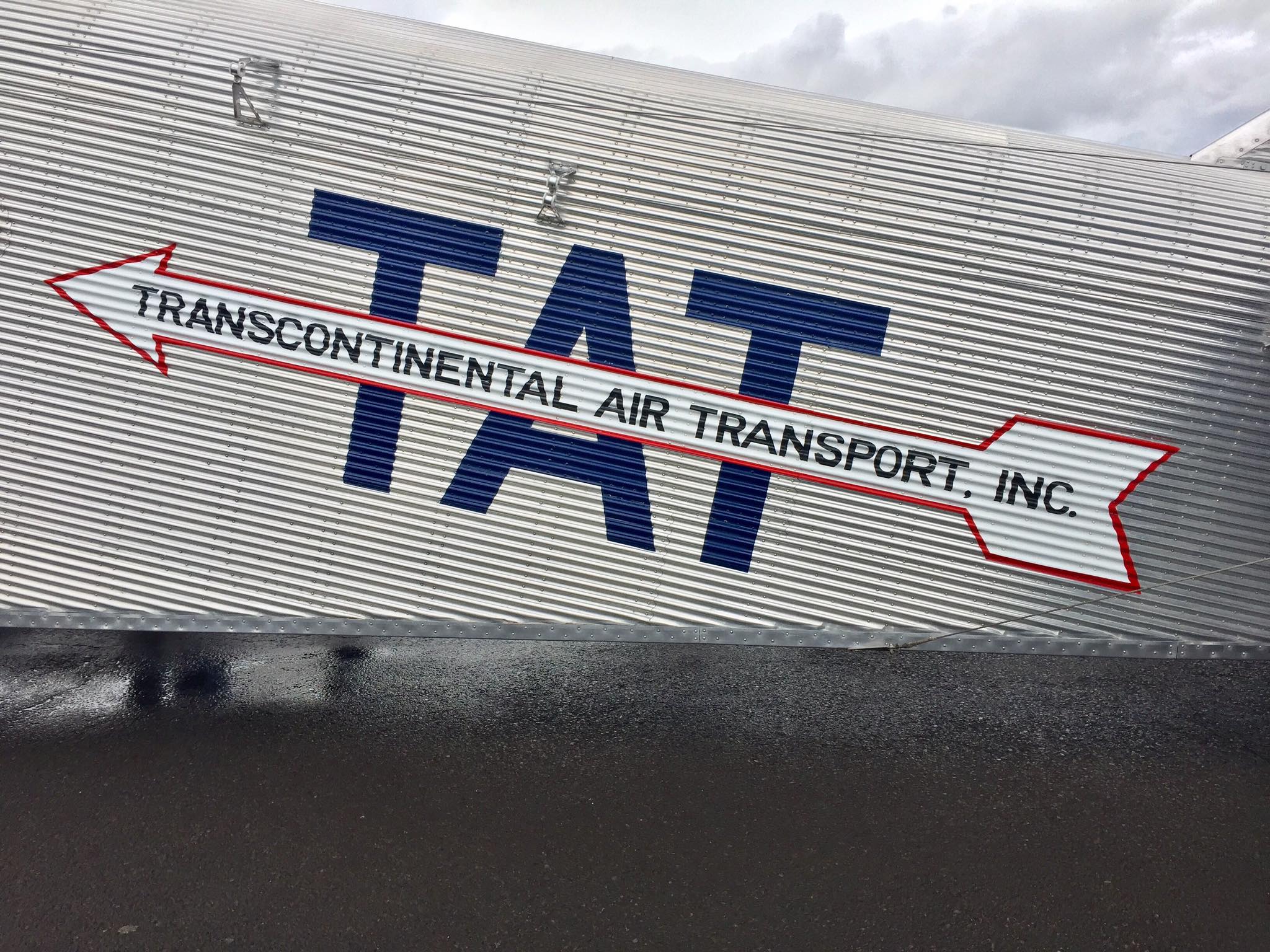
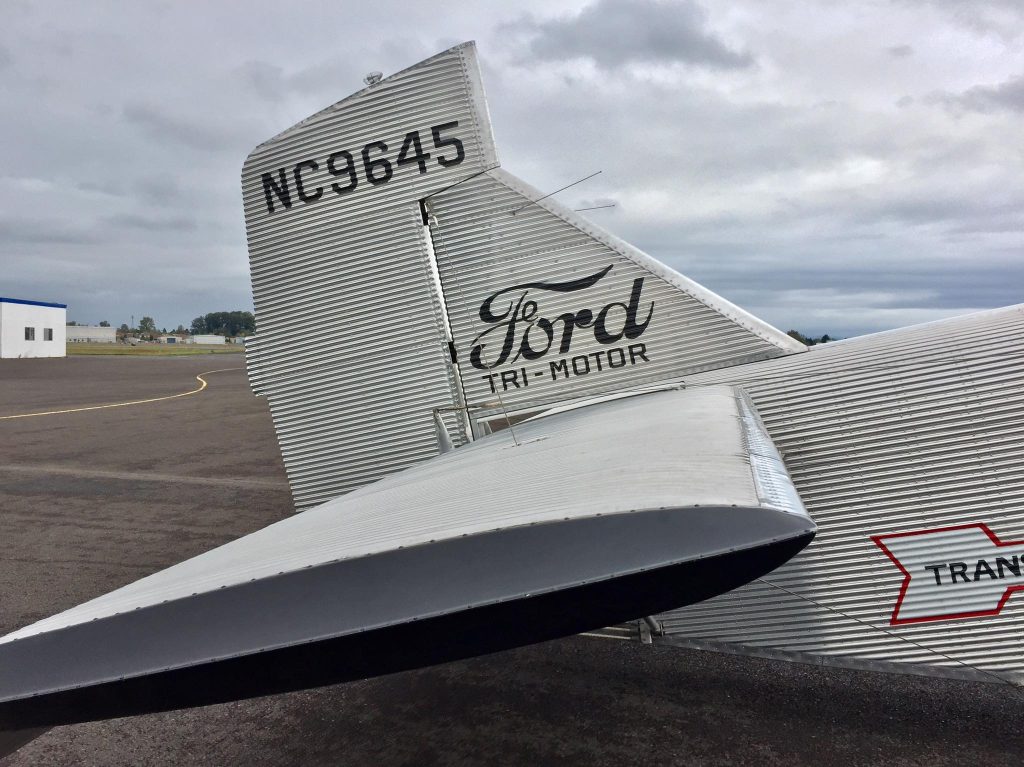
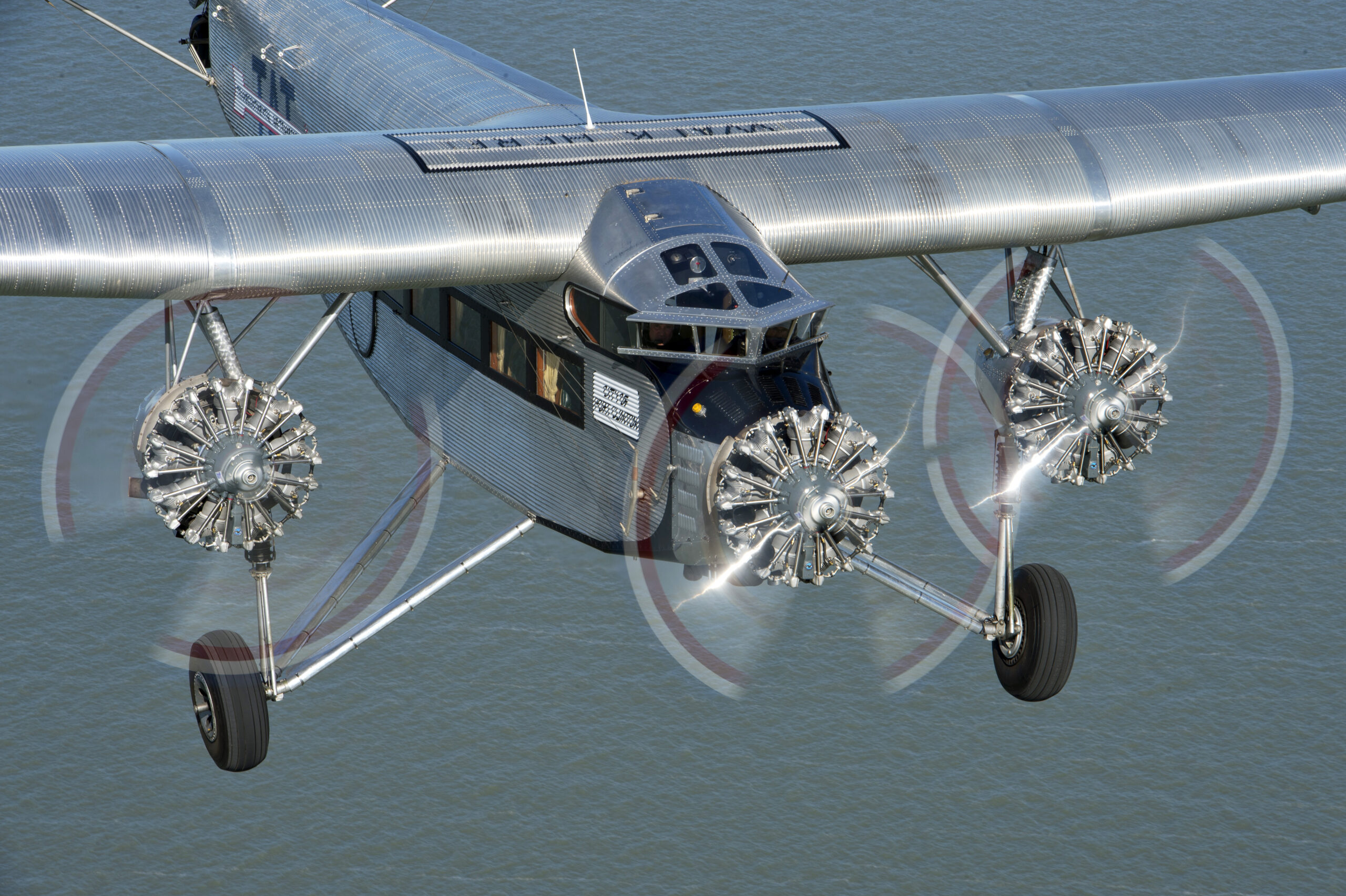
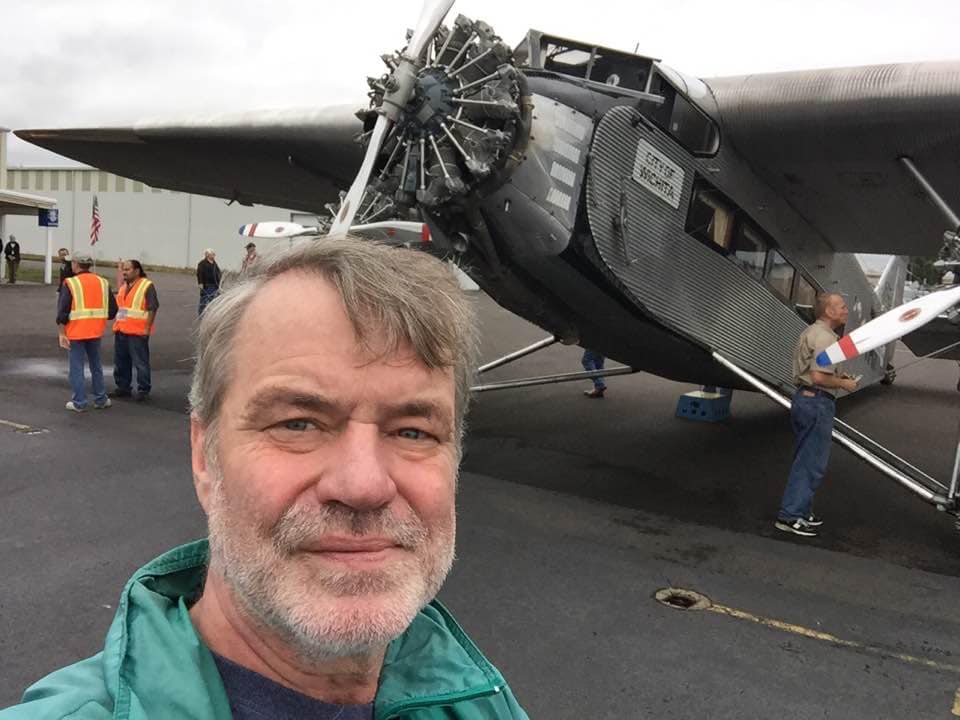
Ford 5-AT-B Tri-Motor, Serial Number 8, N9645. This particular aircraft was built in 1928 by the Stout Metal Airplane Division of the Ford Motor Company in Dearborn, Michigan, first flew on December 1 of that year, and was delivered to Transcontinental Air Transport of Waynoka, Oklahoma, on January 18, 1929, and for which it flew with the name “City of Wichita.” It was part of the first combined coast-to-coast passenger air and rail service beginning on July 7, 1929, and then the inaugural first all-air passenger service on October 30 of that year.
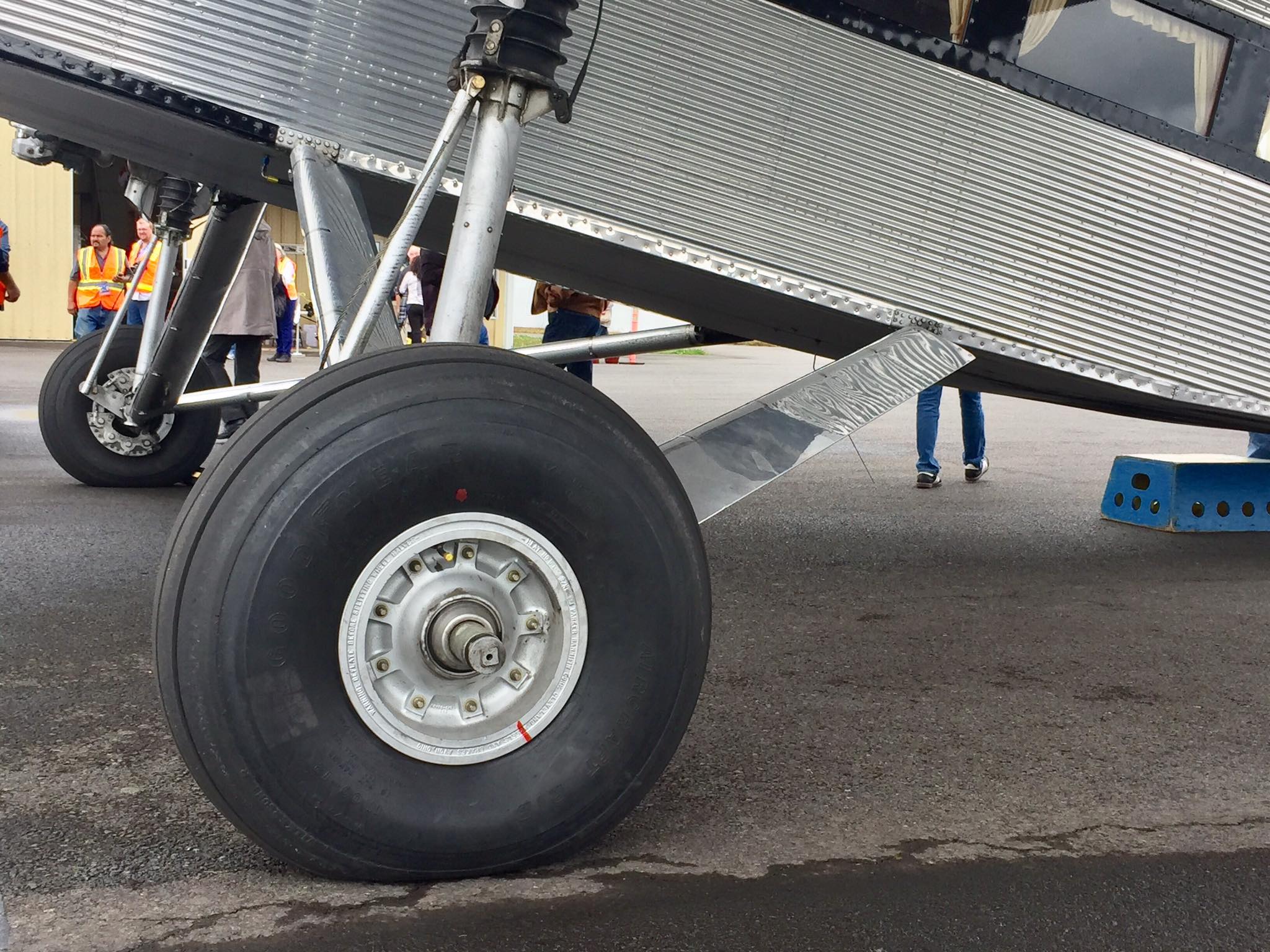
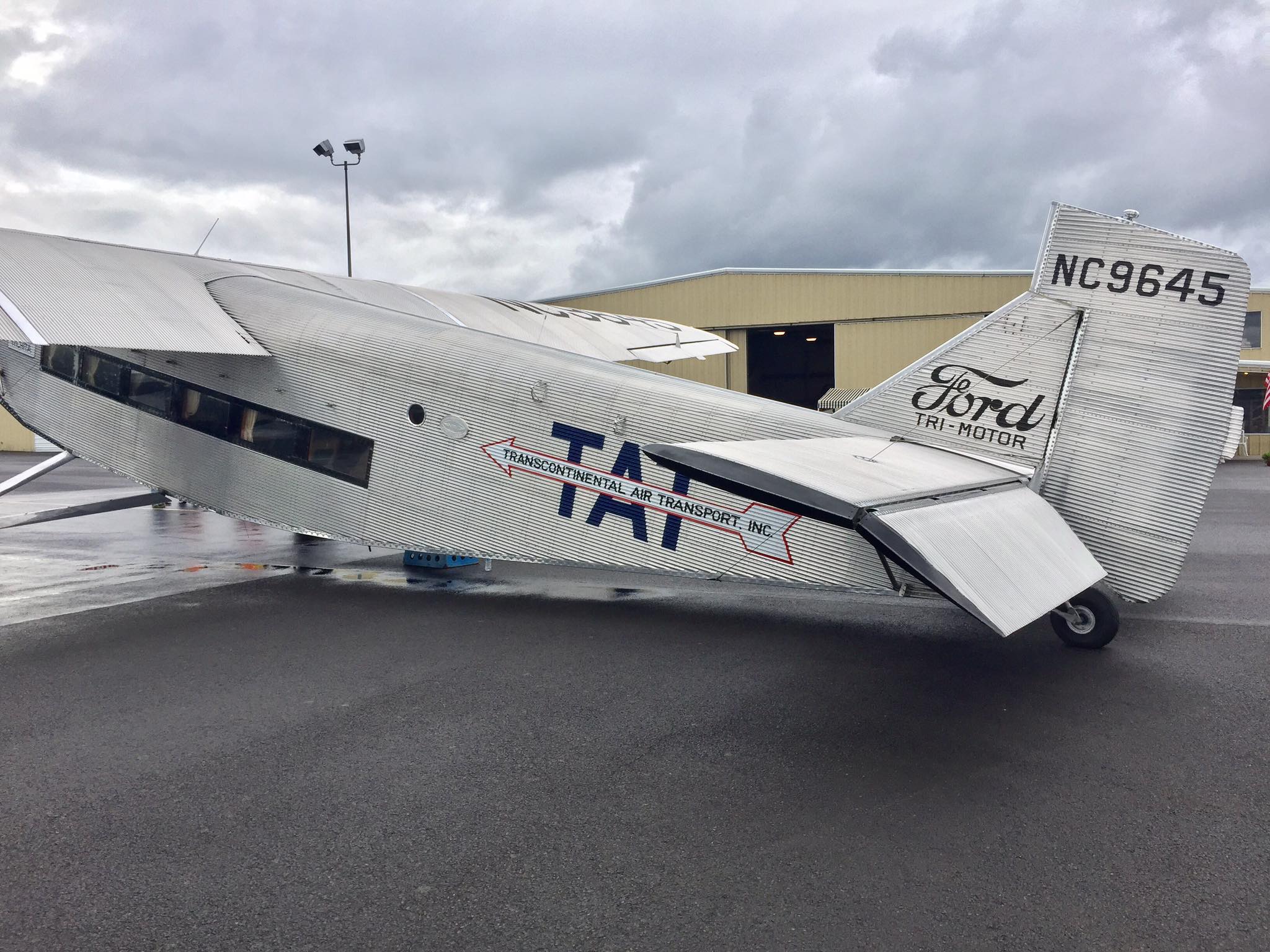
In April of 1931, ownership was transferred to Transcontinental and Western Air, Inc. (later known as TWA). On July 16, 1935, it was acquired by pilot Glover E. “Roxy” Ruckstell, who flew passengers for his tour company Grand Canyon-Boulder Dam Tours, Inc., located in Boulder City, Nevada. Transportes Aéreos del Continente Americano of Tegucigalpa, Honduras, bought the aircraft late in 1937, registered it in Nicaragua, and flew it until it was sold to Ricardo Izurienta of Campeche, Mexico, in 1946. The aircraft was overhauled in Mexico City in 1951, at which time the original corrugated skin was replaced with Dural sheet metal, lending it the nickname “The Smooth Skin Ford.” It flew commercial flights in Mexico until a wheel lock caused it to crash into a ditch off the runway in January 1954. It was sold as-is to Frank Oergel of Burbank, California (who, as far as I have been able to determine, was Director of Operations of Fleetway Inc.), who in turn sold it to Eugene Frank, who put it into storage in Caldwell, Idaho.
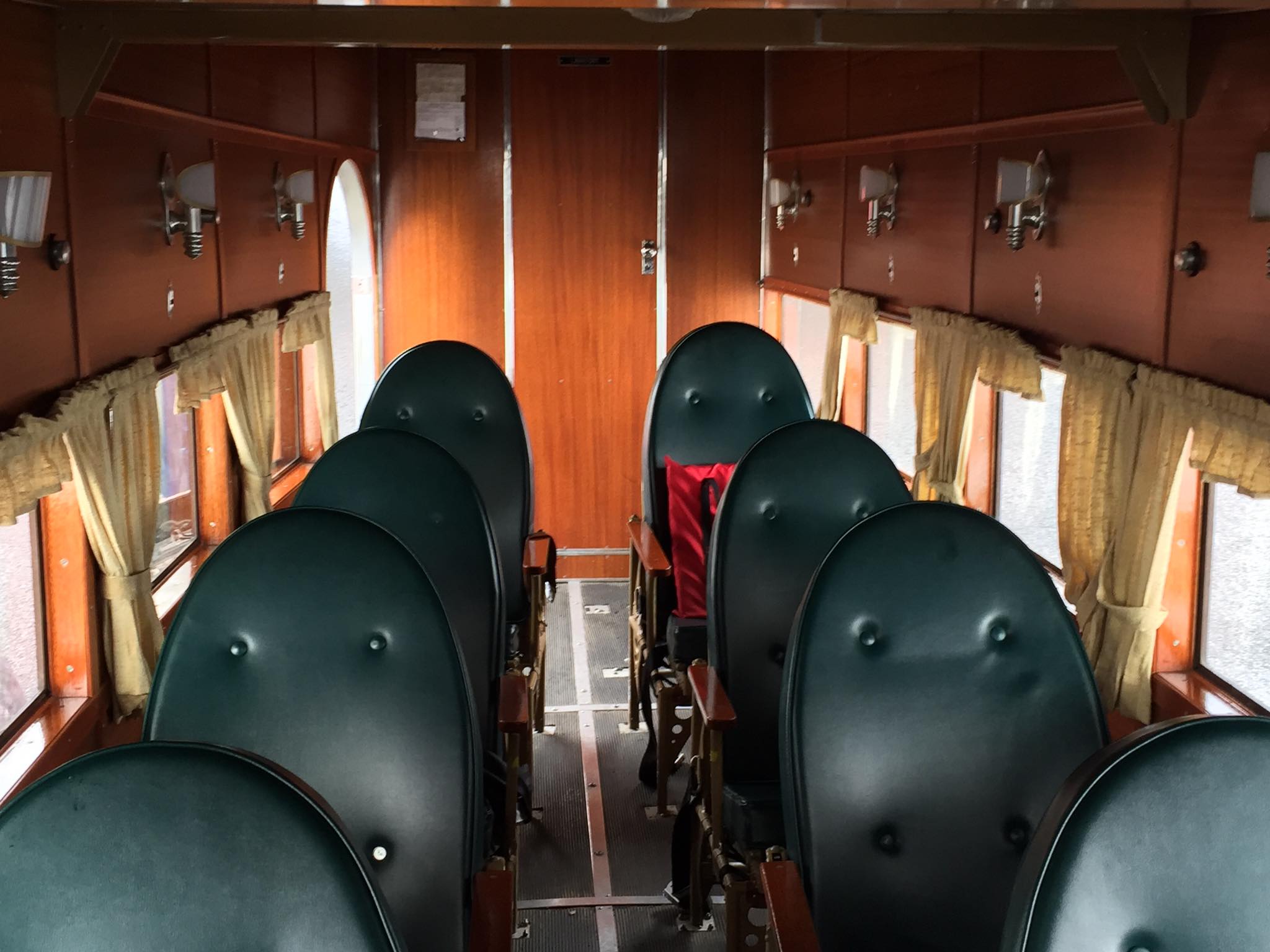
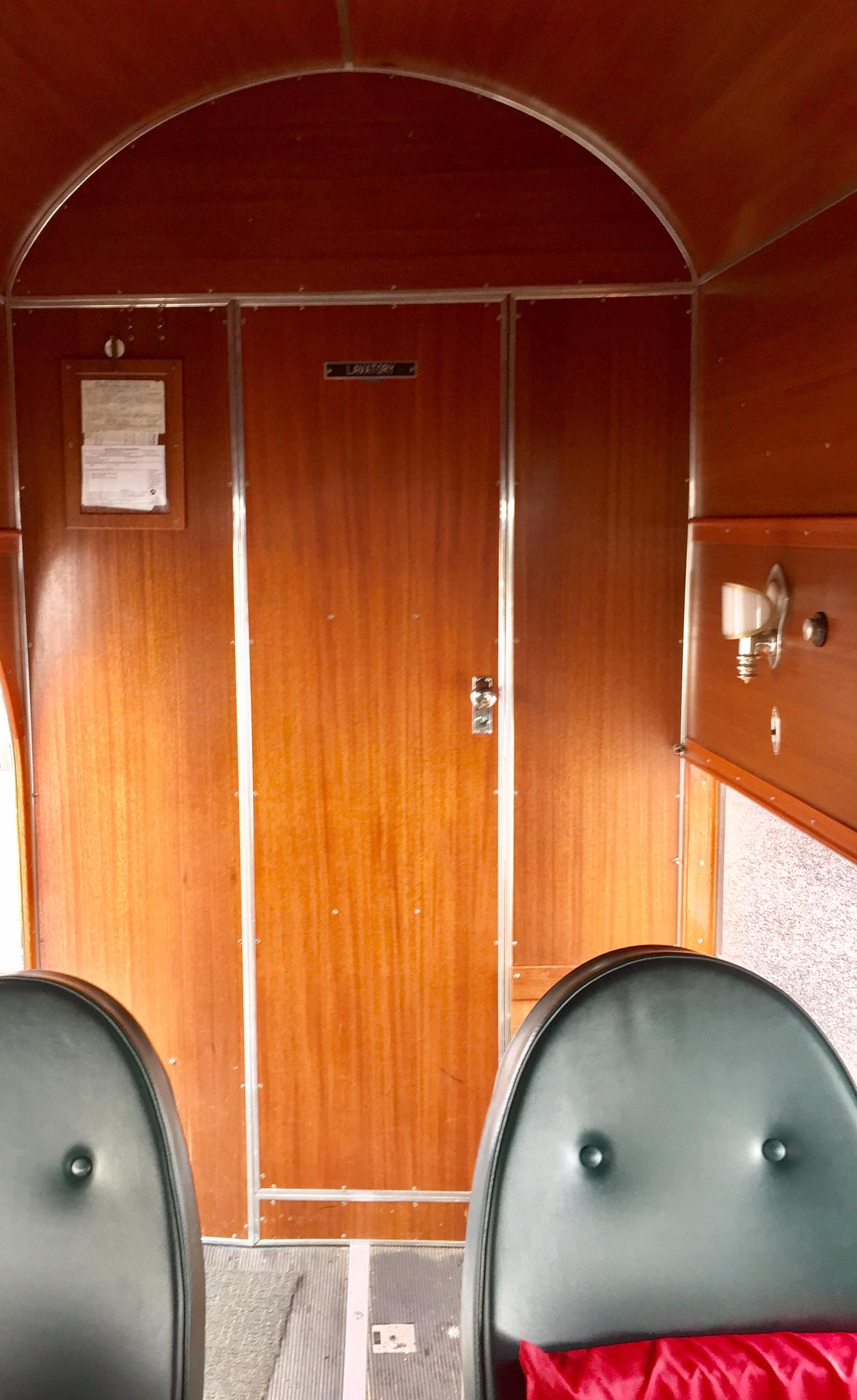
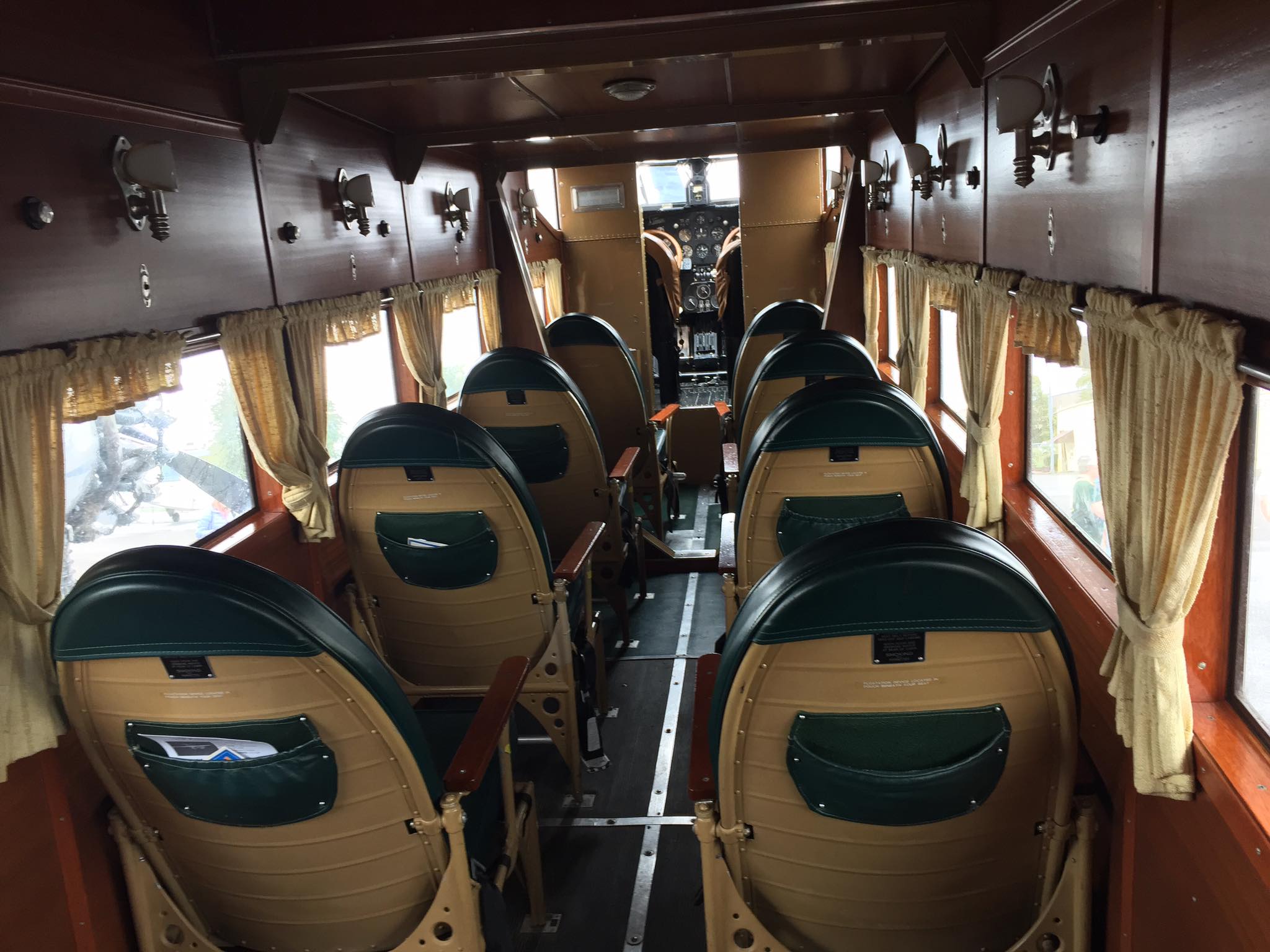
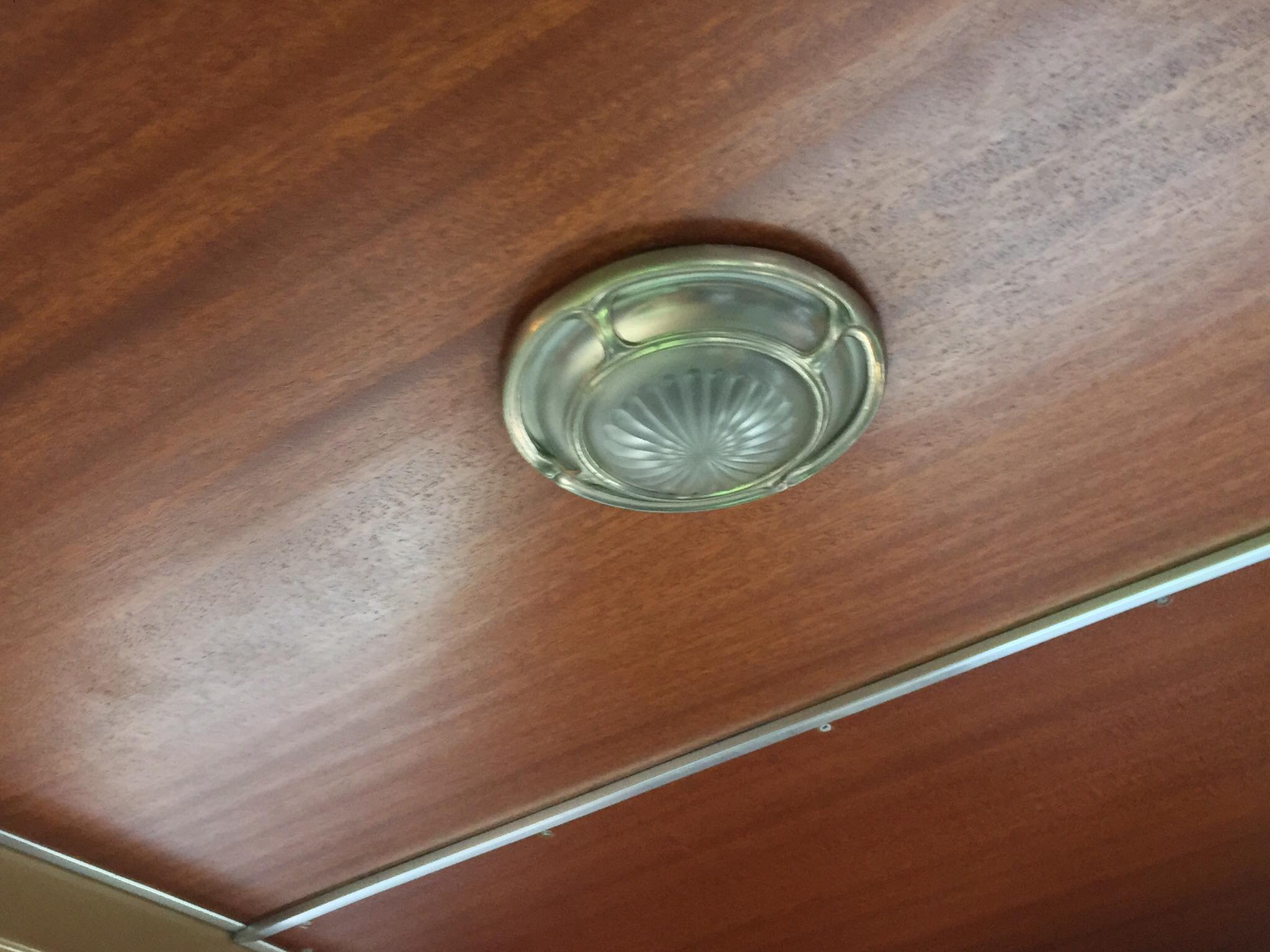
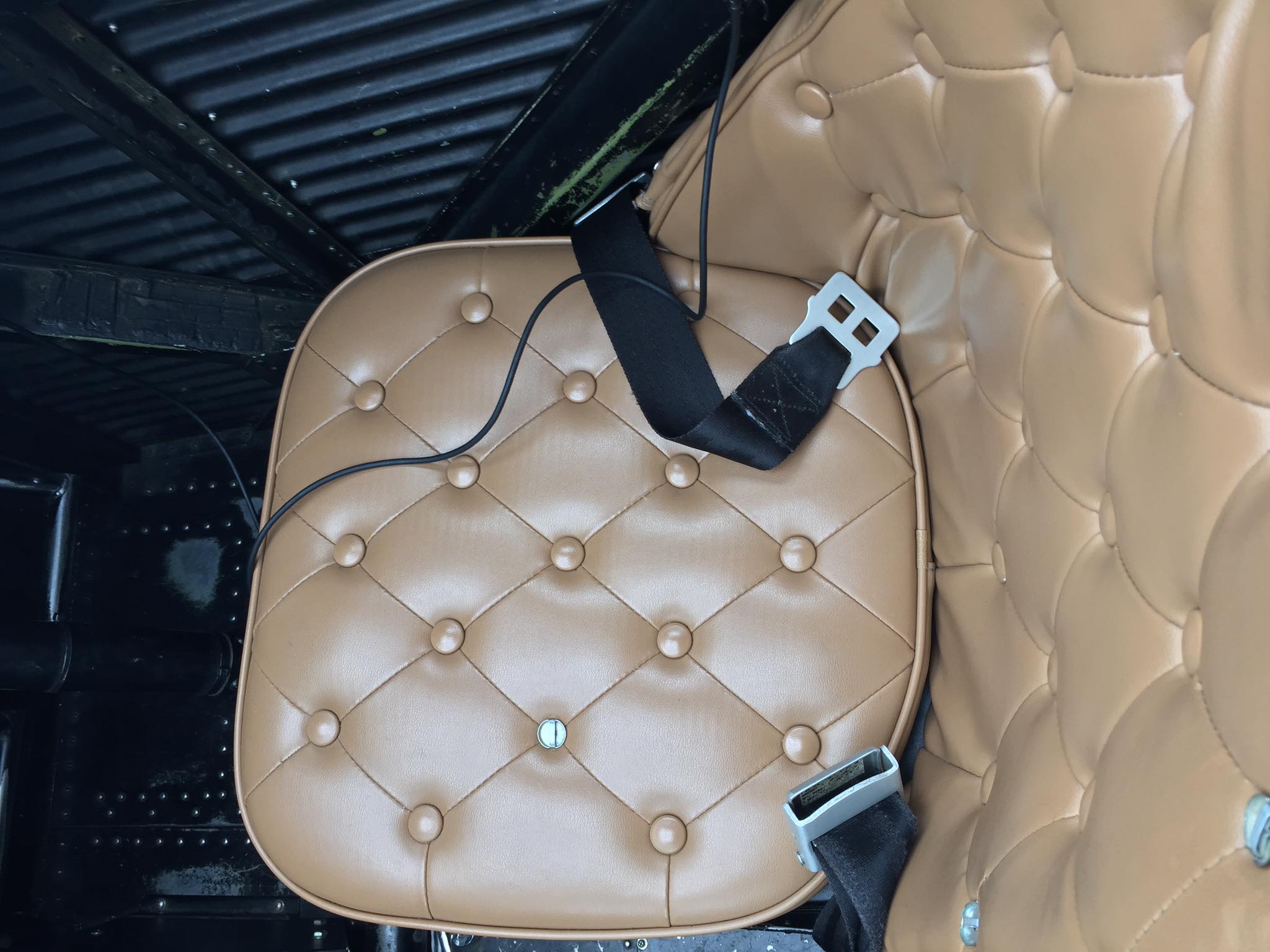
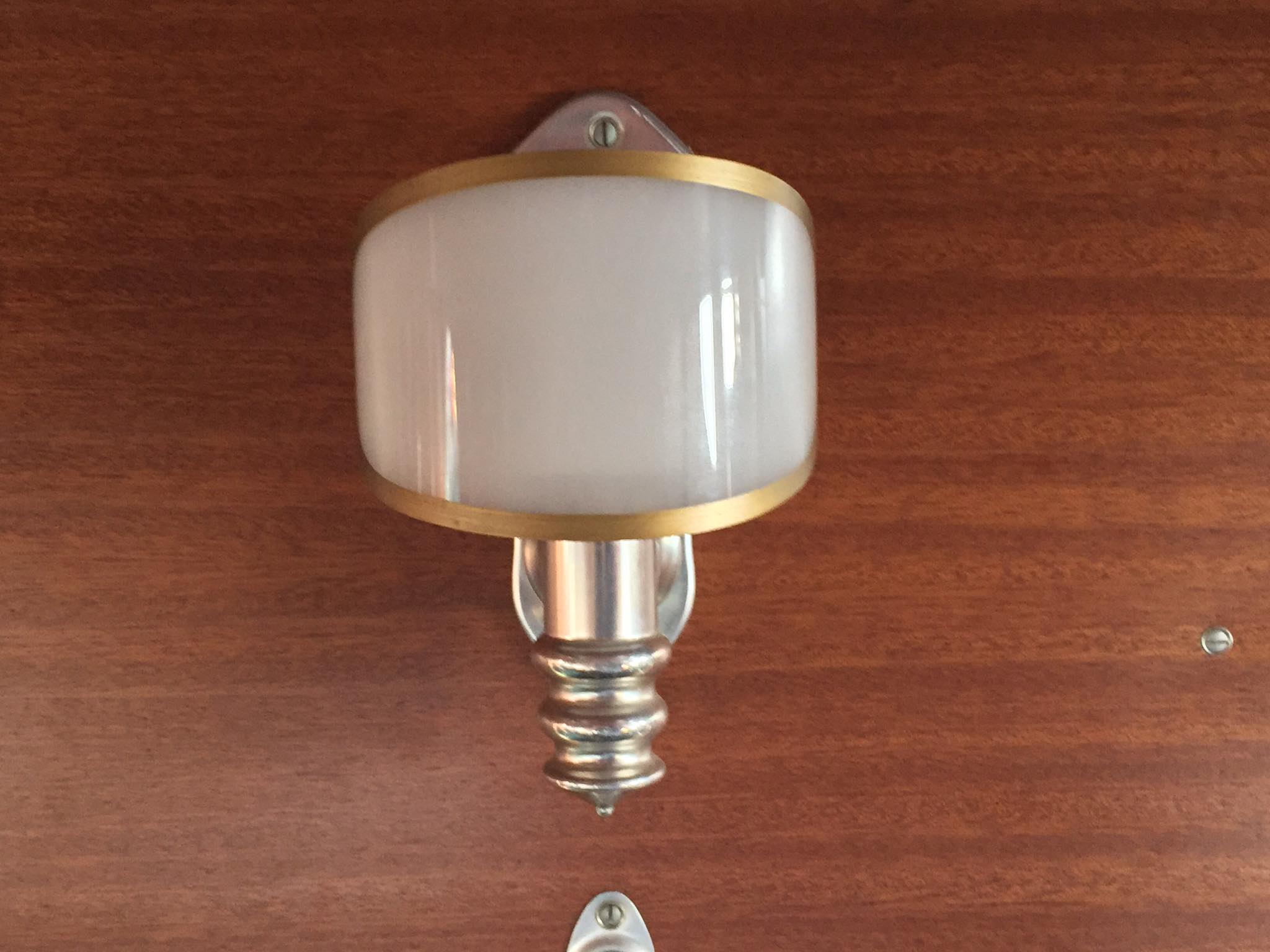
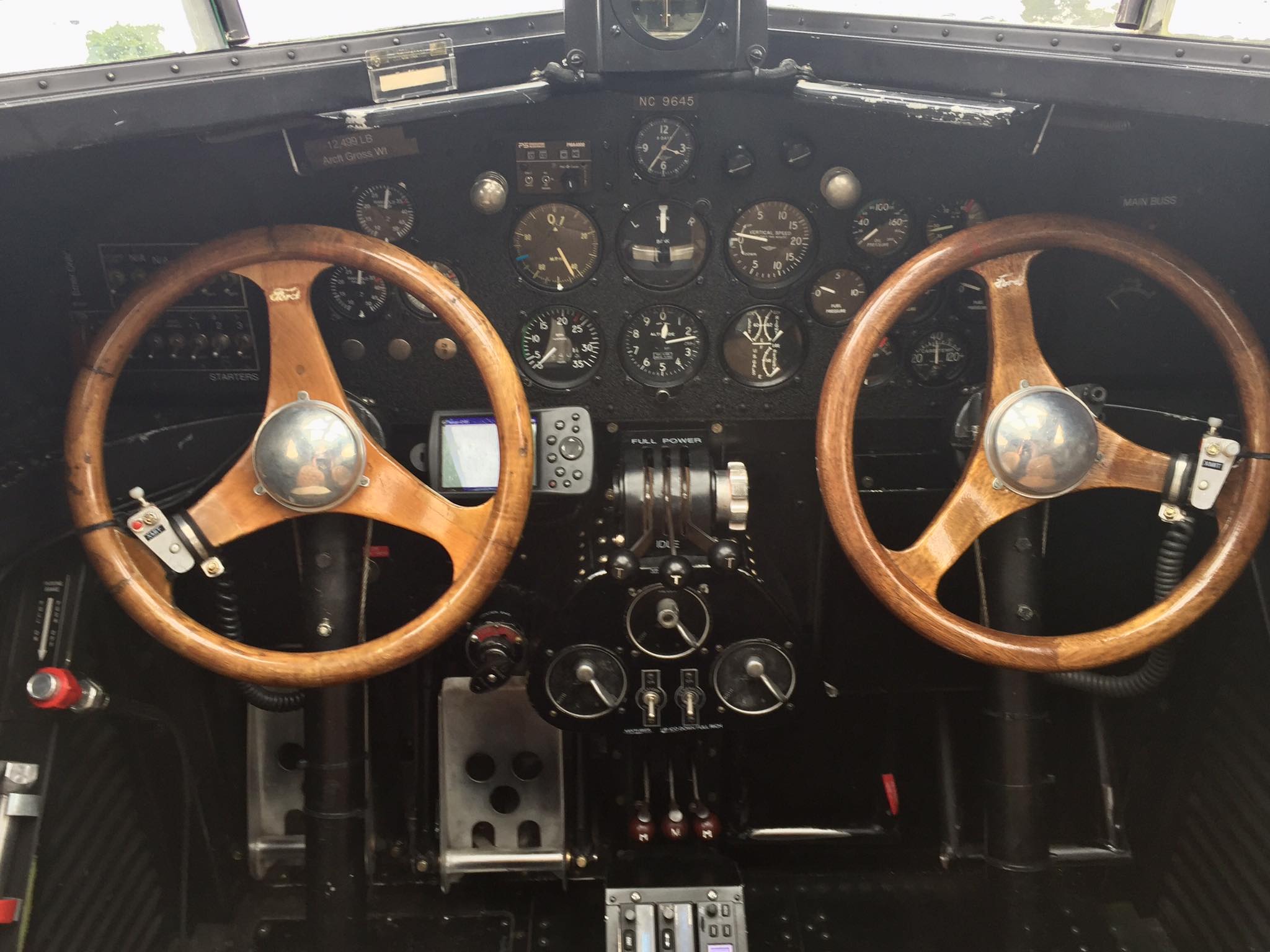
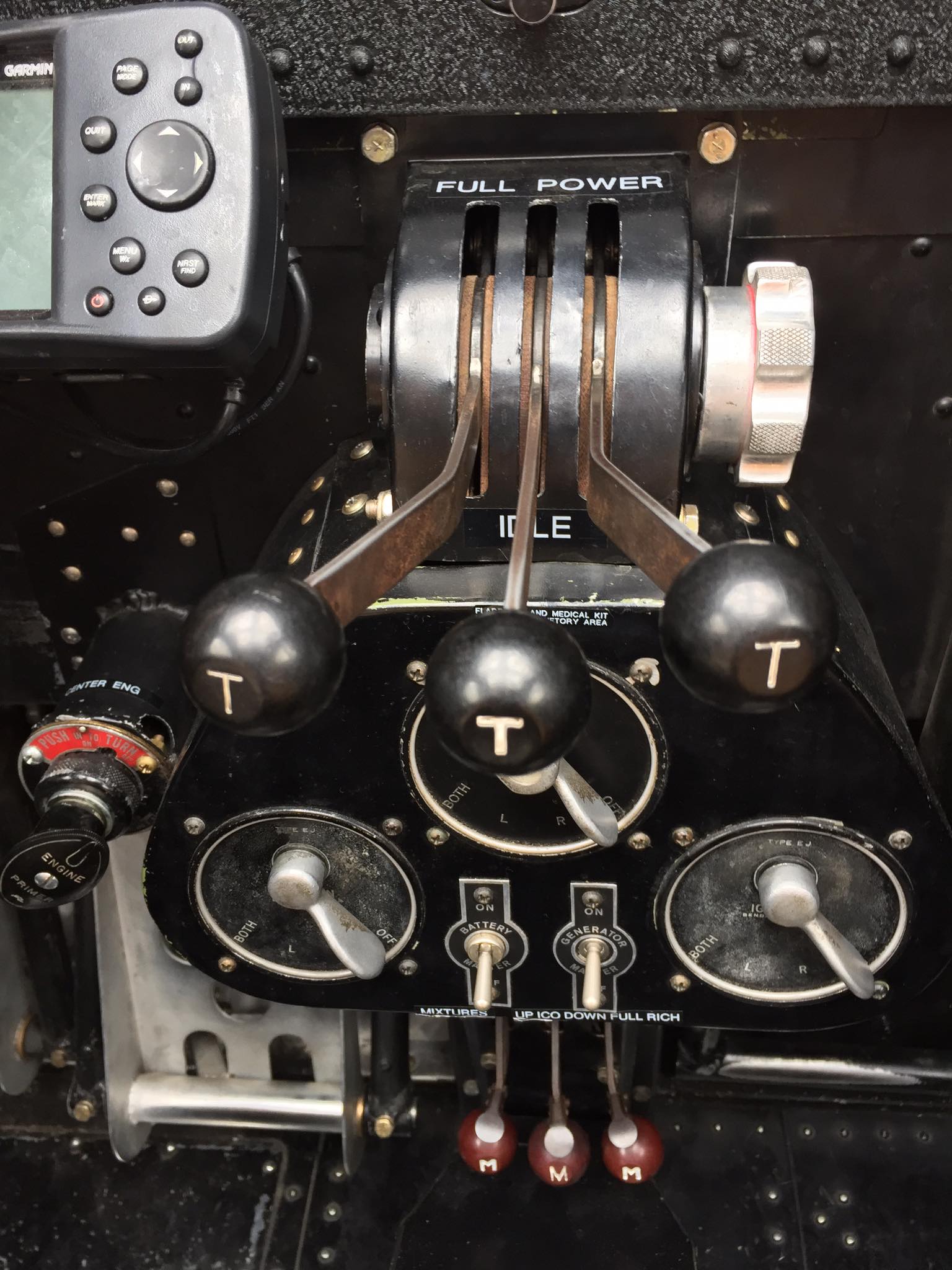
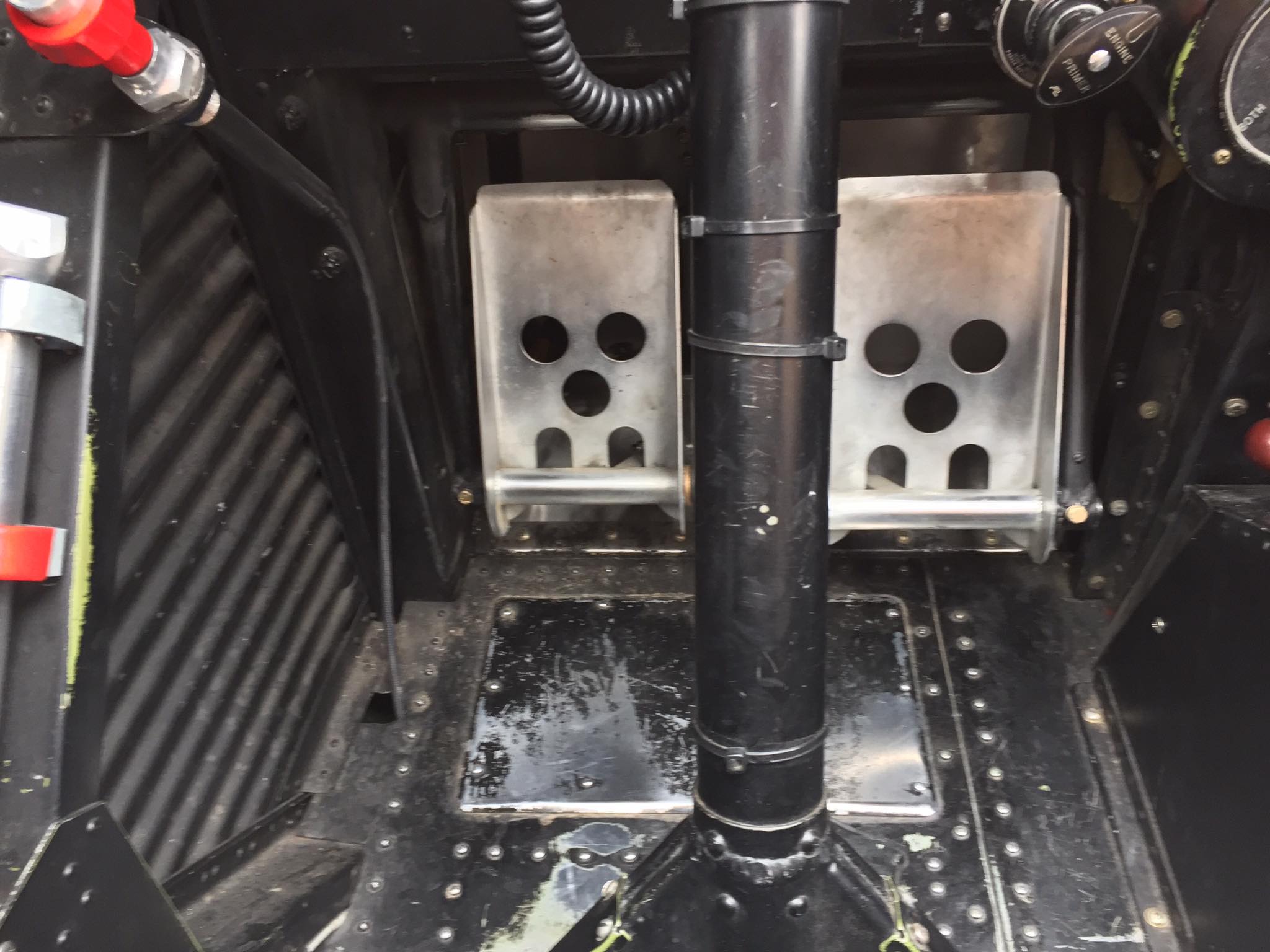
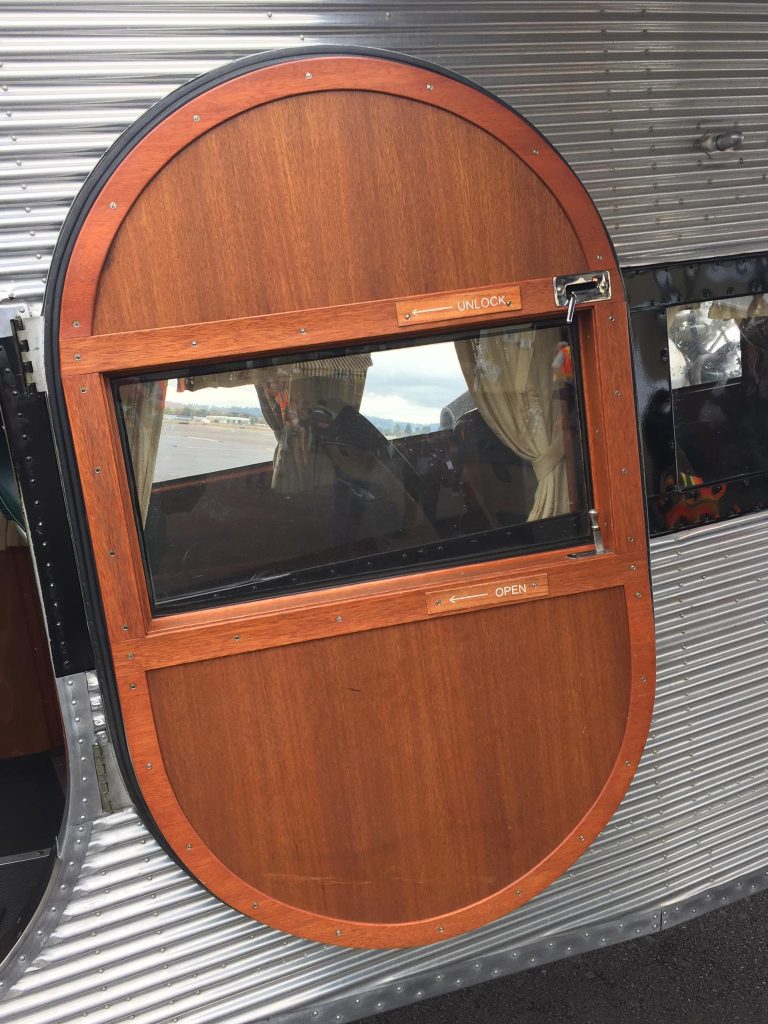
William F. Harrah, the owner of Harrah’s Club of Reno, acquired it and began a full restoration in July 1964, including the reinstallation of corrugated skin. Following restoration, the aircraft flew once in 1971 before being put on static display at Harrah’s Automobile Collection in Reno. To commemorate the first all-air service flight of 1930, TWA flew it from Reno to Newark, New Jersey, in 1975. Evergreen Vintage Aircraft acquired the aircraft in February 1990 and put it in storage in McMinnville, Oregon. In the mid-1990’s Evergreen began restoring it to flying condition, and it was flown on occasion until it became part of the Evergreen Aviation & Space Museum’s static collection in McMinnville (it was while it was part of this collection that I first saw it on display).
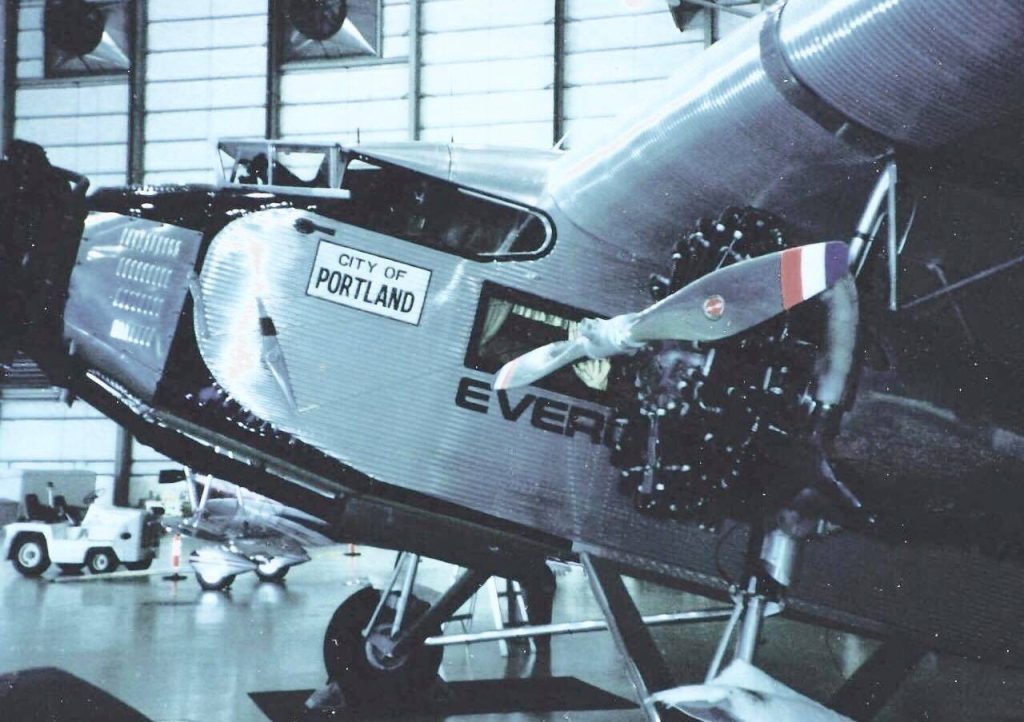
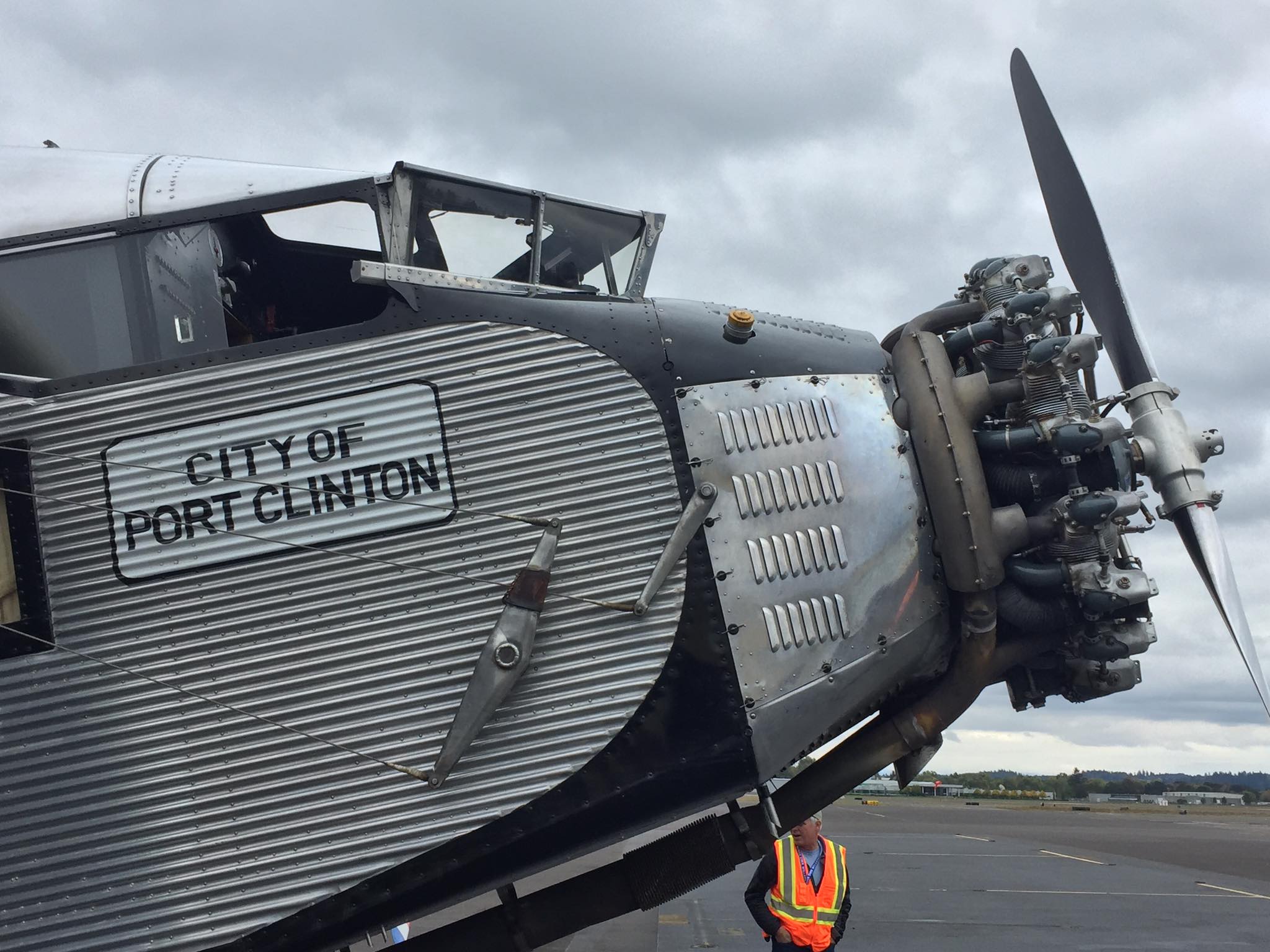
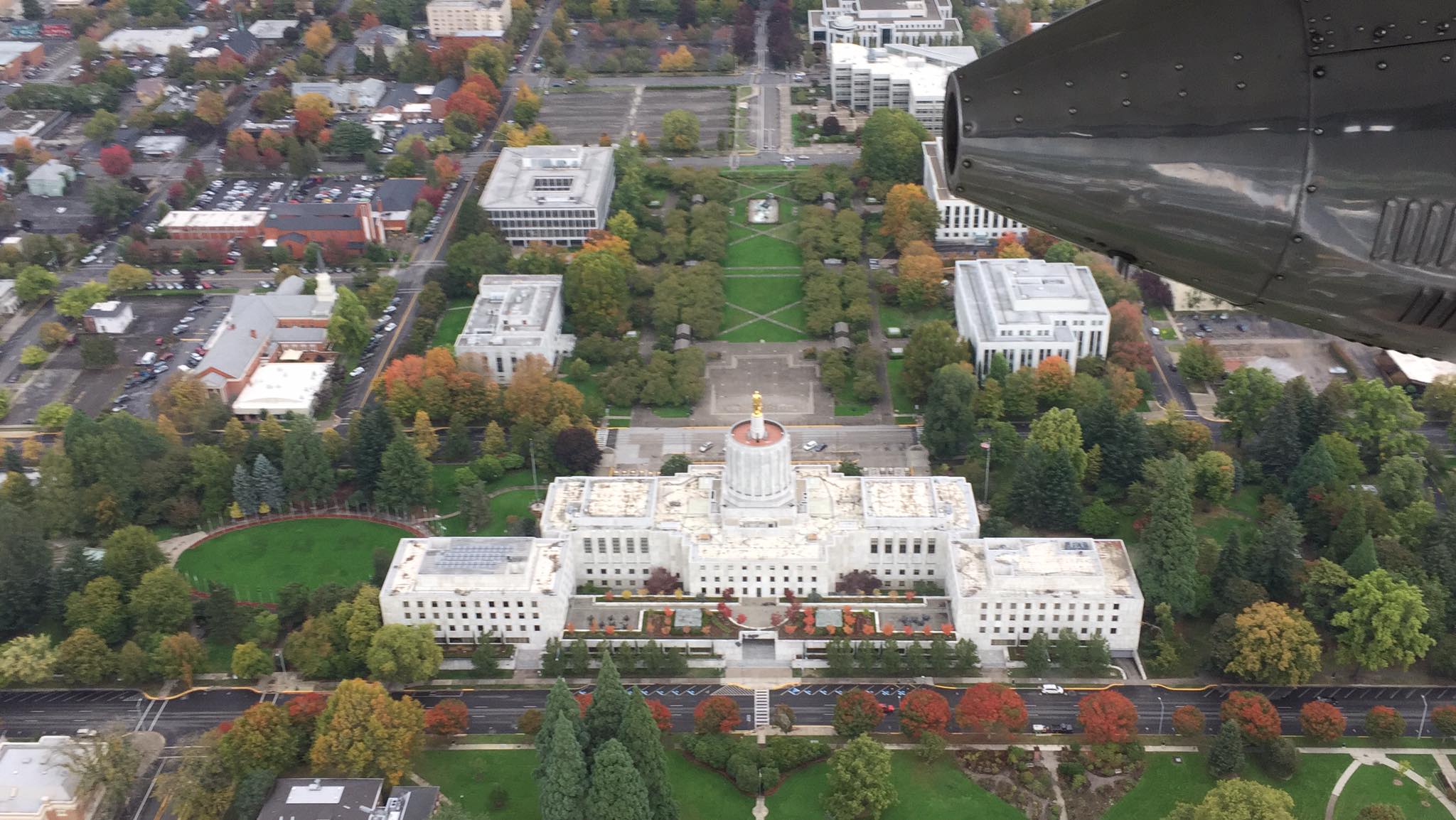
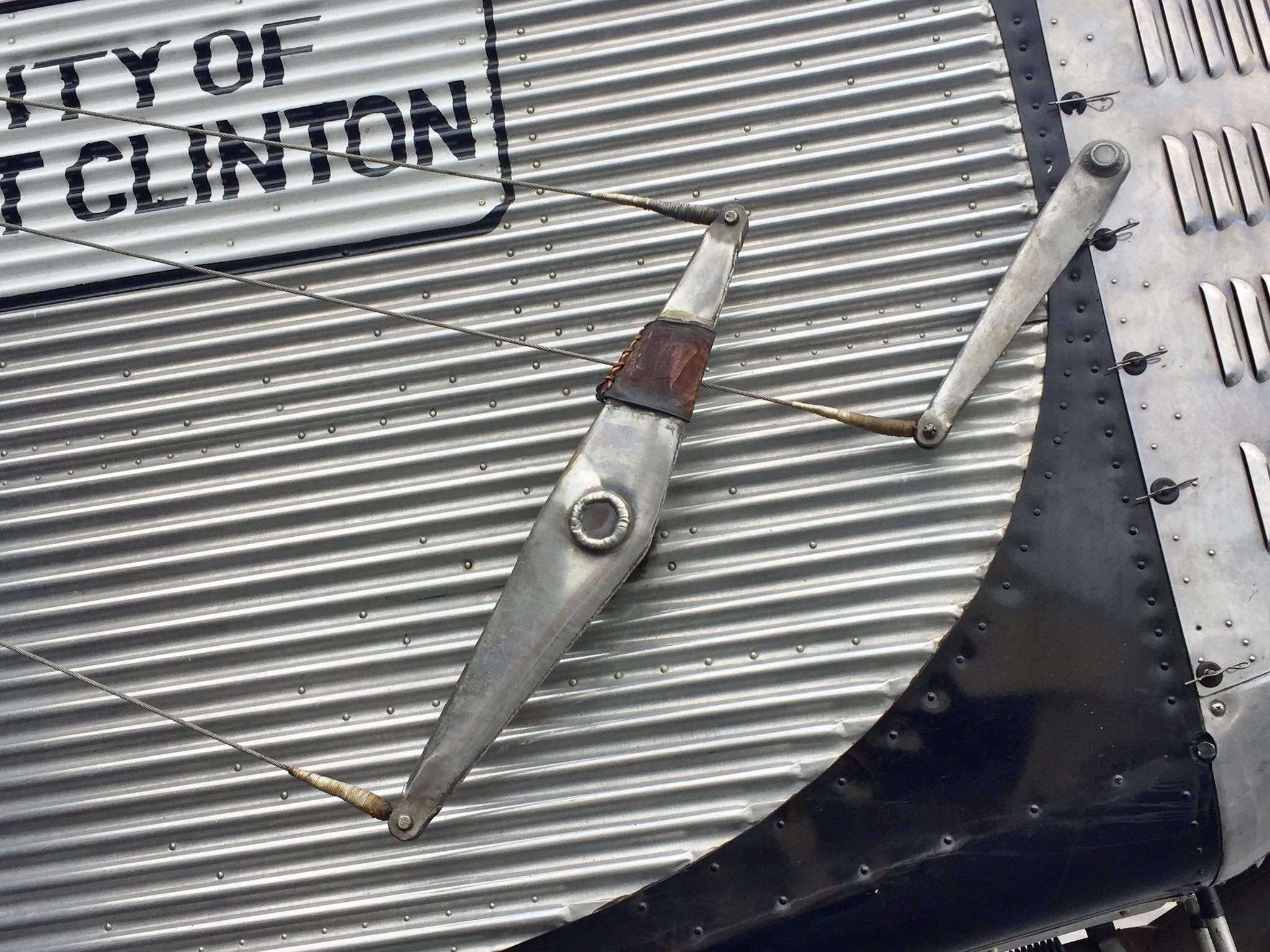
On February 10, 2013, this aircraft was acquired by Liberty Aviation Museum of Port Clinton, Ohio (hence the “City of Port Clinton” name on the starboard side of the fuselage), which, as of this writing, loaned it to the Experimental Aircraft Association (EAA), which has been taking it on U.S. flight tours. My photos and video clips of my flight from McNary Field in Salem, Oregon (except for the historic photos, of course).
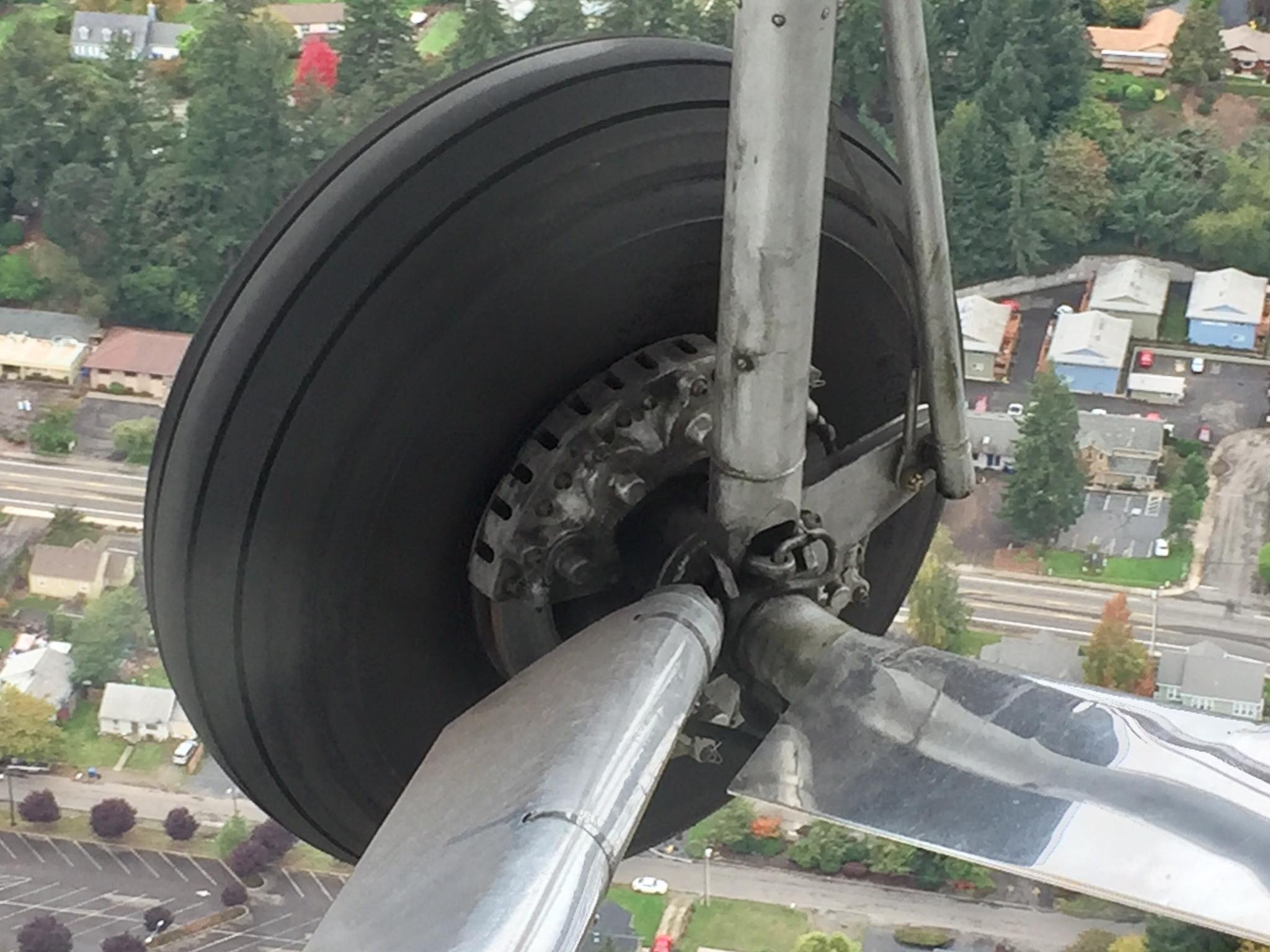
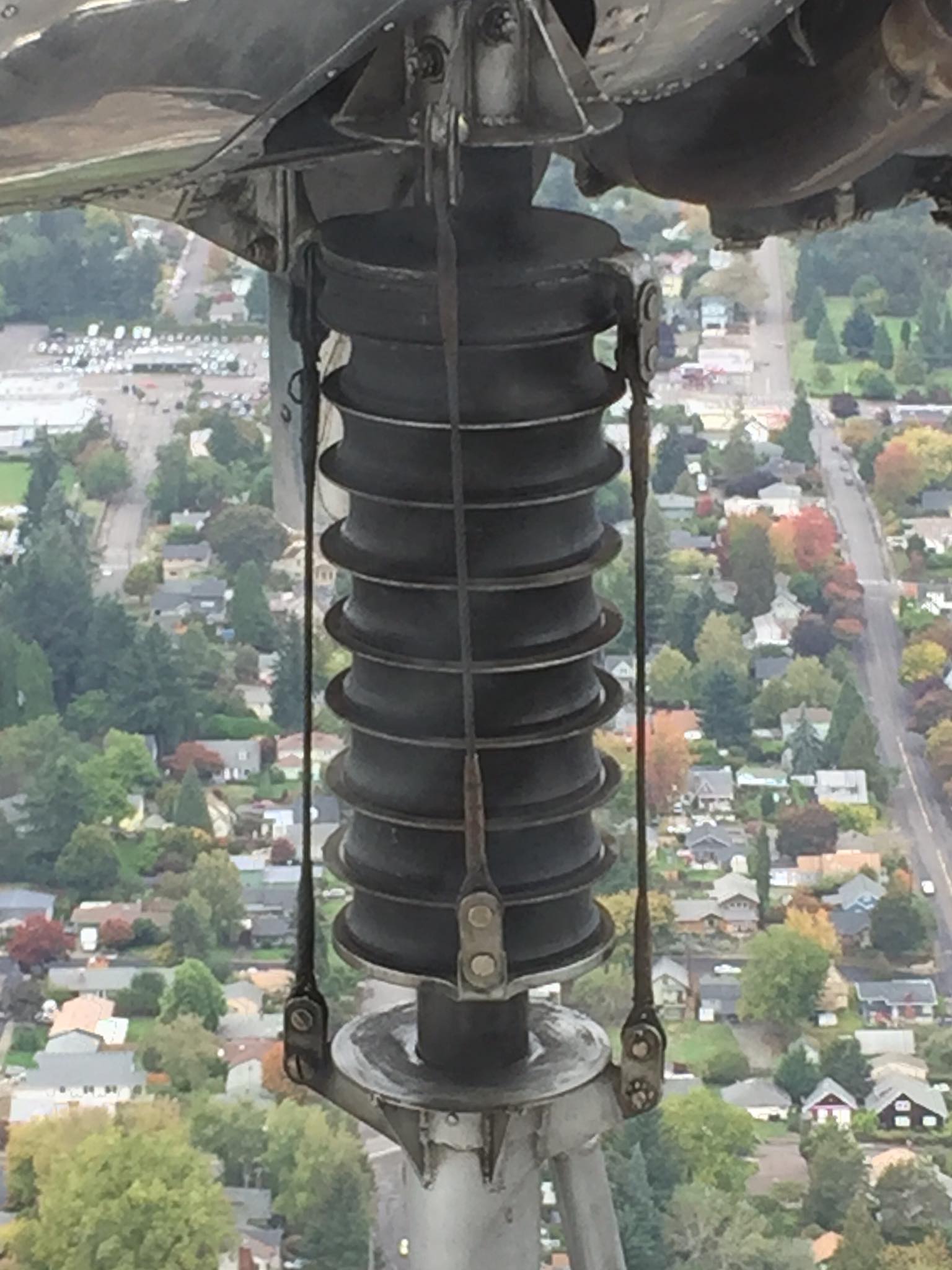
Development of the Ford Tri-Motor, nicknamed the “Tin Goose” or “Flying Washboard,” began with the 1925 “National Air Tour for the Edsel B. Ford Trophy” (or Ford Reliability Tour) sponsored by Henry Ford. Dutch aviation designer Anthony Fokker adapted his single-engine Fokker F.VIIa-3m to a tri-motor aircraft using Wright J-4 Whirlwind engines specifically for the tour. Ford’s interest in aviation had led him to invest in the Stout Metal Airplane Company, owned by William B. Stout.
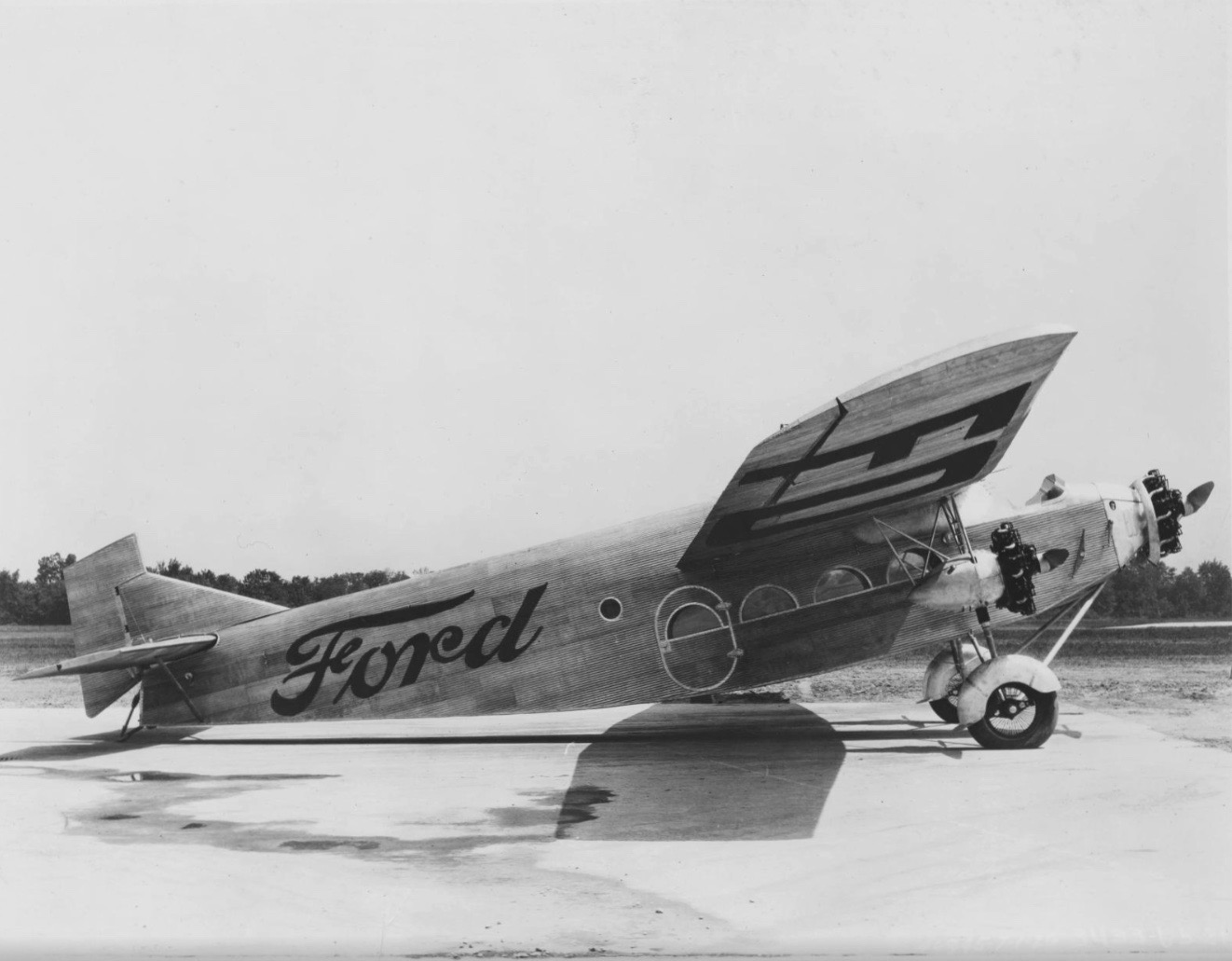
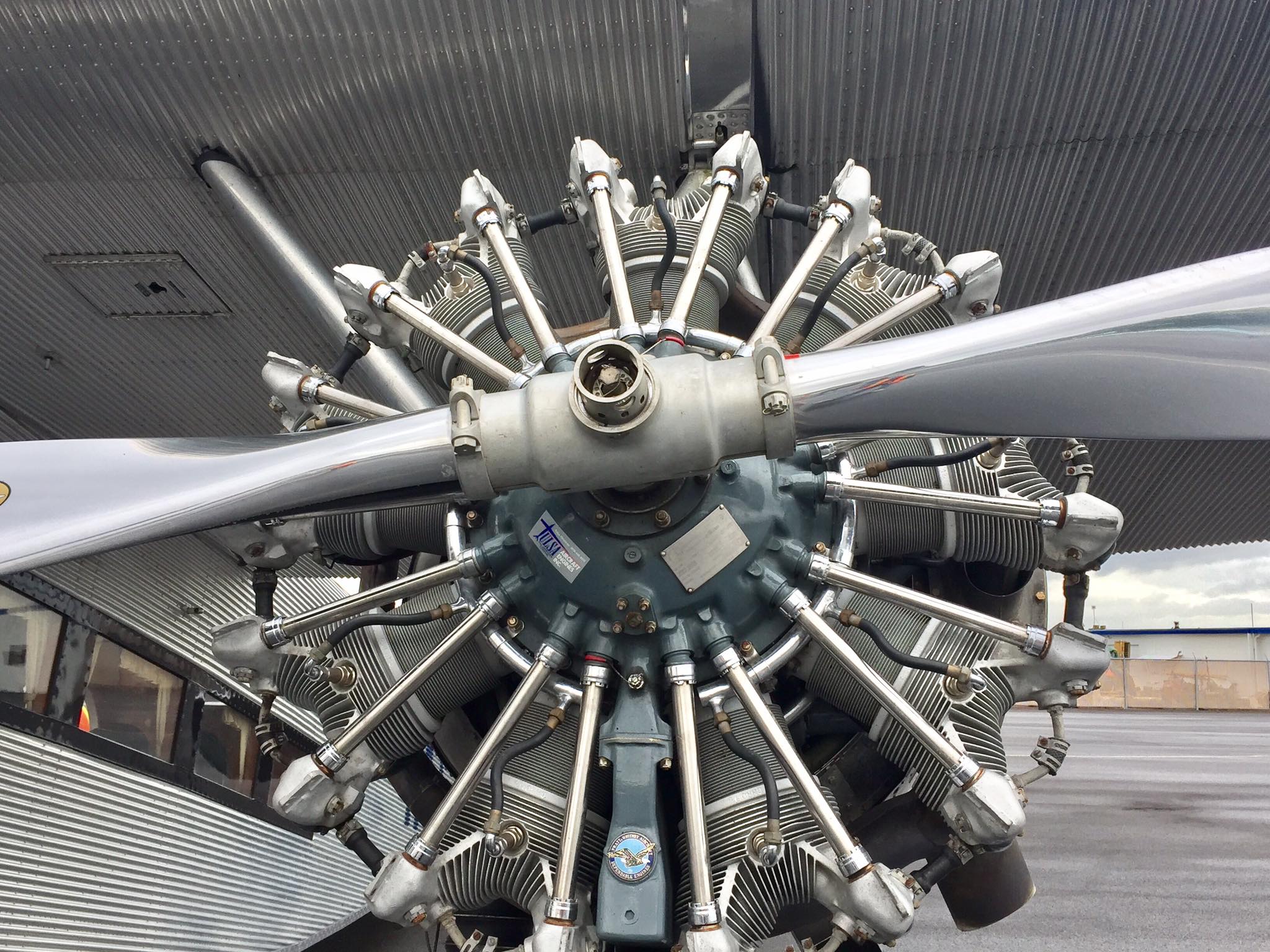
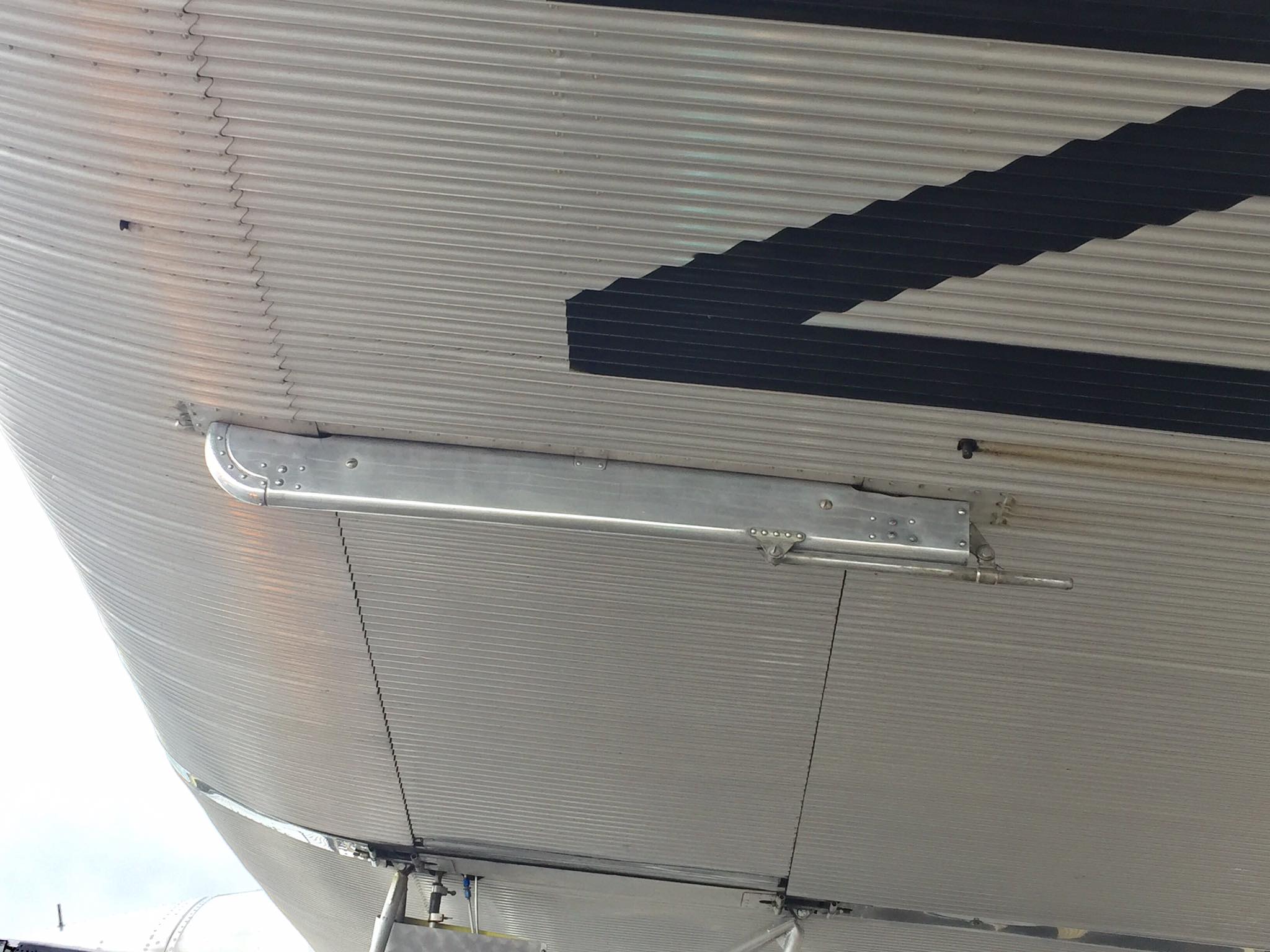
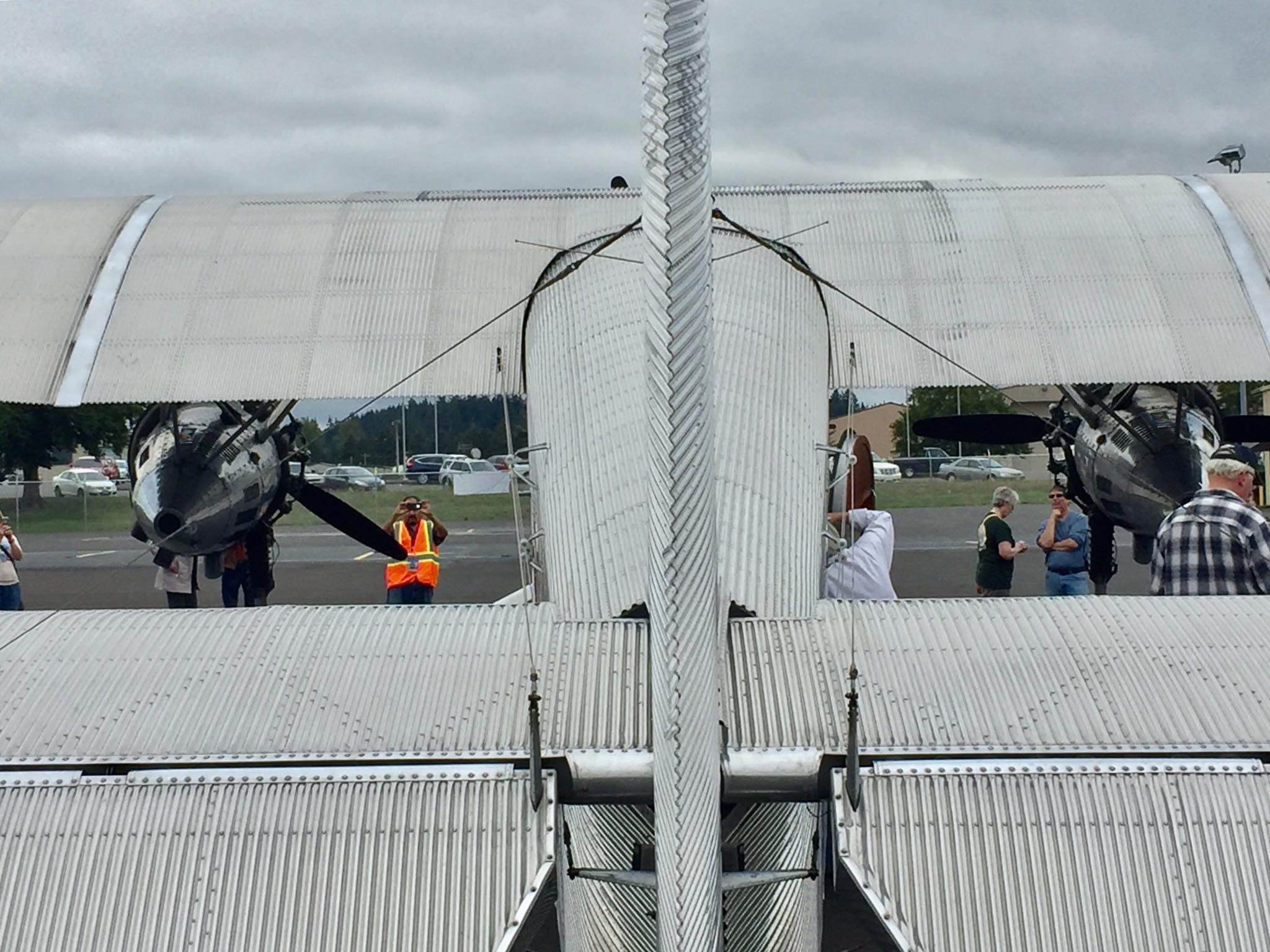
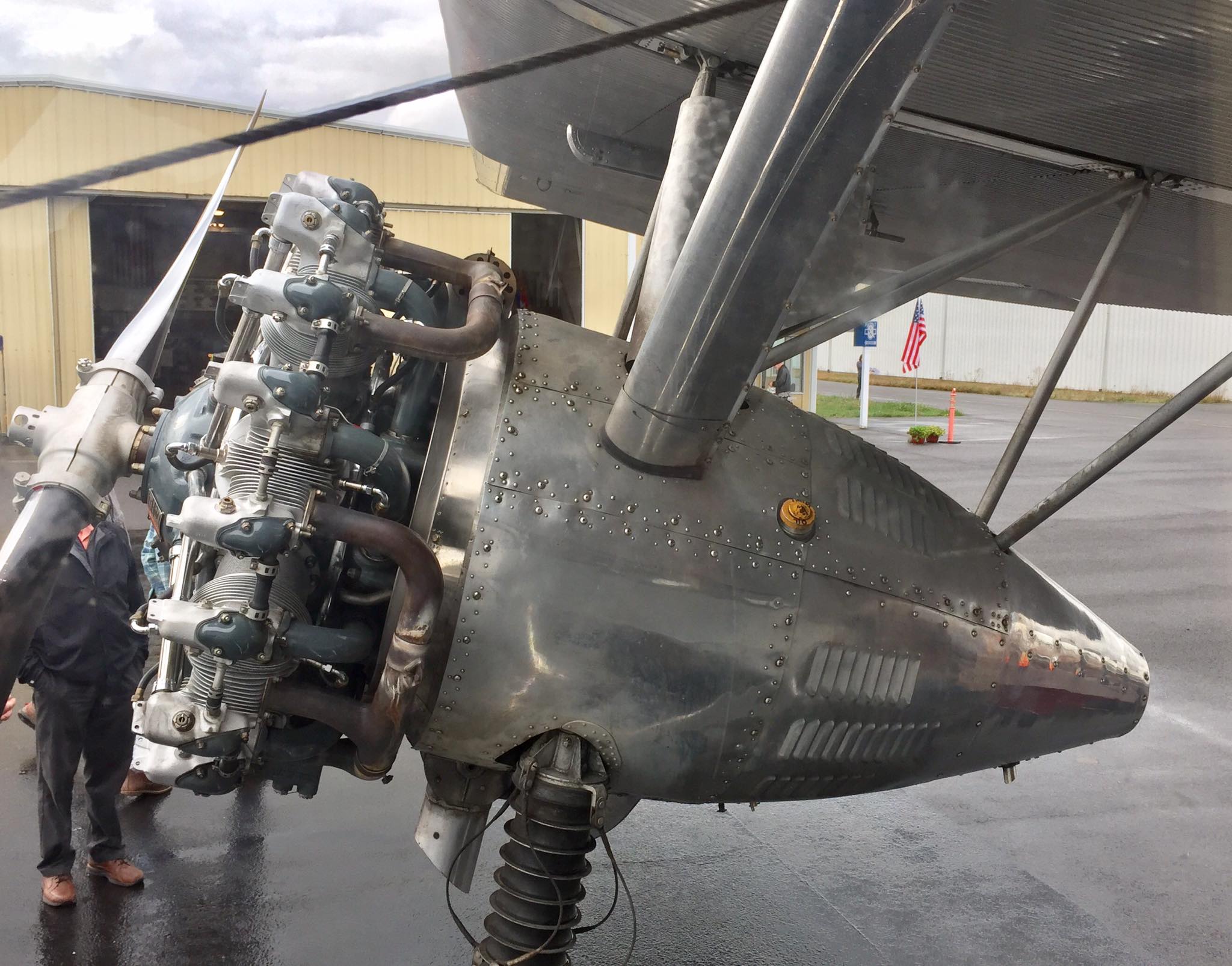
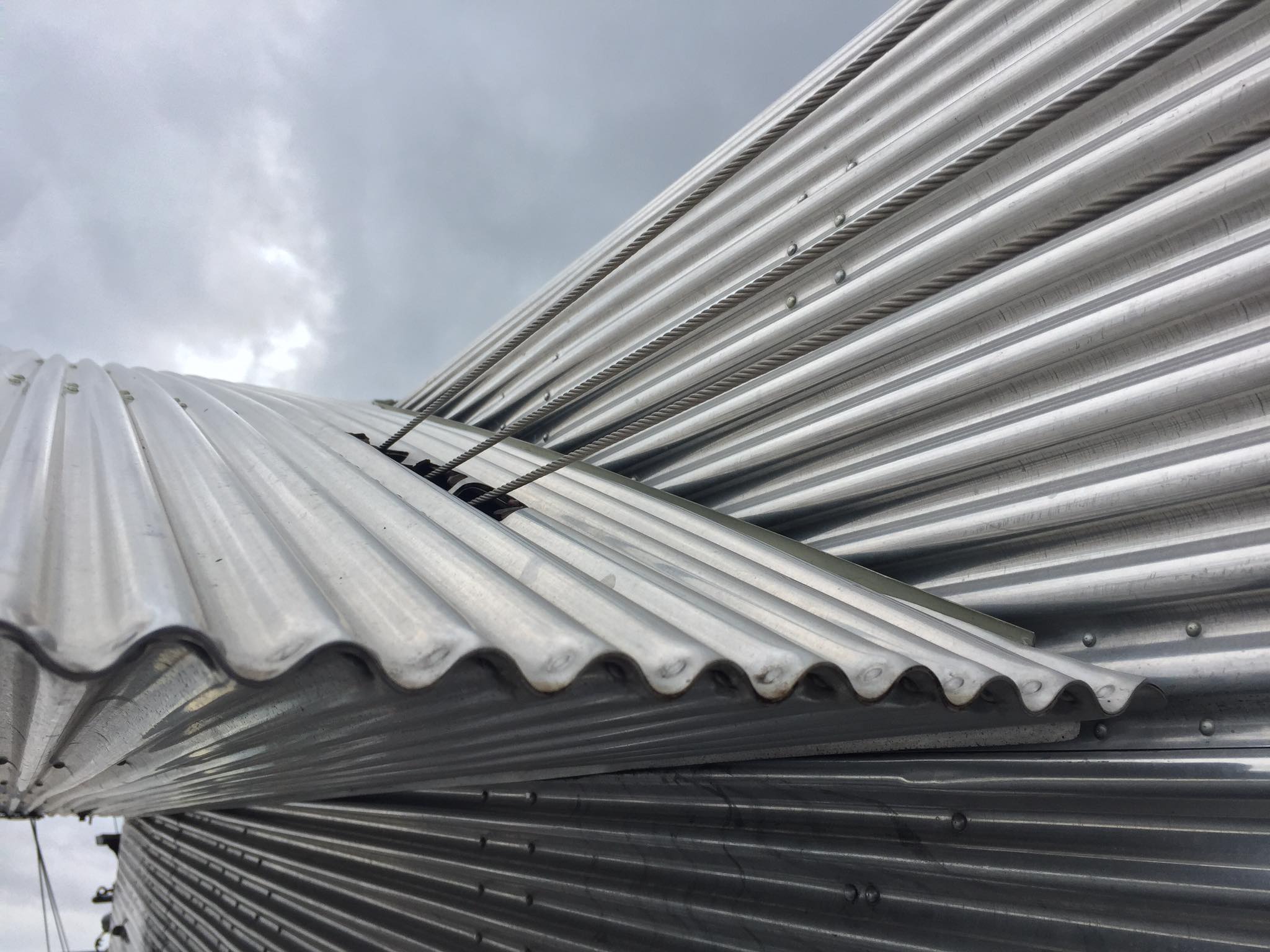
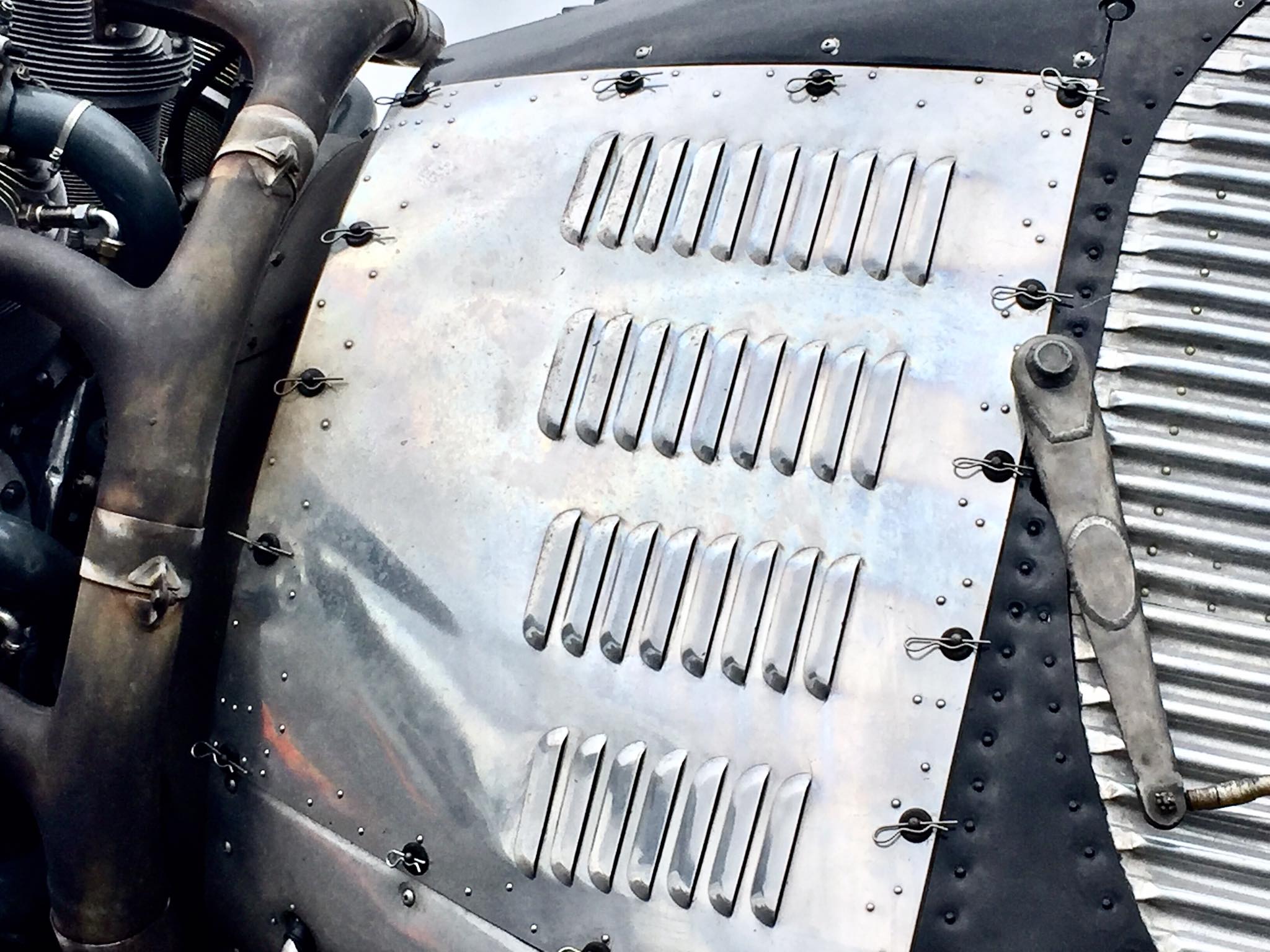
In 1925, Ford bought the Stout company and turned it into the Stout Metal Airplane Division of the Ford Motor Company. While flying a Fokker F.VIIa-3m, nicknamed the “Josephine Ford” for his 1926 polar flight attempt, Commander Richard E. Byrd, Jr. visited Ford in Dearborn and may have been an inspiration for the Tri-Motor’s resulting design. Ford had his engineers adapt the Stout 2-AT Pullman single-engine aircraft (one of which had taken part in the Ford Reliability Tour of 1925) to a tri-motor and introduced his tri-motor in 1926 as a transport aircraft. Originally powered by three Wright Cyclone engines, the later modifications were upgraded to the more powerful Pratt & Whitney R-985 radial engines (some later military transport versions had the more powerful Pratt & Whitney R-1340 engines). The skin was made of corrugated Alclad, which, while adding strength, added drag; and, unusual for its time, the control surfaces were also metal rather than fabric. The rudder and elevator control cables were externally mounted (as they were not uncommon for the time: the Polikarpov PO-2, for example), and a Venturi Tube provided power to the gauges.
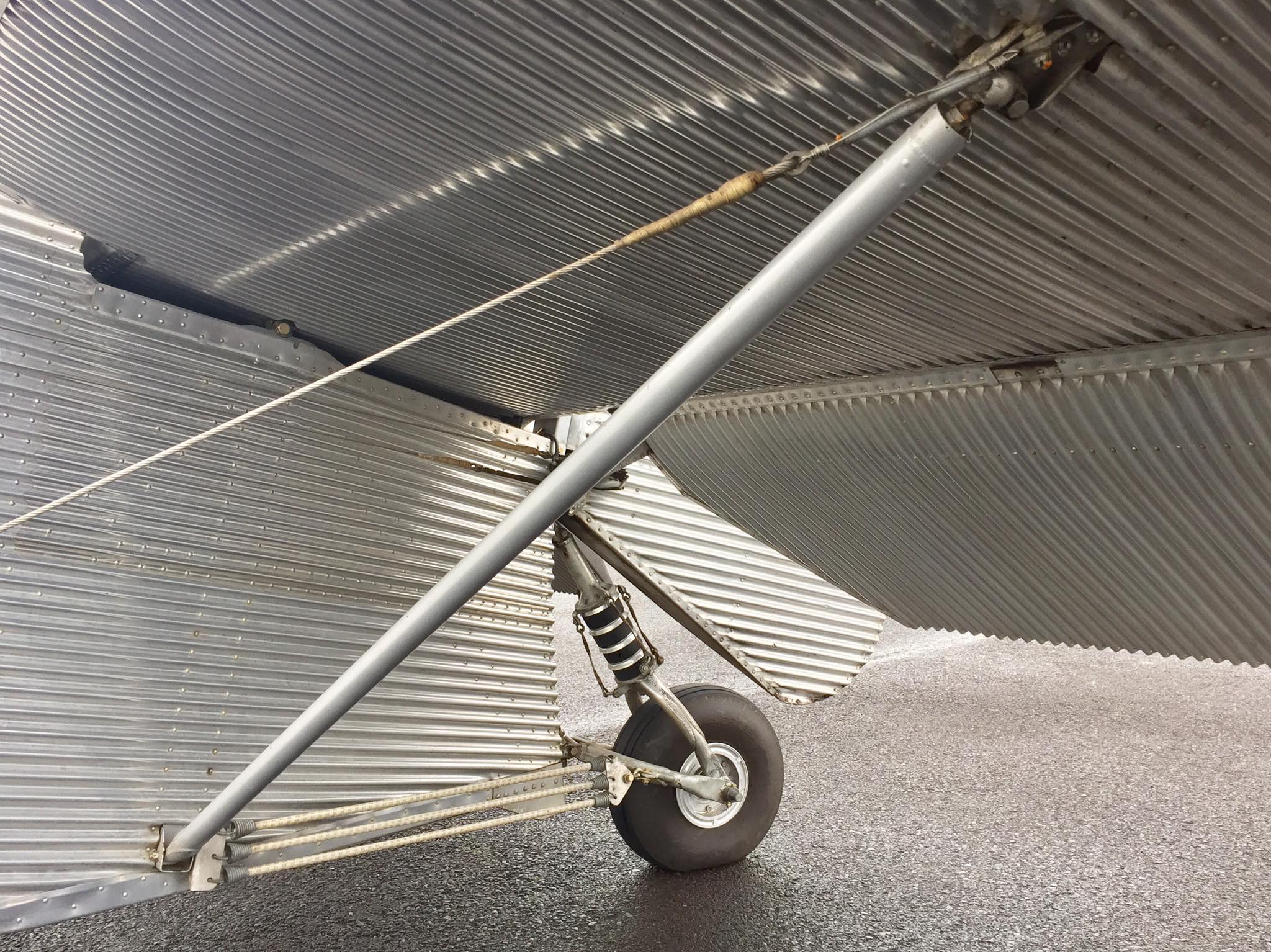
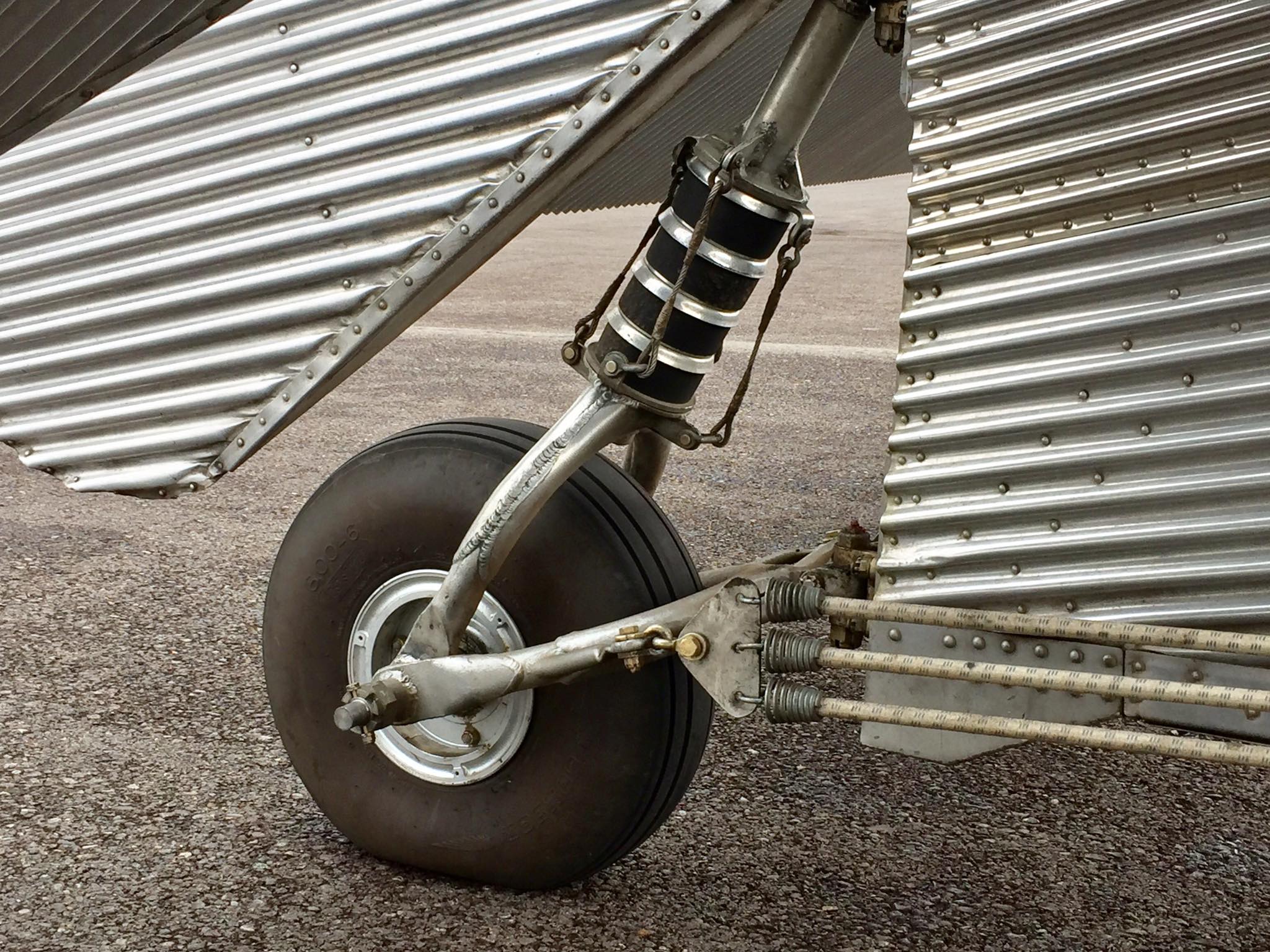
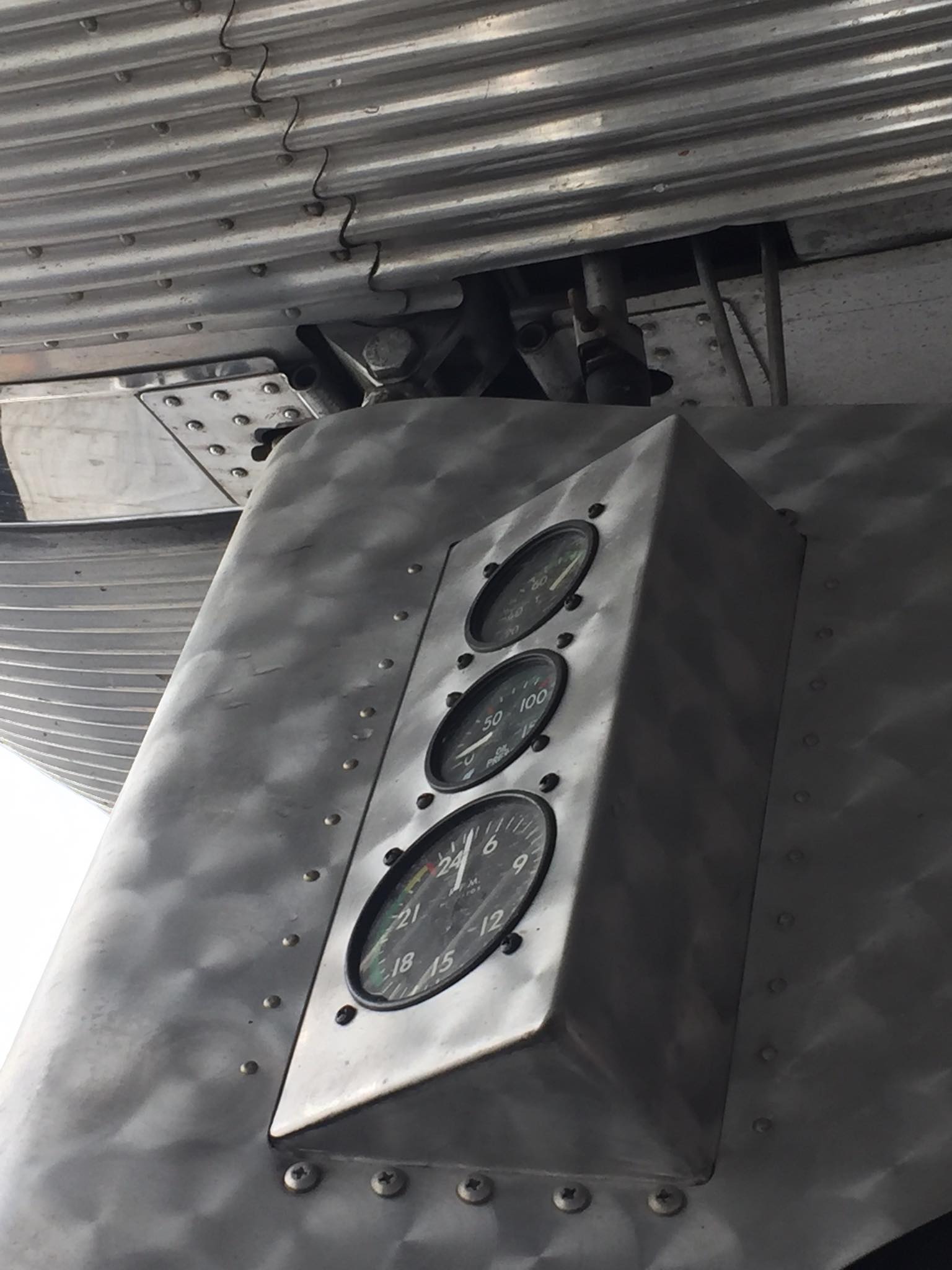
With the combination of a maximum speed of 130 knots (and a stall speed of 56 knots) and its high-lift wing design, the aircraft was not fitted with flaps. The oil pressure gauge, oil temperature gauge, and engine tachometers for the port and starboard engines were mounted on corresponding fairings on the engine pylons and are visible from the cockpit. The tail wheel was fitted with shock or bungee cords (“bungee” or “bungie” is thought to be British slang for rubber made in India).
As a civilian passenger aircraft, variants of the Ford aircraft carried a crew of three, including a flight attendant, and usually 10 passengers in wicker seats. 199 aircraft were produced and used by approximately 100 airlines, oil companies and the like. Pan American Airways flew Ford Tri-Motors for its first scheduled international flights from Key West, Florida, to Havana, Cuba, in 1927. Flying a Ford Tri-Motor on November 28-29, 1929, Norwegian pilot Berndt Balchen (with Commander Byrd as his navigator, Harold June as his copilot, and radio operator Ashley McKinley) became the first pilot to fly over the South Pole.
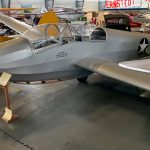
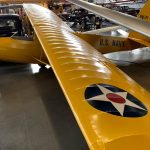
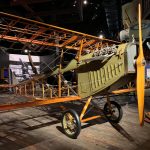
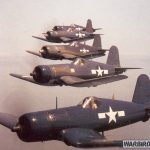
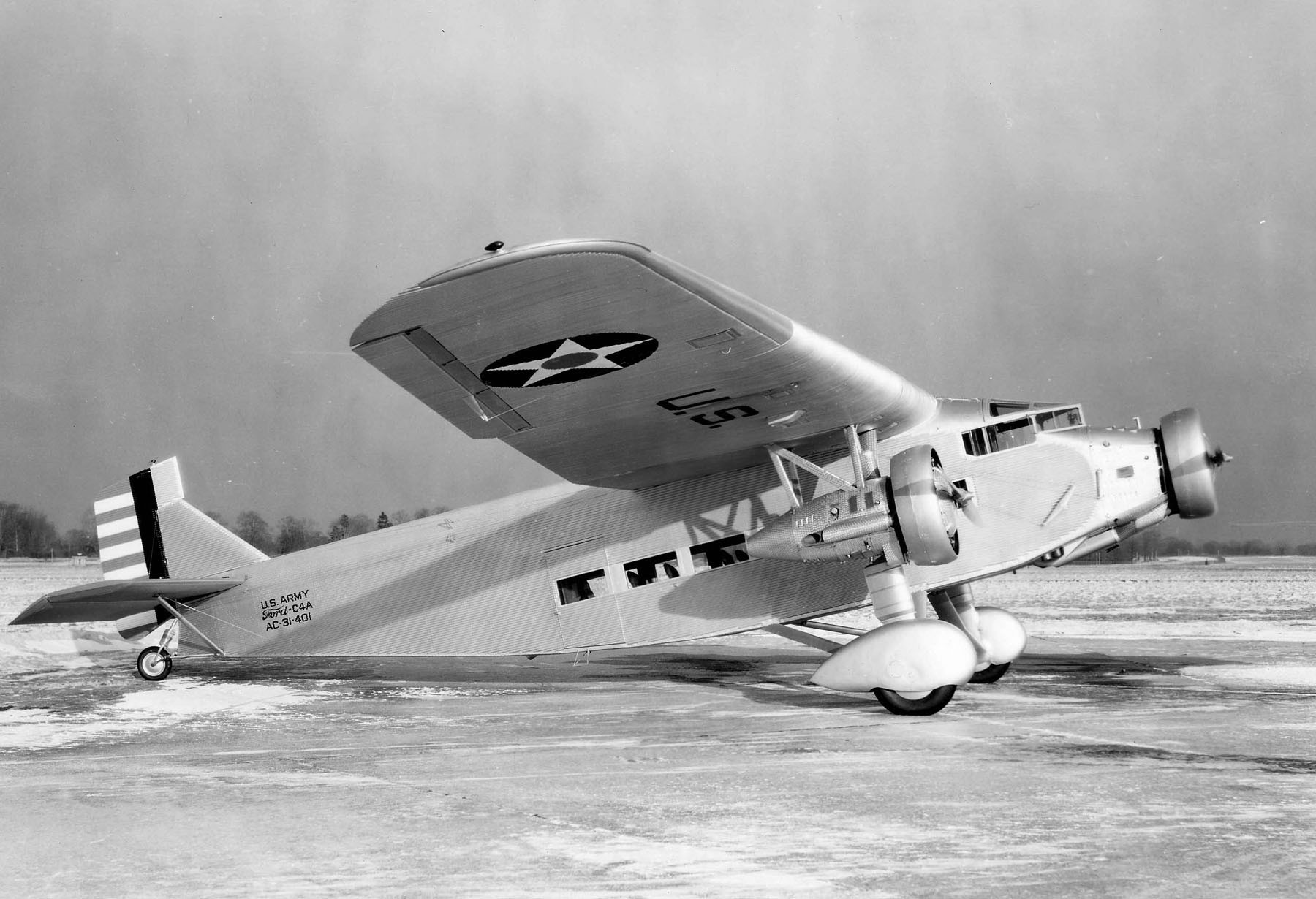
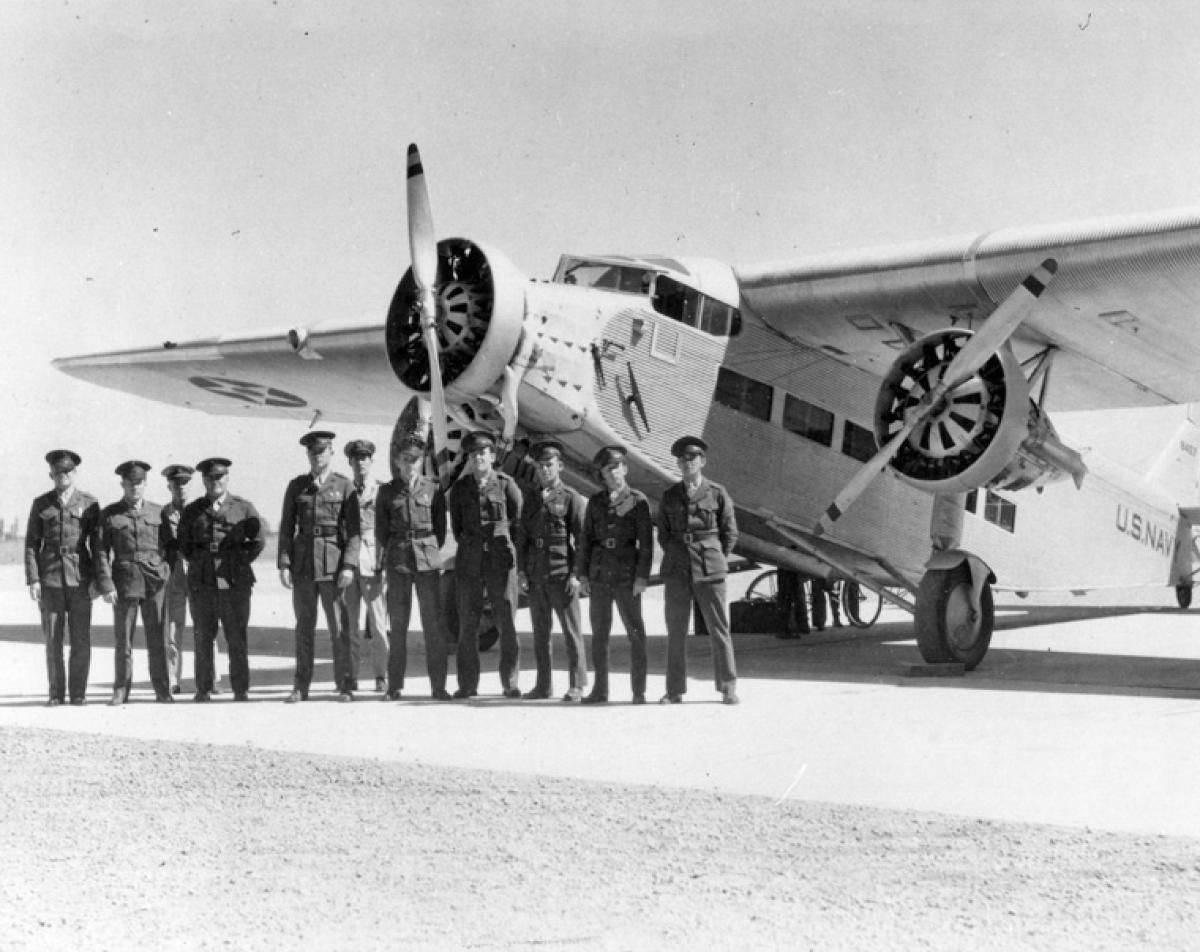
President Franklin D. Roosevelt rode in a Ford Tri-Motor during his 1932 presidential campaign (making this one of the first uses of aircraft in a political campaign). During World War II, a number of aircraft were converted for military use and flown by the U.S. Army Air Corps/Air Forces (thirteen aircraft, designated C-3, C-4 and C-9), U.S. Marines (a small number, designated JR-2 and JR-3), U.S. Navy (nine aircraft, designated JR-3 and XJR-1), Royal Australian Air Force (two), and several other nations’ military services (see photos).
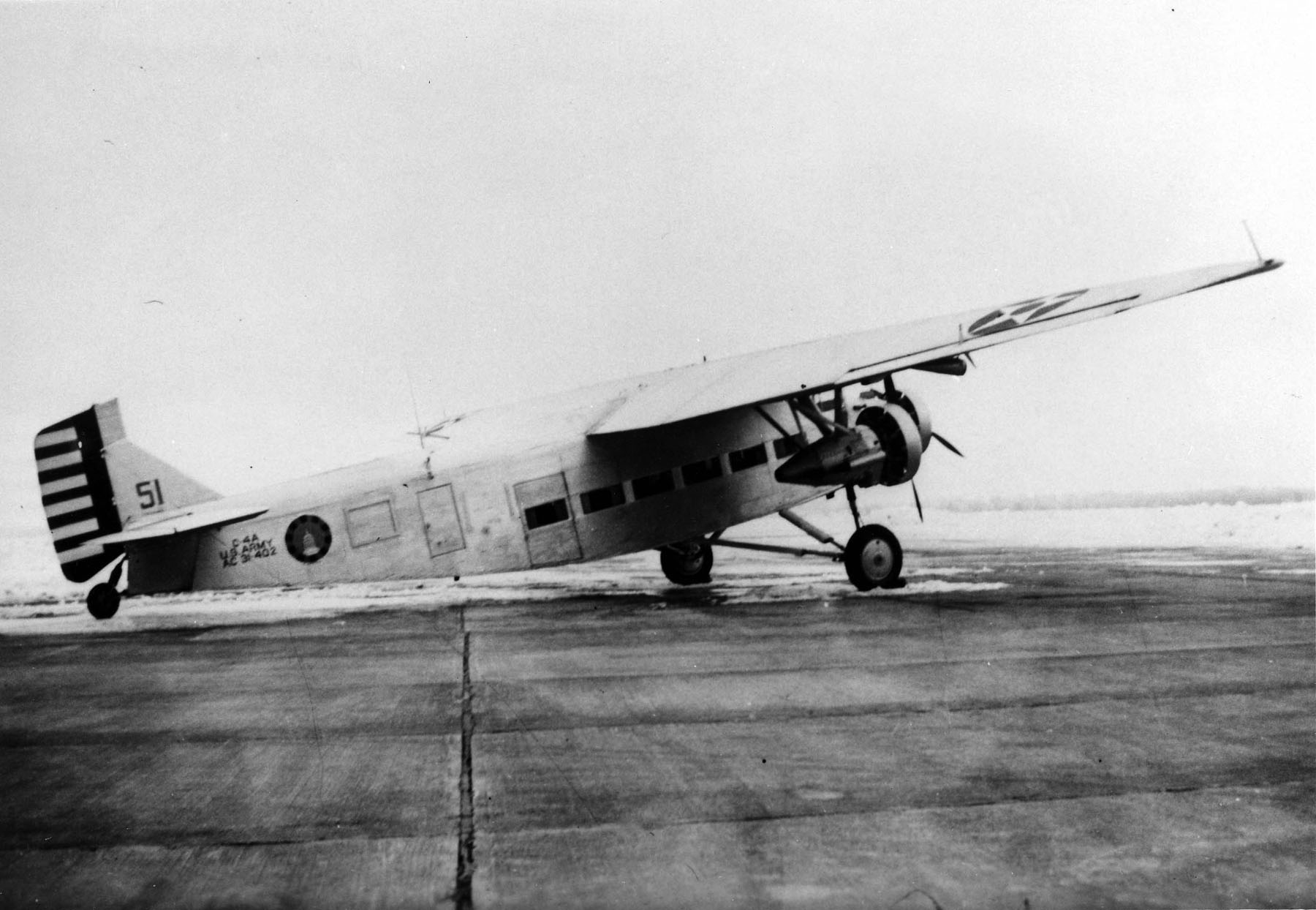
A Tri-Motor was famously used as part of the evacuations during the Battle of Bataan in 1942, hauling 24 people nearly 500 miles twice a day, until it was strafed and destroyed by a Japanese aircraft (I have yet to determine the unit or crew of that aircraft). The aircraft shares some similarity to the German Junkers Ju 52, the “Tante Ju” (Aunt Ju) or “Iron Annie” developed in the early 1930s ostensibly for civilian use and later used extensively by Axis forces prior to and during World War II. Junkers and Ford went on to sue and counter-sue as a result of the similarities between aircraft designs. The Ju 52 was powered in some cases by three Pratt & Whitney R-1340 Wasp 9-cylinder radial engines or by BMW VIIa engines.
Henry Ford was a noted and published anti-Semite and admired by Adolph Hitler (I understand Hitler kept a photo of Ford in his office). Kurt Ludecke, a Hitler supporter, arrived in the U.S. in January 1924 as a reporter for the Völkischer Beobachter, the Nazi newspaper. He met with Siegfried Wagner, the son of composer Richard Wagner, and his English wife Winifred, both anti-Semites (Winifred was a close friend of Hitler and visited him while he was in Landsberg Prison following the Munich Beer Hall Putsch and is reported to have supplied Hitler with some of the paper on which Mein Kampf was typed by Rudolph Hess). In February 1924, Ludecke and the two Wagners met with Ford at his home in an effort to secure funding for the Nazi Party in Germany. Ford was also presented with the “Verdienstorden vom Deutschen Adler” (Grand Cross of the German Eagle) by Nazi officials in Dearborn, Michigan, on the occasion of his 75th birthday in 1938.
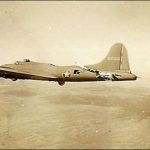
Ford vehicles had been supplied to Axis forces prior to the outbreak of World War II and so were used during the war (I spoke with a Boeing B-17 ball turret gunner who bailed out of his aircraft and, upon landing, saw a Ford truck and thus initially thought he was amongst Allies until he saw the German Wehrmacht markings – he became a POW).
 About the author: Randy Malmstrom grew up in a family steeped in aviation culture. His father, Bob, was still a cadet in training with the USAAF at the end of WWII but did serve in Germany during the U.S. occupation in the immediate post-war period, where he had the opportunity to fly in a wide variety of types that flew in WWII. After returning to the States, Bob became a multi-engine aircraft sales manager and, as such, flew a wide variety of aircraft; Randy frequently accompanied him on these flights. Furthermore, Randy’s cousin, Einar Axel Malmstrom, flew P-47 Thunderbolts with the 356th FG from RAF Martlesham Heath. He was commanding this unit at the time he was shot down over France on April 24th, 1944, and spent the rest of the war as a prisoner of war. Following his repatriation at war’s end, Einar continued his military service, attaining the rank of Colonel. He was serving as Deputy Wing Commander of the 407th Strategic Fighter Wing at Great Falls AFB, MT, at the time of his death in a T-33 training accident on August 21, 1954. The base was renamed in his honor in October 1955 and continues to serve in the present USAF as home to the 341st Missile Wing. Randy’s innate interest in history in general, and aviation history in particular, plus his educational background and passion for WWII warbirds, led him down his current path of capturing detailed aircraft walk-around photos and in-depth airframe histories, recording a precise description of a particular aircraft in all aspects.