


By Randy Malmstrom
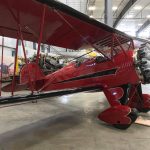
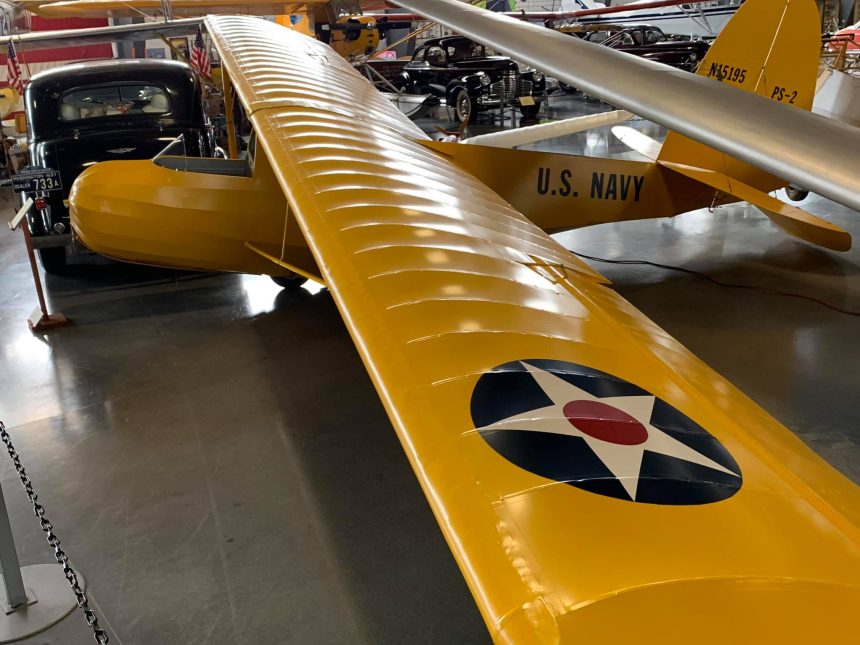
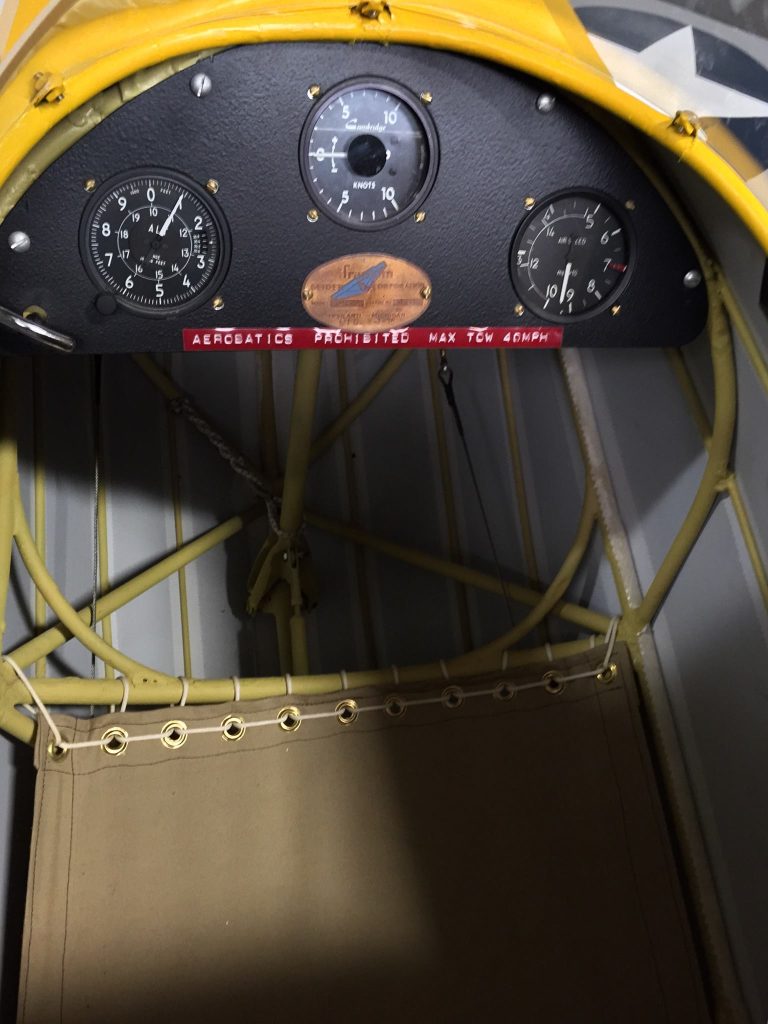
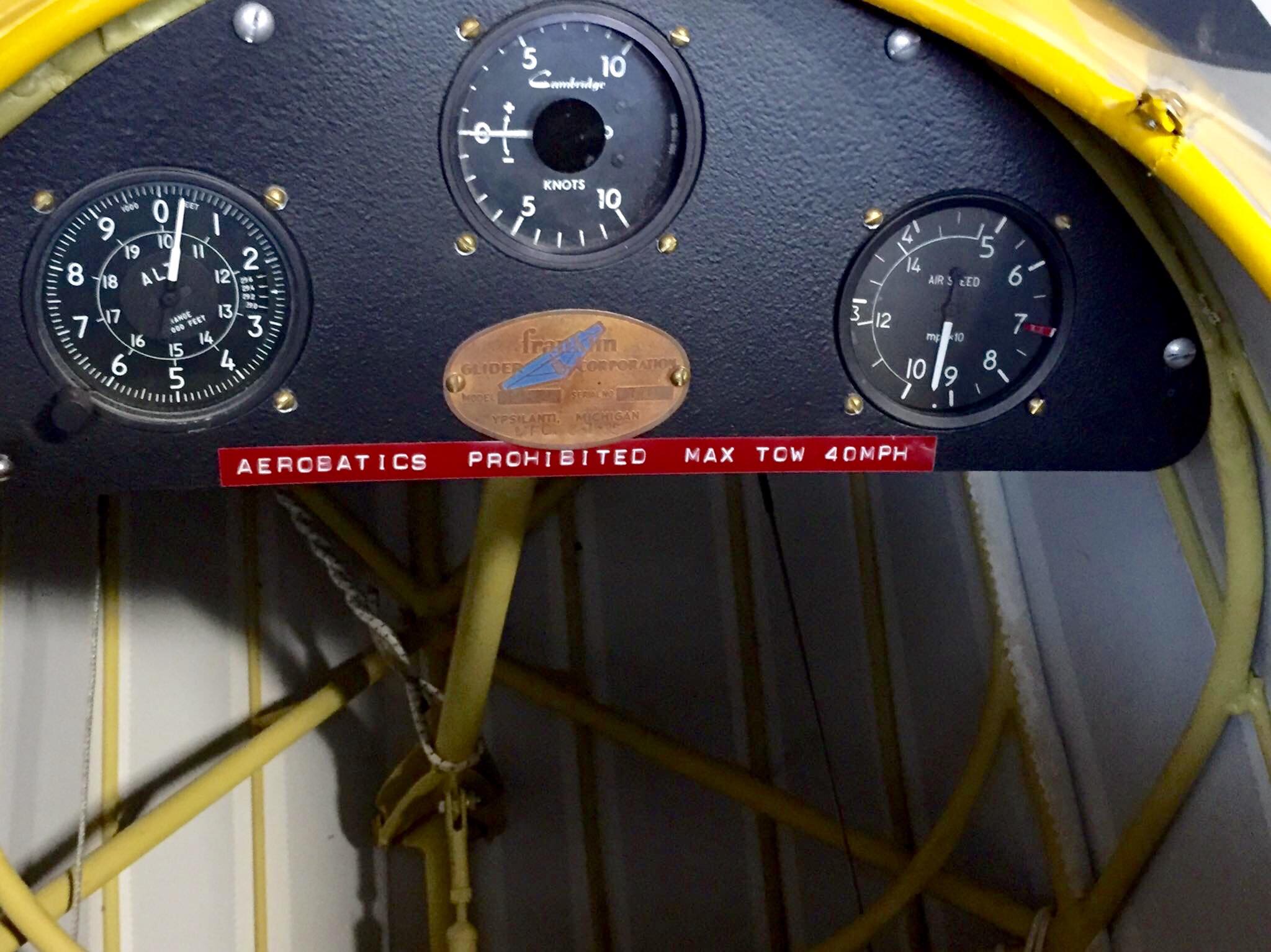
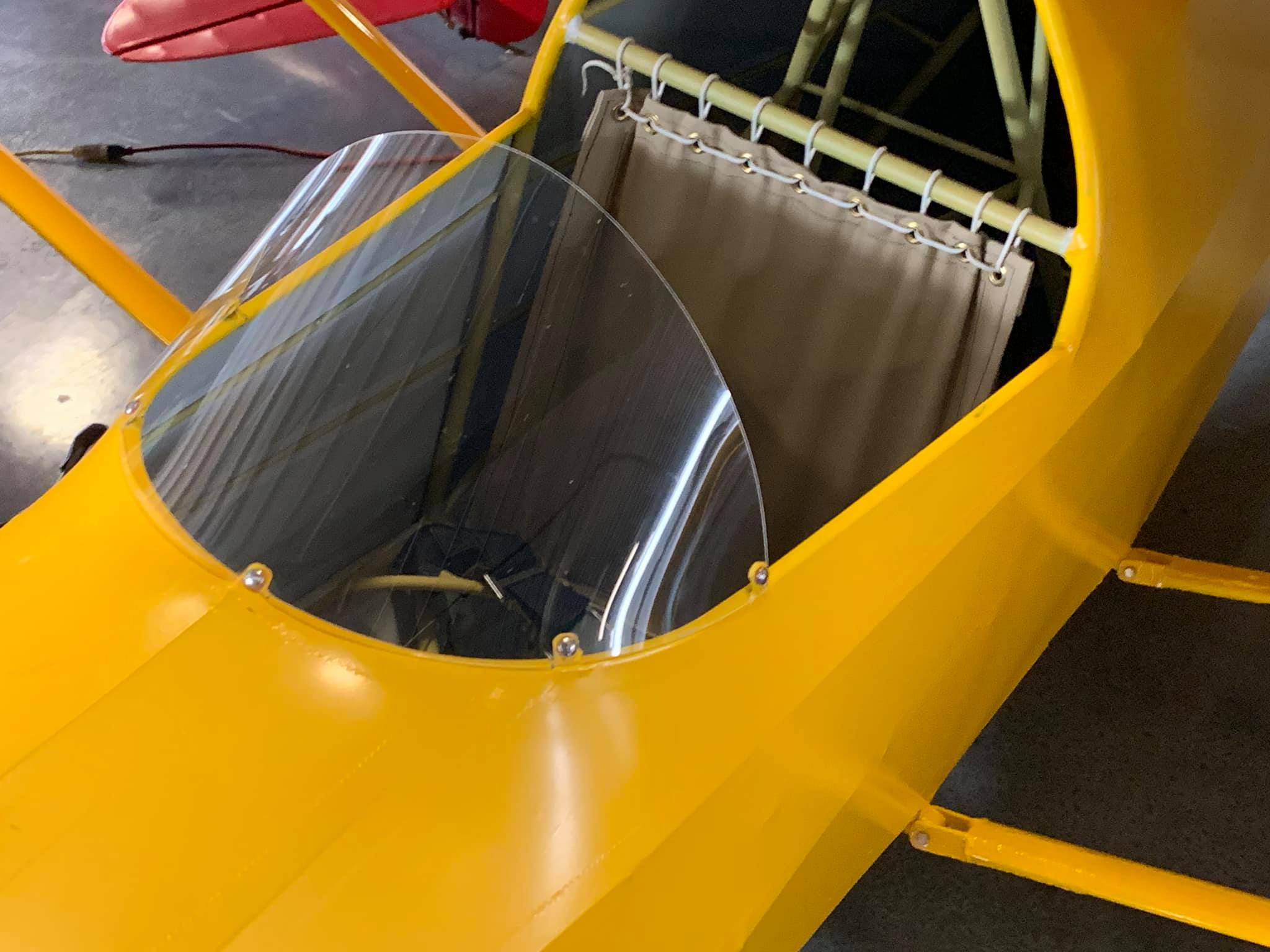
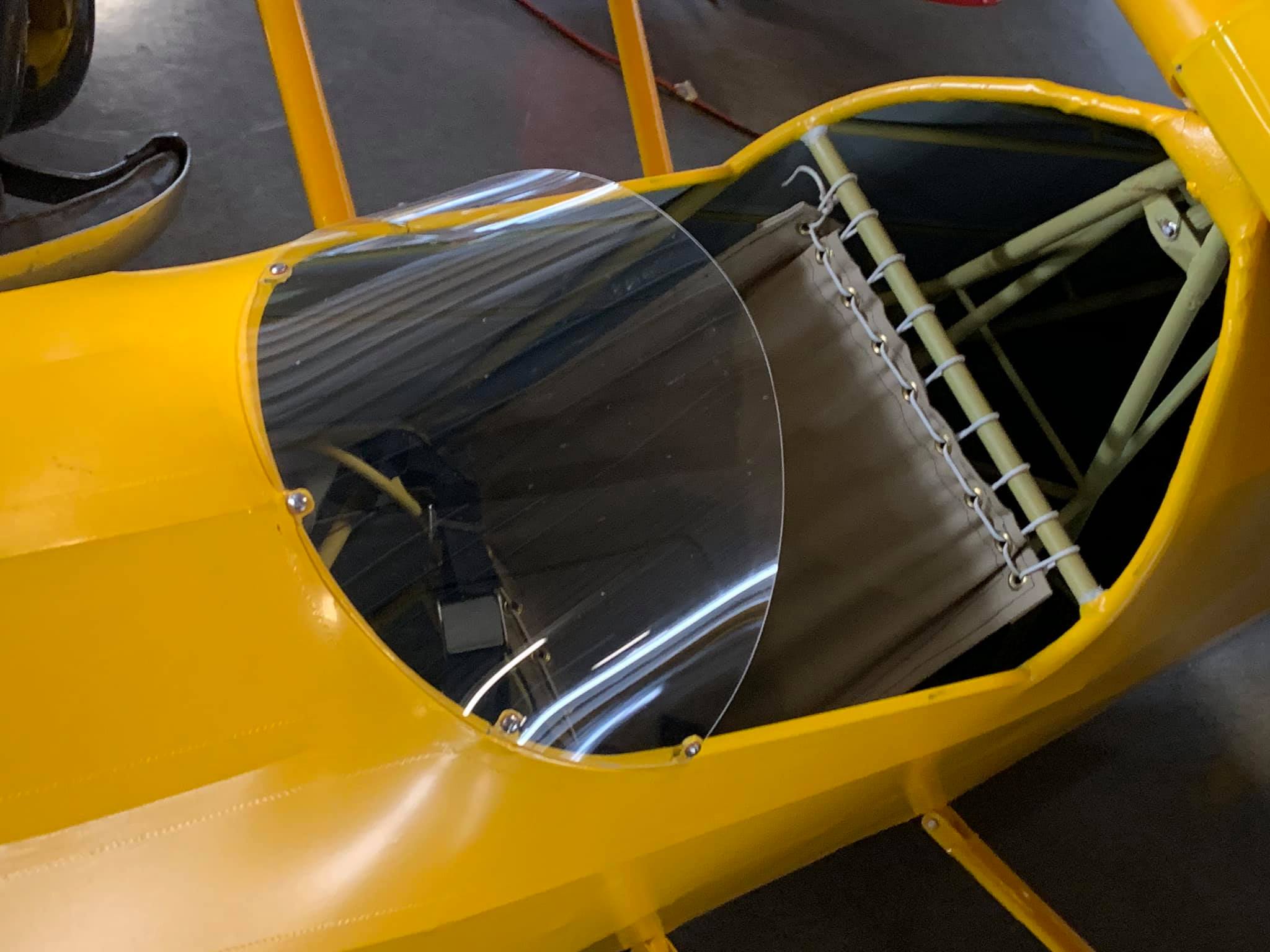
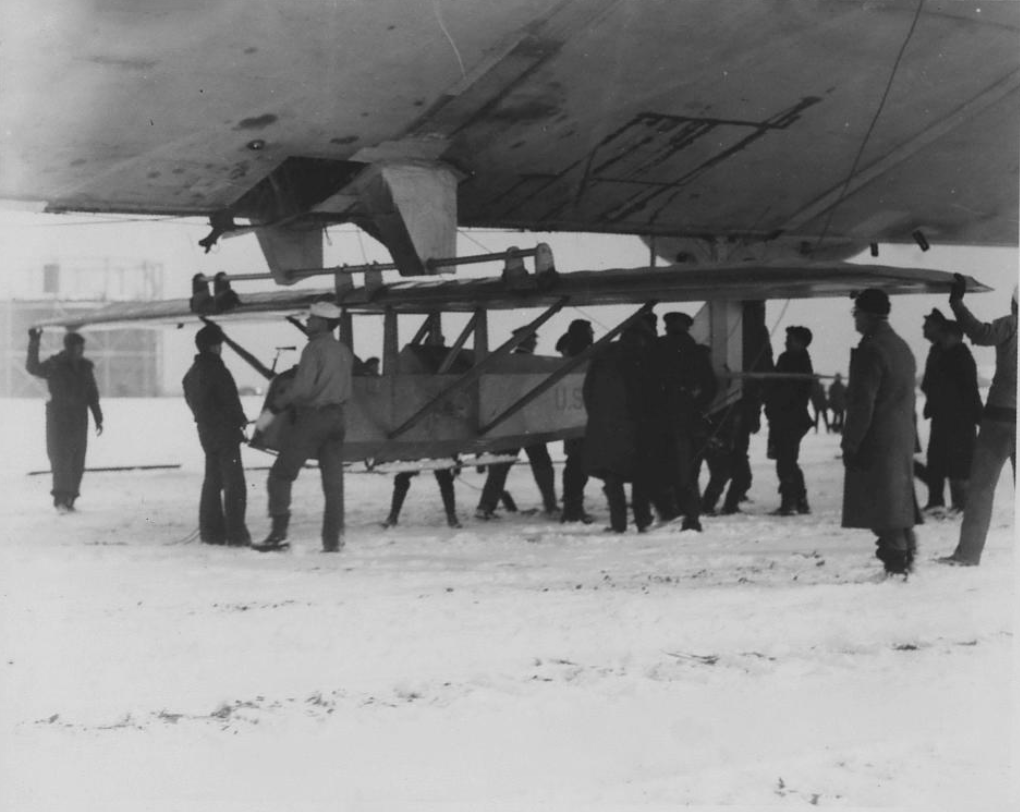
Franklin PS-2, s/n 140. This particular aircraft was built in 1935. In 2014, it was restored to airworthiness by Western Antique Aeroplane & Automobile Museum (WAAAM) in Hood River, Oregon (I do not yet have its flight records). My photos at WAAAM (except for the historical photos at NAS Pensacola and the Prüfling glider hanging from the USS Los Angeles).
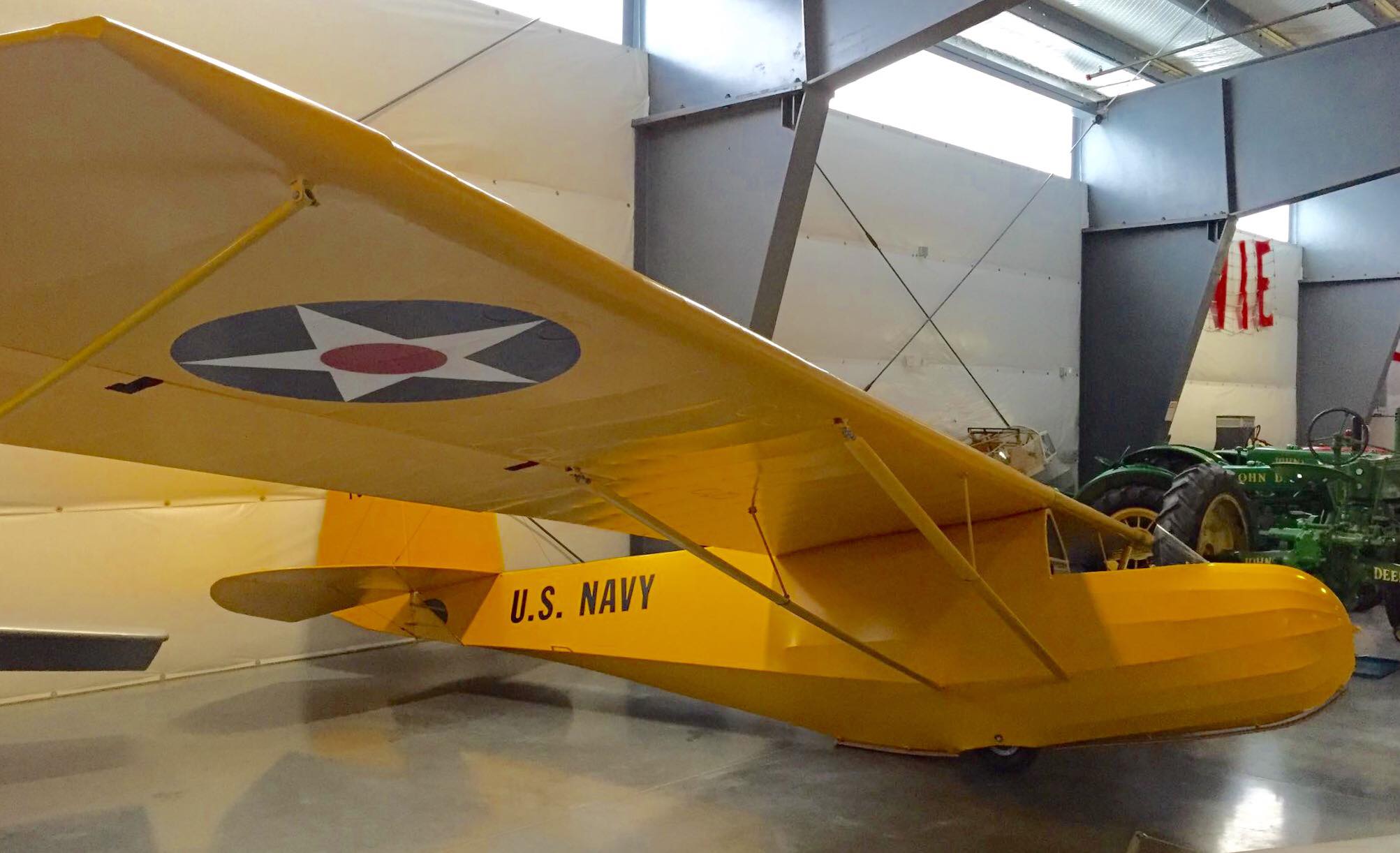
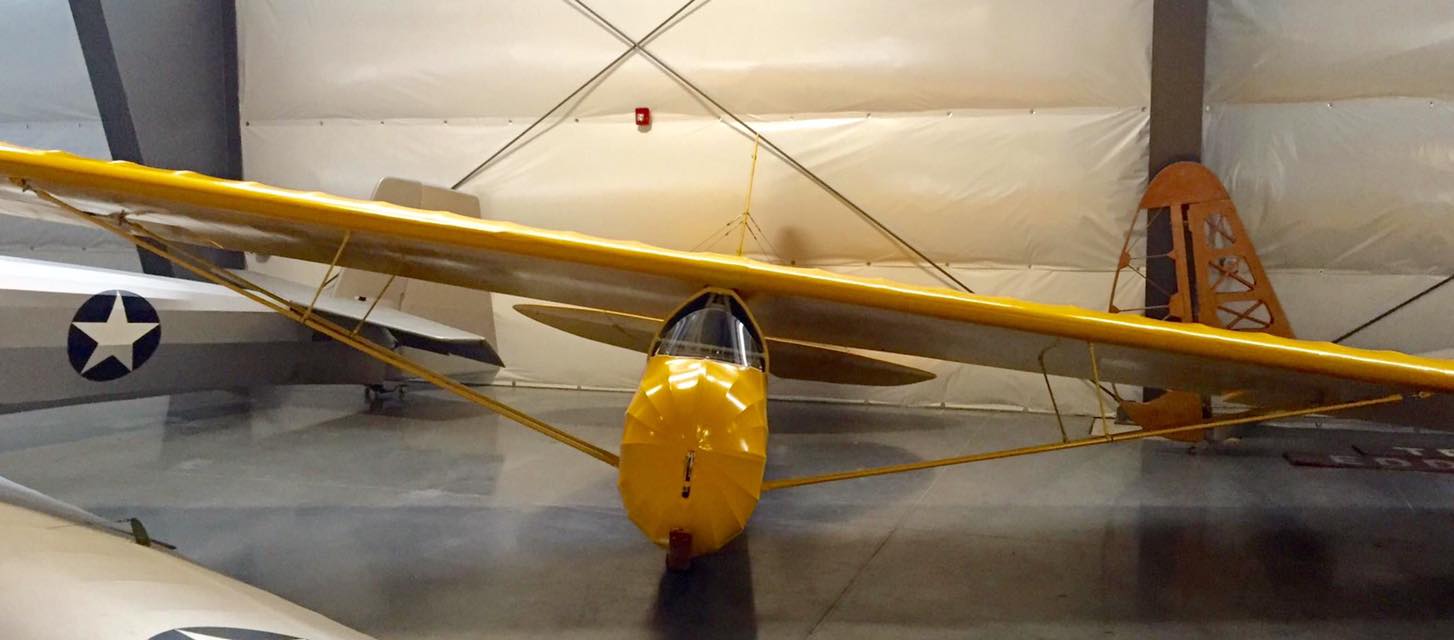
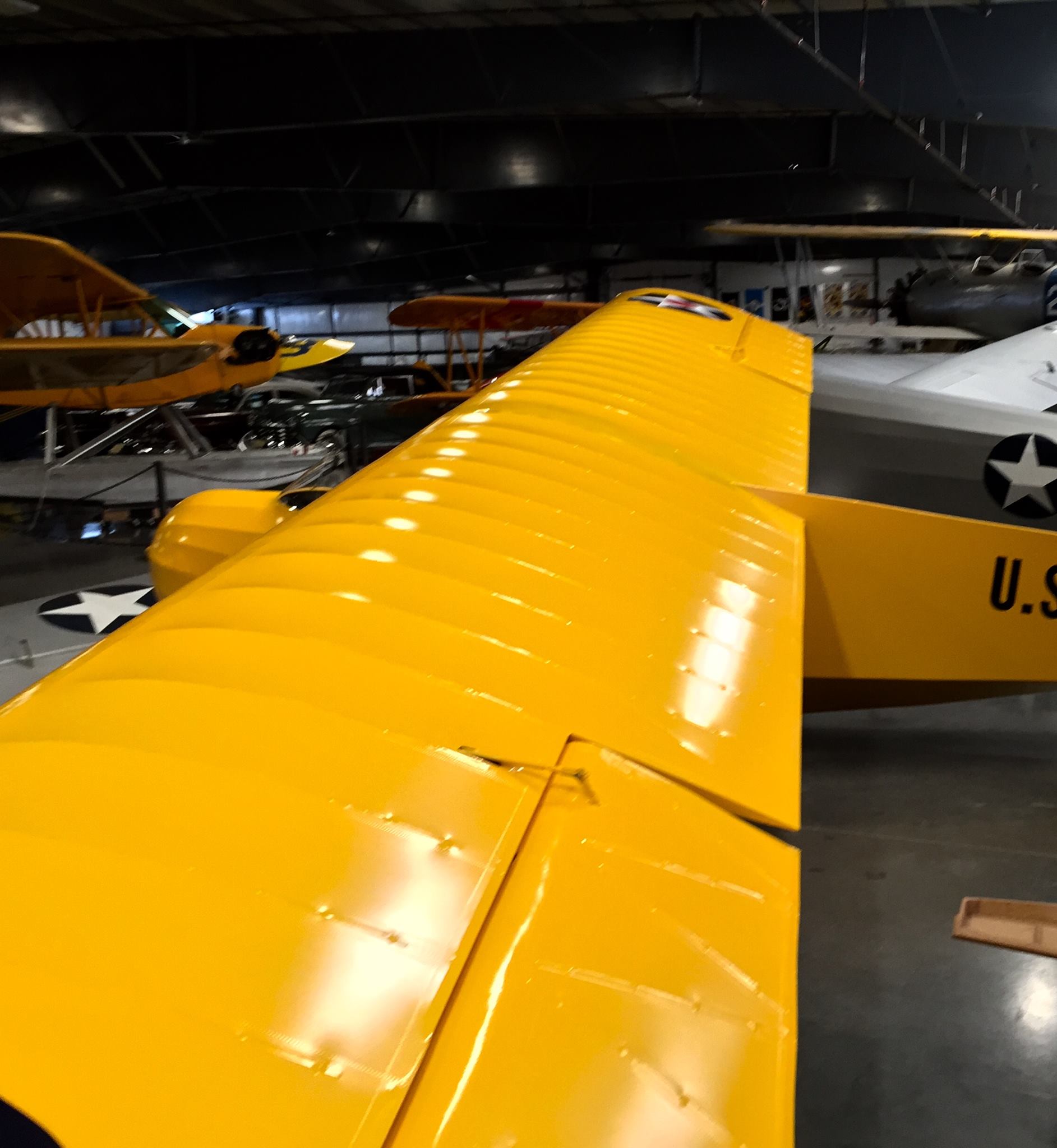
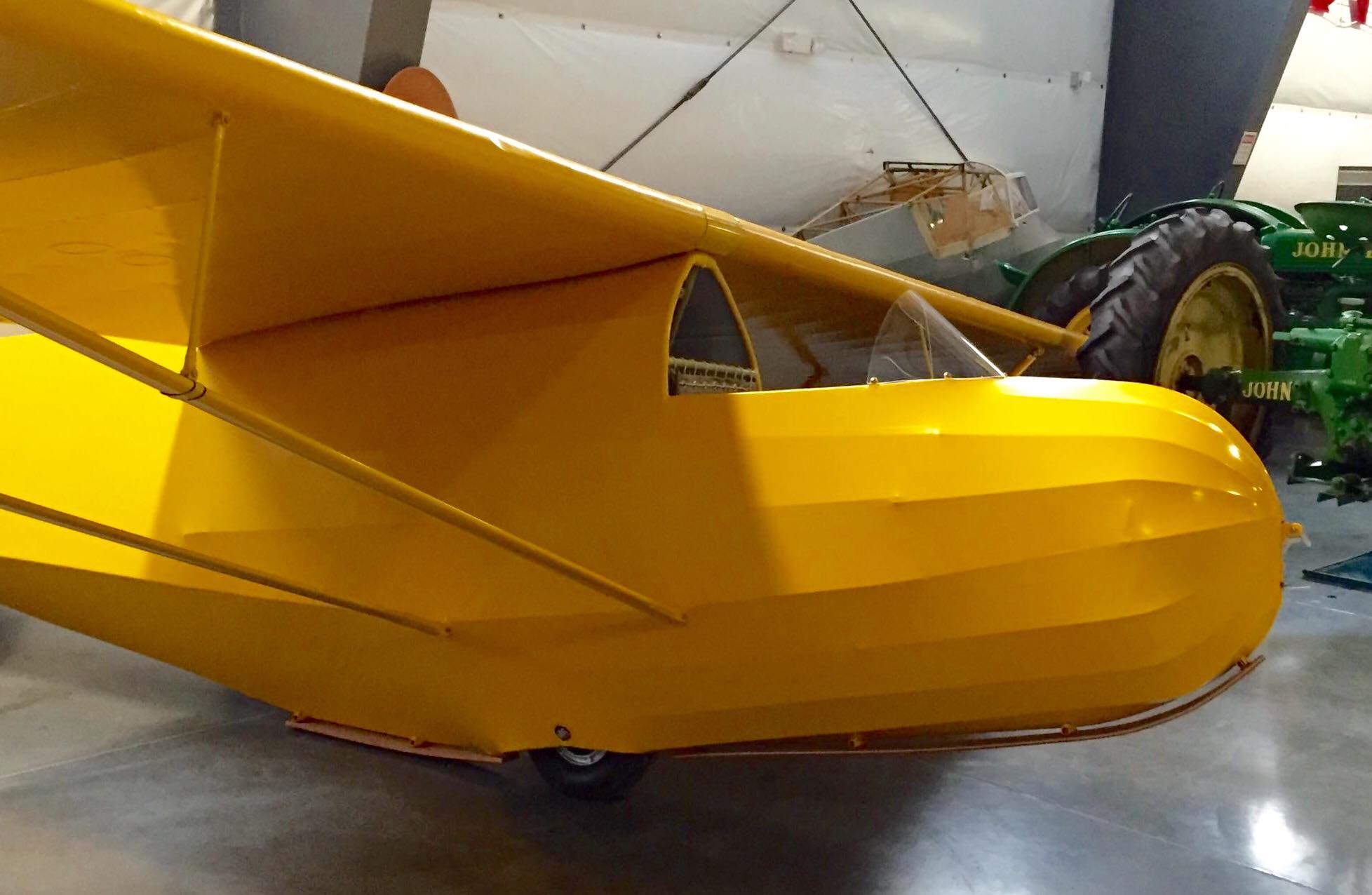
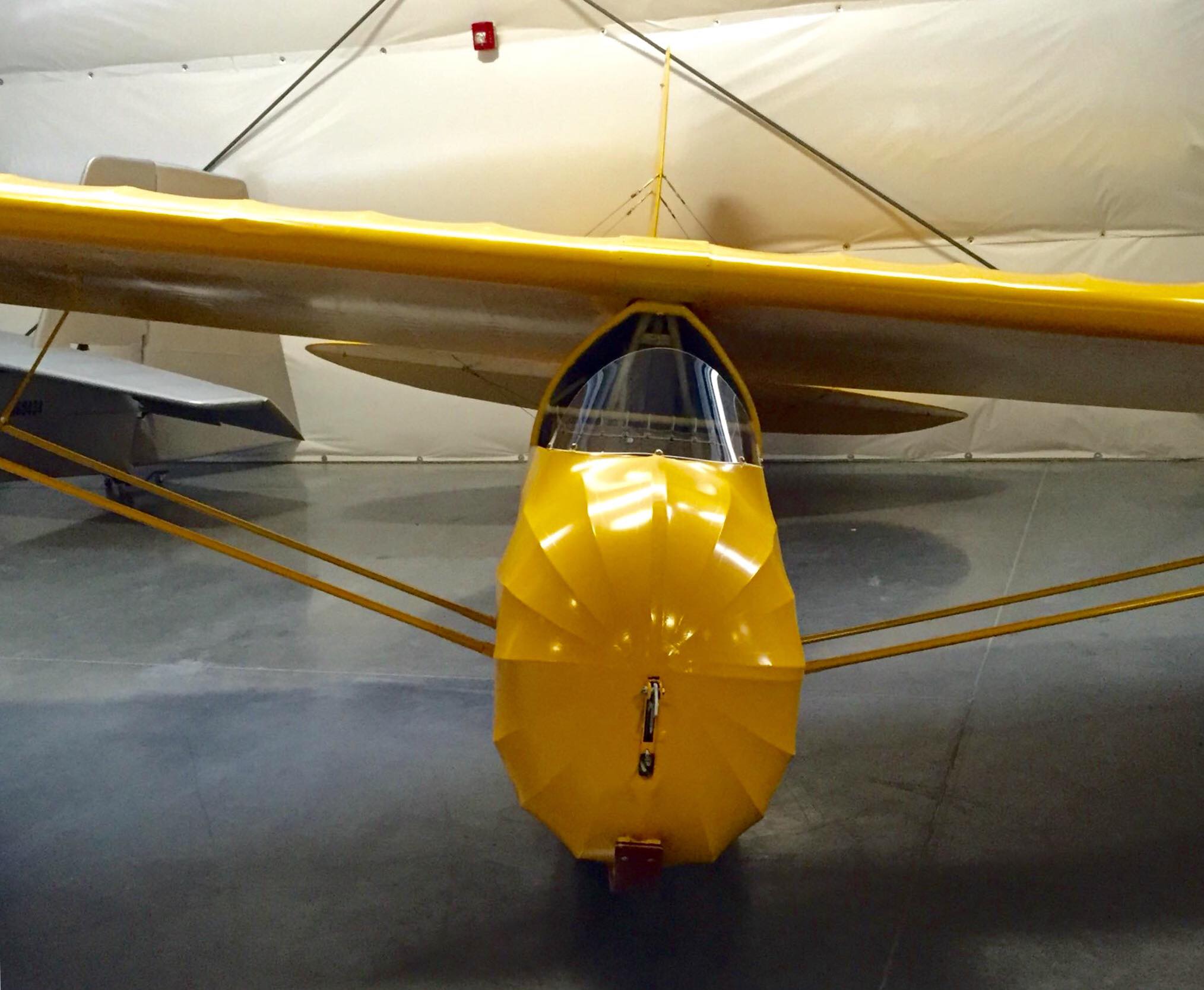
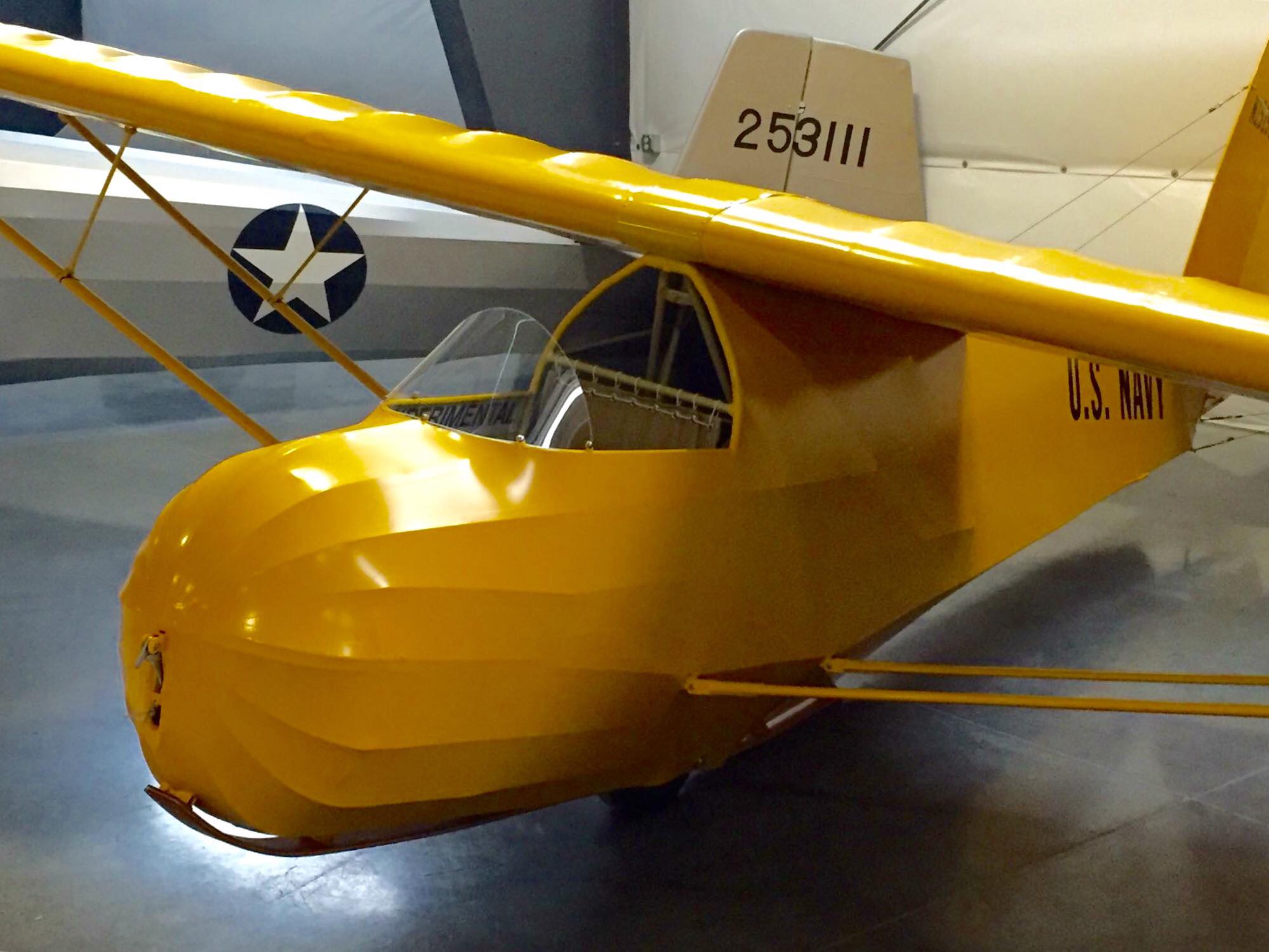
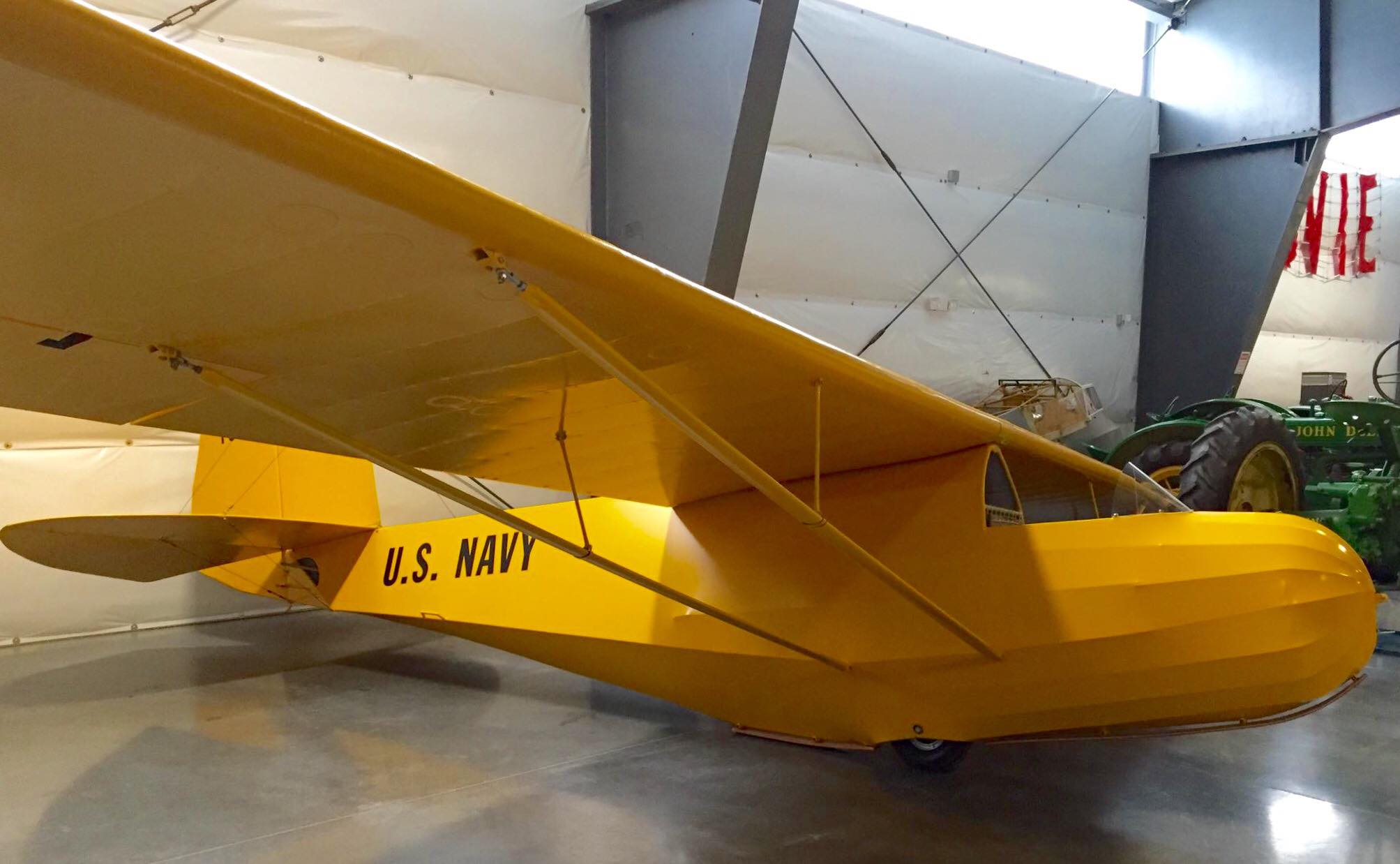
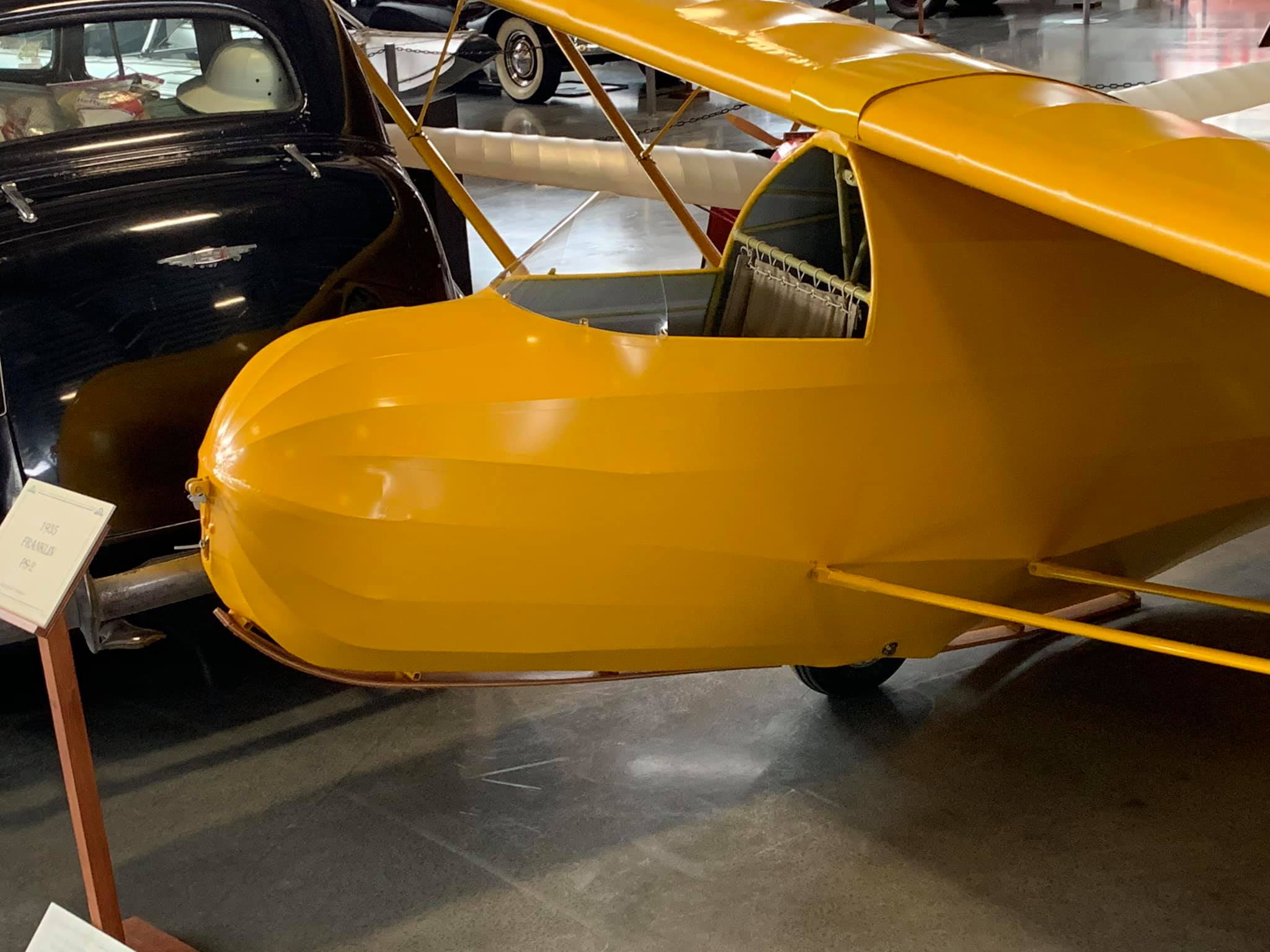
This was a single-seat glider used to a limited degree by the U.S. Navy from its introduction in 1935 through World War II; the designations “P” were for primary and “S” for secondary trainer. The design developed from a series of gliders built by the brothers Prof. Roswell Franklin and Wallace H. Franklin beginning in 1920. In 1927, University of Michigan students formed a glider club under the guidance of Prof. Franklin and built several primary-type gliders. In 1928, Prof. Franklin designed the PS-2 and formed the Franklin Glider Corporation in Ypsilanti, Michigan, to build them.
The design was an effort to operate under the specific geographical and meteorological conditions in the U.S. Its use included the program of releasing gliders from airships such as the rigid airship USS Los Angeles ZR-3 (constructed as the LZ-126 – Luftschiff Zeppelin number 126, the 126th design produced by the Zeppelin Company – and designated ZR-3 (Zeppelin rigid number 3) by the U.S. Navy. That airship was built by the Zeppelin company in Friedrichshafen, Germany, and partly funded as part of German World War I reparations, under the condition that it be shipped to the U.S. and used for civil and not military purposes. The U.S. Navy ordered six of the Franklin glider aircraft, without assigning their designations of “L” for glider and “N” for Navy, and they were assigned to Naval Air Station (NAS) Pensacola, Florida.
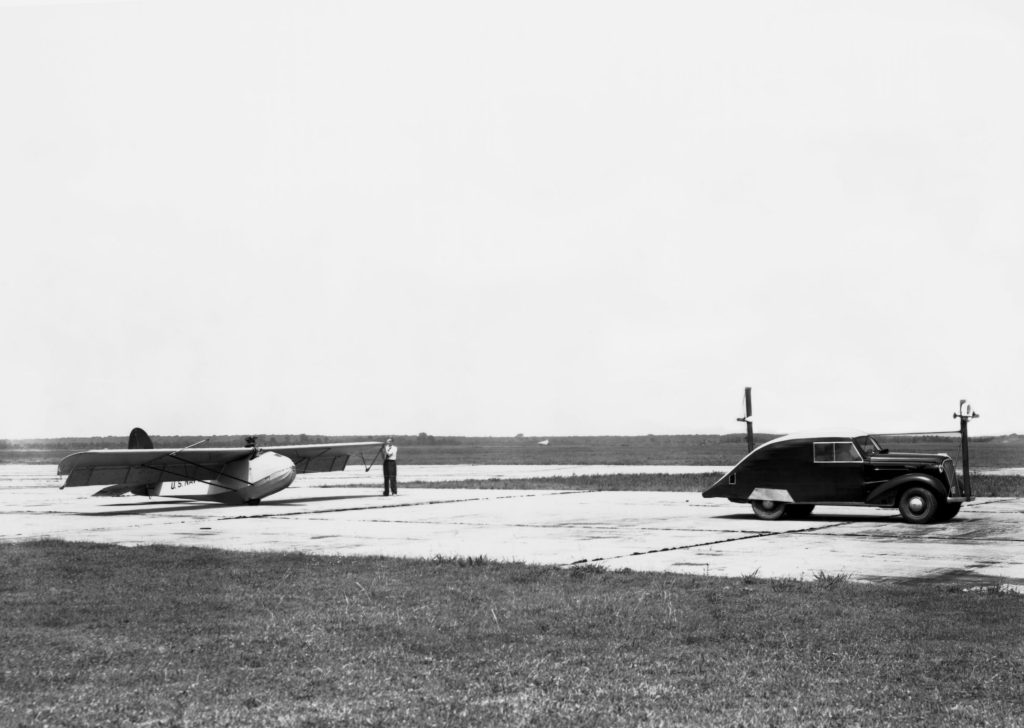
Between 55 and 100 (depending on your sources) were built by 1935 and were constructed of a steel tube frame fuselage and wooden wing, with a wingspan of 36 ft., all covered with Grade A cotton (the standard of the time). The landing gear consisted of a single central wheel and skid, along with wingtip skids. The aircraft were launched by ground tow. Ideally, the tow car is driven by the instructor, with up to 200 ft. of tow cable trailing behind the car and attached to the nose of the glider, with an observer in the right seat of the car and a spotter initially holding a wingtip. Once a maximum tow speed of 40 mph. When the aircraft was airborne, the cable was played out, and the student pilot released the cable. In these gliders, U.S. pilots obtained their Class B glider licenses from the National Aeronautic Association (although sailplanes were more widely used in Europe as the first stage in pilot training).
About the author:  Randy Malmstrom grew up in a family steeped in aviation culture. His father, Bob, was still a cadet in training with the USAAF at the end of WWII, but did serve in Germany during the U.S. occupation in the immediate post-war period, where he had the opportunity to fly in a wide variety of types which flew in WWII. After returning to the States, Bob became a multi-engine aircraft sales manager and, as such, flew a wide variety of aircraft; Randy frequently accompanied him on these flights. Furthermore, Randy’s cousin, Einar Axel Malmstrom, flew P-47 Thunderbolts with the 356th FG from RAF Martlesham Heath. He was commanding this unit at the time he was shot down over France on April 24th, 1944, spending the rest of the war as a prisoner of war. Following his repatriation at war’s end, Einar continued his military service, attaining the rank of Colonel. He was serving as Deputy Wing Commander of the 407th Strategic Fighter Wing at Great Falls AFB, MT, at the time of his death in a T-33 training accident on August 21, 1954. The base was renamed in his honor in October 1955 and continues to serve in the present USAF as home to the 341st Missile Wing. Randy’s innate interest in history in general, and aviation history in particular, plus his educational background and passion for WWII warbirds, led him down his current path of capturing detailed aircraft walk-around photos and in-depth airframe histories, recording a precise description of a particular aircraft in all aspects.