



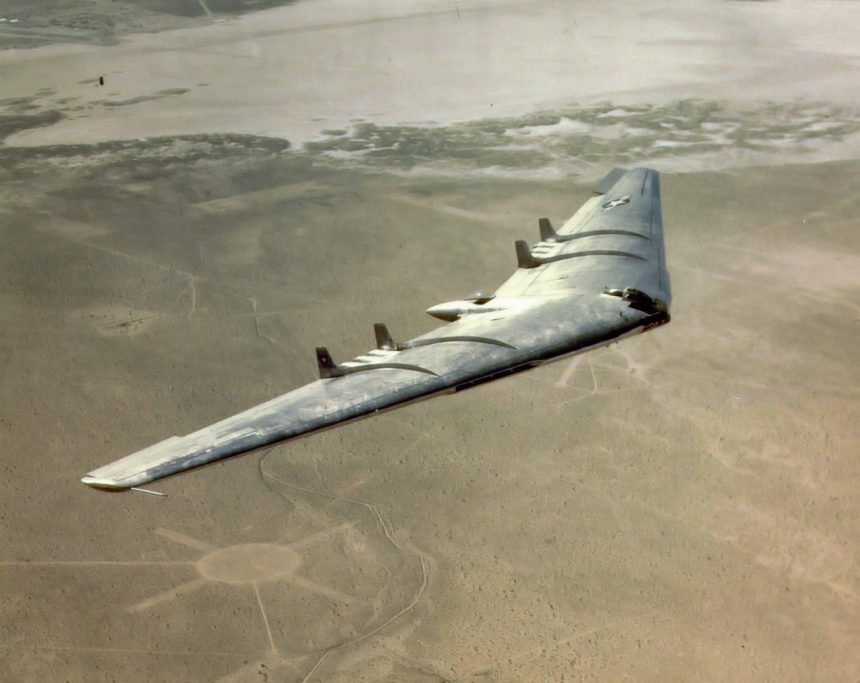

On this day in aviation history, May 4, 1950, the Northrop YRB-49A prototype took to the skies for the first time. This aircraft was a proposed reconnaissance variant of the YB-49 heavy bomber, which had first flown in 1947. The YB-49 featured a radical flying wing design conceived by visionary aeronautical engineer Jack Northrop. Although Northrop’s early flying wing designs encountered numerous challenges—ranging from engine reliability issues to aerodynamic instabilities—they served as vital testbeds for future technological advancements.
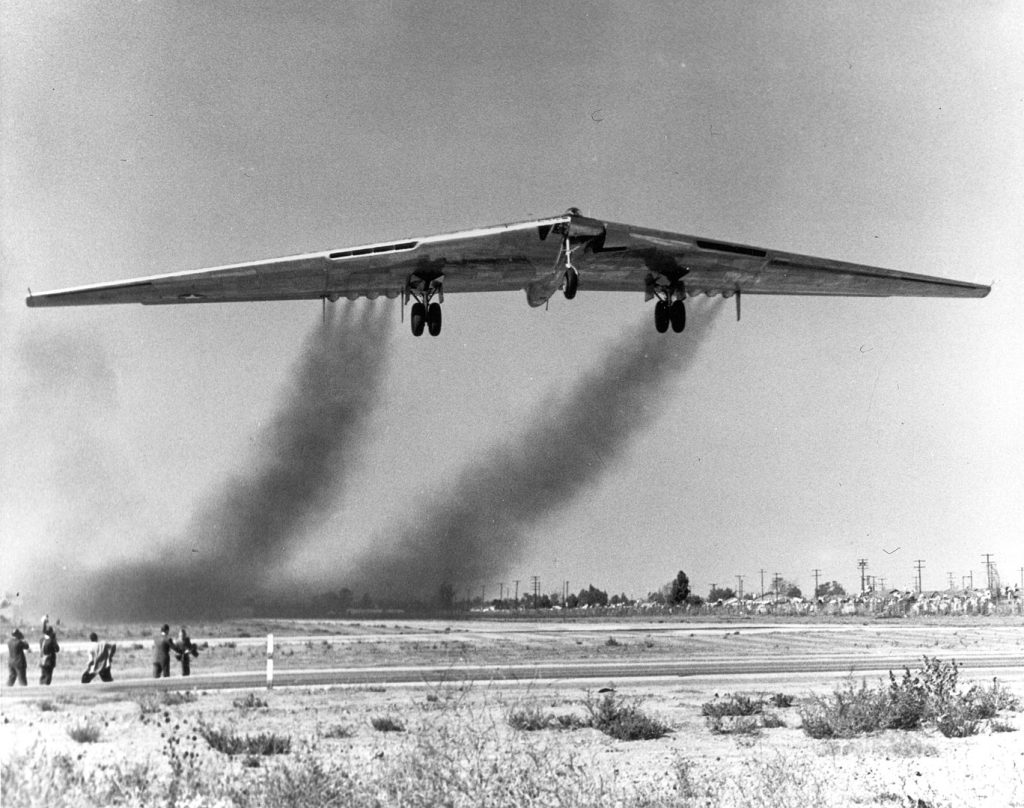
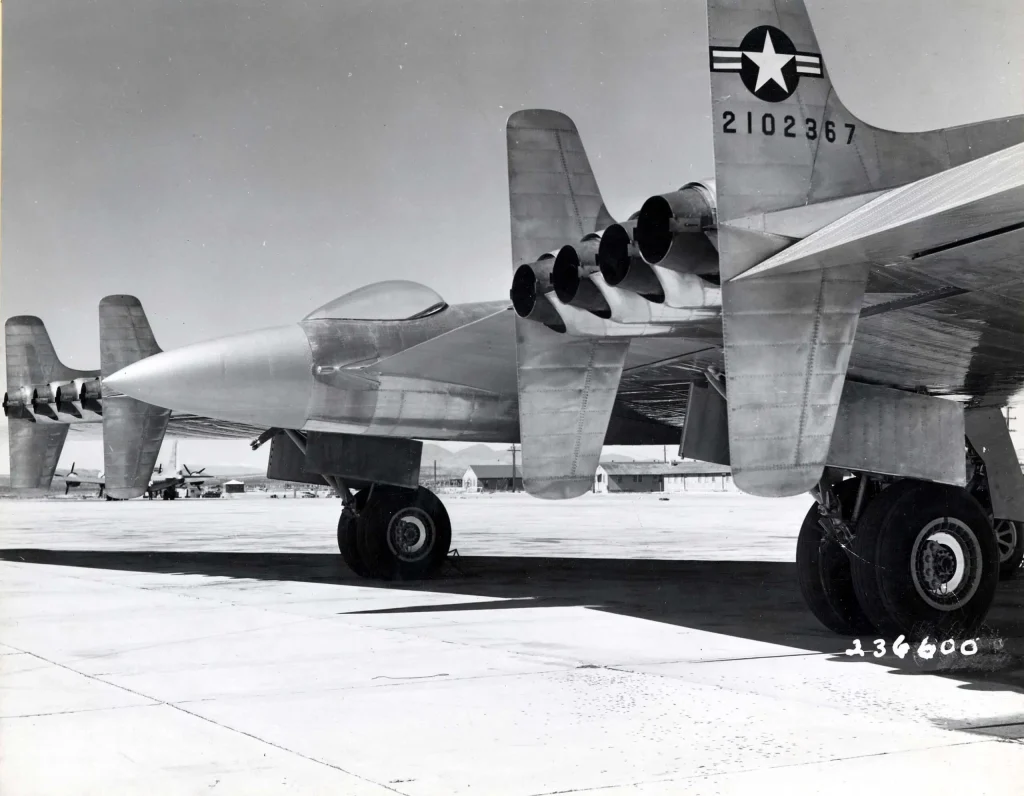
The YB-49 had a wingspan of 172 feet and a crew of six. It was powered by eight Allison J35-A-15 turbojet engines—upgraded to J35-A-19s in the YRB-49A variant—each producing 4,000 pounds of thrust. The aircraft had a cruising speed of 365 mph and a top speed of 493 mph. Planned armament included four .50 caliber machine guns mounted in a rotating tail “stinger” turret, along with a bomb capacity of up to 16,000 pounds. Its expected combat range was between 2,806 and 4,000 miles, depending on its payload configuration.
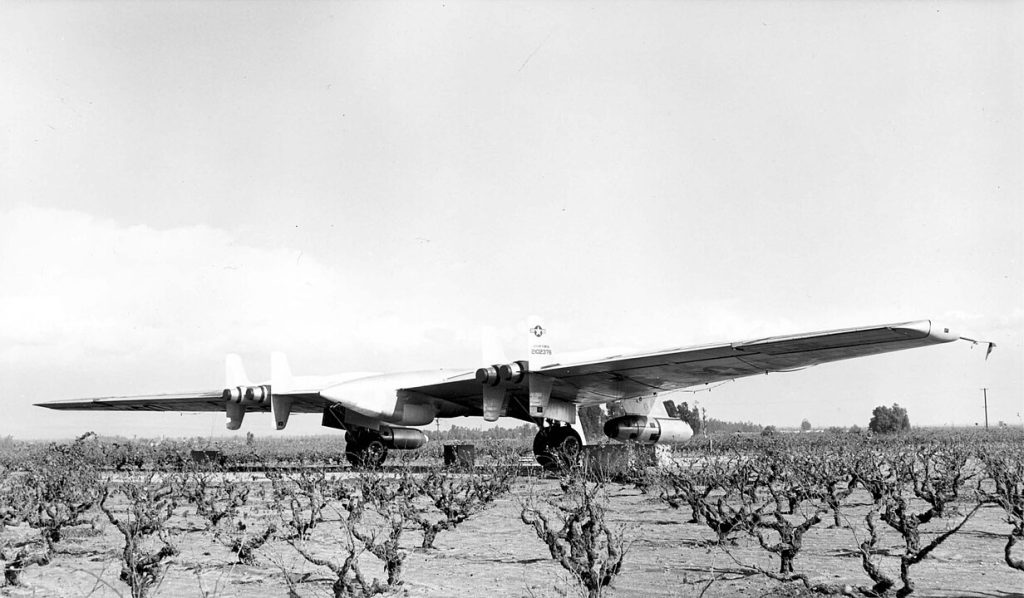
Test pilot Fred C. Bretcher flew the YRB-49A’s maiden flight, departing from Hawthorne and landing at Edwards Air Force Base in California. The reconnaissance variant was seen as a last-ditch effort to salvage the YB-49 program. Ultimately, persistent technical issues led to the project’s cancellation.
However, the flying wing concept was far from a failure. Nearly four decades later, on July 17, 1989, the Northrop B-2 Spirit stealth bomber made its first flight, proving the enduring value of the flying wing design. Today, the B-2 remains in active service, a testament to Jack Northrop’s revolutionary vision.



 Vintage Aviation News