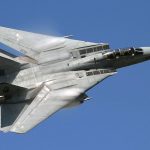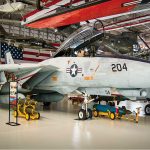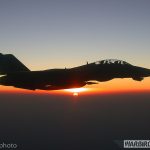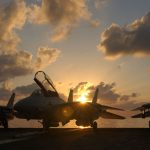



Thirty-five years ago, the movie Top Gun brought the thrill and danger of naval jet aviation to the big screen, and its second installment, Top Gun: Maverick, will make its premiere later this year. To explore the impact of these films, the evolution of the U.S. Navy Fighter Weapons School (aka Top Gun) and naval aviation – and what’s coming next – the Smithsonian’s National Air & Space Museum (NASM) will be presenting a GE Aviation Lecture via YouTube on August 10th, 2021 at 8 pm ET.
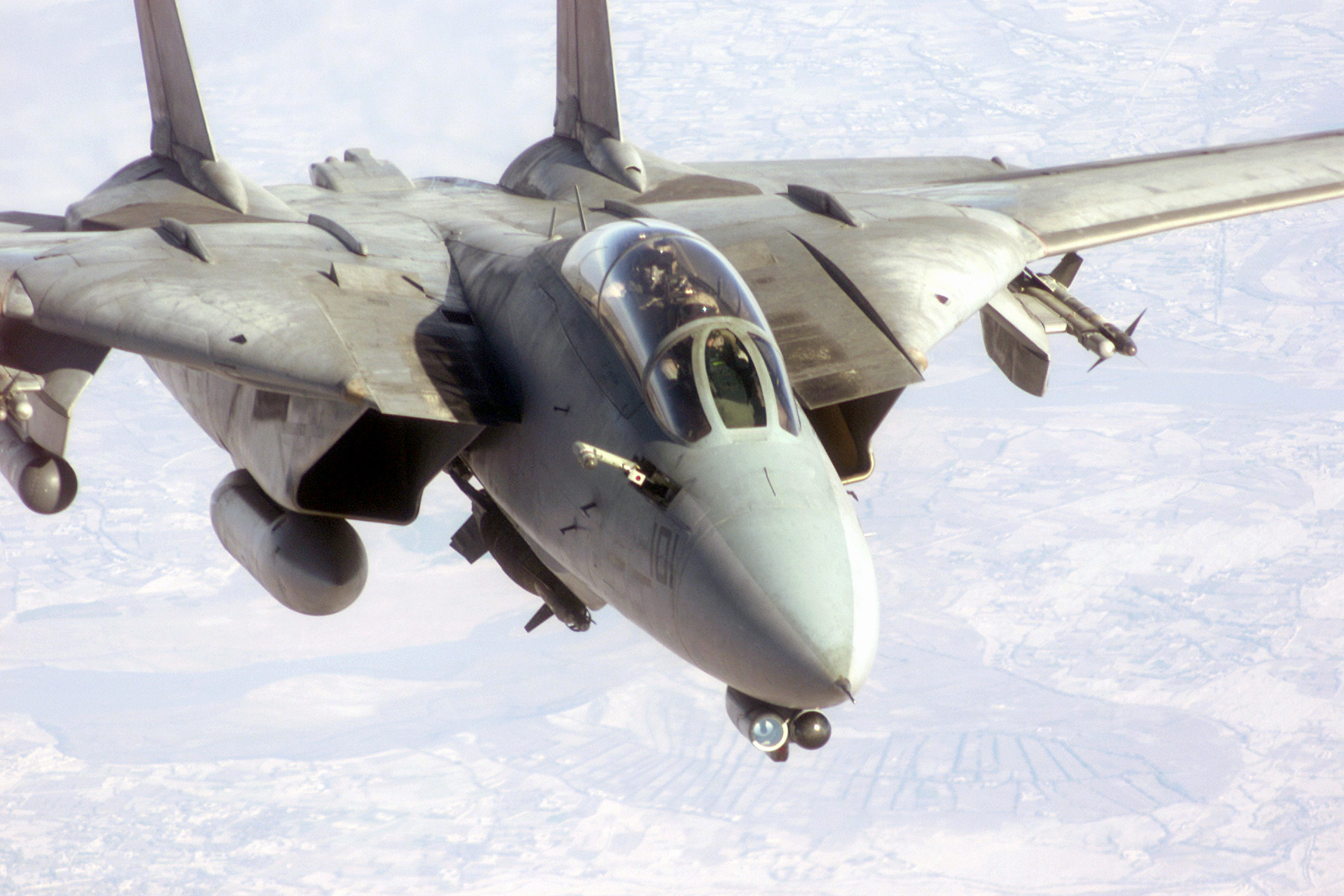
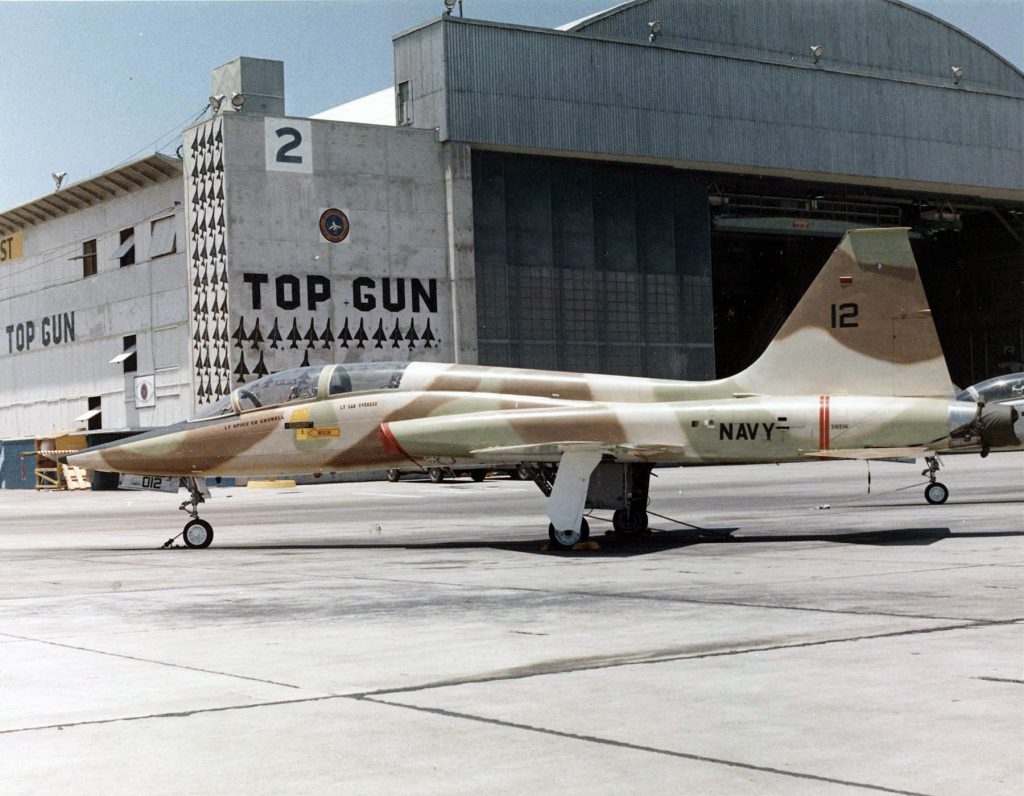
For those of you too young to remember Top Gun’s release on May 16th, 1986, it came at a time when naval aviation was very much in the public’s consciousness, with carrier aircraft having participated in strikes against Libya the previous month as part of Operation El Dorado Canyon. The combination of these two events resulted in a significant boost to recruiting at the time and the film’s memorable soundtrack, scenes, and lines—“I feel the need… the need for speed”—have endured, even though the F-14 Tomcat has gone from frontline fighter to museum piece and the Navy Fighter Weapons School (TOP GUN) has moved from near San Diego to the desert around Naval Air Station Fallon, Nevada.
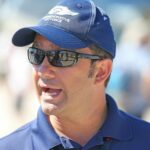
NASM’s lecture on August 10th will see the museum’s acting director (and Top Gun alumnus) Chris Browne in conversation with Dan Pedersen, co-founder of the U.S. Navy Fighter Weapons School; Dale “Snort” Snodgrass, Top Gun alumnus and highest-time F-14 pilot; and Lt. Briana Plohocky, U.S. Navy pilot and recent Top Gun graduate.
Dan Pedersen was a US Naval Aviator (joining in 1953) and is credited as the leading force behind the creation of the Fighter Weapons School at Naval Air Station Miramar in 1969. Navy leadership chose him for this role due to his experiences in air battles over Vietnam which imbued him with deep understanding for problems with both US tactics and equipment (weaponry at the time had a 90% failure rate).
Capt. Snodgrass’s career in F-14a spanned a quarter century, during which he became the highest time Tomcat Pilot with over 4800 hours on type and 1200 plus arrested landings. Squadron tours included VF-124 (Initial Training), VF-142, VF-101 (Instructor), VF-41 (CAG LSO), VF-43 (Adversary Pilot), VF-143, VF-101 (XO/Instructor), VF-33 (XO/CO). As Commanding Officer of VF-33, he lead the squadron in combat during Desert Storm. His combat sorties included leading 34 strikes into western and central Iraq. In 1994, he took command of Fighter Wing Atlantic and the NAS Oceana-based F-14 Squadrons. In 1995, the West Coast-based Squadrons were single-sited to Oceana and he gained command of the entire Tomcat Community.
This program will be presented live on YouTube with live closed captioning. Sign up for a reminder.