




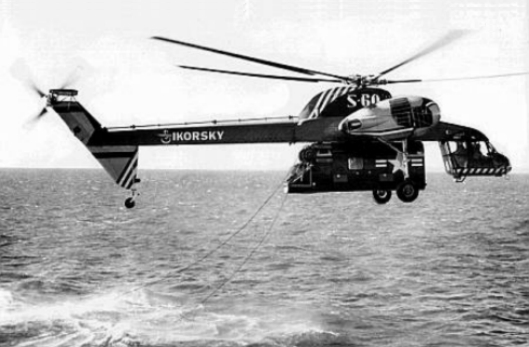
Sikorsky’s S-60 “Flying Crane” was a ground-breaking helicopter design which the famed manufacturer built in the late 1950s to prove a new concept for potential operators, both civilian and military, who needed flexible, heavy-lift capability in the field. It paved the way for a whole new class of rotary wing helicopters which is still in production today. Amazingly, the S-60 prototype still survives, despite suffering a major accident just two years into its flight evaluation program. Thankfully, someone cared enough to save the wreckage, which the New England Air Museum kept in storage for many years before passing it along to the the Connecticut Air & Space Center (CASC) in Stratford, Connecticut. While many readers will be familiar with the FG-1D Corsair which CASC rescued from the edge of oblivion and has carefully rebuilt over the past decade and a half, few will realize how much progress this same group of dedicated and highly capable individuals has achieved with the restorations of a number of other airframes over that same period. One of these projects includes their effort to resurrect the S-60, an ambitious and massive endeavor which few museums would ever have dared attempt… CASC’s hard work is baring fruit, however, and we asked long time museum supporter, Jerry O’Neill, to provide the following update regarding progress with this amazing aircraft…
S-60 Flying Crane – Restoration Update, 8.2.22
by Jerry O’Neill
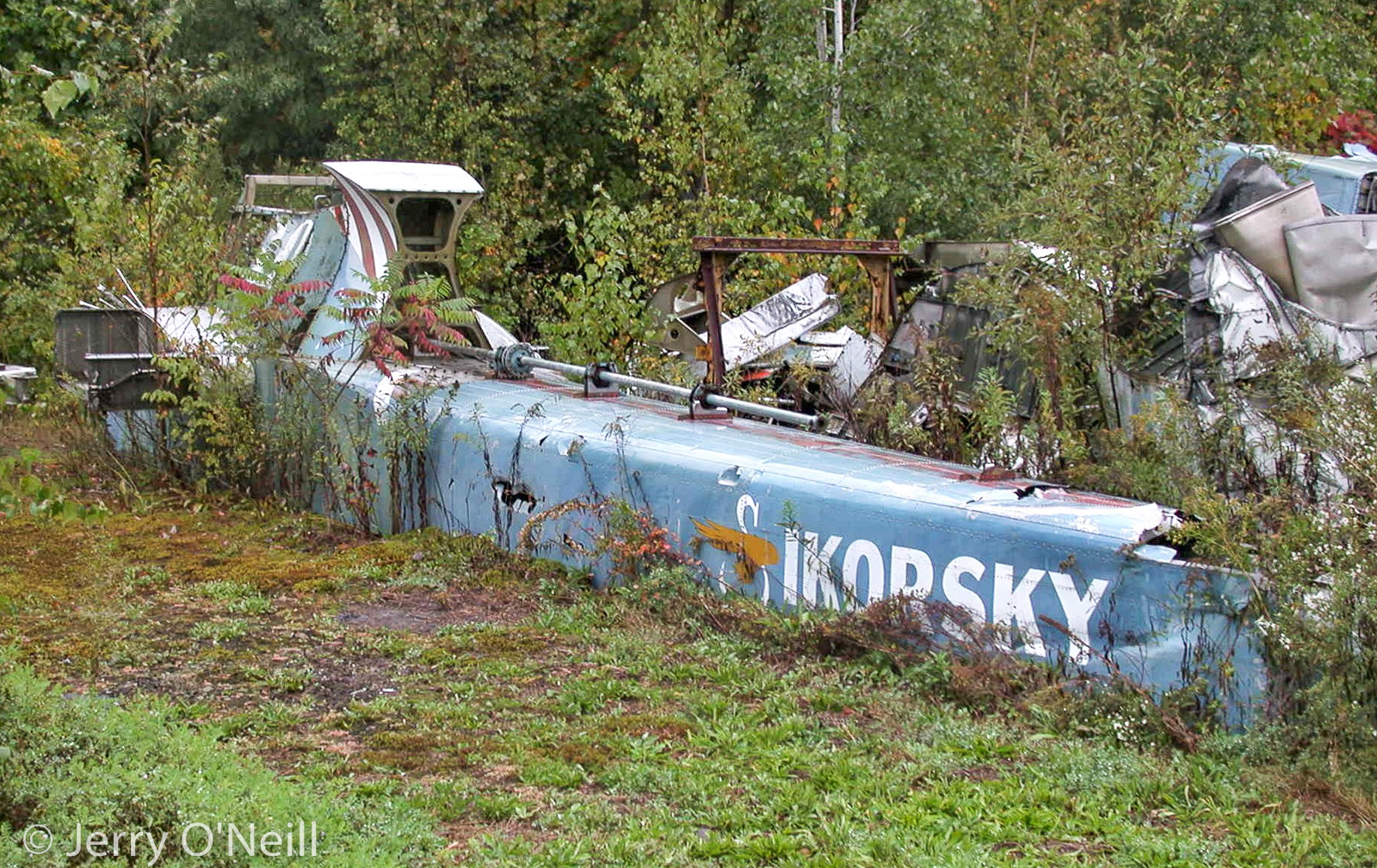
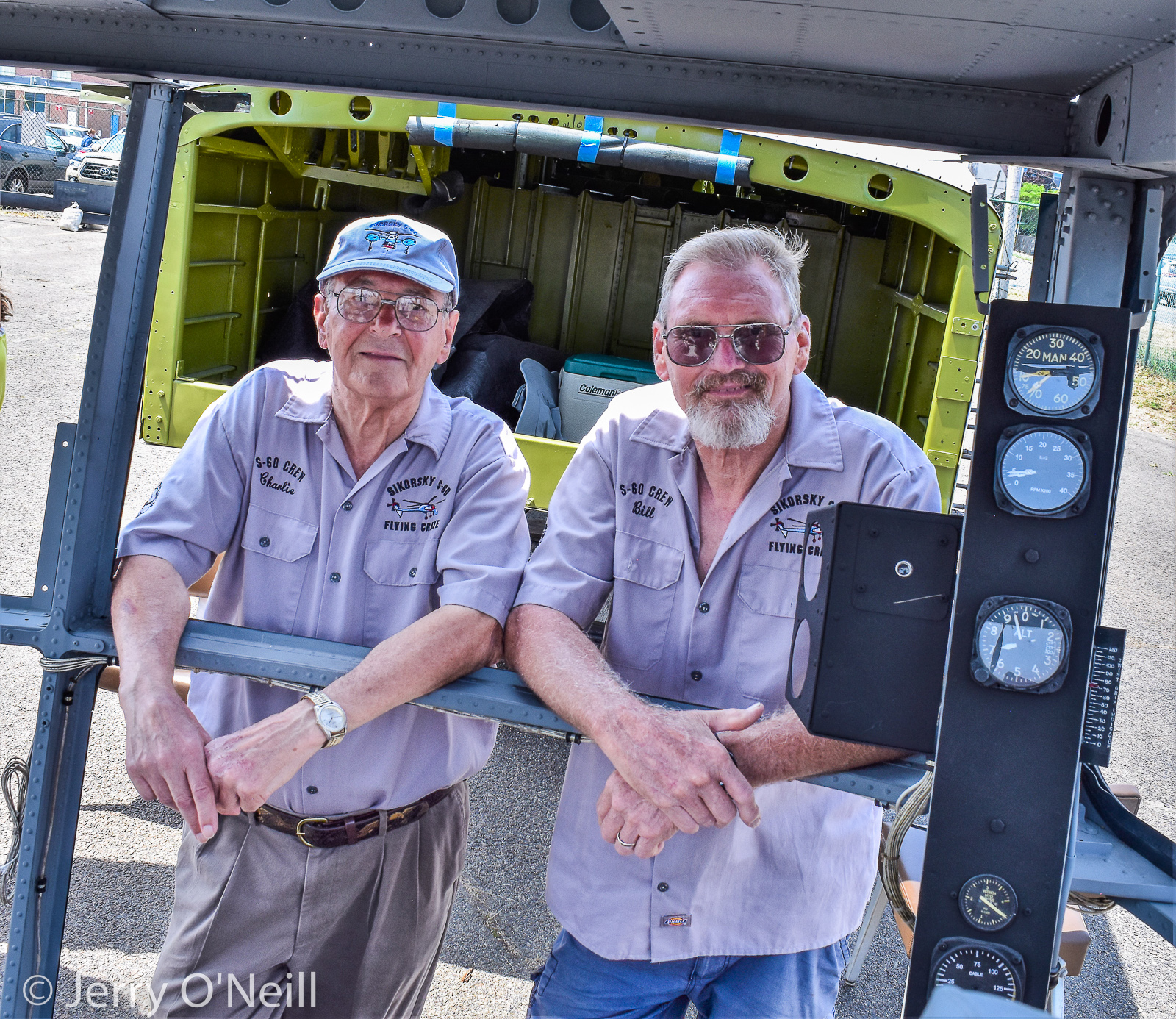
Currently in the twelfth year of restoration, the Connecticut Air and Space Center’s Sikorsky S-60 “Flying Crane” has amazed many naysayers. After its non-fatal, but career ending crash on April 3, 1961, the remains of the prototype “Flying Crane” were donated to the New England Air Museum (NEAM). Because NEAM had no clear plan for such a badly damaged airframe, the S-60 languished in outside storage for 49 years, its twisted, torn-apart airframe slowly overgrown in weeds and small trees. In 2010, the Connecticut Air and Space Center obtained ownership of the carcass. It was immediately moved into CASC’s restoration center for evaluation and restoration. “The S-60 was important. It was the last design that Igor Sikorsky was fully involved in,” states S-60 Director, Bill Fickes, “and it’s one of the most extensive and difficult restorations ever undertaken.”
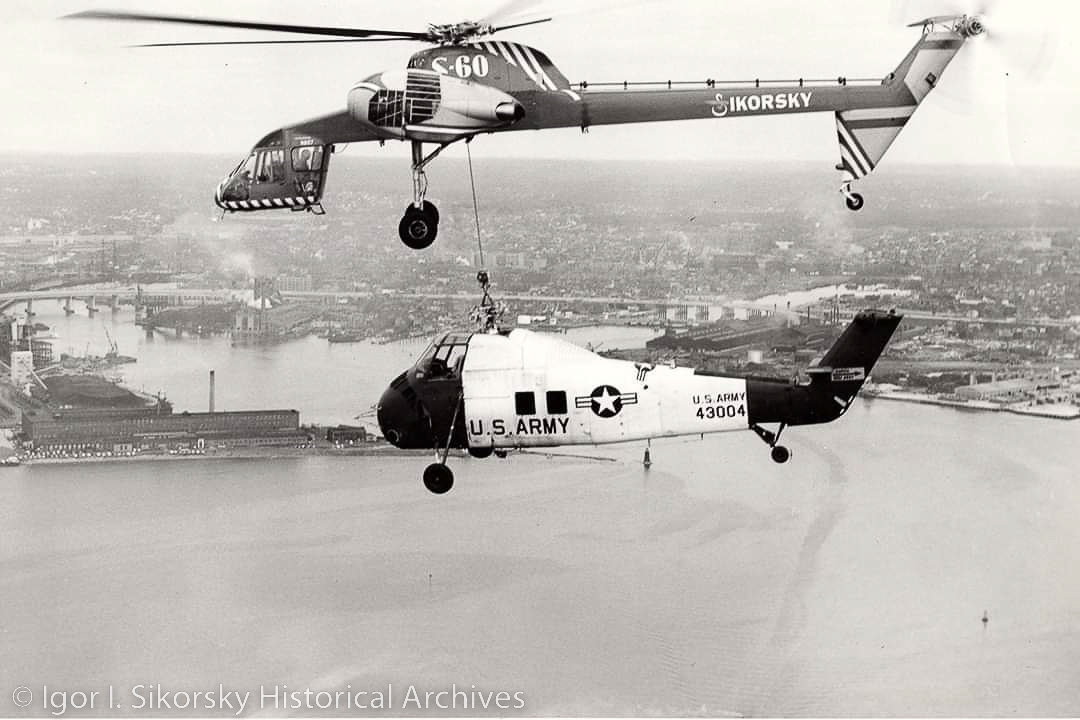
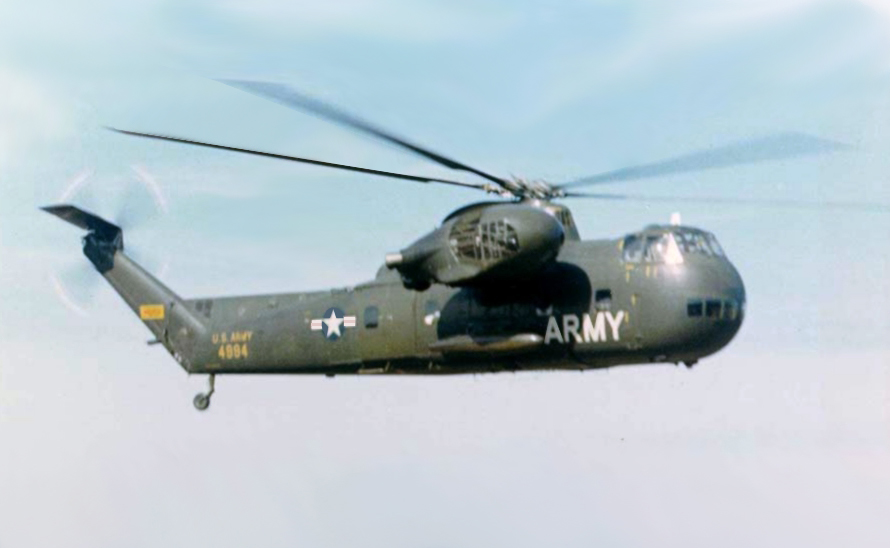
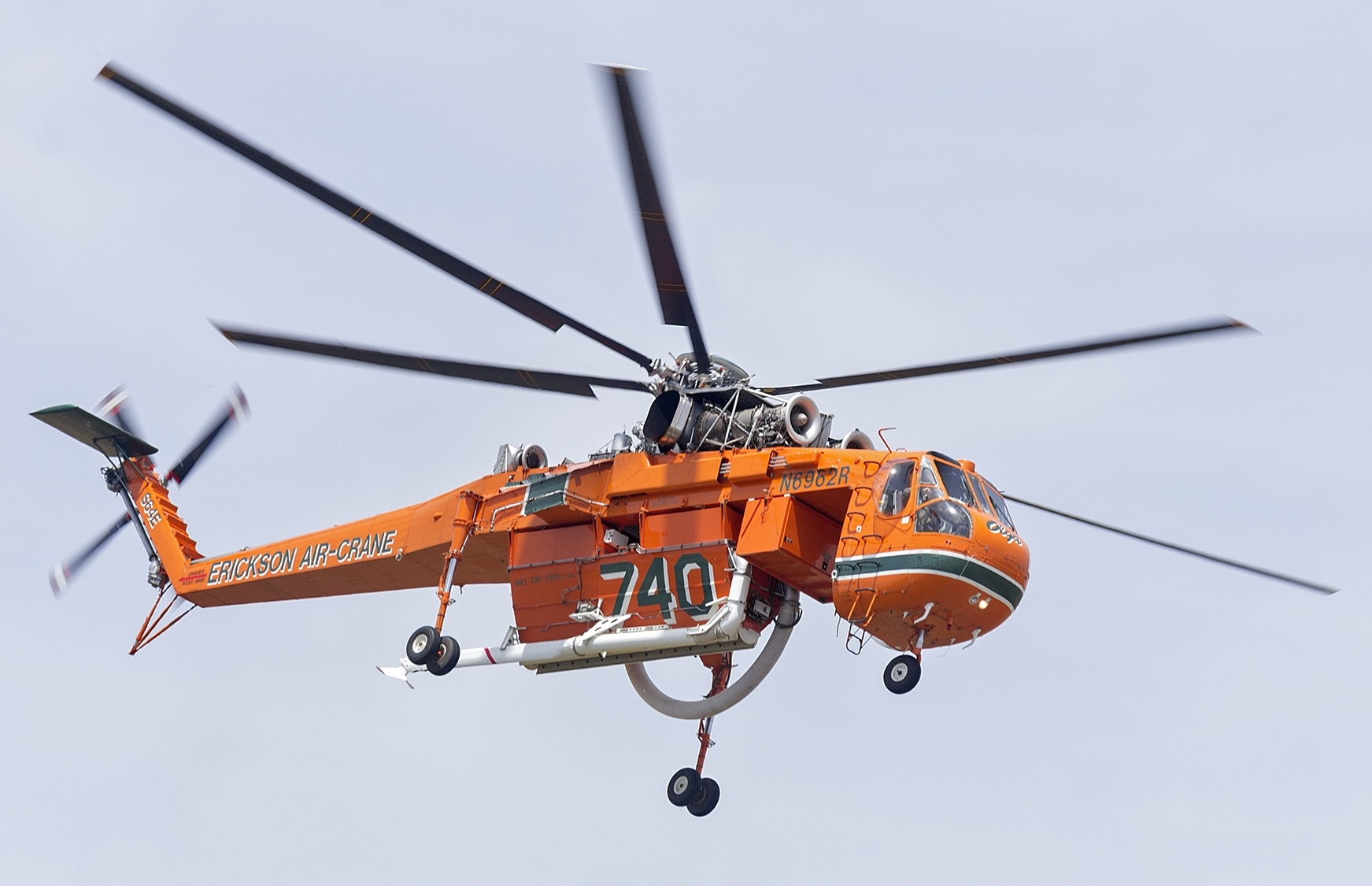
First flown in 1959, The S-60 was a concept prototype for the “Flying Crane”. It was built in one year using the center section, engine pods and main rotor system from a Sikorsky CH-37/S-56 Mohave. Everything else was custom built to suit the design needs of the project. Although underpowered, the S-60 demonstrated the versatility of the design. All of the information garnered from its flight test program went into Sikorsky’s CH-54 “Skycrane”, an aviation icon which is still being built today by Erickson Aircrane, and in use all over the world.

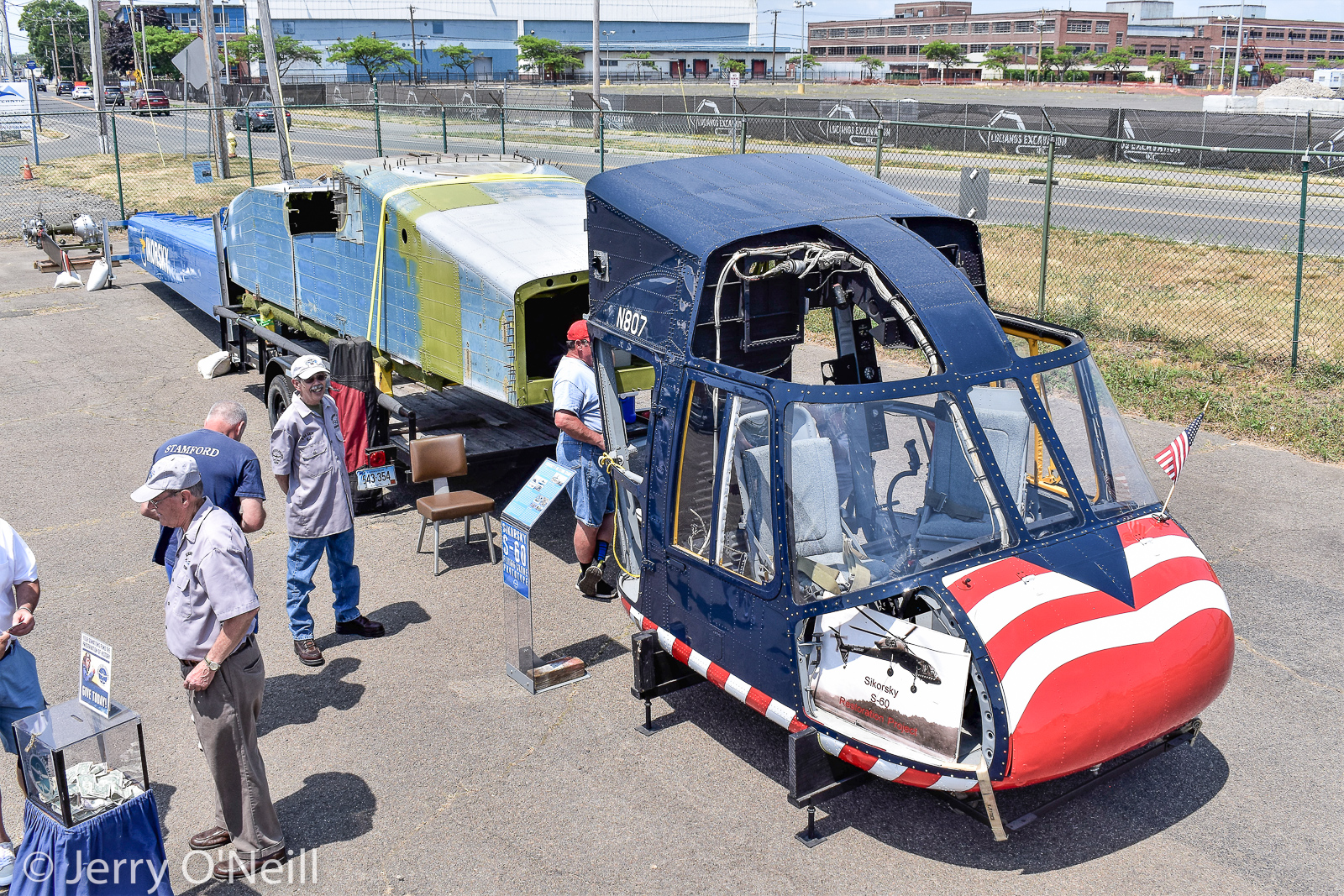
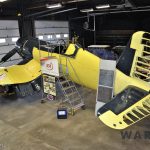
In 2010, the S-60 was transferred to CASC and trucked to their facility in Stratford, Connecticut. The cockpit had been torn from the airframe and crushed. The center section was destroyed. The tail boom was also ripped into two pieces, while the tail wheel pylon housing was entirely missing. “It was a mess!” lamented Charlie Vesterman, a 34-year Sikorsky veteran and current S-60 Project Manager, who was also a key player in the S-60’s acquisition and restoration. “It was a custom airframe and a lot of it was hand built. We fortunately had access to most of the blueprints to recreate what was missing,” Vesterman added.
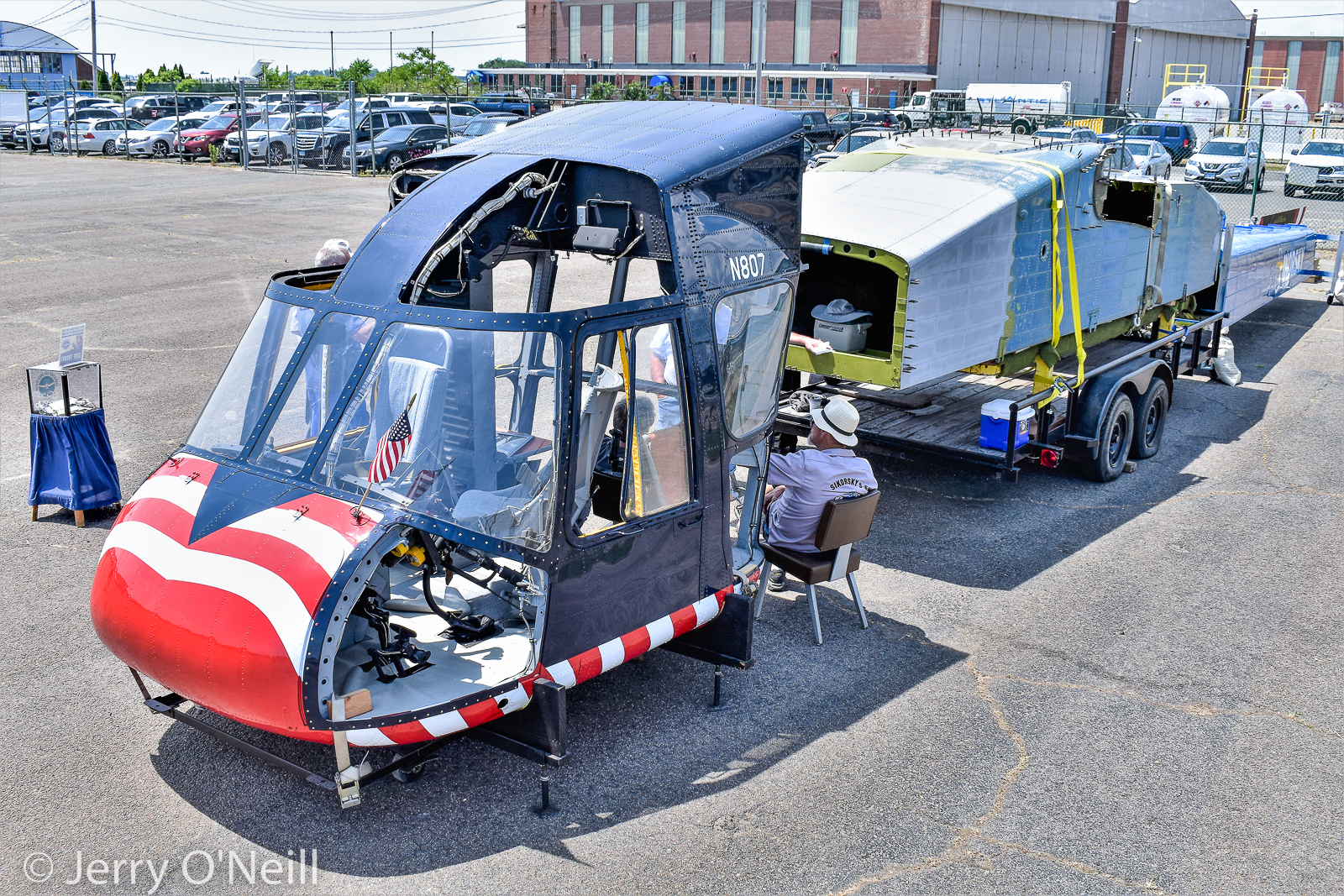
Luckily for the restoration team, NEAM had already sourced one important missing item before CASC came into the picture; an almost complete CH-37/S-56 center section. “We couldn’t have started this project without one,” Fickes noted. “One of our biggest challenges is that a CH-37/S-56 Mohave fuselage is about 32 inches wider than the custom-built S-60 fuselage. We have to make four new fittings and move each one, 16 inches inboard to accommodate the S-60’s narrower cockpit and tail boom. That required us to disassemble the main beam just to make everything fit. All the weight is carried by the main beam so, if it isn’t done right, it won’t be able to stand on its own when we finally assemble it.”
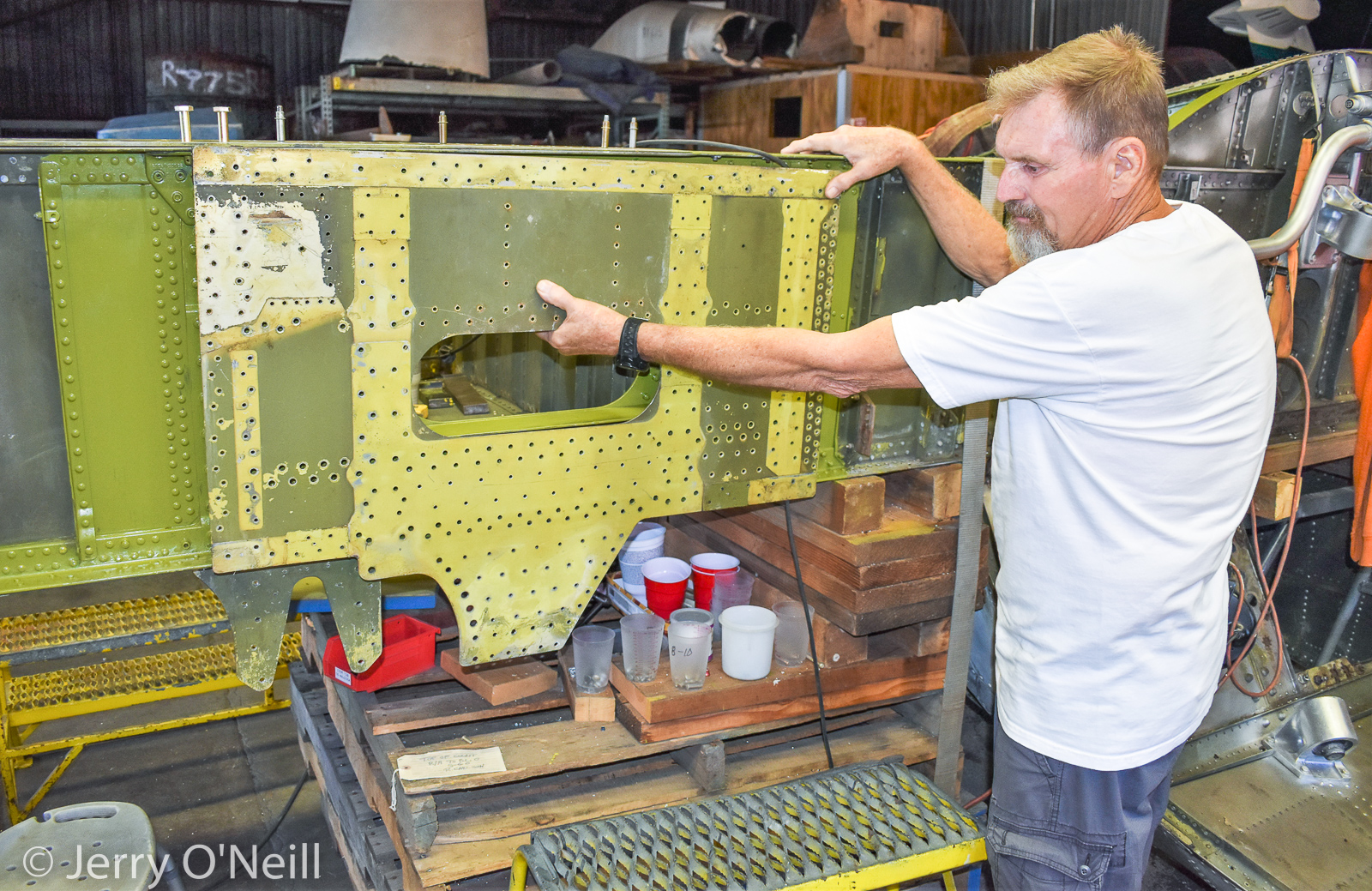
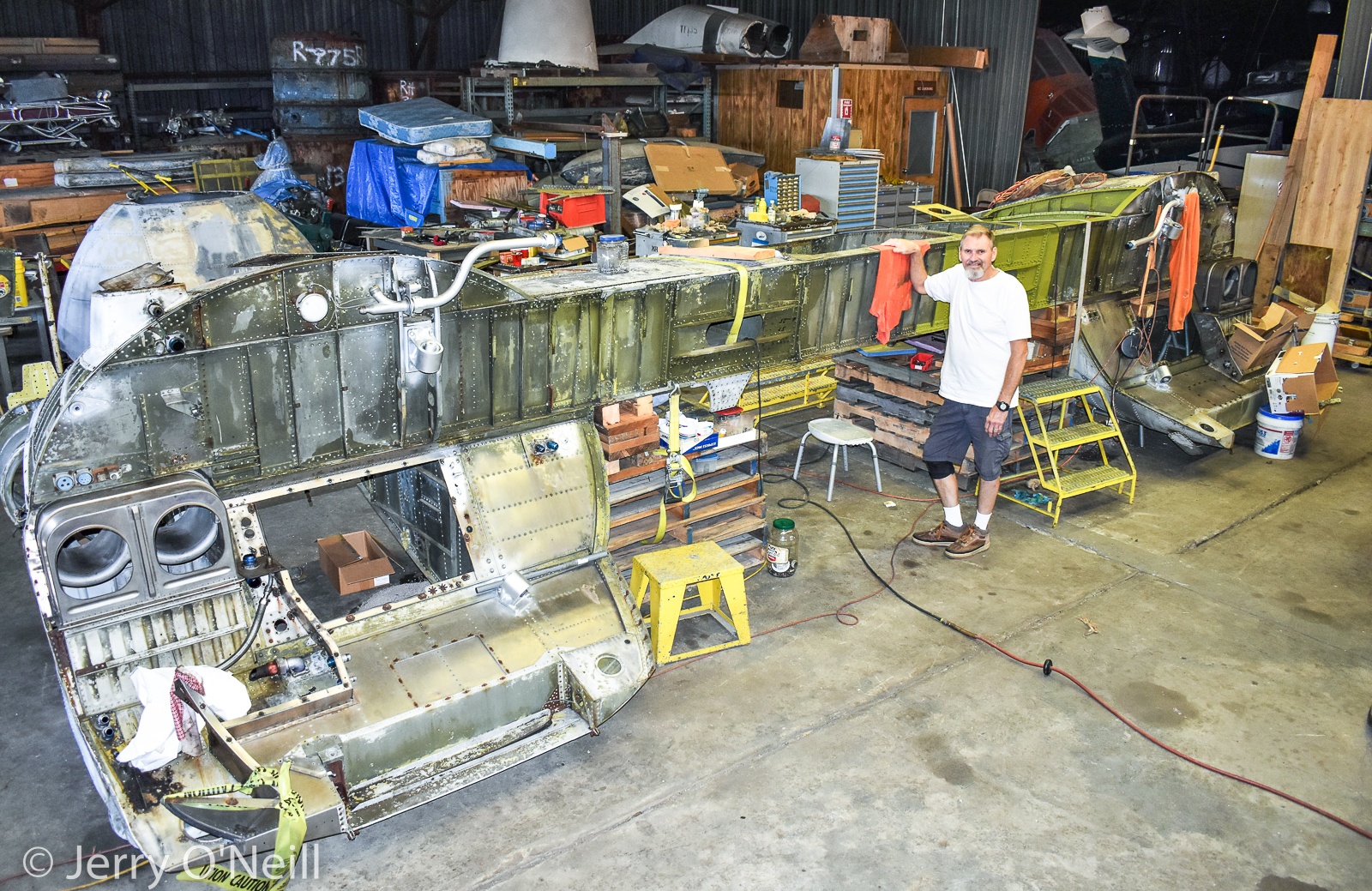
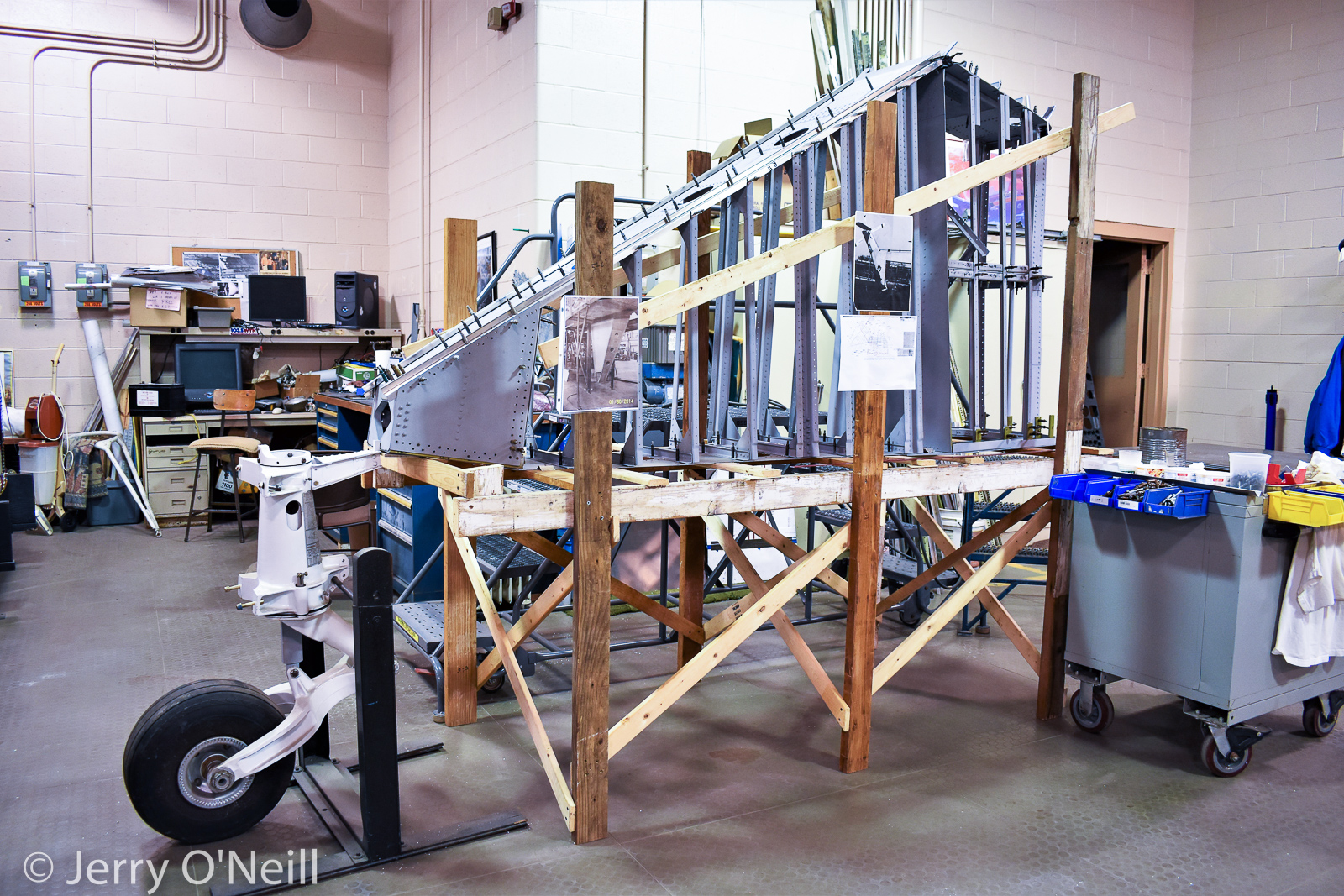
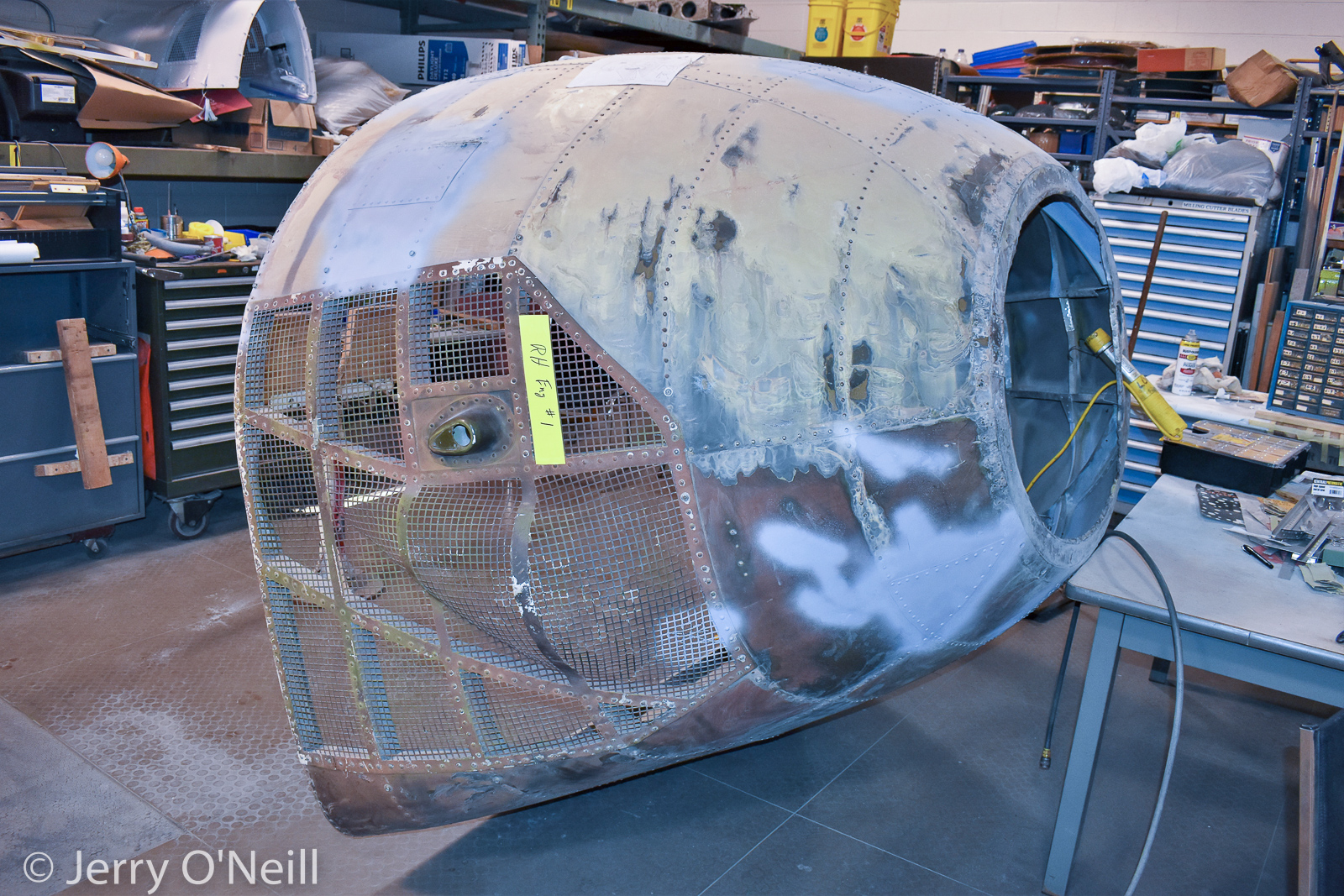
Another major challenge to the restoration involves the missing tail wheel pylon support. Except for the wheel itself, CASC has had to recreate the entire structure from scratch. They have made good progress with this complex structure, but the odd angle extrusions still need to be sourced before it can be completed and attached to the tail boom. Remarking on other components they need, Fickes stated: “We’re also still hoping to locate an original CH-37/S-56, left-side engine clamshell section that covers the P&W R-2800. We have the right side, but if we can’t locate a left one, we’ll have to build one of those from scratch too.”
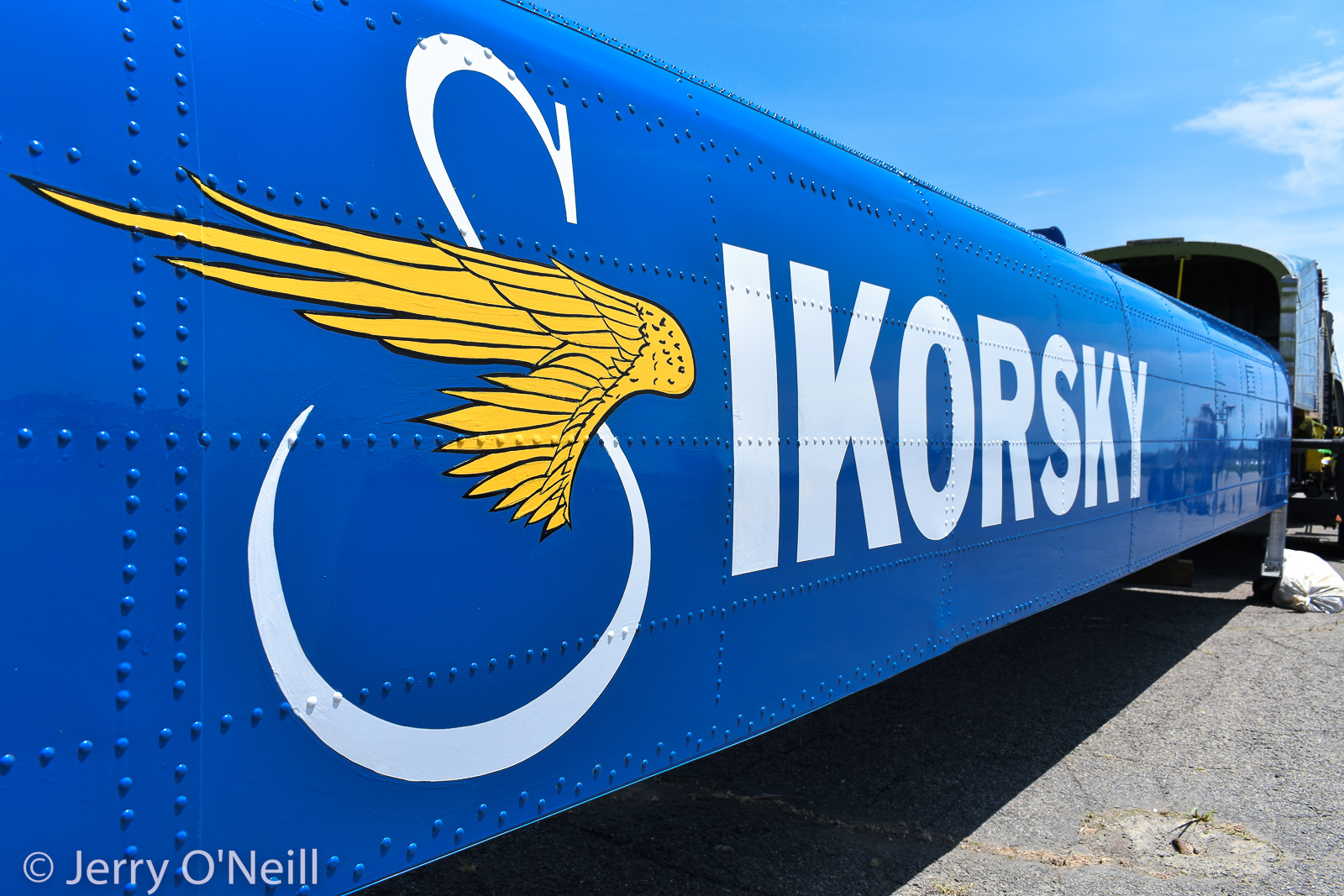
To date, the cockpit and tail boom for this one-of-a-kind prototype are mostly completed. The cockpit is currently on display in the museum. It will be a few more years before the S-60 is finally finished and takes its place as an historic, groundbreaking, centerpiece for the Connecticut Air and Space Center. “It’s daunting,” says Fickes, “but when people see it, they are amazed!”
Many thanks indeed to Jerry O’Neill for this report. We look forwards to bringing future restoration reports on this important airframe. For anyone wishing to learn more about the S-60 or to help CASC with parts or funding, please click HERE.




 Vintage Aviation News