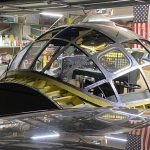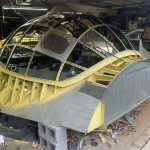

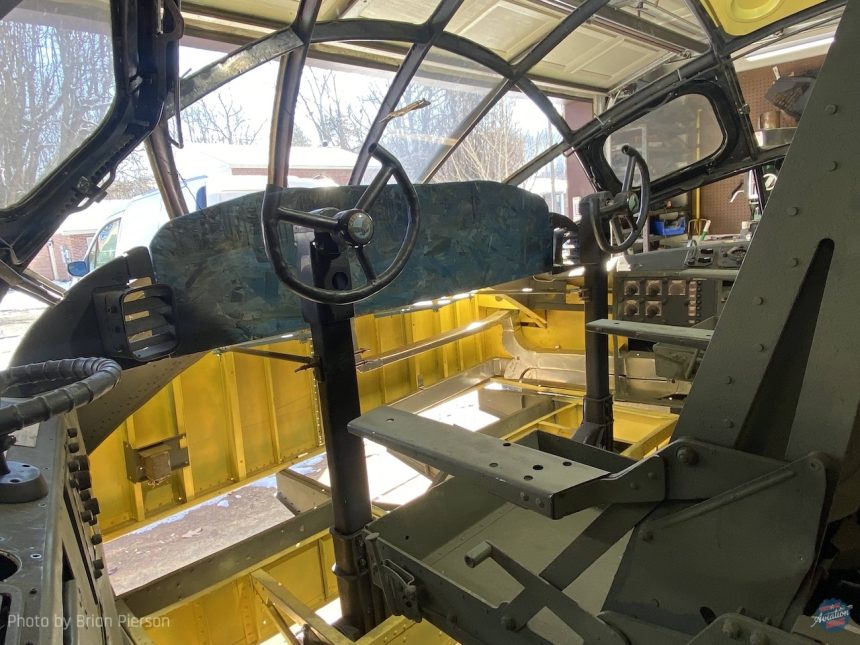

Brian Pierson’s scratch-built Convair B-36H cockpit is rapidly taking shape, as we have previously reported (HERE and HERE). What began as an ambitious idea has evolved into one man’s extraordinary journey to recreate the U.S. Air Force’s long-range nuclear bomber from scratch—working largely from his own garage in West Virginia. Contributor Austin Hancock recently caught up with Pierson to learn more about the latest developments in this demanding and highly unconventional project.
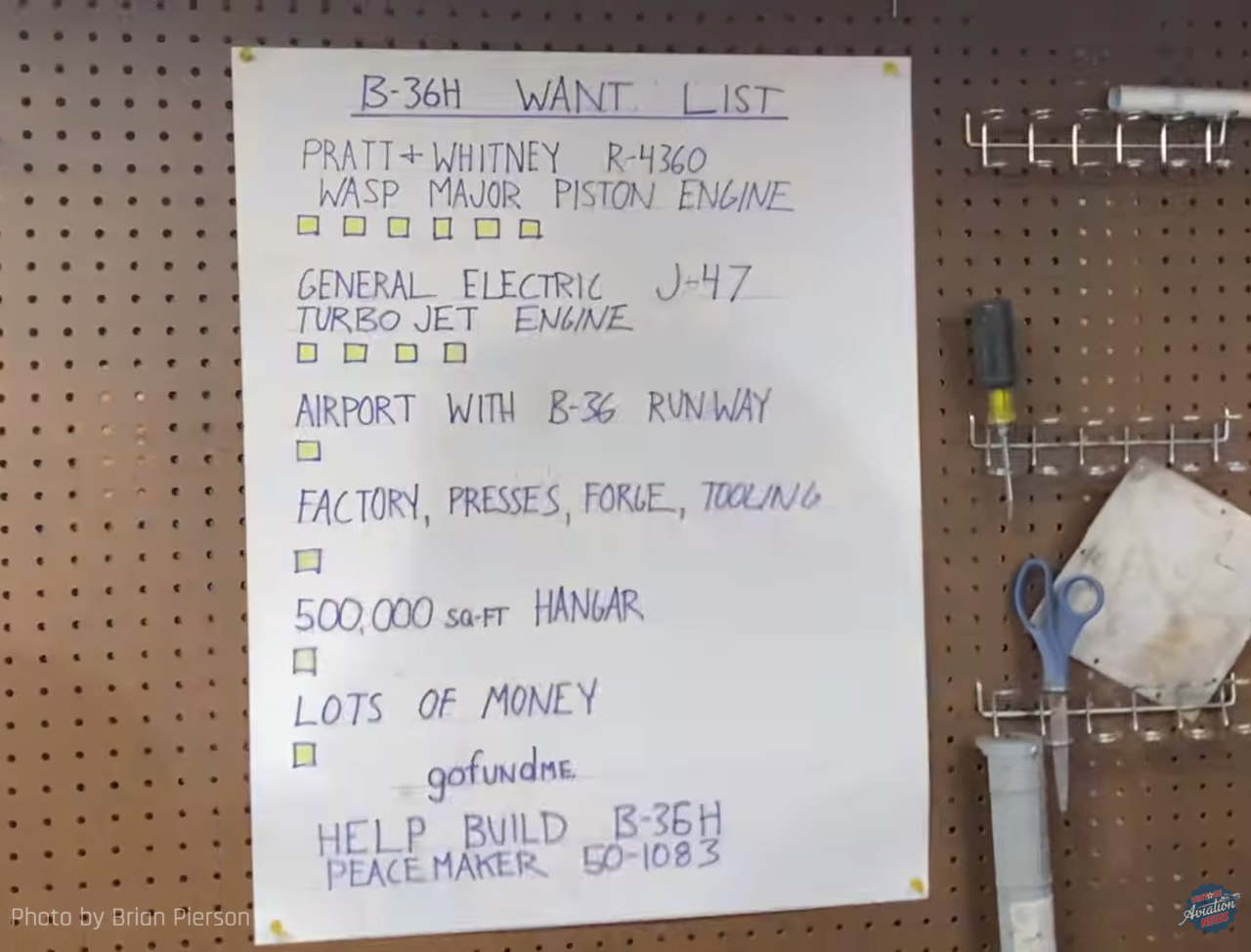
Hanging on an unassuming garage wall is a handwritten “Want List.” With Christmas drawing ever nearer, many of us have drafted—and likely received—similar lists from our loved ones. Pierson’s list, however, is humble only in appearance and anything but modest in ambition or cost. It is a “B-36H Want List,” and it spells out exactly what it would take to bring his Convair Peacemaker vision to life: six Pratt & Whitney R-4360 Wasp Major radial piston engines complemented by four General Electric J-47 turbojet engines; access to an airport with a runway long enough to handle a B-36; a factory equipped with presses, forge, and specialized tooling; a 500,000-square-foot hangar; and, inevitably, a great deal of money…Brian knows what he needs to make this B-36 project a complete success.
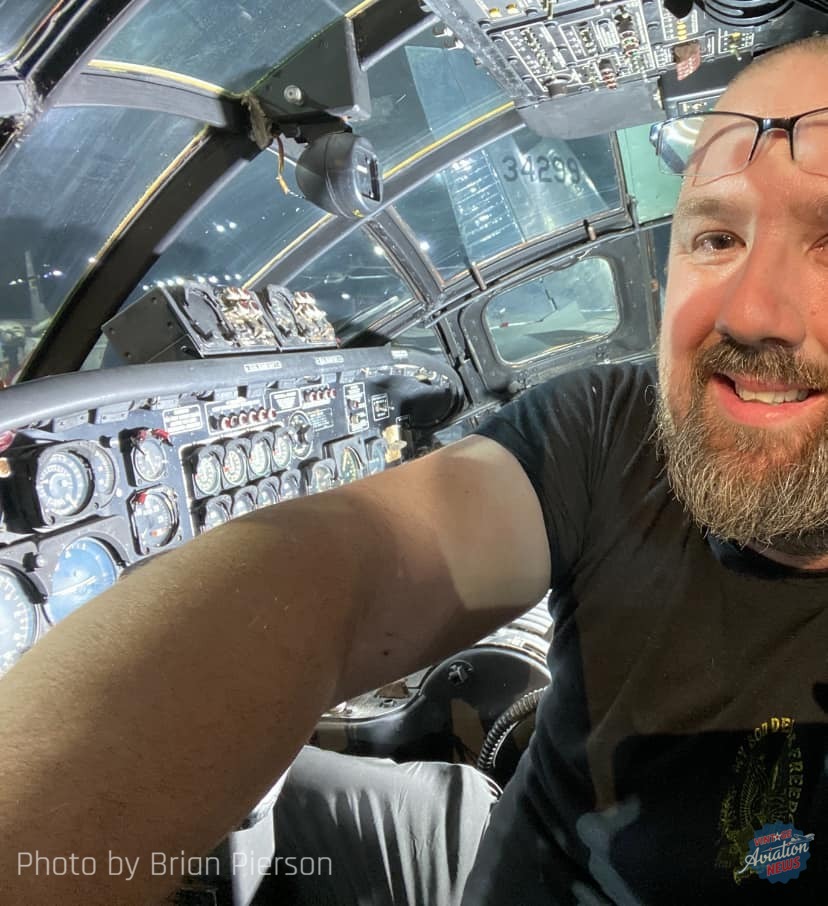
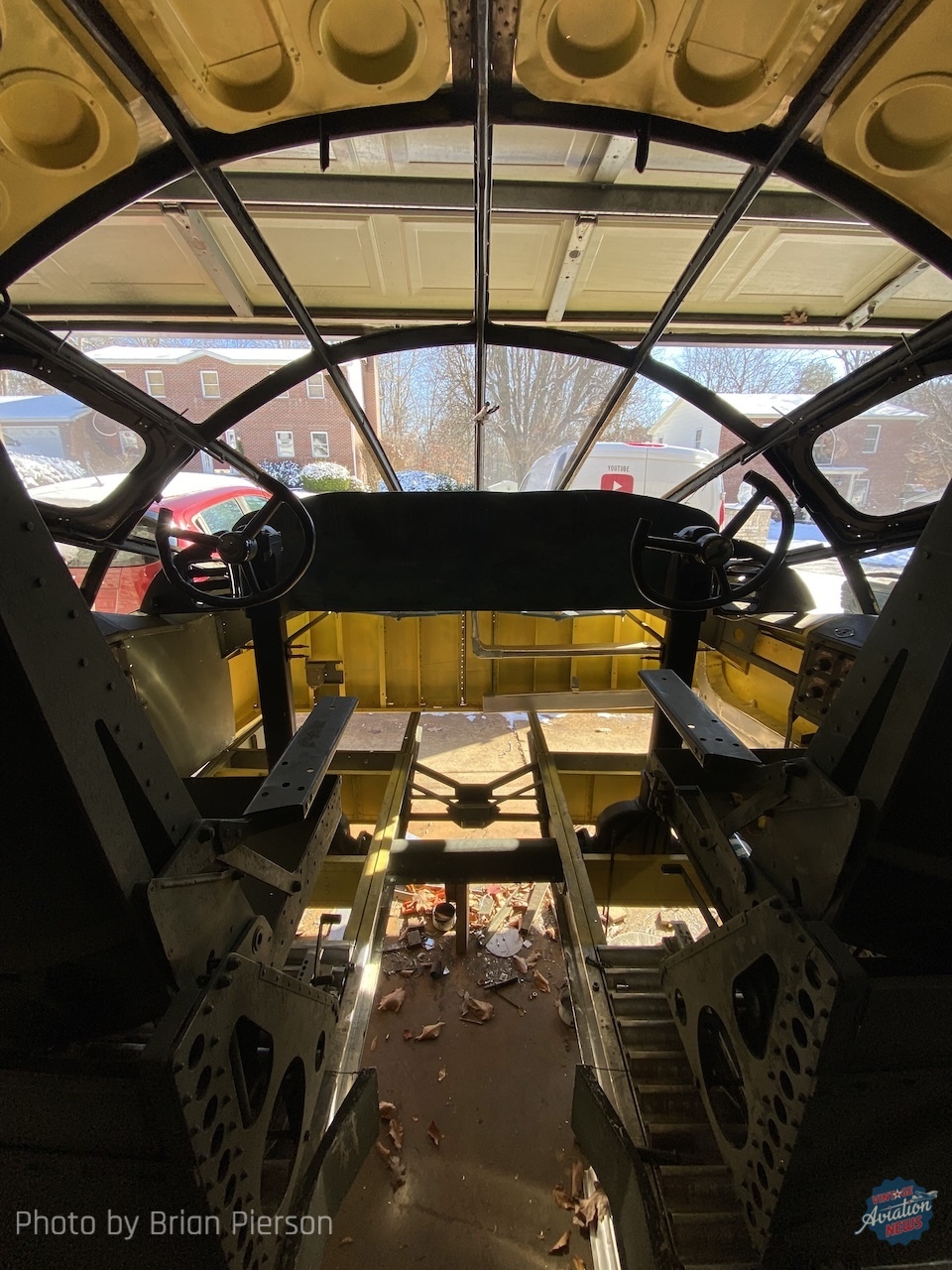
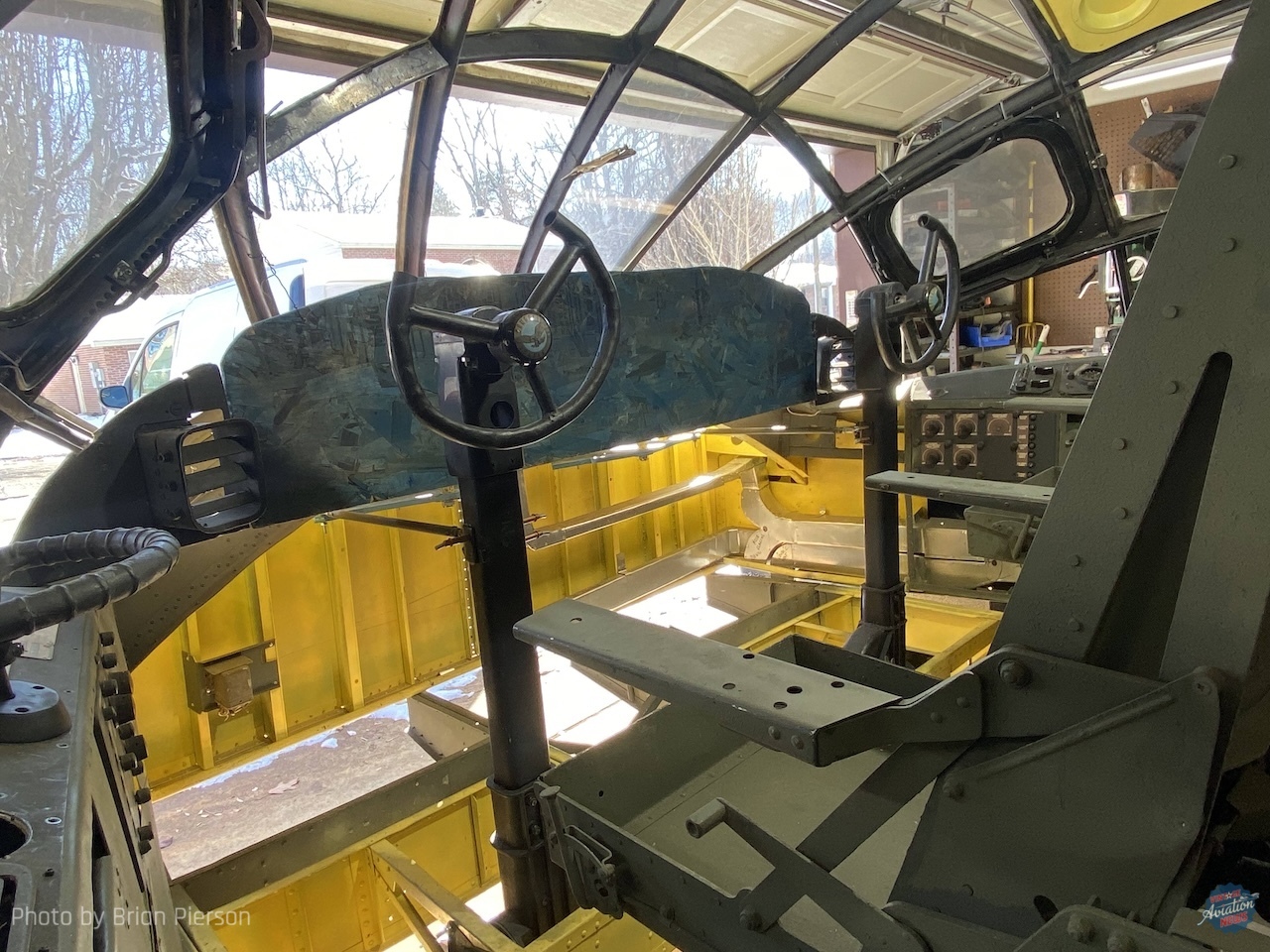
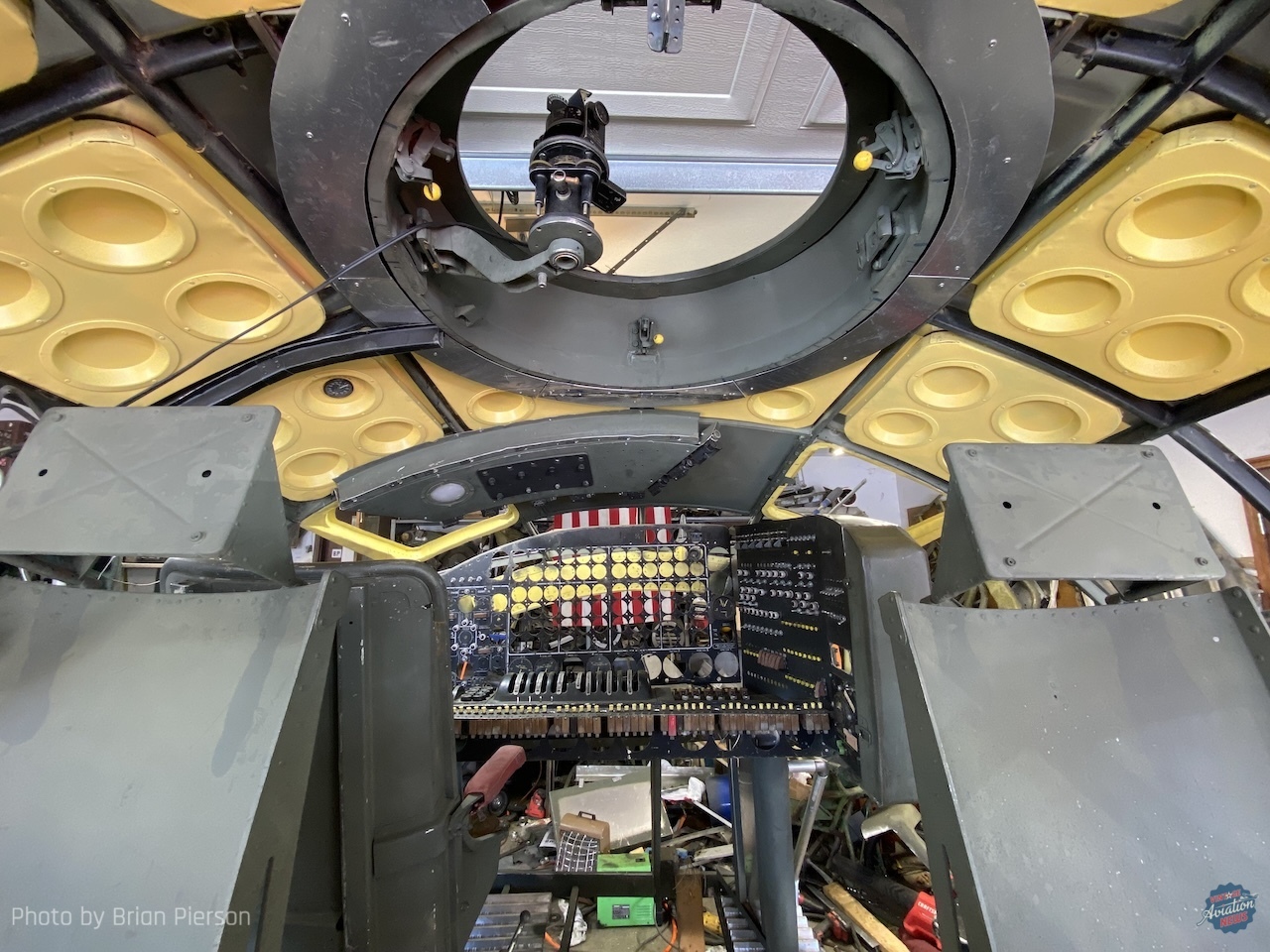
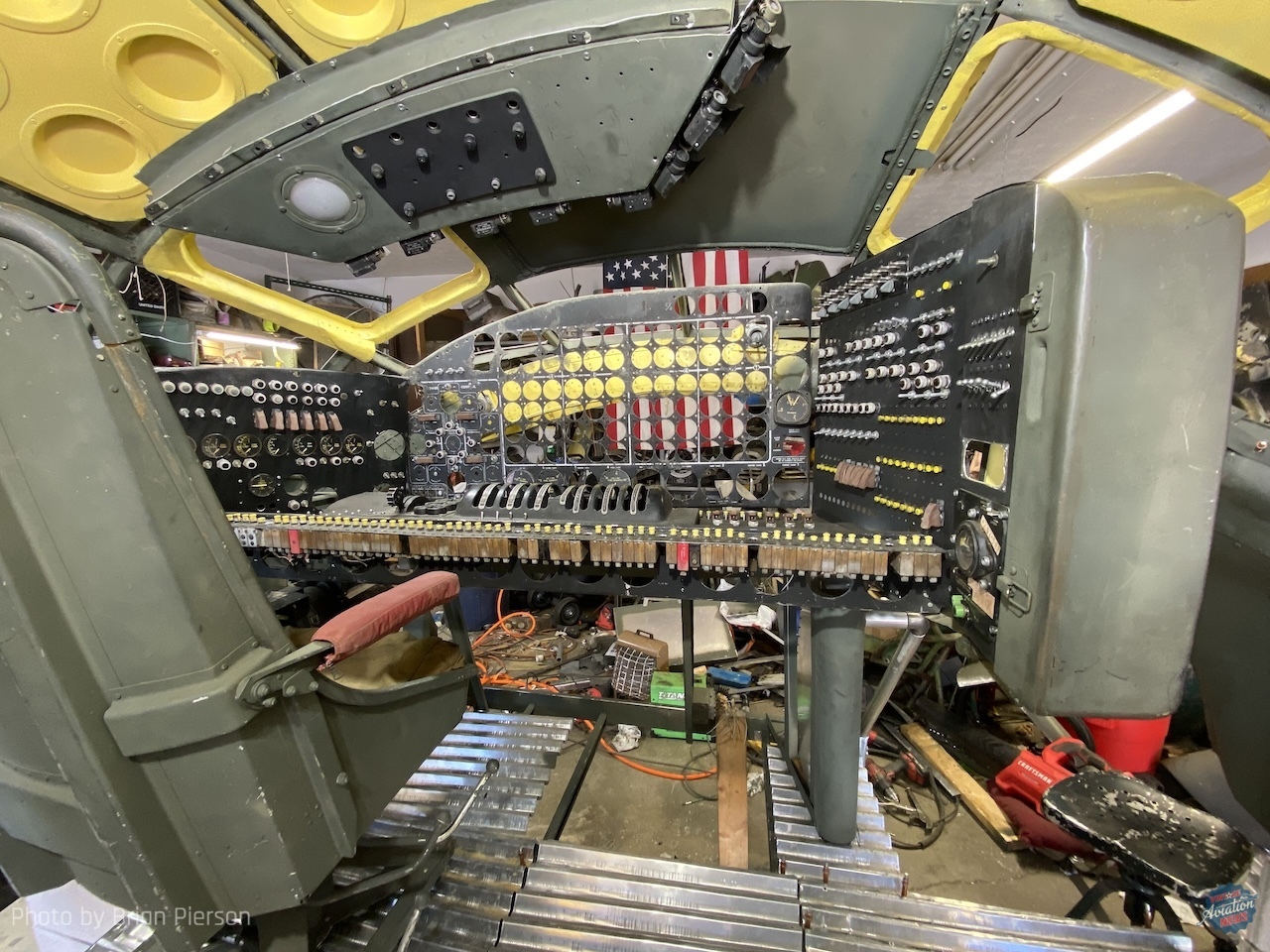
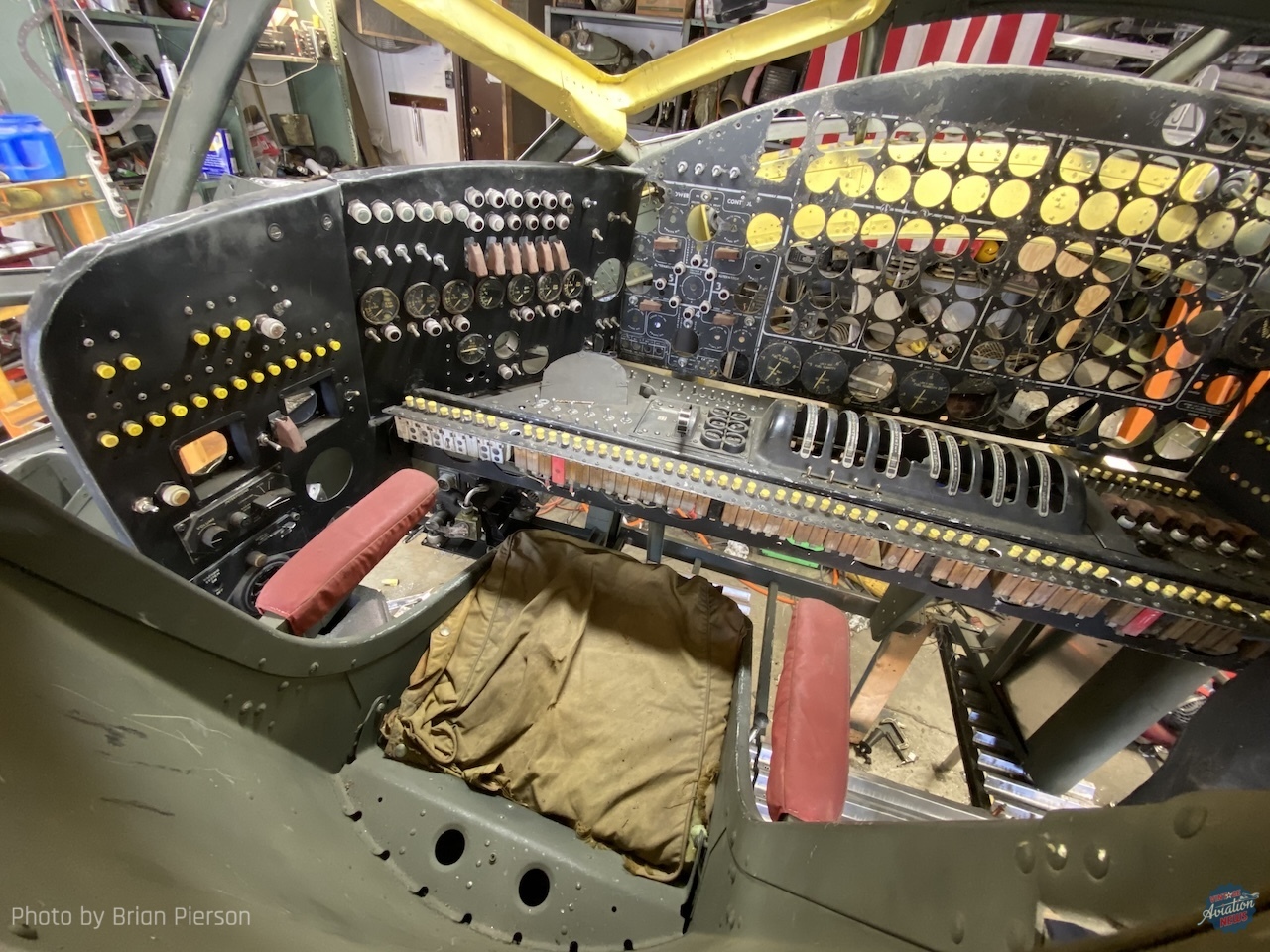
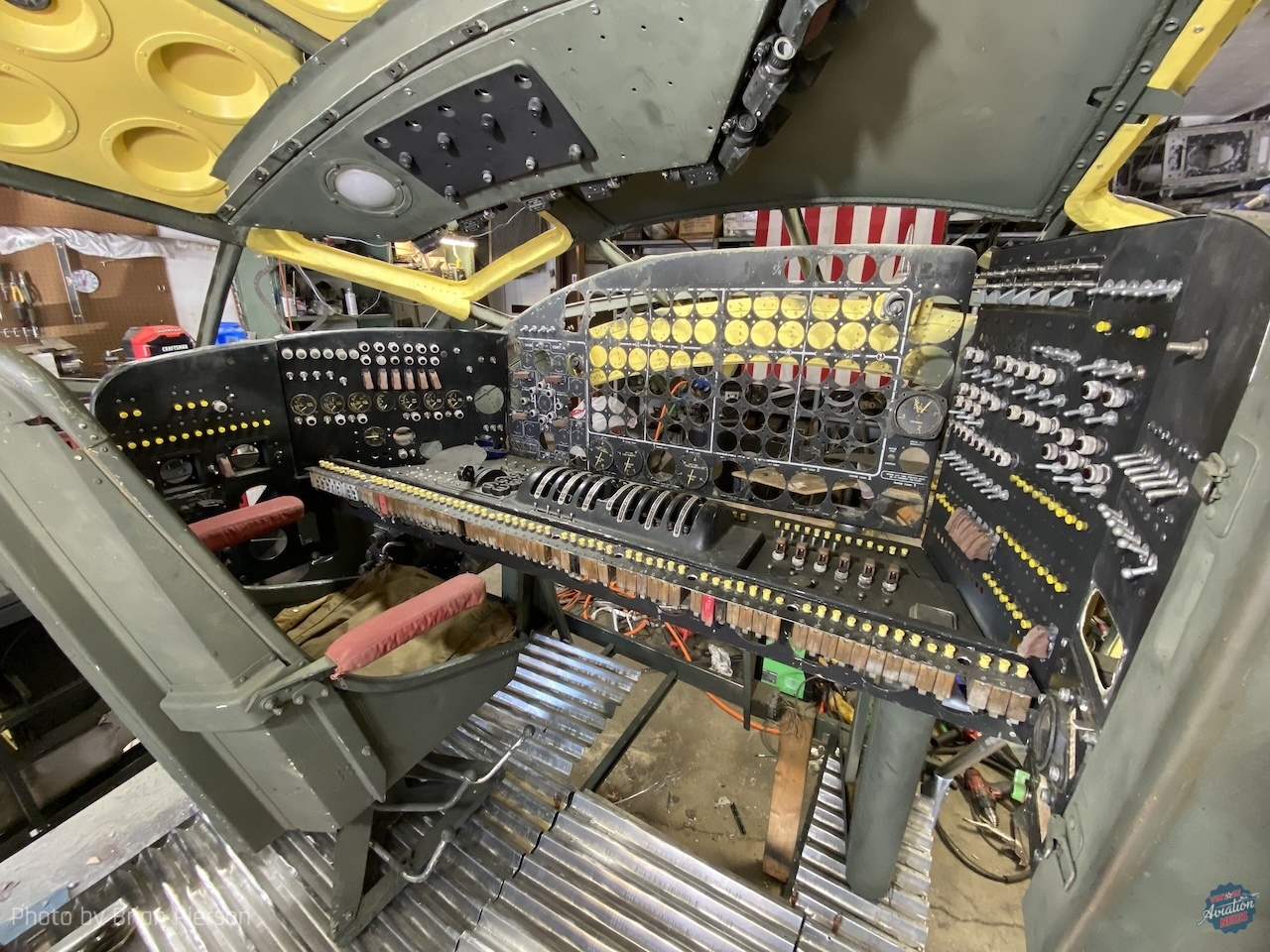
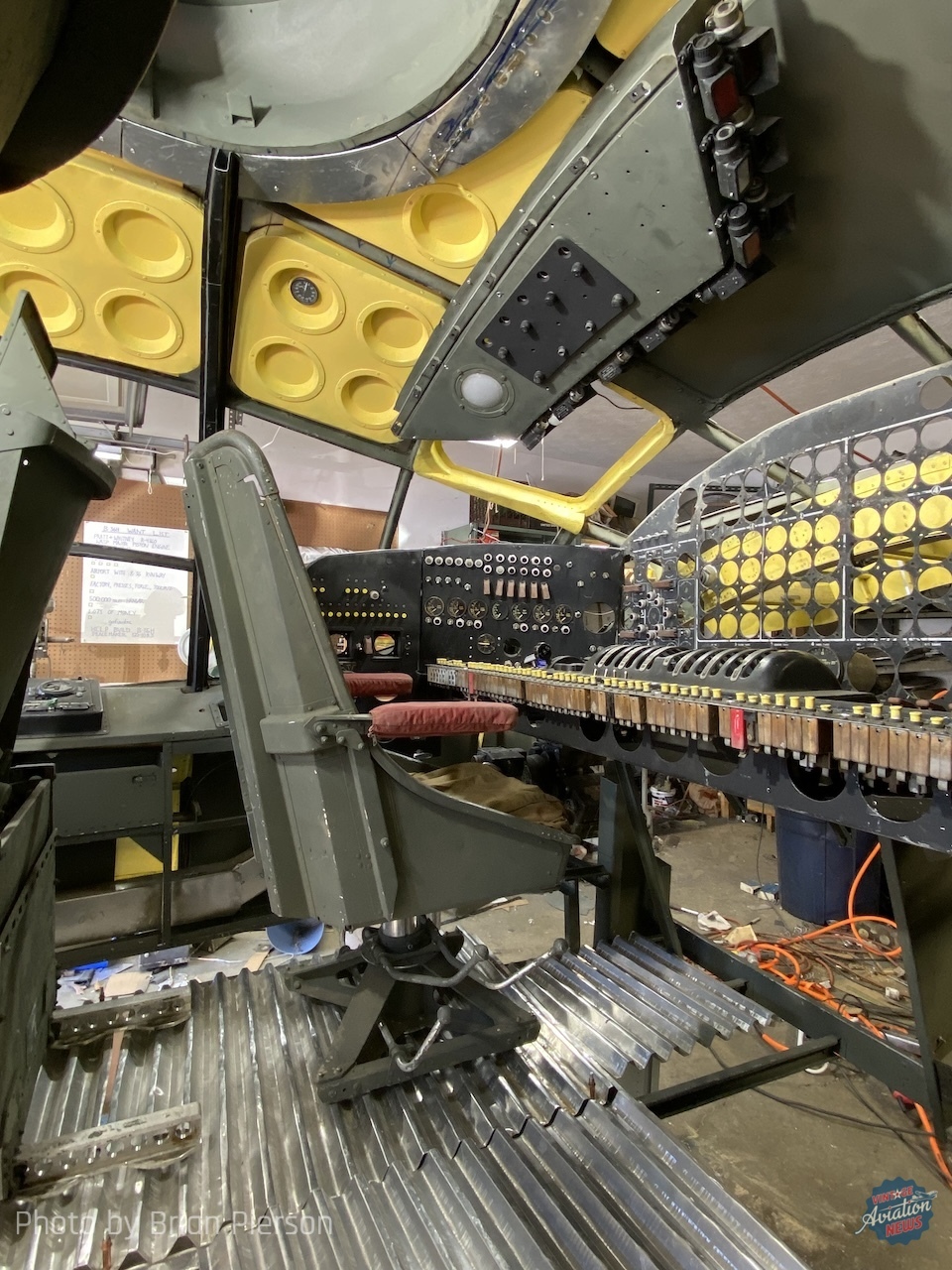
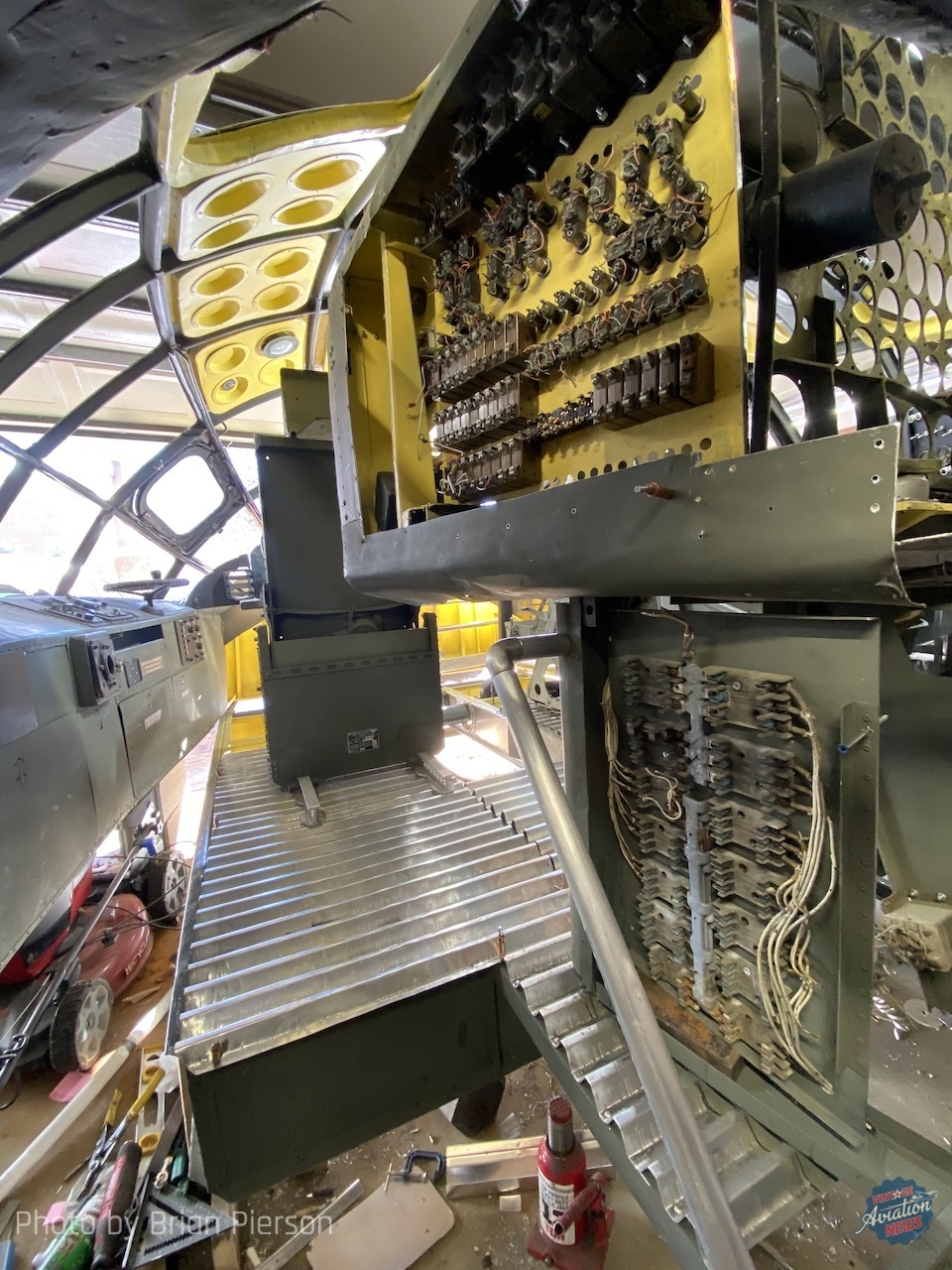
When we last checked in with Brian, the B-36H’s cockpit and flight deck were beginning to take form. A continued effort consisting of 10-12 hours of work, most days, means the Peacemaker nears ever closer to outgrowing its current hangar (the garage). Inside the cockpit of this Strategic Bomber, the pilot’s console is now complete. Brian hand-fabricated many of the components, including the turbosupercharger (TBS) controller. Additionally, the console’s main structure, access panels, elevator trim control mechanism, throttle quadrant frame, press-to-test lamps, light bulb sockets, and lighting panels were all fabricated as close to factory stock as Brian possibly could.
One man’s epic journey to build the long-range nuclear bomber from scratch. Photo by Brian Pierson
By studying the SAC museum’s B-36J 52-2217 pre-restoration photographs, Brian was able to duplicate the pilot’s console “rivet-per-rivet,” all while using factory-correct AN fasteners. The pilot’s console comes apart and goes back together for maintenance, and the sub-assemblies are serviceable as per the B-36 maintenance manual. Brian continues to fine-tune the elevator trim indicators. He is hoping to acquire photographs of the Pilot console’s lower portion in hopes of learning how it attaches to the flight deck structure.
One man’s epic journey to build the long-range nuclear bomber from scratch. Photo by Brian Pierson
Augmenting the pilot’s console, Brian has initiated work on the Peacemaker’s main flight controls. Brian recently “lucked” into a control column base for the B-36 on eBay. He has since fabricated an exact copy, which gives the B-36 the two control column units it requires. Brian went on to create the interconnecting torque tube, along with the tube’s access panel, thrust bearing assemblies, and housings. Station 122 of the flight deck has begun to see progress. This is the location where the control columns and pilot’s console mount, so it must be “caught up” to allow for installation of these flight-critical components. Once these components are in place, Brian will begin to install the large pulleys for the aileron control cables. Brian will be installing all of the control cables and their associated pulleys and links.
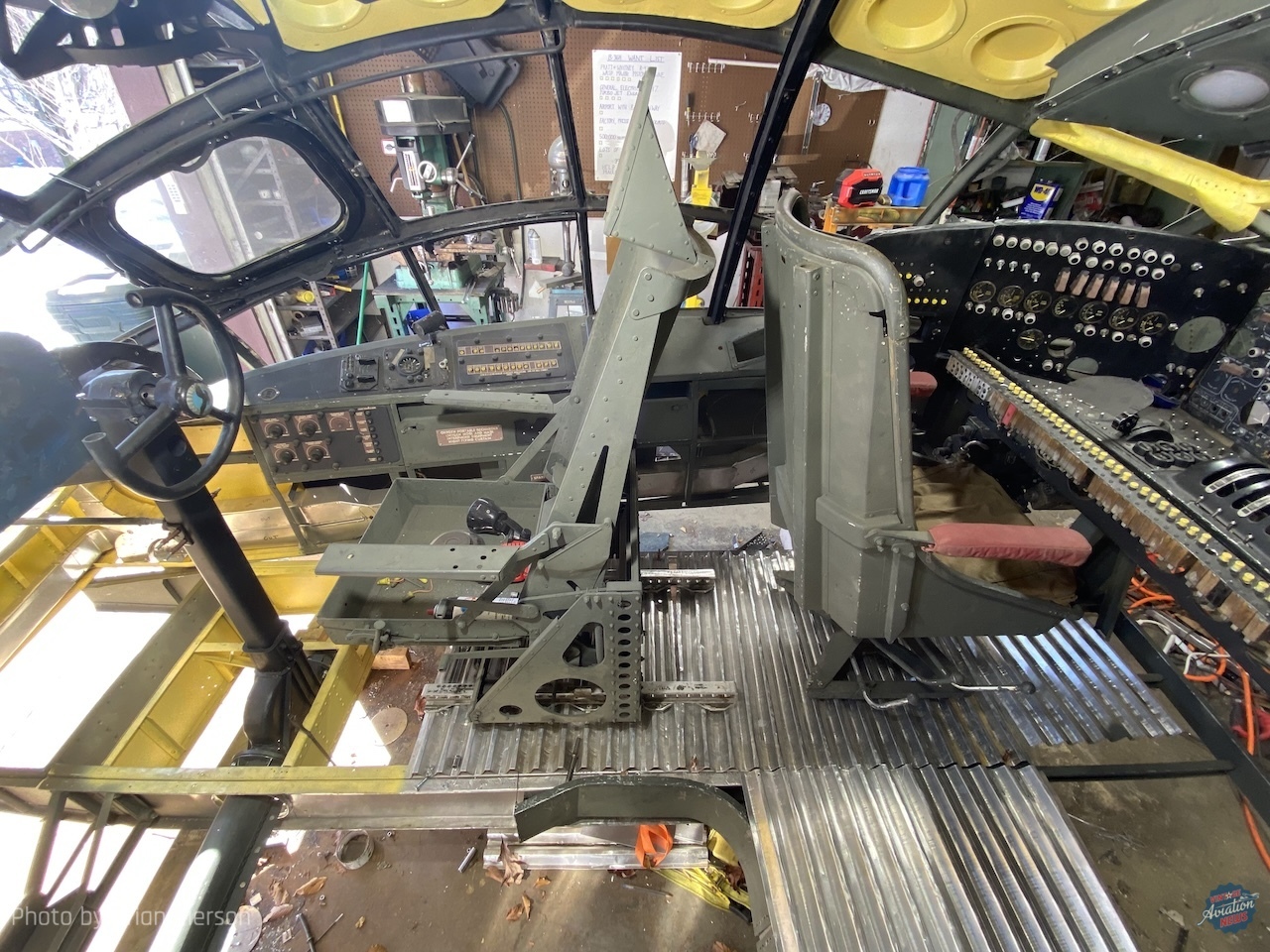
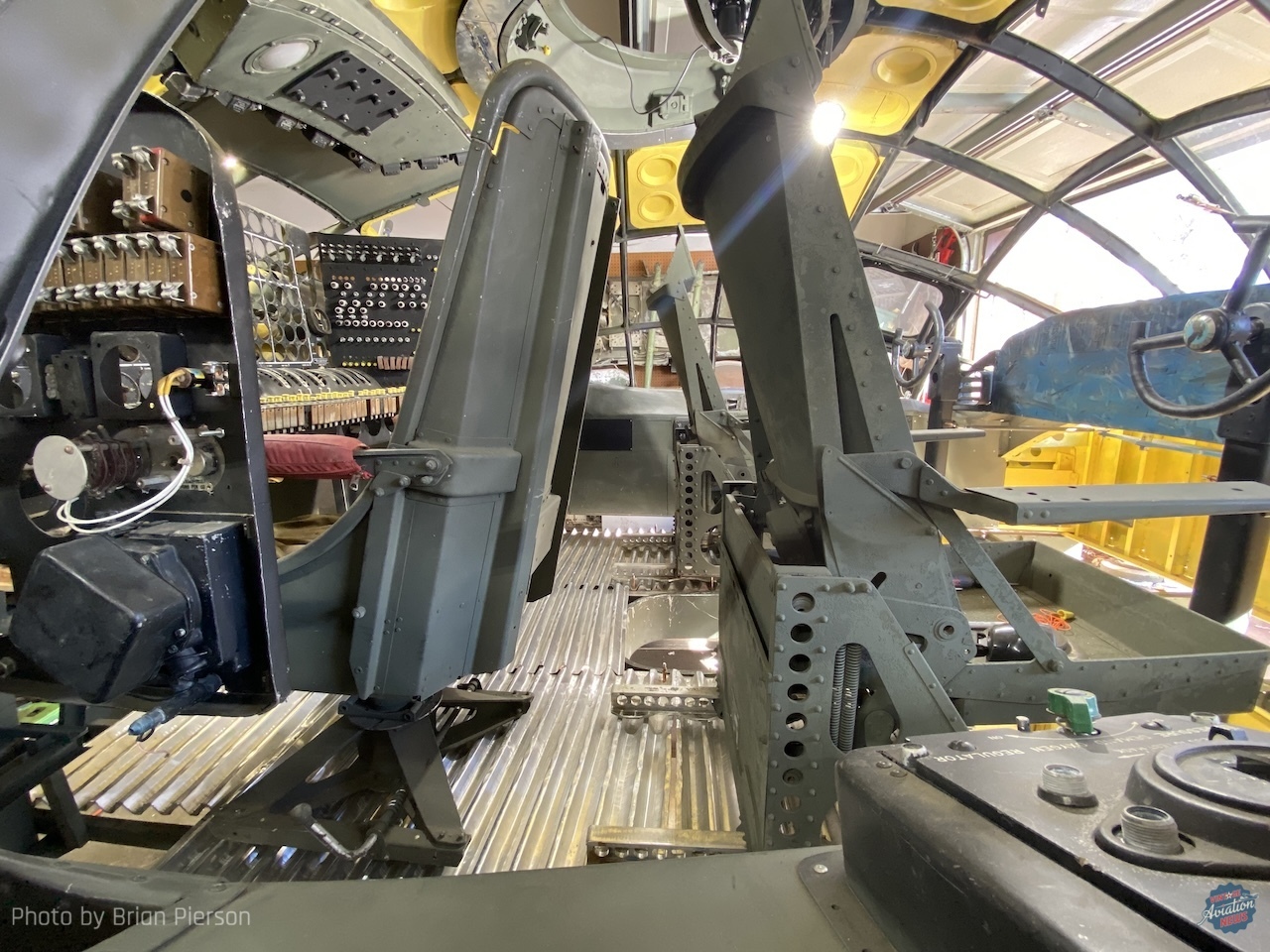
Currently, Brian is working on fabricating the additional control column shafts, including their yokes and heads. From here, he will construct a fully functional elevator segment and then progress towards installing the rudder pedal assemblies with associated cabling. It’s worth noting that the Pierson B-36H Peacemaker is now closer to sustained flight. Brian recently raised the bomber another 8 inches in the “hangar,” thanks to some cinder blocks. This increase in altitude will allow him to have better access to the flight deck floor and routing for control cables/pulleys.
Brian’s work continues to impress, and every week, the B-36H gets a little closer to being a complete airframe. The “Peacemaker Want List” could use some help. If you’d like to help this piece of Strategic Bombing history continue to grow wings, donate to the project’s GoFundMe @ www.gofundme.com/f/help-build-b36h-peacemaker-501083. Also, be sure to check out the project’s YouTube Channel @ www.youtube.com/@B36HPeacemaker.