





At the end of World War II, the Regia Aeronautica lay in ruins. The once-formidable Italian Air Force had to be rebuilt from the ground up—technically, operationally, and morally. The 1947 Paris Peace Treaty imposed strict limitations on Italy’s armed forces, but the establishment of NATO in 1949, with Italy as a founding member, spurred the modernization of all branches of the military. Under the U.S. Mutual Defense Assistance Program, Italy received a range of American aircraft to help rebuild its air capabilities. Among them were the P-47 Thunderbolt, P-38 Lightning, and P-51 Mustang—three of America’s premier piston-engine fighters. Approximately one hundred Thunderbolts were delivered to Italy, all of the D-30 variant. Of the 95 identified U.S. serial numbers, only 82 correspond to Italian registrations (MM.4600–4681). The discrepancy likely represents airframes dismantled for spare parts or destroyed before being re-registered.
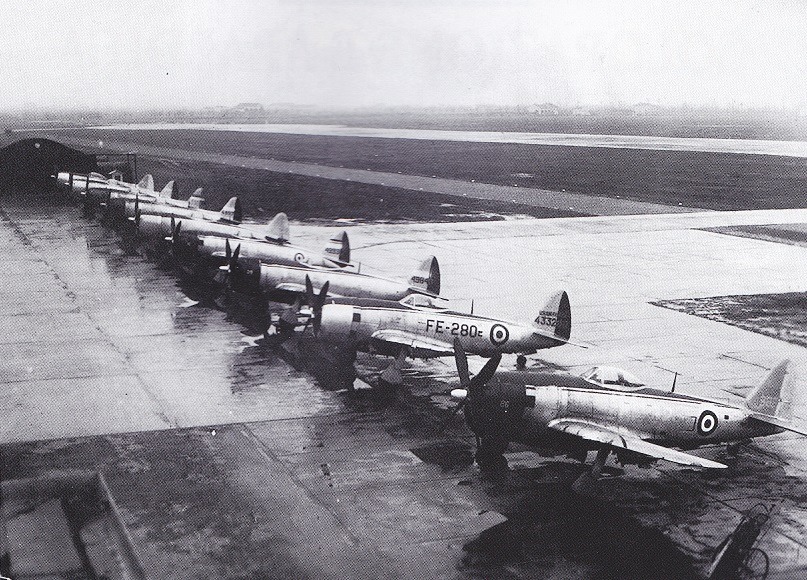
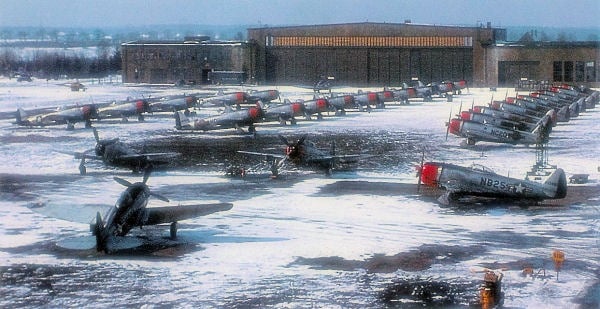
The P-47 Thunderbolt, now under restoration at Museo Volandia, located near Milan’s Malpensa International Airport, carries the Italian serial number MM4653. Delivered to the Italian Air Force on March 1, 1951, this aircraft—like many surviving warbirds—has an extraordinary story of endurance. Records indicate that during its U.S. Air Force service, the aircraft was assigned to the 526th Fighter Squadron, 86th Fighter Group, USAFE, based at Neubiberg Air Base near Munich, Germany. It arrived in Italy in January 1951 and was initially assigned to the 5° Stormo Caccia Bombardieri (5th Fighter-Bomber Wing). In March 1953, it was transferred to the 22° Fighter-Bomber Squadron of the 51° Fighter-Bomber Wing.
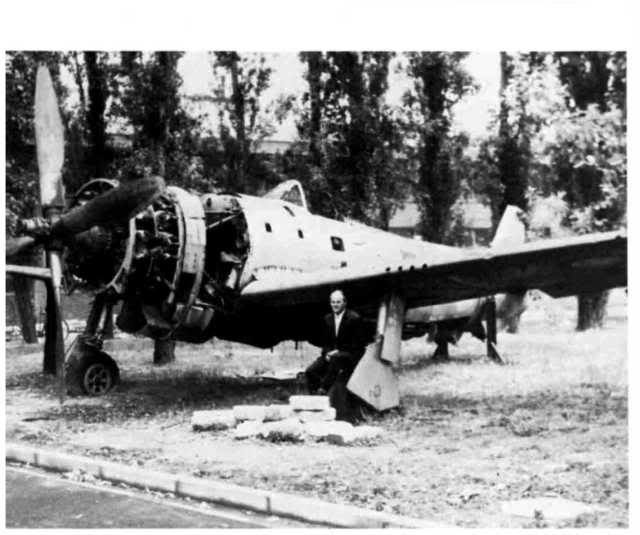
After its retirement from operational service, the aircraft’s history becomes less clear. According to Volandia’s Curator and Restoration Manager, Maurizio Longoni, it is believed that MM4653 was one of the last airworthy Thunderbolts in Italian service. Upon withdrawal, it was reportedly sent to the University of Pisa’s Faculty of Engineering, where it was partially dismantled to provide students with components—such as the distinctive turbo-supercharger—for study.
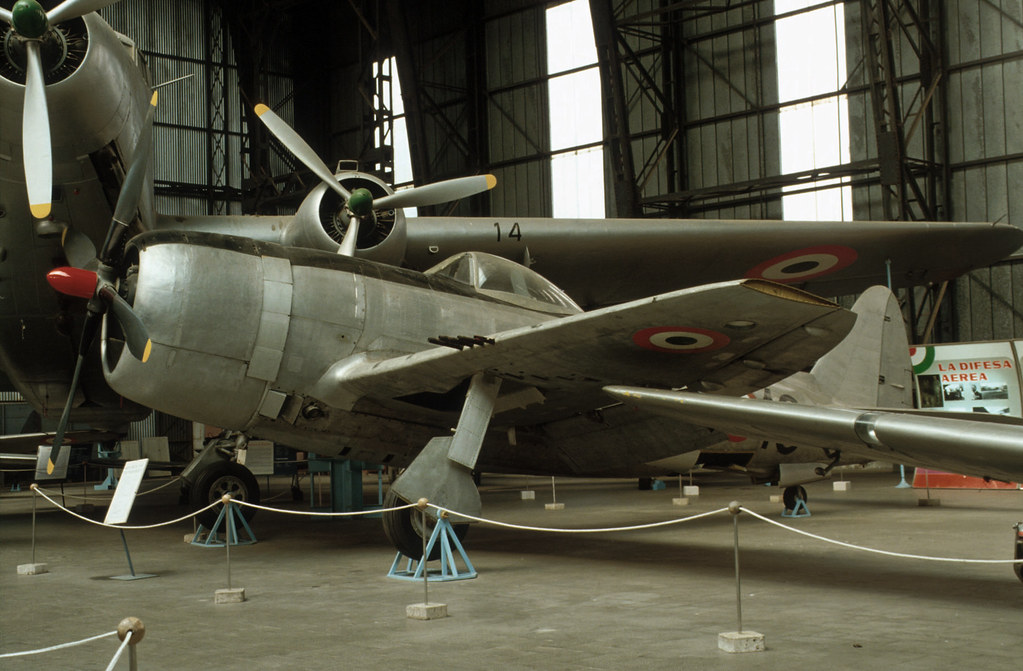
By 1973, the airframe had been moved to Lecce-Galatina Air Force Base, with the intention of restoring it for display in the planned Italian Air Force Museum. An important initial restoration was carried out by military and civilian technicians of the 3° RTA. It remained in storage in southern Italy until 1978, when it was relocated to the Museo Storico dell’Aeronautica Militare at Vigna di Valle near Rome. Between 1978 and 1995, Air Force technicians carried out a basic cosmetic restoration, removing the wing pylons and leaving the cockpit instruments and canopy incomplete. In 1995, the Thunderbolt was disassembled once more and placed in long-term storage at an Air Force depot.
In 2019, the Aeronautica Militare Italiana signed an agreement with Museo Volandia to undertake a comprehensive restoration of the airframe, while the Italian Air Force itself restored the Pratt & Whitney R-2800 Double Wasp engine. Volandia’s restoration workshop—staffed largely by retired engineers and technicians from nearby Aermacchi and SIAI-Marchetti factories—has since carried out meticulous work on the aircraft.

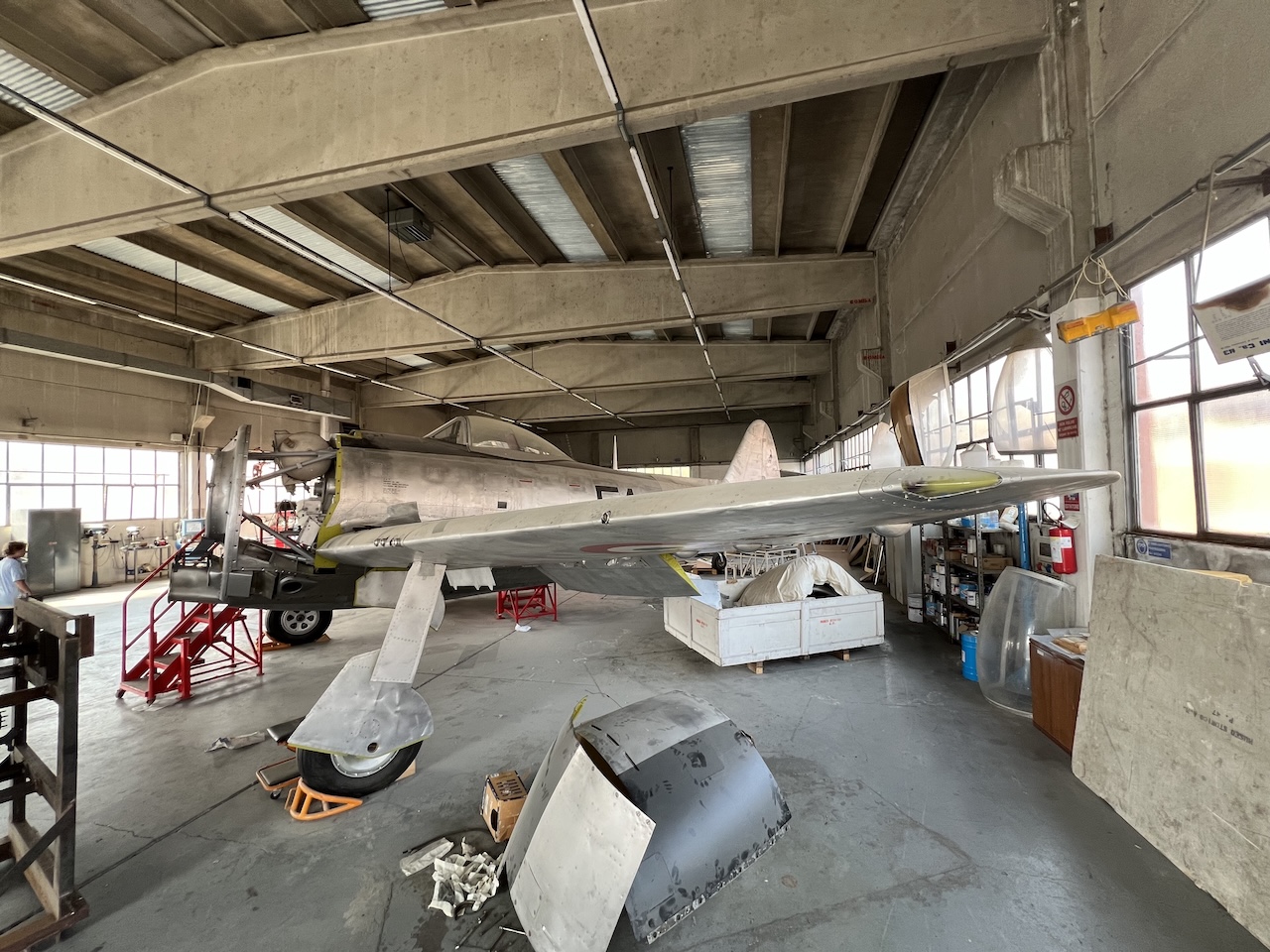
The project included a complete rebuild of the cockpit, with original instruments sourced to replace missing or damaged ones, and a fully functional canopy and control surfaces installed. As the aircraft will remain a static exhibit, the restoration focused on conservation and authenticity rather than airworthiness. Volunteers also repaired and refitted sections of the fuselage and firewall area to accommodate the powerful 18-cylinder radial engine.
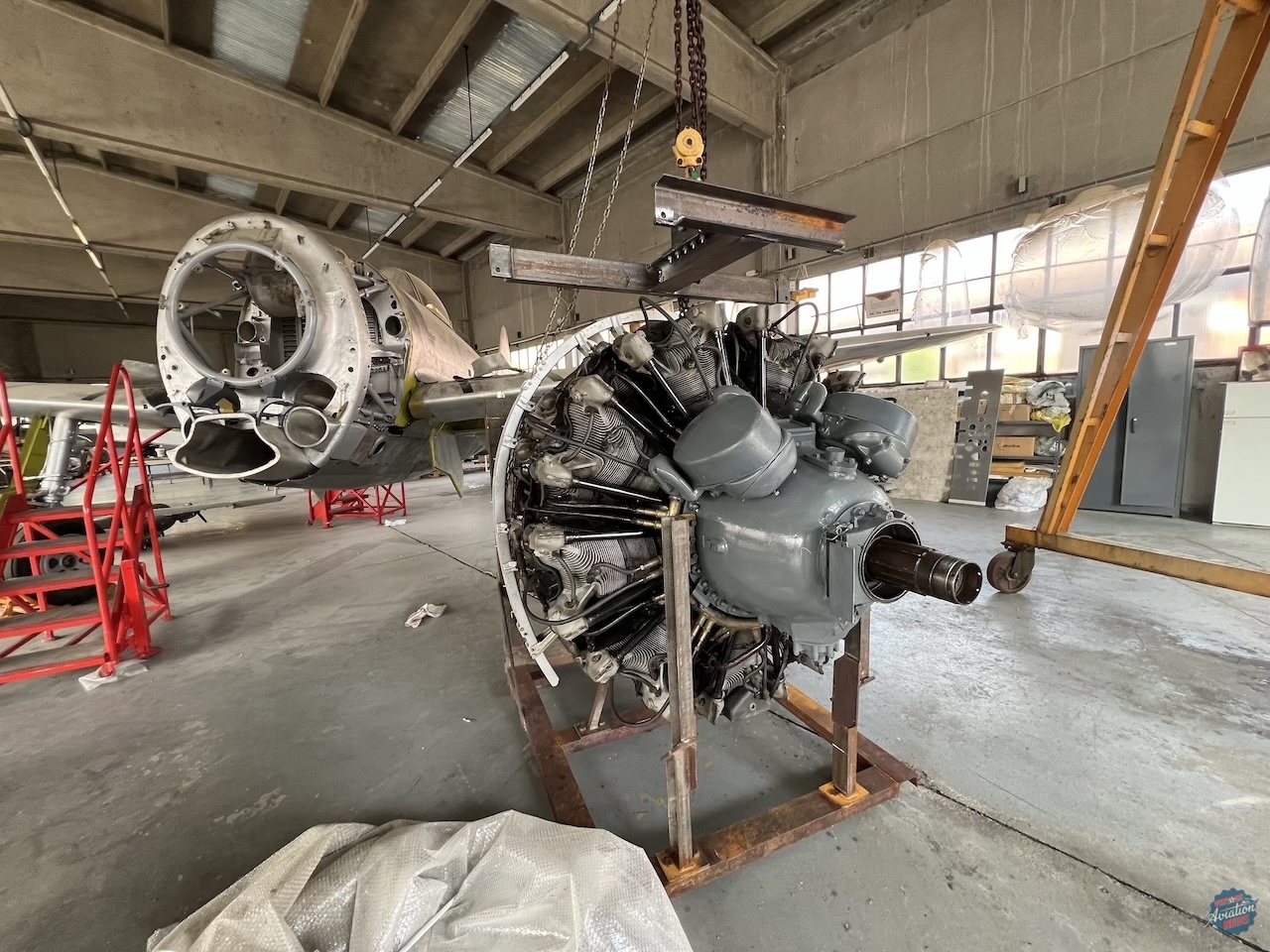
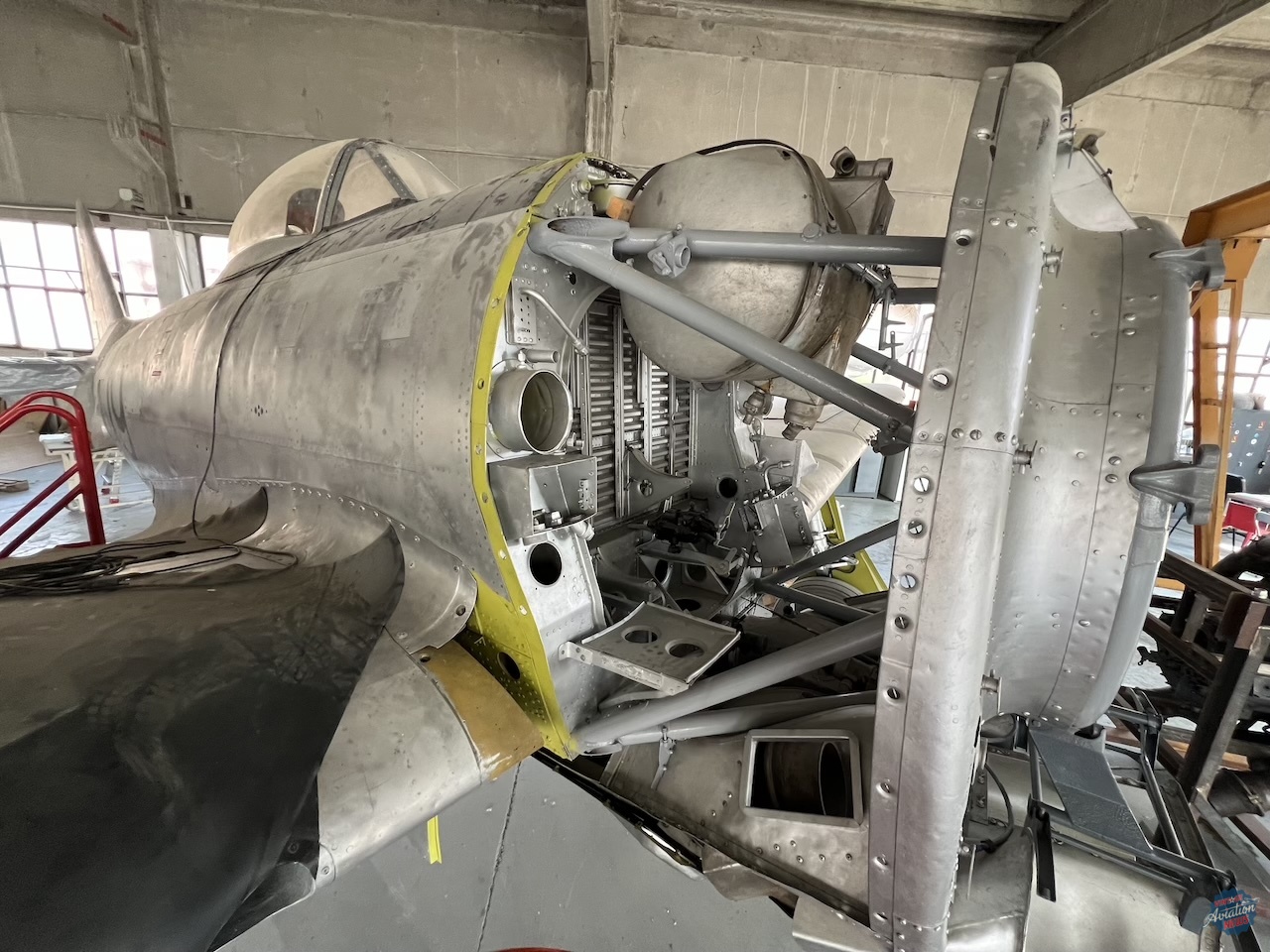
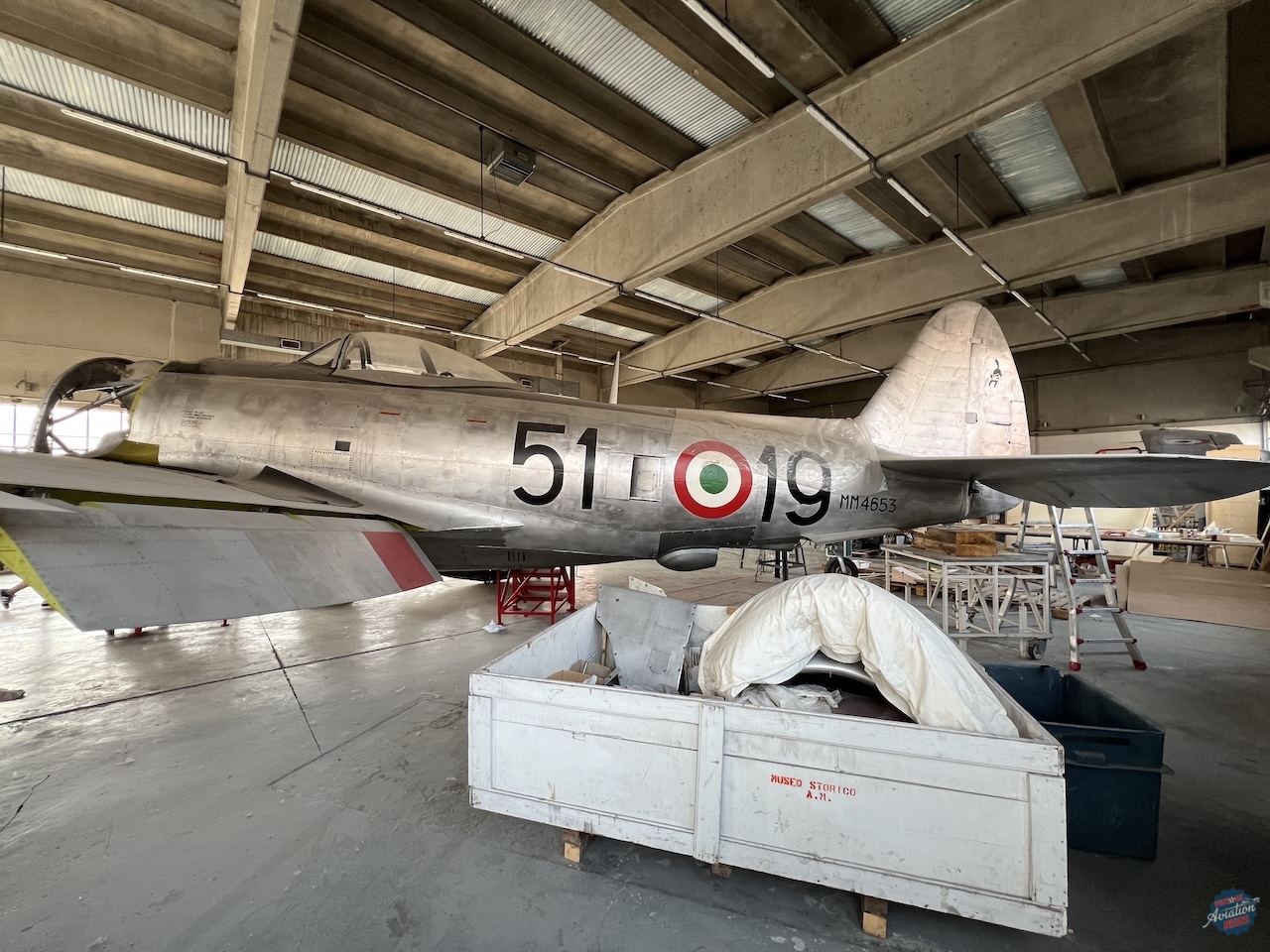
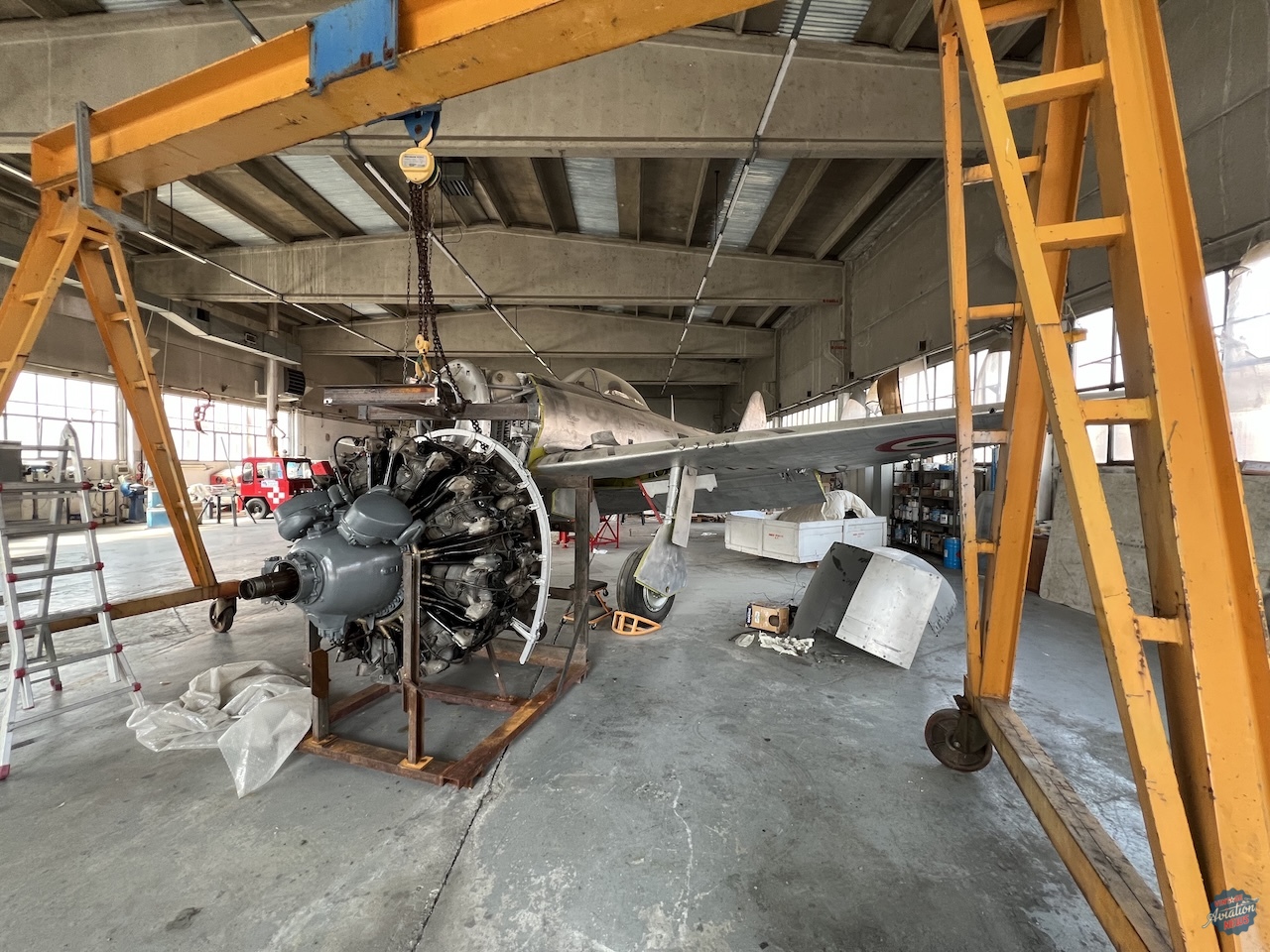
The Air Force completed restoration of the engine and its components, while Volandia focused on the aircraft’s exterior. Now nearing completion, the Thunderbolt is expected to go on public display in November. Under the agreement with the Aeronautica Militare, MM4653 will remain at Museo Volandia for at least five years following the completion of its restoration, after which it will eventually be transferred to the Museo Storico dell’Aeronautica Militare at Vigna di Valle.
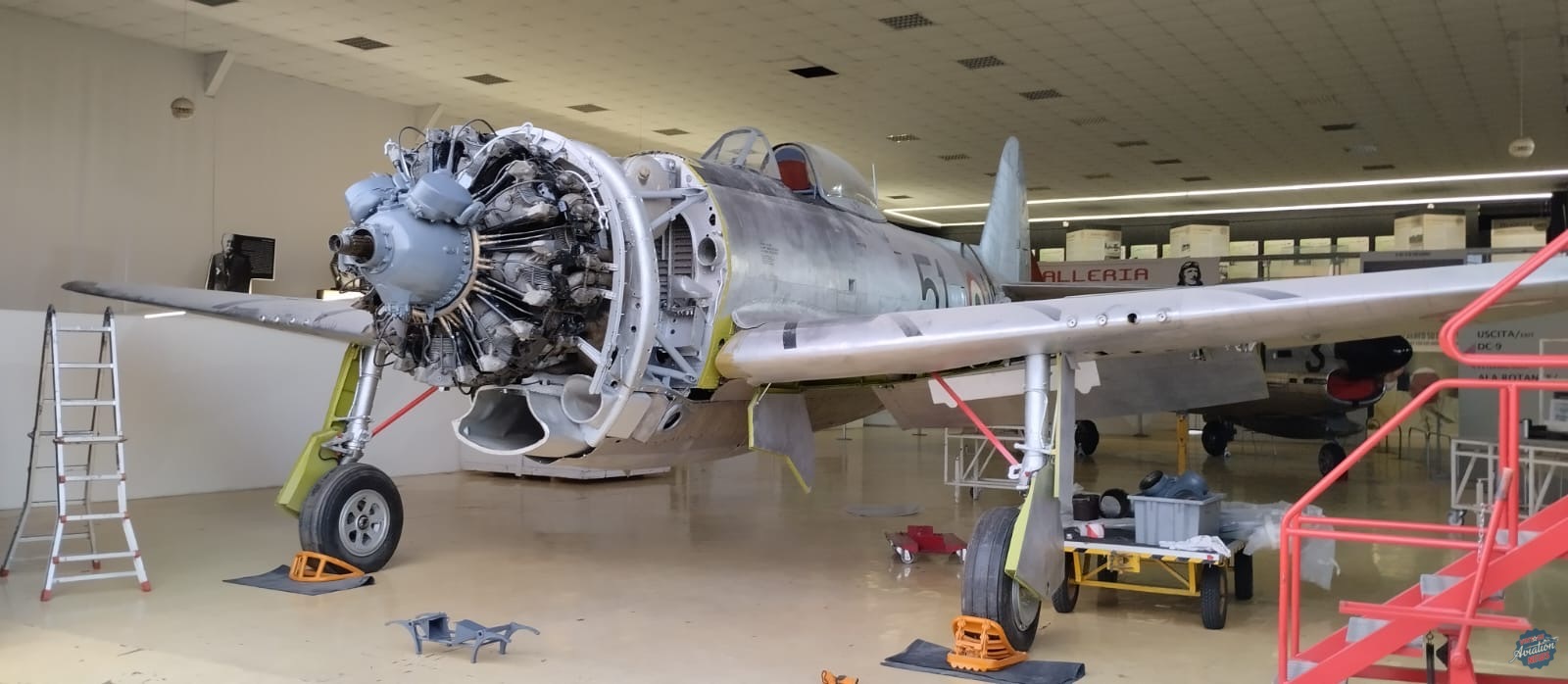
An interesting note about this aircraft is that it retains its original military codes—a rarity among the historic airplanes on display at the museum. This restoration not only preserves a rare piece of Italy’s postwar aviation history but also honors the enduring legacy of the legendary P-47 Thunderbolt and those who flew it in both American and Italian service. For more information about Volandia, visit volandia.it/en/








 Vintage Aviation News