



What a fantastic start to the UK airshow season at Shuttleworth—truly one of the finest venues in the world to watch an air display. The curved display line offers spectacular topside passes, especially when aircraft approach from the left, emerging from behind the crowd with the sun perfectly illuminating them as they round the corner above the control tower. The gently sloping ground also ensures a great view, even for those further back. What really sets Shuttleworth apart these days is the imagination and innovation of its airshow organisers and pilots. They consistently deliver something new—unique formations of aircraft rarely seen together and interesting visiting types that complement the historic Shuttleworth Collection. That’s why we keep coming back.

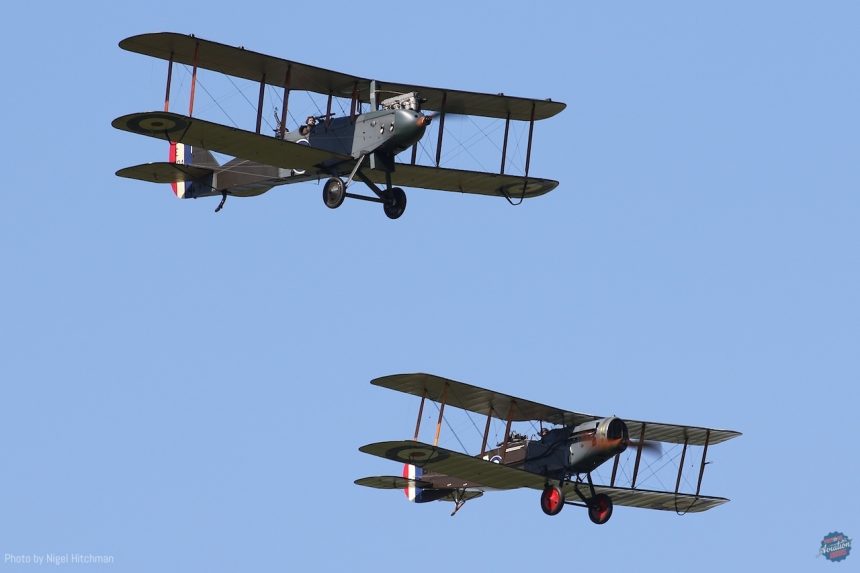
It was worth the entry fee alone to witness the Historic Aircraft Collection’s 1918 Airco DH9 (G-CDLI/E8894), making only its second public display appearance—the first being in 2019. This time, it flew alongside the Shuttleworth Collection’s Bristol F2B Fighter, offering stunning formation flypasts. The Collection’s SE5A was also scheduled to join them, but gusty crosswinds grounded several of the smaller, lighter aircraft, including this one.


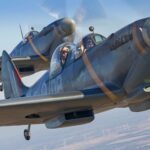
The display opened with flypasts by the BBMF Spitfire XVI (TE311), which now bears a new paint scheme. The right side pays tribute to Squadron Leader Mark Long, who tragically lost his life in the crash of Spitfire IX (MK356) on 25 May 2024. The left side retains the markings of 332 (Dutch) Squadron.
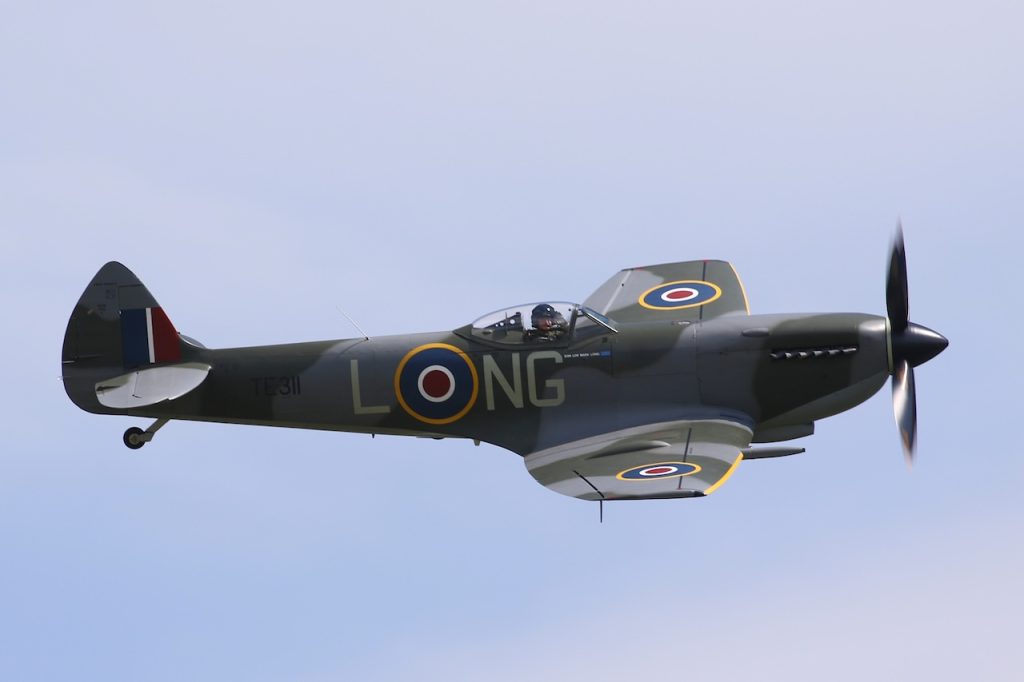

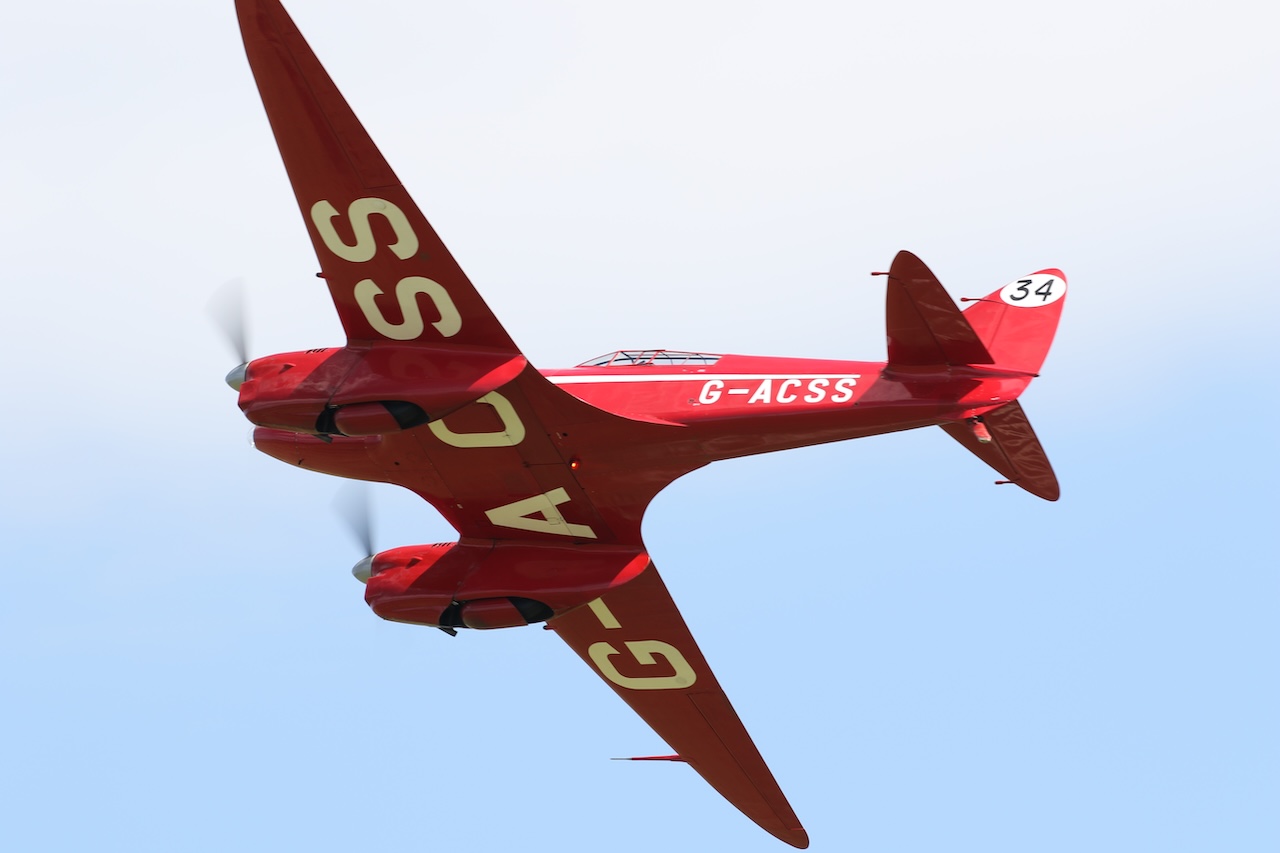
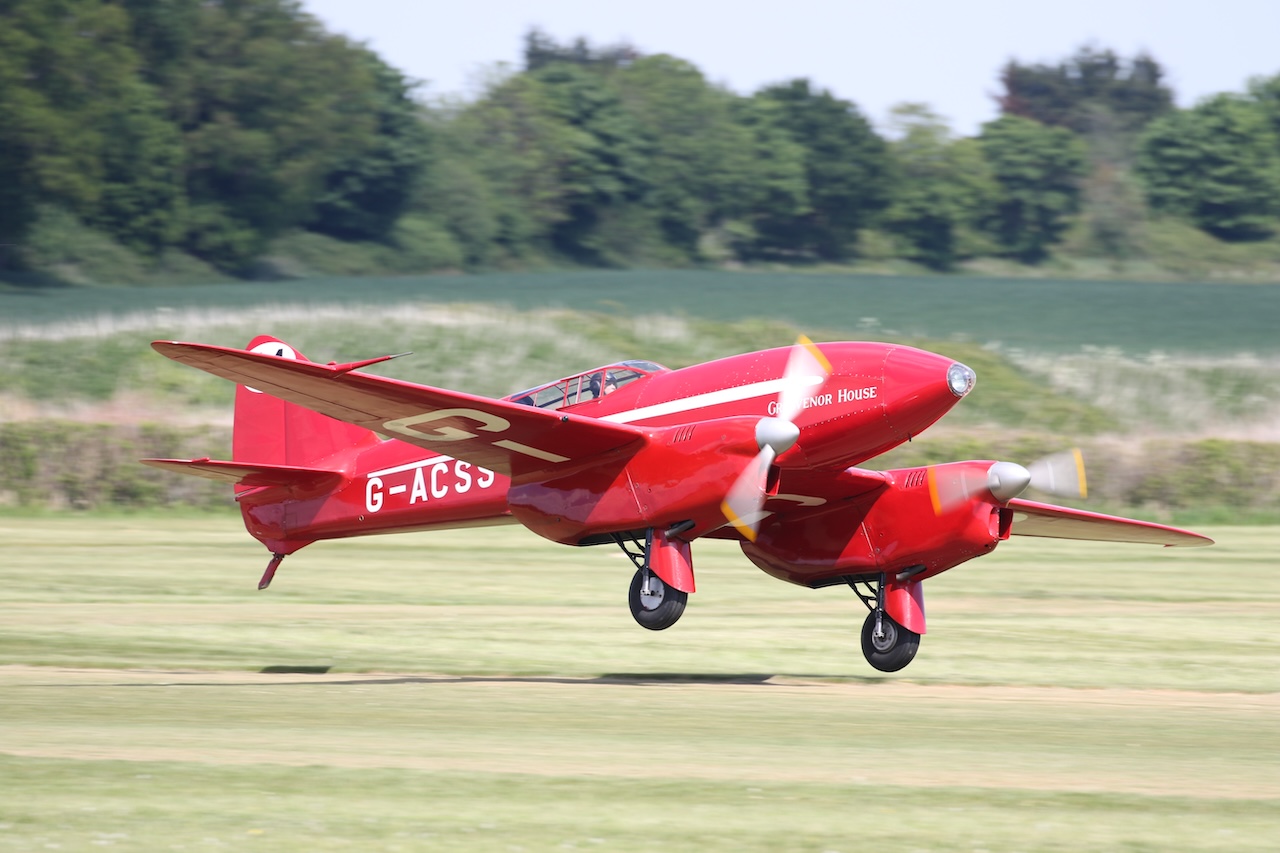
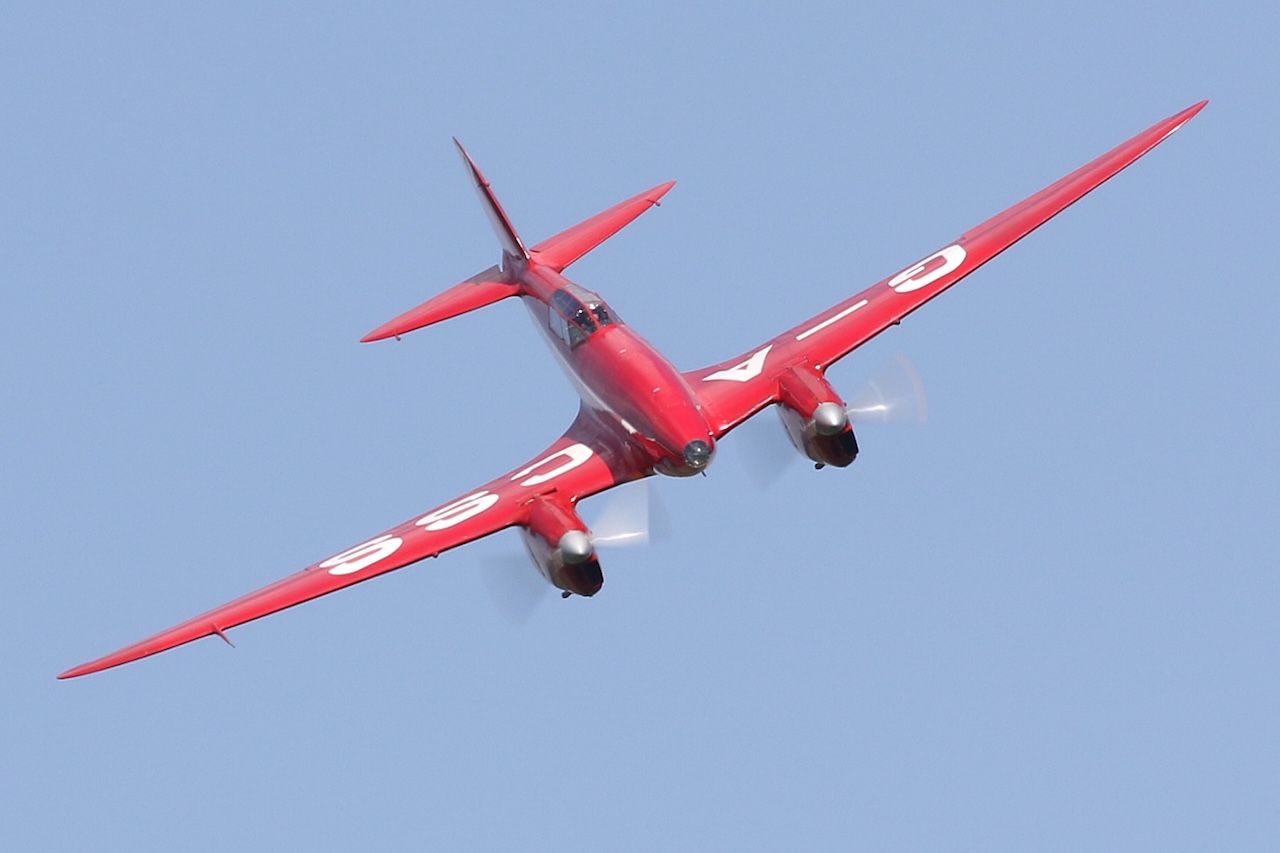
Next came one of the stars of the Shuttleworth Collection: the 1934 MacRobertson Trophy winner, the de Havilland DH88 Comet Racer (G-ACSS), which famously flew from Mildenhall, England, to Melbourne, Australia. The bright red Comet looked magnificent against the blue skies, and its polished performance was capped with a well-executed crosswind landing. Interestingly, we’re told that crosswinds are actually less of an issue when landing the Comet than no wind at all—though today’s gusts certainly added some challenge.

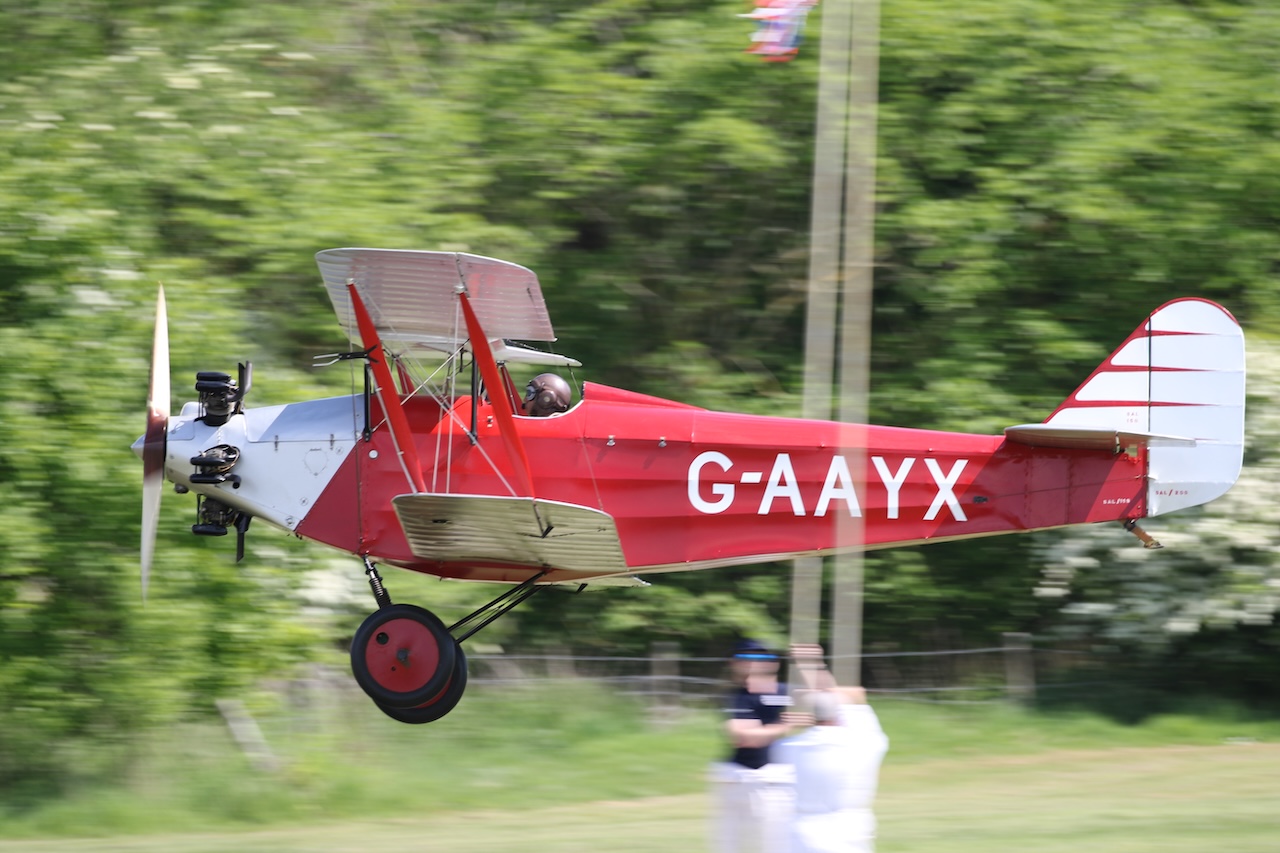
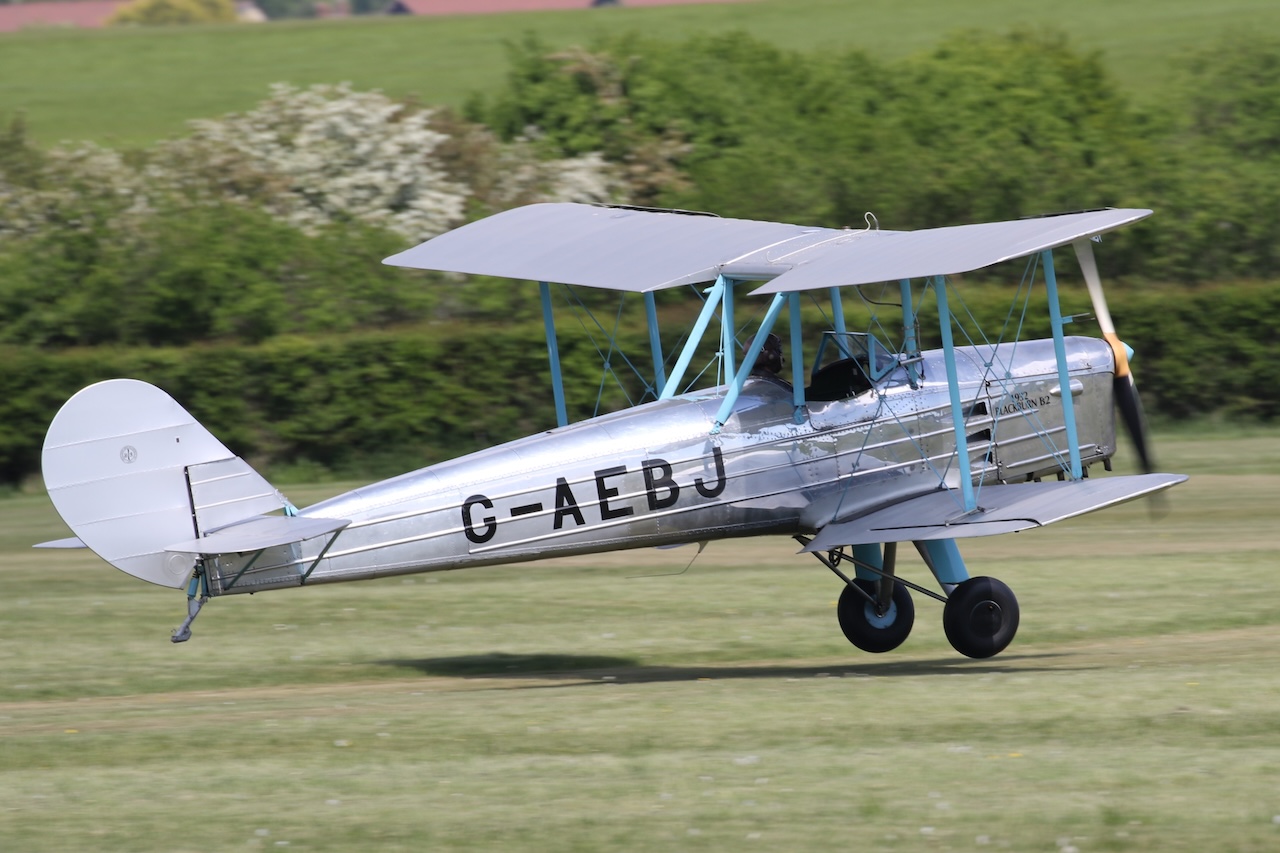
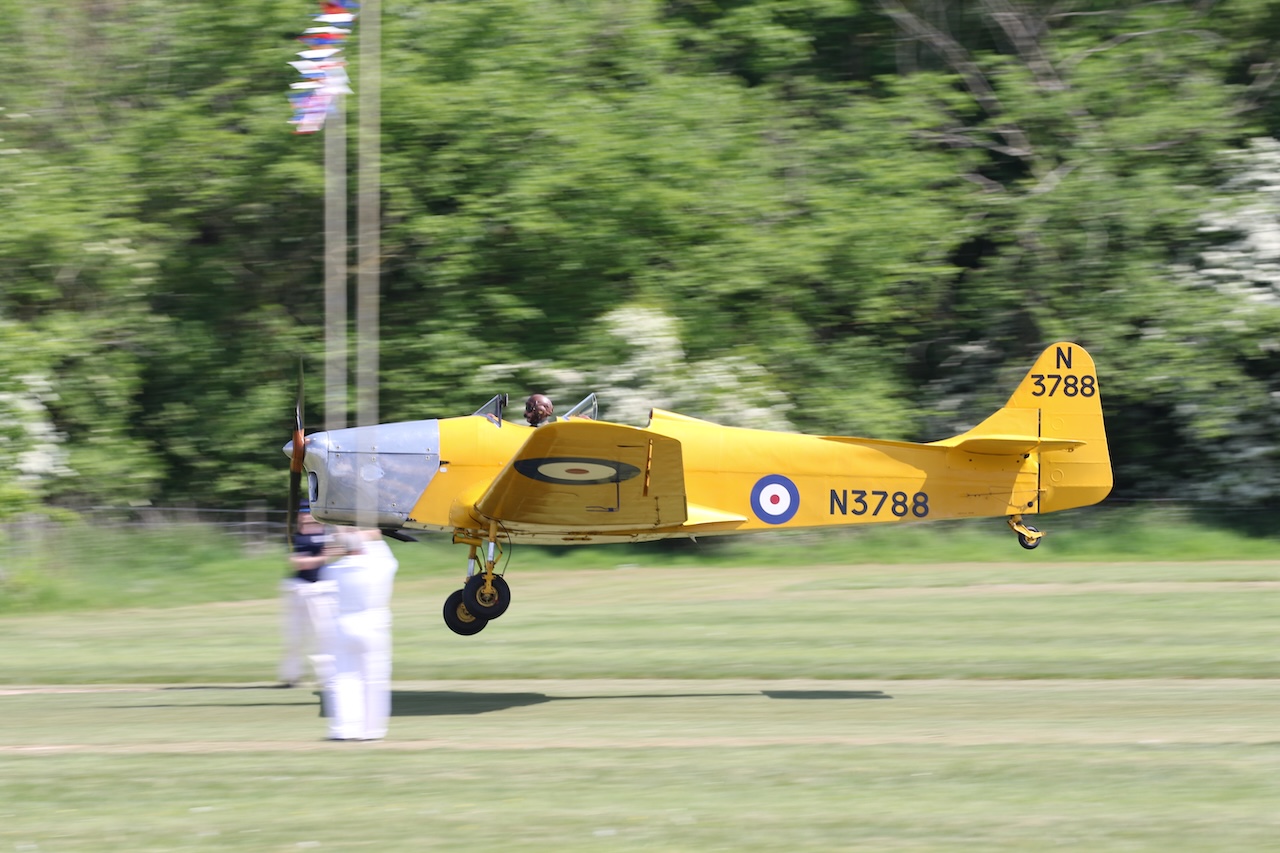
The always entertaining “Barnstorming” display followed, featuring the Southern Martlett (G-AAYX), Blackburn B2 (G-AEBJ), Miles Magister (G-AKPF/N3788), and DHC-1 Chipmunk (G-BNZC/RCAF 671). These aircraft kicked off with flour bombing and then attempted the “limbo”—flying between two poles held by Shuttleworth volunteers with bunting stretched between them. Despite the gusty wind, they managed surprisingly well. Three aircraft then performed formation flypasts, while the Chipmunk treated the crowd to an aerobatic routine. Toilet paper cutting was skipped due to the wind, which would have carried it dangerously over the crowd.
The first display debut of the day at Old Warden came from Danny Williams in his Pitts S-1D (G-PIII), delivering an energetic aerobatic routine complete with topside passes. A familiar aircraft on the UK circuit, this Pitts was originally built by Brian Bray in the late ’70s as G-BETI. It was later rebuilt by Dave Puleston and Neil Scully in the mid-2000s. Dave flew it nationwide alongside Richard Grace as part of the Trig Team before it was sold and eventually acquired by Danny to kick-start his solo display career.

Shuttleworth displays often include vintage gliders, and today we enjoyed a superb aerobatic performance from the tailless Fauvel AV.36—a French design from the 1950s. This example came to the UK in 1972, flew until 1975, and then spent 40 years stored in a barn. It was restored in 2014 by Graham Saw at Booker for the Shuttleworth Collection, and Graham continues to fly it in displays.


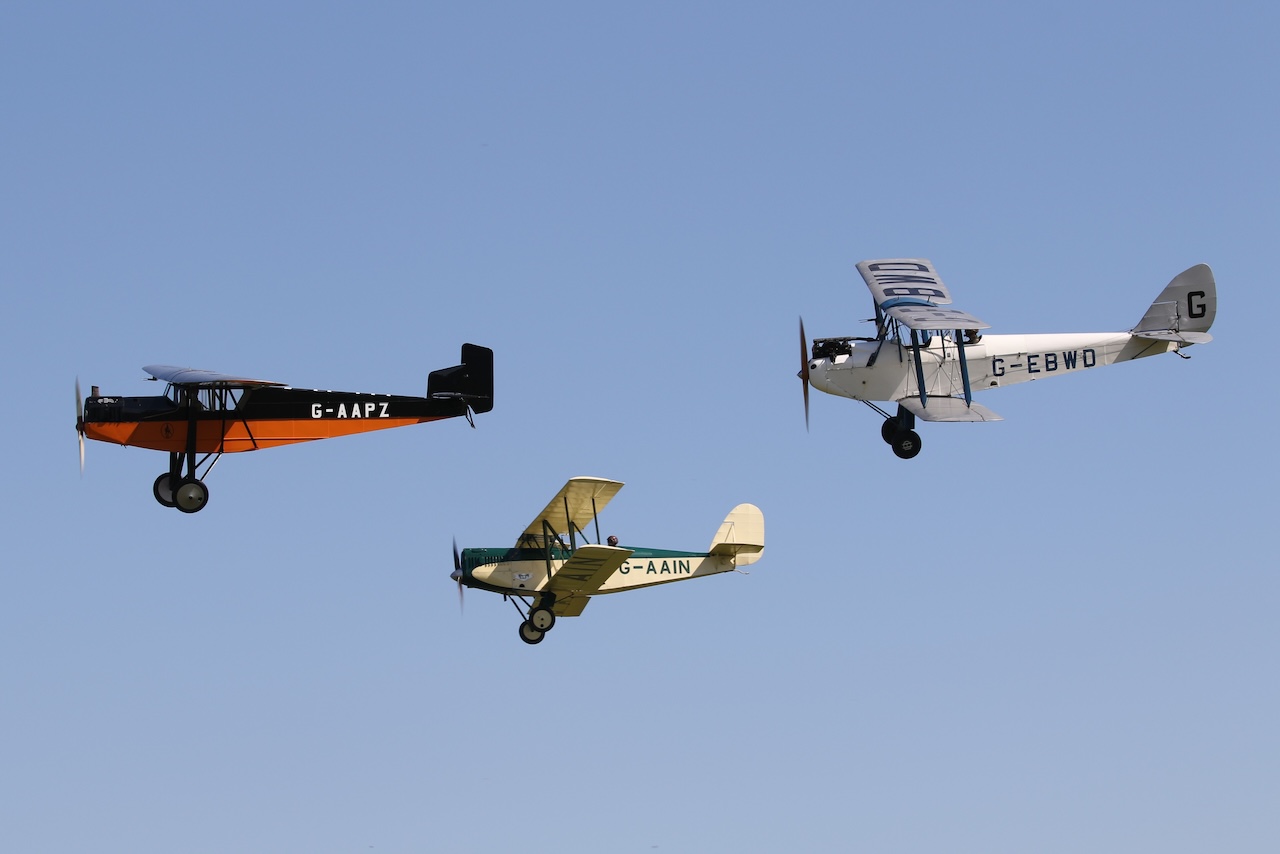
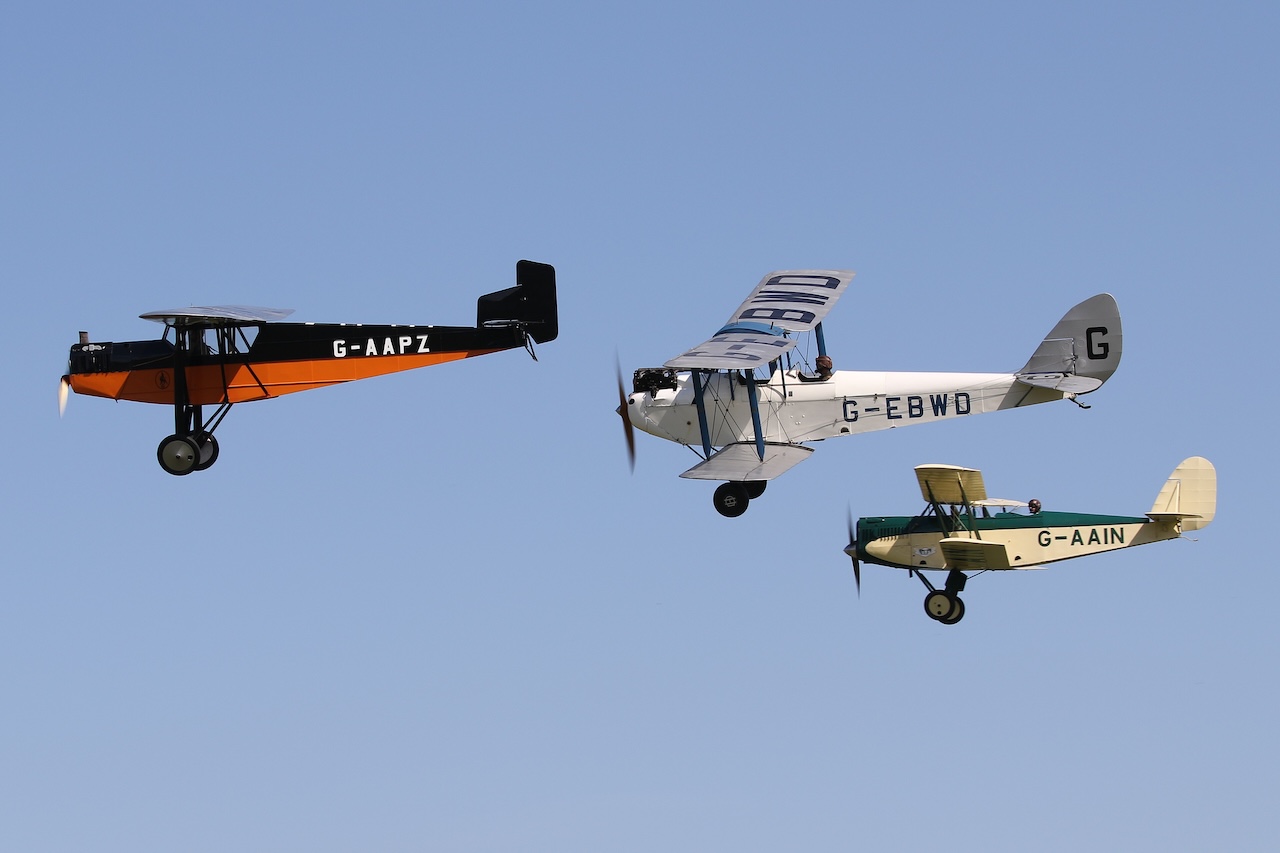
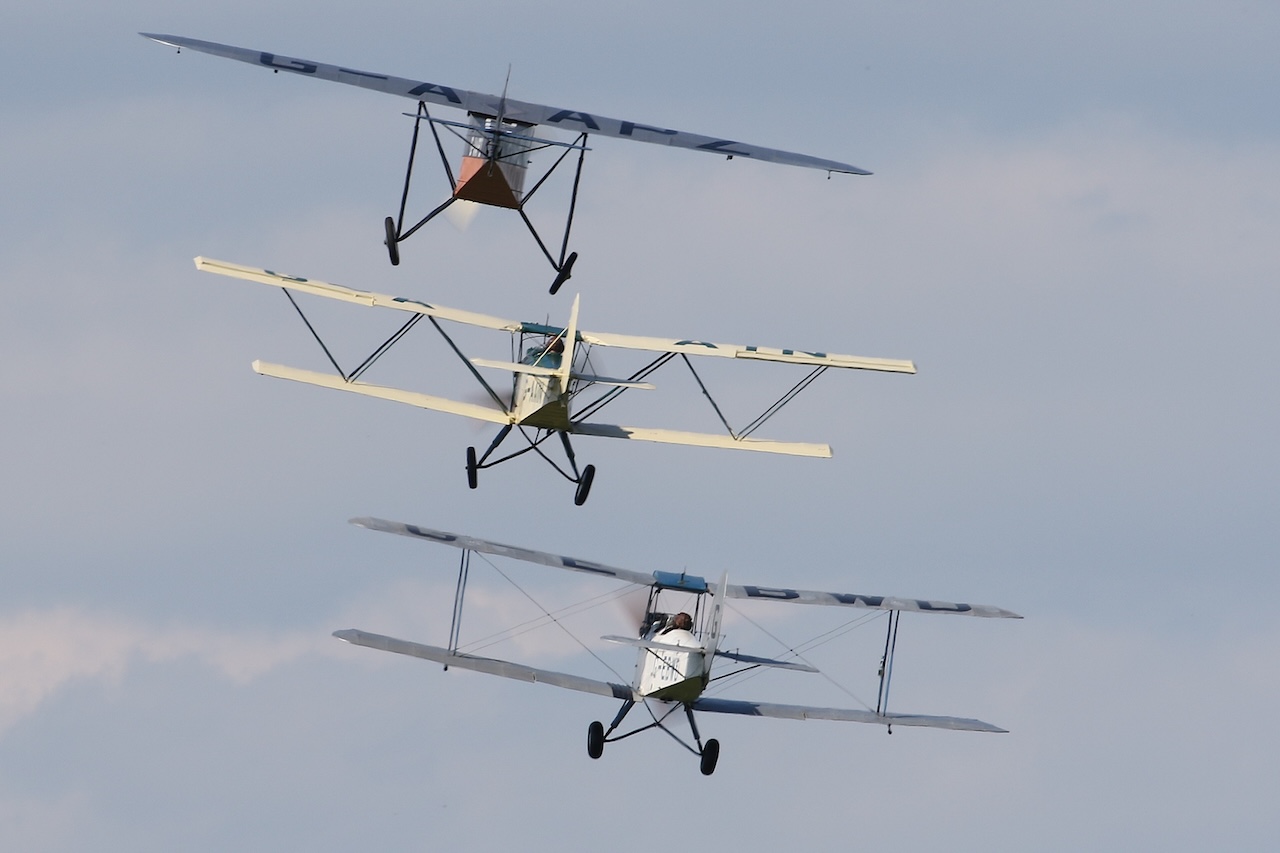
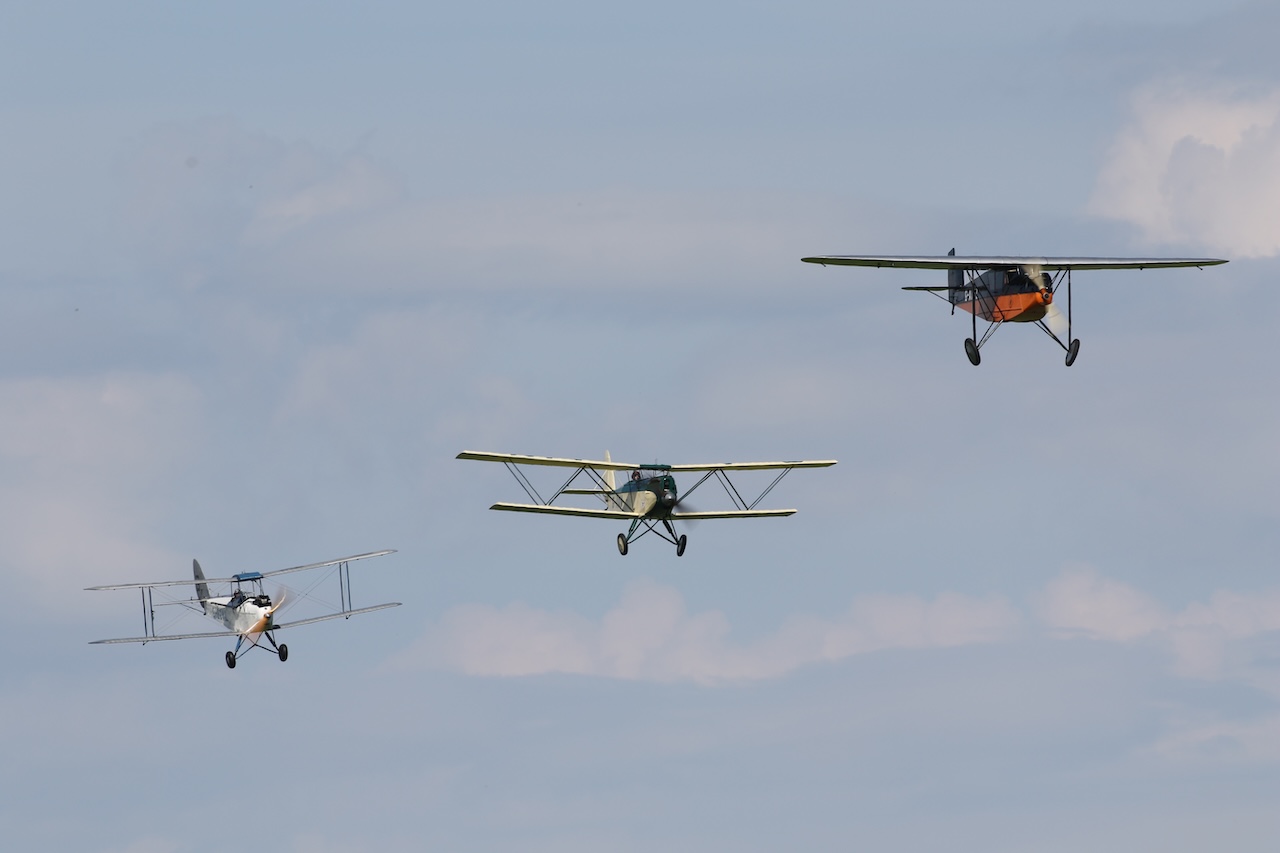
After a display by the Percival Provost, we were treated to the “Cirrus Trio”—another imaginative Shuttleworth formation. This brought together three aircraft powered by the pioneering ADC Cirrus engine: the DH.60X Cirrus Moth (G-EBWD), which has been based at Old Warden since 1932; the Parnall Elf (G-AAIN), the only surviving example of three built; and the Desoutter Mk.I (G-AAPZ), the only airworthy example worldwide. The trio performed an elegant formation flight, followed by a tail chase.
A major highlight of the show was the aforementioned DH9 flying in formation with the Bristol F2B, followed by another beautiful pairing: the Shuttleworth Collection’s Spitfire V (G-AWII/AR501) and Gloster Gladiator (G-AMRK/K7985). One joint pass was followed by spirited solo displays from both aircraft.

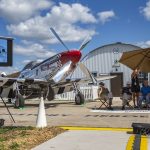
Another debut followed: Isabel Rutland’s North American P-51D Mustang “Marinell” (G-MRLL), looking resplendent and showcasing the Mustang’s iconic lines and manoeuvrability. It’s great to see this aircraft back in the UK after a stint in Italy, having originally been restored by Maurice Hammond.

Unfortunately, the wind prevented several WWI types from flying, including the SE5, Sopwith Pup and Triplane, Bristol M.1C, and Avro 504. It also grounded what was perhaps the most anticipated display of the day—the debut of Steve Jones’s de Havilland DH.71 Tiger Moth replica (G-ECDX). Originally begun over 30 years ago by Ron Souch/Aero Antiques, the project was shelved due to structural concerns. Steve took over in recent years, resolved the issues, and completed the aircraft, which made its first flight on 26 November 2024. Powered by a DH Gipsy I engine—the same used to test the original DH.71s—it’s a beautiful machine, and we eagerly await its public flying debut.
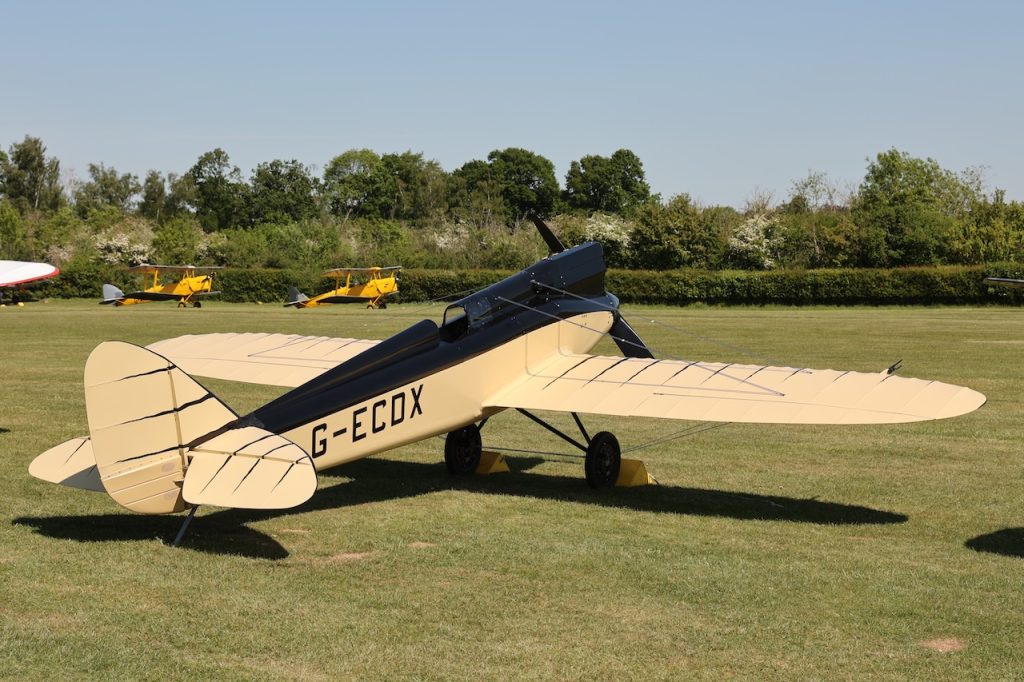
The DH.71 was to have flown in an air racing segment alongside the Miles Hawk Speed Six (G-ADGP), which instead flew solo. Also restored by Ron Souch/Aero Antiques, this Gipsy Six-powered aircraft competed in the King’s Cup both before and after WWII.

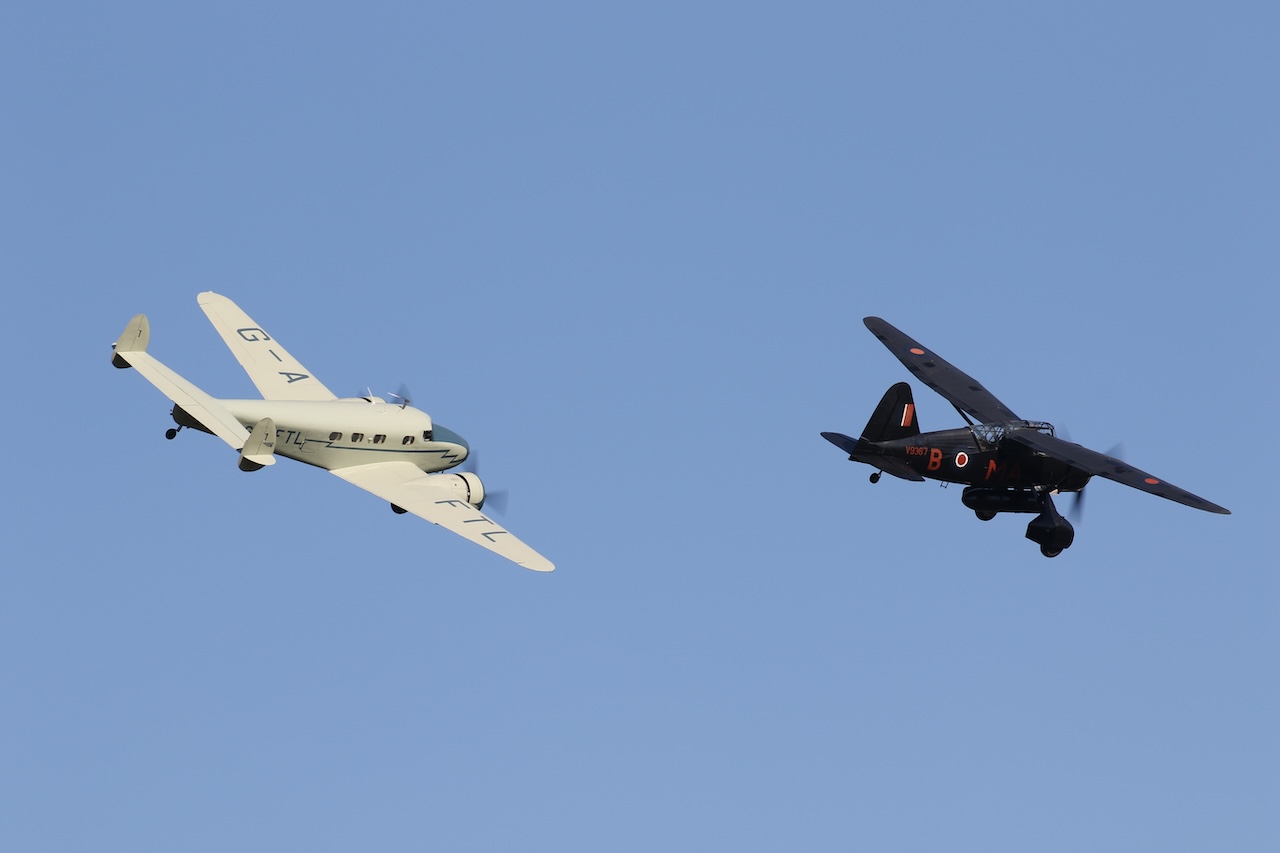
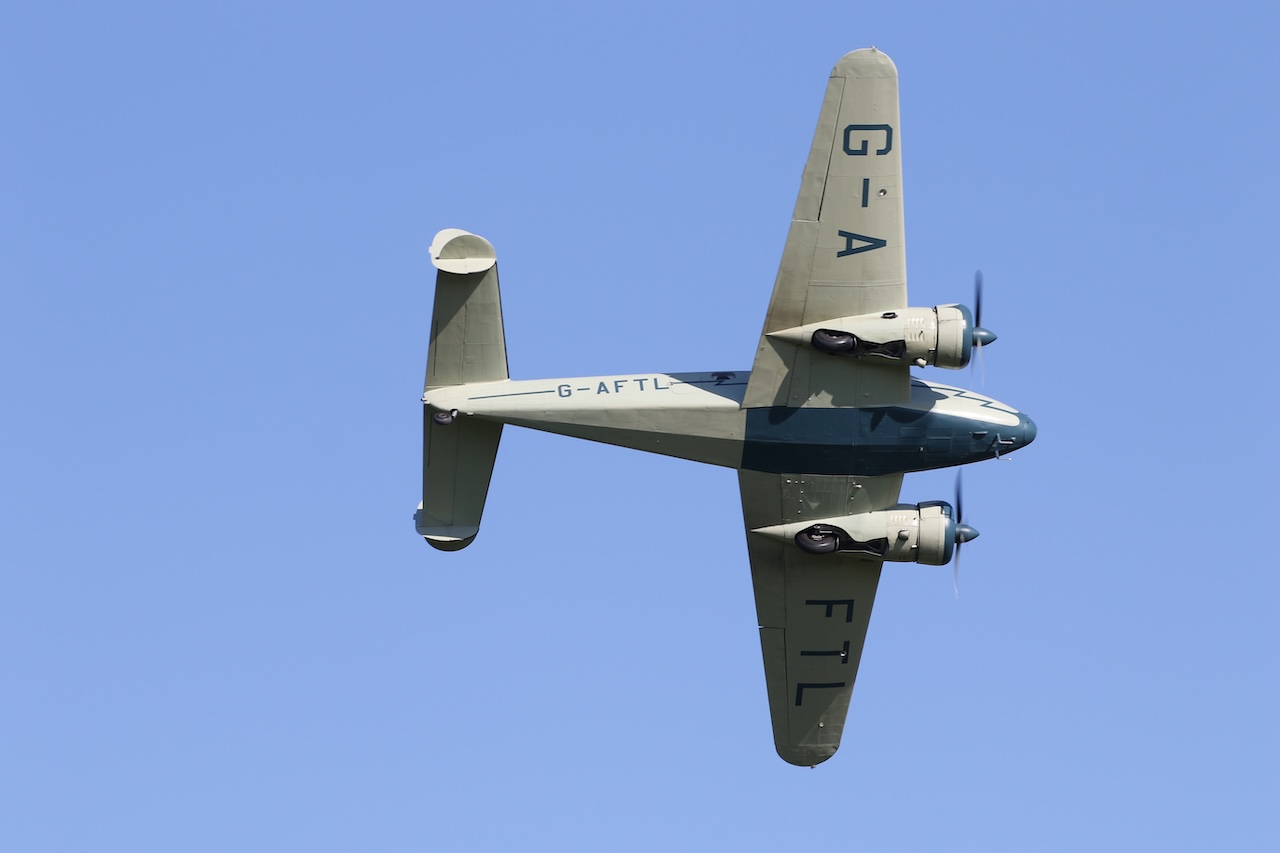
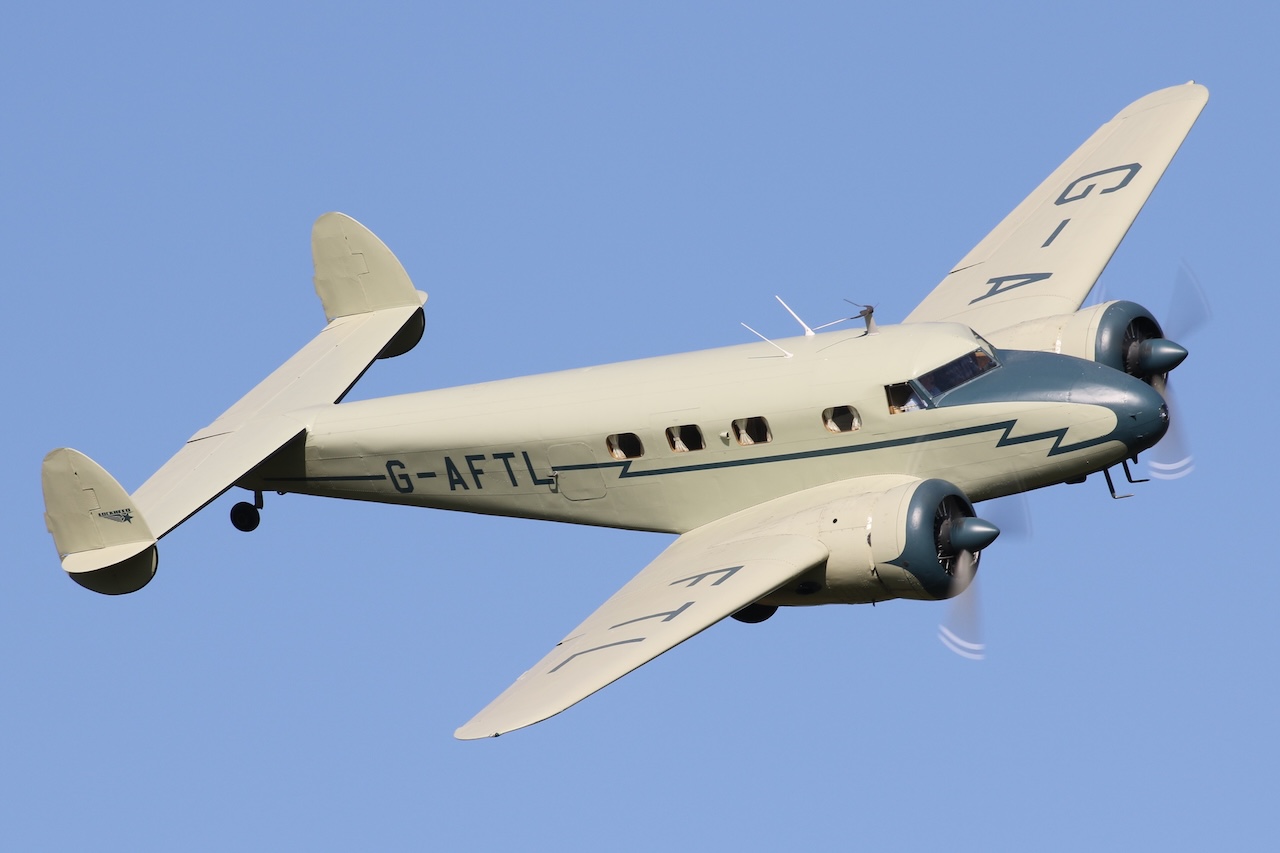
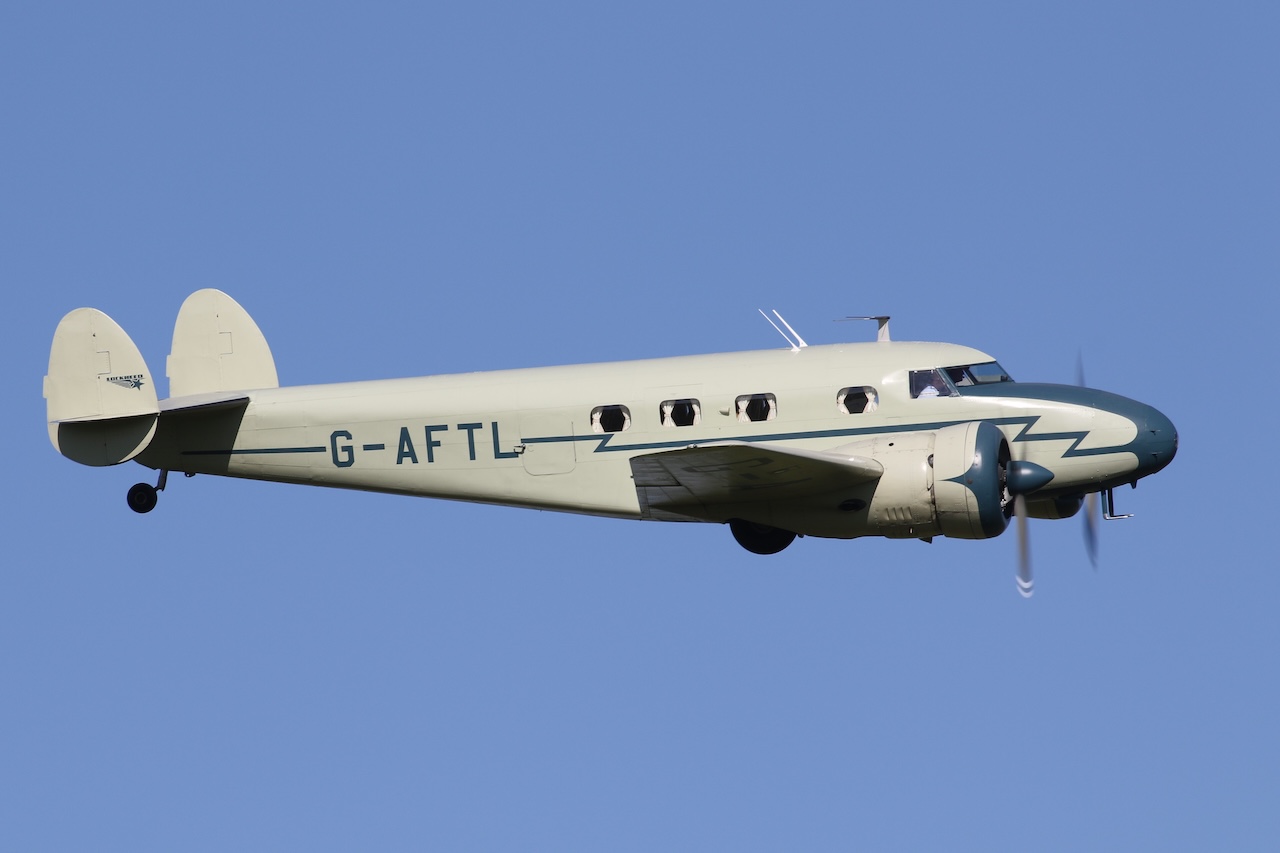
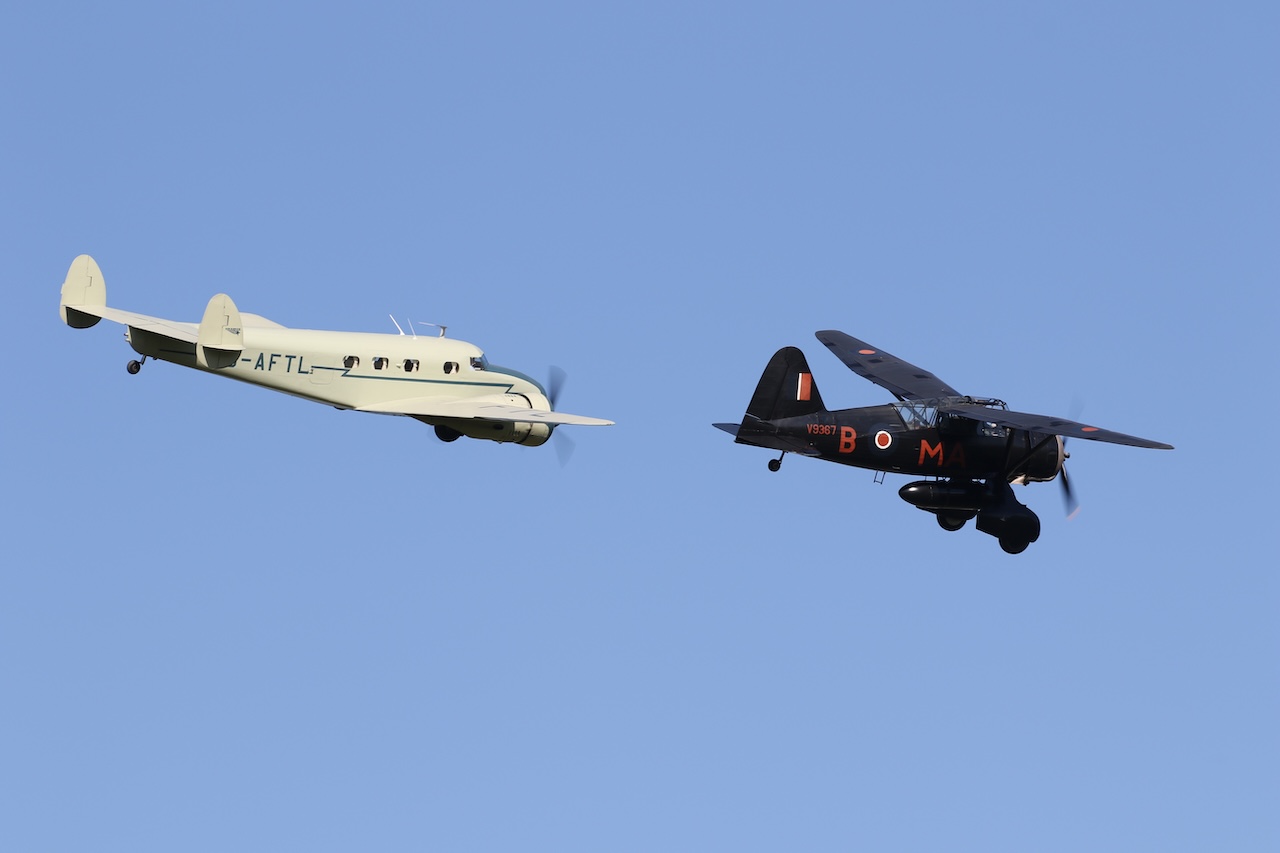
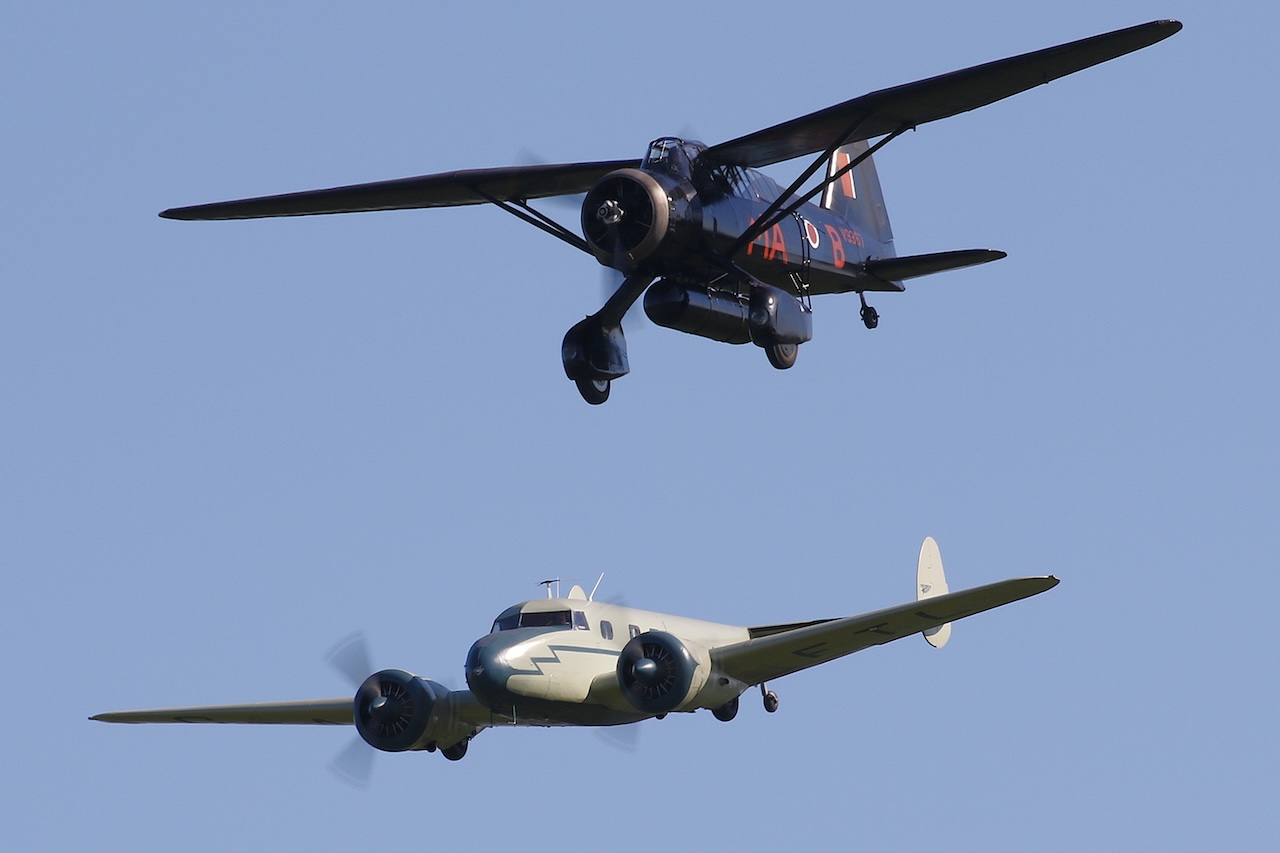
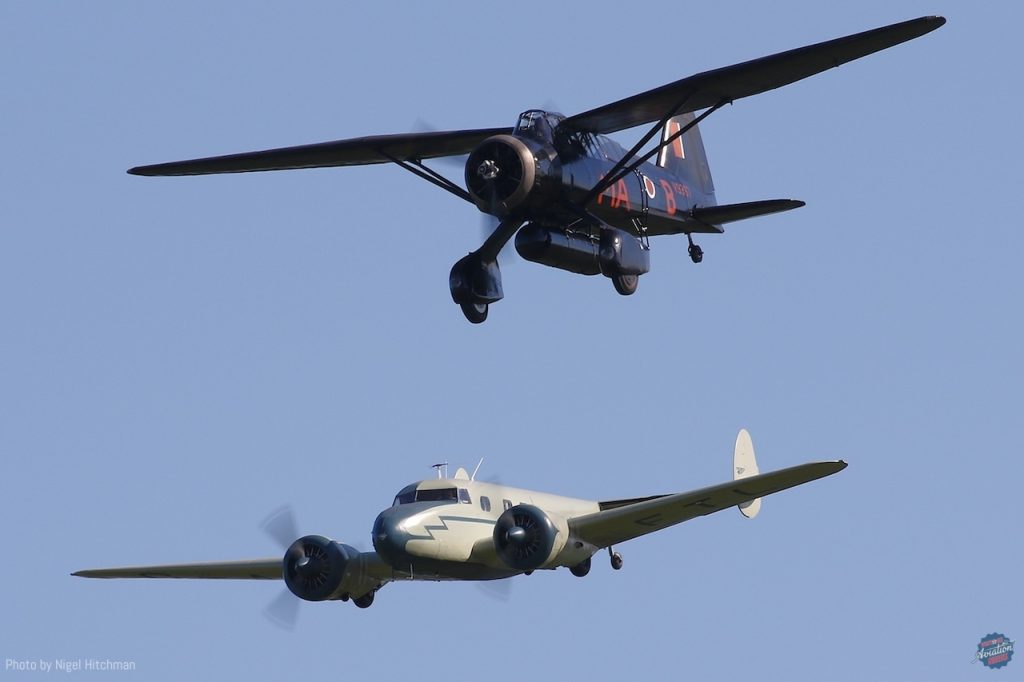
The Collection’s Polikarpov Po-2 (G-BSSY) gave a tidy, compact display as the next two aircraft formed up: the Shuttleworth Collection’s Westland Lysander (G-AZWT/”V9367″) and Fighter Aviation Engineering’s Lockheed 12A Electra Junior (G-AFTL). The pairing—dubbed the “Spies” display—was another innovation by Shuttleworth’s team. The Lockheed 12A famously served Sydney Cotton on clandestine photographic missions over Germany pre-WWII, and this was its Shuttleworth debut. Late-afternoon sunlight beautifully highlighted the aircraft’s curves, especially in its sweeping topside passes, and we could clearly see the camera port covers on its underside.


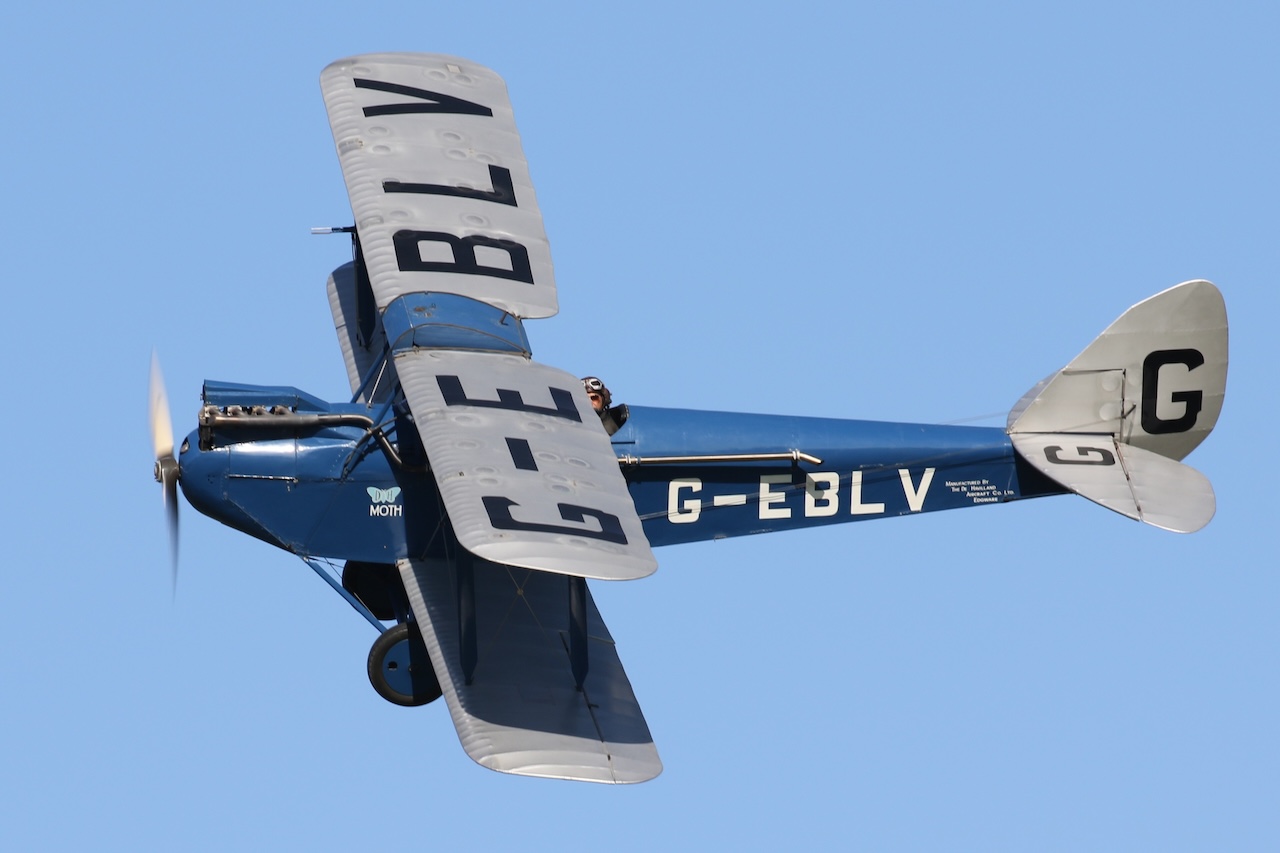
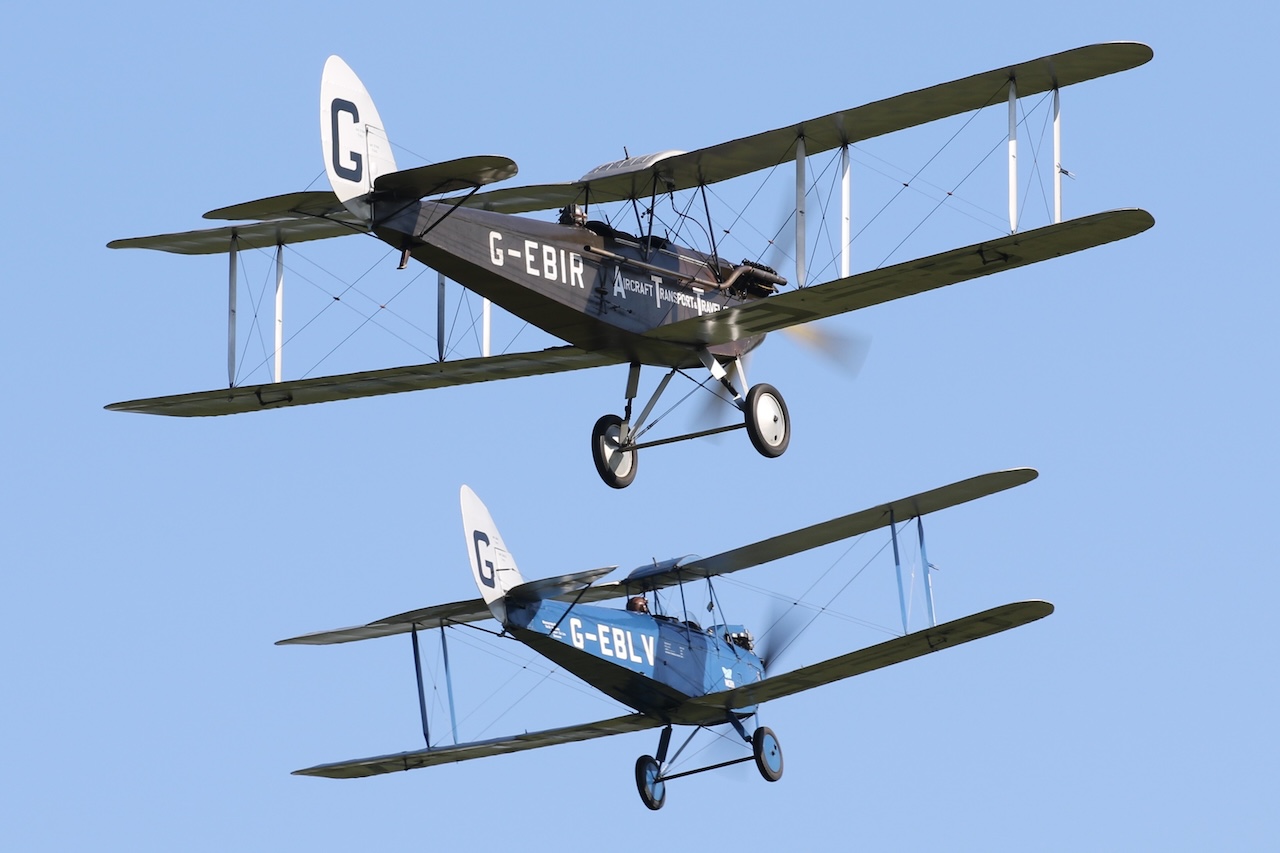
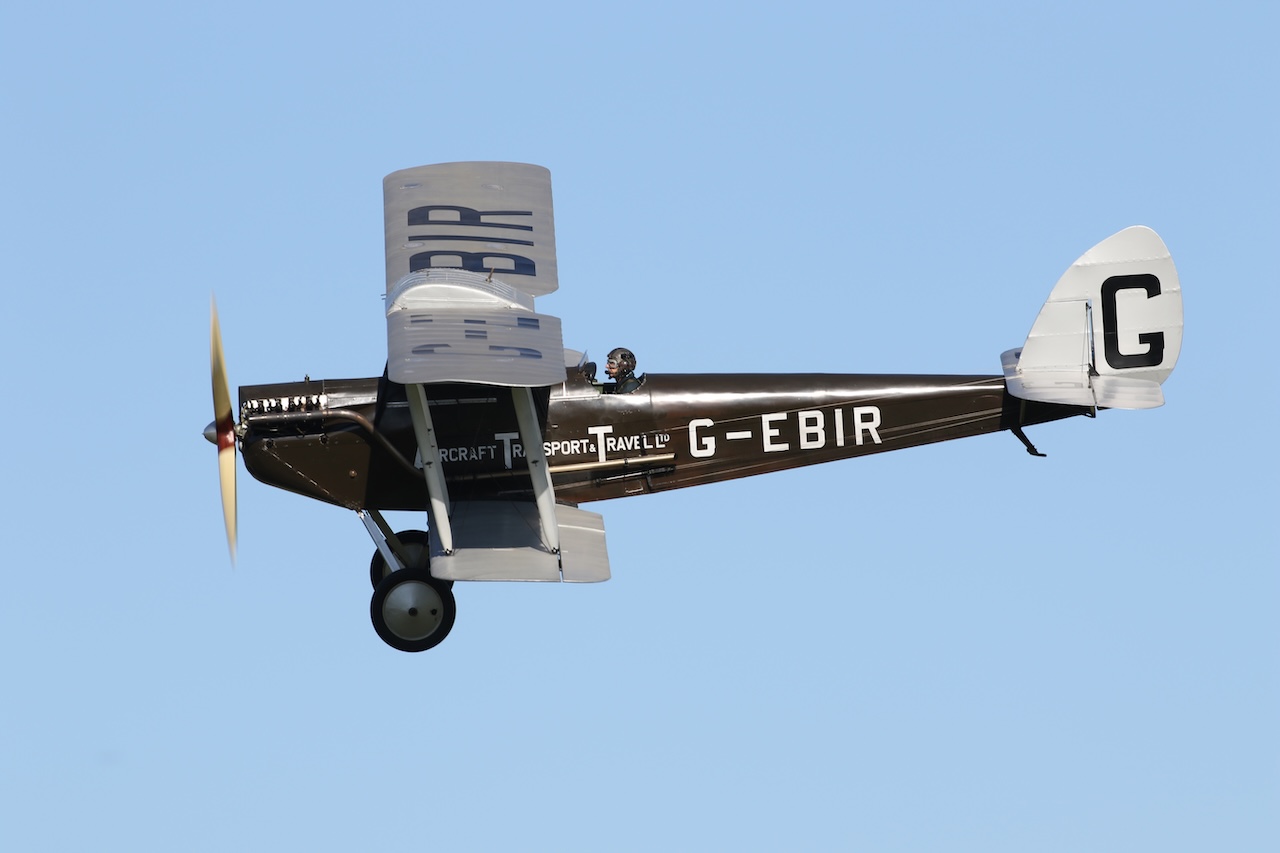
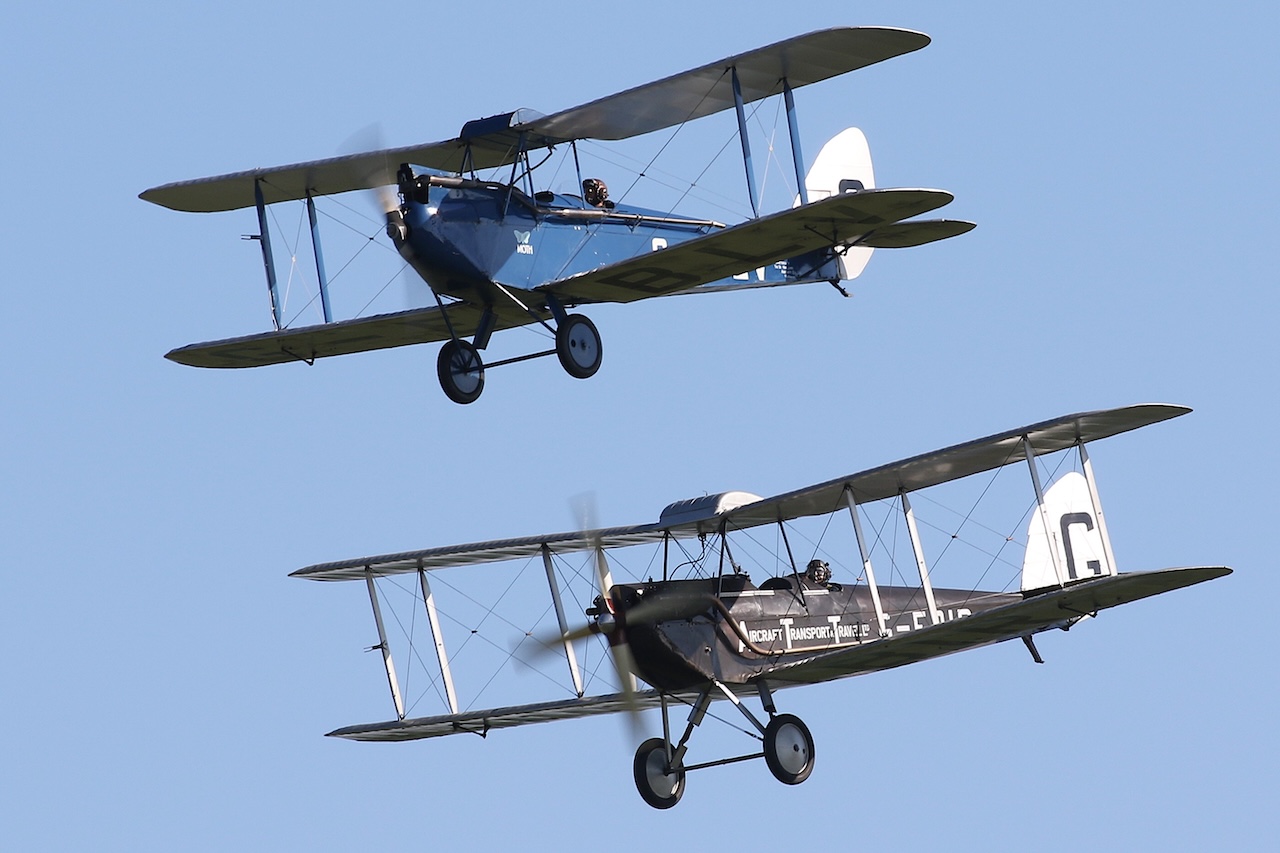
Marking 100 years since its first flight, the DH.60 Moth (G-EBLV)—the oldest surviving DH.60 and the eighth built—made its first display since joining the Collection from BAE Systems three years ago. It flew alongside an even older de Havilland, the 1924 DH.51 (G-EBIR), powered by the Airdisco Renault V-8. This engine formed the basis for the ADC Cirrus, used in the Moth. It was wonderful to see these two flying together, highlighting their evolution.

The final Shuttleworth debut came from Mark Bennett’s Spitfire IX (G-CGZU/LZ842), also marking his first public display. This is one of the earliest surviving Spitfire IXs and the only one powered by a Rolls-Royce Merlin 63. Wearing RAF Mediterranean markings, it represents its service with 93 and 232 Squadrons over Malta and Sicily during 1943–44. It later served in the Free French Air Force and in South Africa before being scrapped in 1952. The hulk survived, was acquired by the SAAF Museum, and eventually restored to flying condition by Biggin Hill Heritage Hangar with significant input from the owner.


With wind conditions too strong for the Edwardians, the formal flying concluded. However, there was still plenty to see. Departures included the Douglas R4D “Ready for Duty,” which had arrived early for static display. Originally slated to attend the 2024 D-Day 80th commemorations, engine trouble delayed its journey—making this appearance all the more special.


Among the visiting aircraft was something particularly noteworthy: the de Havilland DH.83 Fox Moth (G-CIPJ), painted as ZK-AGM. Owned by Bruce Broady in New Zealand and restored by Martin Honeychurch of the Newbury Aeroplane Company a decade ago, it has graced many UK events over the years, often flown by Mark Miller. It was hoped that all three UK-based Fox Moths would appear, but only this one was available. This may be its final UK appearance before returning to New Zealand.

All in all, it was a superb day at Shuttleworth. With so many excellent displays, we barely missed the aircraft grounded by the wind. We now look forward to the upcoming Military Airshow on Saturday 31 May, followed by the two-day Festival of Flight on June 28–29. Also on the horizon is a special two-day fly-in celebrating the 100th anniversary of the DH.60 Moth and the 50th anniversary of the de Havilland Moth Club, set for July 31–August 1. With many overseas visitors expected, that event promises to be truly unmissable!






What a fabulous detailed article whith exellent photos to match. Nothing could be the same as being there but this comes very close. Thank you so much for sharing your obvious delight with all of us that may never get the chance to attend these shows.