

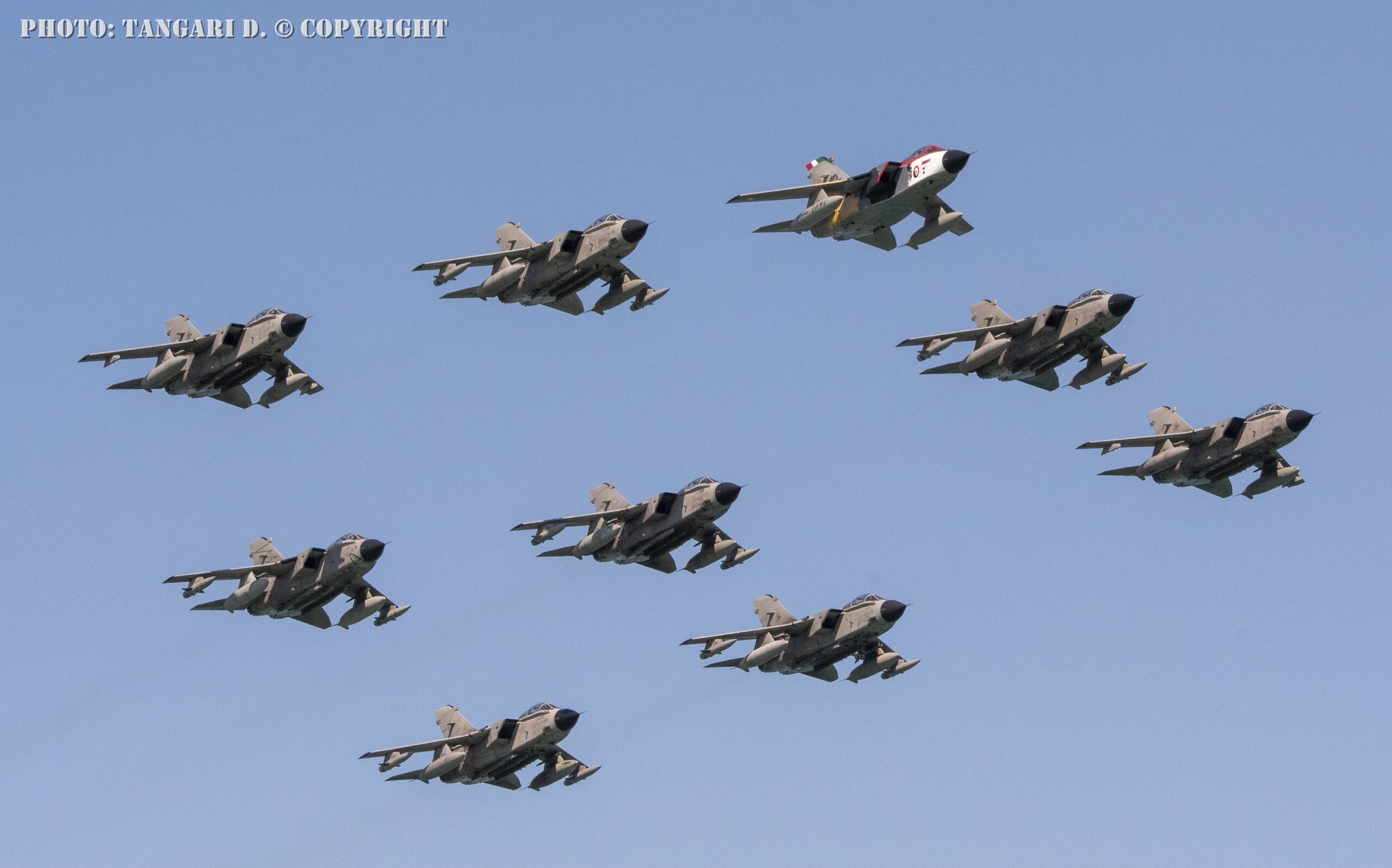

The Aeronautica Militare (Italian Air Force) held an event in September to celebrate their 40 years of Panavia Tornado operations. However, before we describe that special day, we thought our readers might enjoy reading a brief history of the Tornado in Italian service and how the interdiction role which it fulfilled evolved for the nation’s air arm.
Introduction
by Gregory Alegi
The flightline recently assembled in Ghedi, Italy to celebrate the Panavia Tornado’s four decades of service with the Aeronautica Militare would have delighted the late General Amedeo Mecozzi. This is not because he ever had the opportunity to fly the type, nor even participate in its development, since his 1971 death precluded any such involvement. But, even so, it is easy to imagine Mecozzi enthusing over the Tornado’s capabilities and service record which more than fulfilled the vision he espoused in the 1930s that interdiction was the proper function for an Air Force. The interdiction concept, where an air force disrupts, diverts or destroys an enemy force’s fighting capacity before it ever has a chance to effectively wield its power was in sharp contrast with the prevailing paradigm of the day which championed strategic bombing instead.
Based upon his WWI experience as a fighter ace, Mecozzi came to believe that an air arm should operate beyond the front lines to prevent enemy forces and supplies from ever reaching the battle zone. The ideal aircraft for this mission must have both speed and heavy payload capacity, while also possessing fighter-like performance following ordnance release. If this concept conjures images of a P-47 Thunderbolt or the later F-4 Phantom II – well, Mecozzi would have loved those types too. Mecozzi dubbed this concept aviazione d’assalto – or assault aviation – which mirrors the interdiction strategy of the present day.
Starting in the late 1920s, Mecozzi found himself in charge of increasingly larger units in the Regia Aeronautica (as the Aeronautica Militare was then known). Here he was able to develop his ideas and put them into practice. 7° Gruppo (7th Squadron) became his first command. Here he used the Ansaldo AC.2 and AC.3 high-wing monoplanes to test everything from upwards-firing machine guns to camouflage, from radio-coordinated tactics to nap-of-the-earth flying. He then commanded 5° Stormo (5th Wing), where he influenced the design and development of three different attack aircraft. The first of these, the Caproni Aeronautica Bergamasca (CAB) AP.1, was a two-seater of mixed-construction with fixed undercarriage. Despite its clean lines, the type’s 600hp Piaggio P.IX radial engine offered too little power to generate sufficient airframe performance. The Breda Ba.64 and Ba.65, while they featured internal bomb bays, retractable gear, flaps and a ground-adjustable propeller, were once again hampered by inadequate engines – a 650hp Alfa Romeo 125 (license-built Bristol Pegasus) in the former and a 900hp Isotta Fraschini K14 (later a 1,000hp Fiat A.80) in the latter. The sum of innovations these aircraft offered proved too complex to master (for the average pilot of the day) within the limited type-rating program then on offer. Furthermore, the then prevailing infatuation with aerobatics conspired to earn the Bredas little love from their crews. Despite this, the Ba.65 equipped the entire 5a Brigata (5th Brigade, comprising 5° and 50° Stormi) and performed well in the Spanish Civil War, not to mention in North Africa during the early months of WWII.
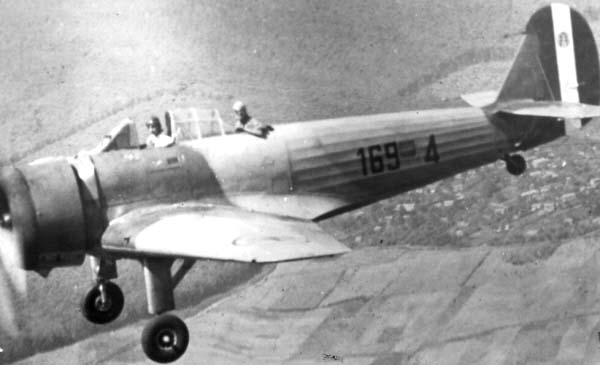
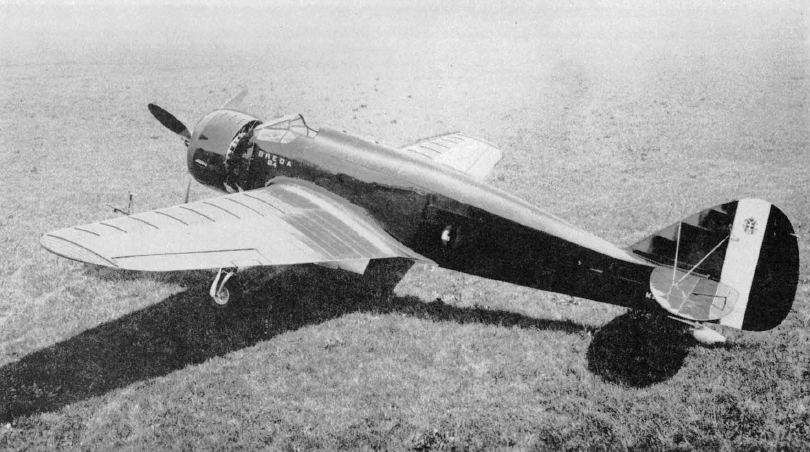
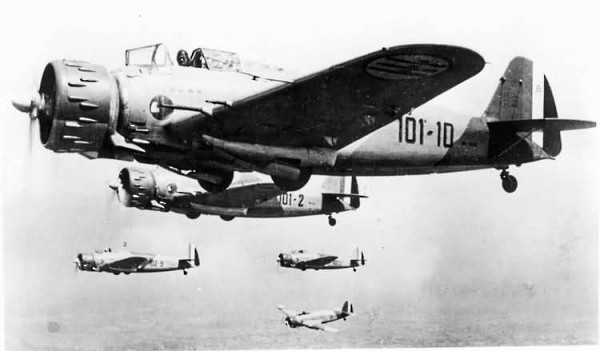
In WWII the Italian aviation industry’s inability to deliver cutting edge attack aircraft forced the Regia Aeronautica to adopt Germany’s Junkers Ju 87 Stuka. It wasn’t until 1943 that the indigenous Reggiane RE.2002 Ariete began reaching 5° Stormo to take on the assault role, albeit too little, too late.
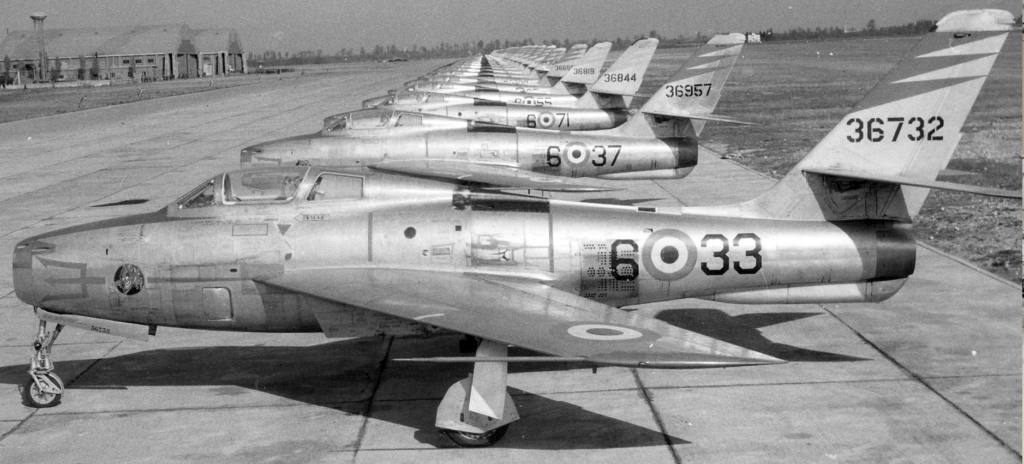
After the war, Italy’s air force re-emerged as the Aeronautica Militare. They initially equipped their attack units with US-supplied aircraft, first the P-47D and, later, the F-84G and F-84F. When the Panavia MRCA 200 arrived, however, Mecozzi’s dream had finally entered reality.
The Panavia Tornado Consortium
Words: Christian Vaccari. Photos: Daniele Tangari, Alessandro Zucchelli, Gelmino Veronese, Christian Vaccari and various
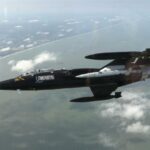
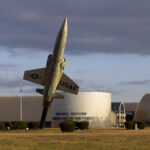
MRCA 75, the acronym for Multi-Role Combat Aircraft 1975, represents the technical specifications for the Panavia PA-200 Tornado. Based in Munich (in what was then West Germany), the Panavia Consortium emerged from an industrial agreement signed in March, 1969. This partnership between Great Britain (48%), West Germany (40%), and Italy (12%) spurred an intense military-industrial collaboration to delineate the operational needs for each nation’s air arms to produce a combat aircraft, dedicated to low-altitude interdiction, with either conventional or tactical nuclear bombing capabilities. The resulting airframe’s introduction marked an epochal turning point in the operational capabilities for West Germany’s Luftwaffe and Marineflieger, and Italy’s Aeronautica Militare; air arms then equipped with the already obsolescent Lockheed F-104 Starfighter. Britain’s Royal Air Force, having endured the infamous cancellation of its promising BAC TSR 2 supersonic strike aircraft, was also in desperate need of a worthy replacement for its English Electric Canberra medium bombers.
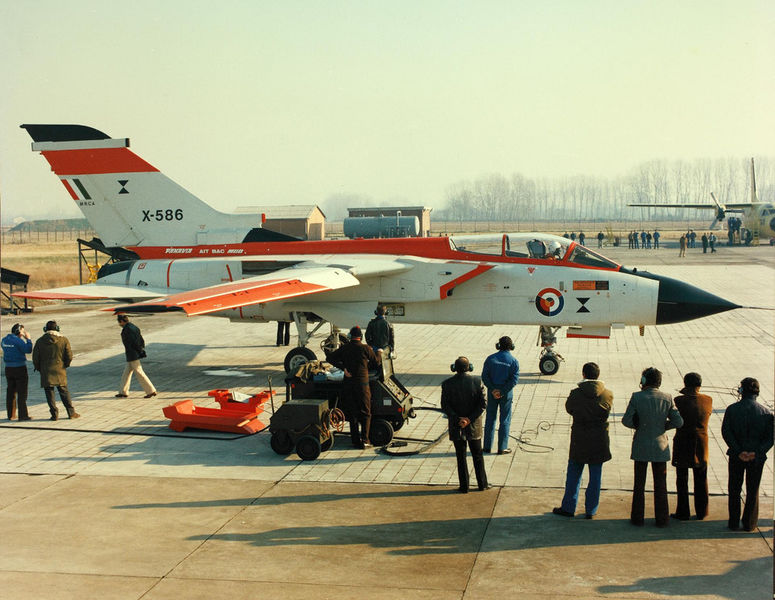
The first of fifteen Tornado development aircraft (nine prototypes and six pre-series) flew from Manching, West Germany on August 14th, 1974. Testing of the first Italian examples began on December 5th, 1975, taking place at Turin-Caselle airport. The Aeronautica Militare received the first of its eventual 100 production Tornado IDS (Interdictor/Strike) airframes in September, 1981, with the type becoming operational the following year. In the late 1990s, fifteen of their surviving IDS airframes underwent conversion to the IT-ECR standard, taking on the electronic countermeasures/reconnaissance role; deliveries began in February, 1998. This variant housed electronic warfare equipment in spaces formerly occupied by the internal cannon and its ammunition drum. They could also field HARM anti-radiation missiles to destroy enemy radar systems.
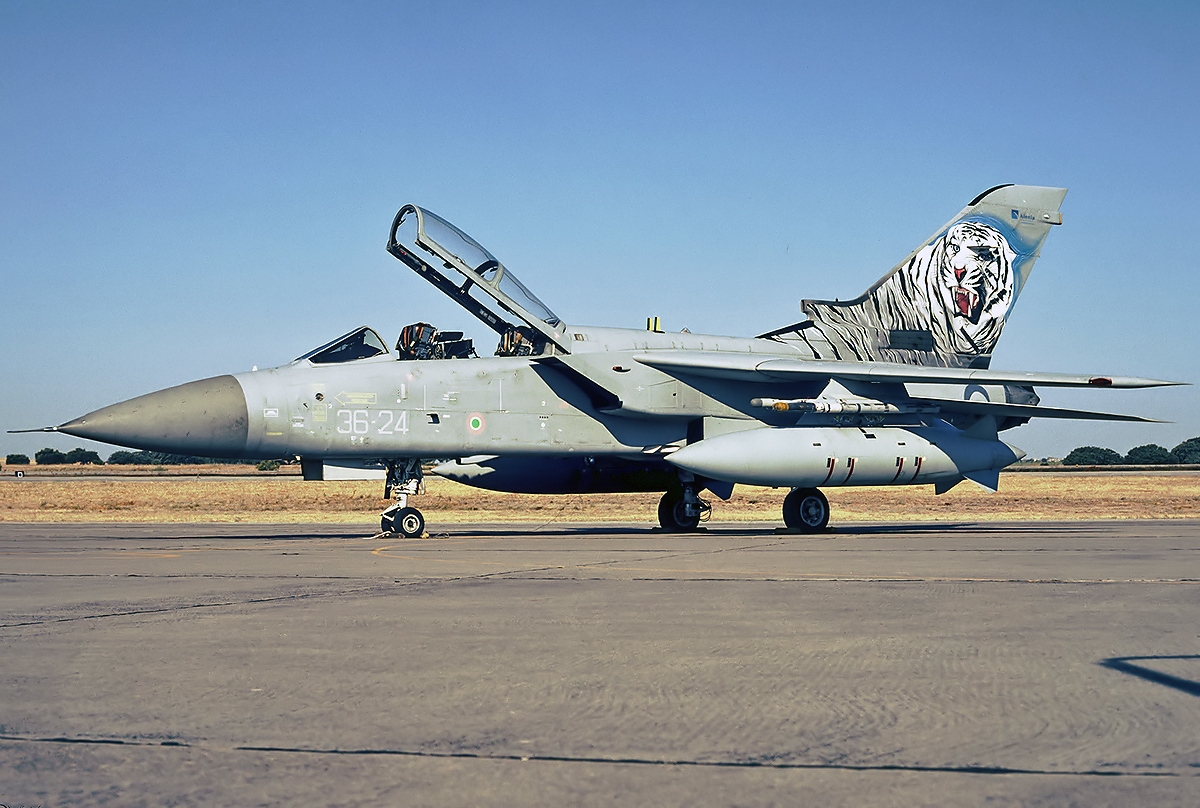
From 1995 to 2004, the Aeronautica Militare also operated 24 former Royal Air Force Tornado F.3s, Tornado air defense variants leased from the United Kingdom. The F.3s bridged the gap between the decommissioning of Italy’s F-104 Starfighter interceptors and the introduction of the Eurofighter Typhoon. They served in the air defense role with 12° Gruppo in 36° Stormo at Gioia del Colle (Bari) and 21° Gruppo in 53° Stormo at Cameri (Novara).
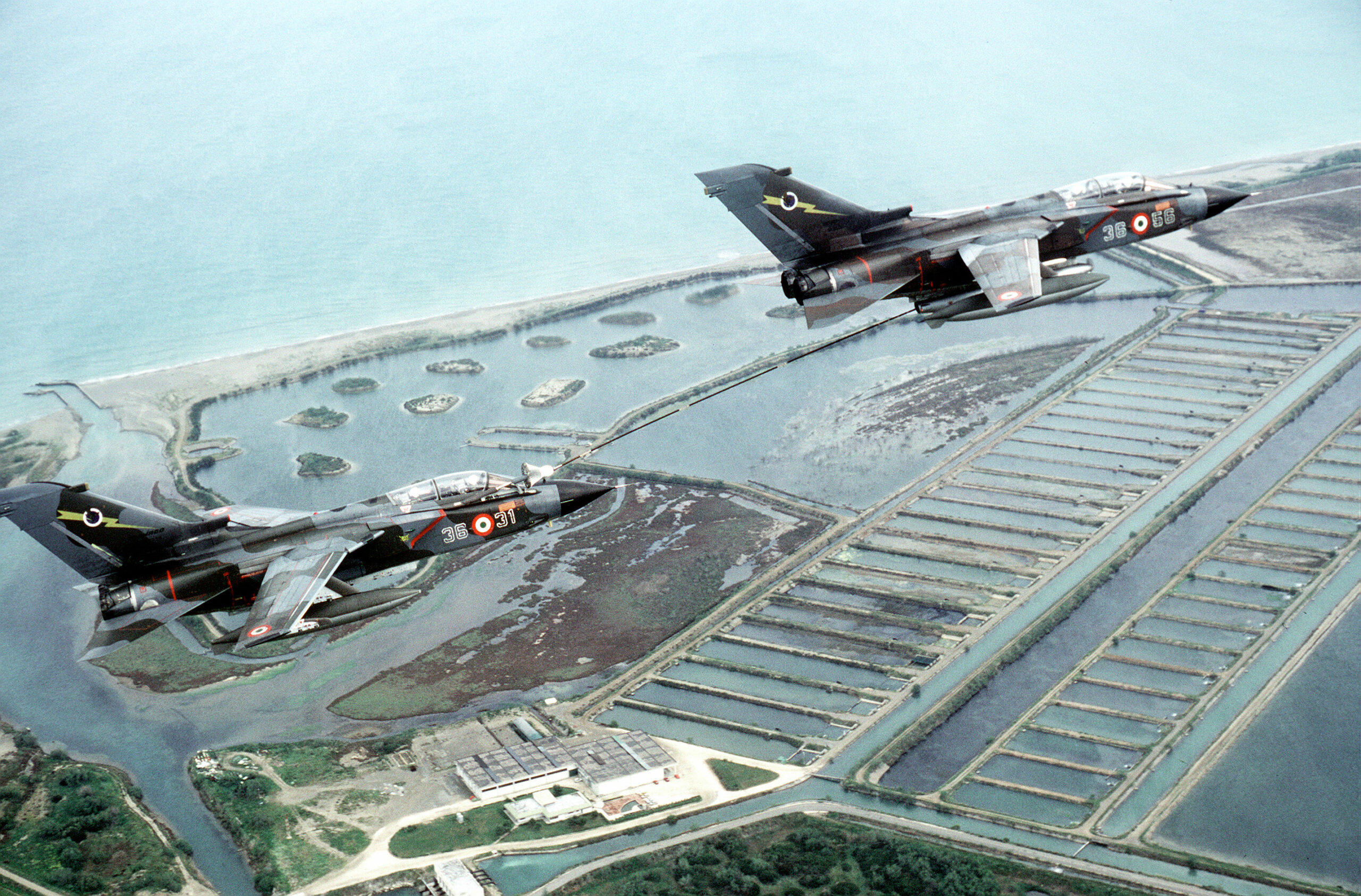
In their 40 years with the Aeronautica Militare, the Tornado has participated in combat operations on a number of occasions. Their ‘baptism of fire’ took place during Operation Desert Storm in early 1991; Italy labeled their participation in this engagement as Operation Locusta. Italy committed 8 Tornado IDS aircraft (plus 3 reserves) towards this endeavor, although they eventually mobilized a total of 16 examples overall. Tornados from 6°, 36°, and 50° Stormo took off from Gioia del Colle Air Base on September 25th, 1990 for deployment to Al Dhafra Air Base in the United Arab Emirates. Joining a US-led international coalition to expel invading Iraqi forces from Kuwait, Locusta marked the first Italian combat operations since the end of WWII. Hostilities ignited during the night of January 17th/18th, which also saw the loss of Tornado IDS MM7074 in a fierce barrage of Iraqi anti-aircraft fire near Kuwait City. Thankfully the aircrew, Major Gianmarco Bellini (pilot) and Captain Maurizio Cocciolonee (weapons officer), ejected successfully. They soon became prisoners of war, but gained their release on March 3rd, a few days after the Iraqi surrender.
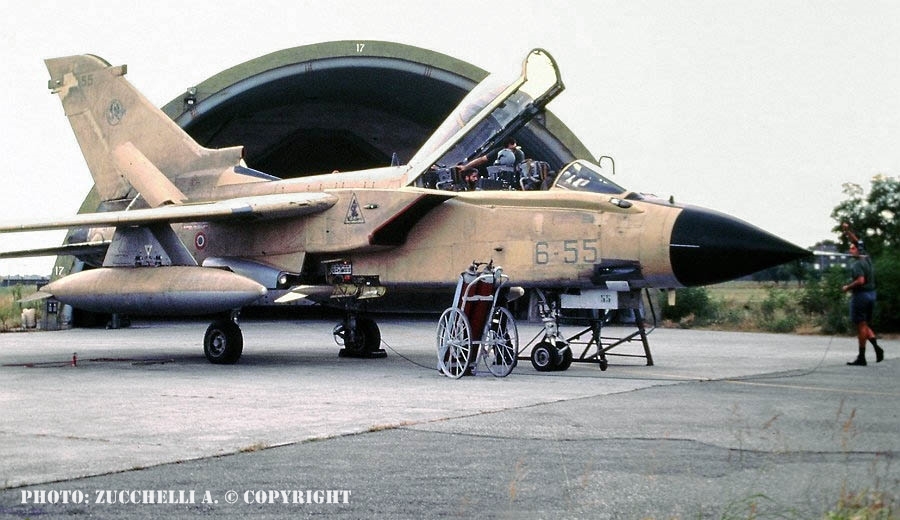
Italian Tornados subsequently took part in a series of operations over the skies of the former Yugoslavian states, these being Deny Flight (1993) where they helped patrol the no-fly zone over Bosnia, Sharp Guard (1993-1996) to ensure UN resolution enforcement, Deliberate Force (1995) in Serbia, and Allied Force (1999) in Kosovo. They also formed part of Task Group Devil in the ISAF (International Security Assistance Force), where Italian Tornados provided reconnaissance and support activities for Allied ground forces in Afghanistan (2008-2009). During Odyssey Dawn/Unified Protector (2011), Aeronautica Militare Tornados helped defeat the Libyan dictator Muammar Gaddafi, providing reconnaissance (with the Reccelite system), ground attack and in-flight refueling (with buddy tanks). Inherent Resolve (2014-2016 and 2020-2021) saw Italian Tornados in action again, performing reconnaissance missions from Kuwait against ISIS forces in nearby regions.
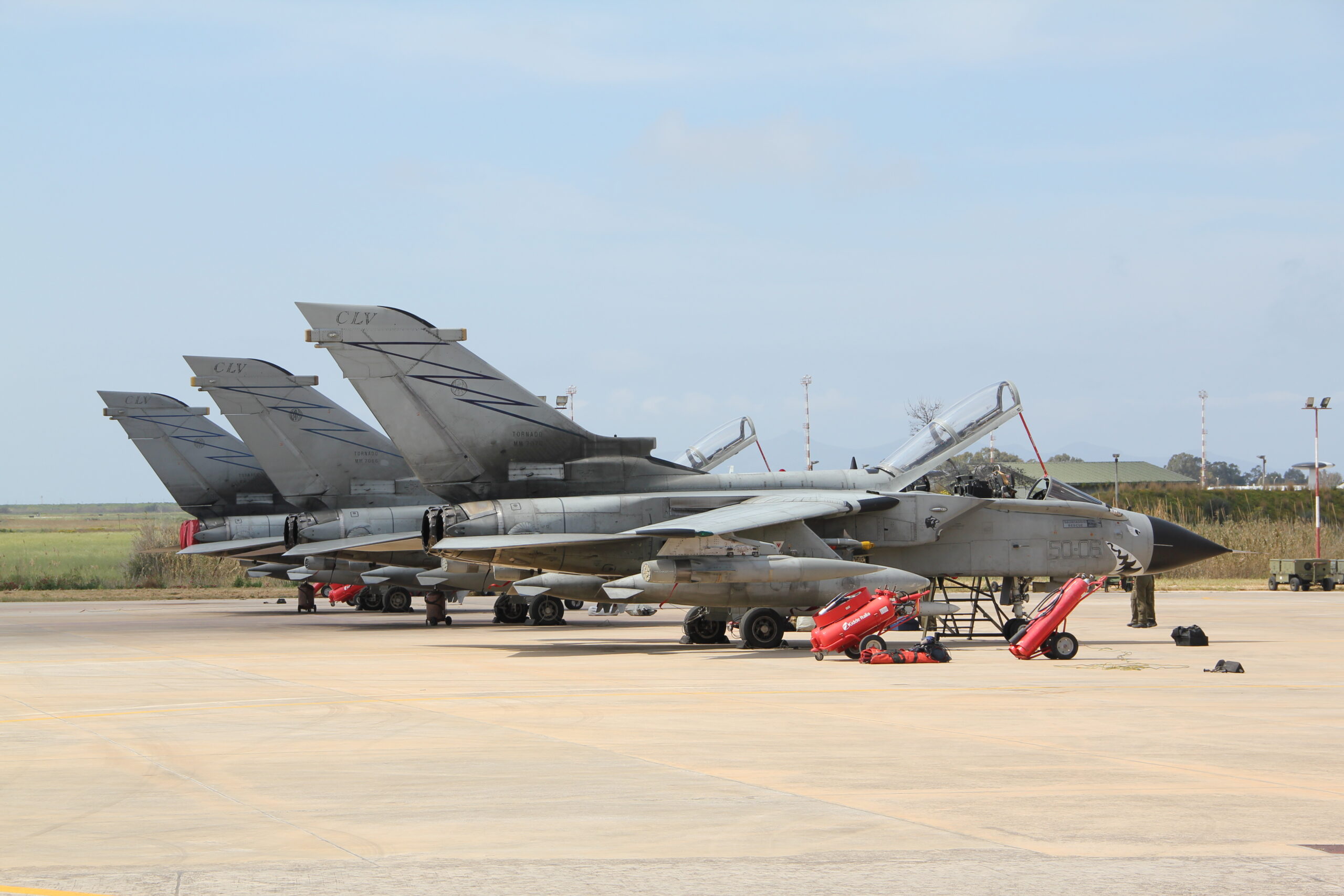
Beginning in 2005, the Aeronautica Militare began implementing the IT-MLU (Mid Life Update) on a select number of its Tornados to improve their efficiency and operational capacity with technical upgrades to equipment, avionics, and armament. By 2022, however, only 102°, 154°, and 155° Gruppo of 6° Stormo (Wing) remained active with the type, from their home at Ghedi Air Base in Brescia. Italy plans to retire its remaining Tornado fleet in 2025 and presently has 60 Lockheed Martin F-35A Lightning IIs on order as a replacement; the first of these to arrive on Italian soil, F-35A MM7366, landed at Ghedi on June 16, 2022 bearing the codes 6-01.
The Tornado’s 40th Anniversary Event
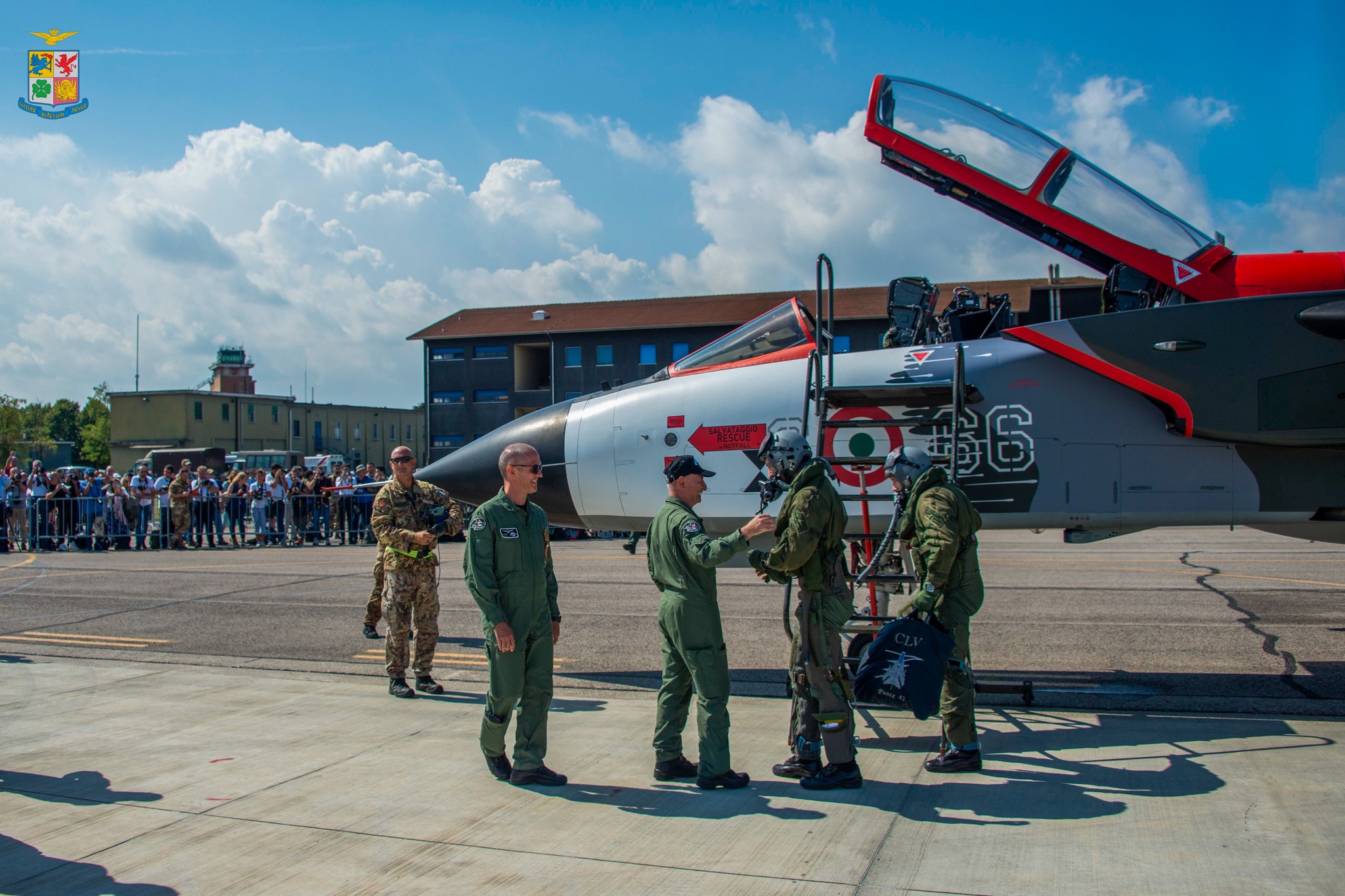
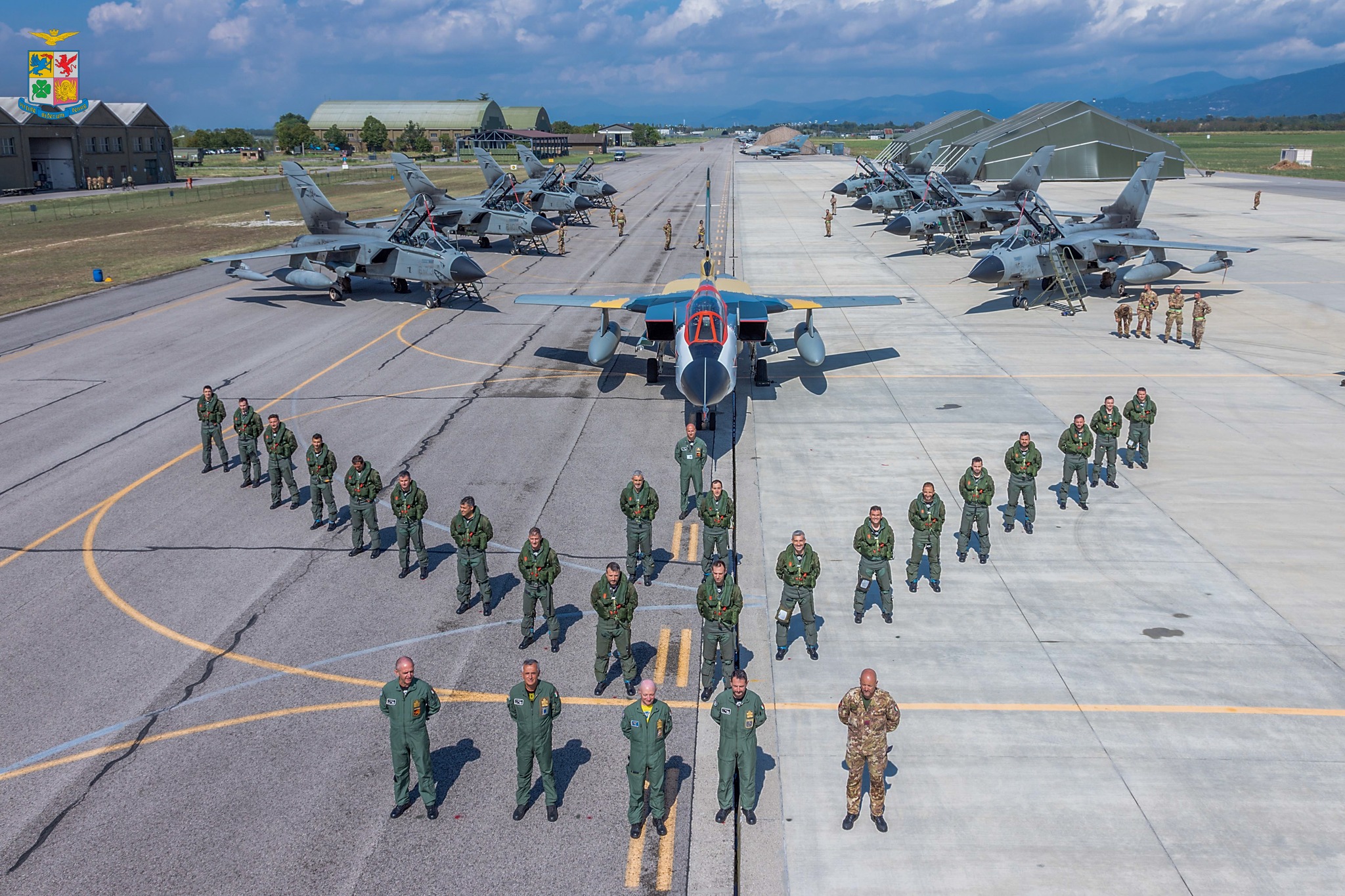
On September 8th, 2022 the Aeronautica Militare held a special event to celebrate the 40th anniversary of Tornado operations in Italian service. The event also saw many Tornado flight crews, specialists, and other relevant personnel from the type’s past and present gather for a grand reunion. The ‘Red Devils’ of 6° Stormo hosted the event at ‘Luigi Olivari’ military air base in Ghedi, Northern Italy, where the entirety of Italy’s remaining Tornado fleet has staged from since September, 2016.
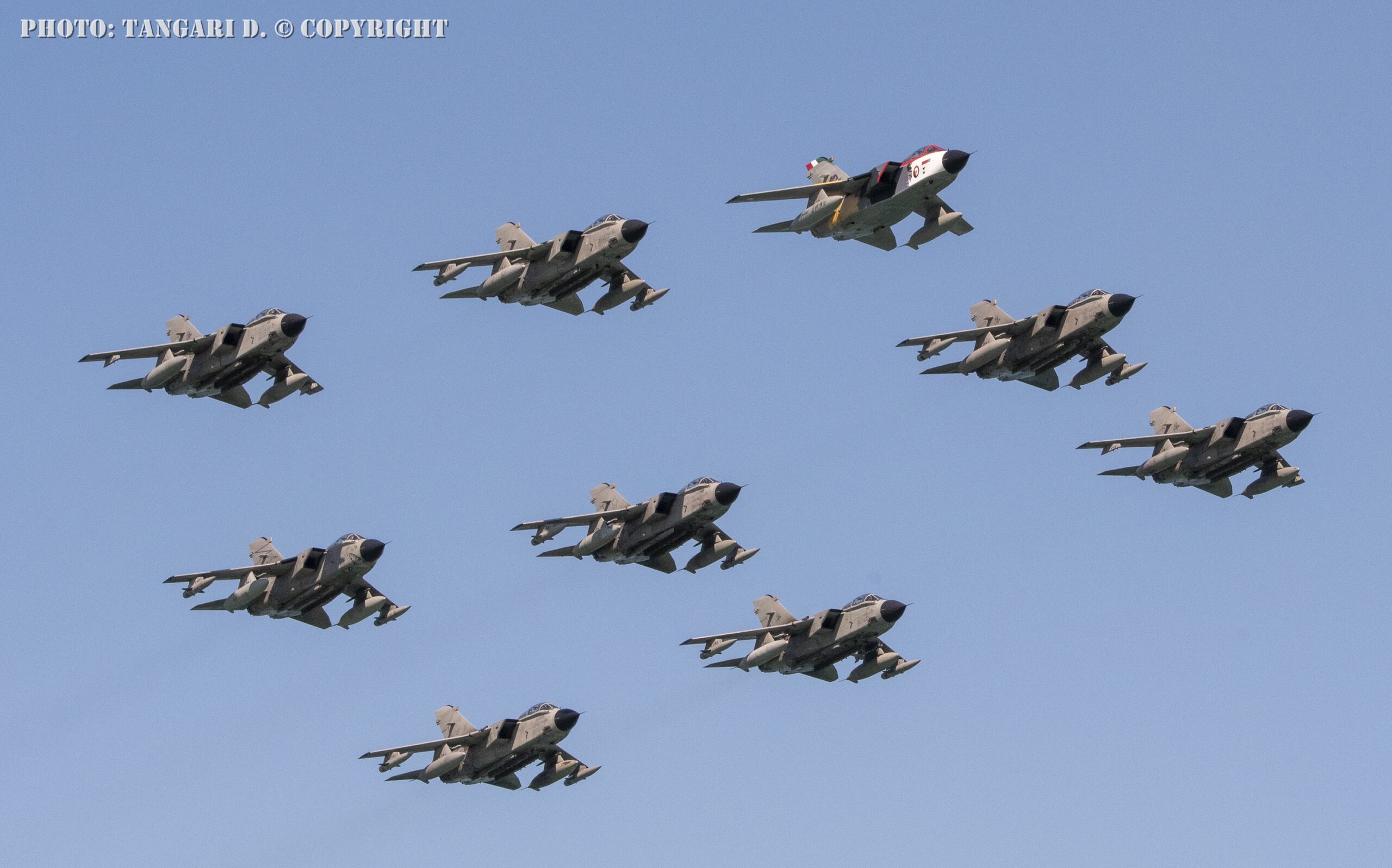
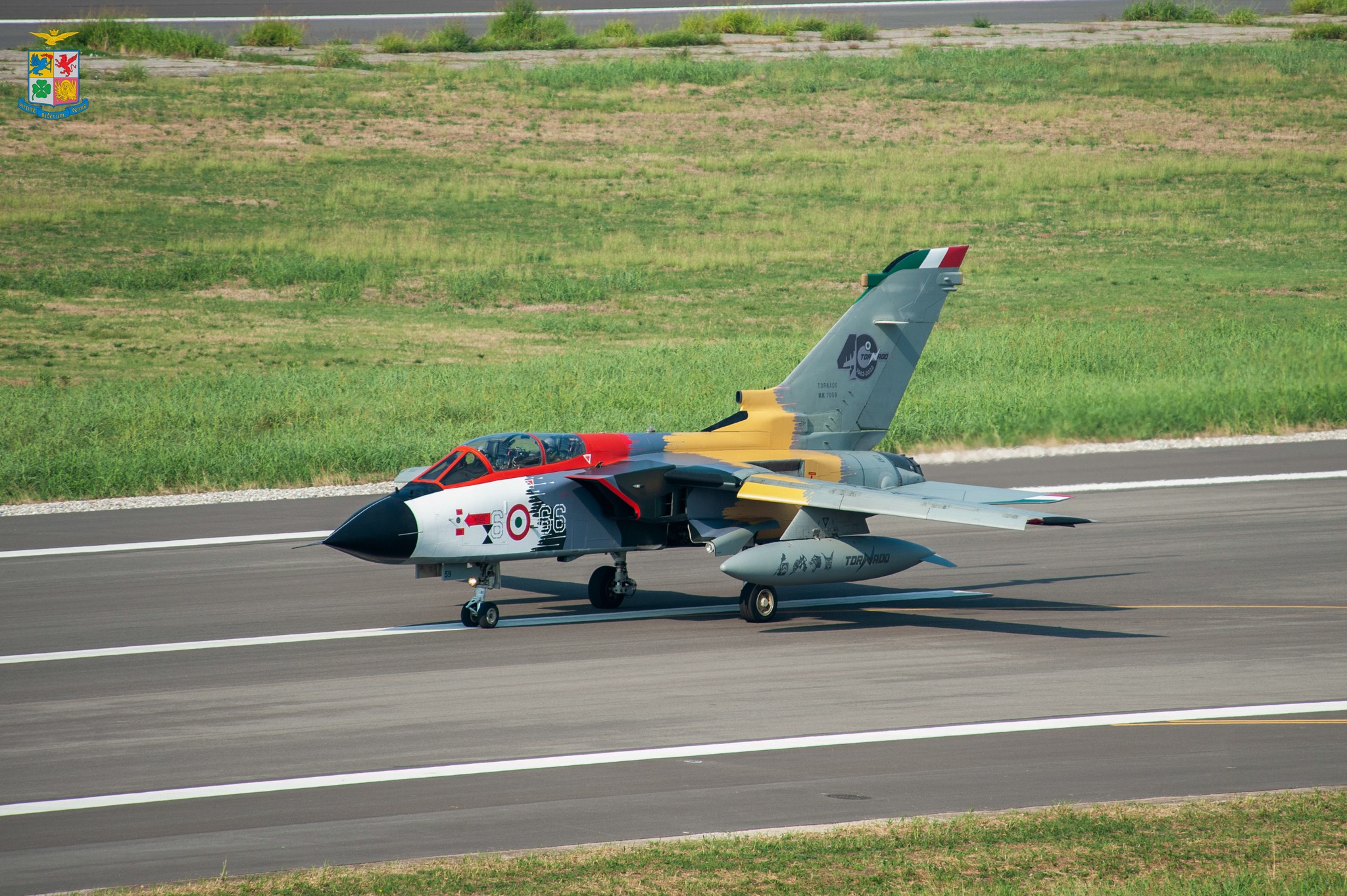
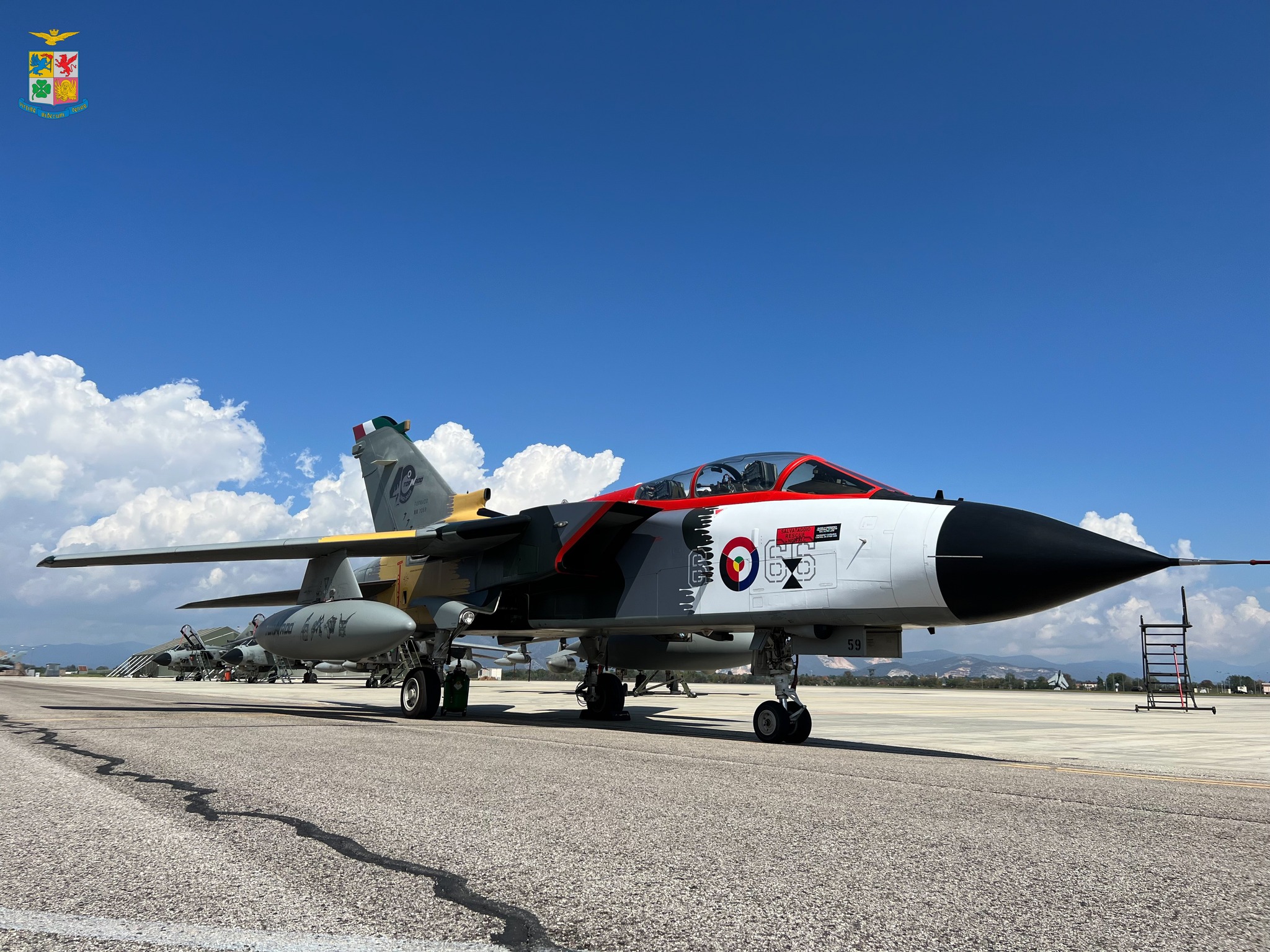
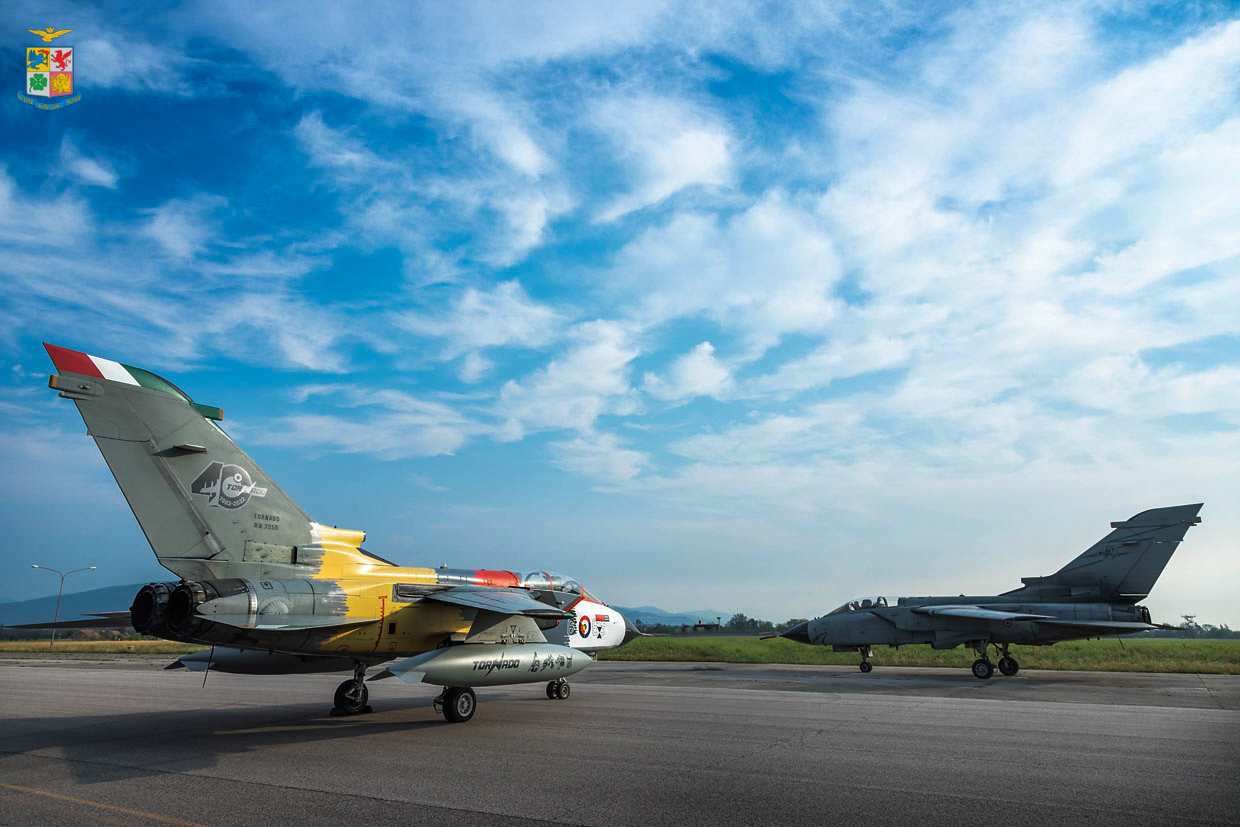
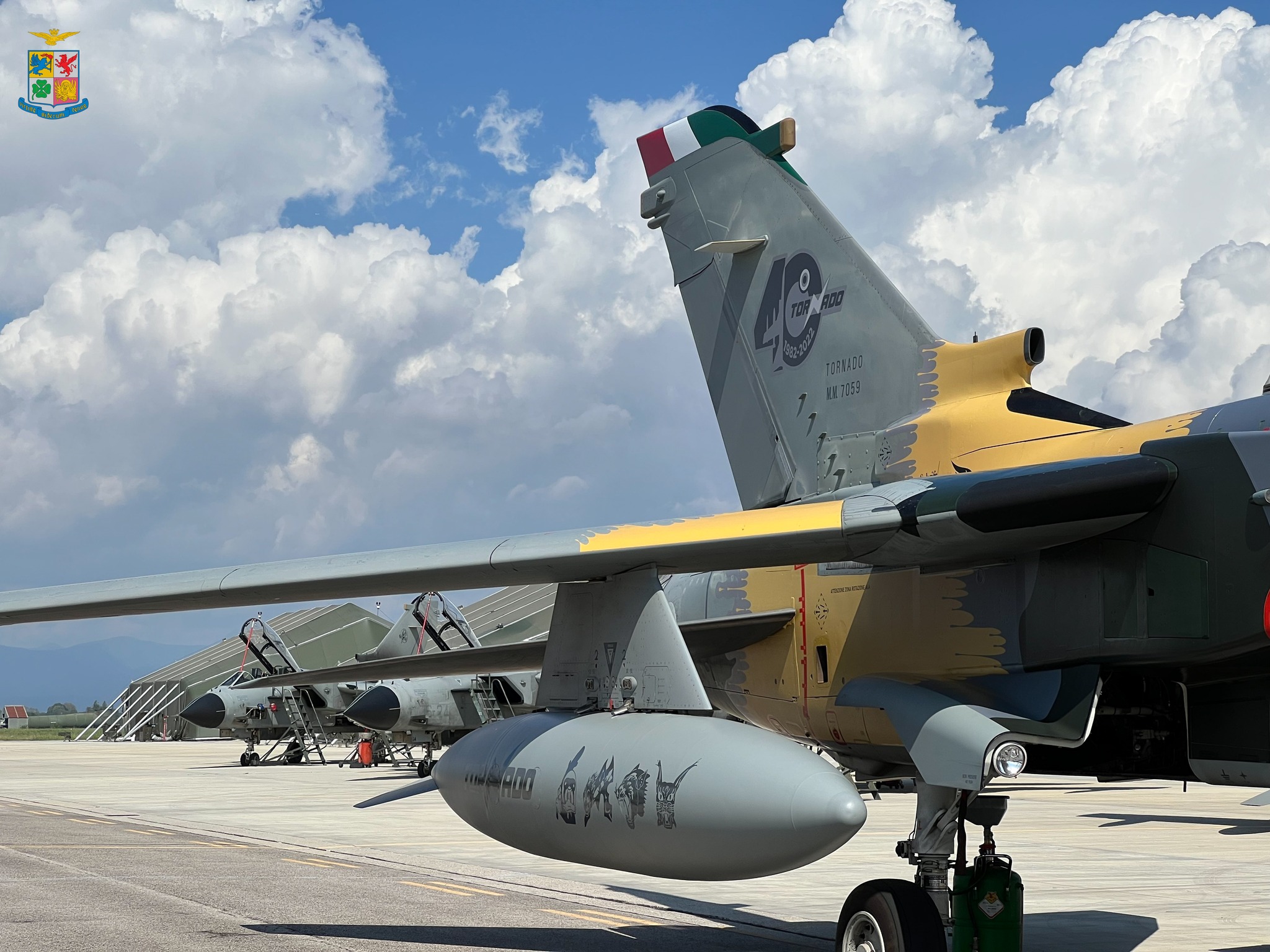
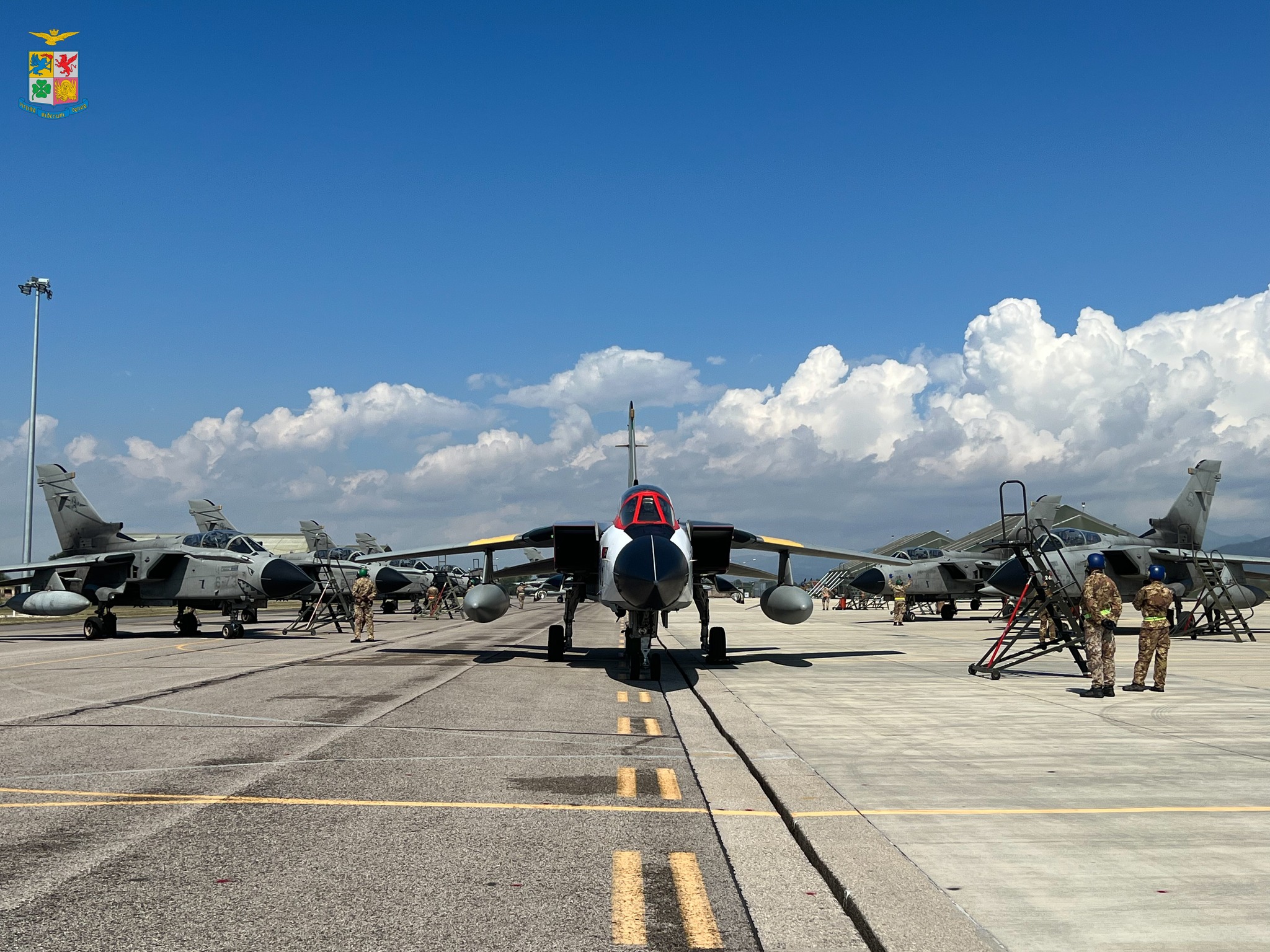
Following speeches from politicians and air force generals, a flypast featuring 10 Tornados and the Legend Formation (a selection of present and former Aeronautica Militare trainer types) made several impressive passes of the reviewing stand. The flight of Tornado featured a specially-marked example at their fore. Labeled Devil 01 this aircraft bore a commemorative livery celebrating the Tornado’s Italian service life. Of course, Italy’s National Acrobatic Team (PAN), known the world over as the Frecce Tricolori, also took part, having arrived in Ghedi earlier in the week. They flew closely behind the Tornado flight and streamed their famous green, white and red smoke smoke plumes which made for an impressive sight much appreciated on the ground.
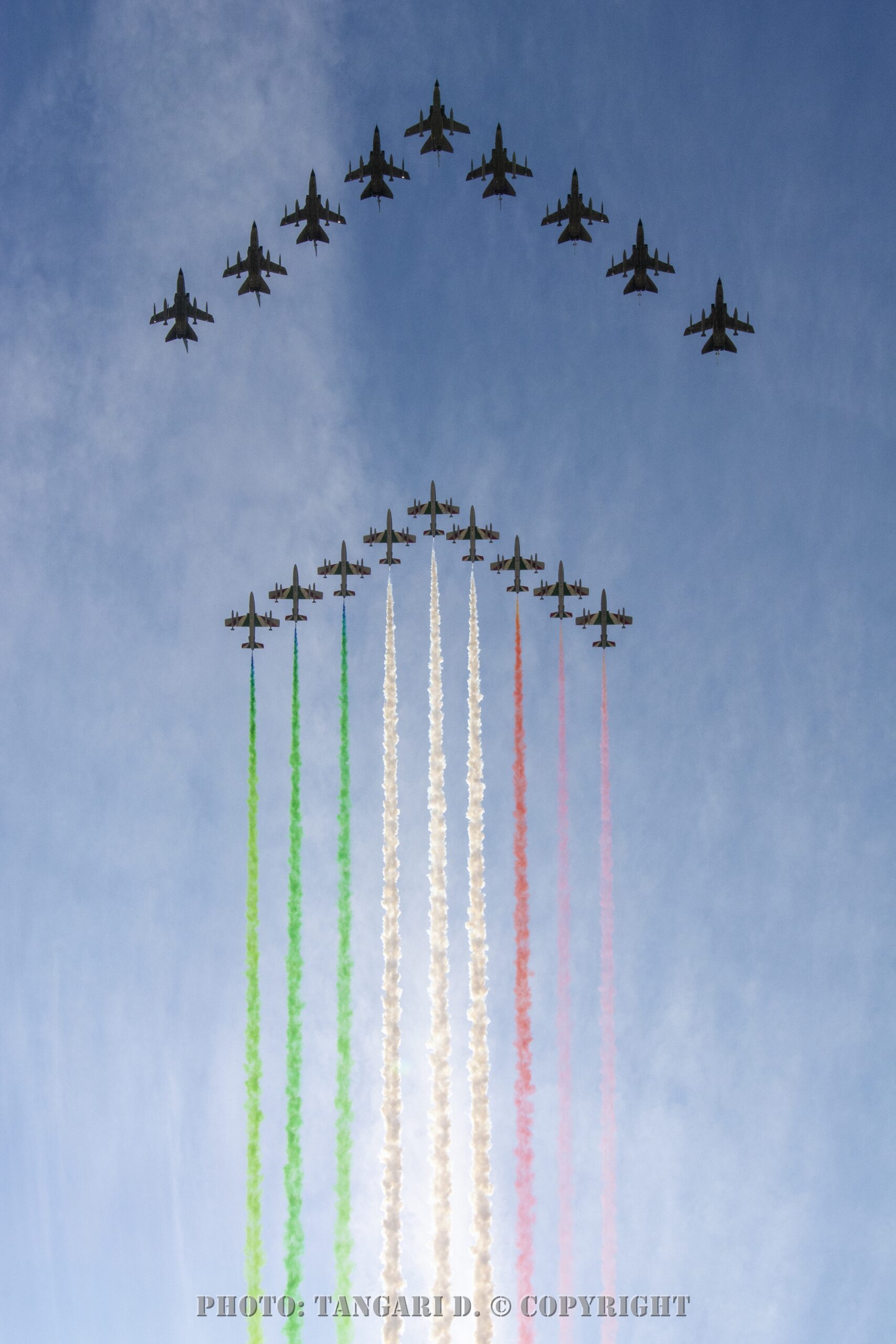
The PAN then performed a short display for the crowd with a variety of their most famous maneuvers. The routine culminated in what’s known as the Alona, where the solo-ship (Pony 10) crosses the formation’s wide smoke trails, giving life to the tricolor of the Italian flag to great emotional effect for those viewing from below.
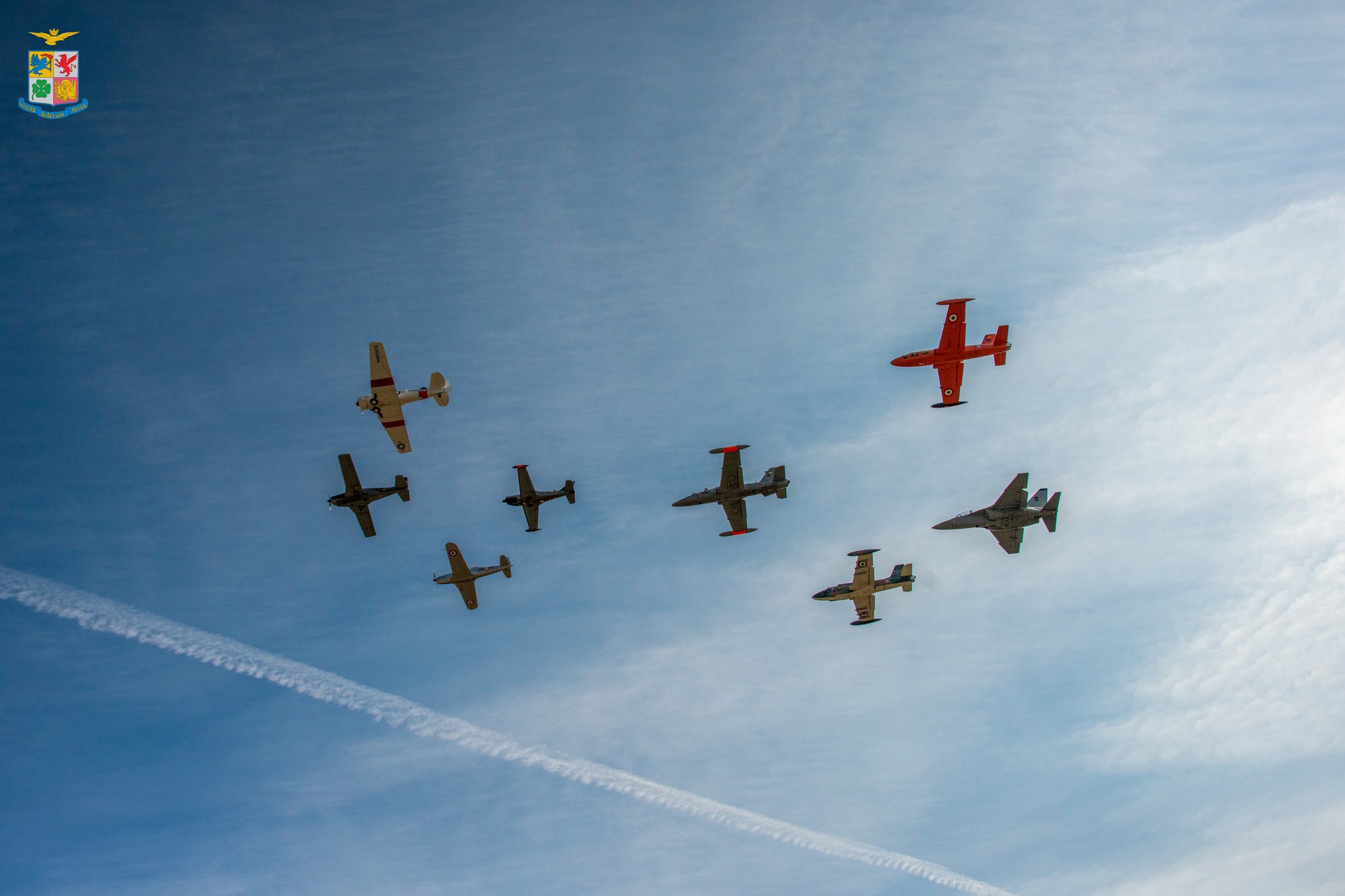
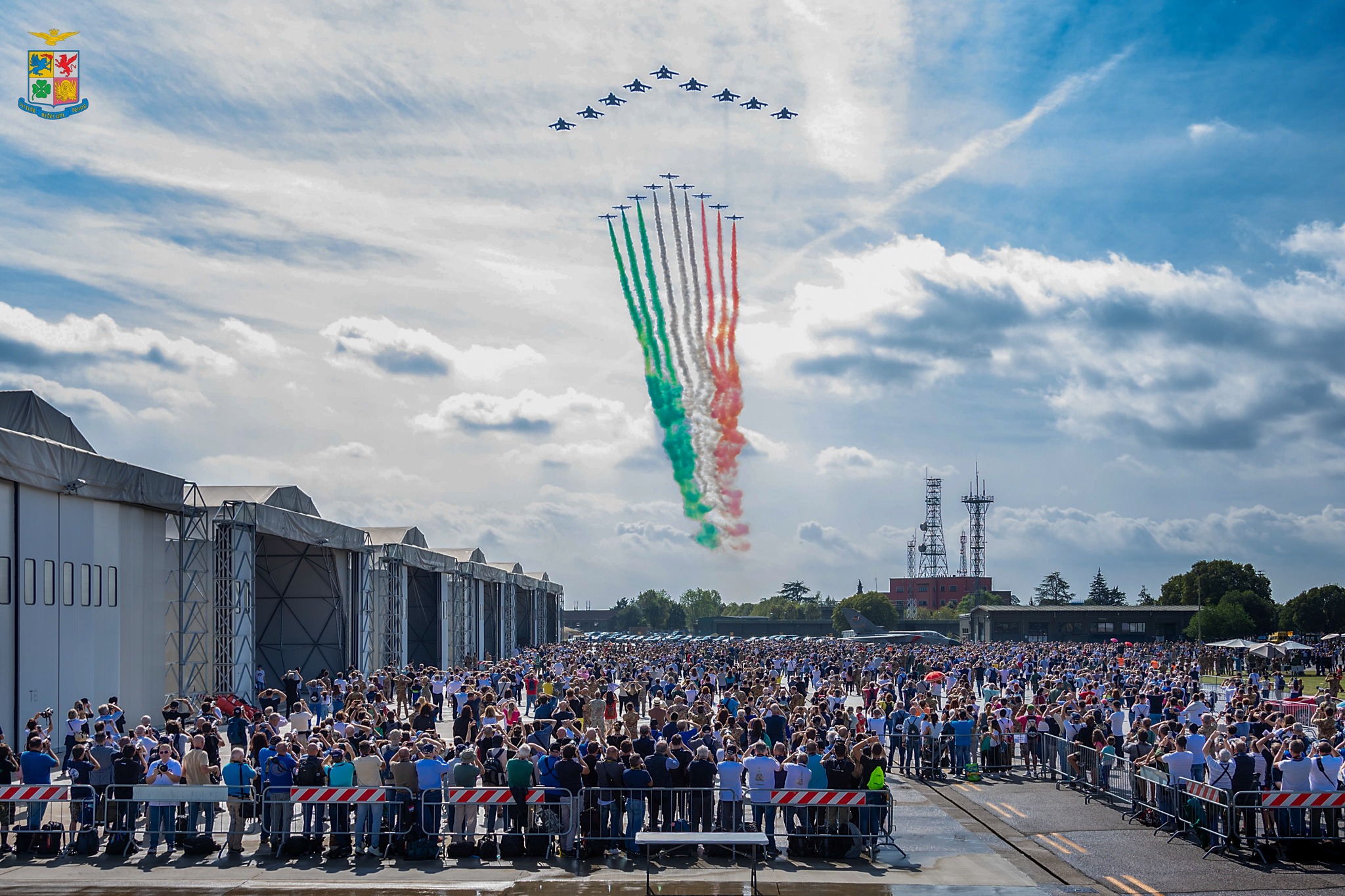
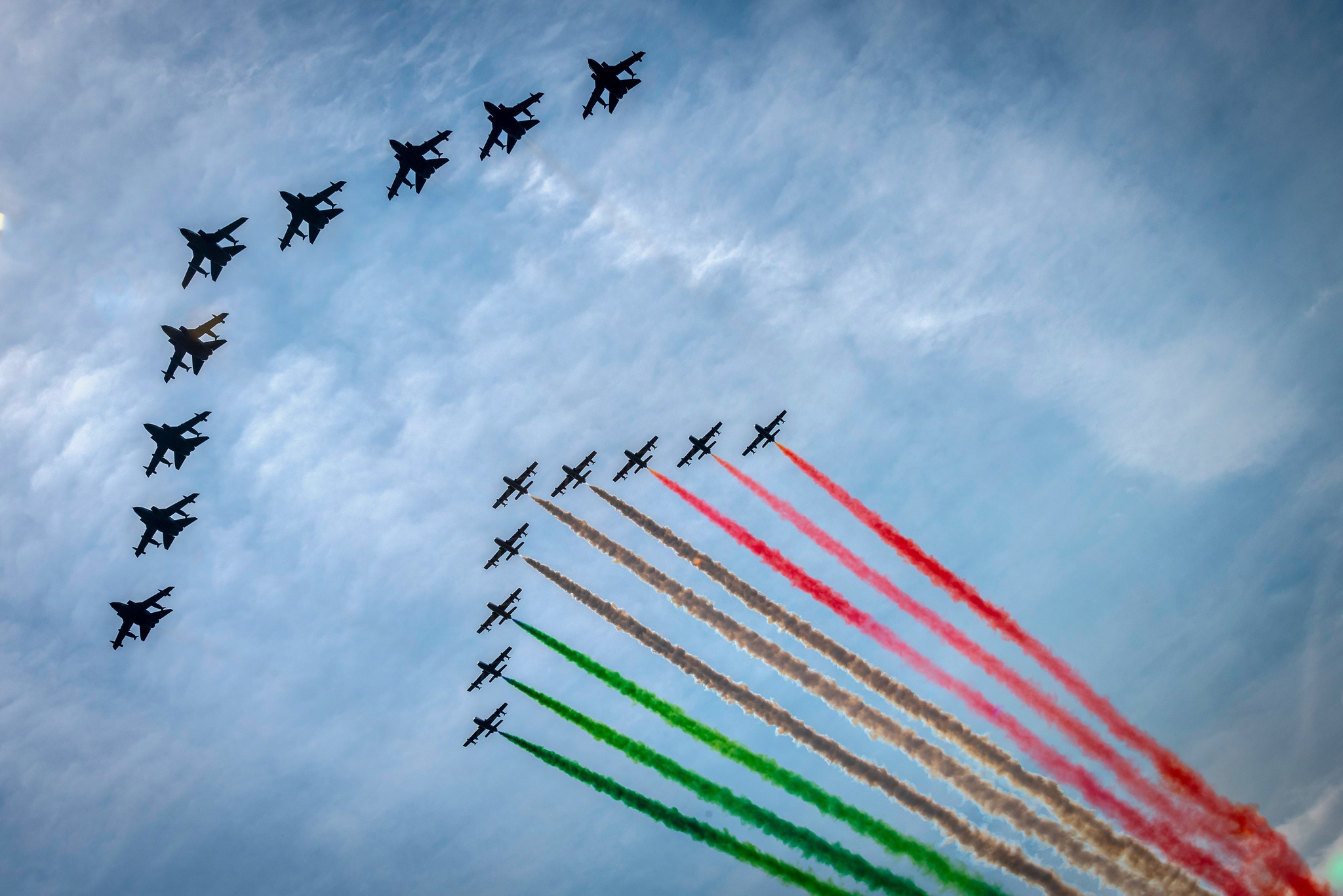
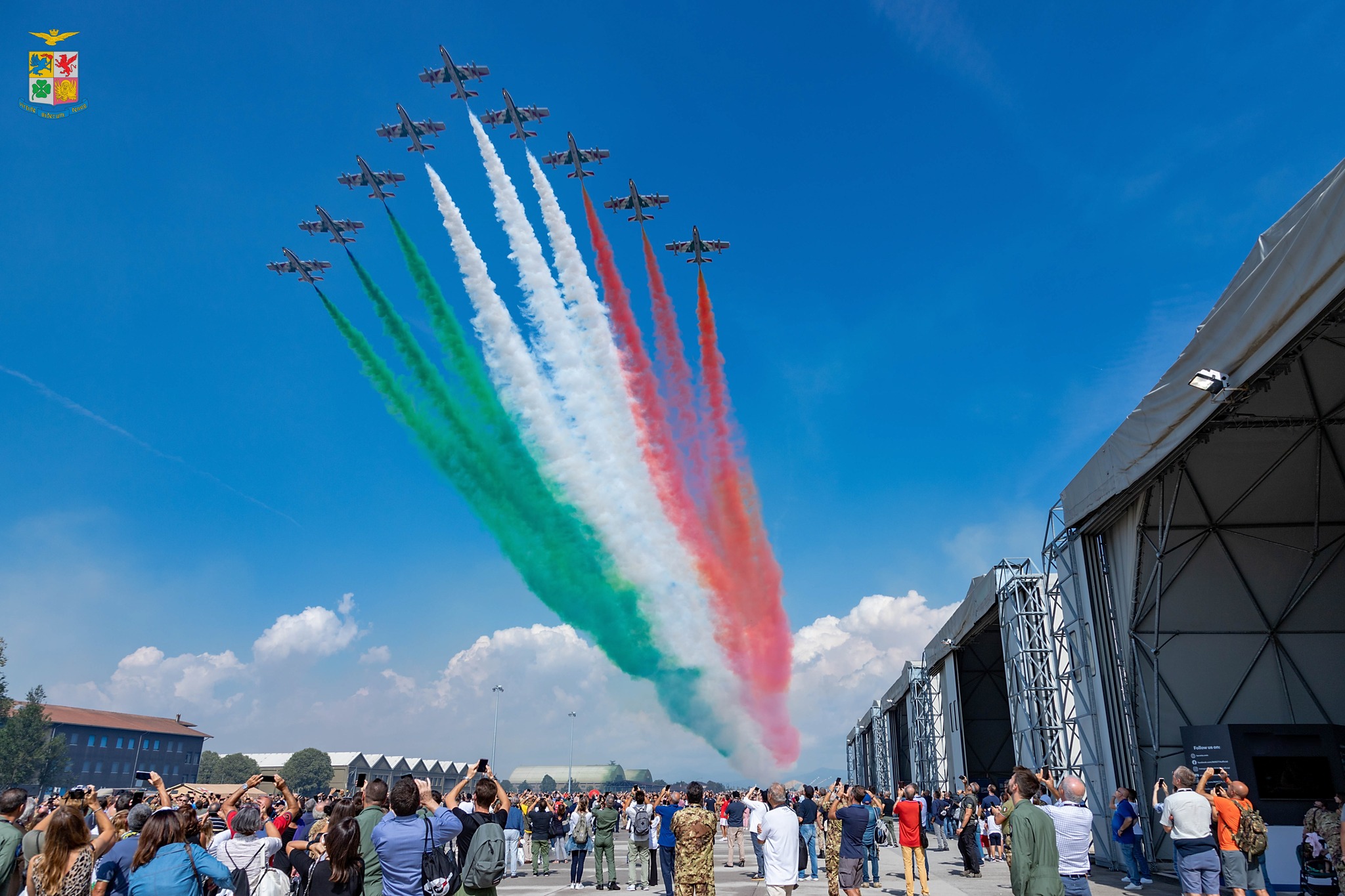
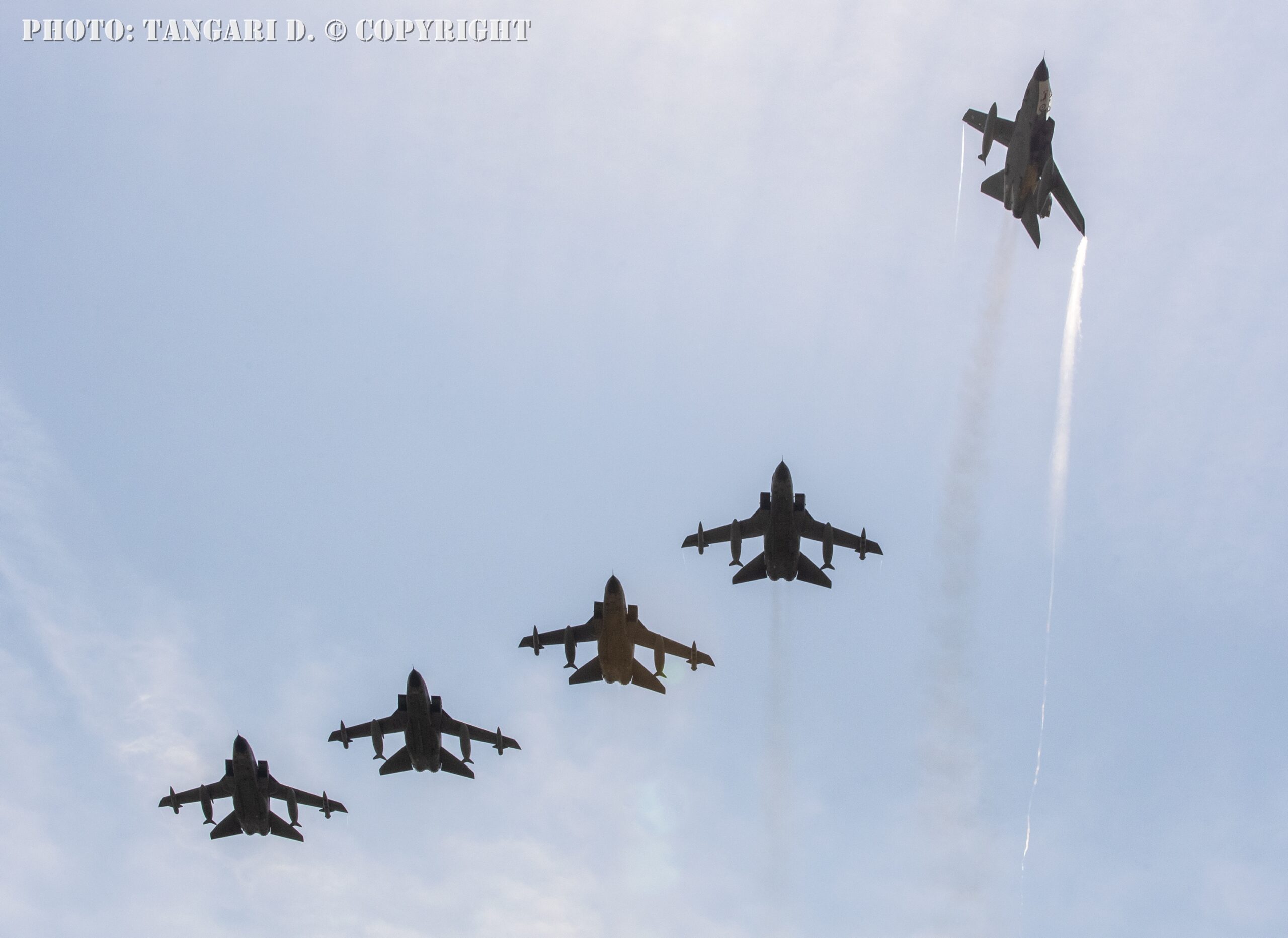
When the Frecce Tricolori completed their performance and came in to land, the Tornados reappeared with an initial rhombus formation and, subsequently, a double wedge alternating with various low passes from a solo Tornado. The Tornados then pealed off to land, with the solemn conclusion to the event seeing all ten Tornados parked on the square in front of the crowd and media immortalizing a day which will echo in aviation history.
Many thanks to all those who contributed to this article. We really appreciate the gift of their words and images!