




Pacific Wrecks is a well-known organization that explores the living legacy of World War II in the Asia-Pacific region. This includes the battlefields, airfields and war wreckage, the aircraft, and, not least, the online search for Missing-In-Action servicemen. Founder Justin Taylan has interviewed hundreds of veterans, traveled across the Asia-Pacific region and personally documented thousands of war wrecks on land and underwater. In 2025, Pacific Wrecks will celebrate 30 years online.
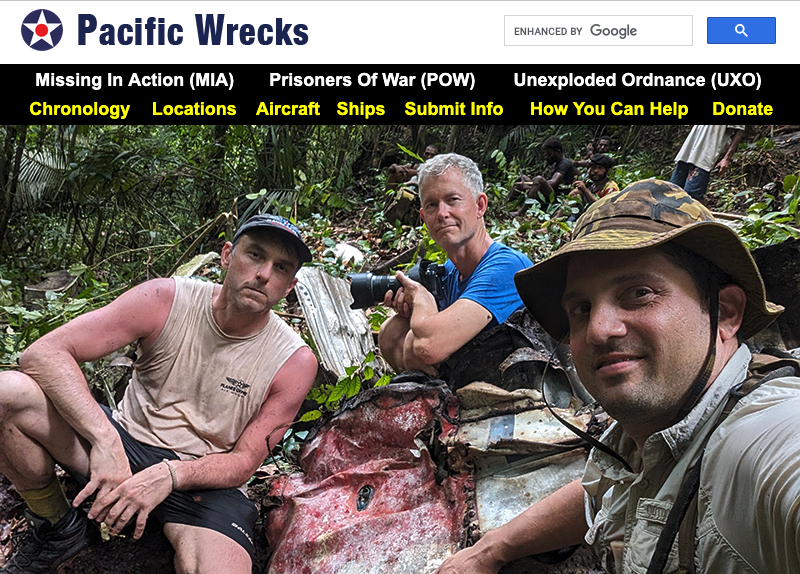
Vintage Aviation News recently spoke with Justin Taylan, founder and director of Pacific Wrecks, for an in-depth interview on the history and mission of the organization, and how readers can get involved and support this incredible work. Justin Taylan grew up with the reminders of World War II all around him. Both of his grandfathers served in World War II, one in the Pacific as a combat photographer and soldier, and the other working for Grumman on Long Island, building aircraft for the war effort. Like many young people, Justin built model airplanes and watched everything he could find about aviation in history. As his grandfathers used to joke, “Justin asked us to tell every airplane story several times.” Justin prodded them about their connections with aviation and things they’d seen, fascinated by their past and life. This was in the early 1990s during the 50th anniversary of World War II. This may seem long ago now, but importantly, then, most World War II veterans were in their mid-seventies and were active and healthy. It was, for many (like his own grandfather), the first time they began to reflect on their World War II experiences.
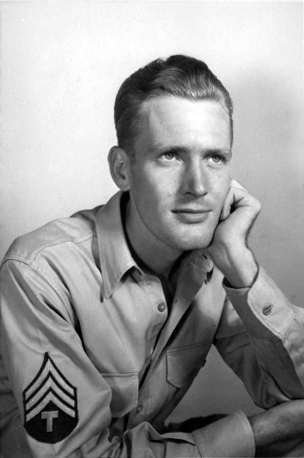
Credit: U.S. Army Photo via Pacific Wrecks
Justin’s grandfather decided to take a trip back to the places he served. So, in 1993, the 50th anniversary of 1943, he and Justin went on a trip to Australia and Papua New Guinea, to places he was during his five years of army service. At the time, Justin was 16 years old, and his grandfather made it very clear that it wasn’t going to be a vacation. They were going on a mission to see people and places that he remembered from the war.
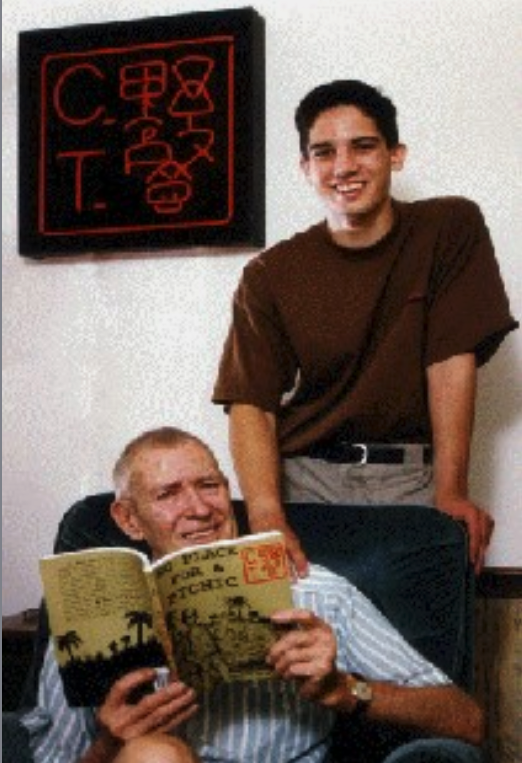
“On that trip, we had many amazing experiences,” Justin says, “But the highlight for me was visiting Papua New Guinea. The country was largely unchanged since the war and littered with traces of war, battlefields, bomb craters, and wreckage.” Together with his grandfather, Justin visited his first aircraft wreck in situ in New Guinea. It was a Japanese bomber disabled at an airfield. Even in 1993, the markings were still visible, including stencils and the Japanese Hinomaru (Rising Sun) on the wings and fuselage. Justin was amazed. All the historic aircraft he had seen in museums behind a guardrail had “Do Not Touch” signs. .
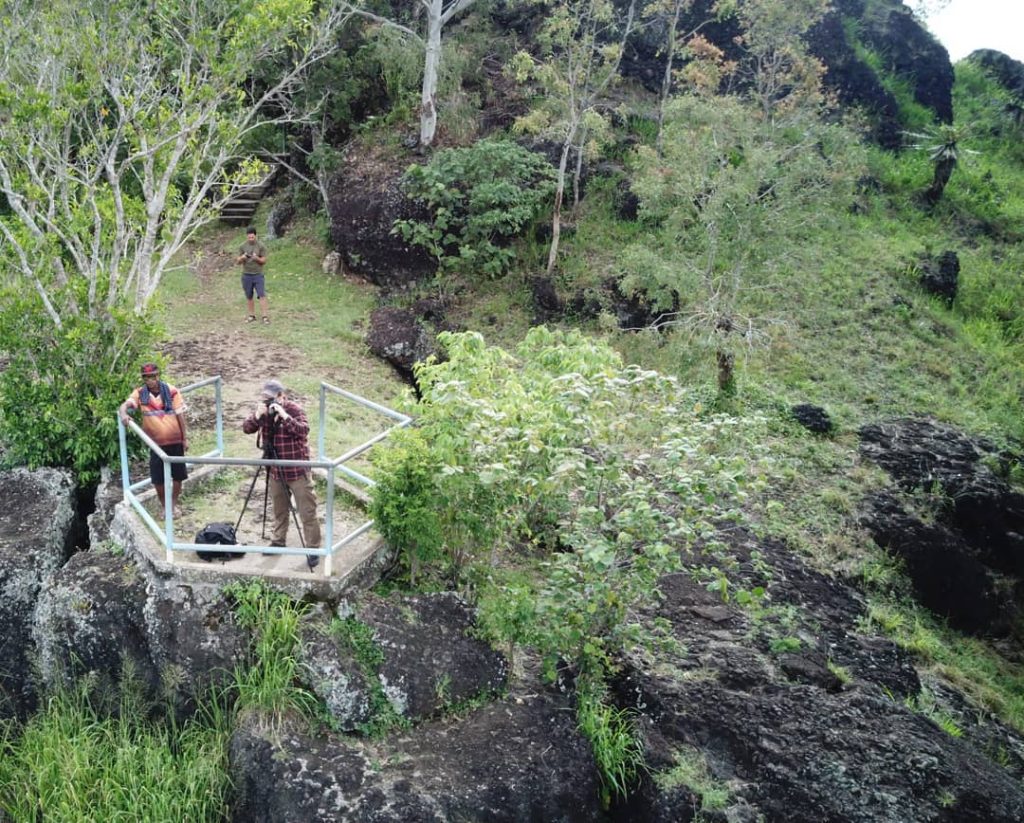
“Standing on the wing, I noticed my grandfather keeping his distance, and I said to him, naively, ‘Grandpa, this plane wreck is so cool, you’ve got to come up here and check it out.’ His reply, I’ll never forget, he said, “The last time I saw one of those, it wasn’t so cool.” He was referring to his first day on New Guinea, when several Japanese bombers penetrated the American air defense to bomb the landing beach. His first memory of New Guinea after the amphibious landing was jumping into a bomb crater to take cover and landing atop a decomposing Japanese corpse. Justin added, “I realized through my grandfather’s experience that these wrecks were not just aluminum and metal. They connected to history and experiences and were something special and sacred.”

“After that trip, I returned home, scanned all my pictures, and wrote up a travel diary. I put everything online on this new thing called the World Wide Web. I thought that would be the end of it, but people immediately began emailing, saying, I’ve been to that same plane, here are pictures. Others asked questions or shared information on sites they had visited. The website grew by collecting information on what remains, and began researching the history of specific wrecks. From that moment onward, Pacific Wrecks was born.”
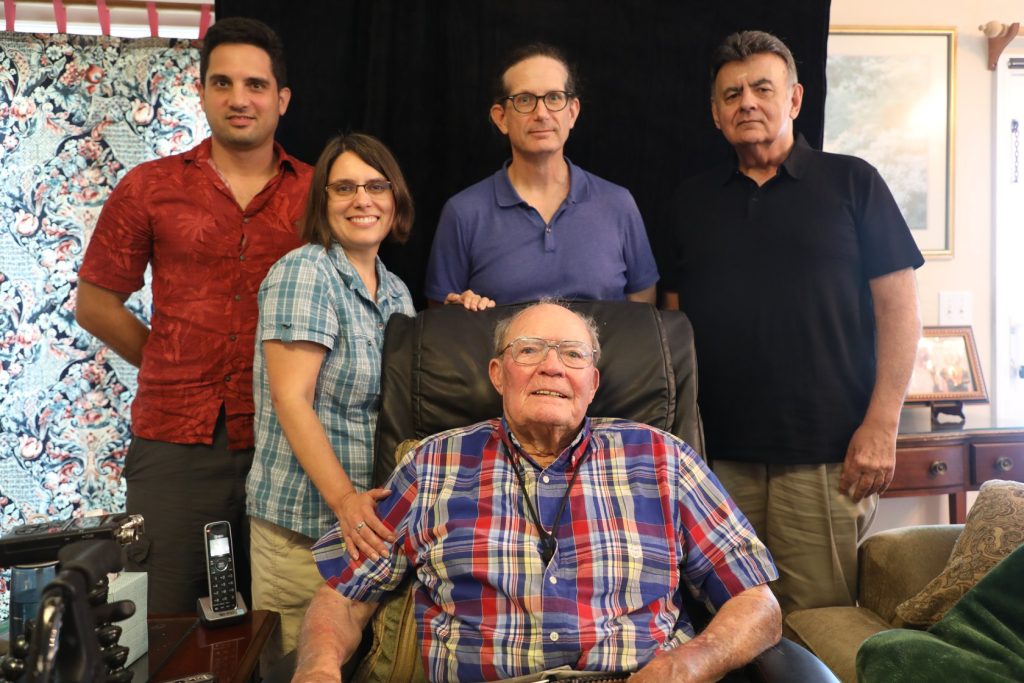
Today, Pacific Wrecks is a not-for-profit 501(c)(3) that people can support with donations and contribute information. The website has no sponsors or advertisers to share, preserve, and make this information accessible. “ Pacific Wrecks is the resource that I dreamed would exist when I saw that first aircraft wreck,” says Justin. “I assumed, incorrectly, that every wreck had already been documented. So many untold stories and details remain to be documented, and mysteries that remain unsolved.”
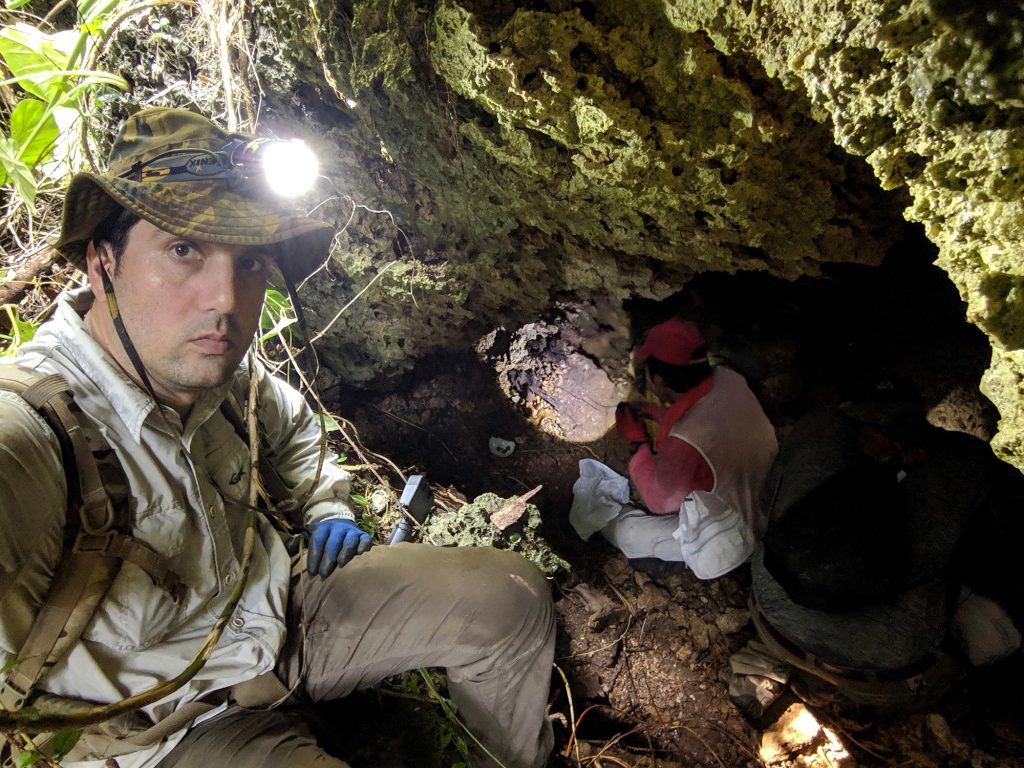
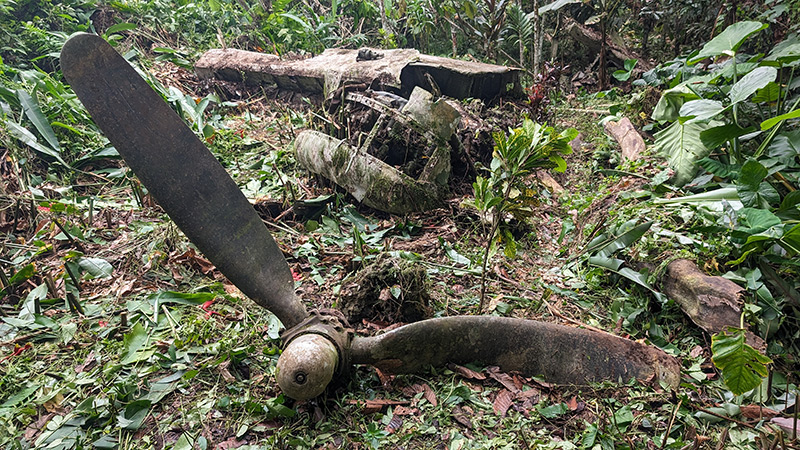
The mission of Pacific Wrecks is threefold: Firstly, to research and share information on the past conflicts in the Asia-Pacific region. Second is actually to locate and document what remains. Sometimes these are missing in action aircraft, where people died, and remain missing. Other times, the wreckage was abandoned without fatalities. Finally, Pacific Wrecks advocates for the preservation of what remains.
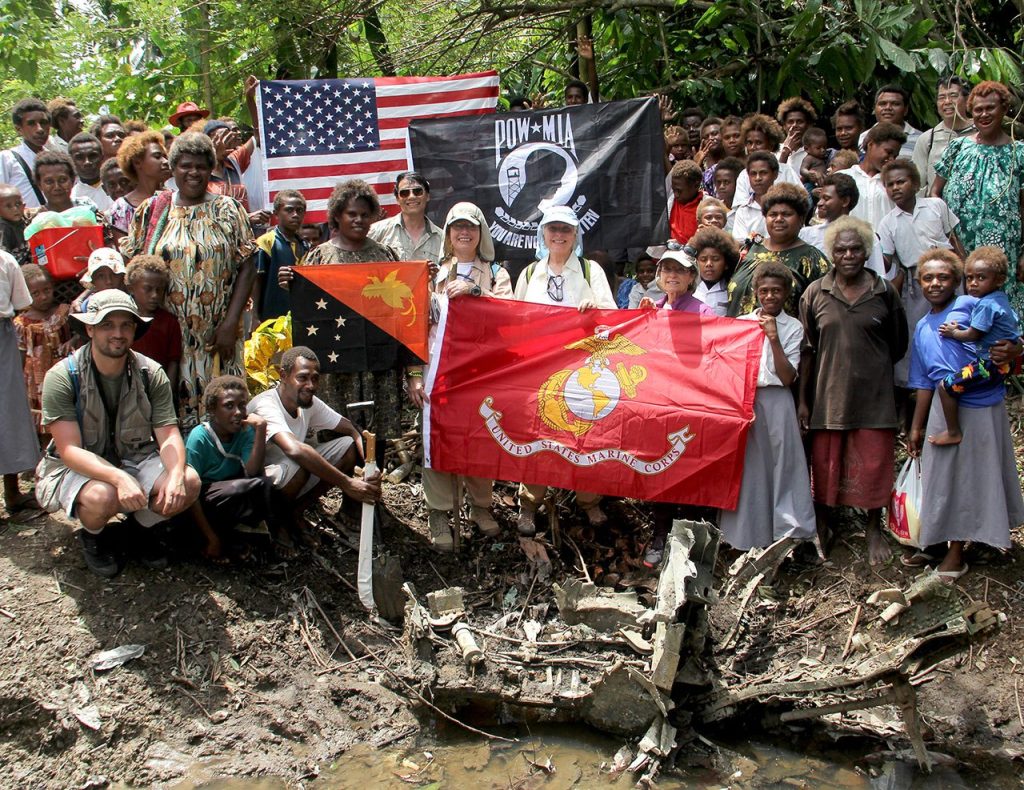
If remains are found at a site, Pacific Wrecks notifies the appropriate authorities. After all these years, many wrecks still contain skeletal remains, dog tags, and other personal artifacts, offering long-awaited closure to families. Pacific Wrecks draws on the expertise of volunteers and collaborators from all over the world who are subject matter experts in specific squadrons or aircraft types. So Pacific Wrecks is a community that strives to document every aspect of an aircraft or battlefield, a process that is always ongoing and evolving with new insights.”
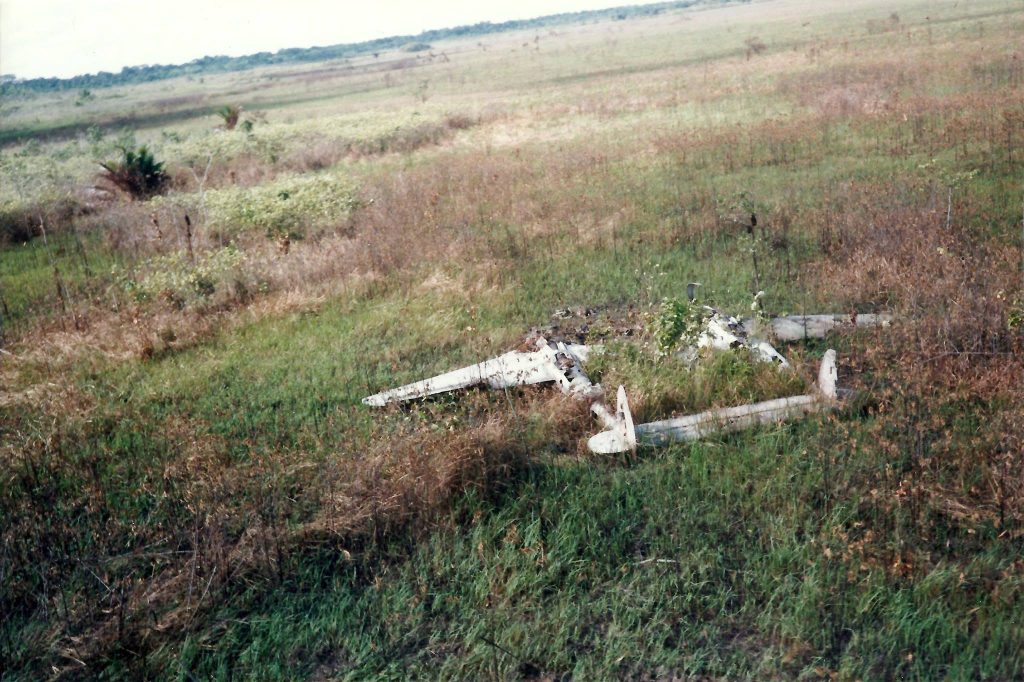
“The glamorous part is to be in an exotic location searching for a plane wreck or exploring a battlefield. But before that happens, there are countless hours, days, and weeks of archival research to prepare for that moment.” Looking back to the earlier stages, Justin recalls: “Many of these aircraft veterans of the same squadron, or even that particular aircraft, were alive to interview. Today, we rely on their descendants to share information. Often, this material is not recorded in official military archives.”
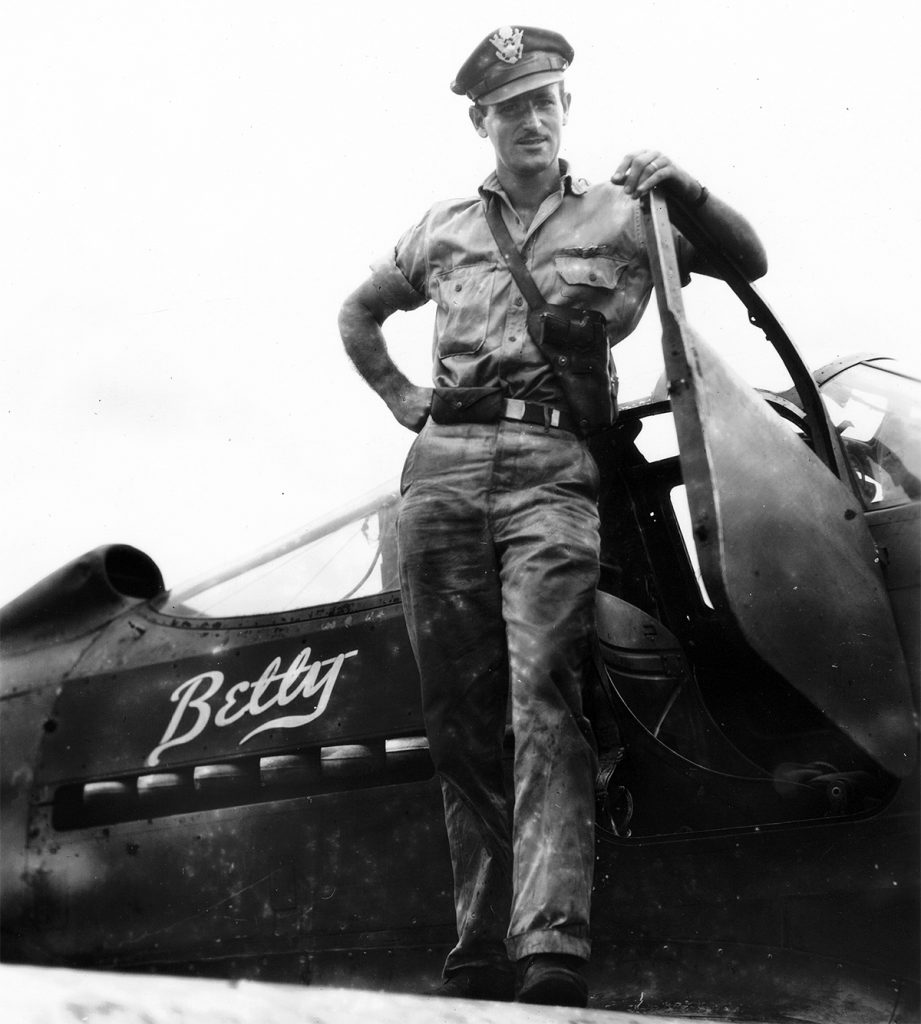
“History is not a static thing. So many times I’ve thought, ‘Well, I’ve learned everything I can about this plane, there’s nothing more to be said, nothing more to be known.’ And suddenly an email comes in or a new collaborator shares some sliver of information, or a new picture, or a new insight that expands what is known. It’s humbling because there’s always more to learn, and it’s a constant and ongoing effort to curate this history.”
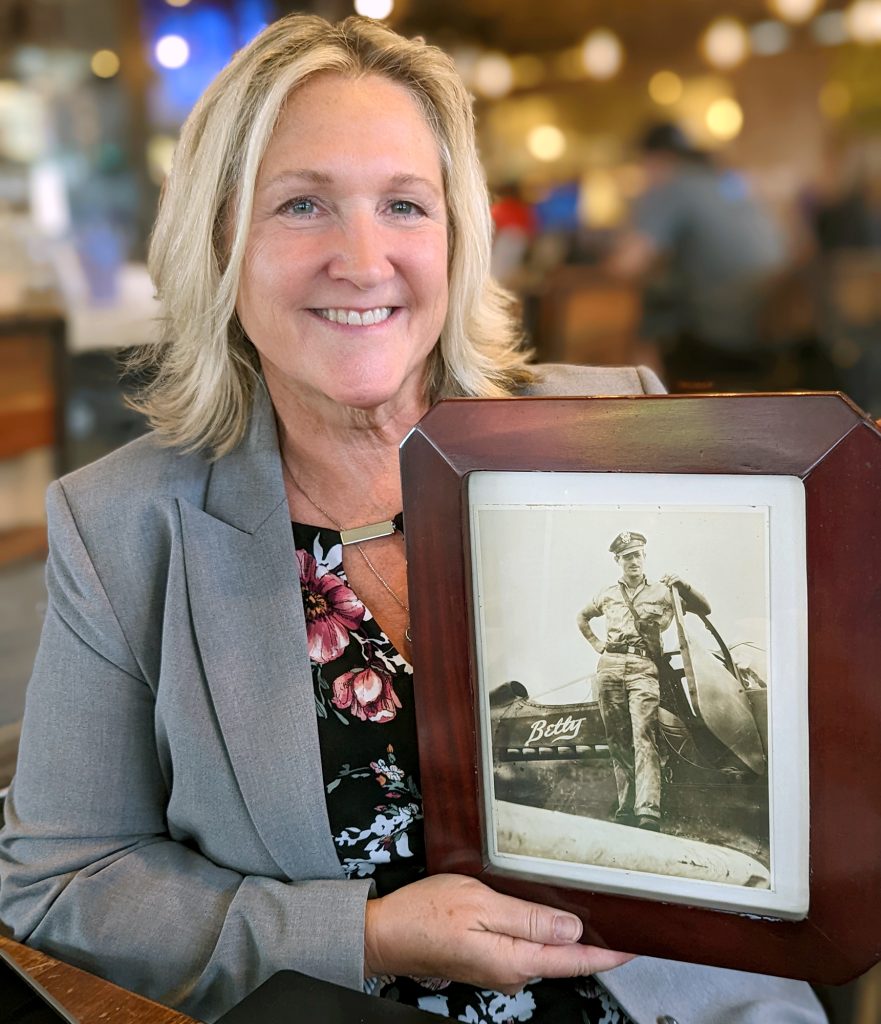
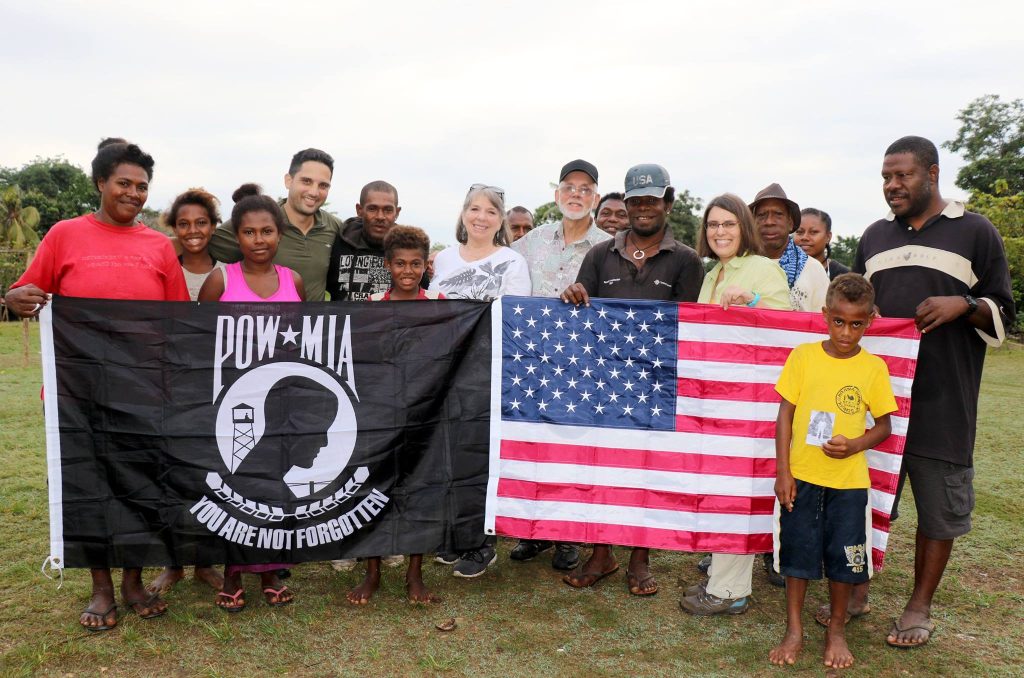
A rewarding challenge. Justin and the Pacific Wrecks team are volunteers and devote a lot of time to the organization because of the passion and love they have for aviation, history, and veterans. “The greatest feeling is knowing that this work literally changes people’s lives,” Justin says. “I have been privileged to have been involved in the discovery of many aircraft with Missing In Action (MIA) personnel and later meet their families and be involved with helping to bring them home.” The organization is inundated with requests, and its greatest challenge is having both the volunteers and financial resources to investigate. Funding is equally important, and Pacific Wrecks welcomes donations and sponsors.
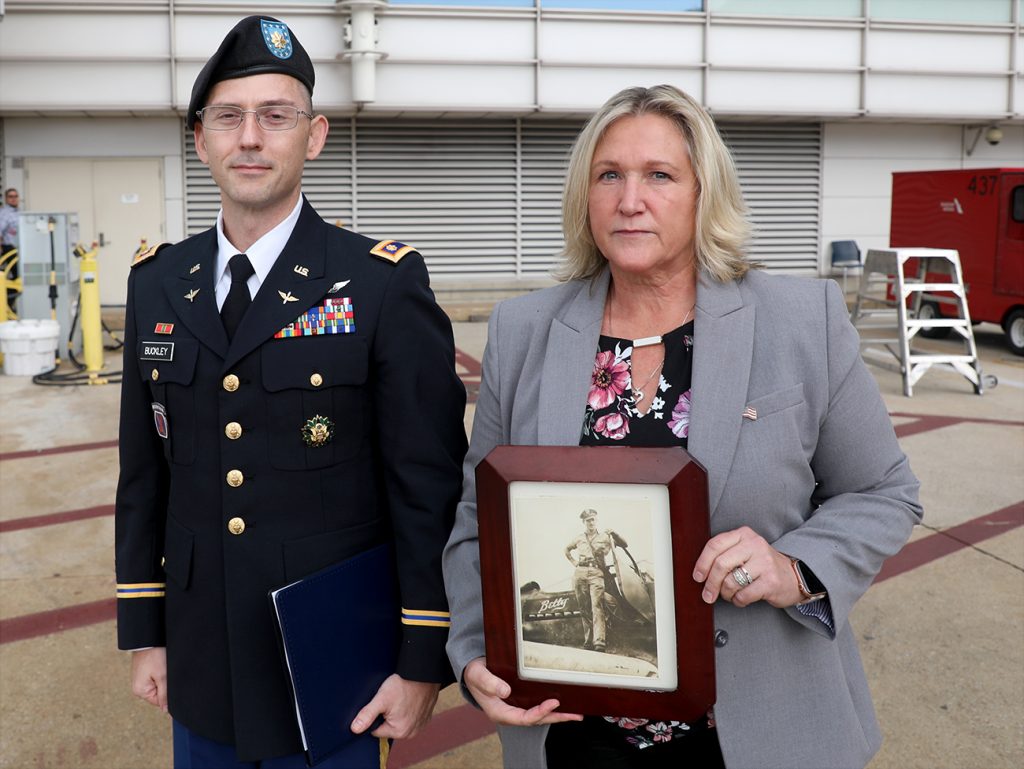
After three decades of doing this work, Justin has visited over a thousand aircraft wrecks where they crashed, were abandoned, or sank underwater. “There are an incredible number of war relics in the Asia-Pacific region that would take my entire lifetime and millions of dollars to investigate properly,” he says. “And even more incredible is that in the 80 years since World War II, you’d think everything has been found, and that’s not the case. Across the world, new wrecks are discovered every year. Luckily, through our established presence and reputation, we often learn about this site and are entrusted by the people who find it to help them identify what they found. ”If the site contains remains, Pacific Wrecks reports the site to the proper authorities for action. Even 80 years later, many of these aircraft still contain skeletal remains and personal effects. “This is not static history,” says Justin. “Things are still happening, and I hope this body of knowledge will continue to expand. Fifty years from now, things will still be found, deep in the ocean and remote locations.”
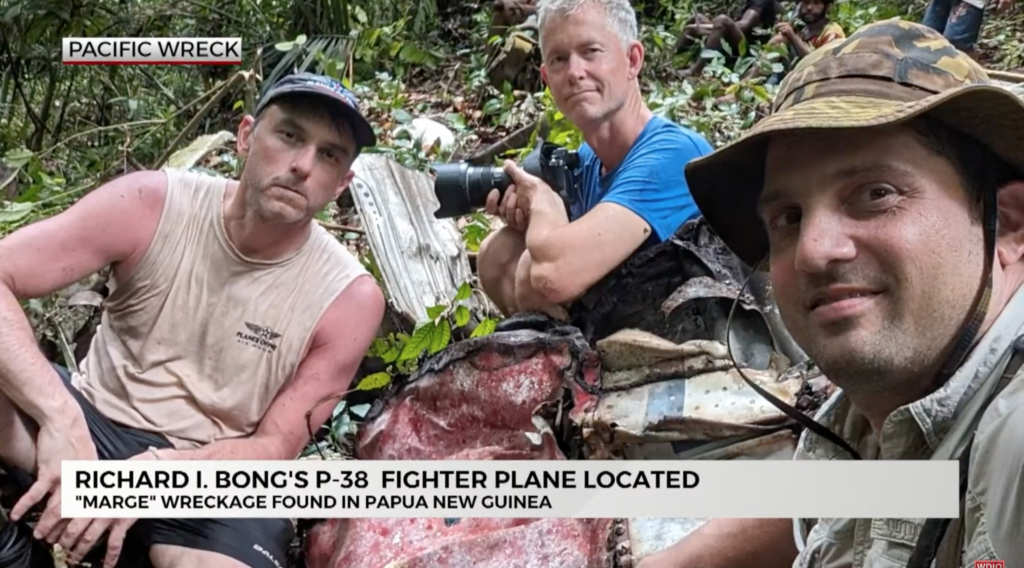
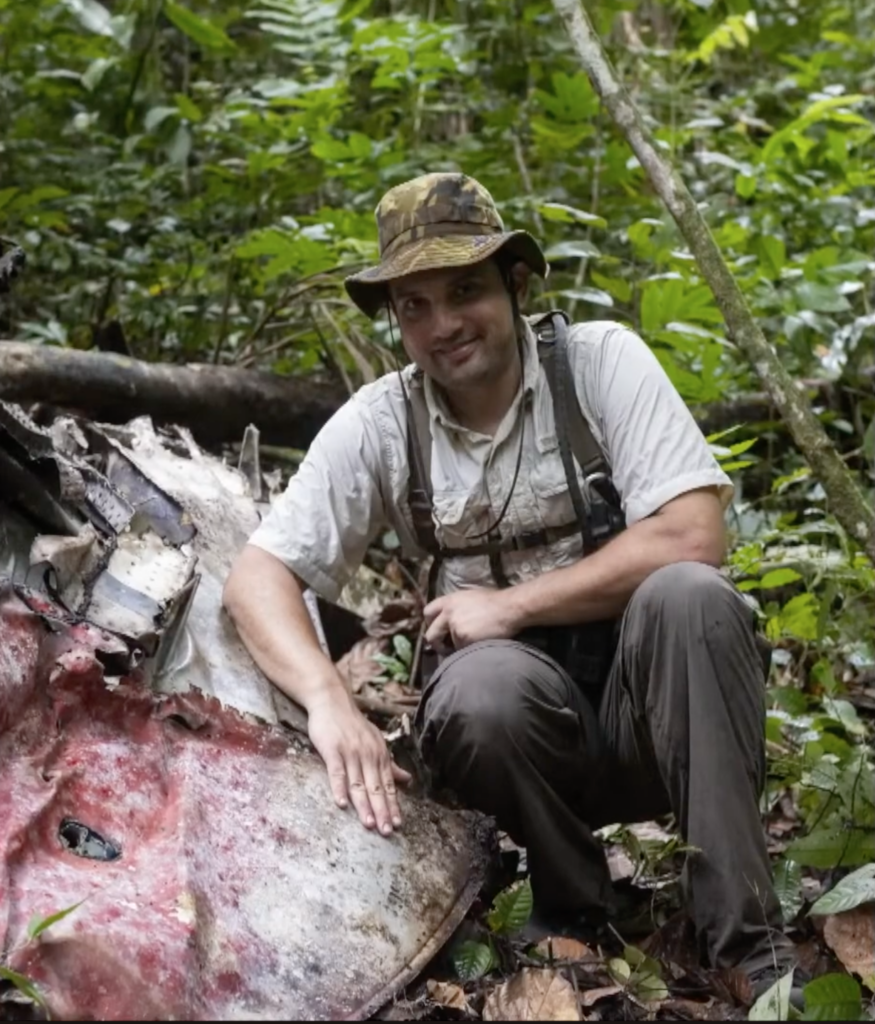
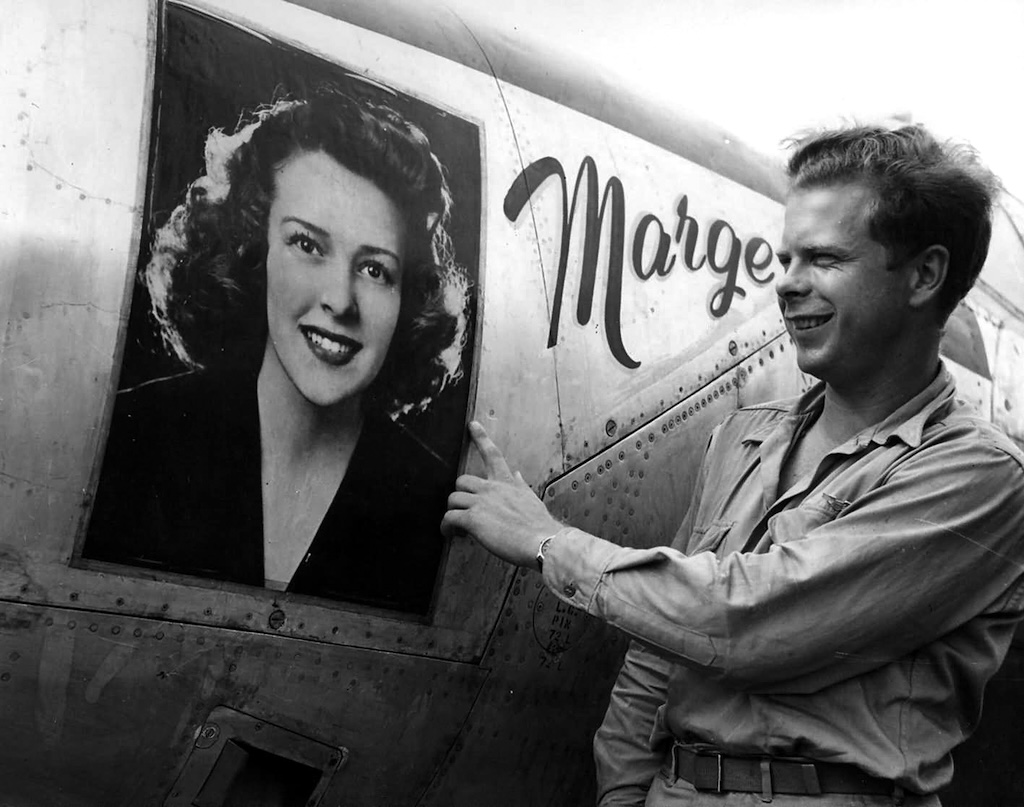
P-38J Lightning 42-103993 was assigned to Richard Bong, who nicknamed the plane “Marge” for his girlfriend Marjorie Vattendahl, whom he later married. He had her picture on the nose — not painted as nose art, but a photo enlargement adhered to the aluminum. In total, Richard Bong claimed 40 victories during World War II, including three flying P-38J “Marge”. On March 24, 1944, the P-38 was lost while flown by a different pilot, 2nd Lieutenant Thomas E. Malone, who lost an engine and had an electrical failure, forcing him to bail out before the plane crashed. Luckily, Malone was rescued and returned to duty.
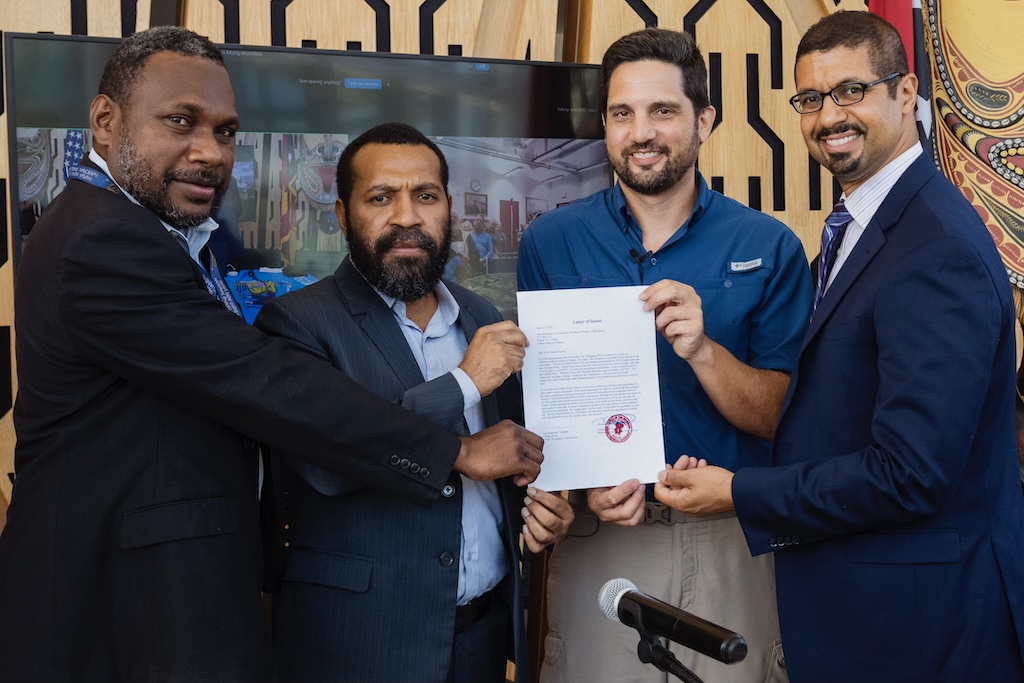
Last year, the Richard I. Bong Veterans Historical Center in Superior, Wisconsin, contacted Pacific Wrecks. Justin says he will never forget the email from curator, Briana Fiandt. “She asked a simple question: could this plane be found? Does it exist? I was so intrigued by her email. I replied truthfully and I said, ‘I don’t know, but we should find out’. From that initial exchange, Pacific Wrecks and the Richard I. Bong Veterans Heritage Center entered into a partnership to mount an expedition to search for P-38 “Marge” and were successful.”
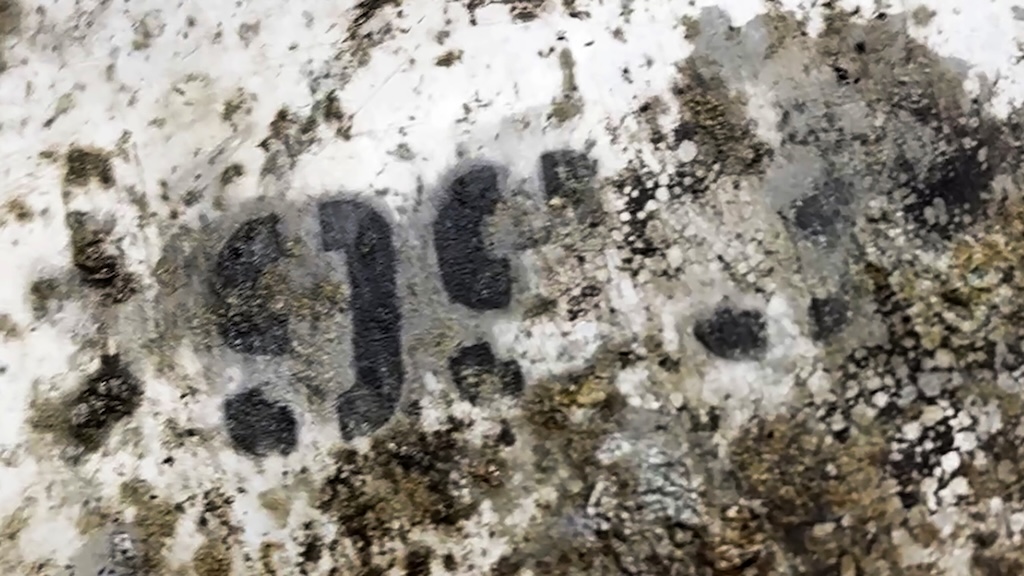
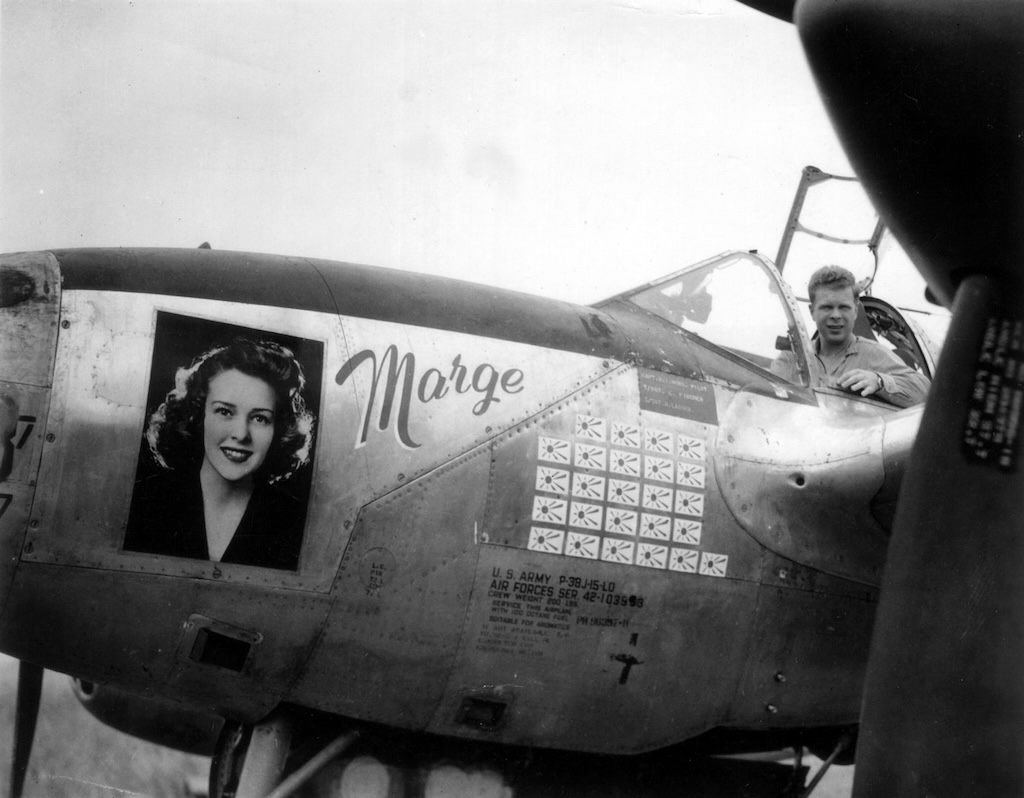
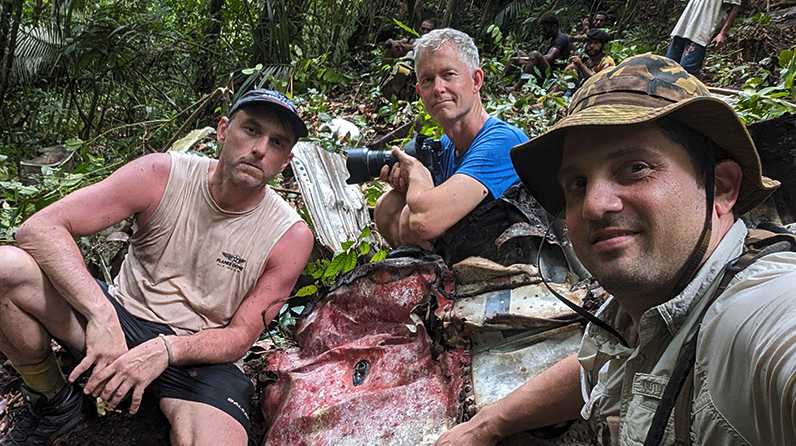
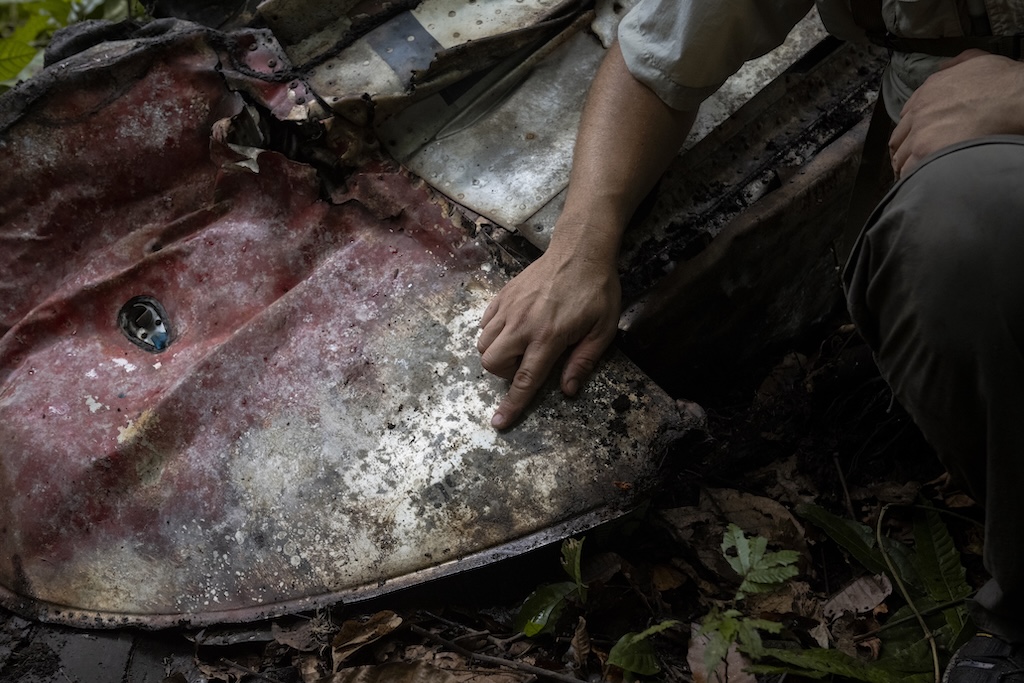
Marge‘s crash site is now known. The plane broke up when it hit the jungle and a complex crash site roughly the size of a football field on a slope, covered with trees and vegetation. Amazingly, the plane is all there. “As we began to document and explore the crash site, we found data plates,” Justin explained. “And finally, we located the U.S. Army Air Force serial number stencil and the red wing tips and positively identified it was the crash site of Richard Bong’s famous P-38J Marge.”
When asked what keeps him going, Justin says it begins with a love for the subject matter. “This history is my motivator. The importance of the events and the resulting loss of so many inspires me to continue this work. Although most of the veterans are no longer with us, their descendants are still seeking answers. There are still families of the missing who hope for answers. The search continues to find and document what remains.”
See more! On January 9, 2025, Justin was interviewed on YouTube channel WW2TV. On March 13, 2024 Justin lectured on Identifying Marge at the Richard I. Bong Veterans Historical Center. To learn more and support the work of Pacific Wrecks, visit PacificWrecks.com. Vintage Aviation News extends its gratitude to Justin Taylan for sharing his story and the work of Pacific Wrecks. To support Pacific Wrecks and their ongoing mission, visit Pacific Wrecks – World War II Pacific War and Korean War.



 Vintage Aviation News