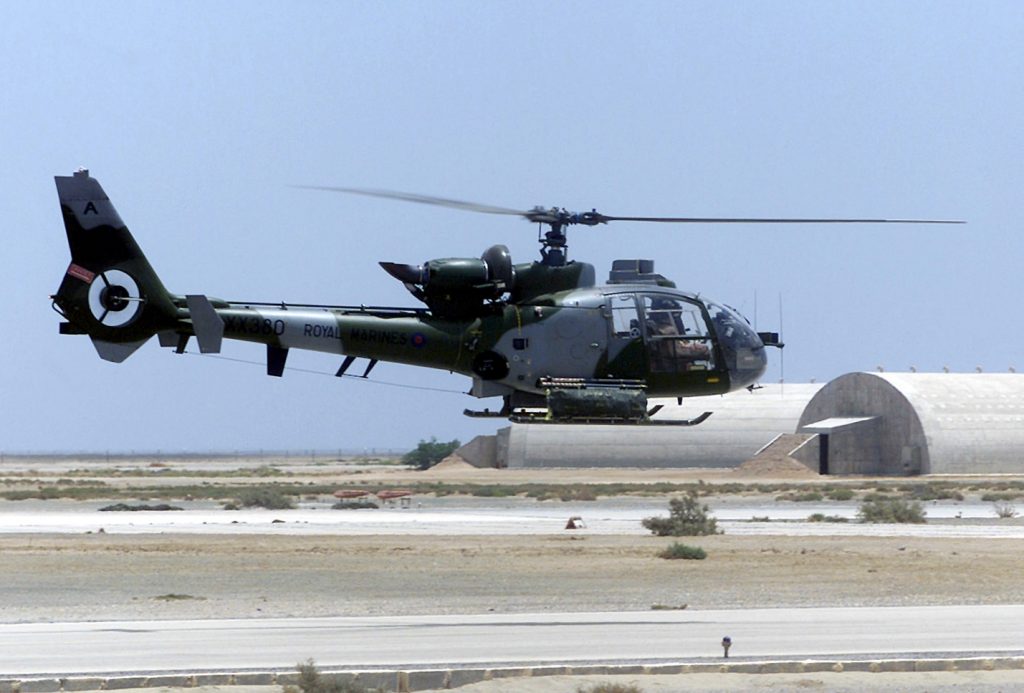




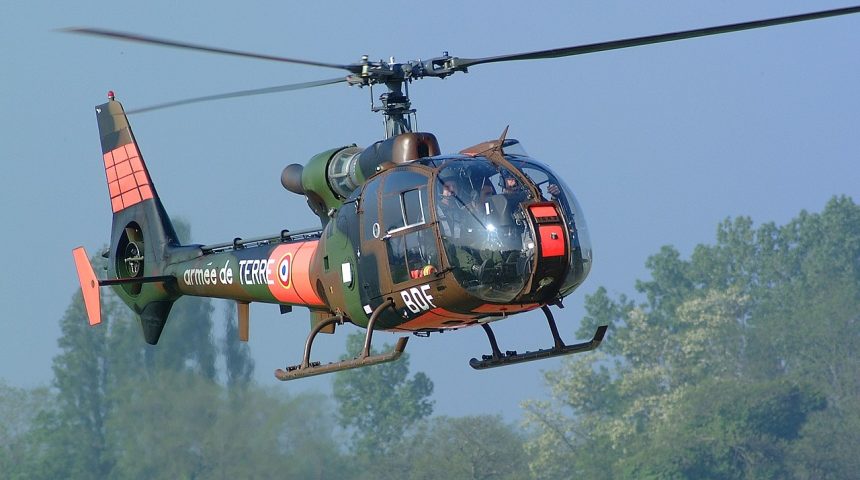


On this day in aviation history—April 7, 1967—the Aérospatiale SA 340 Gazelle took to the skies for the first time, marking the 58th anniversary of its maiden flight. Developed as a replacement for the Aérospatiale Alouette II, the Gazelle was designed to meet the French Army’s need for a new lightweight liaison and observation helicopter. Larger than its predecessor, the Gazelle introduced several innovative features, most notably the fenestron—a shrouded tail rotor housed within the tail fin. This design improved safety, reduced noise, and enhanced aerodynamic efficiency, making the Gazelle one of the most advanced rotorcraft of its era.

The initial SA 340 prototype paved the way for the production variants, the SA 341 and SA 342, which went on to serve extensively in both military and civilian roles. The helicopter was adopted by numerous nations, including France, the United Kingdom, Egypt, and Lebanon, thanks to its versatility and performance. In military service, the Gazelle excelled in reconnaissance and observation roles. Armed variants were configured as light attack helicopters, equipped with forward-firing 7.62 mm machine guns, rocket pods (70 mm or 68 mm), and between two and six guided missiles such as the AS.11, AS.12, or Euromissile HOT, giving the nimble rotorcraft formidable strike capabilities.
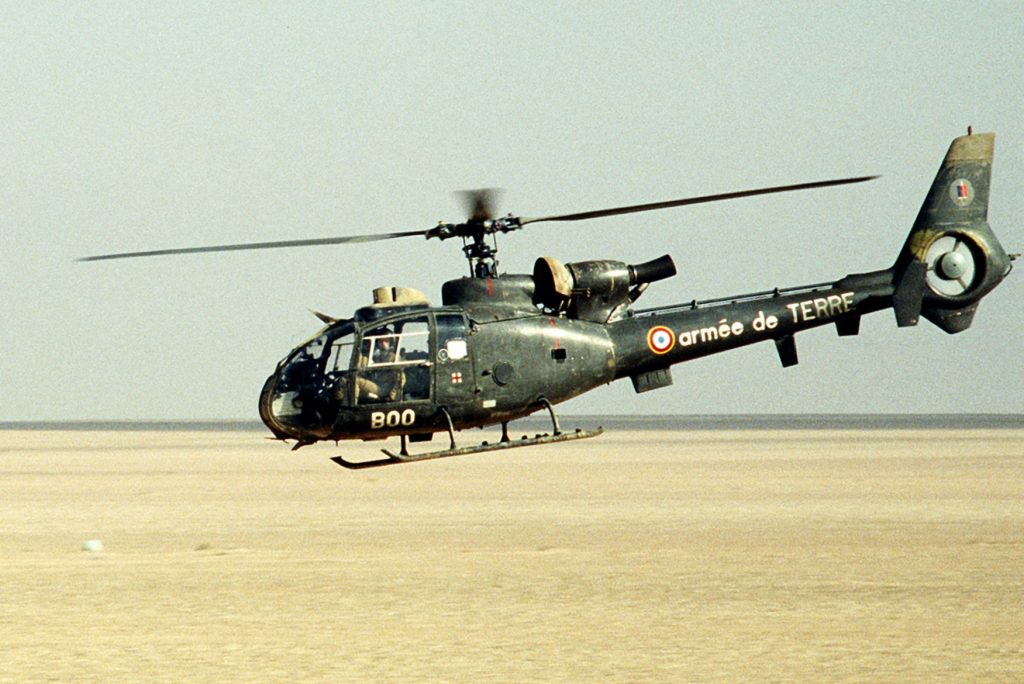
Power came from a single Turbomeca Astazou IIIA turboshaft engine, producing 590 horsepower. The aircraft typically operated with a crew of one or two and could carry three to four passengers. The SA 341 variant cruised at 164 mph and reached a top speed of 190 mph. Its civilian counterpart, the SA 341G, became the first helicopter approved for single-pilot IFR Category I flight operations in the United States.
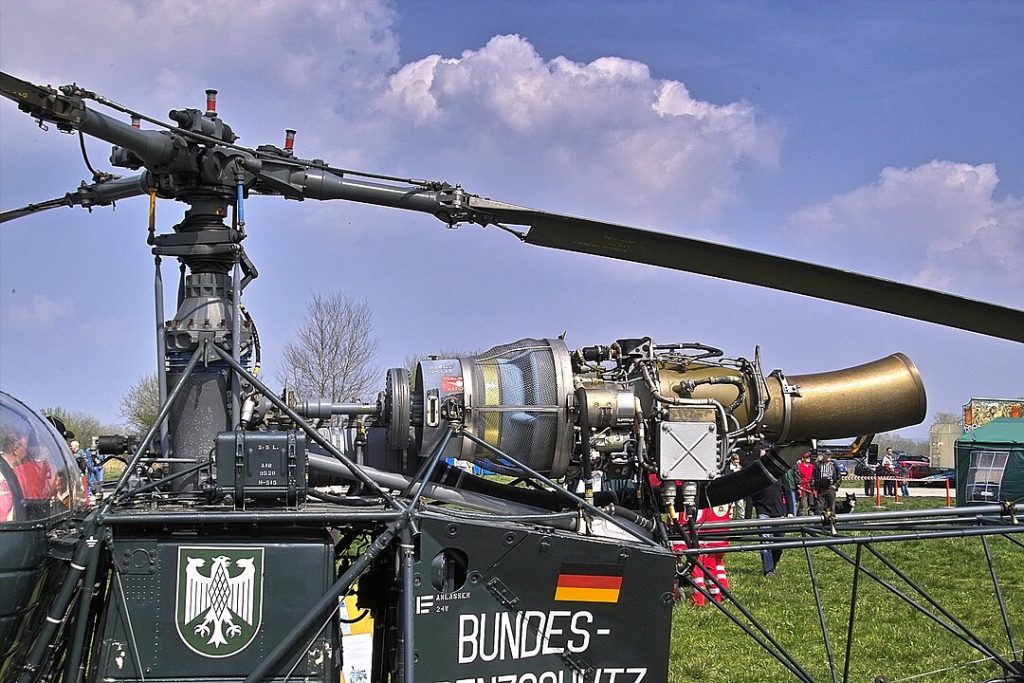
Remarkably, the Aérospatiale Gazelle remains in active service today in countries like France, Egypt, and Lebanon. A total of 1,775 units were built, and the type continues to prove its value across a wide spectrum of missions—a lasting legacy for a helicopter that helped define a new era in rotorcraft design.