



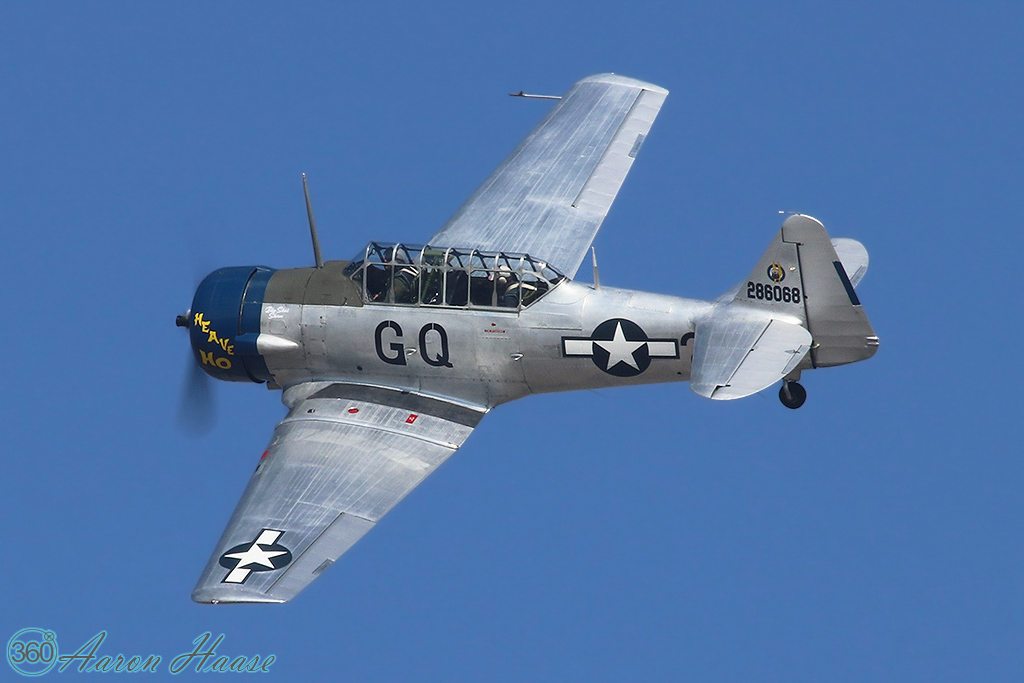

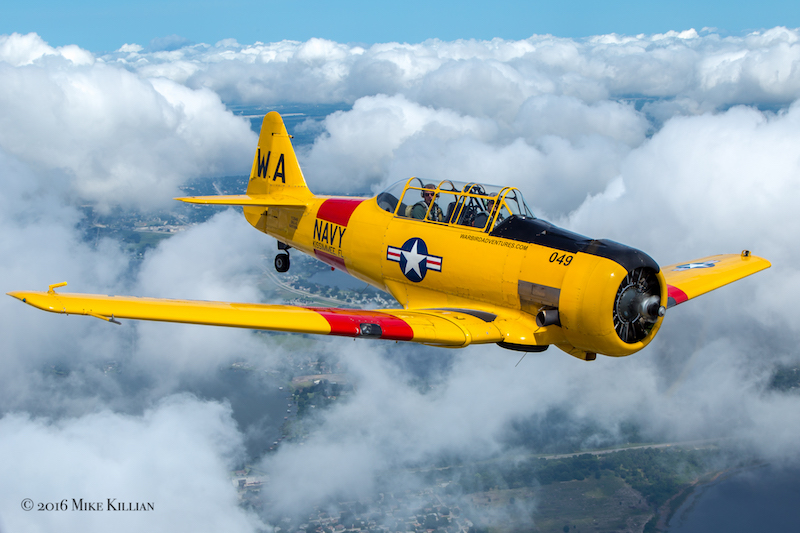
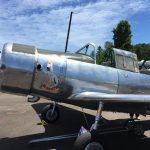
On this day in aviation history—April 1, 1935—the North American NA-16 prototype took to the skies for the first time, marking the beginning of a legendary aircraft lineage. This flight set the stage for what would become the AT-6 Texan, one of the most widely used and influential trainer aircraft in history.
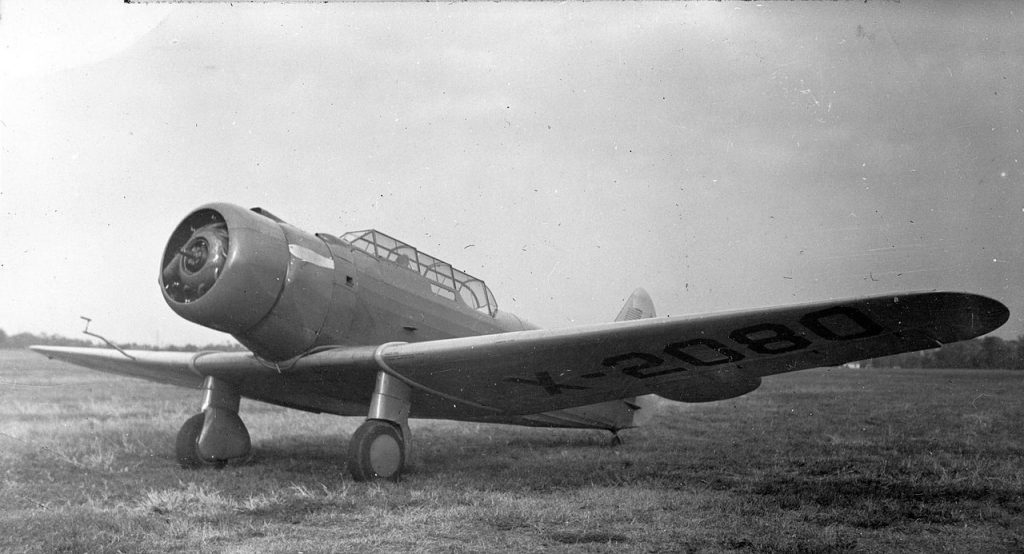
In the mid-1930s, the United States Army Air Corps initiated a competition among aircraft manufacturers to develop a new basic trainer. North American Aviation’s response was the NA-16, which evolved into the more refined NA-26. Over the next several years, this design underwent numerous refinements, ultimately resulting in the AT-6 Texan—an advanced trainer that would become an essential component of pilot training programs worldwide.
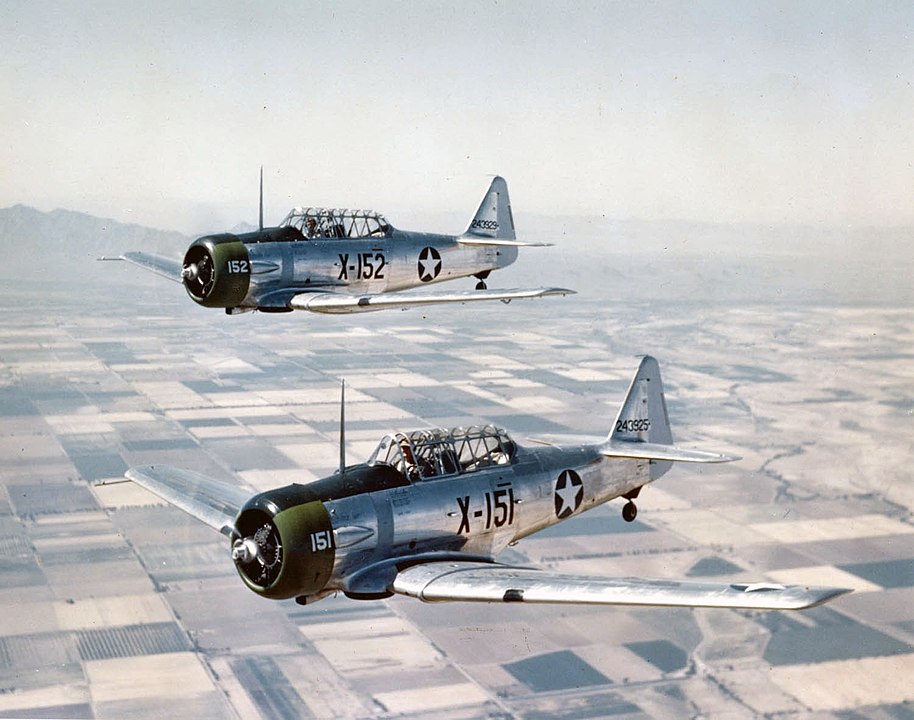
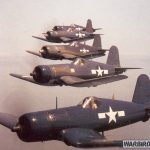
During World War II, the AT-6 played a crucial role in preparing pilots for frontline combat aircraft. The U.S. Army Air Corps designated it as the AT-6, while the U.S. Navy called it the SNJ. In British and Canadian service, it was known as the Harvard. Regardless of its designation, the Texan served as the final training platform before pilots transitioned to high-performance fighters such as the P-51 Mustang, F4U Corsair, and Supermarine Spitfire. Although designed as a trainer, the AT-6 could be fitted with armament for aerial gunnery and bombing practice. Some nations, including Peru and Syria, adapted the Texan for combat roles, utilizing it as a fighter and attack aircraft.
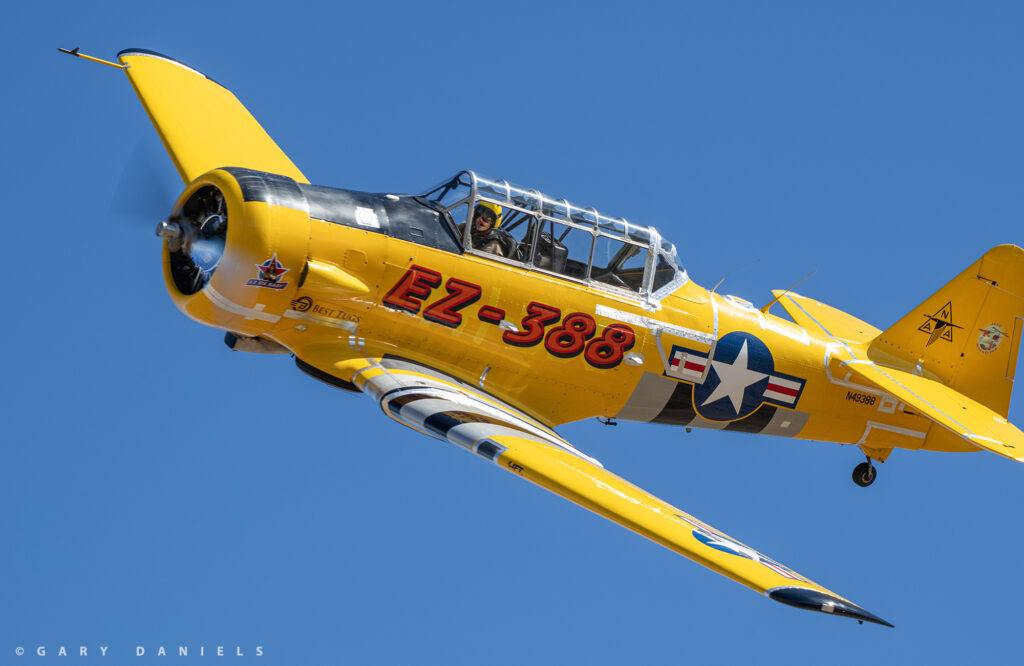
Powered by a supercharged Pratt & Whitney R-1340-AN-1 Wasp 9-cylinder radial engine, the AT-6 produced 600 horsepower, enabling a cruising speed of 145 miles per hour and a top speed of approximately 208 miles per hour. Known for its maneuverability, the Texan provided student pilots with an experience that closely mirrored the handling characteristics of the fighters they would eventually fly. However, its ground handling could be challenging, earning it the nickname “Terrible Texan” among cadets. Mastering the aircraft required skill, experience, and a deep respect for its capabilities.

A total of 15,495 Texans of various models were produced, many of which remain airworthy today. The AT-6 continues to serve as a vital stepping stone for aspiring warbird pilots. For those eager to experience this iconic aircraft firsthand, Warbird Adventures in Ninety-Six, South Carolina, offers introductory flights and checkout courses. Thanks to dedicated preservation efforts, this remarkable piece of World War II aviation history remains in the skies, ensuring that future generations of pilots can experience the legacy of the Texan firsthand.




 Vintage Aviation News
The R-1340 Wasp 9 was built by Pratt & Whitney, not Wright.
Corrected,thanks