



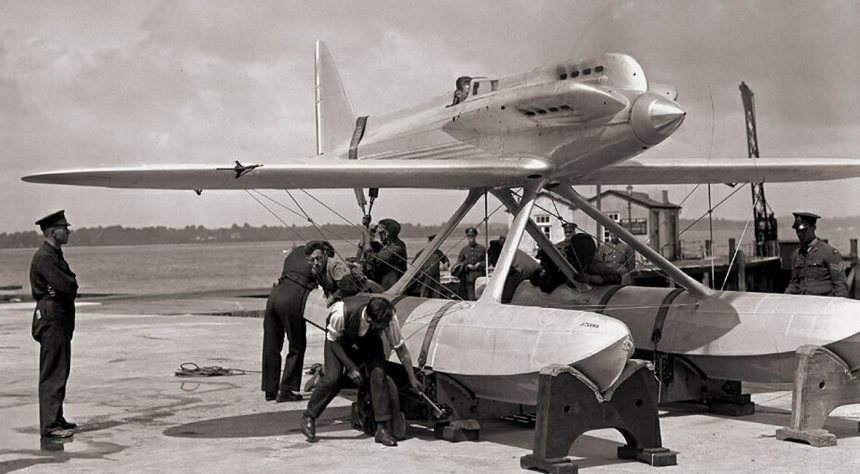


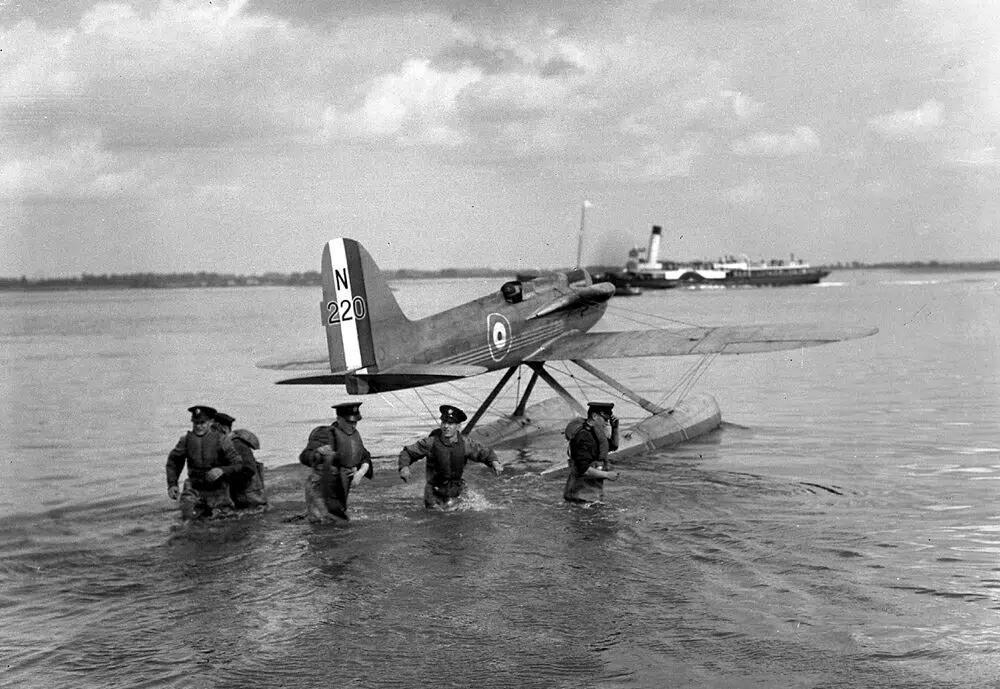
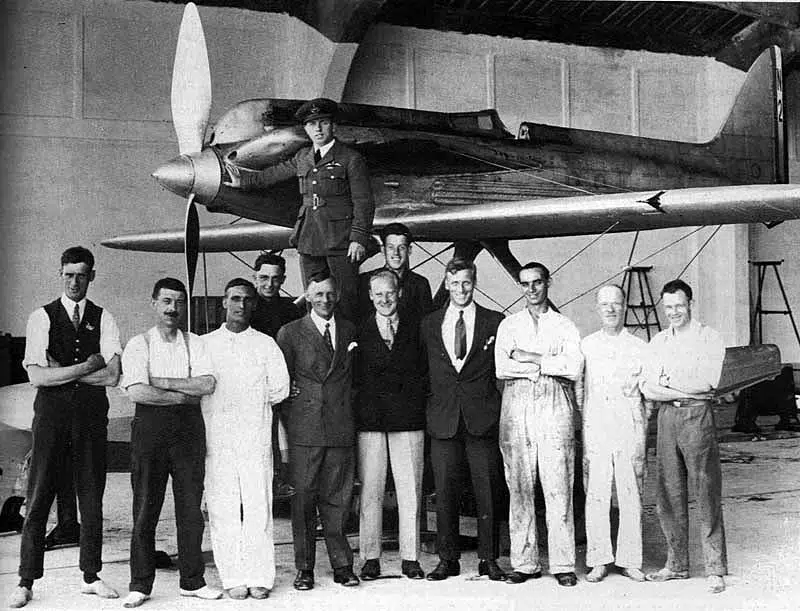
On this day in aviation history—June 7, 1927—the Supermarine S.5 racing seaplane took to the skies for its maiden flight. Designed by the legendary Reginald Mitchell, the S.5 was a sleek, single-seat, single-engine aircraft created to compete in the prestigious Schneider Trophy competition. More than just a racing machine, the S.5 marked a major step forward in aerodynamic design, helping to lay the foundation for one of World War II’s most iconic fighters: the Supermarine Spitfire.
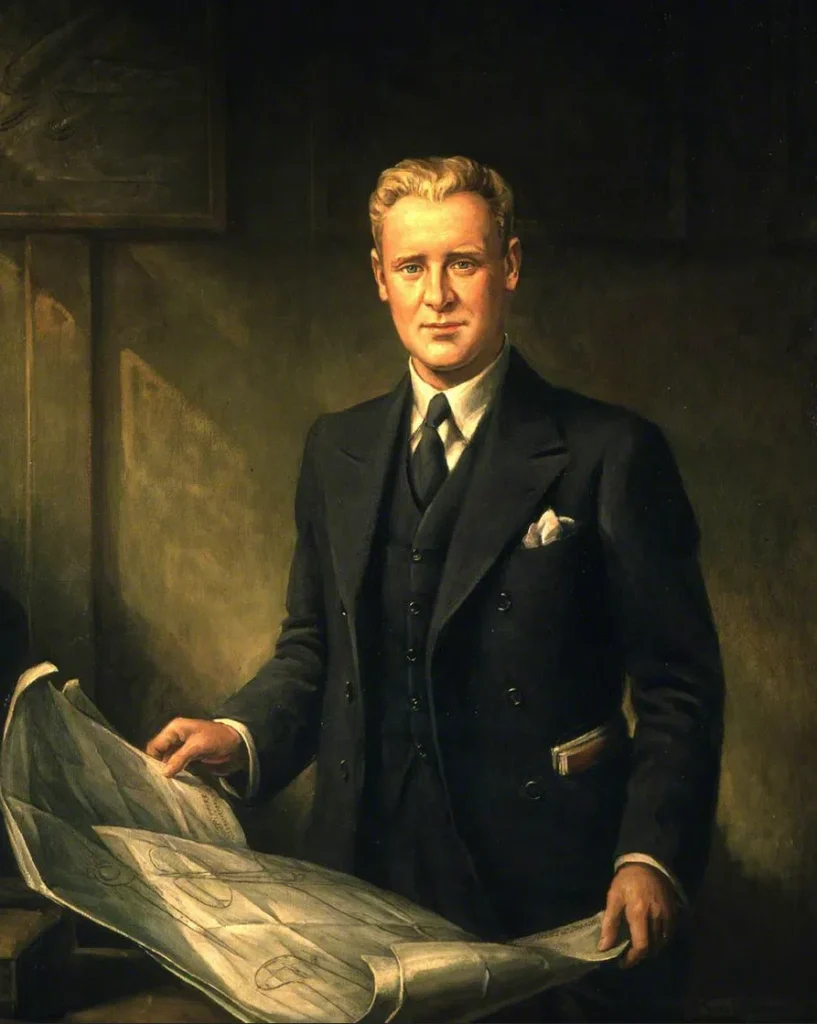
Only three examples of the S.5 were constructed, but they quickly made their mark. At the 1927 Schneider Trophy contest, two S.5s dominated the field—finishing first and second, respectively. Purpose-built for speed and agility, the S.5 featured compact dimensions: a wingspan of 26 feet 9 inches, a length of 24 feet 3.5 inches, and a height of just 11 feet 1 inch. The airframe’s empty weight was 2,680 pounds, with a maximum gross weight of 3,242 pounds—light enough to deliver the razor-sharp handling needed in high-speed competition.
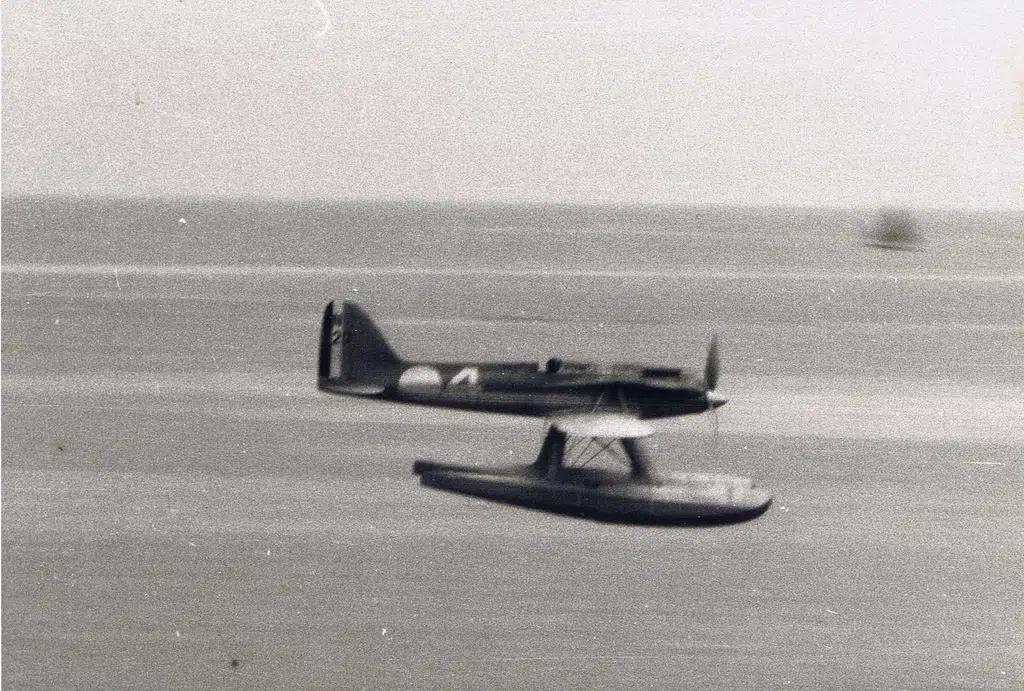
Powering the S.5 was the formidable Napier Lion VIIA W-12 liquid-cooled engine, producing 900 horsepower. The aircraft achieved a top speed of 319.57 mph—an astonishing figure for the time. Though none of the original S.5s survive today, the aircraft’s legacy lives on. In 1975, Ray Hilborne built a full-scale replica powered by a Continental IO-360 engine. This aircraft flew for eight years before suffering major damage in 1982. Today, that legacy is being revived again—Will Hosie, the son of the replica’s second owner, is undertaking the ambitious task of building another airworthy example of this remarkable machine.
As we reflect on the S.5’s first flight nearly a century ago, we celebrate not only a pioneering racing aircraft but also a critical milestone in aviation development—one that ultimately contributed to the creation of one of history’s greatest fighters.





 Vintage Aviation News