




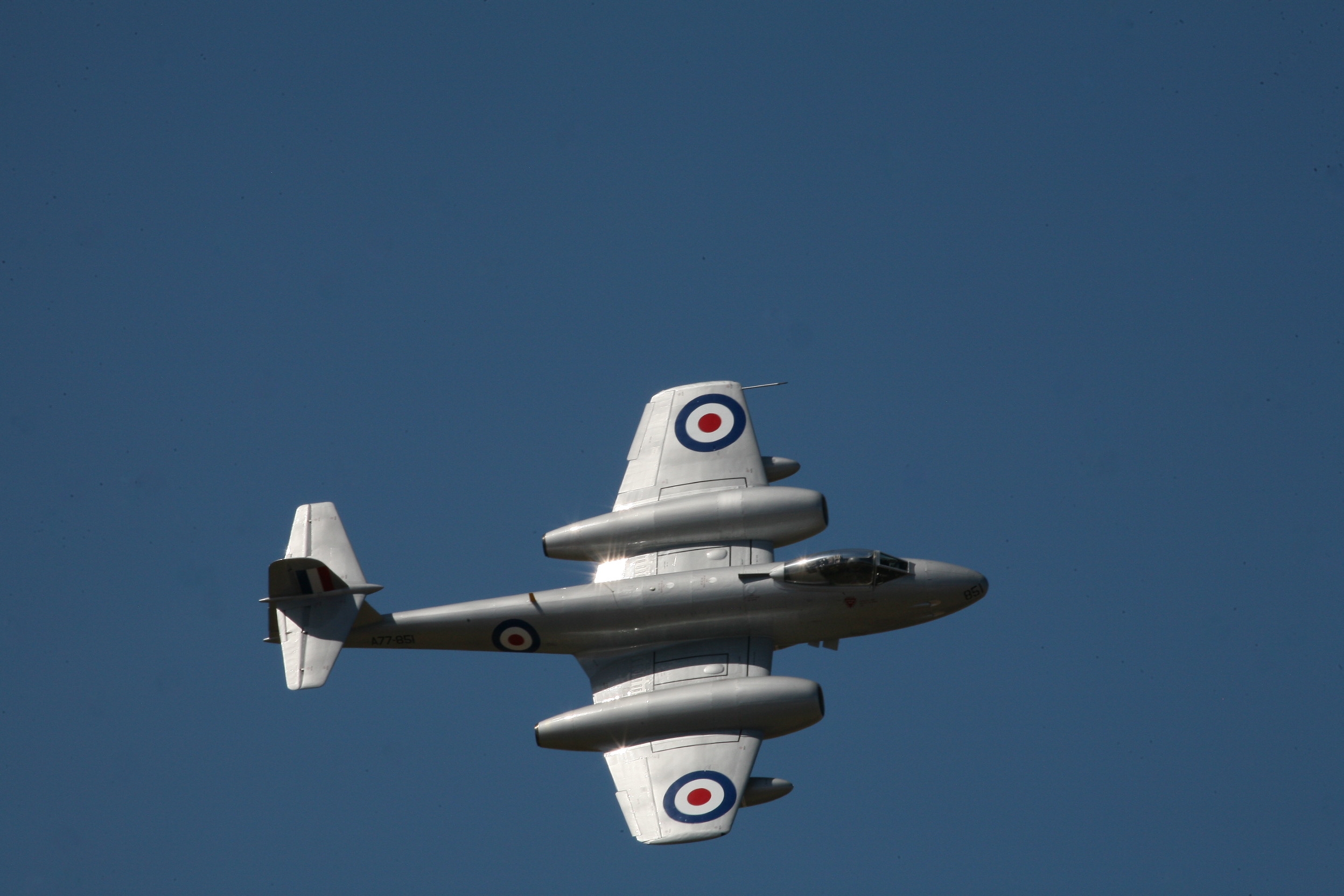


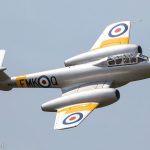
On this day in aviation history, 81 years ago—July 12, 1944—the first Allied jet fighter entered operational service during World War II. The British Gloster Meteor F.1 became the first Allied jet-powered aircraft to be combat-ready, a significant response to the earlier deployment of the German Messerschmitt Me 262 Schwalbe (Swallow) three months prior. Neither the RAF nor the Luftwaffe fully capitalized on the revolutionary capabilities of their jet fighters during the war—Germany due to limited resources, and Britain due to concerns over sensitive technology falling into enemy hands. Though the Me 262 and Meteor F.1 never faced each other in combat, both found important and effective roles before the war’s end.
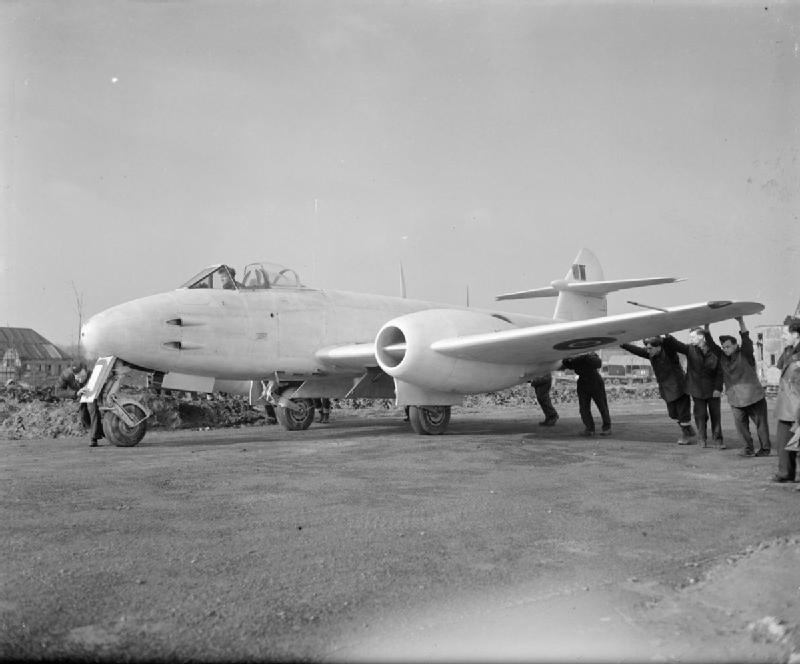
No. 616 Squadron of the Royal Air Force was selected to transition from the Supermarine Spitfire to the groundbreaking Meteor. Six of the squadron’s top pilots were chosen for conversion training. Initially based at RAF Culmhead, the unit relocated within a week to RAF Manston on the Kent coast. However, Meteor pilots were strictly forbidden to cross the English Channel, as the RAF feared the aircraft might be captured should it go down over occupied Europe. As a result, the Meteor remained stationed in Britain for the duration of the war.
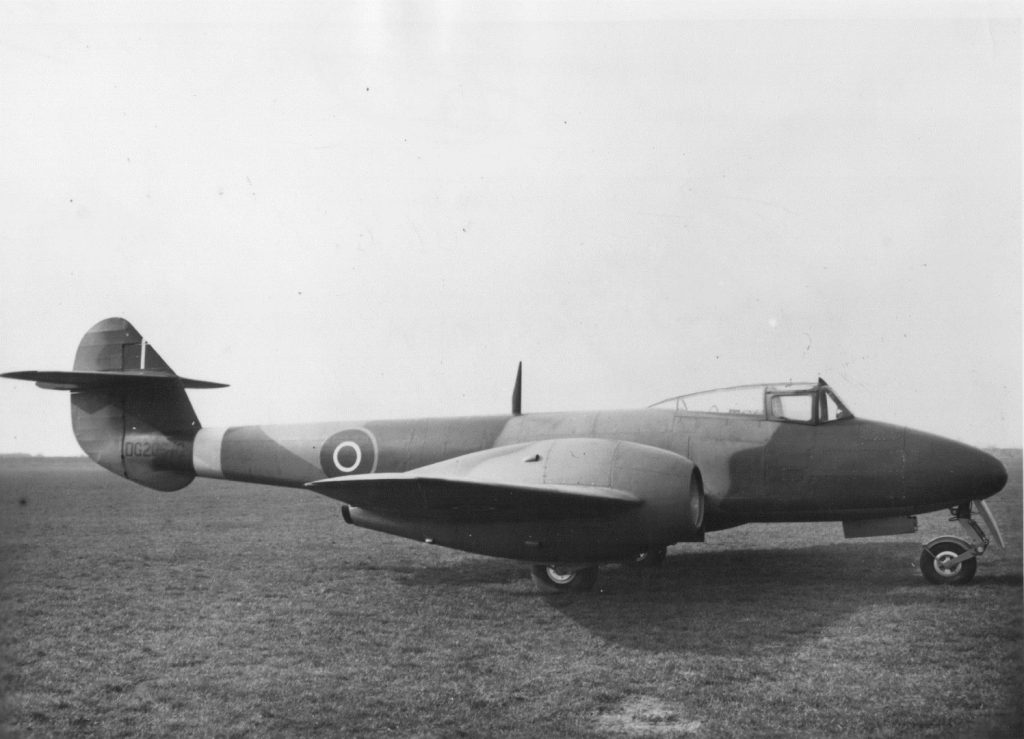
Though restricted to home defense, the Meteor quickly proved its worth. The F.1 was assigned to intercept German V-1 flying bombs, or “Buzz Bombs.” With speeds exceeding that of the Spitfire and Hawker Tempest, the Meteor was well-suited to this mission. On August 4, 1944, No. 616 Squadron scored its first V-1 kill. In fact, the first successful intercept didn’t even involve gunfire—Flight Officer “Dixie” Dean used his wingtip to tip the V-1 off balance, causing it to crash.
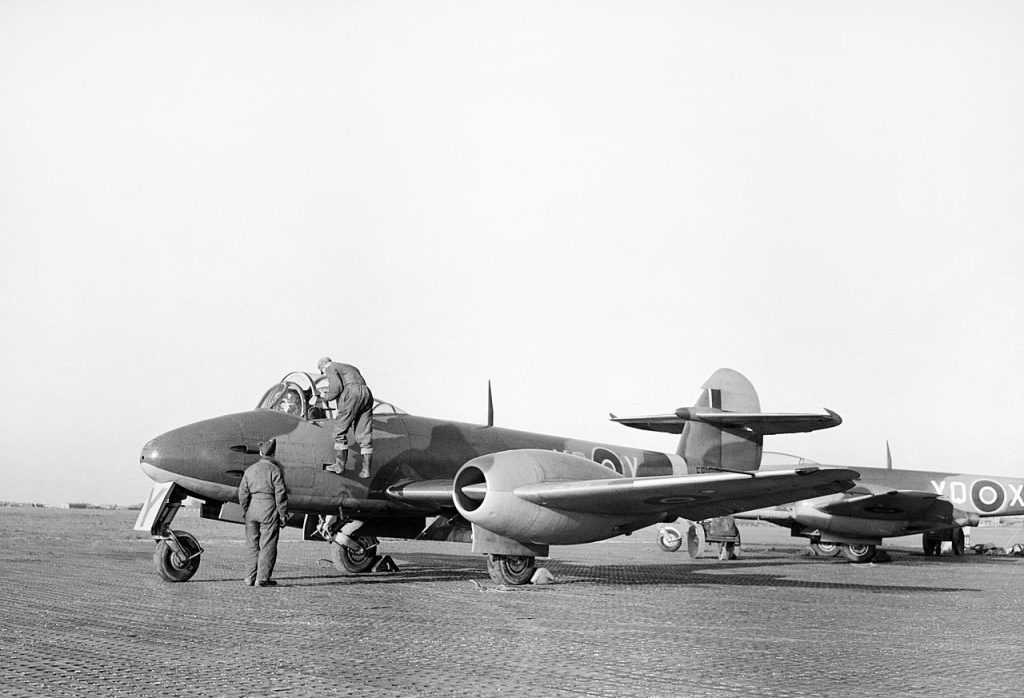
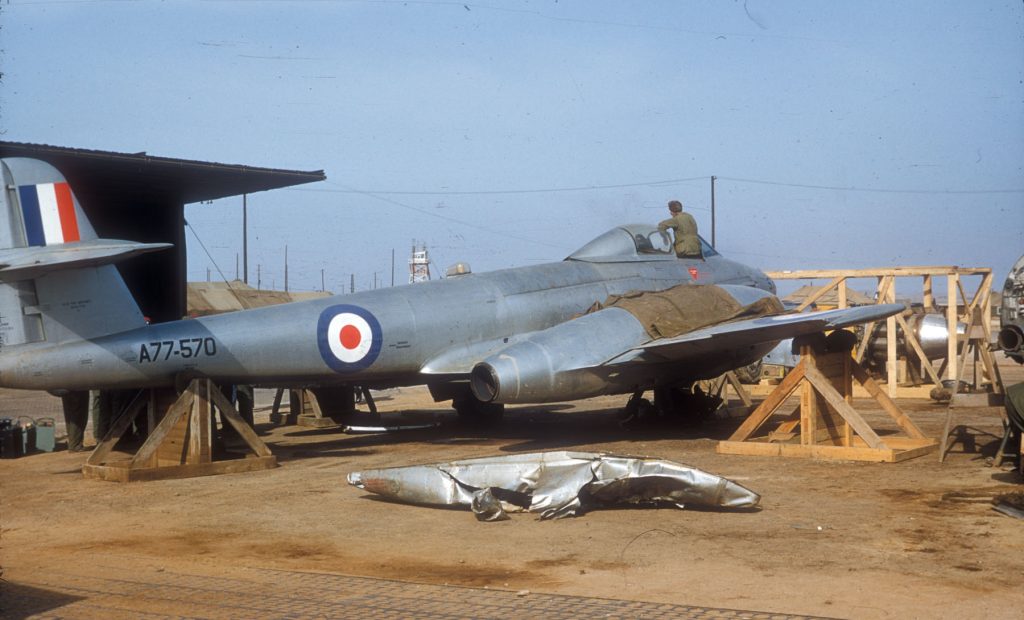
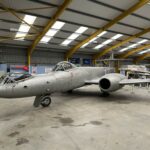
The Gloster Meteor would go on to enjoy a long and distinguished career. In service with the RAF and several Allied air forces, the Meteor remained operational in various roles—including as a target tug—well into the 1980s. Between 1943 and 1955, 3,947 Meteors of various marks were produced.
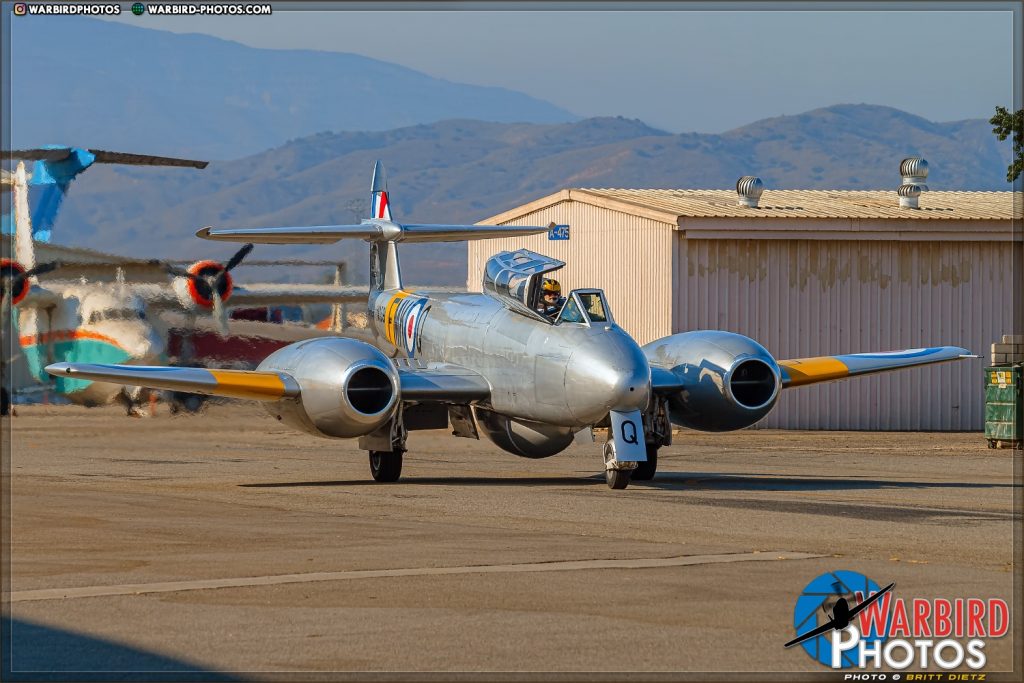
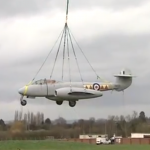
Today, numerous Meteors survive in museums and private collections, though only four remain airworthy. Two still fly in the United Kingdom, both operated by Martin-Baker as test-bed aircraft. The remaining pair can be found at the Temora Aviation Museum in Australia and at Planes of Fame Air Museum in Chino, California, USA.











I think Meteors did deploy across the Channel, first in Belgium and later in 1945 to the Netherlands. The the restrictions on flying to German held territory were lifted, but the state of the Luftwaffe was such that they only engaged in ground attack.