




On March 14, 1927, Pan American Airways was founded, marking the beginning of an era of aviation innovation. Originally founded by U.S. Army Air Corps officers Henry “Hap” Arnold, Carl Spaatz, and John Jouett, the airline was established to counter the threat posed by the German-owned Colombian airline SCADTA. At the time, there were concerns about potential German aerial attacks on the Panama Canal. From these fears emerged one of the world’s most prestigious and successful airlines.
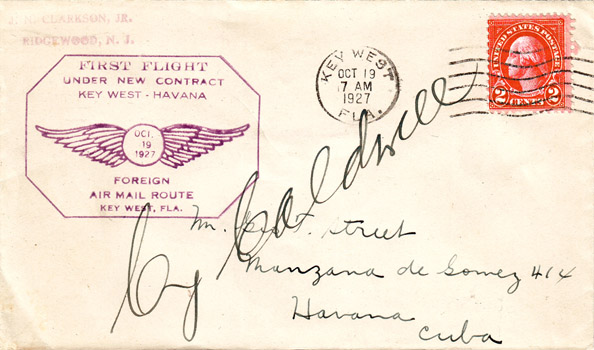
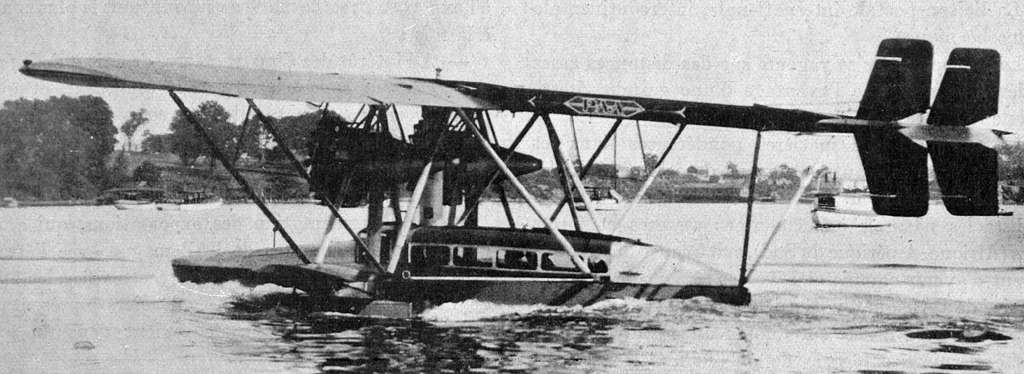
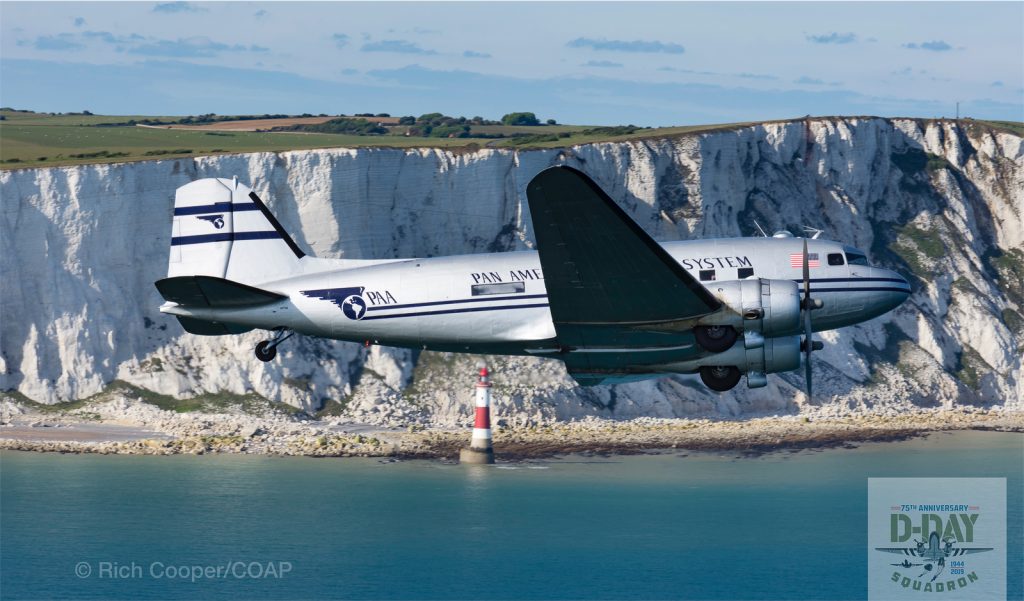
Pan Am began by operating mail routes under contract with the U.S. Postal Service. By 1931, it expanded to fly South American routes using Consolidated Commodore and Sikorsky S-38 flying boats, eventually extending to Europe. These “Clipper Routes” were immensely successful and revolutionized global air travel. This success continued until the end of World War II, after which Pan Am had to adapt to new challenges.
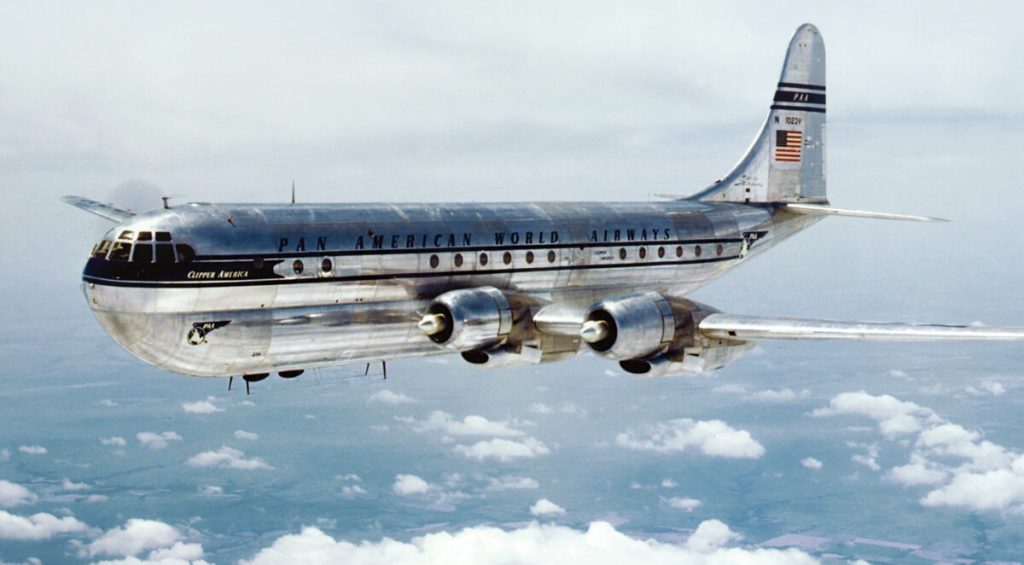
With the war over, the importance of air travel was widely recognized, prompting increased competition from airlines like TWA, United, and American Export Airlines. Pan Am remained ahead of the curve, introducing aircraft like the Lockheed L-049 Constellation, Boeing 377 Stratocruiser, and Douglas DC-4 Skymaster, which offered a blend of range, speed, and comfort.
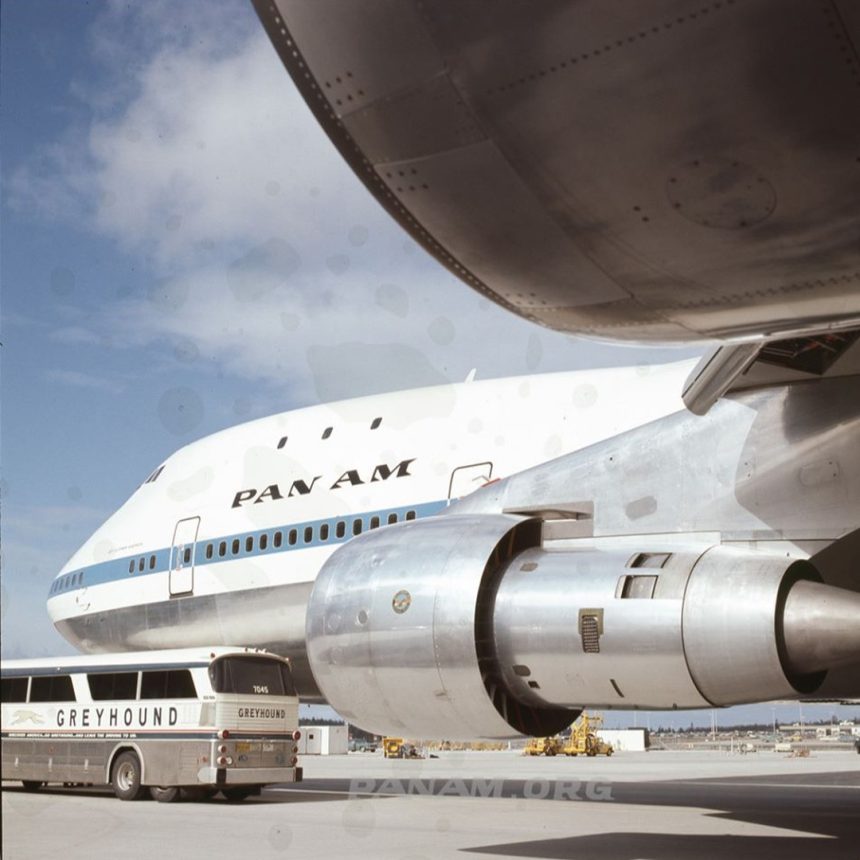
Continuing its pioneering spirit, Pan Am became the first airline to operate jumbo jets, including the Boeing 707 and 747. They also introduced the first computerized reservation system, simplifying the booking process. Pan American Airways remained a major player until 1991, when increased competition, economic challenges, and internal struggles led to its downfall.
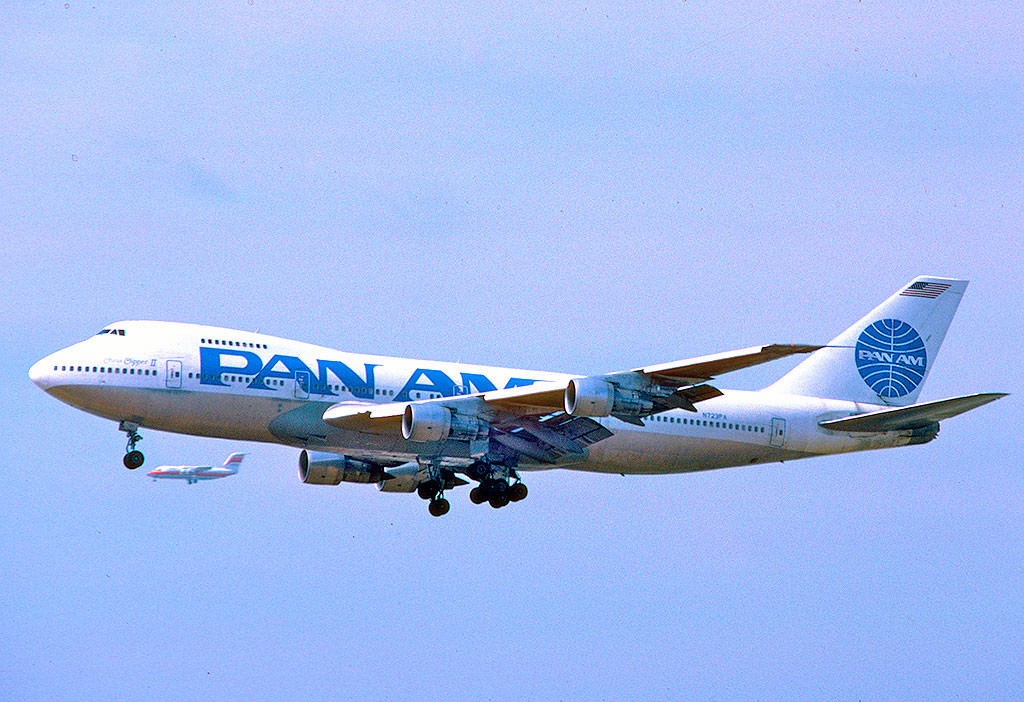
Though Pan Am ceased operations, its legacy endures. The iconic “Blue Meatball” logo remains ingrained in the minds of aviation enthusiasts, preserved through models, toys, media, and popular culture. The Pan Am image will continue to soar in the collective memory of aviation history.








 Vintage Aviation News