



Day Two at the Madras Air2Air Experience started early, with a 5am call time. We assembled in the Erickson Aircraft Collection hangar where Lyle Jansma covered the basics for the day. One of the main discussion points was in how to ‘hot-load’ the photo-ship. Each air-to-air photography mission sat two people in the rear passenger cabin of Scott Slocum’s Beech Bonanza, with the two rear entry doors removed for a perfect view for taking pictures with a minimum of obstruction to the camera lens. But how to transition from one set of photographers to another with the minimum amount of fuss and delay? Timing is everything in air-to-air photography, as every minute wasted adds up to potentially thousands of dollars in aircraft time, both for the photoship aircraft as well as the subject aircraft. Hot-loading the photo-ship meant that when the camera plane landed after a mission, it would sit on the taxiway with engines running, while the previous mission’s photographers got off the aircraft and the next set in the slot would climb aboard and snap their safety harnesses into position and fasten their seat belts for take off. By transitioning each set of photographers in short order, no one was wasting a moment of air time for the subject aircraft. It was a very simple exercise, but a highly effective one too.
With ‘hot-loading’ discussed, Scott Slocum took over the discussion to review the requirements for organizing a shoot from storyboarding the desired shots for the pilots approval and understanding, to directing the shoot while in flight with simple commands and information exchanged between pilots. Being able to guide the subject aircraft with succinct descriptions is important. Another topic involved how the photo-flight brief should not just cover the shoot, but must cover the entire mission from engine start to shutdown. It is important, for instance, that each crew feel comfortable with how they will break up the formation to come in for landing.
Paul Bowen was on hand to offer his insight into aviation photography, as was the legendary Phil Makanna, the doyen of aviation photographers and publisher of the long-running Ghosts warbird calendar. These men are pillars of the aviation photography world, but as down to earth and humble as could be. Workshop students freely exchanged ideas with them, and listened with great interest to stories they related over the course of the day. This was a marvelous opportunity for anyone interested in aviation photography to gain much greater insight into the process of professional photography through the razor sharp lens of vast experience. All-in-all the lectures were a rich feeding ground for the photographic talent looking to improve their aviation photography skills.
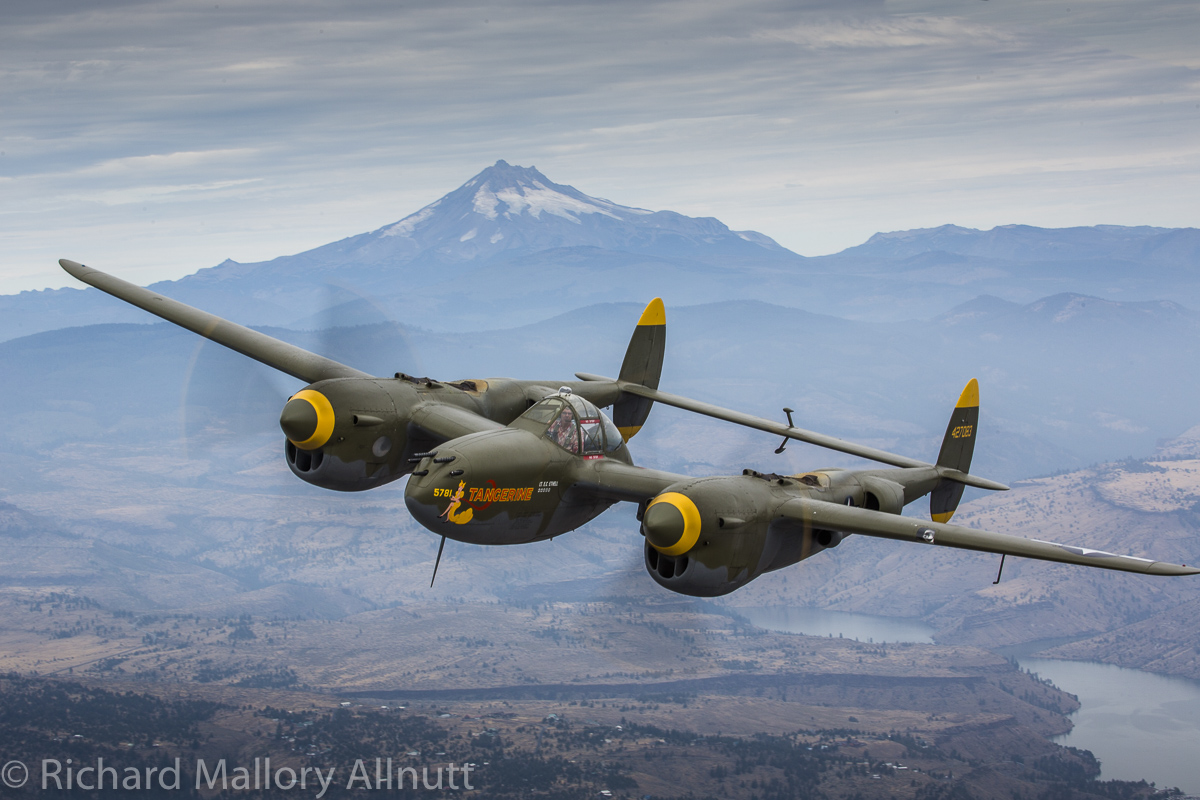
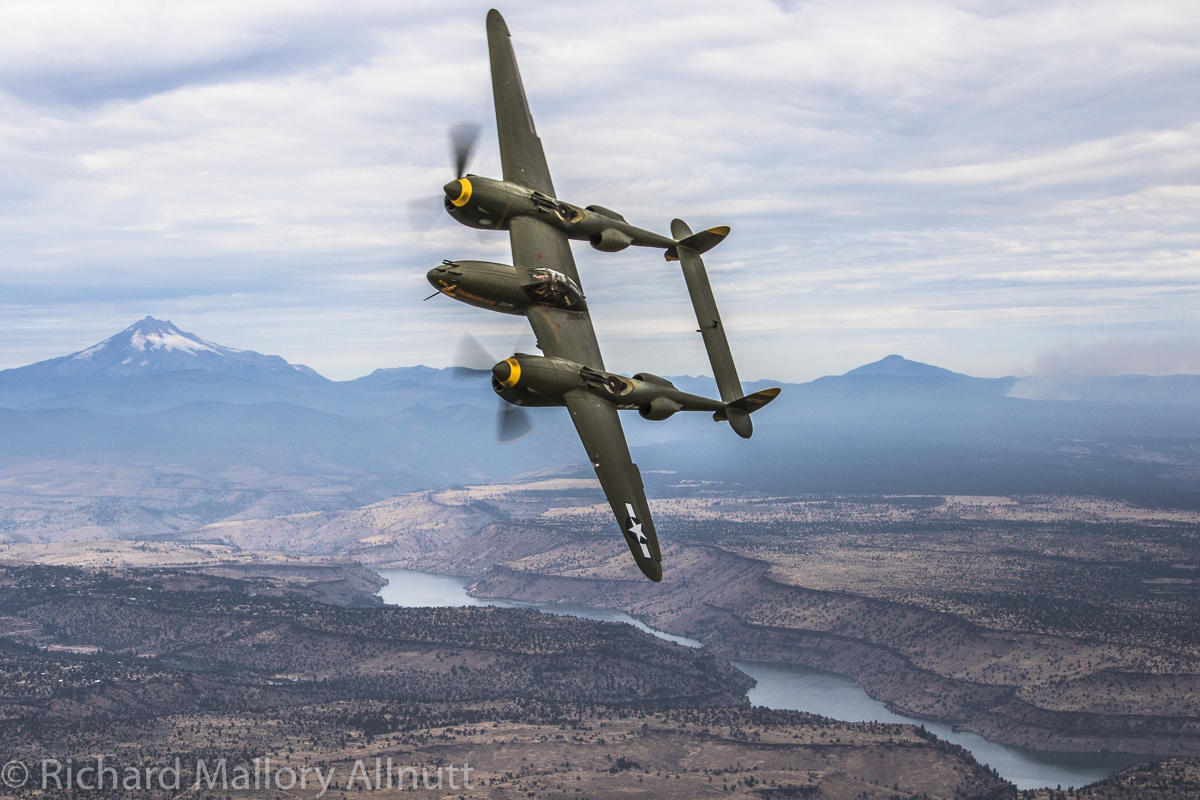
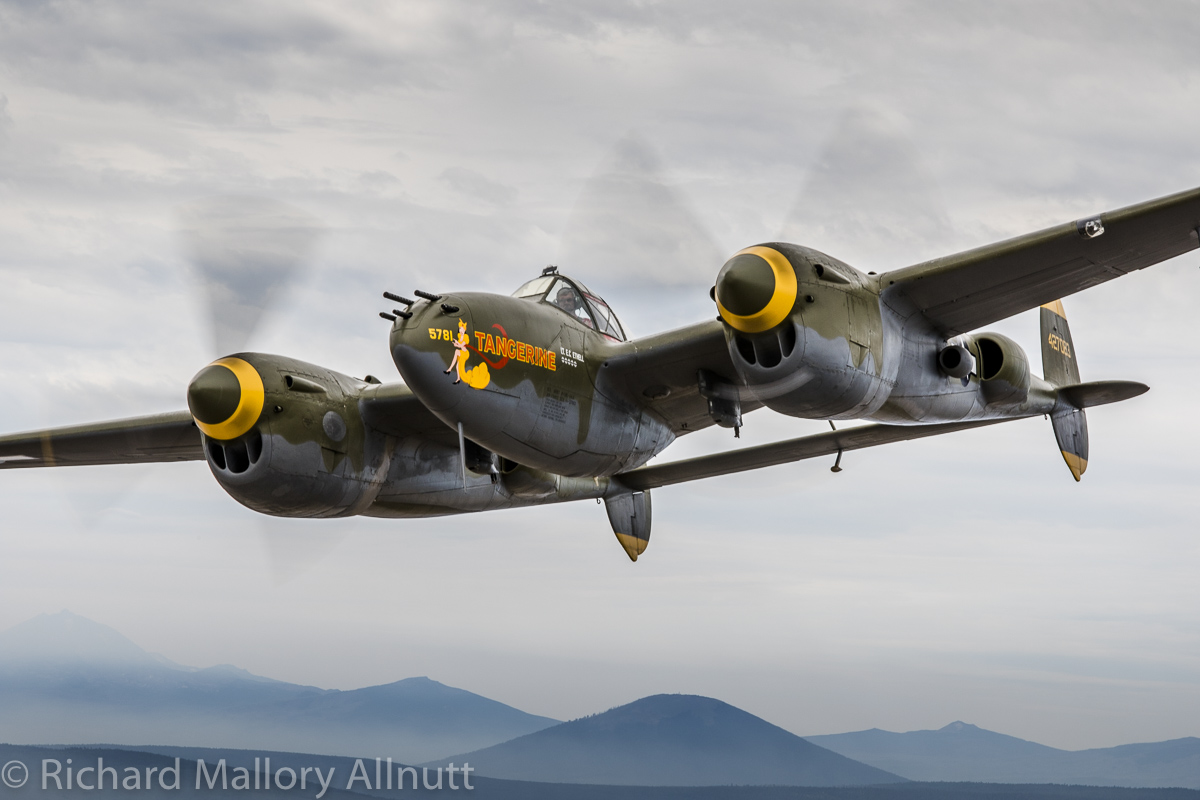
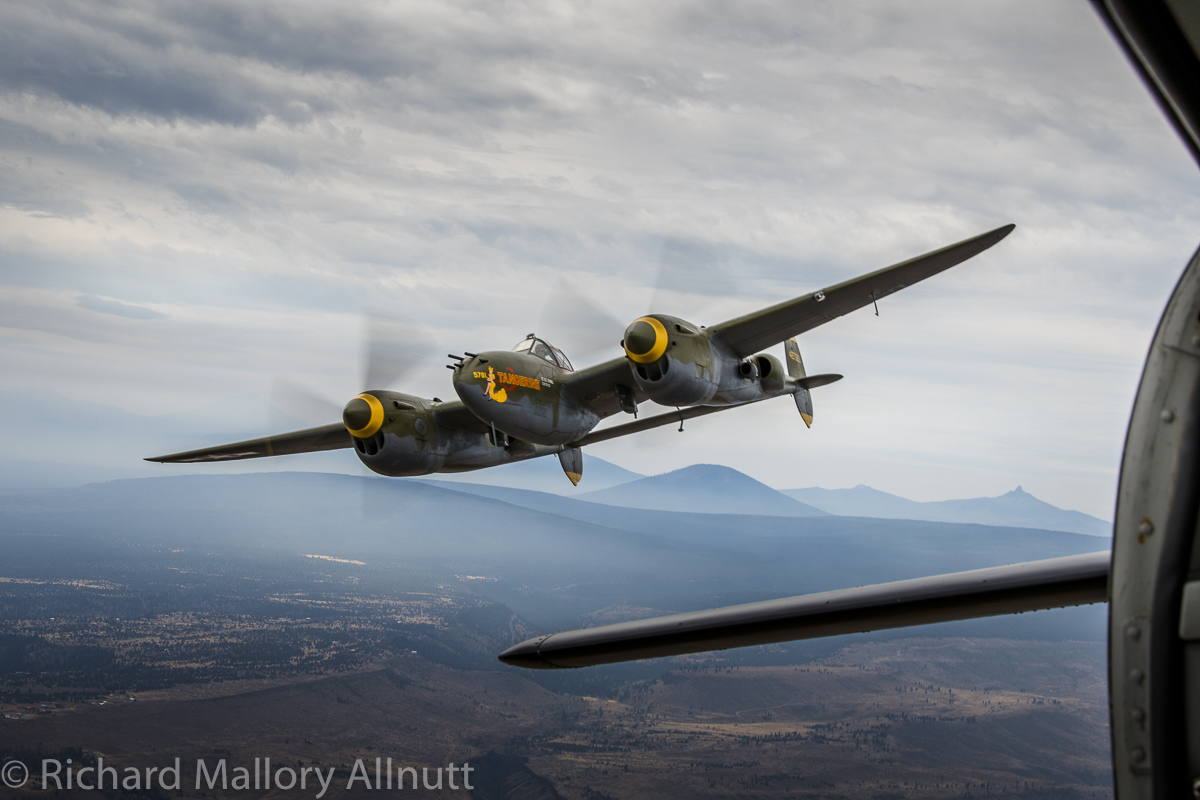
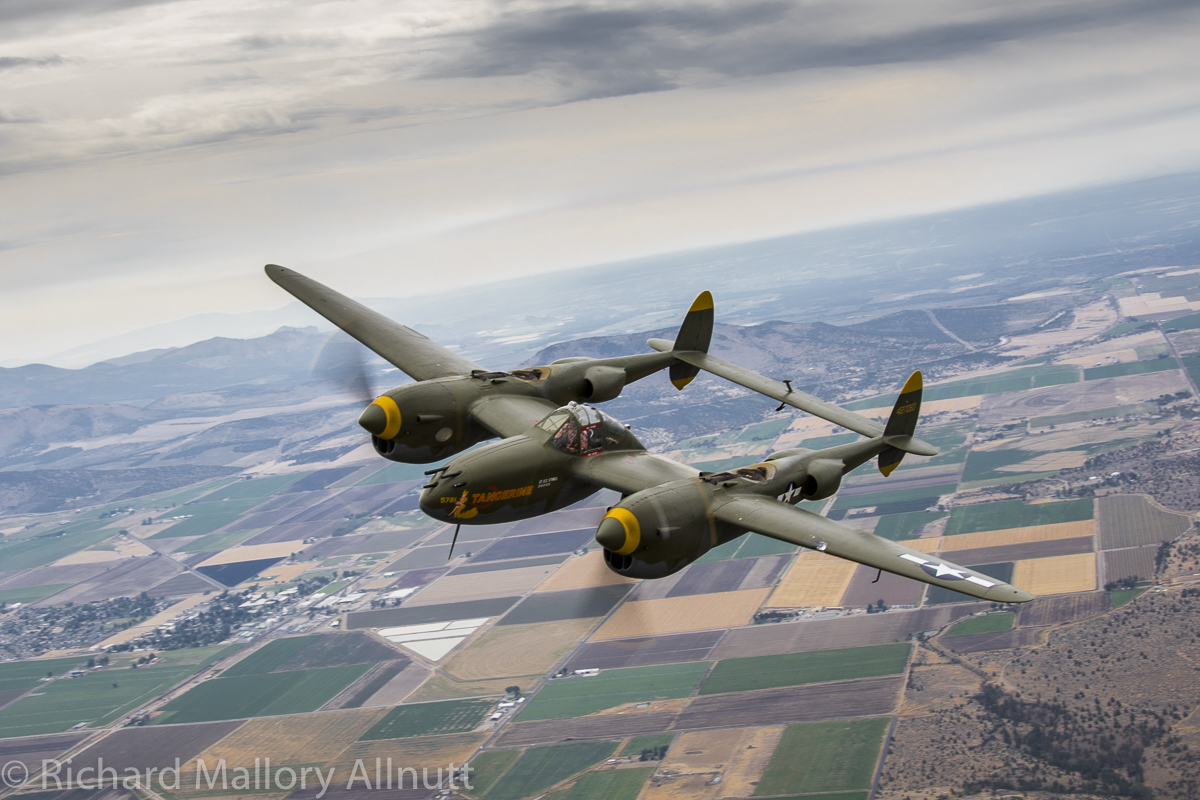
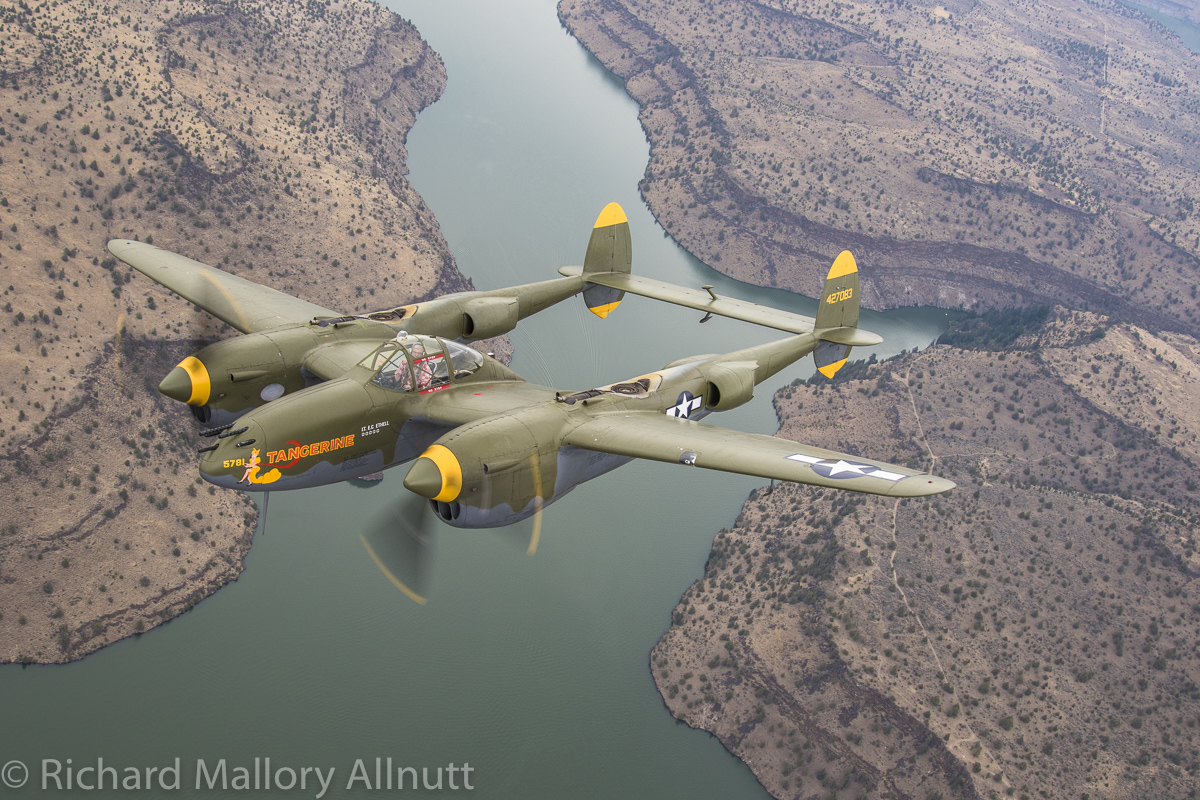
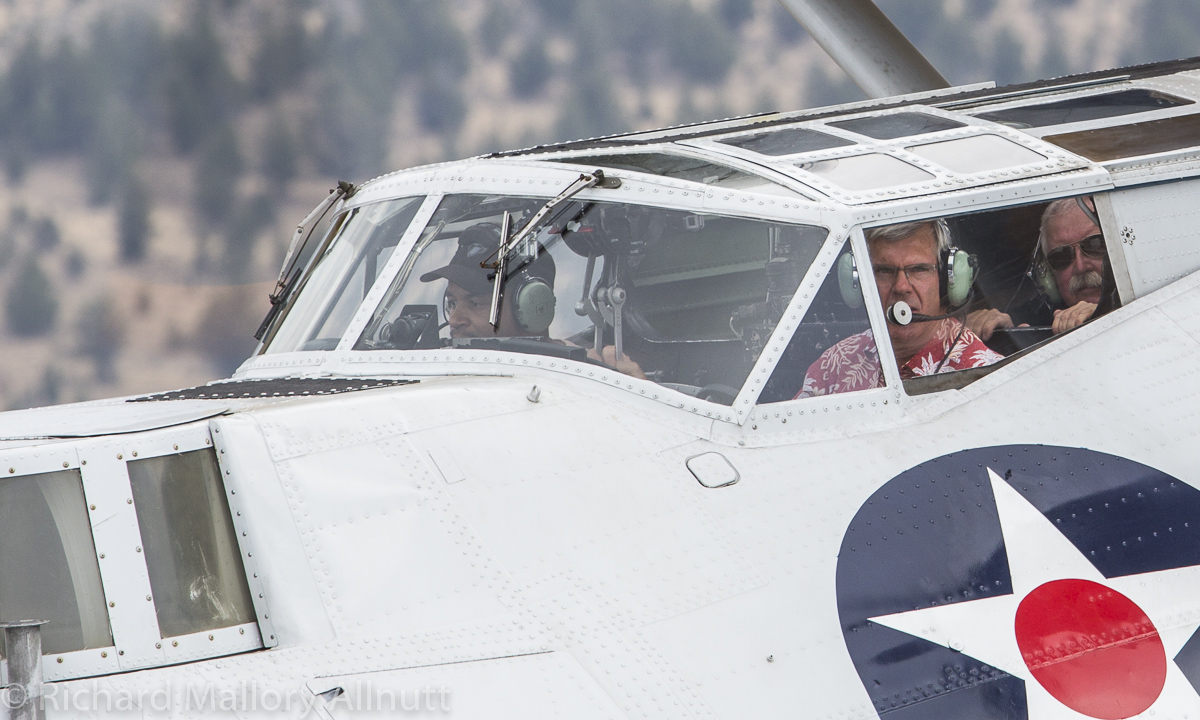
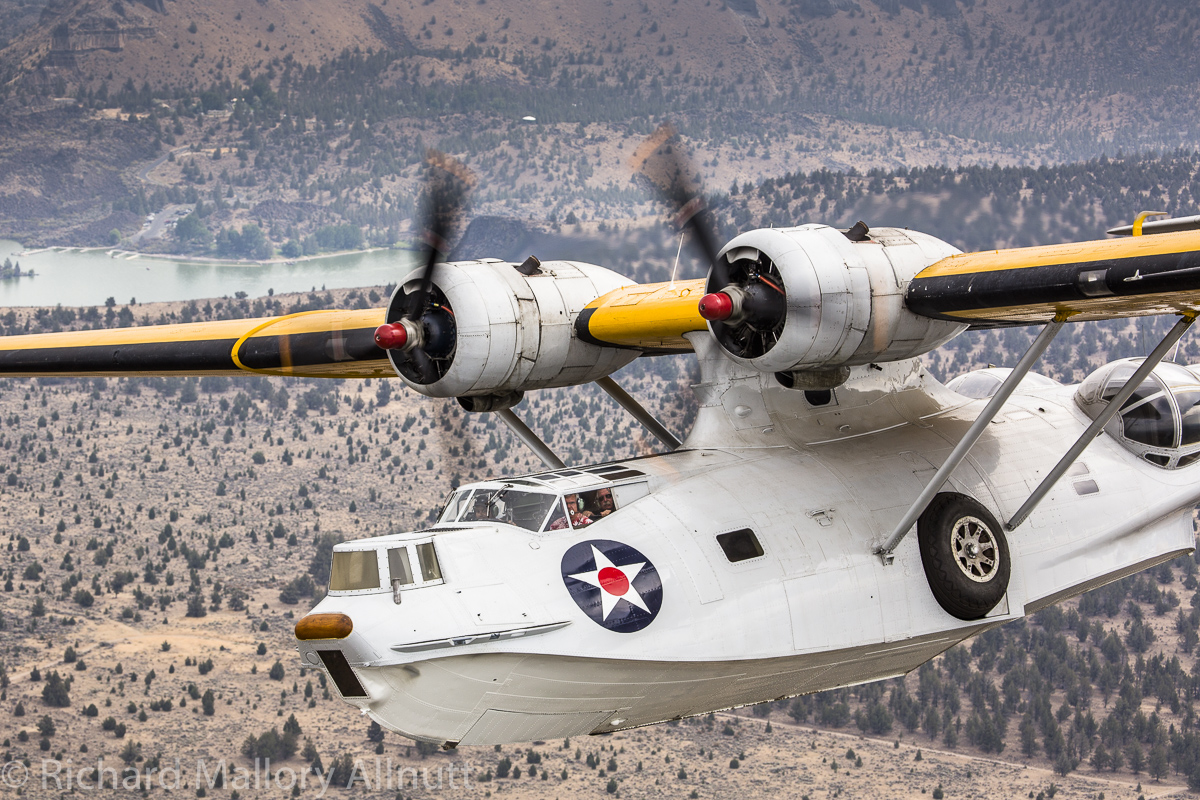
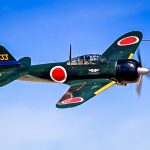
The photo-flights began with the CAF Zero and EAC P-38. There was a brief pause for us to eat, and then the solo P-38 flights resumed after lunch. One shoot was reserved for a pairing of the Lightning and Greg Collier’s T-33b Shooting Star to have the air-to-air opportunity of two Lockheed types from adjacent generations. Once everyone had had a crack at the P-38, lectures began again; this time on how to handle the PBY Catalina, the final subject aircraft of the day. Photographs abounded, and some firm friendships between participants began in ernest. We thought we would let the images do the talking…
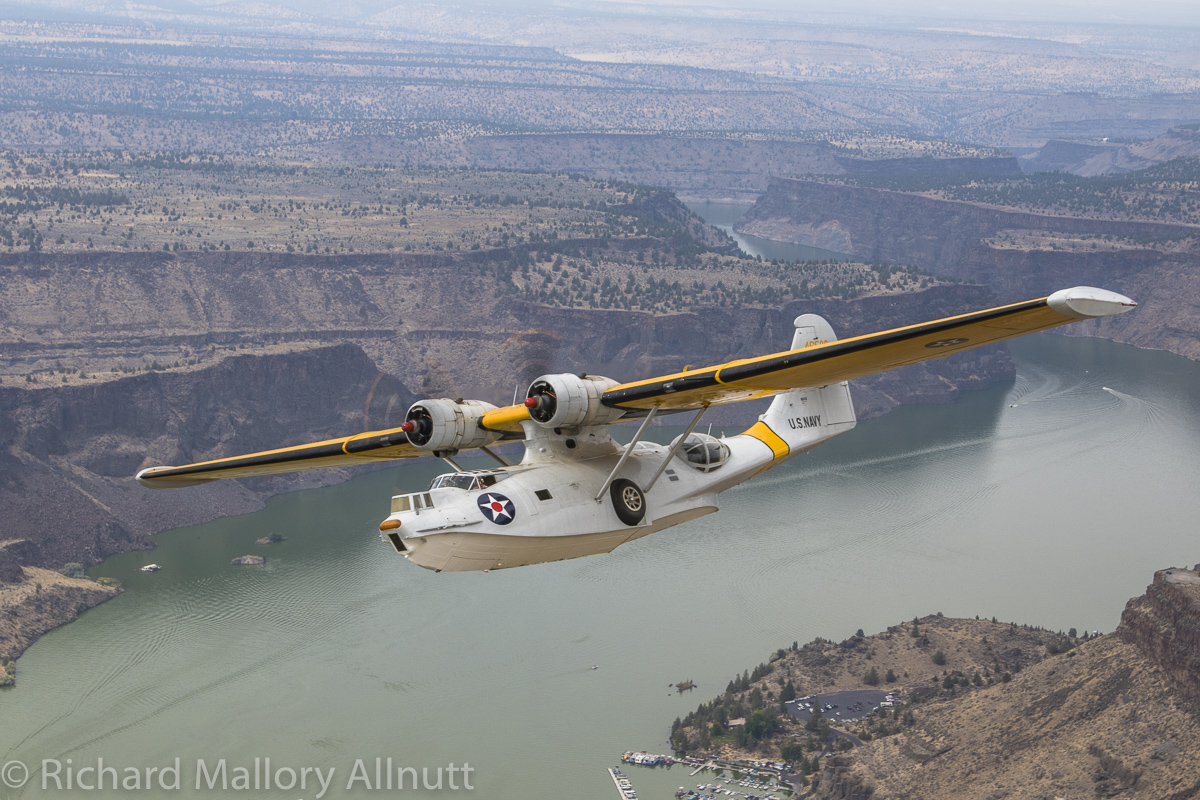
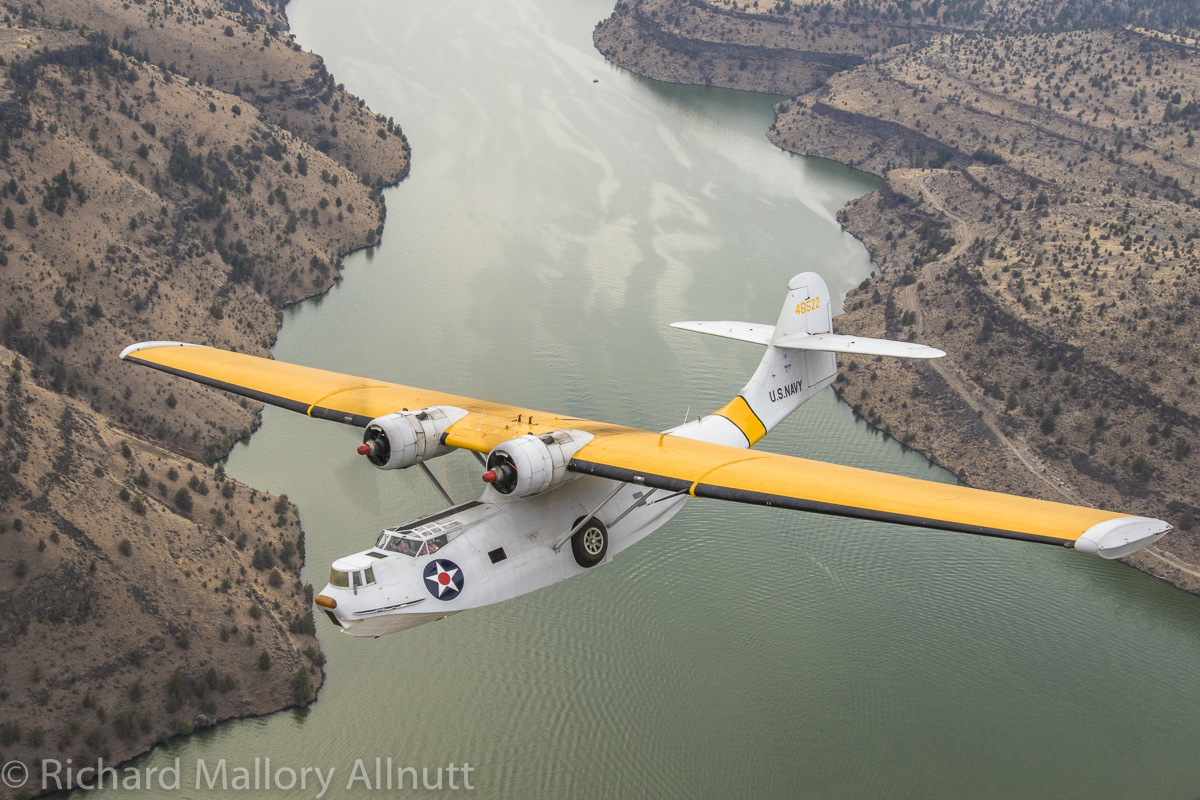




Pics of P-38