



By Ben Presten
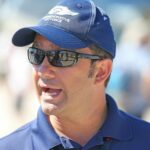
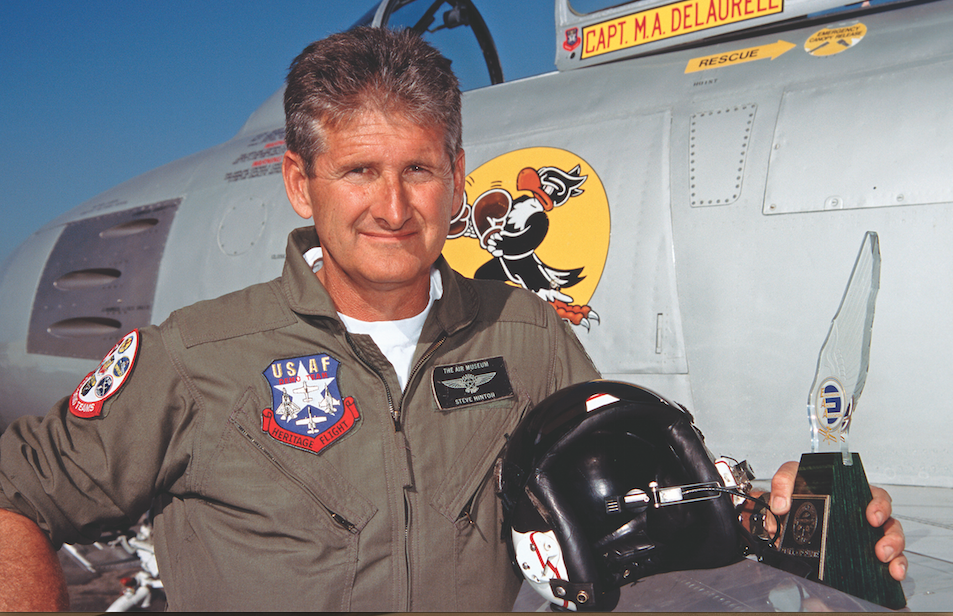
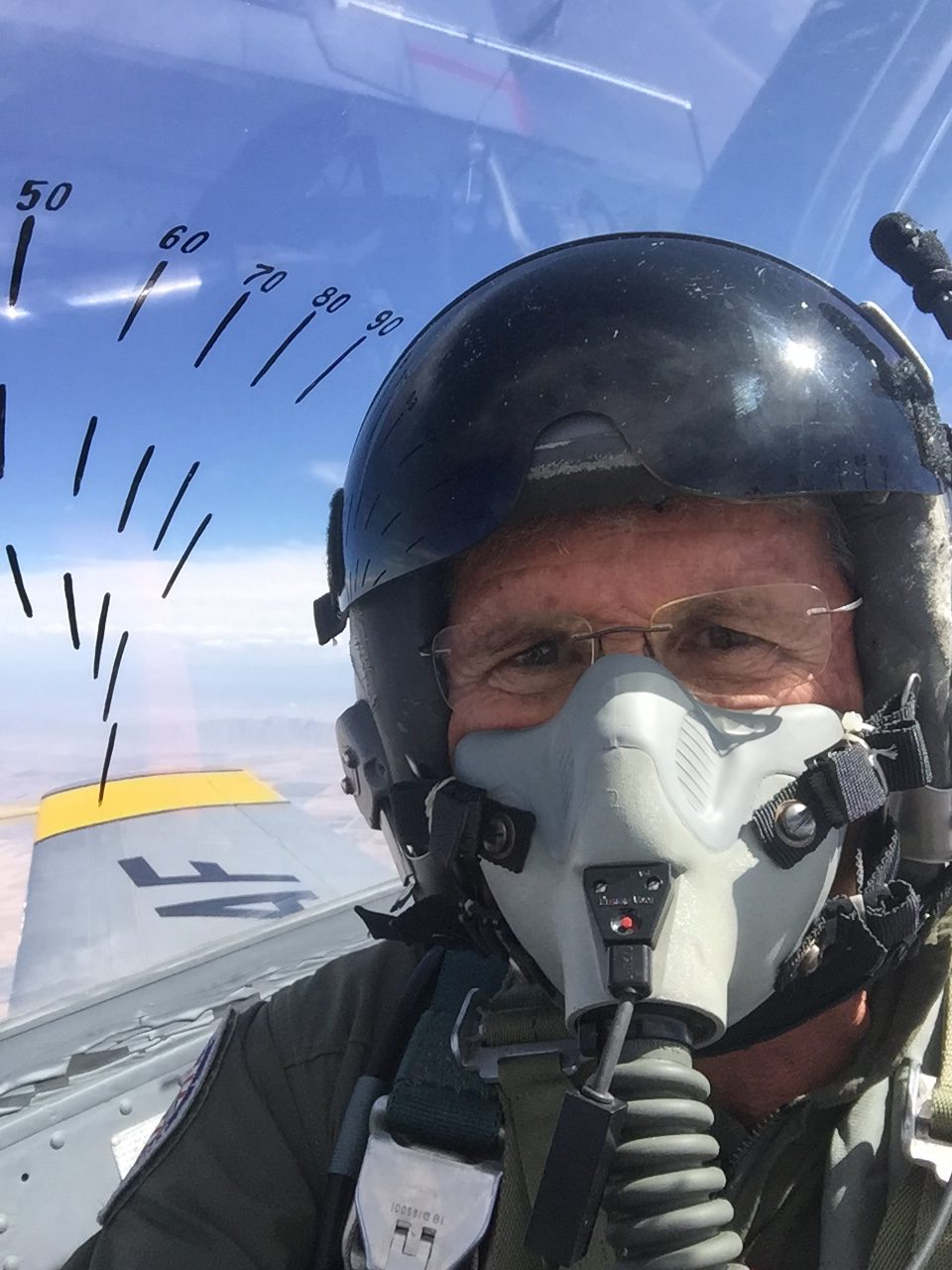
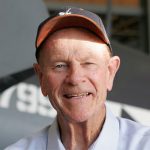
In the world of aviation, few names are as synonymous with warbirds as Steve Hinton. A passionate pilot and industry leader, Hinton’s career spans decades of flying iconic aircraft, along with a deep involvement in the restoration and preservation of these vintage machines. His journey in aviation began at an early age, growing up near the heart of military aviation in California. As a young boy, he was captivated by the history of aviation and inspired by the aircraft that shaped World War II. Today, Hinton is a key figure at the Planes of Fame Air Museum in Chino, CA, and a highly respected test pilot for the warbird community. In a recent interview with Vintage Aviation News’ Moreno Aguiari, edited by Ben Presten, Hinton shared his insights into the world of warbirds, flying, and the future of vintage aviation. Their conversation touched on his early inspirations, the significance of preserving aviation history, and his ongoing role in the warbird community.
The Spark of Passion for Flying
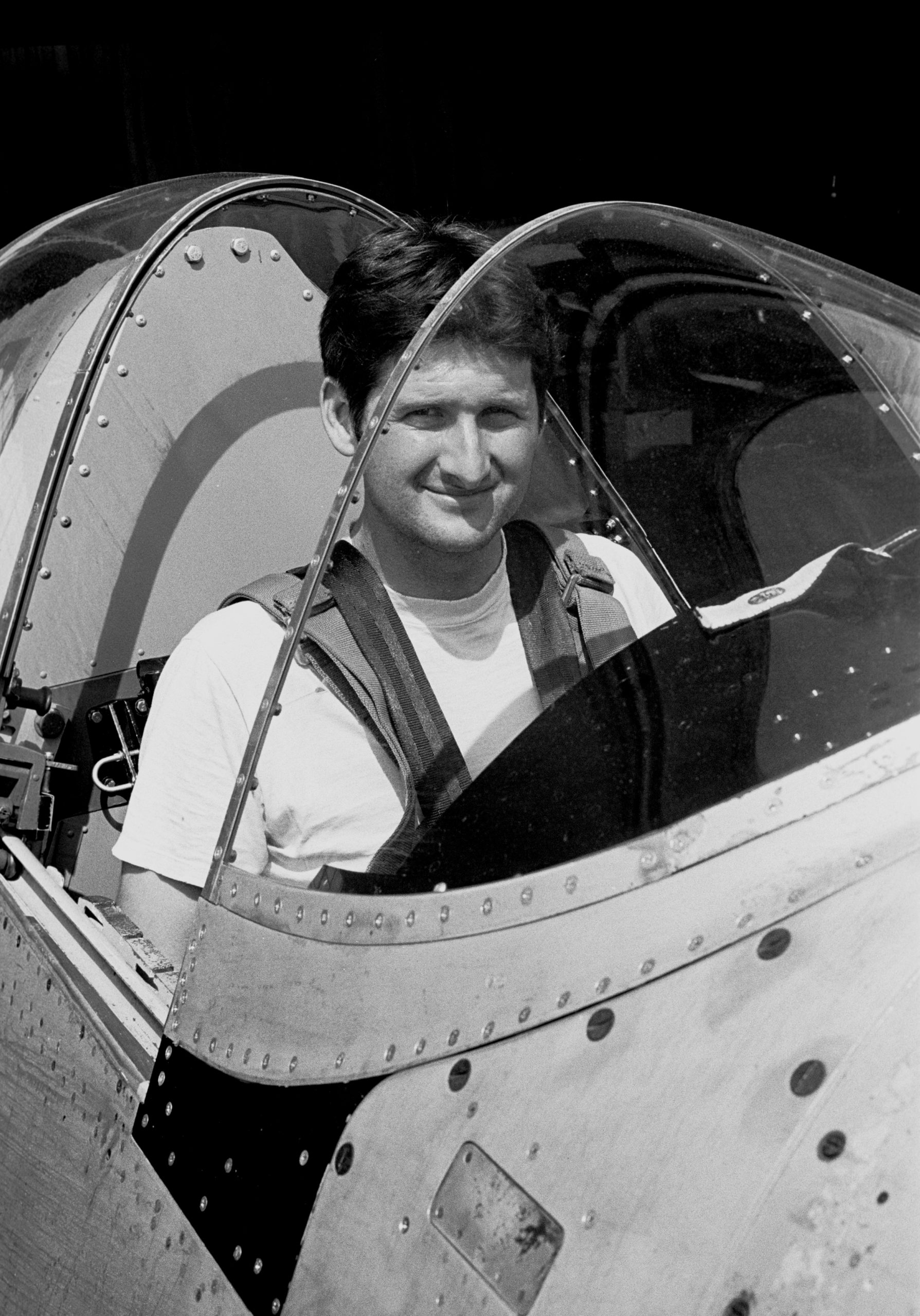
Steve Hinton’s love for aviation ignited at a young age in China Lake, California, a center for naval weapons testing. A defining moment came when his father took him to see the 1958 film The Hunters, which featured F-86 jets in the Korean War. This movie left a lasting impression, propelling him into the world of aircraft model-building, a place where many of us aviation enthusiasts began. A friendship starting in the second grade with Jim Maloney, son of the venerable Ed Maloney, further deepened his connection to warbirds and brought him to the Planes of Fame Air Museum. “So that’s kind of where it started,” Steve said, “building models and friendship with Mr. Maloney’s son, Jim, and gosh, it just kind of went from there.”
Navigating Career Choices: Warbirds or Commercial Flight?
Though Hinton briefly entertained the idea of becoming a career airline or Air Force pilot, his heart always leaned toward warbirds. After a short stint at Western Airlines, he realized that flying commercial aircraft wasn’t as fulfilling as working with historic planes. “But then really my heart’s always been with these airplanes and the history and everything,” he noted, “Any job I’ve ever taken has always been in support of maintaining what I’m doing.” He was drawn to the unique history behind each warbird, as well as the technical and engineering marvels they represented. This passion ultimately led him back to the world of vintage aviation, where he has spent his career flying, restoring, and testing the wonderful warbirds we all know and love.
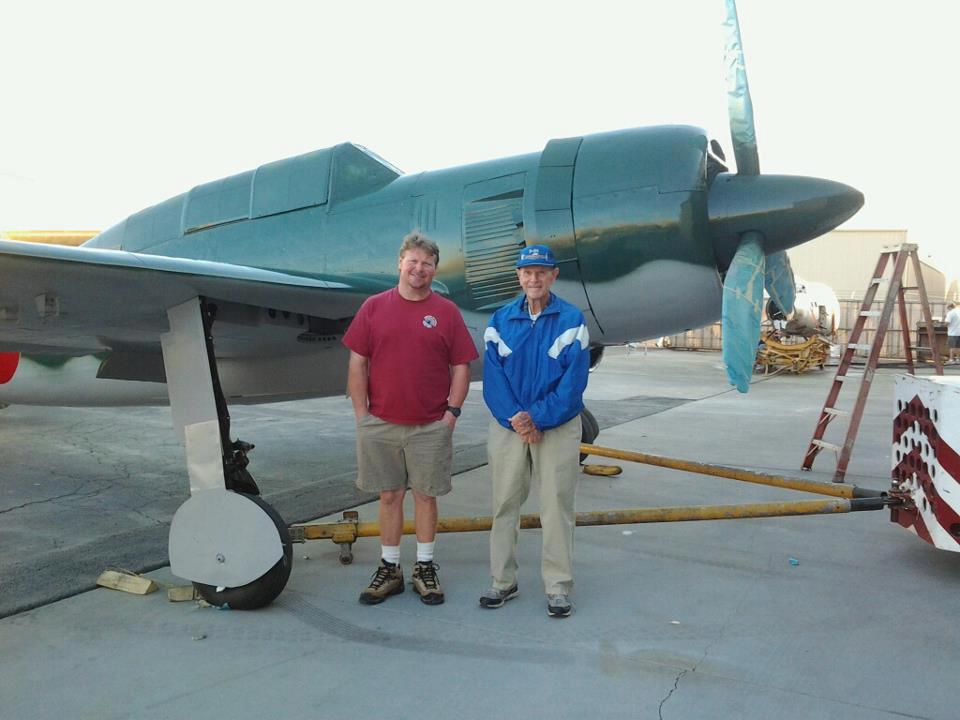
Hinton’s accomplishments in the warbird industry are numerous, but it is the ongoing adventure of working with these aircraft that he is most proud of. His role extends beyond just flying; he is heavily involved in the restoration and preservation of warbirds, helping to keep these planes airborne for future generations. “My interests have always lain in the history of why and when, as well as the airplanes themselves,” he told Moreno. He also mentioned that the friendships he’s forged over the years with fellow aviators, restorers, and enthusiasts from all corners of the globe are also invaluable. Hinton’s dedication to keeping these planes flying goes hand in hand with his commitment to passing down his knowledge. His son, Steven, is already following in his footsteps, ensuring the legacy of the Hinton family’s involvement in aviation continues for years to come.

The Joy of Flying Warbirds
When asked about his favorite aircraft, Hinton expressed his lifelong admiration for the F-86 Sabre, a plane that first captured his attention as a young boy: “I would say the F-86 is always my favorite. Always has been. It started when I was six or seven years old.” However, he noted that every warbird he’s flown holds its own unique appeal, from the P-51 Mustang to the powerful and agile F8F Bearcat. Despite the thrill of flying these historic planes, Hinton admitted that flying them is far from difficult once you’re trained and familiar with the aircraft.
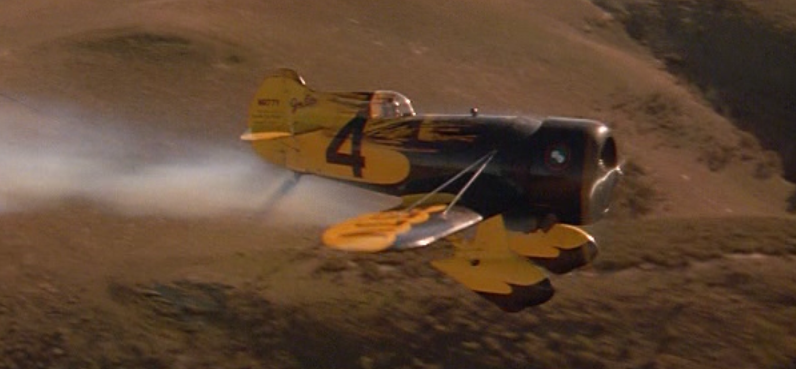
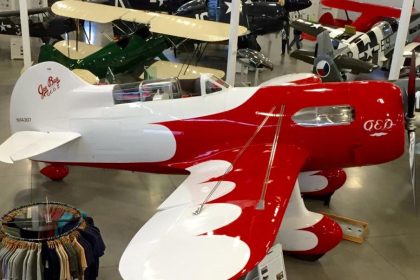
On the other end of the spectrum, some planes, like the infamous Gee Bee, can present unique challenges. The replica Gee Bee Z that Hinton flew for the movie Rocketeer was notoriously difficult to handle. Hinton flew the airplane as well as famous airshow pilot Craig Hoskings (known for his Pitts Special “Double Take”, which he thrilled crowds with by landing upside-down on a second gear mounted to the upper wing). “We had both had some very exciting trials, not just taking off and landing, but just making it do what you want to do.” Hinton mentioned his and Hoskings’ relief when filming had concluded: “We both decided that no, we were lucky, we didn’t kill ourselves, so we took it apart and trucked it back.”
Advice for Aspiring Warbird Pilots and The Future of Warbirds
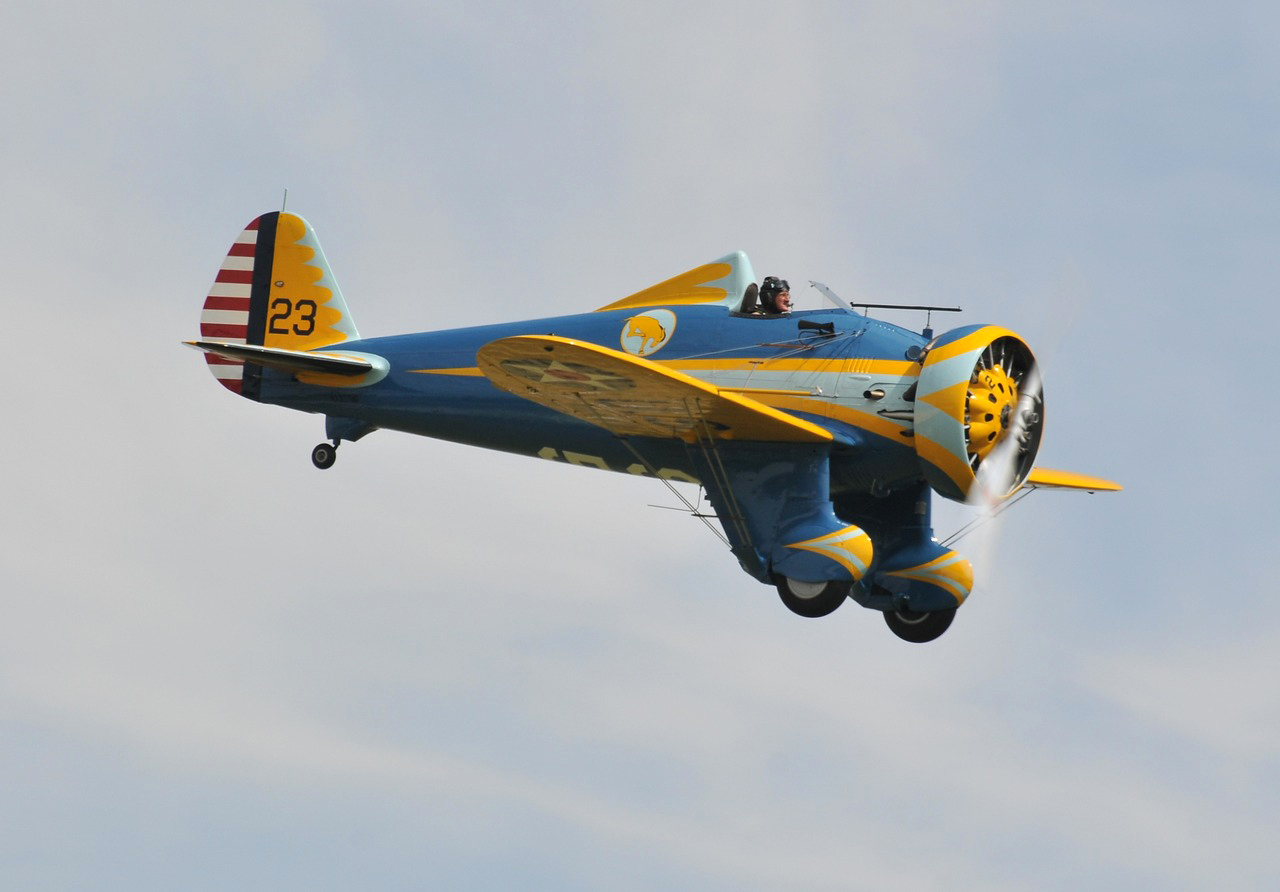
For those interested in flying warbirds, Hinton offered some practical advice. He encouraged young enthusiasts to get involved with organizations that focus on warbird restoration and preservation. While financial barriers make it more challenging to break into the world of warbirds today, Hinton emphasized that passion and determination can help overcome these obstacles. As he put it, “If you want something bad enough, you’ve got to jump in and get started. The opportunities may not always be obvious, but they are out there for those who are willing to put in the time and effort.” With so many great museums and volunteer-driven organizations around, Hinson’s advice seems more attainable than ever. “My suggestion is that if you really want to do it, you’ve just got to find organizations somewhere that you can be exposed to and be a part of that organization at some level.”
When asked about the future of the warbird movement, Hinton remained optimistic. He acknowledged that the rising costs of maintaining these aircraft and government regulations on fuel prices are challenges, but the popularity of warbirds shows no sign of waning. As new generations of aviation enthusiasts discover the historical significance of these planes, Hinton believes that warbirds will continue to fly for decades to come. The involvement of wealthy collectors has also played a role in the resurgence of interest in warbirds, keeping them in the public eye and ensuring their preservation. However, Hinton emphasized that it’s not just about the airplanes themselves but about the history they represent. He believes that as long as the warbird community continues to value and celebrate these planes, they will remain a vital part of aviation for years to come.

Test Flights: A Crucial Role in Restoration
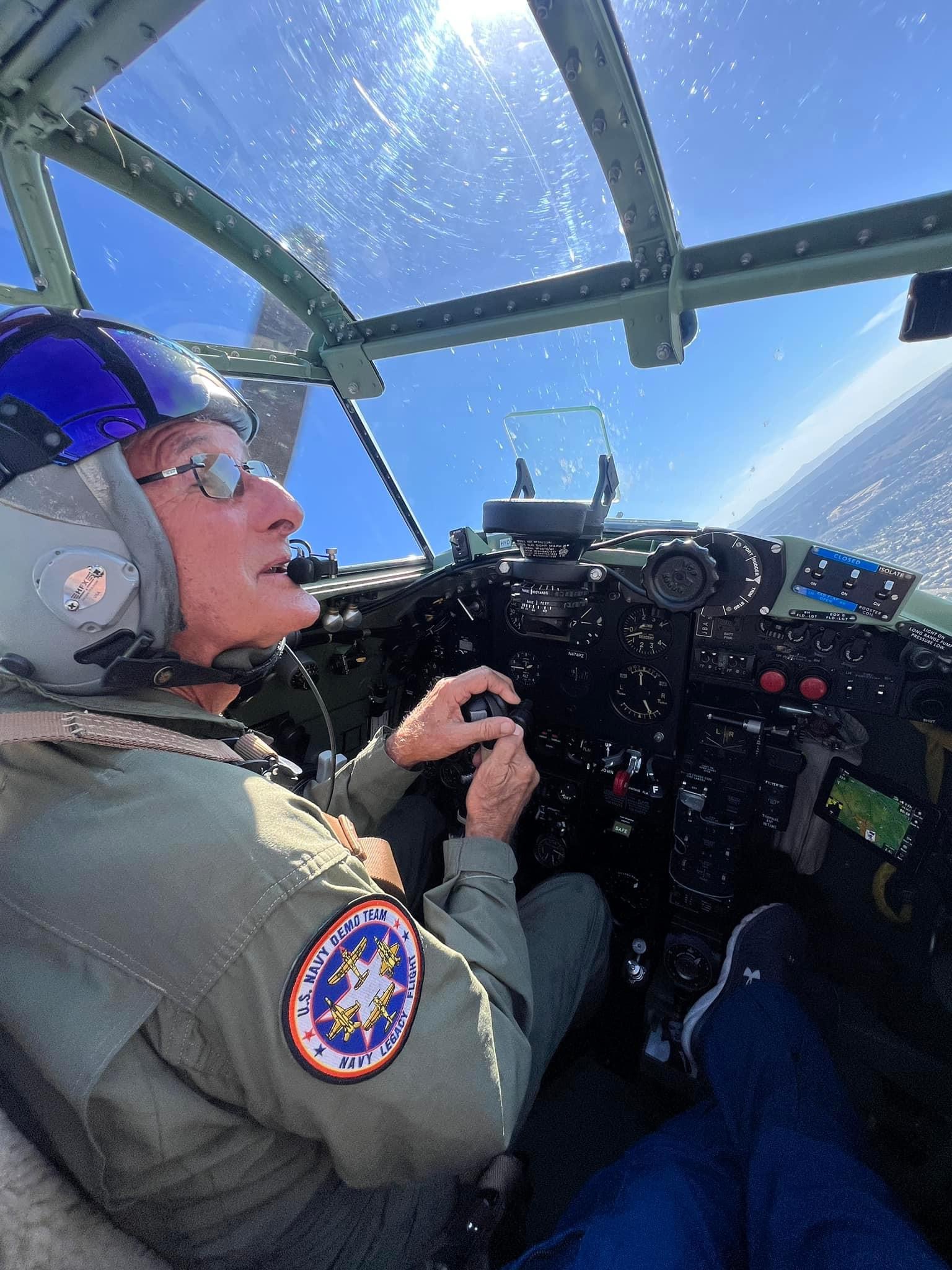
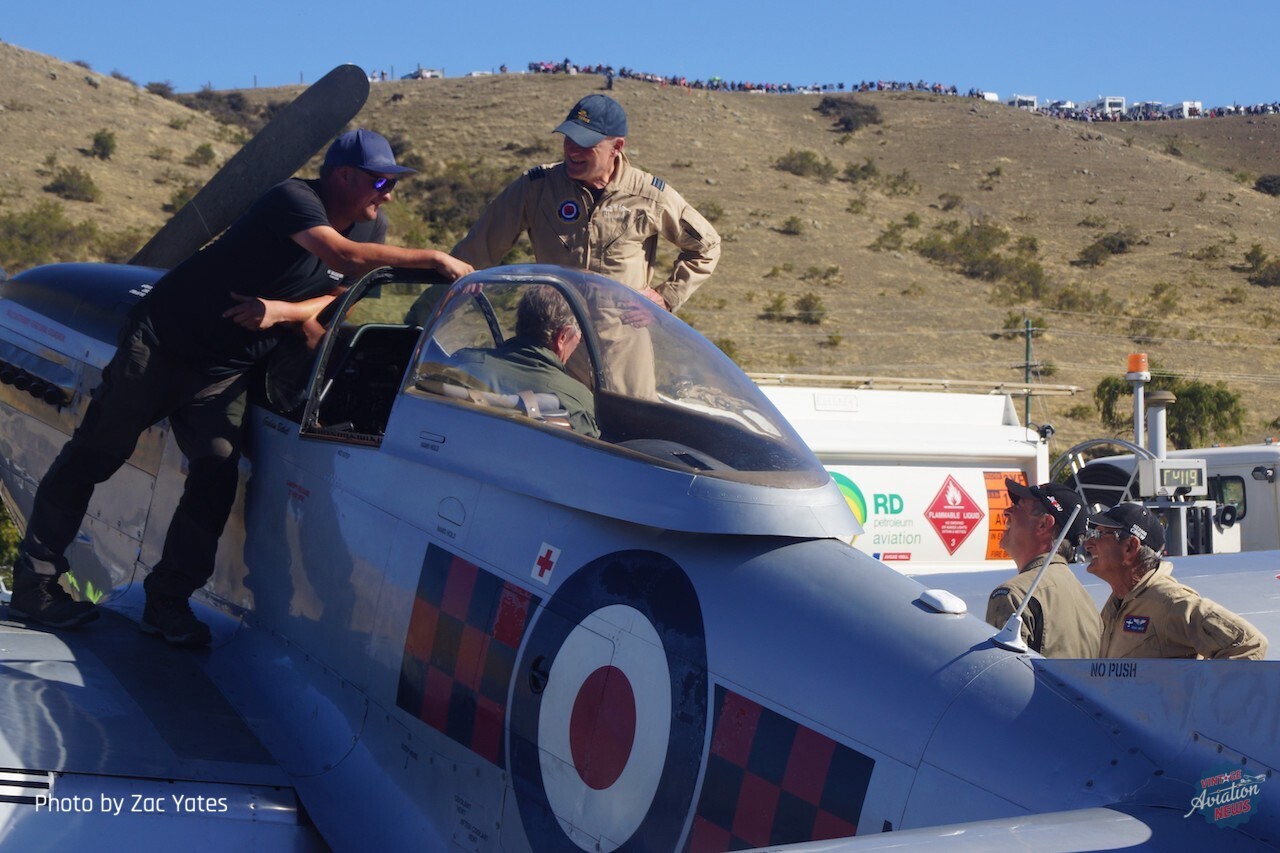
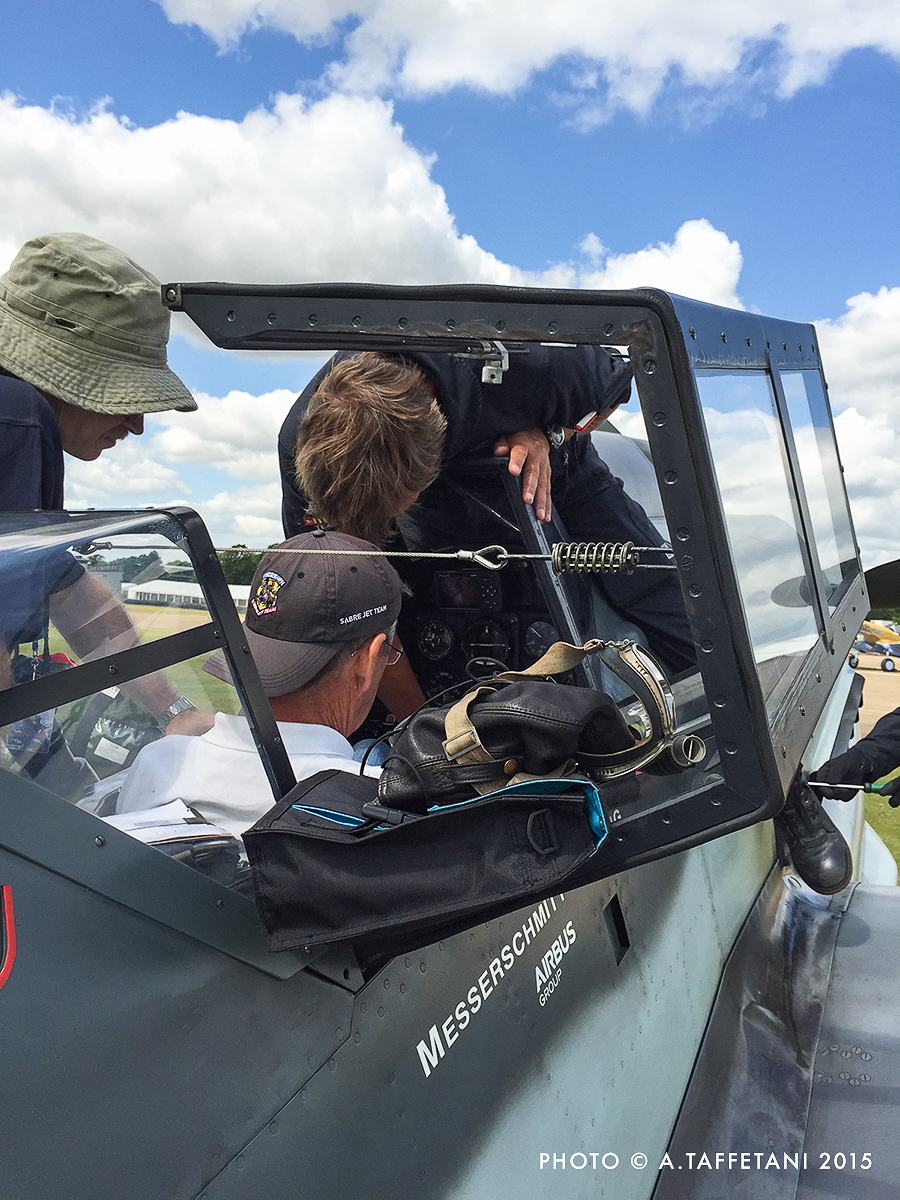
One of Hinton’s most critical roles is as a test pilot for newly restored warbirds. His preparation for test flights involves extensive checks and inspections to ensure the aircraft’s systems are fully operational, as well as building an understanding of how everything works on each aircraft. “Well, the most important part of it, in my opinion, is that you have to understand the machinery. You can read a book and know which switch to flip and what lever to do, which is very important, but it’s also important to understand how it works.” Hinton has completed over 60 first flights on restored warbirds, and he approaches each one with meticulous care. His focus is not just on flying the plane but understanding its mechanics and ensuring that every detail is in working order: “Sometimes I’ve spent a week or two working on the plane as well, just doing a final inspection.” As he explained, test flights are an opportunity to verify the restoration work and ensure the safety of the aircraft before it is flown regularly. Hinton’s attention to detail has led to a stellar record of test flights without major incident: “You might have a little problem here and there, whatever, but I take pride in the fact that I haven’t had any real big issues at all on a first flight.”
The test flight that stands out most to Hinton is the scratch-built racer known as Tsunami: “Yeah, it was a custom-built airplane, and I was involved with it all through its process, but hands-on with it the last maybe seven months. That’s when our whole shop hit it, and we got it flying. And I learned a lot during that one, because that wasn’t just a first flight, where you just make sure everything works and whatever. This was taking an airplane that had never flown and running it all the way up to a 440 knot flight test indicated air speed.” He mentioned that while the test flight phase had its issues, such as the angle of incidence of the horizontal stabilizer leading to the initial test flight requiring two hands on the elevator in level flight—it was an overall enjoyable program that taught him a lot: “So we did change aileron controls. We changed the size of the rudder, the stabilizer, and the way things worked. That was an air racer that was designed for speed, and they were flying it a lot in a really short period of time. So that one, I really learned a lot about control and stability and weight and balance.”
The Difference Between Airshow and Movie Flying
For many pilots, airshows are a highlight of their careers—packed with adrenaline and the chance to display skill and precision in front of a crowd. But for Steve, flying at airshows is just the tip of the iceberg. “Well, airshow flying is airshow flying,” he explains, “and it’s great and it’s exciting and fun, and it’s also the mission.” However, when the scene shifts to the world of cinema, things become far more complex and rewarding. Flying for movies, Steve notes, involves a unique set of challenges. “For one thing, most of the time the director or the storyboard is written in a way that it’s just impossible to do, you know?” he says, laughing. “Because very creative people who write these stories don’t understand the specifics of it all.” Steve has been part of some unforgettable film projects, including the aerial sequences for Devotion, where he flew in the snow-covered mountains of Washington to capture scenes meant to represent Korea. “Down these canyons, you try to get the airplane on the camera or two airplanes lined up on the camera, while another airplane has to show up on the camera at a certain time. So very repetitive sometimes.”
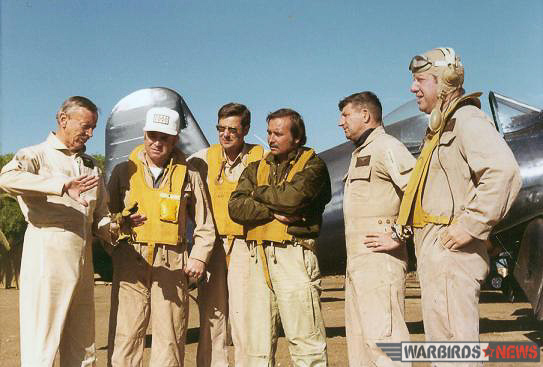
On some days, the outcome is lucky, and the team gets the shot; on others, it’s a matter of adjusting to make things work safely. Steve’s ability to adapt and problem-solve in the air is a skill that has made him a sought-after pilot for some of Hollywood’s greatest aviation films. Steve’s aviation career is dotted with legendary on-screen moments, but one of his fondest memories remains his involvement with the Baa Baa Black Sheep TV series. “Yeah, yeah, it’s great memories,” he says, recalling the camaraderie of working alongside aviation legends like Tom Friedkin and Frank Tallman. “And I was the youngest of them, too, by the way.”
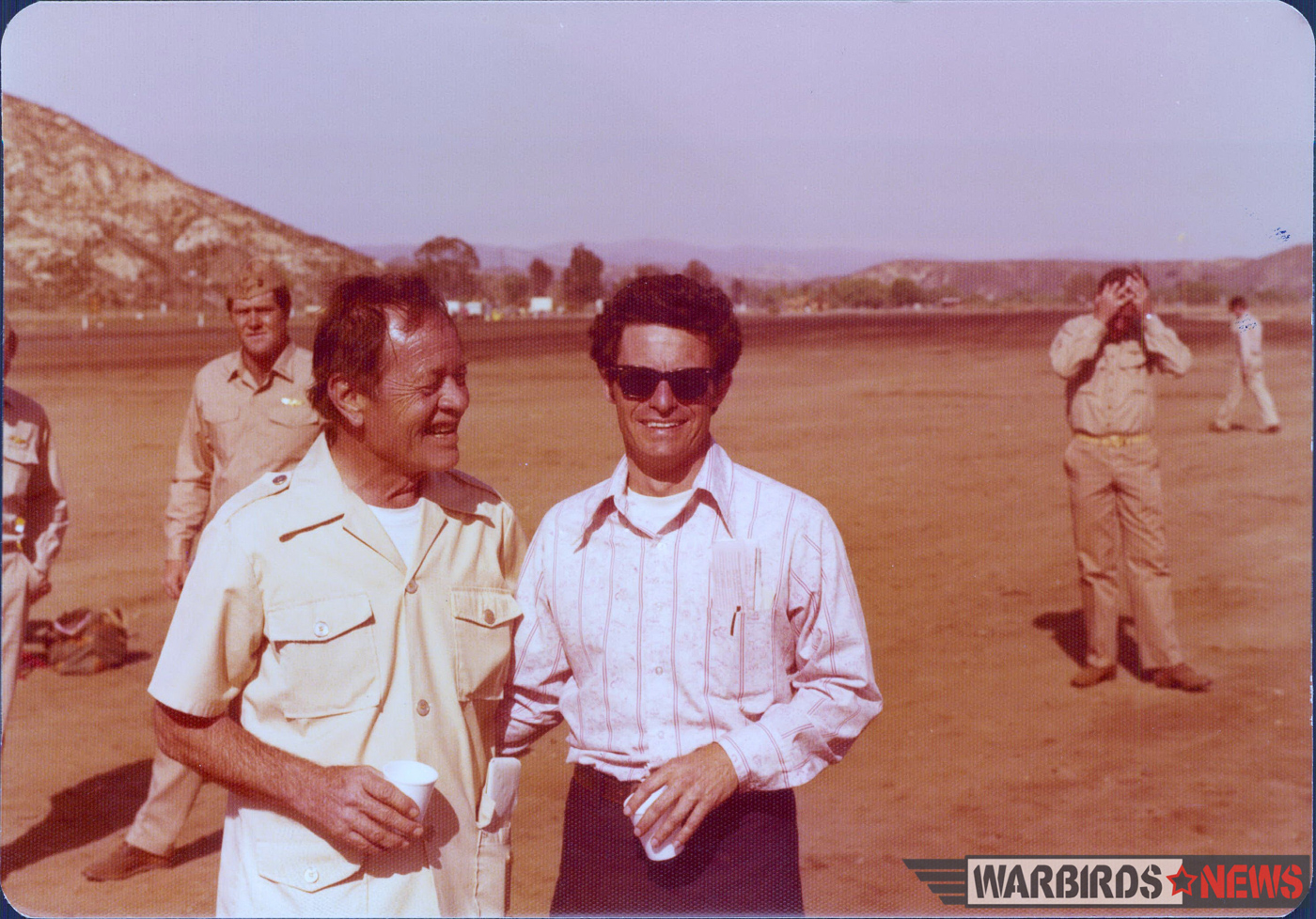
He recounts meeting Gregory “Pappy” Boyington, the real-life pilot who inspired the show’s lead character. “I met him several times, sure. He was there a few times, and then of course I’d see him at air shows and things like that.” One of his encounters that stands out most was an interaction between Boyington and a gentleman by the name of Phil Leiberson, who ran the Planes of Fame Gift Shop. “One day, right before an air show, Pappy Boyington came out and he and Phil were talking back and forth, back and forth,” said Hinton. “Pappy walks away, and I said, ‘Wow, it’s pretty neat to meet him.’ He goes, ‘Yeah, I know him.’ I go, ‘How do you know him?’ and Phil says, ‘Well, I was a Black Sheep.’” Hinton’s surprise was furthered when “he grabbed a book out of our bookcase and he opened to a page and says ‘That’s me right there.’”
Flying the Legends: The Warbird Experience
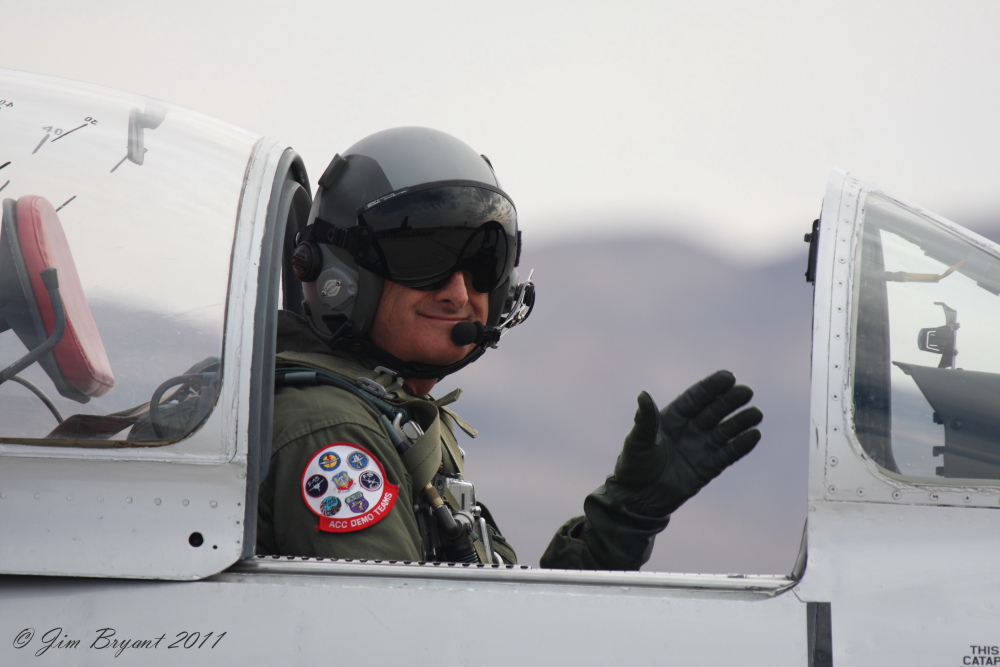
While Hollywood might ask pilots to push the limits of flight for the sake of a story, nothing compares to the deep connection Steve has with the planes that defined a generation. As a member of the Heritage Flight program, Steve flew iconic aircraft like the P-51 Mustang, F-86 Sabre, and more, in formation with modern-day military jets. For Steve, each flight was a unique experience—he fondly recalls the camaraderie among the pilots and the sheer joy of showing the younger generation the history they were part of. “For one thing, flying a warbird on a modern jet is pretty hard on the warbird, because of the way those jets fly,” Steve explains, “ those airplanes fly so differently than normal airplanes that we’re used to flying.” The heavy, powerful fighters of the modern era fly with such a high angle of attack and with so much power that it is very difficult to have them lead and fly the vintage warbirds in chase. Hinton explains that it is much easier and safer to have the warbird lead and, as he puts it, “95% of the time the warbird should lead, and then it’s up to them to figure it out.”
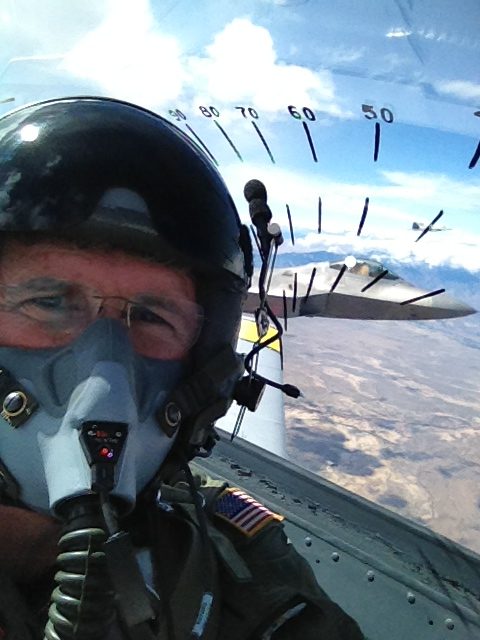
“I tell you what, all of them are top-notch people, and they’re super friendly,” Hinton says of the Air Force pilots he works and trains with for the Heritage Flight Program. Although he jests that “a couple of the guys through the years don’t even know what a Mustang is, which is funny. And boy, do they get heckled.” Today, Hinton has retired from flying in the Heritage Program as the Air Force enforces a maximum pilot age of 65 years old: “I applied for a waiver the last five times, and they had acknowledged it, but it’s more about perception than anything else. It is quite an age gap between a 70-year-old and a 25-year-old F-16 pilot.” He says that he is happy this has opened the door for more people to get involved with this program: “We have to bring along people for this, to make sure it’s going to carry on.”

What’s missing from the logbook?
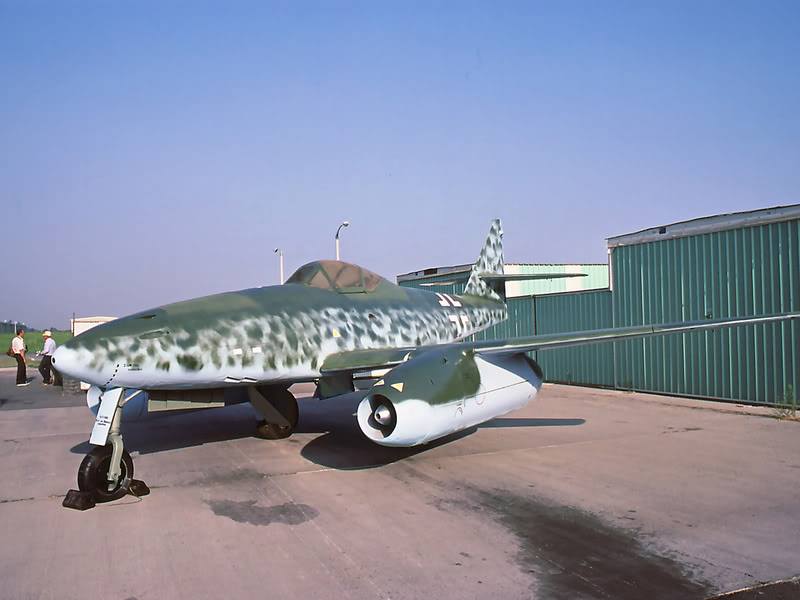
Steve has been at the controls of many, if not most, of the historic WWII machines that we all know and love. He has been blessed with the opportunity and skill to fly such a wide variety of types that it begs the question, what hasn’t he flown? In his own words, “Believe it or not, a Helldiver. That’s been on my list forever, just because…. It’s a very important piece of history, and I think it’d be cool to fly.” With over 7,000 Helldivers built, they played a huge role for the US during WWII, making it exactly as important as Steve describes it. Luckily, as of late 2024, the population of flying Helldivers has grown from a single example to three airworthy examples, making Steve’s chances of flying one much greater. Steve also notes another exceptionally historic airplane which is missing from his list: “The Messerschmitt Me 262 is on top of the list. I got rated in the Collings Foundation’s Messerschmitt Me 262, but those are… they look like a 262, but I’m sure they don’t fly like one.” Steve mentioned that the Collings’ 262, while authentic in looks, is a complete replica like a Flug Werk Fw-190: “I think the real 262 would probably fly a lot nicer than the other one, so that’s always been something on my mind.”
Passing on the legacy
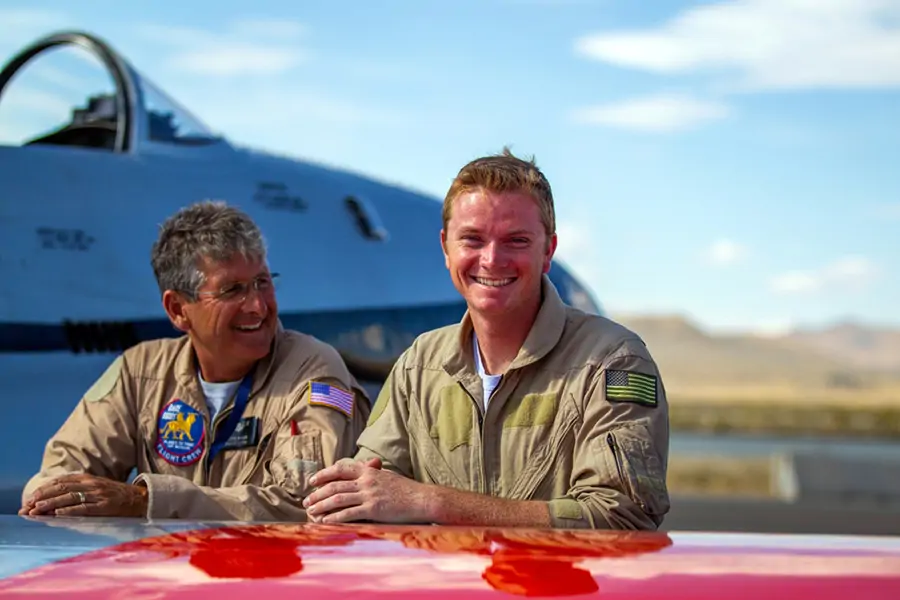
Steve’s Son (Steve Hinton Jr.) has been heavily involved with warbird and vintage aviation from a young age, just like his father. He sealed his name in aviation fame at the Reno Air Races by winning several consecutive unlimited gold trophies. He again made headlines in 2017 when he flew the highly modified P-51 “VooDoo” to an average speed of just over 531 MPH, taking the FIA record for fastest piston-engined airplane. Steve Sr. is certainly proud of his son’s accomplishments, saying, “He’ll do a great job. He’s come with me many, many times over the years, as a crew member. And, as a matter of fact, I watched his very first [Heritage Flight] just a couple of days ago. He’s got a lot of experience, and he also has respect for the mission.” Steve also added with excitement, “He’s a new dad now, too!”
Conclusion
Steve Hinton’s lifelong journey with warbirds is a testament to his dedication to preserving aviation history and passing on his knowledge to future generations. From his childhood fascination with warbird aviation to his current role as a test pilot and restoration expert, Hinton has shaped the warbird community in profound ways. His unwavering passion for flying, working with vintage aircraft, and mentoring the next generation ensures that these iconic machines will be around for many of us to enjoy for years to come. As he prepares for the future, Hinton remains committed to ensuring that the legacy of warbirds endures, inspiring new generations to appreciate the beauty and history of these flying masterpieces.




We certainly owe the Community of War Bird Enthusiasts a great deal.
All round the World … those that Buy, and those that work to Preserve them – but, sometimes, are unable to fly them (a great pity) – and the Pilots.
Who, on every flight, have to contain their eagerness to show just what the Plane can do, but fully aware of the heavy responsibility riding on Their Shoulders – some War Birds being … ‘One Off’s’.
And these are not … just Planes.
But are Memorials to those that designed, built, Maintained and flew them.
Memorials to those that died, flying these same Planes, to Defend and Keep The Very Freedoms We Enjoy Today.
My Hat Off, To All … Thank You, For Your Devotion.
Really great article ! thank you !
Good to hear from the Master.
Thanks Moreno, thanks for so much Mr. Hinton.