


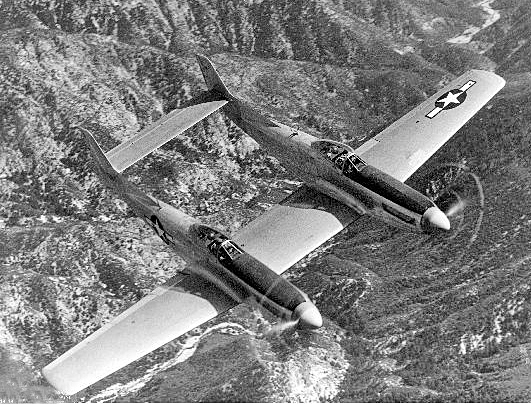

WarbirdsNews has received the latest XP-82 Twin Mustang restoration update from Tom Reilly at his workshop in Douglas, Georgia. Here’s what they’ve been up to this month!
Wing Trailing Edges
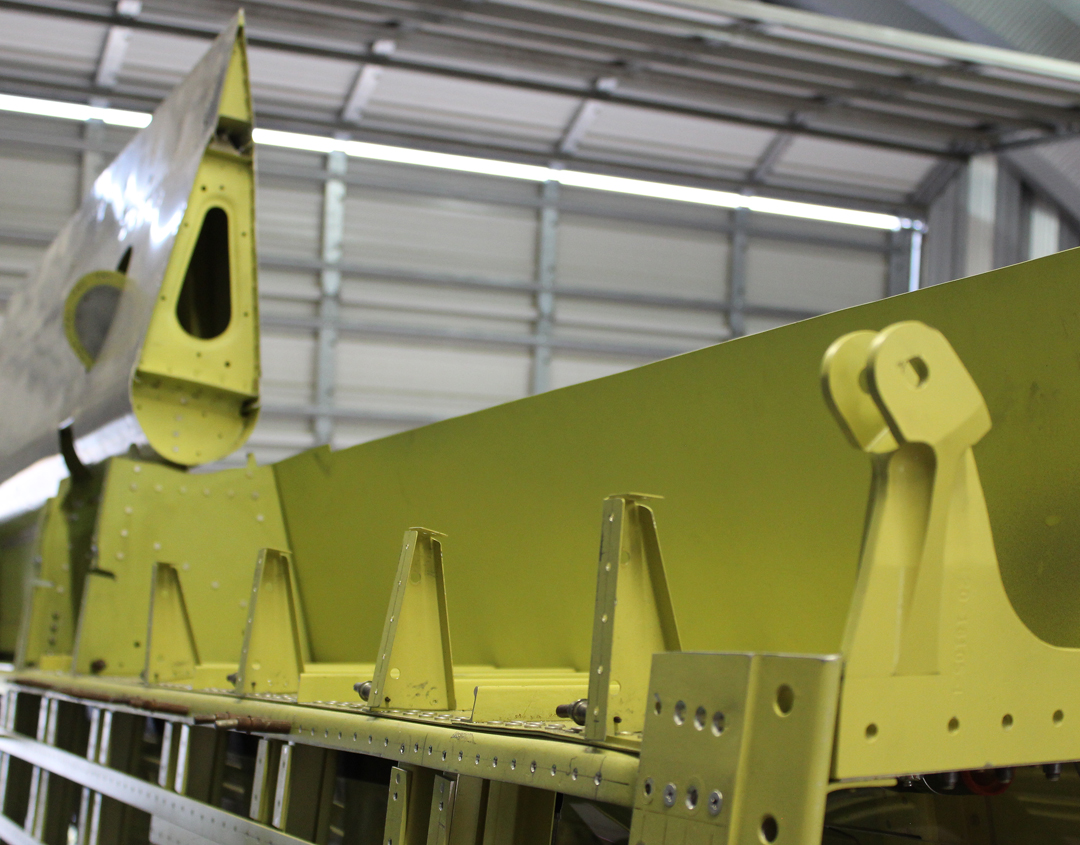
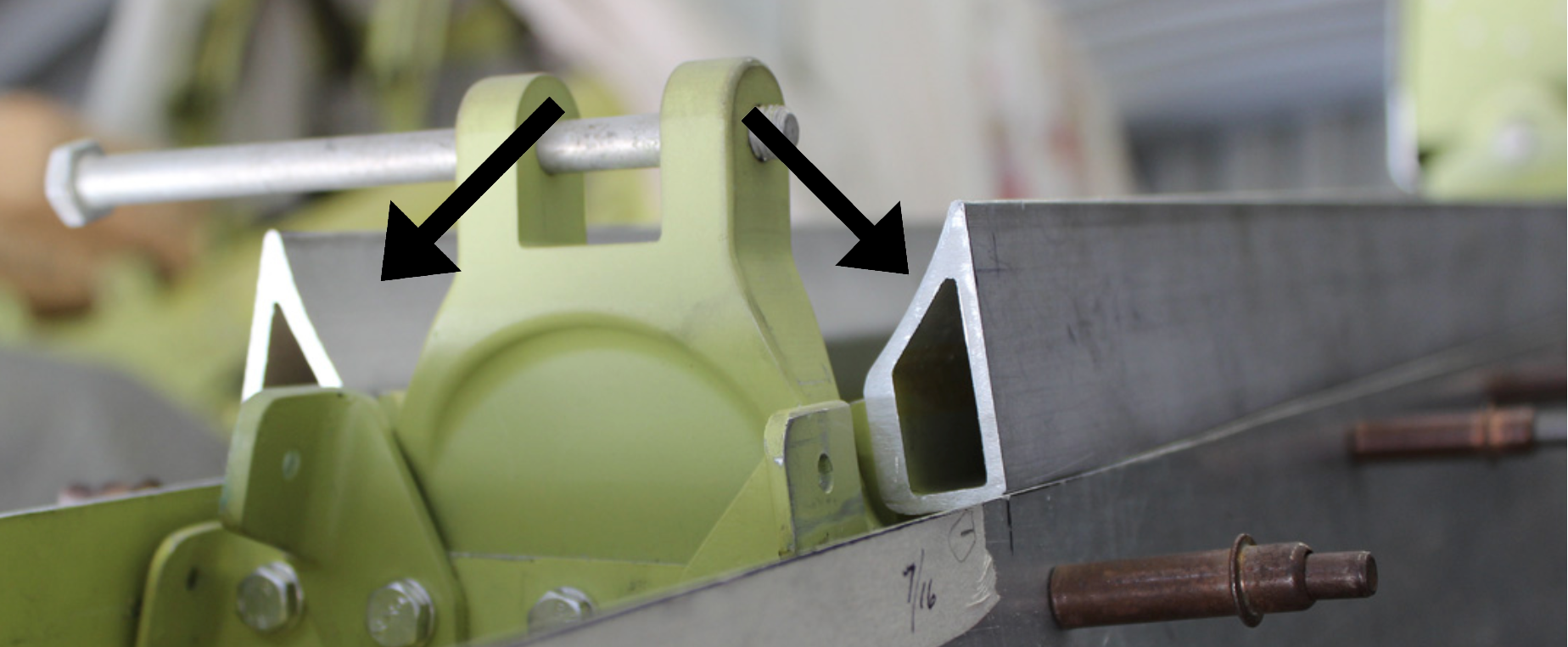
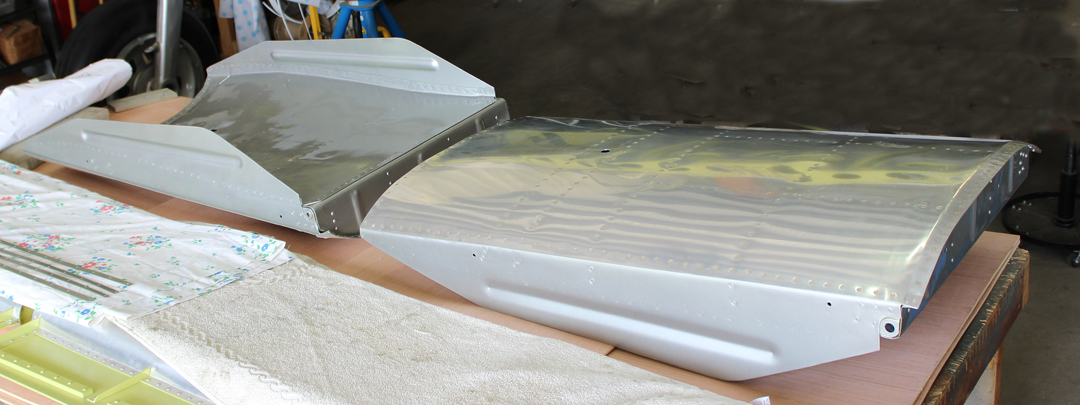
The final trimming of the upper and lower skins on both wing trailing edges is now completed. These trailing edges hold extruded stiffeners that act as a secondary gap seal for the ailerons. The primary gap seal is a full-length sewn rectangular canvas panel that attaches to both the trailing edge spar, and the leading edge on each aileron. This gap seal stops the airflow from the lower airfoil of the wing up through the leading edge of the aileron. If allowed, this airflow would disturb the effectiveness of the aileron. The wing crew has these trailing edge extrusions completely fitted on the left-hand wing, and the fitting is almost completed on the right-hand wing.
Fuel Tanks, Vent Lines, and Fuel Tank Liners
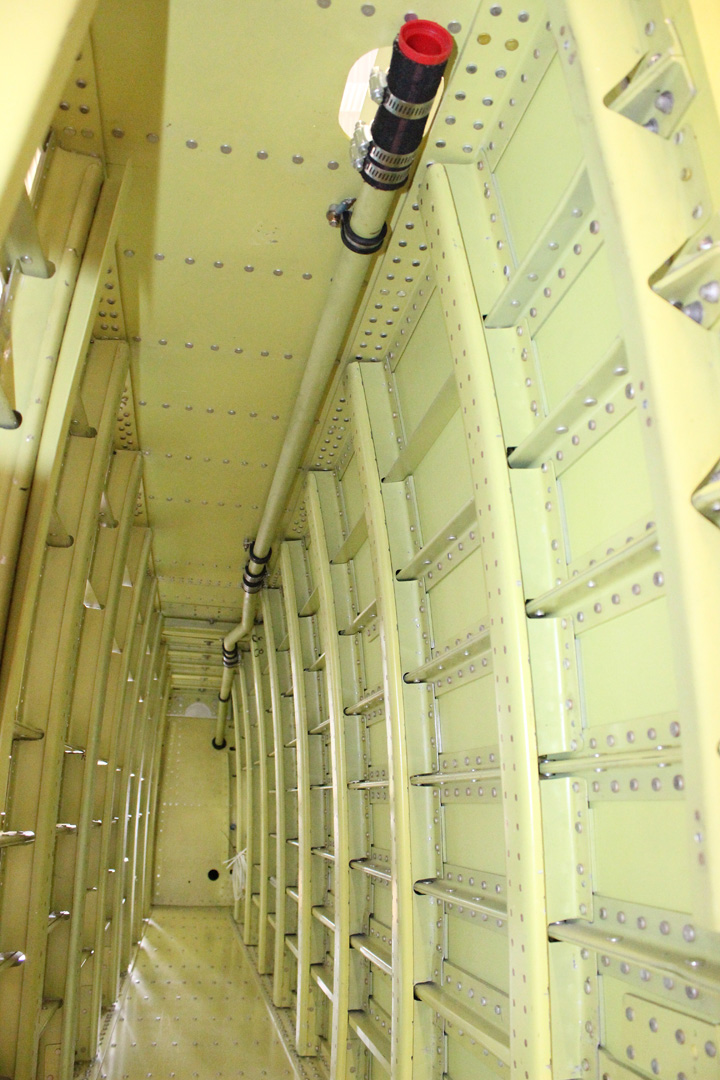
The beautifully made fuel tanks have arrived from Eagle River Custom Shop located in Eagle River, WI. They fit perfectly. The final fitting of the fuel tank liners involves matching all of their multiple access holes for the fuel pumps, liquidometers, vent lines and fuel feed lines to the existing holes in the center section and wings. The fuel vent lines in both outboard wing bays are complete and the vent lines in the center section fuel tank bays will be installed when the final mandrel bending is completed this July.
Tail Wheel Retract and Steering Mechanisms
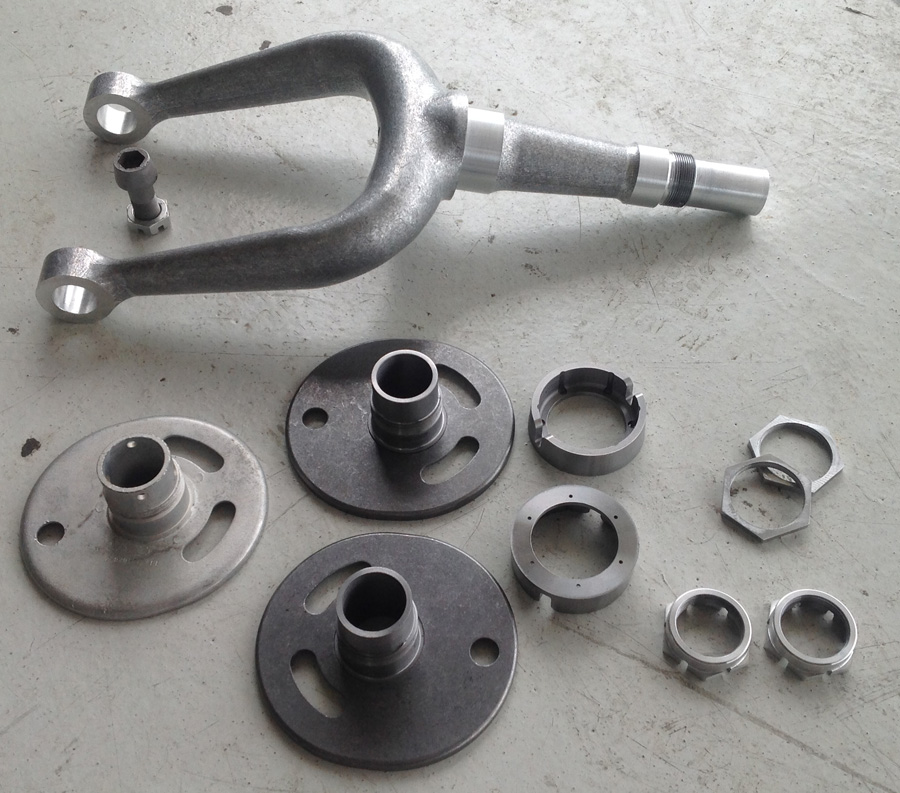
Two of the subcontractor machine shops have been busy making numerous tail wheel assembly parts to replace the original unsalvageable components. They still have about twenty five items left to complete. Once delivered, the restoration team will start on the final assembly of both tail wheel retract assemblies.
Coolant Exit Doors, Tunnels, and Radiators
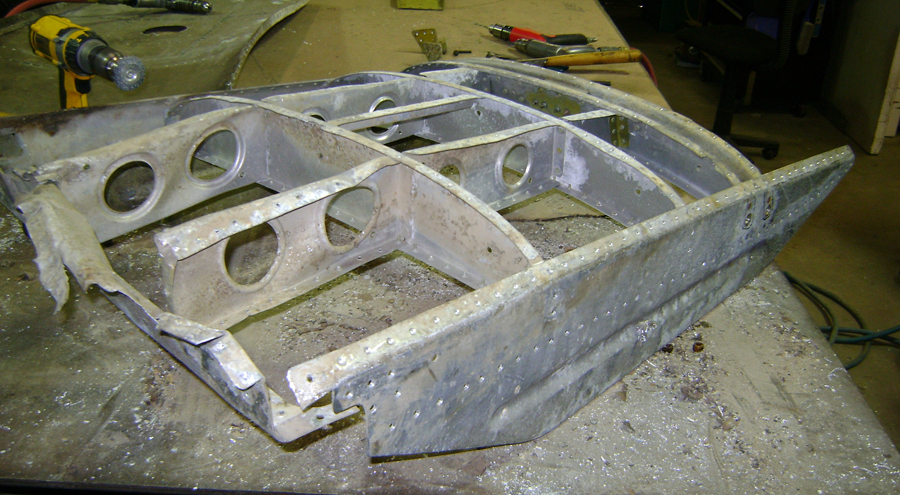
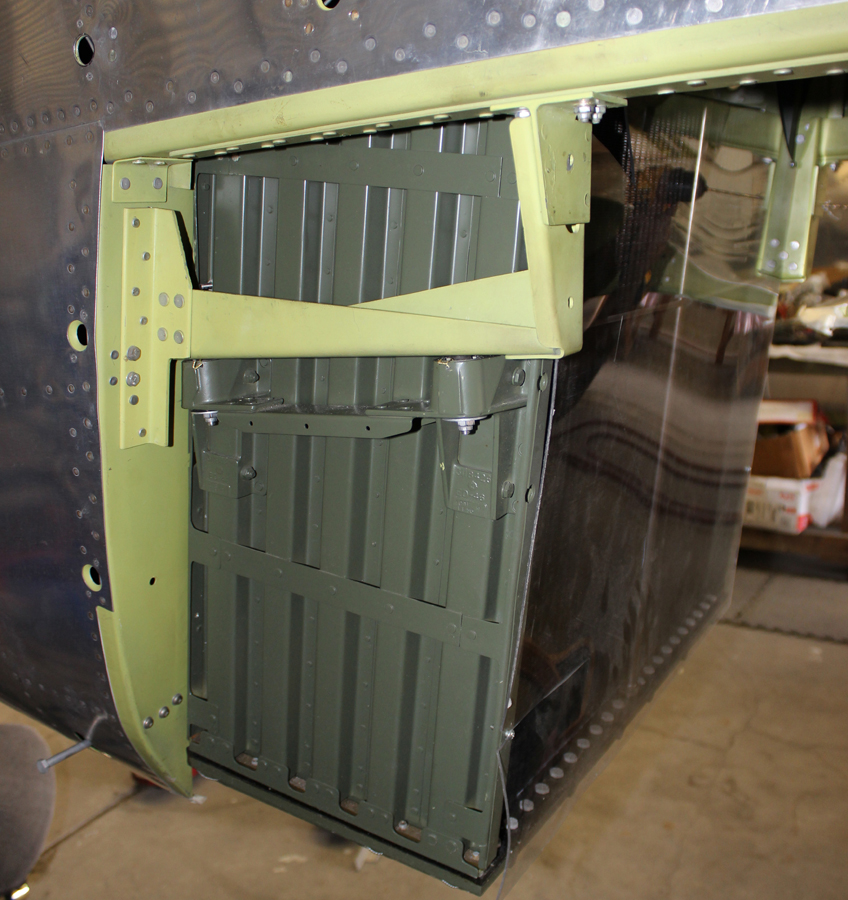
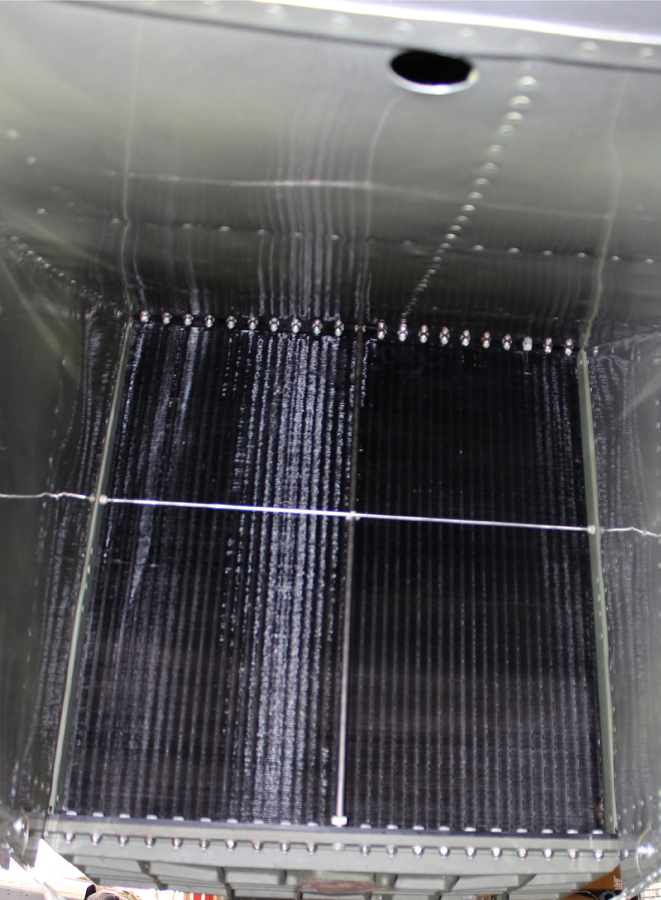
The sheet metal crew has completed both coolant exit doors and fitted them into the tunnels. As mentioned in past news releases, these exit doors, even though they appeared very simple to repair and duplicate, have caused significant problems due to numerous skins having compound bends in three different directions. The team has also installed the right-hand radiator.
Rudders
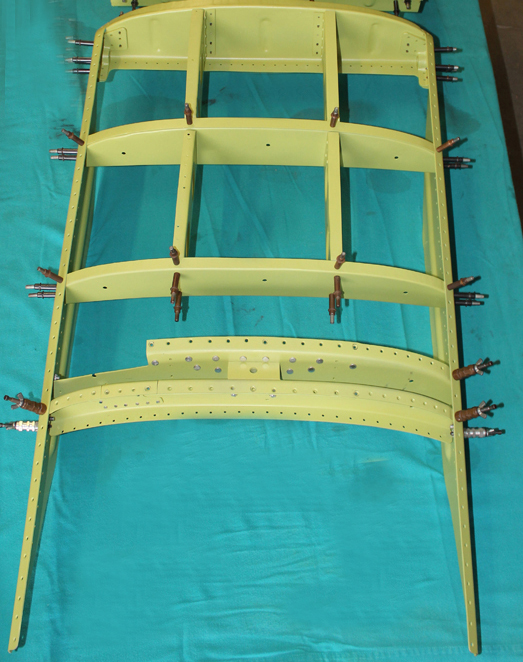
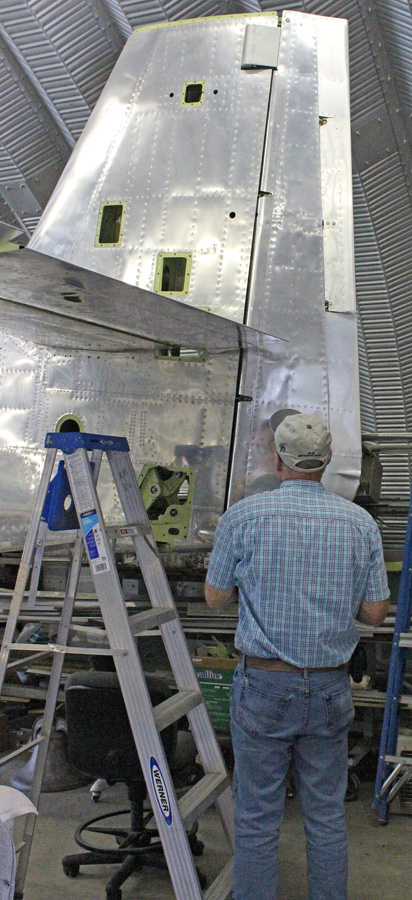
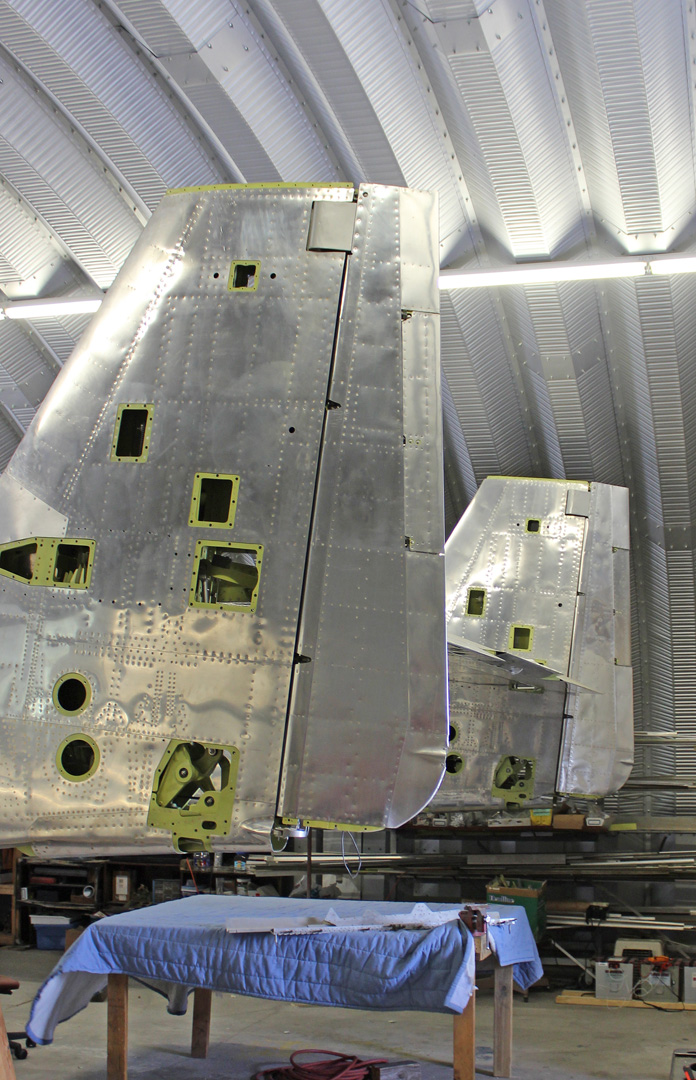
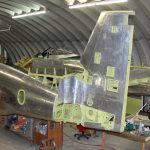
Both rudders are now completely installed along with the multitude of trim cables and chains. The synchronization between the pilot and co-pilot rudder trims is accomplished by numerous cables and chains that run through the horizontal stabilizer and then attach to each rudder jack screw assembly; one mounted in each vertical stabilizer.
Merlin Engine Installations
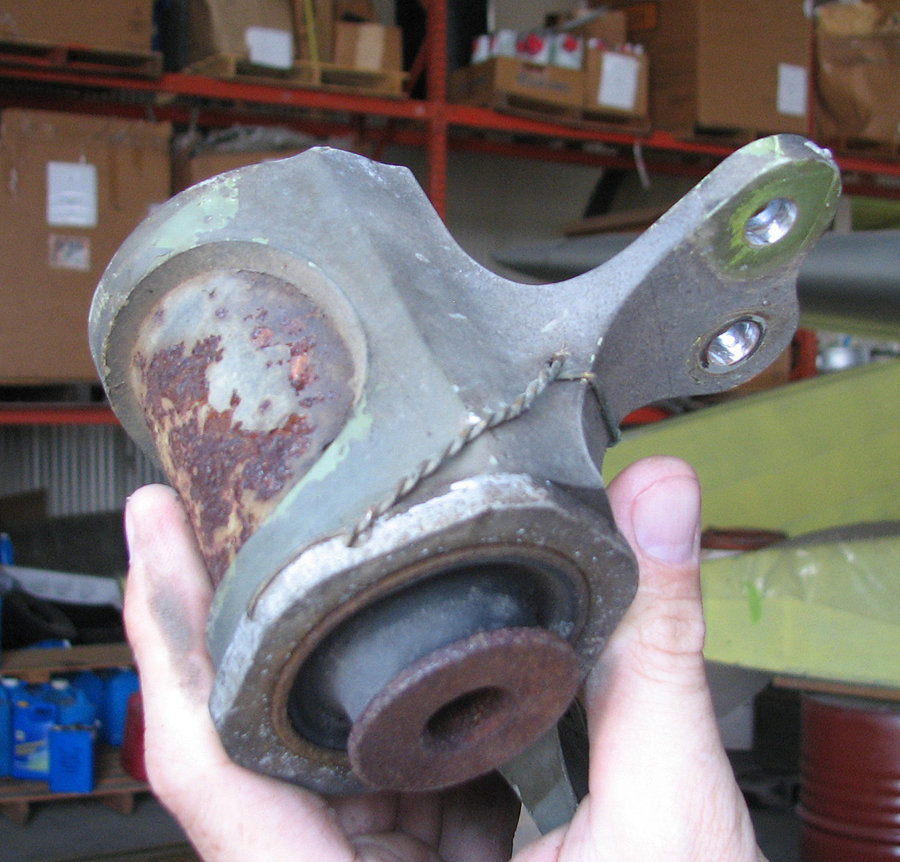
The team is getting very close on the engine installation schedule for both engines to come out of their sealed, nitrogen-filled containers to see the light of day again. One of the contractor machine shops is in the process of fabricating the twelve required Dynafocal vibration-insulating mounts. These mounts are very close to, but not the exact dimensions as the P-51 Mustang series. Tom Reilly has found a company that makes aircraft mounts that has also agreed to pour (actually force feed the molten rubber) into the newly machined Dynafocals mounted in mold housings. When these twelve Dynafocals are completed, the restoration team will install both engines in their associated mounts.
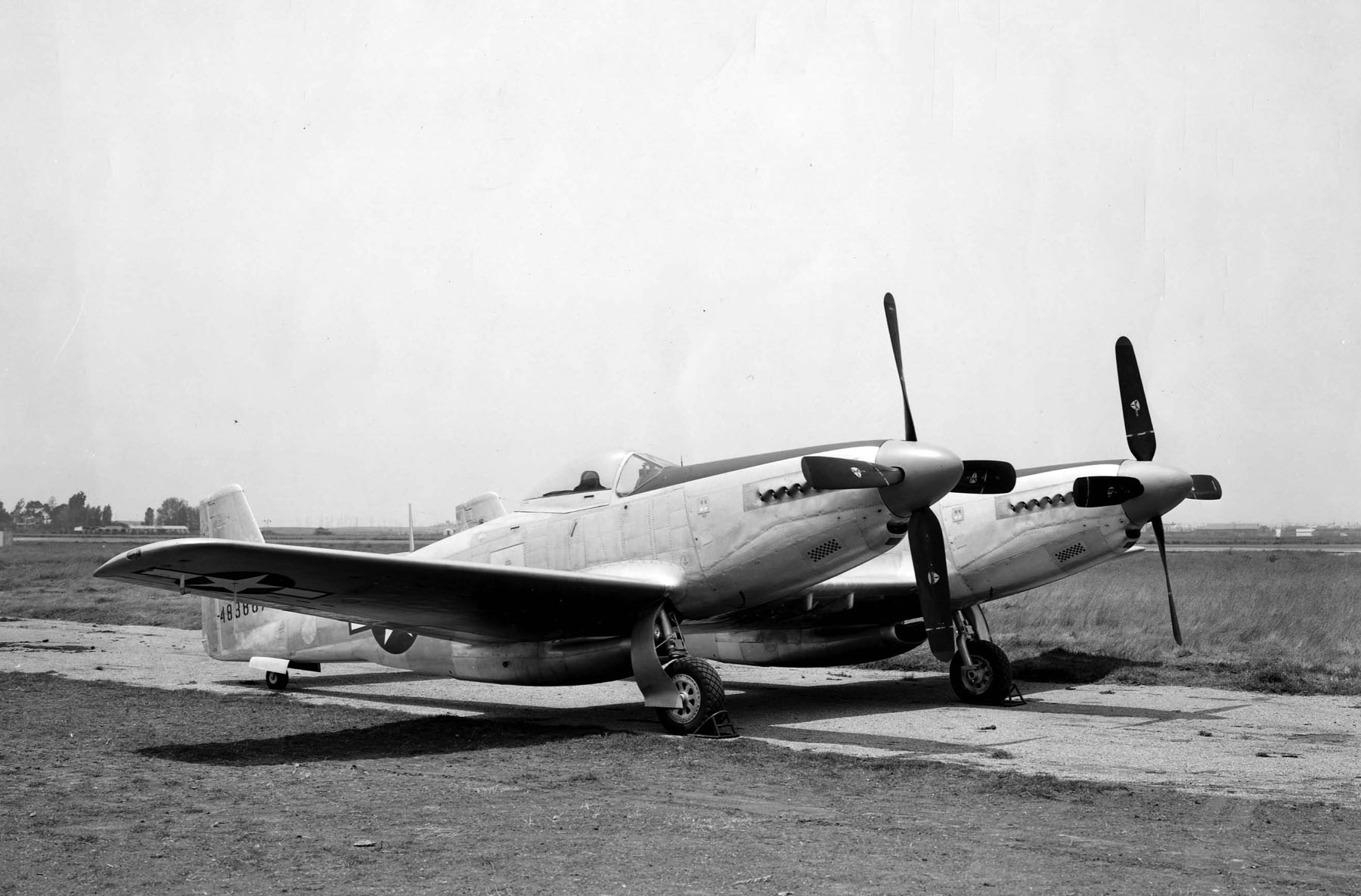
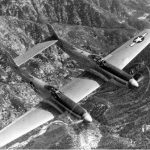
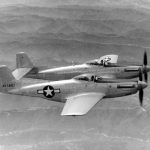
Note: Reilly’s XP-82 Twin Mustang, #44-83887, was the first XP-82 to fly. On its initial test flight, the counter-rotating left-hand turning engine was mounted on the left-hand fuselage, and the right-hand turning engine was mounted on the right-hand fuselage. This arrangement created an upward sweep of the propellers’ wash over the center section, creating an aerodynamic stall (loss of lift). The aircraft struggled to fly due to the loss of lift over the center section. It is a well known fact, proven in countless photos published by North American, that #44-83887 made only one flight with the props upsweeping. Before the second flight, the engineers at North American decided to swap everything firewall forwards from left to right, and vice versa to create a down sweep that cured the center section stall situation. All of the remaining 271 Twin Mustangs built, had their engines installed with the right-hand turner on the left-hand fuselage and counter-rotating left-hand turner on the right-hand fuselage. Reilly’s team will install the engines and propellers this way as well–with the right-hand turner on the left-hand fuselage and left-hand turner on the right-hand fuselage.
Many thanks again to Tom Reilly for the update! You can learn more about the project on their blog HERE. Please be sure to check back with WarbirdsNews in August for the next installation following the XP-82′s road to recovery!






 Vintage Aviation News
Hi.
I am intrigued as to why Wikipedia states twin Mustang #44-83886 was the first to fly on 26th June 1945 but your report above states the Tom Reilly Mustang #44-83887 was the first. Can you clarify please?
Judging by the research that Tom Reilly has done regarding the propellers, it seems pretty clear that 887 was first to fly. While Wikipedia is a great resource, it is only as good as its contributors information, which is sometimes incorrect. Therefore, it is likely that the Wikipedia piece has got the wrong data in this particular case.