



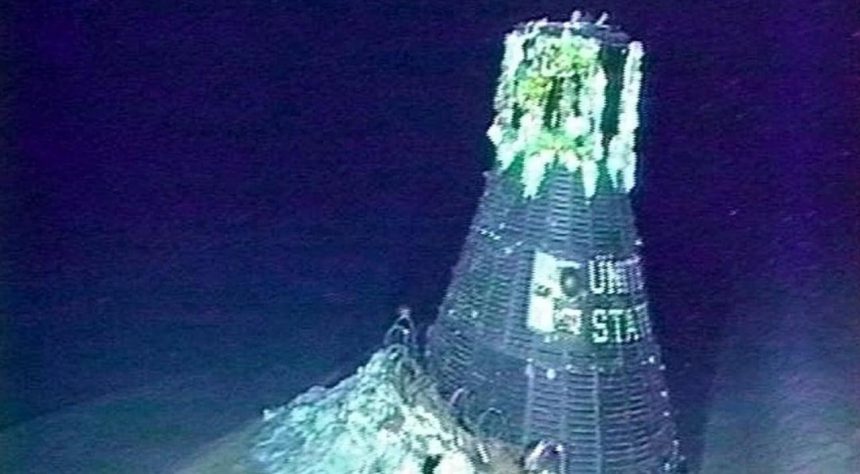

On July 21, 1961, astronaut Virgil “Gus” Grissom completed America’s second manned spaceflight aboard the Mercury capsule Liberty Bell 7. The mission itself went smoothly, from liftoff to its brief trip into space to the splashdown in the Atlantic. But moments after landing, the capsule’s hatch blew open unexpectedly, allowing water to pour in. Within minutes, Liberty Bell 7 sank to the ocean floor, coming to rest nearly three miles down. It was far out of reach and long presumed lost.
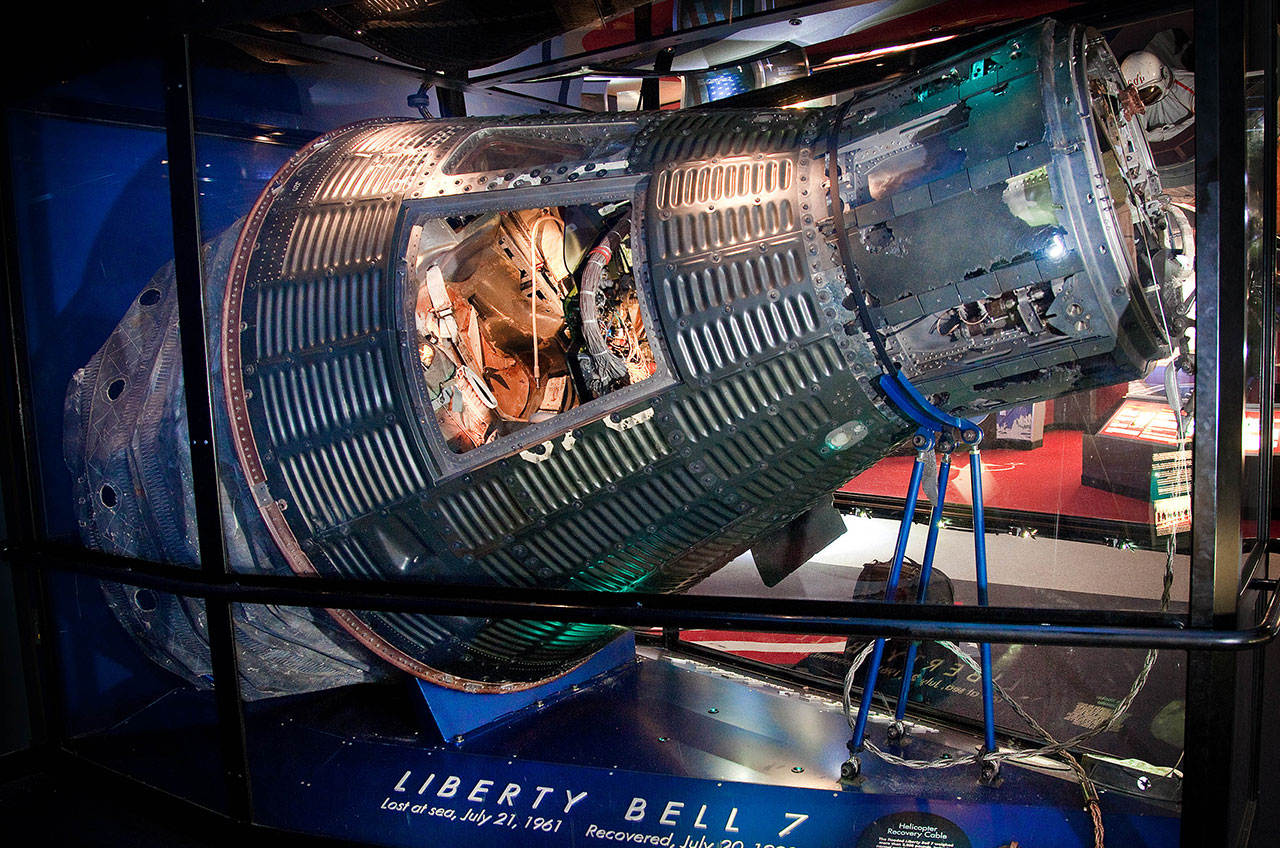
This month, the Intrepid Museum sat down with deep-sea salvage veteran Curt Newport, the man who spearheaded the effort to locate and recover the capsule 38 years later. In the interview, Newport thoroughly explained the thought processes behind the search for the Liberty Bell 7, and also the technology that helped in the process. You wouldn’t want to miss Newport’s account of recovering and preserving one of the most elusive space artifacts of the U.S.!
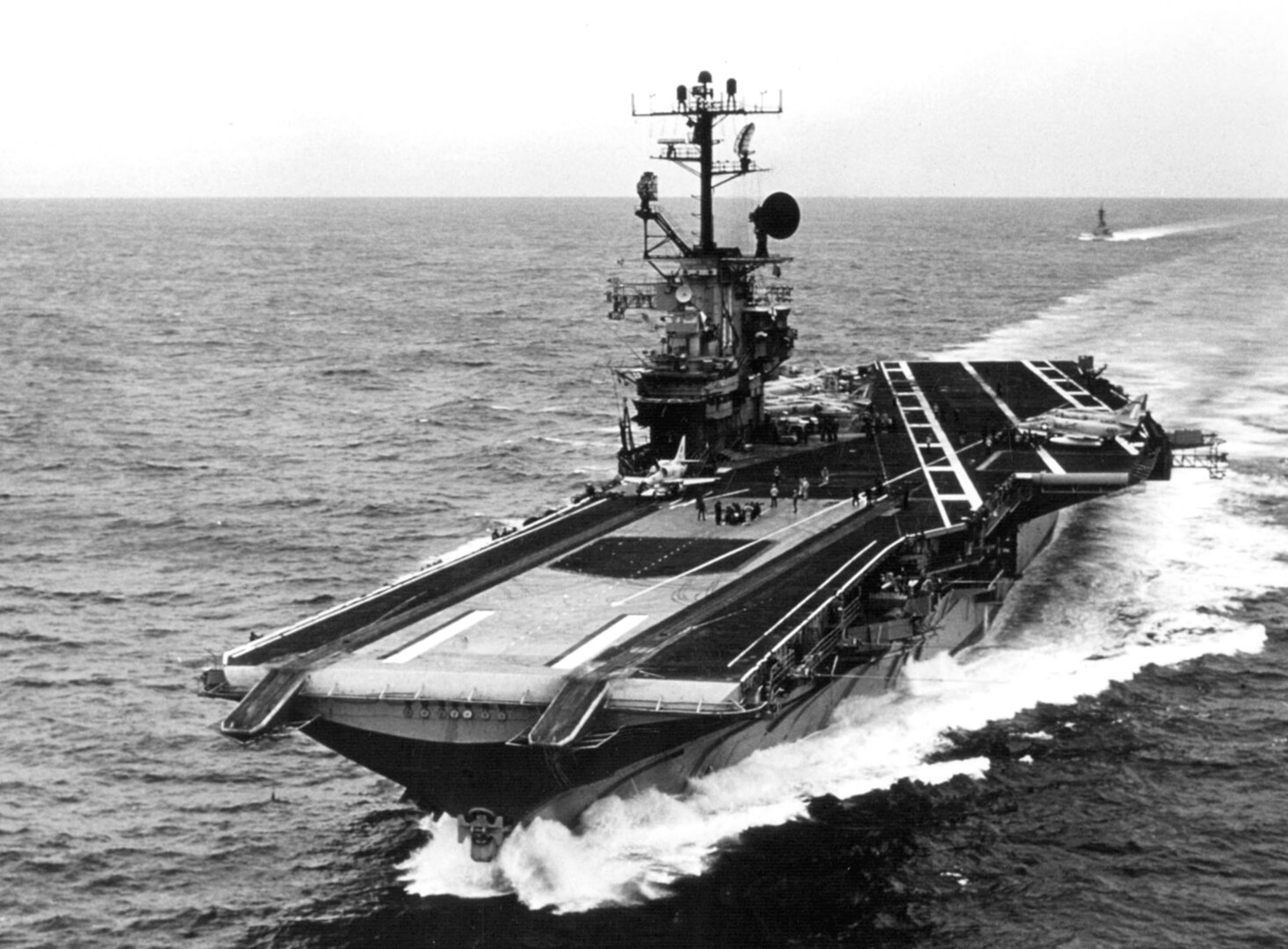
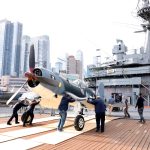
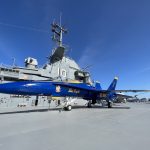
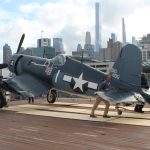
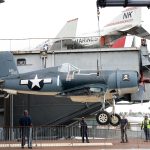
The Intrepid Museum is a privately owned non-profit organization based in New York City. It was founded in 1982 and was named after the much-accoladed WWII aircraft carrier, Intrepid, which the museum displays as the centerpiece of its collection. Today, the museum welcomes more than a million visitors annually from all over the world. If you’re interested in what the museum has to offer, you can take a look at its official website and even donate some money to support the organization.







 Vintage Aviation News