


XP-82 Twin Mustang – May, 2017 – Restoration Update

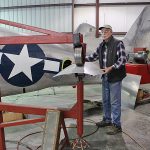
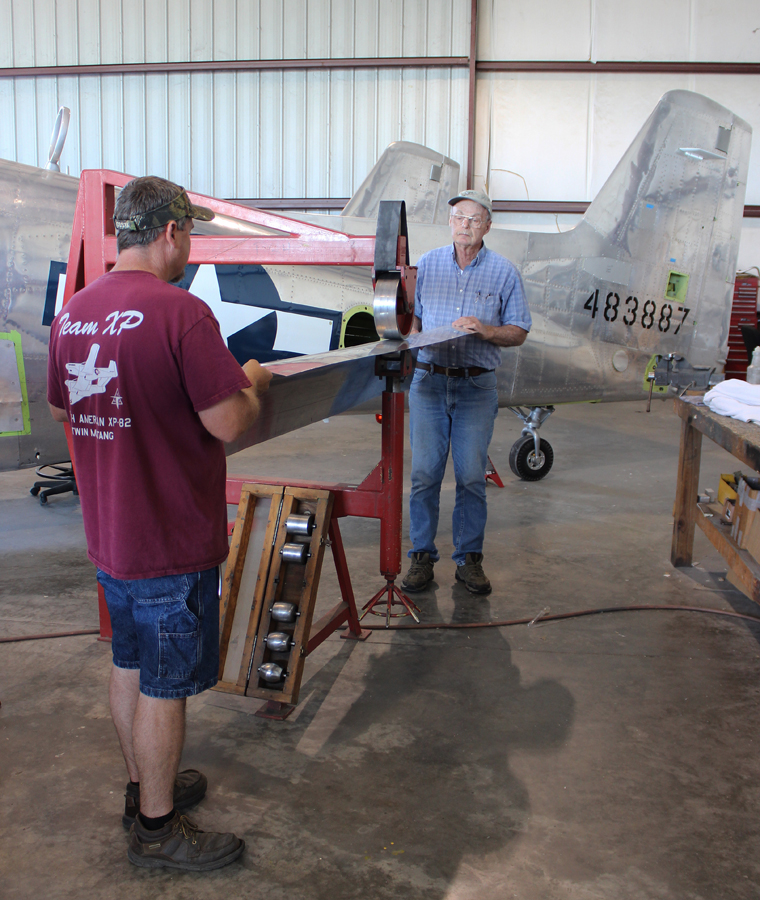
English wheeling one of the fairings. (photo via Tom Reilly)
AirCorps Restorations

 F-82E Twin Mutstang at Adak Island, Alaska, 1948.United States Air Force via Wings magazine - October 2003 edition "Alaska Twin Mustangs"
F-82E Twin Mutstang at Adak Island, Alaska, 1948. United States Air Force via Wings magazine – October 2003 edition “Alaska Twin Mustangs”

WarbirdsNews has received the latest XP-82 Twin Mustang restoration update from Tom Reilly at his workshop in Douglas, Georgia, and we thought you would all be pleased to see the latest progress!


Electrical

The restoration teamย is in the last phases of testingย each electrical circuit. These are quite complicated systems in the XP-82 and also the ๏ฌrst twenty B-model Twin Mustangs,ย which all had full dual controls. Each pilot had the ability to switch all electrical controls back and forth between each cockpit,ย i.e. boost pumps, fuel shut-offs, cross-feeds, all lighting, electronic mixture controls, coolant door motors, carburetor air temperature motors, generators, bombs, rockets, guns and superchargers. Theย transferย of electrical control was effectedย by selecting certain switching relays.

This unique ability to switch electricalย control from pilot to co-pilot or vice versa was necessary becauseย the Twin Mustangย had a 12-hour plus range with external fuel. It allowedย pilots to take turns restingย on long missions. As an example of extreme endurance in a Twin Mustang, Col. Robert Thacker ๏ฌ‚ew ‘Betty Jo’, a Merlin-powered P-82B, non-stop from Hickam Field, Hawaii to LaGuardia Airport, New York in 14.5 hours on February 27th, 1947. Thackerย is still living today at the tenderย age of 100!

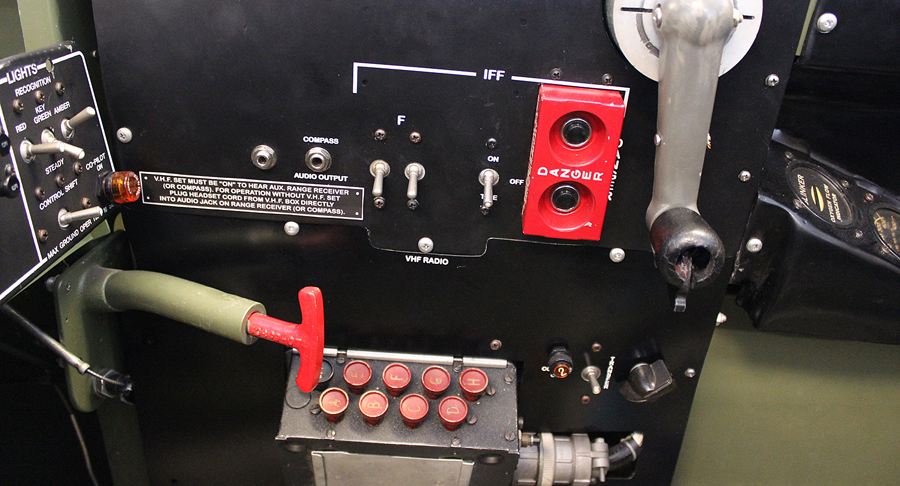
Tom Reillyย ๏ฌnally found the last of the two electrical components necessary to complete the original radio installations. The impact detonator switches are now installed in both cockpits. These devices could be activatedย by either pilot prior to bailing out in order to ensure destruction of the then top secret IFF radios when the abandoned aircraft crashed.
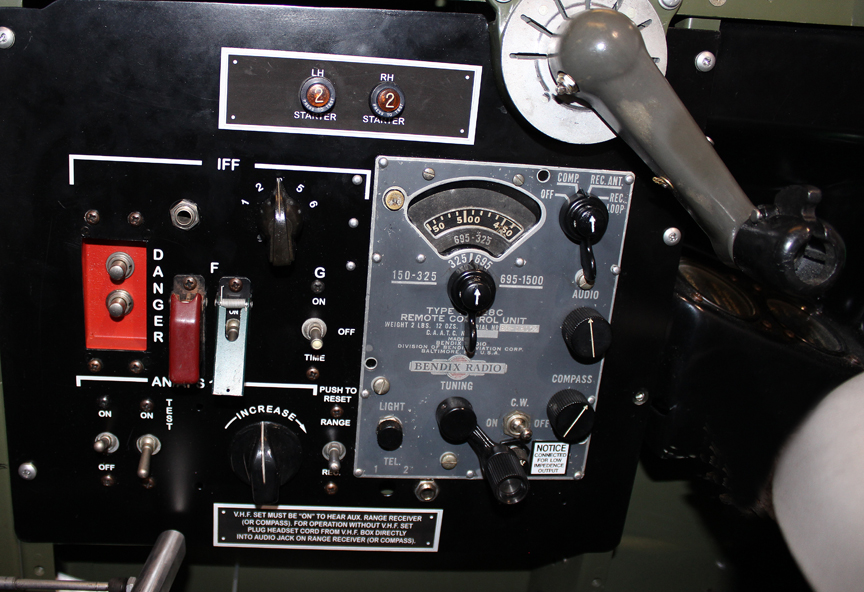
The copilotโ€™s radio package. Note the impact destruct switch (the red panel with two black buttons). (photo via Tom Reilly)

Pilotโ€™s radio package. Note the impact destruct switch (the red panel with two silver buttons). (photo via Tom Reilly)

Fuselage Fairings

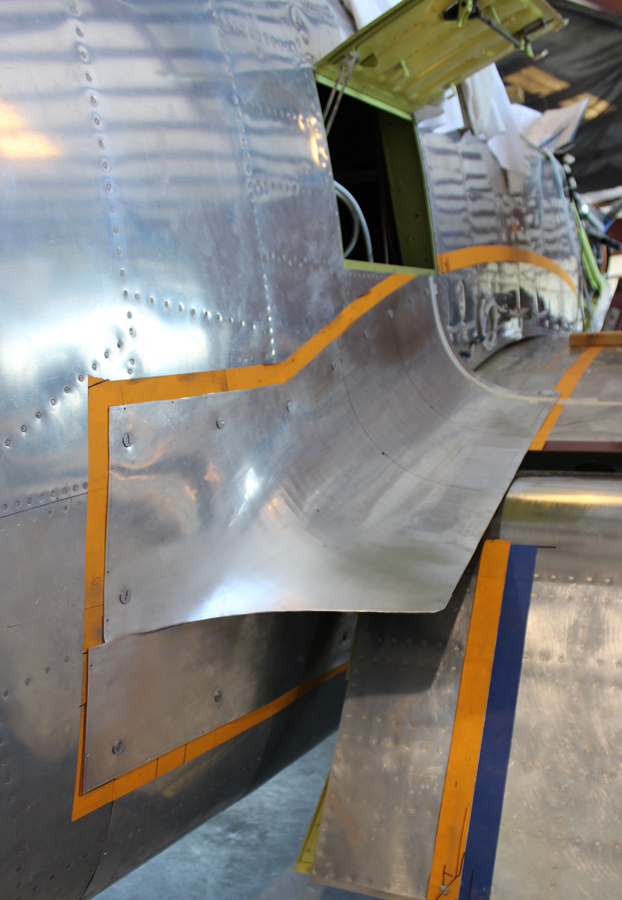
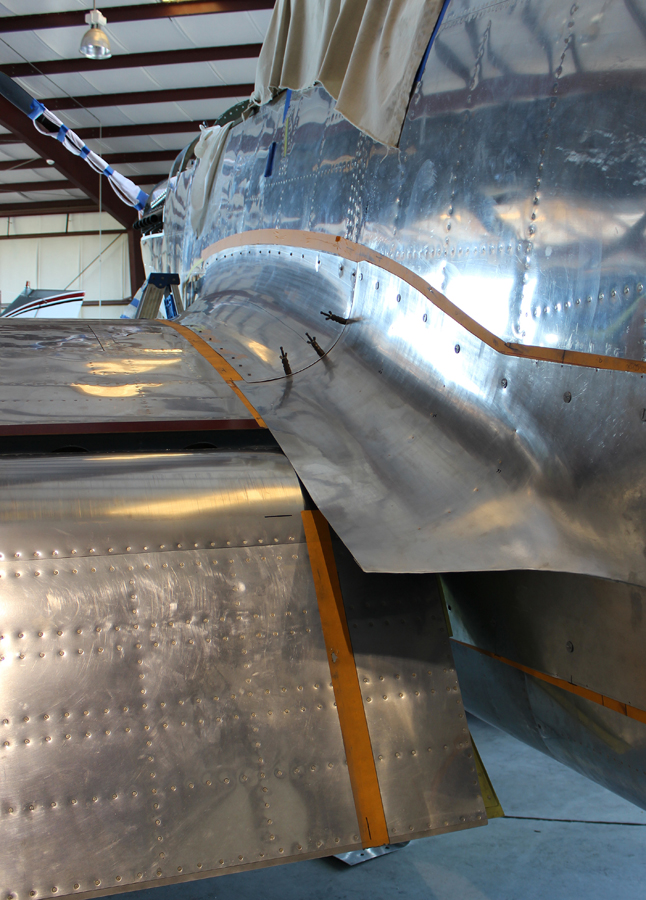
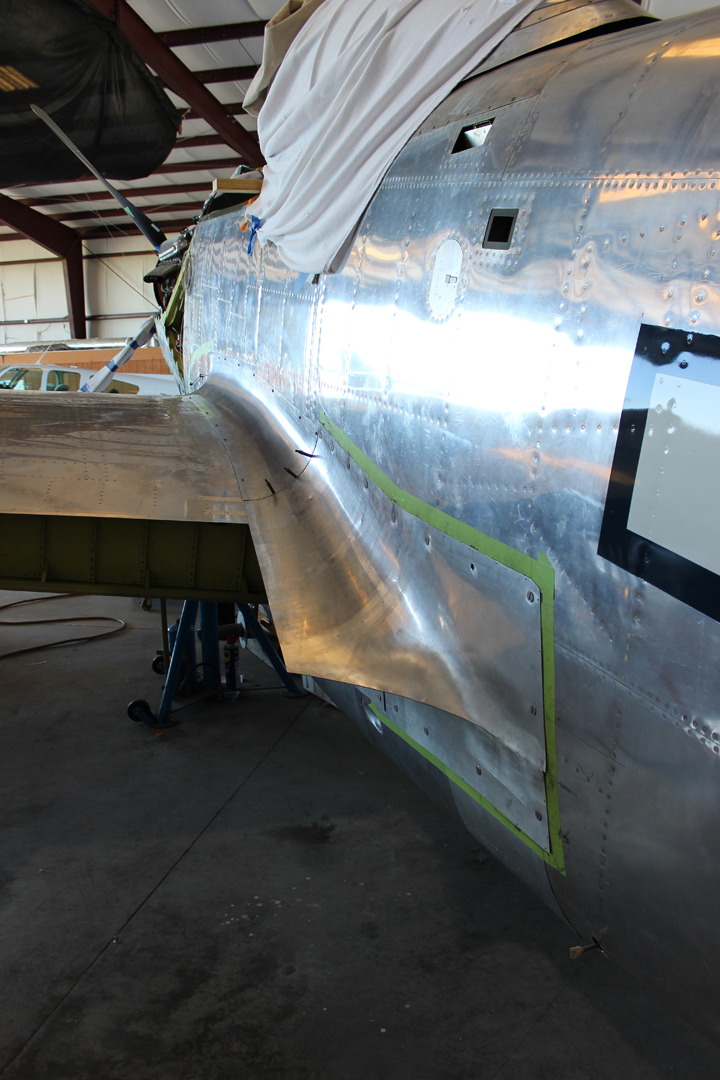
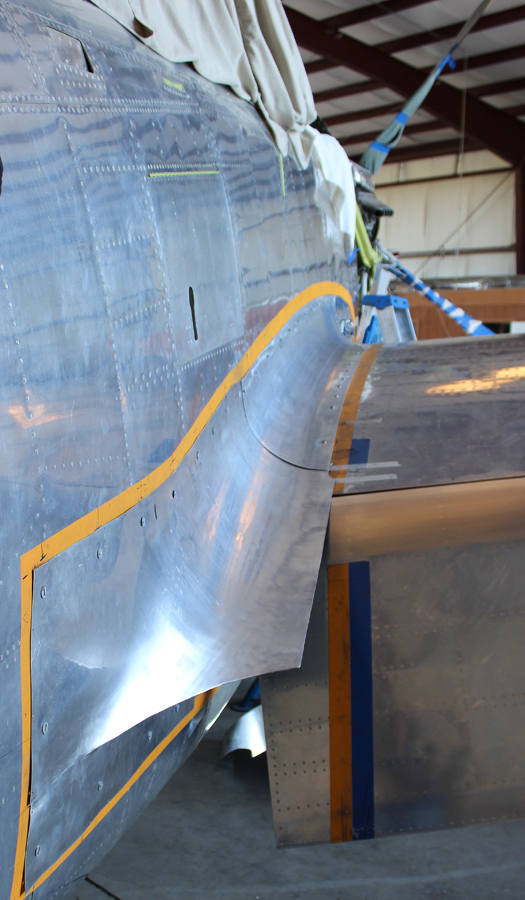
Most of the months of April and May have been spent English-wheeling skins for the fuselage-to-center section and fuselage-to-outboard wing trailing edge and wing fairings. Quite a numberย of complicated special curvatures had to be wheeled into the trailing edge fairings that do not show in the pictures. All four fairings are temporarily ๏ฌt prior to ๏ฌnal trimming.

The lefthand inboard fuselage-to-center section fairing in place during trial fitting. (photo via Tom Reilly)

The righthand inboard fuselage-to-center section fairing in place during trial fitting. (photo via Tom Reilly)

The lefthand outboard fuselage-to-center section fairing in place during trial fitting. (photo via Tom Reilly)

The righthand outboard fuselage-to-center section fairing in place during trial fitting. (photo via Tom Reilly)

The teamย has just started forming the four compound curved leading edge fairings that go from the fuselages to the center section and fuselages to the outboard wings.
English wheeling one of the fairings. (photo via Tom Reilly)

Top Engine Cowling

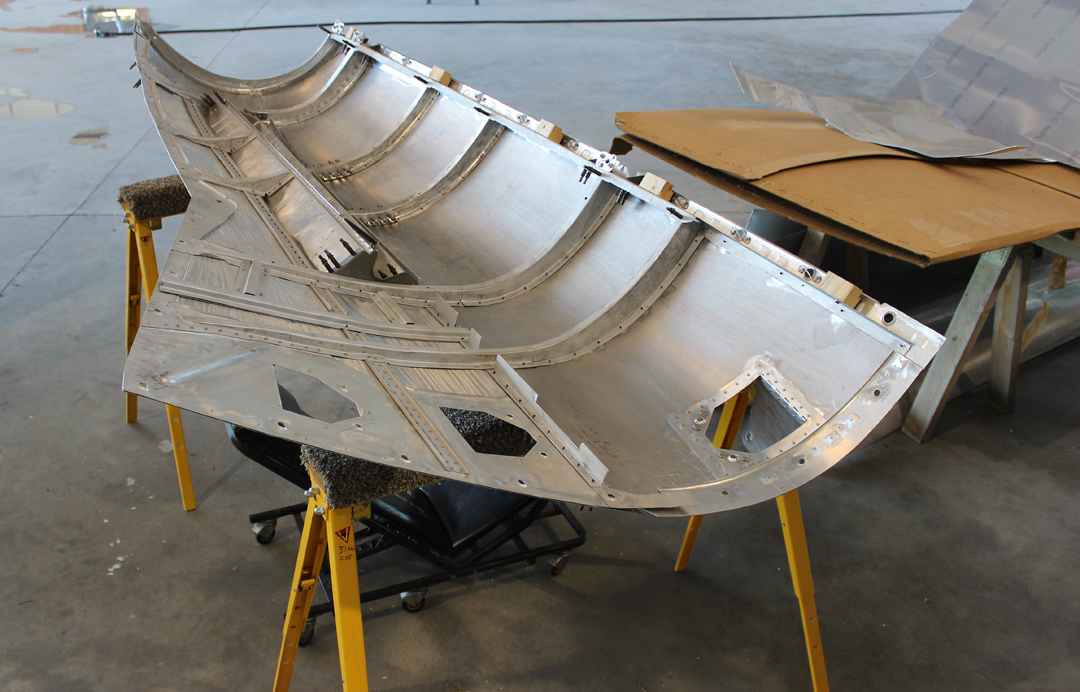
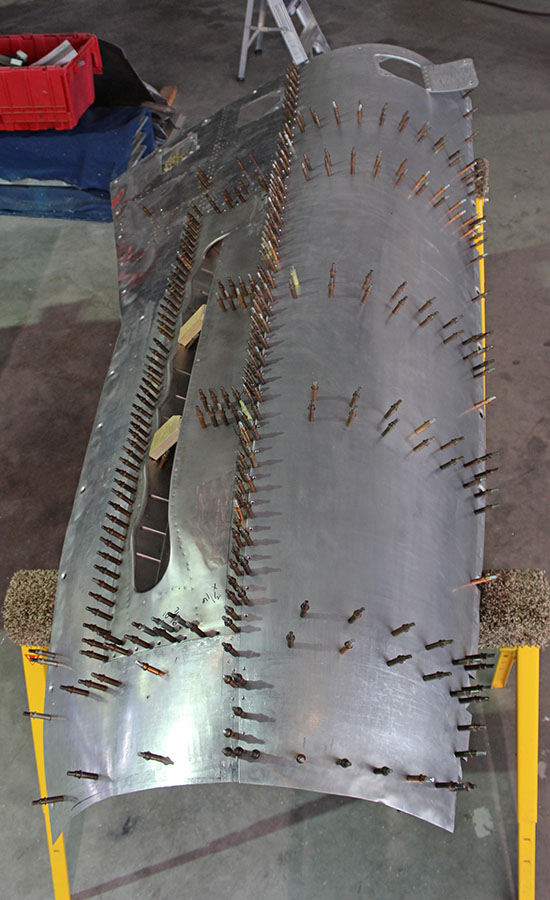
Prior to spot-welding, the tack riveting of the top right cowl for the right-hand engine is now being completed. The solid rectangular line of clecos shown in the picture is holding in the stainless exhaust trough. These will be ๏ฌlled with rivets as spot-welding will not attach stainless steel to aluminum. The opposing left-hand top cowling panel requiresย refabrication.

An interior view of the top right cowl for the right-hand engine during the tack-riveting process. Clecos are holding the ribs in place at this point. (photo via Tom Reilly)

An exterior view of the top right cowl for the right-hand engine during the tack-riveting process. Clecos are holding the ribs in place at this point. (photo via Tom Reilly)

Hydraulic System

The hydraulic system tests for the landing gear and ๏ฌ‚aps should be completed by the end of June.

Control Systems

The ๏ฌnal rigging of range movements for the primary ๏ฌ‚ight control cables for both the elevator and rudders is now completed, along with their associated trim tab systems.

When the outboard wings are fully attached, the ๏ฌnal rigging for the ailerons and trim tab will take place.

Firewall Forward
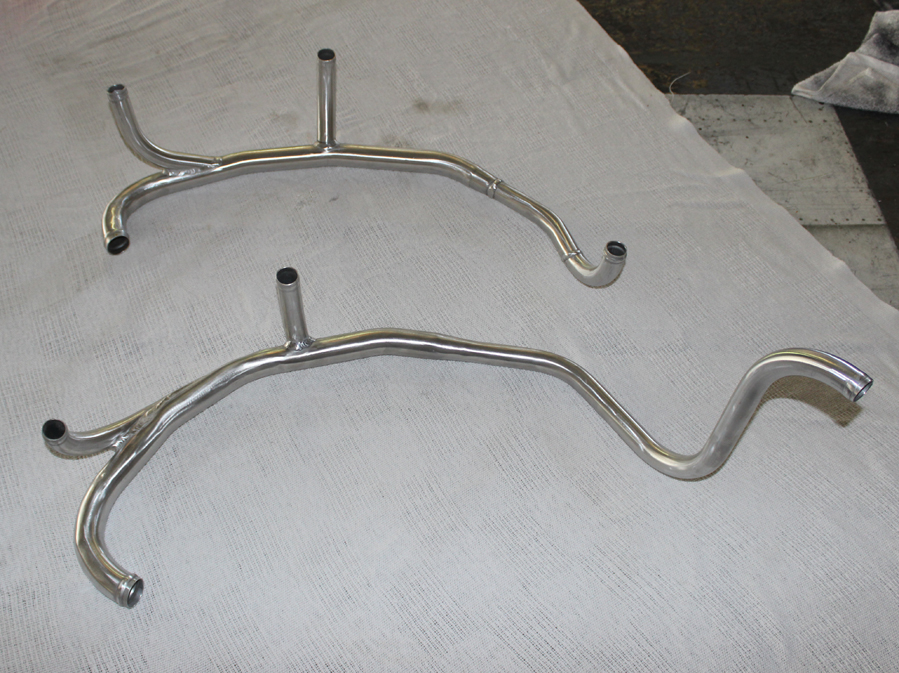
Engine crankcase vent tubes that are attached to each valve cover and the nose case vent port are now completed. (photo via Tom Reilly)

And that is all for this month’s report.


Many thanks again to Tom Reilly for this update. You can learn more about the project on their blog HERE. Please be sure to check back with WarbirdsNews in June, 2017 for the next installment in the story following the XP-82โ€ฒs road to recovery!


5950b96b53fca257ead878469b70e12a?s=150&d=mp&r=g

Richard Mallory Allnutt's aviation passion ignited at the 1974 Farnborough Airshow. Raised in 1970s Britain, he was immersed in WWII aviation lore. Moving to Washington DC, he frequented the Smithsonianโ€™s National Air & Space Museum, meeting aviation legends.

After grad school, Richard worked for Lockheed-Martin but stayed devoted to aviation, volunteering at museums and honing his photography skills. In 2013, he became the founding editor of Warbirds News, now Vintage Aviation News. With around 800 articles written, he focuses on supporting grassroots aviation groups.

Richard values the connections made in the aviation community and is proud to help grow Vintage Aviation News.

Platinum B 729
Share This Article
Richard Mallory Allnutt's aviation passion ignited at the 1974 Farnborough Airshow. Raised in 1970s Britain, he was immersed in WWII aviation lore. Moving to Washington DC, he frequented the Smithsonianโ€™s National Air & Space Museum, meeting aviation legends. After grad school, Richard worked for Lockheed-Martin but stayed devoted to aviation, volunteering at museums and honing his photography skills. In 2013, he became the founding editor of Warbirds News, now Vintage Aviation News. With around 800 articles written, he focuses on supporting grassroots aviation groups. Richard values the connections made in the aviation community and is proud to help grow Vintage Aviation News.
Leave a comment

Leave a Reply

Your email address will not be published. Required fields are marked *