




Eighty-five years ago today, on March 26, 1940, the Curtiss CW-20 took its maiden flight. This aircraft marked the beginning of the lineage that would lead to the C-46 Commando. Originally conceived in 1937 as a pressurized airliner, the CW-20 was designed to compete with contemporary transports by offering improved high-altitude performance and greater cargo capacity.

Impressed by its capabilities, the U.S. Army Air Corps acquired several CW-20s, designating them as C-55s for evaluation. Following modifications and operational assessments, the aircraft evolved into the C-46 Commando, officially entering military service. While initially seeing some civilian and British government use, the Commando’s true significance emerged during its widespread adoption by the U.S. Army Air Forces (formerly the Army Air Corps) in World War II.
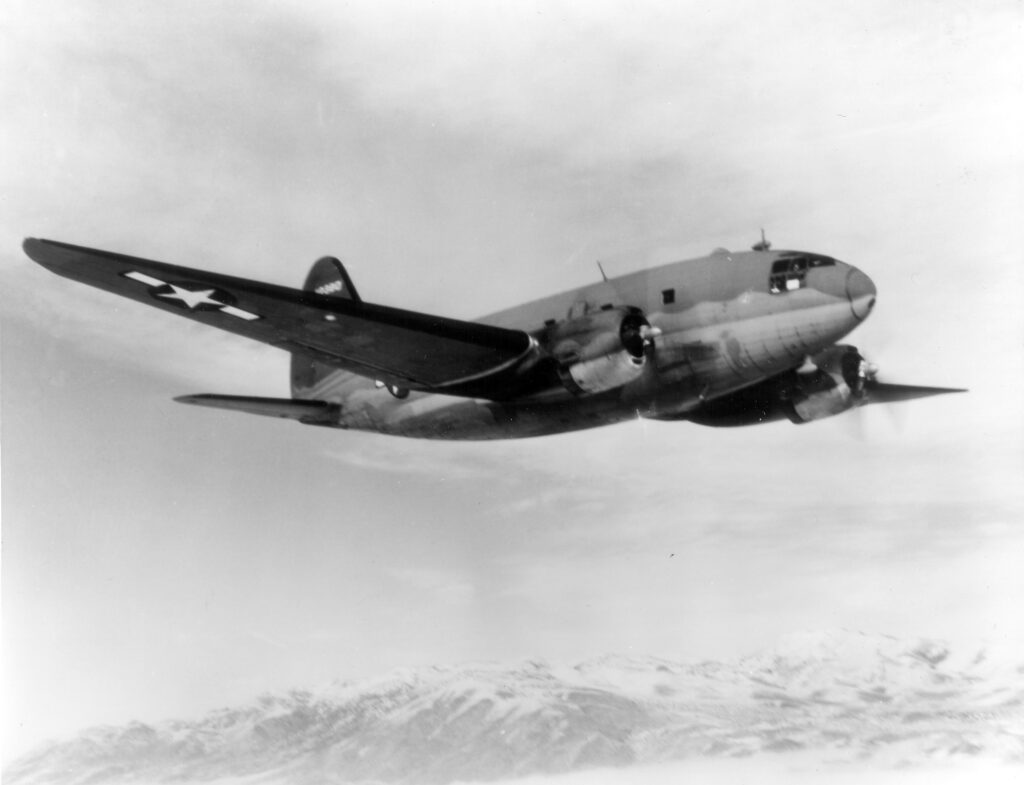
The C-46 was originally named the Condor III, but by 1942, Curtiss company advertisements had embraced the now-familiar Commando moniker. Designed primarily as a cargo transport, the aircraft was also capable of paratrooper drops. Its adaptable interior featured fold-down seating, allowing for a quick conversion between cargo and troop transport configurations. In addition to its U.S. Army Air Forces service, the Commando was also utilized by the U.S. Navy and Marine Corps, where it was designated as the R5C.
While often compared to the more numerous Douglas C-47 Skytrain (DC-3), the C-46 featured a “double-bubble” fuselage design—also described as a “figure-eight” cross-section. This innovative structural feature, a Curtiss patent, enabled the aircraft to withstand pressure differentials at higher altitudes. The design effectively divided the fuselage into two sections, with the upper level accommodating passengers or troops and the lower section used for cargo.

The Commando is perhaps best known for its critical role in the China-Burma-India (CBI) theater of World War II. It became a lifeline for Allied forces, ferrying troops and supplies over “The Hump”—the treacherous Himalayan air route connecting India to bases in China. Despite harsh weather, extreme altitudes, and enemy threats, C-46 crews kept vital supply lines open.
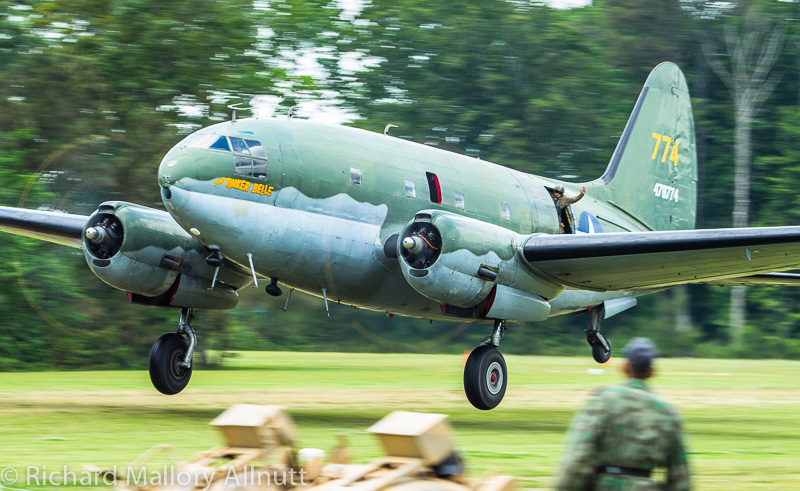
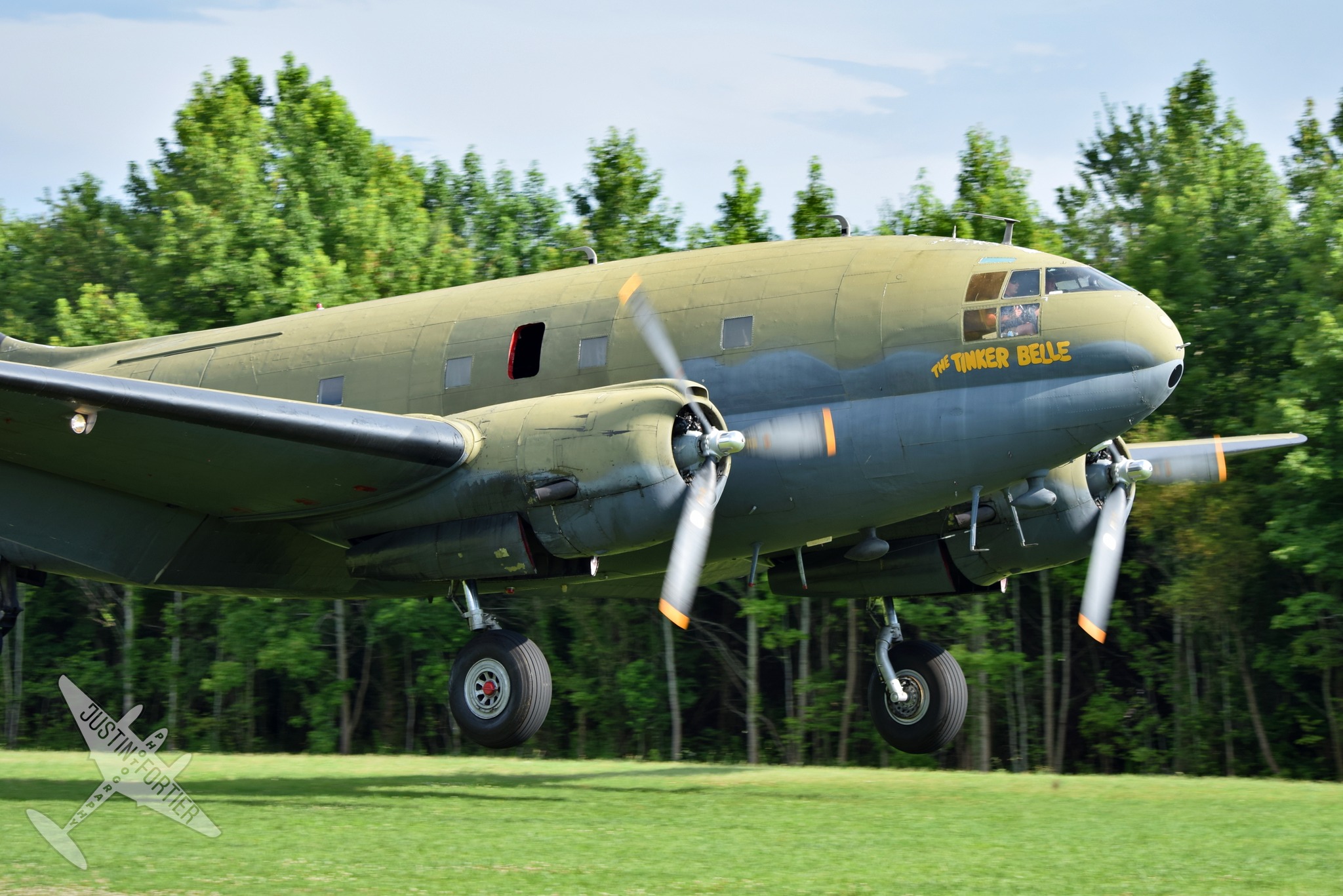
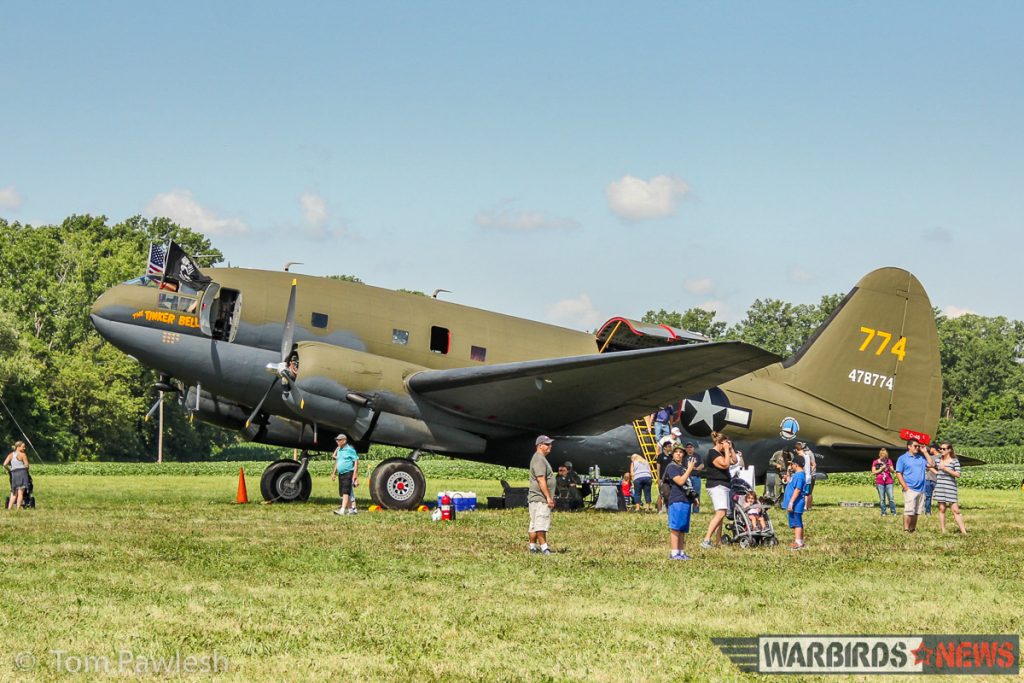
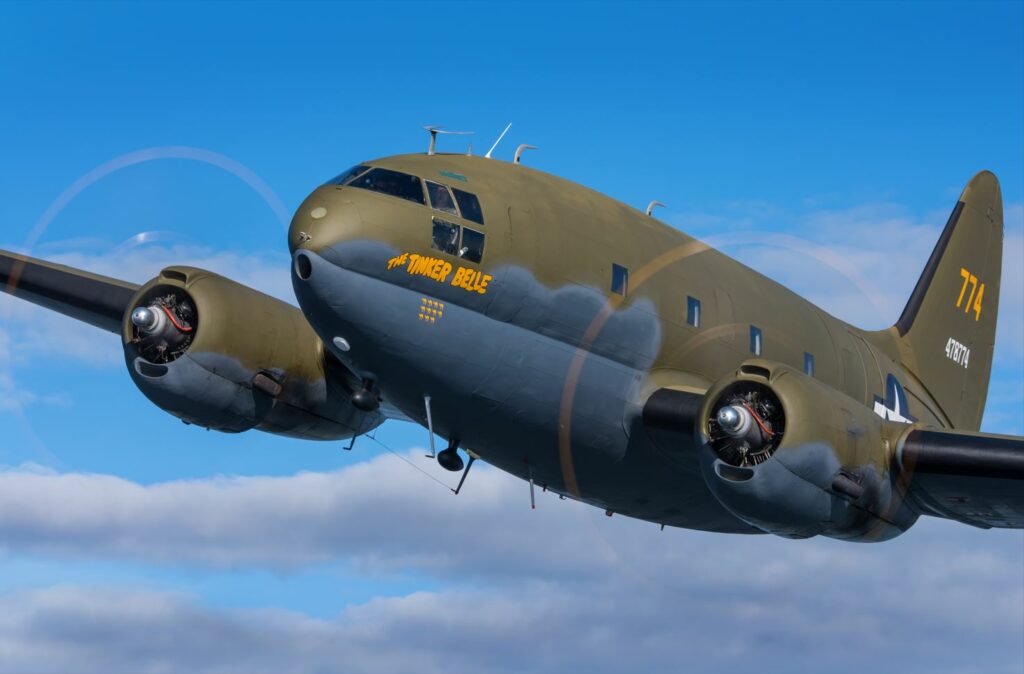
Today, only a handful of C-46s remain airworthy. Among them, Buffalo Airways in Canada operates two aircraft, famously featured in Ice Pilots NWT. Everts Air Cargo, based in Fairbanks, Alaska, also keeps two C-46s in active service. Additionally, the Military Aviation Museum in Virginia Beach, Virginia, proudly maintains and flies its Commando, “Tinker Belle.” From its origins as a pioneering pressurized airliner to its legendary service in World War II and beyond, the Curtiss C-46 Commando remains an enduring symbol of aviation innovation and resilience.


 Vintage Aviation News
Quite the machine. I started my commercial flying in 1966 on the Commando. Twenty yrs old and flying to Great Falls, Grand Forks in Jan. COLD, yes it was an experience. Continued flying them throughout South and Central America. After about
1500 hrs I started flying the DC3, what a joy.
Having Captains that flew them in WWII, I learned a lot and glad I had the opportunity to be able to fly these machines.
BB
In ths Navy, we knew it as the ” flying cow.”.
My Dad was “Radio” on Old Dumbo in Chabua ’44 to ’45. One of radio’s jobs was to crawl in the lower deck & start the putt putt (generator) to start engines. He always worried about sparks setting off the leaking hydraulic fluid that settled near this area of the tail dragger. Despite the its many idiocycracies Old Dumbo got him home to Uncle Sugar.