




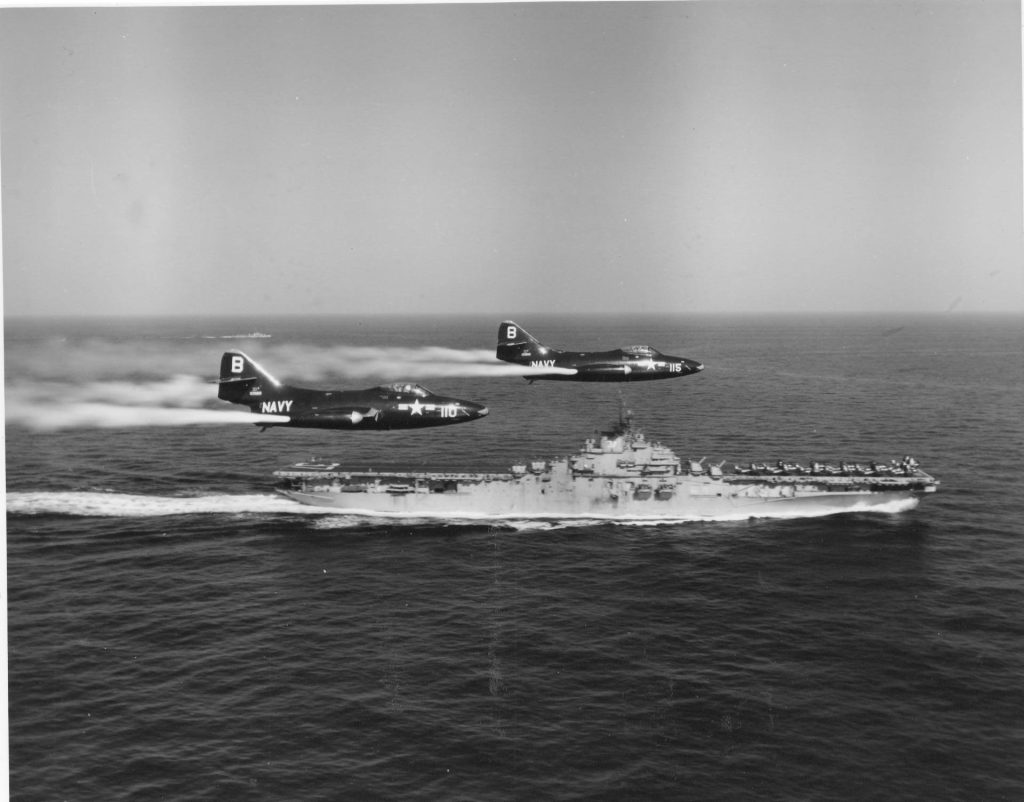
On this day in aviation history, March 21, 1951, a true aviation miracle took place. Two United States Navy F9F Panther fighter jets, from Fighter Squadron VF-191 “Satan’s Kittens,” were on a ground attack mission over Korea. Piloted by Ensign Floryan “Frank” Sobieski and Lieutenant Junior Grade Pat Murphy, these F9Fs were about to face an unexpected challenge that would change the course of their mission.
During a strafing run to deliver ammunition on North Korean targets, Ensign Sobieski’s F9F was struck by ground fire from an anti-aircraft battery directly in its flight path. While the F9F wasn’t critically damaged, and more importantly, Ensign Sobieski himself wasn’t physically harmed, the young aviator wasn’t completely unscathed. The flash from the North Korean AA gun had temporarily blinded him. Unable to see, Sobieski faced a serious obstacle while flying at a high speed—a challenge no pilot would want to face.
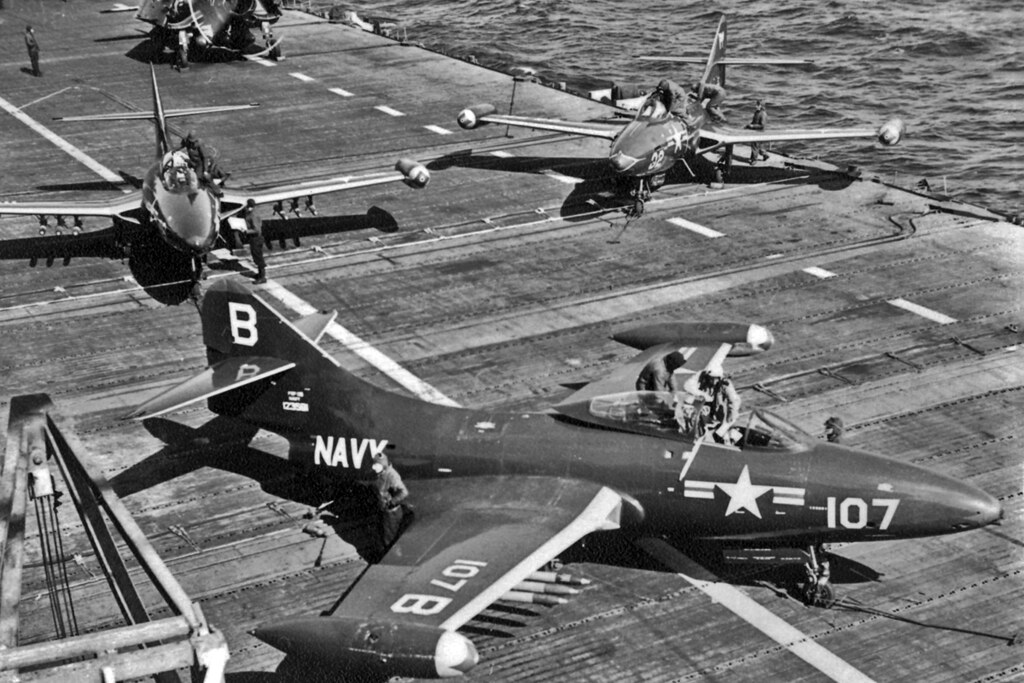
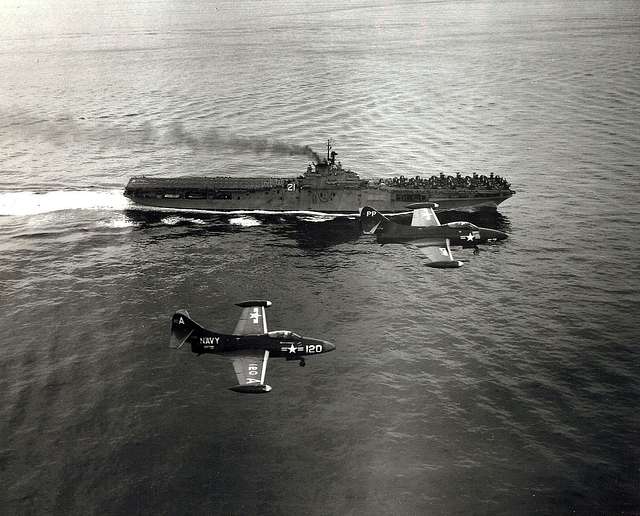
Fortunately, Ensign Sobieski had an invaluable ally: his wingman, Lieutenant Junior Grade Pat Murphy. Murphy remained on Sobieski’s wing, providing crucial flight instructions over the radio. With Murphy’s help, and guidance from the Landing Signal Officer (LSO), Sobieski was able to successfully land his F9F Panther on the deck of the aircraft carrier USS Princeton (CV-37). Once the excitement of the day had passed, Sobieski’s vision fully recovered. This remarkable story lives on as a testament to true camaraderie and the unbreakable bond between fellow aviators—showing what it truly means to have each other’s backs.


 Vintage Aviation News